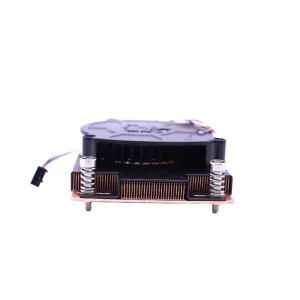
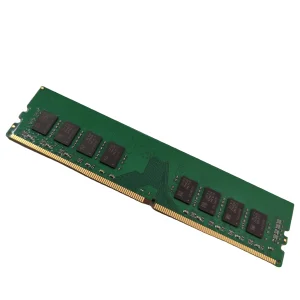
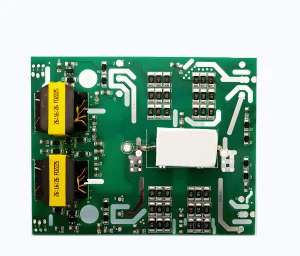
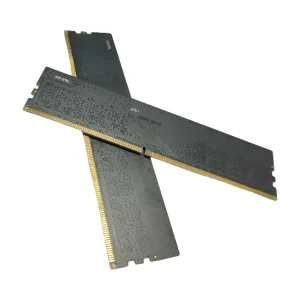
Engineered for high thermal transfer, mechanical stability, and long life spans under intense operation.
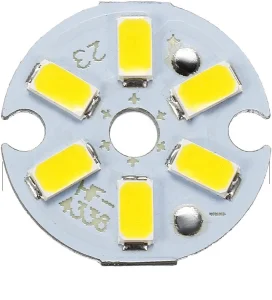
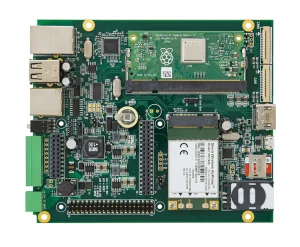
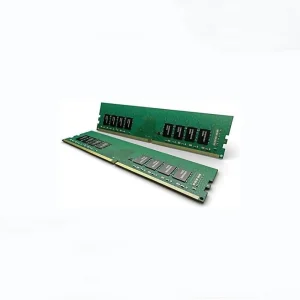
Nigeria’s commercial and industrial sectors are experiencing rapid electrification, with state capitals like Lagos, Abuja, Port Harcourt, and Kano undergoing substantial modernization. The massive demand for public infrastructure, commercial real estate, and municipal developments has catalyzed a fast-growing requirement for energy-efficient, robust lighting systems. With grid instability (fluctuating voltage) and high cost of diesel-powered generators remaining a central challenge for local businesses, LED technology has transitioned from a luxury to an absolute economic necessity.
Particularly, municipal investments in solar-powered LED streetlights have scaled dramatically. The Rural Electrification Agency (REA) of Nigeria and private developers are aggressively executing off-grid and mini-grid initiatives across all geopolitical zones. Because these systems are deployed under intense atmospheric heat (often reaching peak temperatures above 40°C in the north) and significant humidity in coastal regions, standard PCBs fail prematurely. Consequently, Nigerian engineers and importers now mandate high-reliability Metal Clad PCBs (MCPCBs)—specifically aluminum-backed circuit boards—to guarantee long-term operation, effective heat dissipation, and resistance to voltage surges.
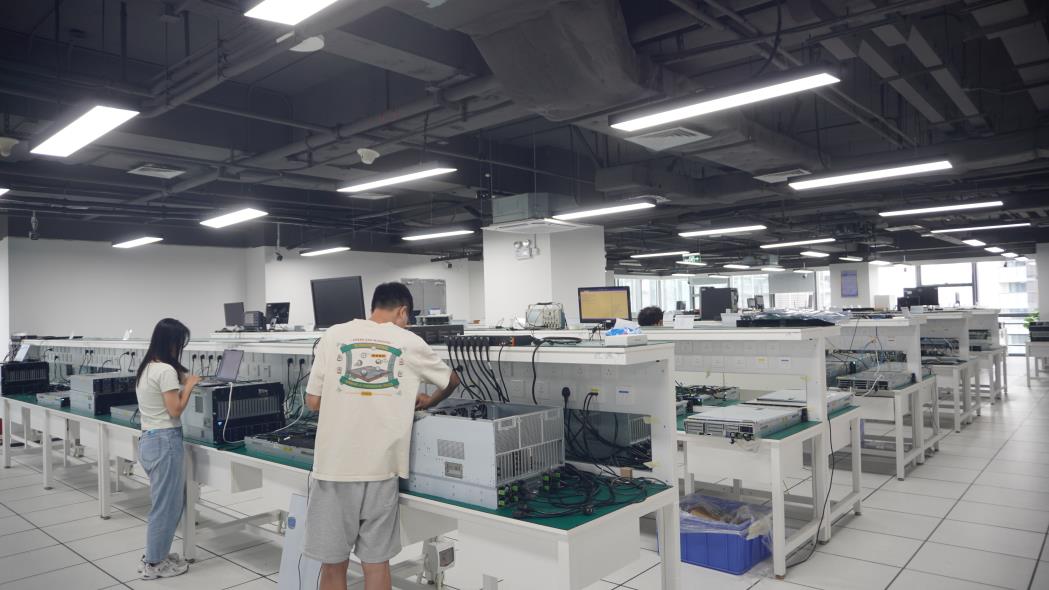
Combining raw material logistics, high-precision assembly, and rigorous testing protocols to serve global markets.
For Nigerian procurement managers, importing directly from a verified Chinese electronics manufacturer offers unprecedented cost-to-performance advantages. China dominates the global supply chain for raw copper clad laminates (CCL), aluminum sheets, high-reflectivity white solder masks, and high-efficiency LED chips (such as Cree, Osram, and Epistar). This direct integration means local buyers bypass multi-tier distribution markups.
Furthermore, advanced SMT (Surface Mount Technology) assembly plants in Shenzhen and Dongguan utilize fully automated pick-and-place lines capable of placing components with ±0.03mm accuracy. This ensures that every high-power LED emitter on an aluminum PCB is perfectly soldered, preventing thermal air gaps that lead to localized overheating and LED burnout.
Years Industry Exp
Annual Exports
R&D Engineers
QC Aging Tested
A comprehensive engineering breakdown of LED PCB configurations designed for tropical and unstable grid conditions.
When designing or sourcing LED circuit boards for Nigeria, engineers must consider local grid anomalies and harsh thermal realities. Below are the key engineering vectors that differentiate consumer-grade boards from true industrial-grade installations:
FR4 has poor thermal dissipation properties (approx 0.25 W/m-K). For LEDs drawing more than 1W, metal core PCBs (commonly using Aluminum 5052 or 6061 substrates) are mandatory. The aluminum base acts as an integrated heatsink, transferring heat away from the SMT LED junction to the fixture frame, extending LED lifespan past 50,000 hours.
The dielectric layer is the critical component that separates the copper traces from the metal base. Our premium boards utilize highly filled polymer dielectrics that optimize thermal transmission while maintaining high electrical insulation, preventing dielectric breakdown up to 3000V AC.
Standard solder masks degrade under constant UV exposure from LED emitters. We utilize formulated reflective white solder masks that maintain >85% reflectivity over years of continuous operations, maximizing overall lumens output (lm/W) of the light fixture.
Designers' Advice: For solar-powered streetlights installed in northern Nigeria (e.g., Maiduguri or Sokoto), where summer temperatures exceed 43°C, always specify an aluminum base thickness of at least 1.6mm with a thermal conductivity coefficient of at least 2.0 W/m-K to mitigate rapid thermal degradation of the LED chips.
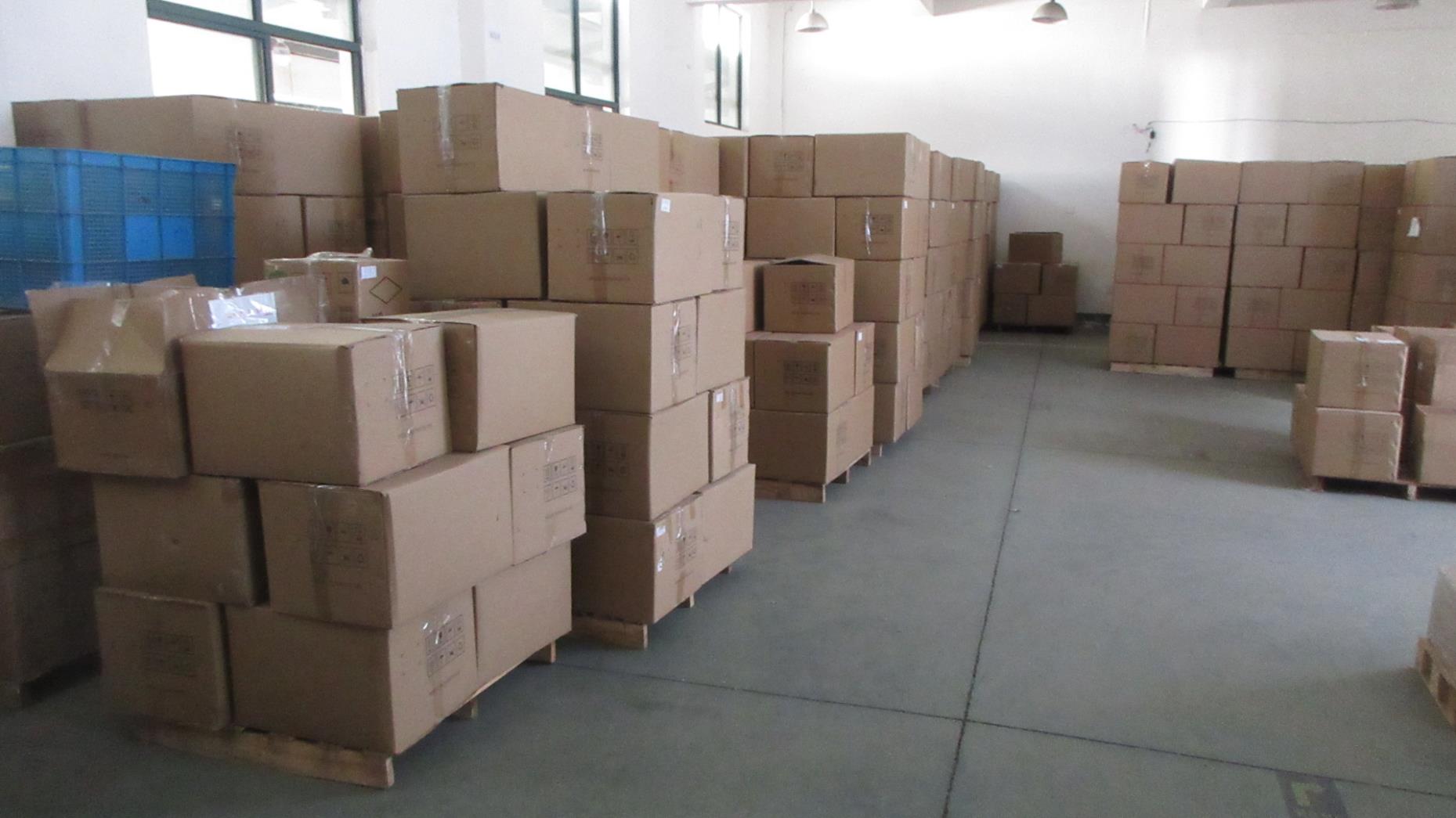
Founded in 2017, Memvora Electronics Technology Co., Ltd. is a professional manufacturer specializing in high-performance DDR5 memory modules, dedicated to delivering reliable memory solutions for consumer, industrial, enterprise, and embedded applications worldwide. With a modern manufacturing facility covering 386㎡, we combine advanced production equipment, strict quality management, and experienced engineering expertise to provide stable, high-speed memory products for global OEM and ODM partners.
Since entering the international market, Memvora has accumulated 7 years of export experience, serving customers across North America, Europe, Southeast Asia, the Middle East, and South America. Our annual export revenue exceeds US$18.6 million, supported by a strong global supply chain and long-term partnerships with more than 1,280 component suppliers and business partners.
With 14 years of industry experience, our team continuously invests in technology innovation and product development. Our R&D department consists of 126 professional engineers who focus on developing next-generation DDR5 memory solutions with higher speed, lower latency, and enhanced reliability. Last year alone, we successfully launched 86 new memory products to meet the evolving needs of gaming, AI computing, industrial automation, and enterprise servers.
Quality is the foundation of everything we do. Every product undergoes 100% functional testing, burn-in testing, compatibility testing, signal integrity testing, and aging tests before shipment. Our dedicated quality control team of 42 inspectors ensures every memory module meets rigorous international quality standards and delivers long-term stable performance.
Memvora provides flexible OEM, ODM, private label, custom capacity, PCB color, heat spreader design, firmware optimization, and packaging customization services to meet different market requirements. Backed by a responsive engineering team and efficient production management, we help customers shorten development cycles and accelerate product launches.
Today, Memvora serves a diverse customer base including memory brands, computer manufacturers, industrial equipment suppliers, system integrators, distributors, wholesalers, and e-commerce retailers. Through continuous innovation, reliable quality, and customer-focused service, we are committed to becoming a trusted global partner for advanced DDR5 memory manufacturing and customized DRAM solutions.
Targeted electronic assemblies built for real-world municipal and commercial operating environments across West Africa.
Widely deployed under federal rural electrification initiatives in states like Kaduna, Oyo, and Imo. Integrated aluminum PCBs mount high-brightness LEDs, backed by custom controller boards optimized to interface with LiFePO4 battery management systems (BMS).
High-density linear LED boards, T8/T5 tube replacements, and architectural panel lighting components sourced by installers inside Lagos (Lekki, Victoria Island, Ikeja) to reduce energy loads on building grid systems.
Used heavily in petrochemical zones, refineries, and offshore rigs located throughout the Niger Delta region (Port Harcourt, Warri). These boards use reinforced thermal materials and specific solder joints to withstand gas and mechanical hazards.
Consult with our engineering and logistics specialists. Get full design review, prototype runs, and DDP/CIF shipping solutions tailored for Nigerian port operations.
Send Inquiry NowDirect from factory sourcing solutions for distributors, system integrators, and manufacturers.
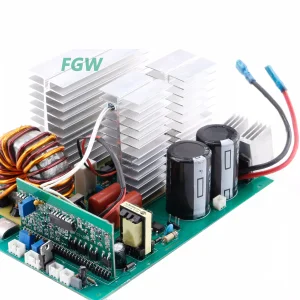
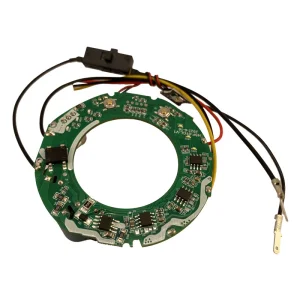
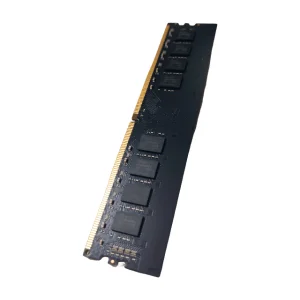
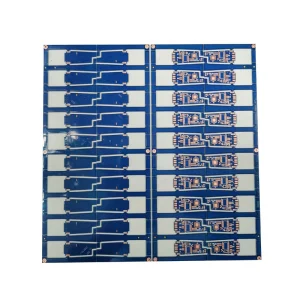
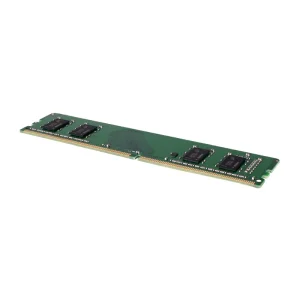
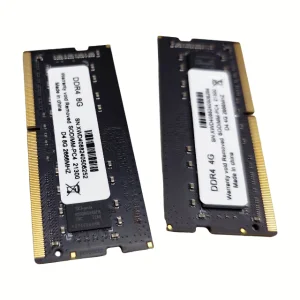
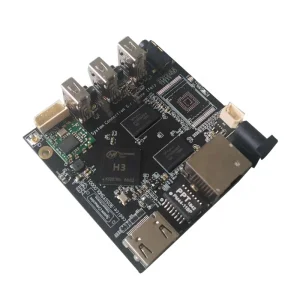
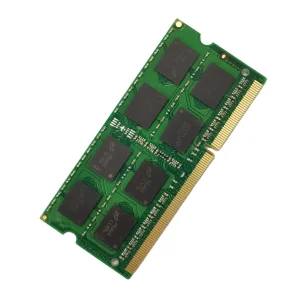
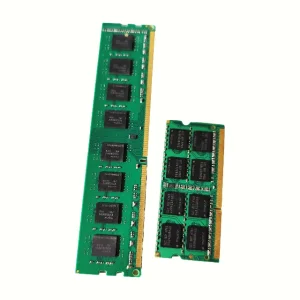
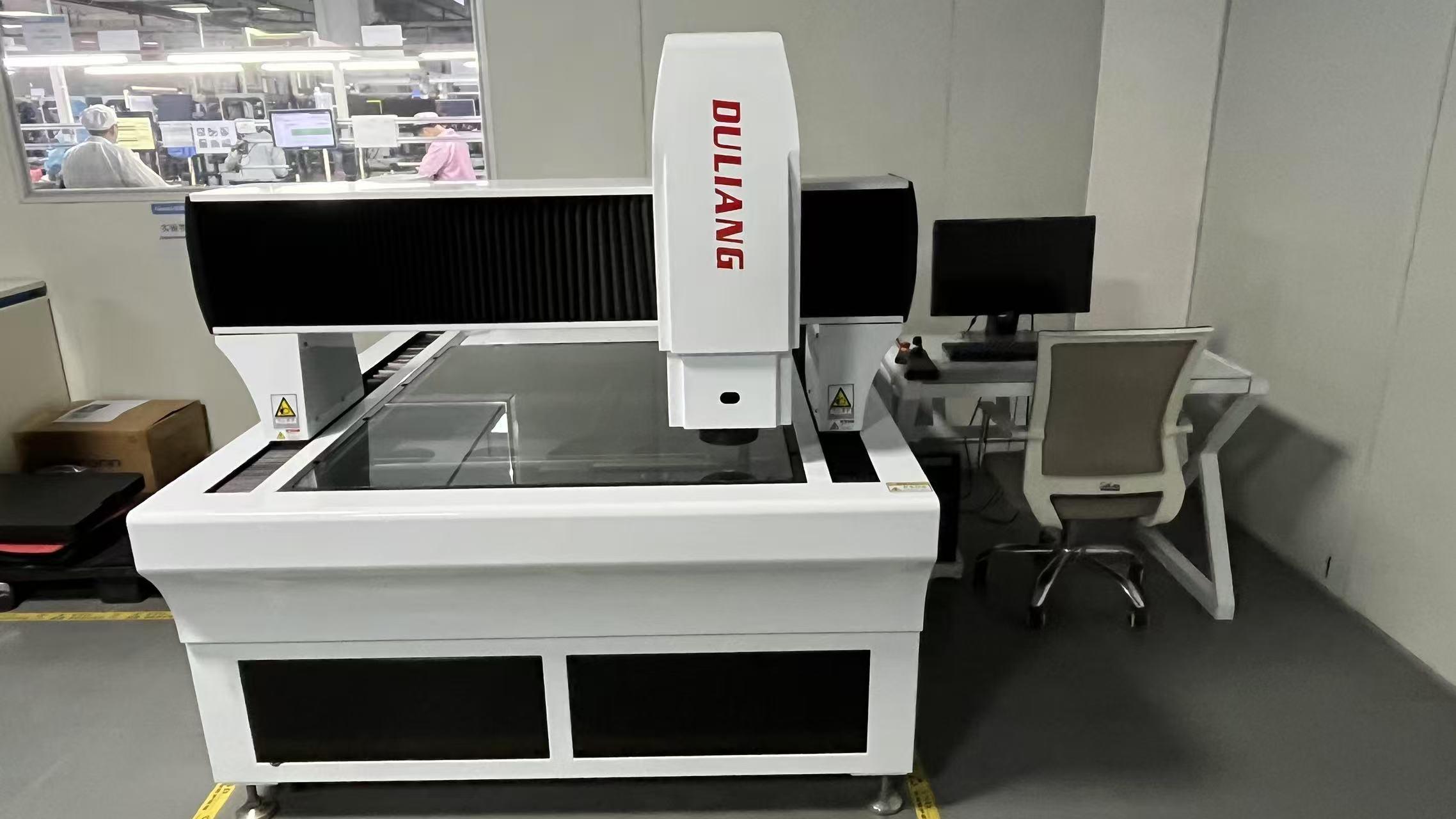
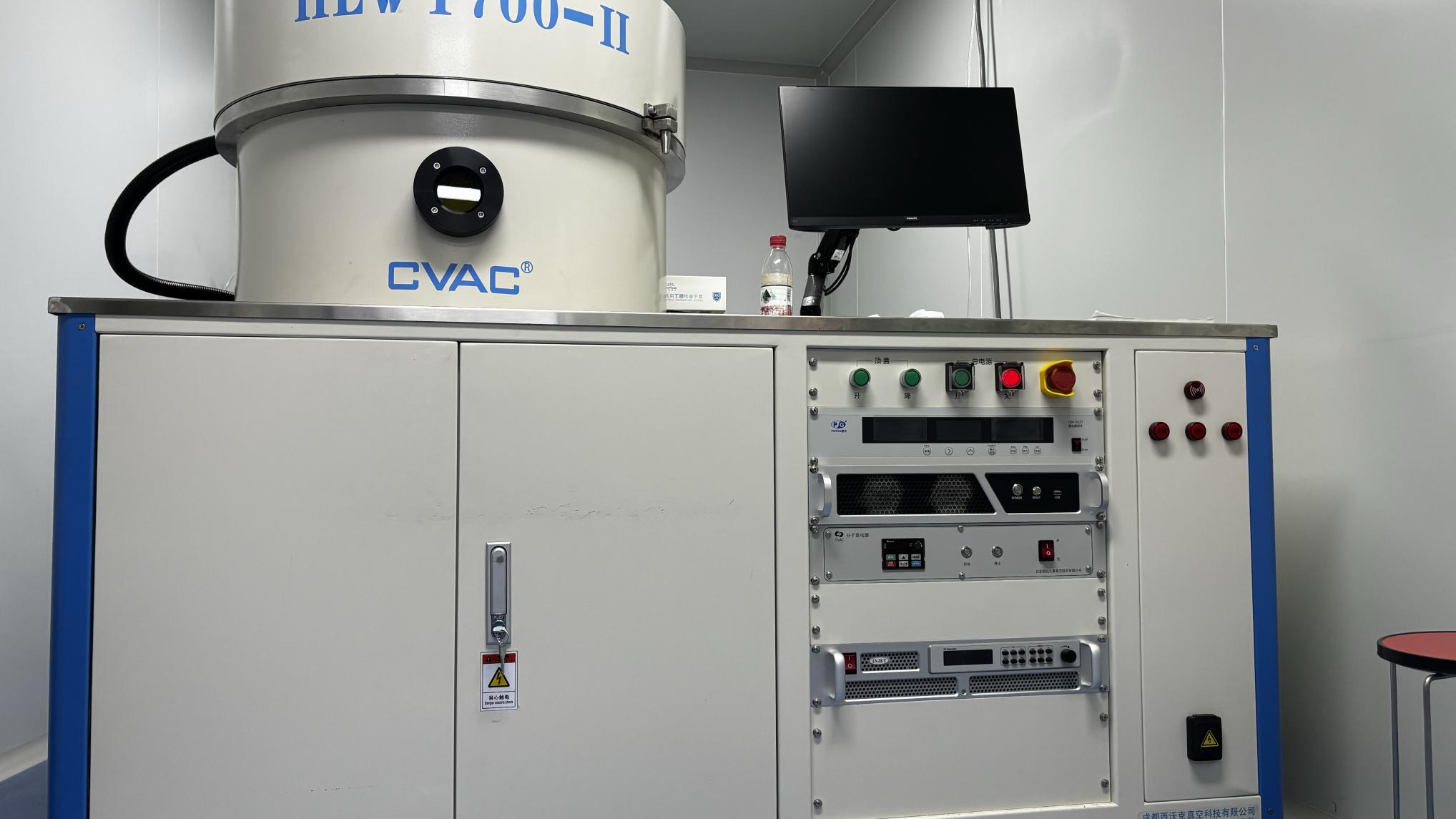
Examine our production standards, SMT assembly machinery, and visual quality control lines.
Crucial information concerning importing procedures, custom certifications, shipping, and product compatibility.
Yes. All electronic products, including printed circuit board assemblies (PCBA) and LED components exported to Nigeria, are manufactured to comply with international standards (CE, RoHS, UL). We assist our Nigerian importers in acquiring the necessary Product Certificates (PC) and SONCAP Certificates (SC) required to complete customs clearance at Nigerian sea ports (Apapa/Tin Can) or airport hubs.
For standard aluminum PCB prototyping, the manufacturing cycle takes 3–5 working days. For high-volume mass production (e.g., municipal street light projects), lead times range from 10–15 working days from engineering approval. SMT assembly requires an additional 5–7 days depending on component sourcing.
We offer flexible shipping terms including FOB, CIF, and DDP (Delivered Duty Paid). For critical projects, air freight via Lagos (Murtala Muhammed International Airport) takes approximately 5–7 days. For cost-effective large bulk shipments, ocean shipping to Lagos Port (Apapa/Tin Can Island) takes approximately 35–45 days. We work with specialized shipping partners who handle local customs processing and clearing.
Our engineering team designs circuits with specific spacing, isolation tracks, and transient voltage suppressors (TVS diodes). When assembling LED drivers, we use high-grade copper layers and premium dielectric layers capable of withstanding voltage spikes up to 4kV. We strongly recommend combining our MCPCBs with industrial-grade drivers designed with wide voltage input tolerance (e.g., 90V–305V AC).
Absolutely. We support full custom PCB layout services. You can customize the physical dimensions (such as circular panels, long strips, or flexible PCBs), board thickness (0.8mm to 2.0mm), copper weight (1oz to 3oz), solder mask colors (white, black, green, or blue), and specific LED chip footprints (SMD 2835, 3030, 5050, etc.).
We maintain highly flexible MOQs to support diverse business scales. For prototype runs and initial verification samples, there is no strict minimum order. For production runs, the typical MOQ starts at 100 units. We invite you to send your Gerber design files to our engineering desk for a precise, customized quotation.
 Memvora