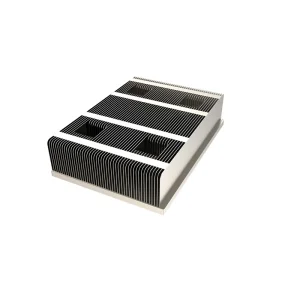
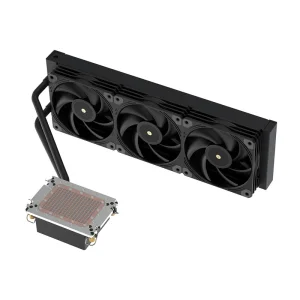
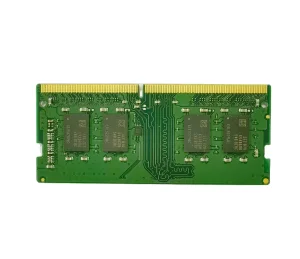
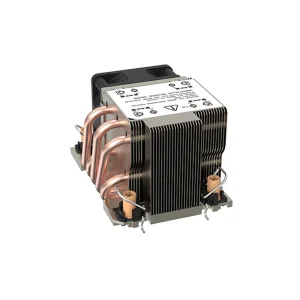
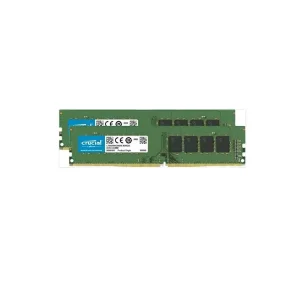
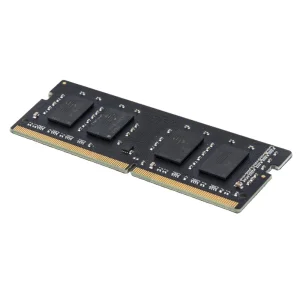
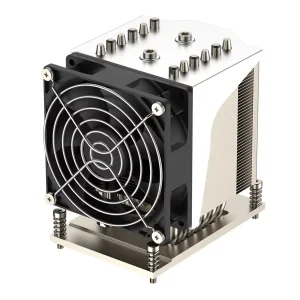
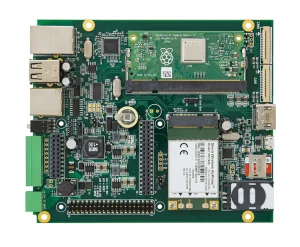
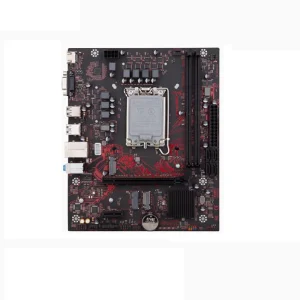
Browse our primary selection of high-frequency printed circuit boards, high-speed RAM hardware, and thermal dissipation systems.
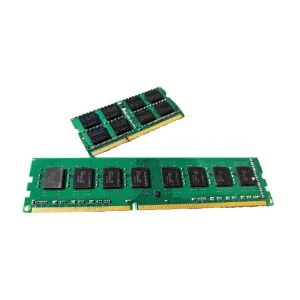
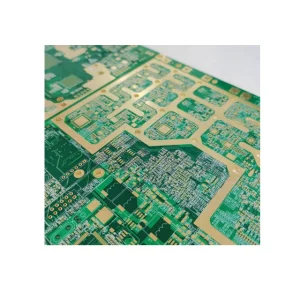
The demand for High Frequency PCBs has reached an unprecedented scale, propelled by the relentless migration of global telecommunications toward higher frequency spectrums. In industrial automation, modern medical diagnostics, aerospace electronics, and autonomous driving, high-frequency printed circuit boards act as the neurological foundation. Standard substrates fail under high gigahertz operations; therefore, specialized materials with low dielectric constants ($D_k$) and minimum dissipation factors ($D_f$) are crucial.
From North America to the European Union and the Asia-Pacific region, industrial hardware developers are shifting away from conventional FR4 laminates for gigahertz range designs. Crucial hardware configurations such as Rogers 4000 series mixed pressure boards combined with high-grade Shengyi FR4 High TG170 are becoming industry standards. This hybrid design methodology optimizes costs while maintaining supreme electromagnetic signal integrity for critical radiofrequency pathing.
How high-frequency substrates are evolving to meet the next generation of wireless transmission and edge computing power.
The implementation of sub-terahertz signal bands for 5G Advanced and nascent 6G systems demands substrates with virtually zero copper foil profiles. Reverse treated foils (RTF) and very low profile (VLP) copper options are combined with specialized PTFE (Teflon) and thermoset hydrocarbon materials to prevent skin effect losses at higher bands.
To satisfy budgetary and complex mechanical design targets, multi-layer high frequency PCBs utilize hybrid press stackups. By embedding Rogers or Taconic laminates exclusively on the outer signal layer routing zones and leveraging budget-friendly High-TG FR4 for internal power/ground layer pathing, factories deliver optimum signal fidelity at scaled prices.
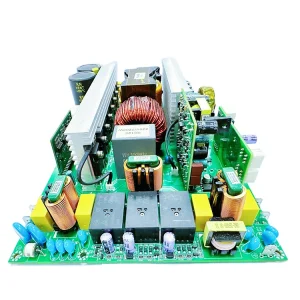
RF and power amplifier systems produce tremendous heat loads. Integrating high thermal conductivity dielectric materials with heavy copper cores or metal-backed substrates (such as copper/aluminum backings) is vital. This ensures stable impedance characteristics by preventing dielectric constant shifting from thermal fluctuations.
The foundation of a high-performance RF circuit is the chemical and physical characteristics of its substrate. When routing high-speed signal transmissions, standard epoxy/glass structures (like standard FR4) exhibit unacceptable loss tangents. Our manufacturing facility specializes in custom hybrid and pure high-frequency stackups designed to meet strict impedance and propagation delay targets.
At speeds above 10 Gbps, any variation in the track geometry or dielectric thickness causes signal reflections and jitter. Our factory guarantees:
Impedance Tolerance
±5% precision tolerance for differential and single-ended microstrip traces.
Controlled Copper Roughness
Utilization of VLP copper foil down to 0.5 μm to minimize skin effect resistance.
Precise Backdrilling
Removal of unused via stub lengths to mitigate signal resonance and signal distortions.
Our industrial-grade high-frequency PCB systems serve key infrastructures globally, optimized for localized environmental stresses.
Supporting LEO (Low Earth Orbit) satellite communications and transponders. Utilizing low-outgassing materials with stable dielectric behavior under extreme temperature transitions from -55°C to +125°C.
Empowering advanced driver assistance systems (ADAS) operating at 24GHz and 77GHz. Precise manufacturing control guarantees uniform phase velocity for reliable distance and obstacle detection.
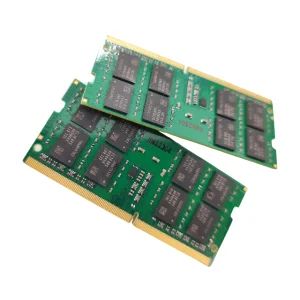
Supporting massive multi-layer arrays for DDR5 RAM routing, PCBA assemblies, and high-density industrial control systems requiring highly synchronized clock distribution networks.
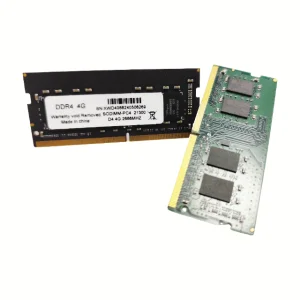
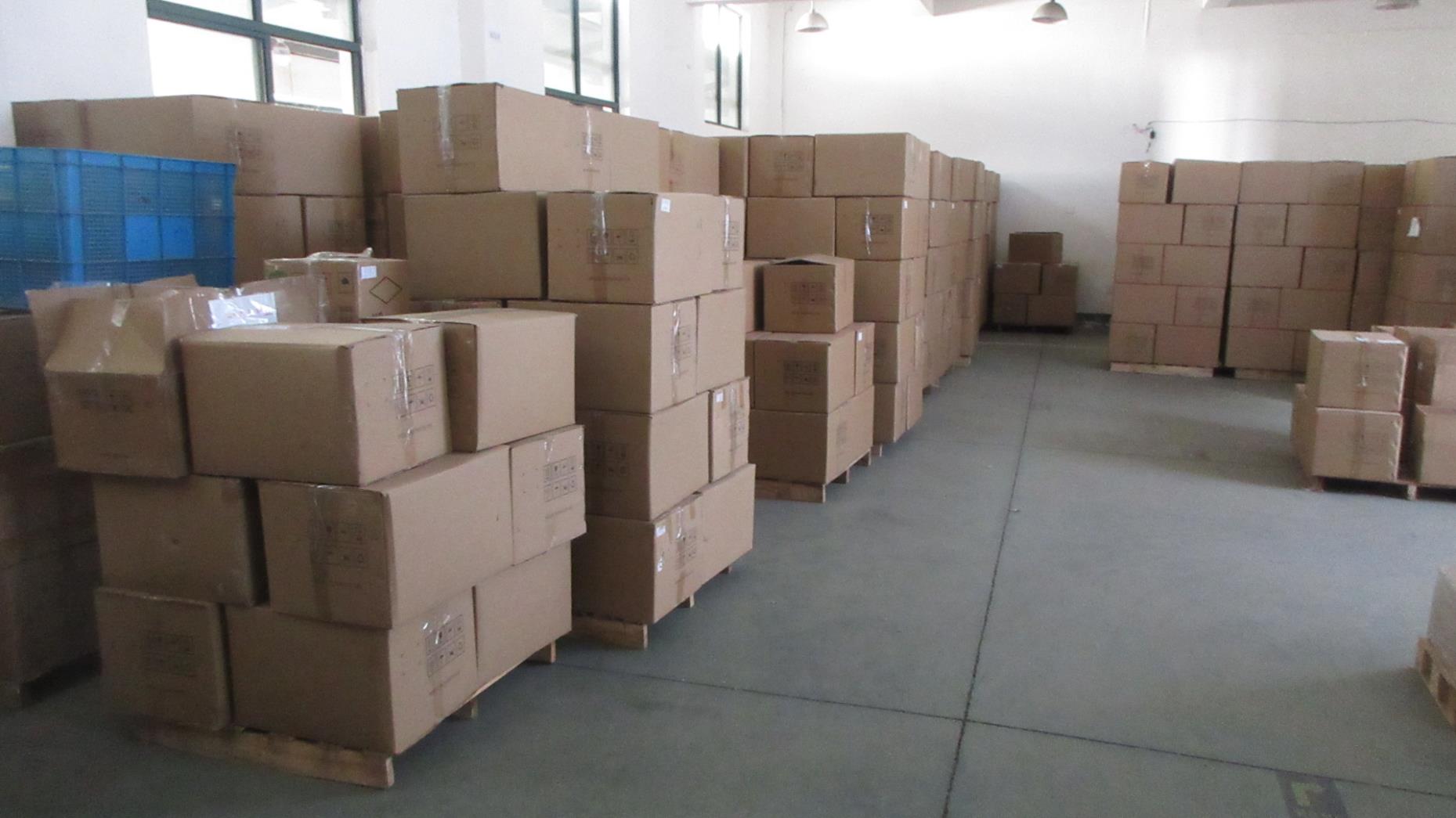
Founded in 2017, Memvora Electronics Technology Co., Ltd. is a professional manufacturer specializing in high-performance DDR5 memory modules, dedicated to delivering reliable memory solutions for consumer, industrial, enterprise, and embedded applications worldwide. With a modern manufacturing facility covering 386㎡, we combine advanced production equipment, strict quality management, and experienced engineering expertise to provide stable, high-speed memory products for global OEM and ODM partners.
Since entering the international market, Memvora has accumulated 7 years of export experience, serving customers across North America, Europe, Southeast Asia, the Middle East, and South America. Our annual export revenue exceeds US$18.6 million, supported by a strong global supply chain and long-term partnerships with more than 1,280 component suppliers and business partners.
With 14 years of industry experience, our team continuously invests in technology innovation and product development. Our R&D department consists of 126 professional engineers who focus on developing next-generation DDR5 memory solutions with higher speed, lower latency, and enhanced reliability. Last year alone, we successfully launched 86 new memory products to meet the evolving needs of gaming, AI computing, industrial automation, and enterprise servers.
Quality is the foundation of everything we do. Every product undergoes 100% functional testing, burn-in testing, compatibility testing, signal integrity testing, and aging tests before shipment. Our dedicated quality control team of 42 inspectors ensures every memory module meets rigorous international quality standards and delivers long-term stable performance.
Memvora provides flexible OEM, ODM, private label, custom capacity, PCB color, heat spreader design, firmware optimization, and packaging customization services to meet different market requirements. Backed by a responsive engineering team and efficient production management, we help customers shorten development cycles and accelerate product launches.
Today, Memvora serves a diverse customer base including memory brands, computer manufacturers, industrial equipment suppliers, system integrators, distributors, wholesalers, and e-commerce retailers. Through continuous innovation, reliable quality, and customer-focused service, we are committed to becoming a trusted global partner for advanced DDR5 memory manufacturing and customized DRAM solutions.
Our facility houses precision testing instruments, impedance measuring equipment, micro-section analysis tools, and modern high-speed surface mount technology (SMT) lines to support mixed-pressure hybrid lamination, DDR routing layouts, and industrial PCBA packaging processes.
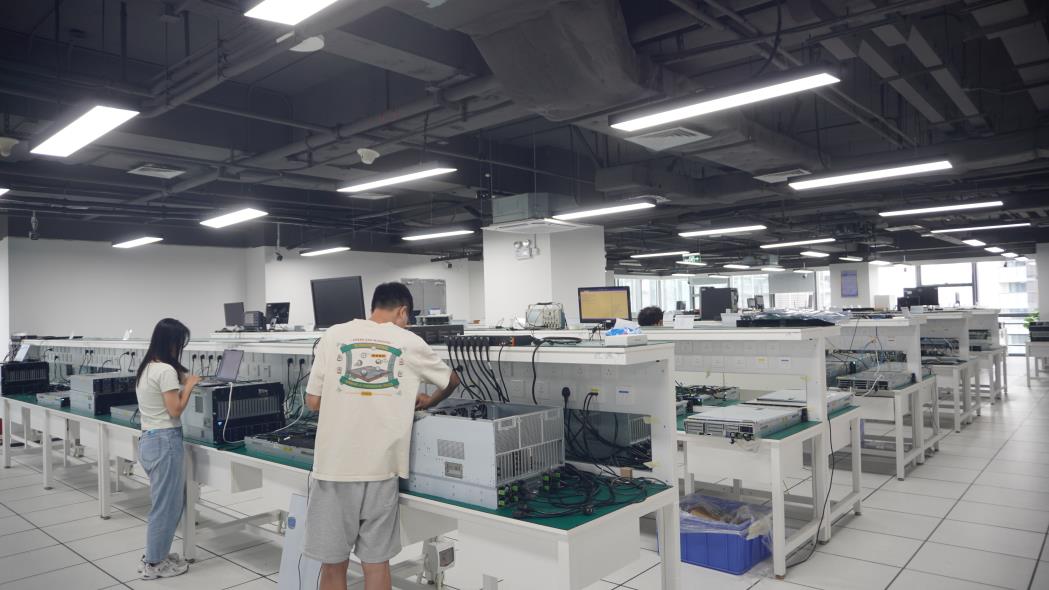
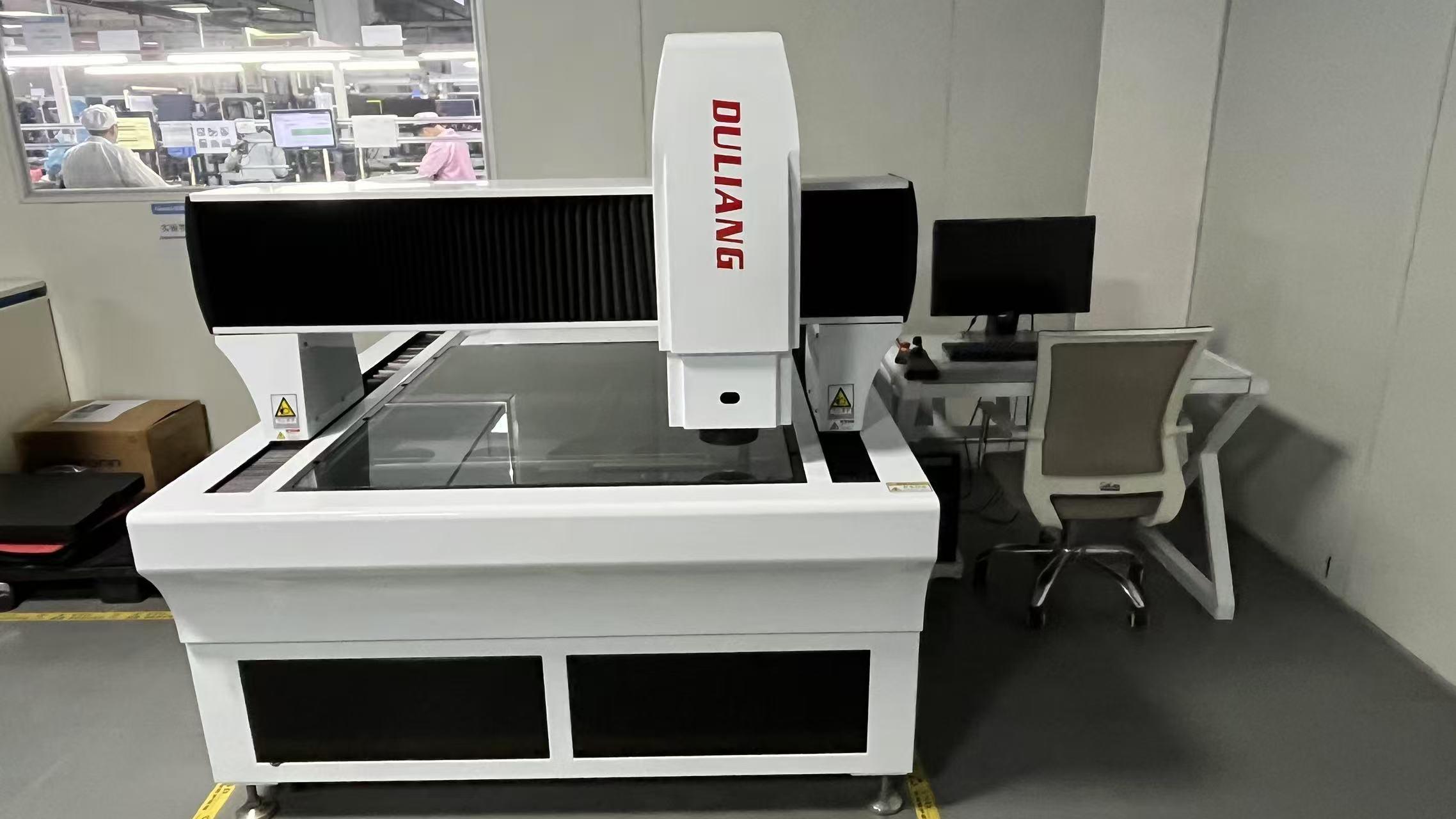
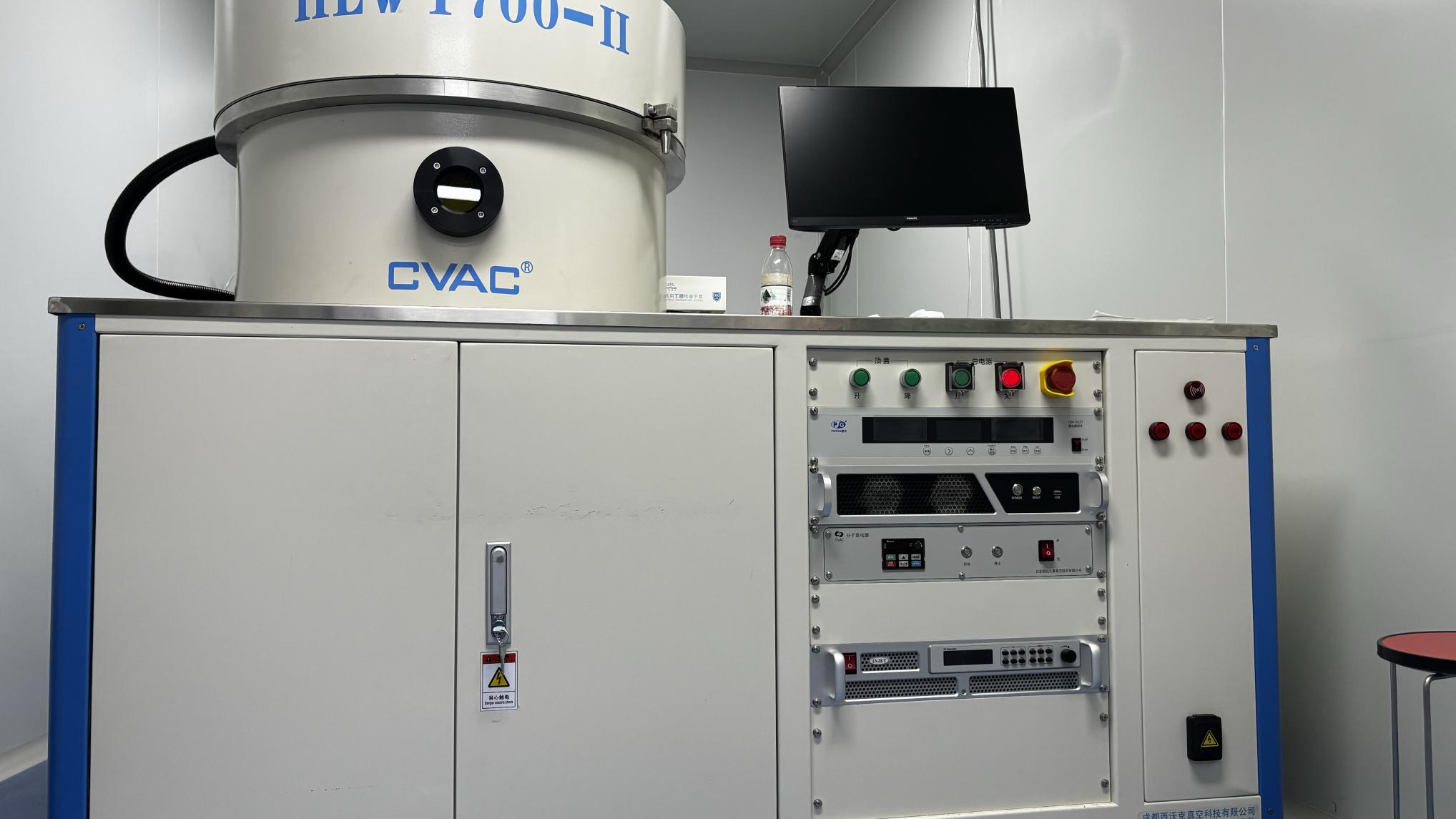
To ensure long-term reliability and minimize return rates, our engineering team enforces a multi-phase testing workflow for all RF PCBs.
We verify precise characteristic impedance matching across all differential and single-ended tracks. Signal reflections are captured down to the picosecond level, ensuring compliance with strict layout criteria before shipping.
Our calibration lab utilizes Vector Network Analyzers (VNAs) to measure insertion loss, return loss, and phase behavior up to 67GHz, optimizing performance for next-gen 5G mmWave designs.
High-frequency thermoset hydrocarbons and PTFE substrates undergo rigorous peel-strength evaluation at 288°C solder floats to ensure trace survival during high-temperature multi-reflow cycles.
Key technical queries concerning high frequency substrates, production parameters, and stackup configurations answered by our R&D engineers.
Discover our comprehensive collection of server thermal management, flexible circuit interfaces, computer motherboards, and memory configurations.
 Memvora