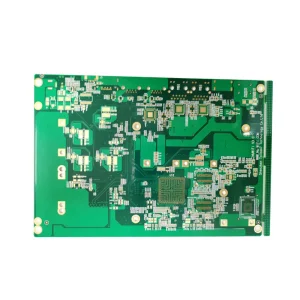
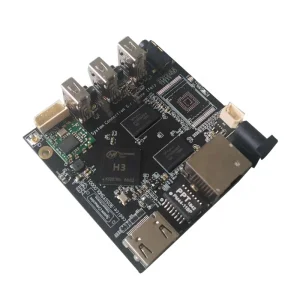
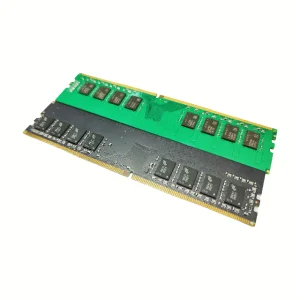
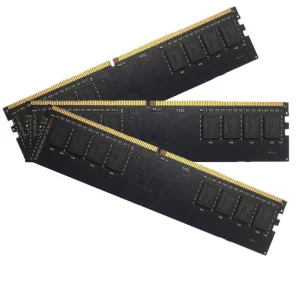
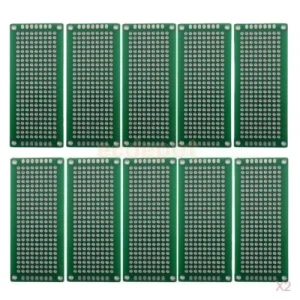
High-performance double-sided and multi-layer layouts engineered for optimal signal integrity and thermal efficiency.
The global electronics landscape is undergoing a massive transformation, catalyzed by the rapid deployment of Artificial Intelligence, 5G communications, and next-generation electric vehicles. At the heart of this revolution lies the printed circuit board (PCB), which has evolved from basic double-sided boards to highly complex, multi-layer architectures. Multi-layer circuit boards—commonly consisting of 4 to 32+ layers—have become essential to satisfy the extreme demands for physical miniaturization, signal speed, thermal performance, and EMI shielding.
Modern multi-layer PCB design relies heavily on High-Density Interconnect (HDI) technologies. By using microvias, blind and buried vias, and advanced laminate materials like FR4 (such as KB6160), designers can pack immense computational power into restrictive form factors. As signal frequencies creep into the gigahertz range, precise impedance control and advanced stackup symmetry have transitioned from luxury options to strict baseline engineering requirements.
Navigating stringent international engineering qualifications and testing protocols.
Industrial components must cross borders with ironclad compliance certifications. Strict adherence to RoHS, REACH, UL 94V-0 flammability ratings, and IPC-A-610 Class 2/3 manufacturing parameters guarantees that multi-layer PCBs operate safely in harsh environments.
Global buyers prioritize manufacturers capable of performing rigorous pre-layout simulations. Utilizing high-TG materials (TG150, TG170, TG180) alongside automated thermal simulations avoids hardware design iterations and ensures stability in continuous-load server farms.
To eliminate field failures, manufacturers employ Flying Probe testing, automated optical inspection (AOI), X-ray diagnostic lamination checks, and high-frequency Time-Domain Reflectometry (TDR) for validating controlled impedance designs.
Leveraging smart factory ecosystems to combine rapid prototyping with scalable, high-volume production.
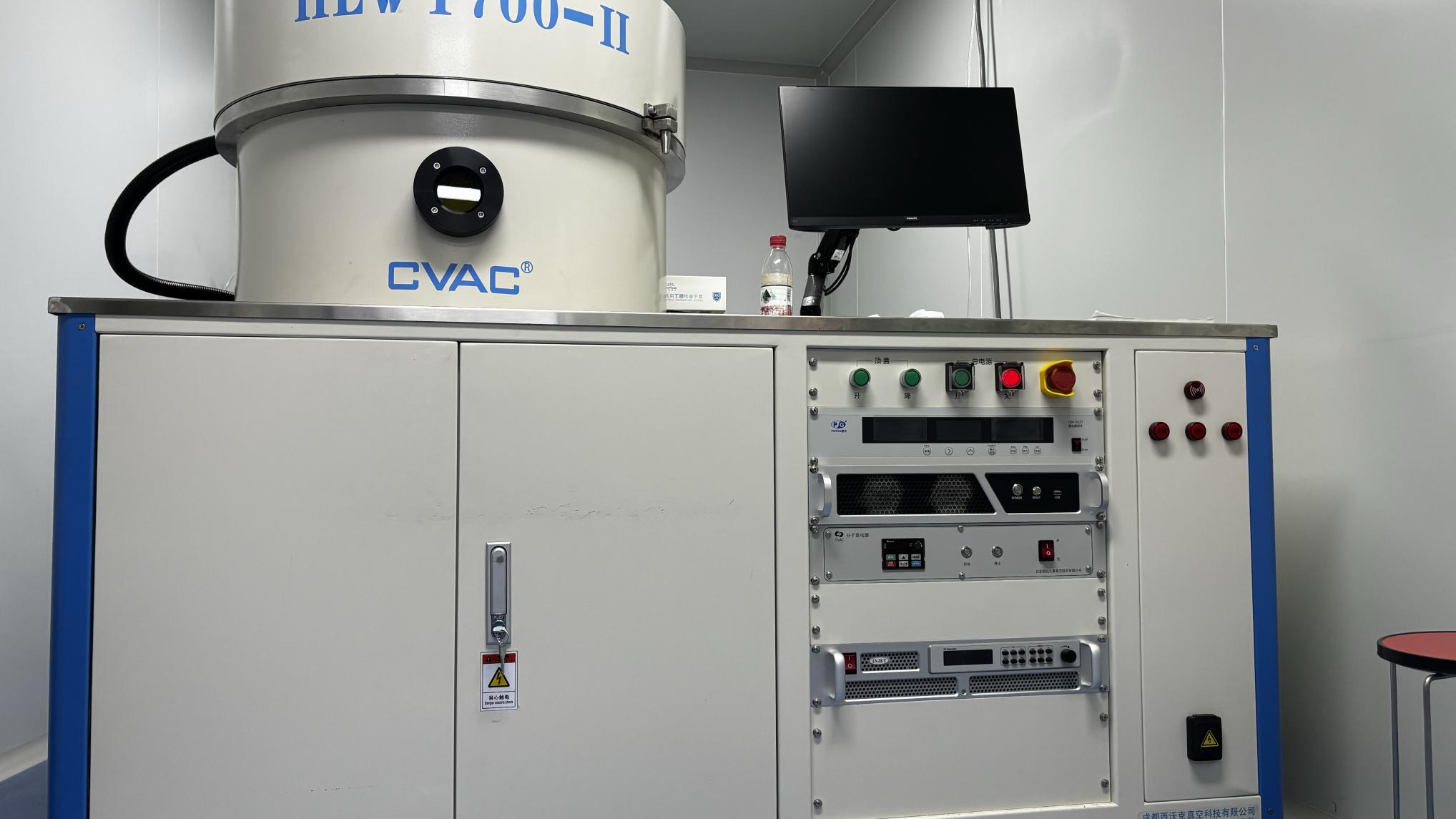
China's electronics ecosystem has transitioned from a high-volume assembly hub to a center of digitalized Factory 4.0 smart manufacturing. High-layer counts require sophisticated registration techniques during inner-layer lamination. Fusing copper foils, prepregs, and core materials demands state-of-the-art automated optical registration (AOR) systems that verify microscopic alignment tolerance to within ±0.02mm.
By integrating vertical supply chains—ranging from raw fiberglass laminates and copper clad laminates (CCL) to chemical plating compounds—our partners reduce production lead times from weeks to days. Additionally, advanced CNC routing, laser drilling, and automated packaging systems ensure consistent yield rates even for high-density, multi-layer assemblies designed for power banks, high-speed RAM, and industrial servers.
This production velocity is backed by comprehensive material sourcing options. Whether clients require standard high-grade FR4, halogen-free substrates, or high-speed, low-loss materials (like Rogers or Panasonic Megtron series), the Chinese industrial base offers an unbroken and resilient raw material pipeline.
| Layer Count | 2 - 32 Layers |
| Base Materials | FR4, High-Tg, Rogers, Shengyi |
| Board Thickness | 0.4mm - 4.0mm |
| Copper Weight | 0.5oz - 6oz |
| Min. Trace/Space | 3 mil / 3 mil |
| Surface Finishes | HASL, ENIG, OSP, Immersion Silver |
Your partner in advanced memory modules and professional PCB assembly.
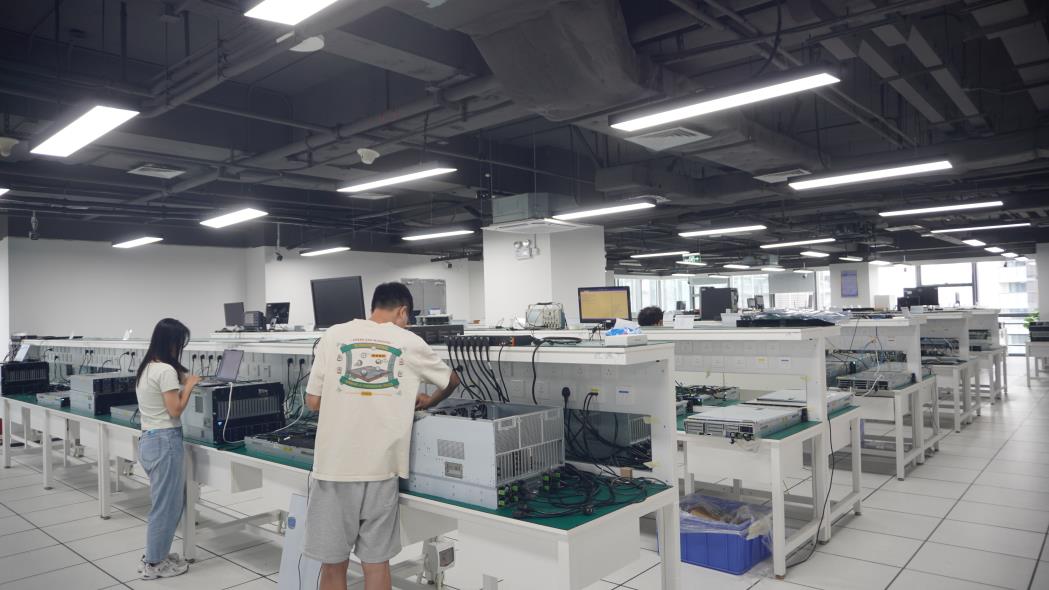
Founded in 2017, Memvora Electronics Technology Co., Ltd. is a professional manufacturer specializing in high-performance DDR5 memory modules, dedicated to delivering reliable memory solutions for consumer, industrial, enterprise, and embedded applications worldwide. With a modern manufacturing facility covering 386㎡, we combine advanced production equipment, strict quality management, and experienced engineering expertise to provide stable, high-speed memory products for global OEM and ODM partners.
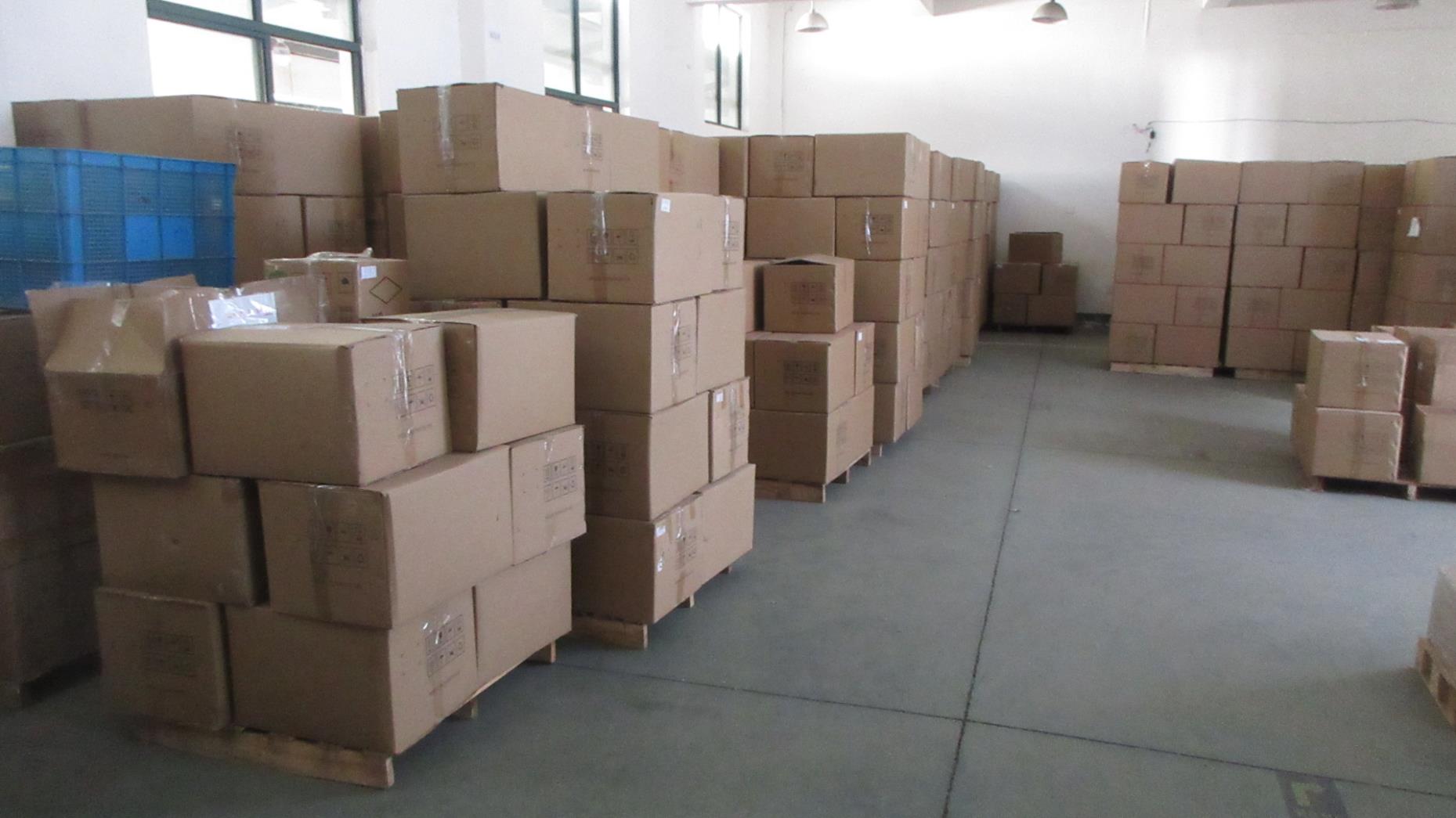
Since entering the international market, Memvora has accumulated 7 years of export experience, serving customers across North America, Europe, Southeast Asia, the Middle East, and South America. Our annual export revenue exceeds US$18.6 million, supported by a strong global supply chain and long-term partnerships with more than 1,280 component suppliers and business partners.
With 14 years of industry experience, our team continuously invests in technology innovation and product development. Our R&D department consists of 126 professional engineers who focus on developing next-generation DDR5 memory solutions with higher speed, lower latency, and enhanced reliability. Last year alone, we successfully launched 86 new memory products to meet the evolving needs of gaming, AI computing, industrial automation, and enterprise servers.
Quality is the foundation of everything we do. Every product undergoes 100% functional testing, burn-in testing, compatibility testing, signal integrity testing, and aging tests before shipment. Our dedicated quality control team of 42 inspectors ensures every memory module meets rigorous international quality standards and delivers long-term stable performance.
Memvora provides flexible OEM, ODM, private label, custom capacity, PCB color, heat spreader design, firmware optimization, and packaging customization services to meet different market requirements. Backed by a responsive engineering team and efficient production management, we help customers shorten development cycles and accelerate product launches.
Today, Memvora serves a diverse customer base including memory brands, computer manufacturers, industrial equipment suppliers, system integrators, distributors, wholesalers, and e-commerce retailers. Through continuous innovation, reliable quality, and customer-focused service, we are committed to becoming a trusted global partner for advanced DDR5 memory manufacturing and customized DRAM solutions.

Industry Experience
Annual Export Value
R&D Engineers
Supply Chain Partners
From edge computing hardware to robust power systems: how multi-layer layouts perform under load.
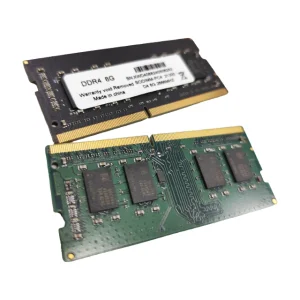
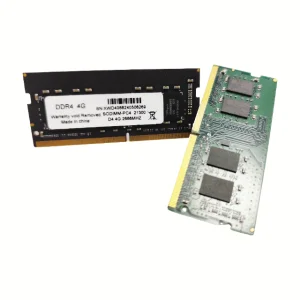
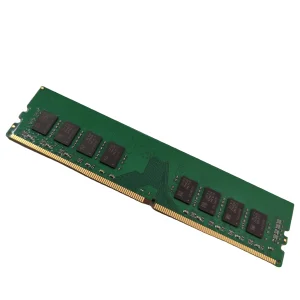
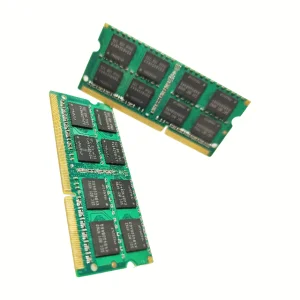
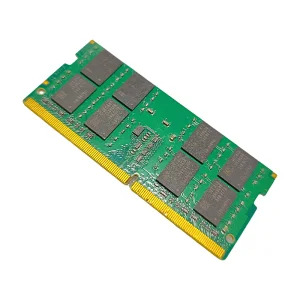
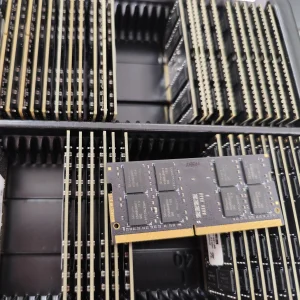
Desktop and server memory modules, such as our DDR4 and next-generation DDR5 configurations, require highly sophisticated layer stackups to control routing length variations. Signal skew is mitigated by utilizing serpentine routing and matching impedance across multiple inner layers, supporting speeds up to 3200MHz and beyond.
For systems handling high currents (like smart inverters and welding machinery control boards), heavy copper layers (3oz to 6oz) are laminated to direct thermal energy and carry large loads. Integrated WIFI communication modules require high-frequency dielectric substrates to prevent signal loss.
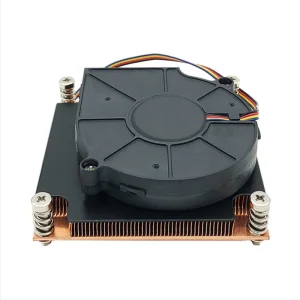
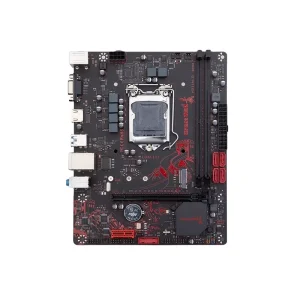
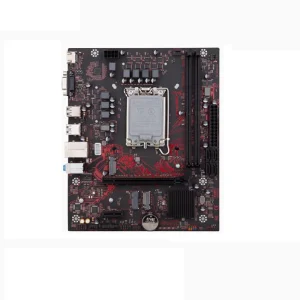
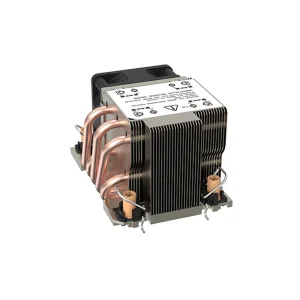
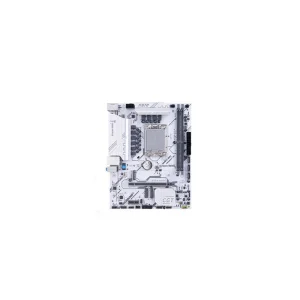
Server-grade motherboards require high layer counts to interconnect CPUs, high-wattage copper heatsinks, and multi-channel DDR DIMMs. With 1200+ pin grids (like LGA115X and LGA4677 sockets), complex via arrays are drilled using mechanical and laser depth-control drills to maintain board mechanical integrity.
Insights from our engineering department regarding multi-layer board stackups and parameters.
We perform pre-manufacturing DFM verification utilizing advanced impedance modeling software. Our standard manufacturing process yields a ±10% control tolerance, which can be calibrated to ±5% for ultra-sensitive applications by adjusting trace geometry and selecting specialized laminates like Shengyi or Rogers.
KB6160 is a high-grade, glass-fabric-epoxy laminate designed for superior electrical and thermal characteristics. It exhibits higher Tg (glass transition temperature) values, better mechanical stability, and lower moisture absorption compared to standard generic FR4 materials, making it ideal for stable multi-layer applications.
Every motherboard and RAM module undergoes flying probe trace verification, component value screening (ICT), automated optical inspection (AOI) of all solder joints, and dynamic functional testing under environmental stress, ensuring complete reliability in critical field installations.
We provide full-spectrum OEM and ODM customization services, including custom capacities, optimized copper weight profiles, specialized thermal via arrays, customized PCB colors, custom heat sink structures, custom BIOS/firmware optimization, and bespoke retail-ready packaging.
Explore our inventory of desktop motherboards, high-frequency DDR RAM configurations, and thermal dissipation systems.
 Memvora