Explore high-frequency substrates, custom memory modules, and thermal management units crucial for LED driving controllers and media server hardware.
Analyzing the evolution from surface-mount packages to next-generation integrated packaging technologies and their structural supply chain demands.
The transition from traditional SMD (Surface Mounted Device) to COB (Chip-on-Board) and MIP (MicroLED in Package) requires high-frequency substrates and advanced copper-clad laminates. Removing package structures allows pixel pitches below 0.9mm, requiring exceptional thermal dissipation designs.
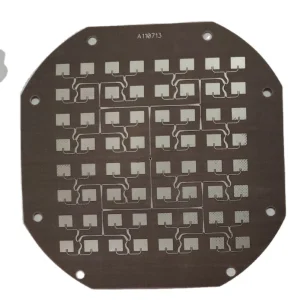
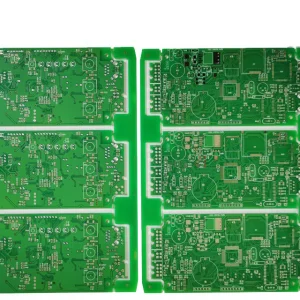
Modern displays demanding 3840Hz to 7680Hz refresh rates and HDR10+ require high-speed data transmission backplanes. Using high-frequency PCB substrates (such as Taconic TLY-5 with 0.254mm thickness) maintains signal integrity and reduces electromagnetic interference across driver circuits.
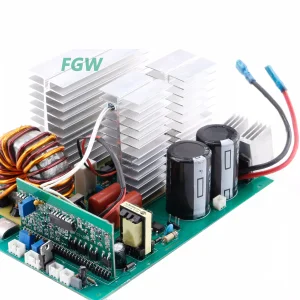
Prolonged operations of ultra-fine pitch displays lead to localized heat buildup, degrading LED dies and shifting color points. Metal core PCBs, particularly aluminum substrates, are critical for conducting heat away from pixel arrays to passive heat sinks or active air-cooling coolers.
As the LED display industry rapidly shifts toward micro-scale pixel pitches (MiniLED and MicroLED), the complexity of the integrated systems increases exponentially. The display unit is no longer a simple matrix of discrete components. It is a highly integrated optoelectronic system requiring sub-millimeter precision, multi-layer high-frequency PCBs, high-performance controller boxes with large storage, and robust active/passive cooling. Understanding the supply chain links, from raw LED packaging to driver ICs and system-level memory storage, is crucial for global enterprises making procurement decisions.
How state-of-the-art displays and system assemblies integrate into global vertical sectors.
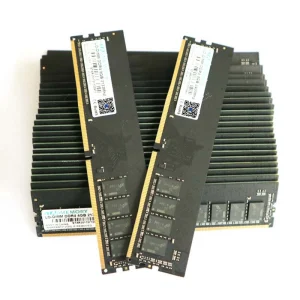
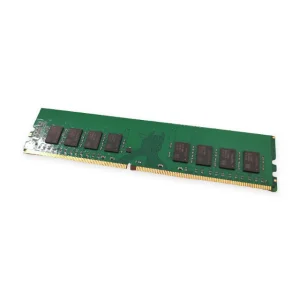
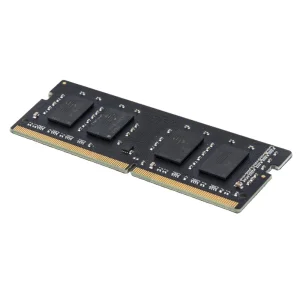
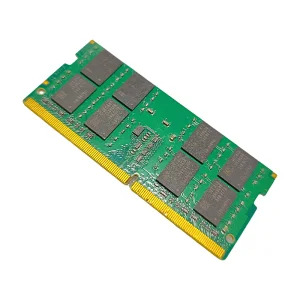
Command centers demand 24/7 reliability, seamless bezel-free configurations, and ultra-high resolutions. Sourcing displays constructed with dual power and signal redundancy prevents system failure. At the motherboard and memory layer, enterprise-grade ECC (Error-Correcting Code) RAM modules (such as DDR4 or DDR5 ECC modules) ensure the signal processors process high-bandwidth streams without single-bit errors that could corrupt real-time video data.
XR studios require high frame rates, low latency, and high-frequency driving electronics. Media servers rendering real-time Unreal Engine backgrounds depend on robust processing stations equipped with specialized cooling solutions and memory architectures. High-frequency aluminum PCBs minimize interference in the driver cards, preventing on-camera flicker and ensuring synchronization with the camera shutter.
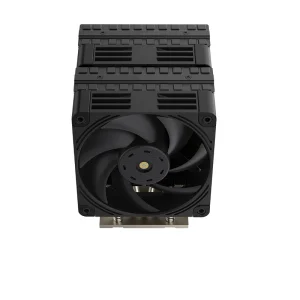
Outdoor displays face extreme environments, including direct sunlight and high ambient temperatures. Top-tier manufacturers utilize aluminum PCB substrates that offer superior thermal dissipation compared to traditional FR4, ensuring the LED display operates continuously in harsh weather. By deploying custom-engineered air-cooled cooling sinks and high-grade thermal interfaces, systems minimize thermal degradation and extend display lifespan to over 100,000 hours.
Unlocking the manufacturing and component ecosystems of the Pearl River Delta industrial cluster.
Shenzhen and the wider Guangdong province represent the world's most concentrated cluster for LED display research, development, and manufacturing. This cluster integrates the entire supply chain: raw semiconductor chip dicing, LED packaging, SMT (Surface Mount Technology) assembly, high-frequency multi-layer PCB production, and system control box manufacturing. This integration ensures complete compatibility across components, reducing production lead times.
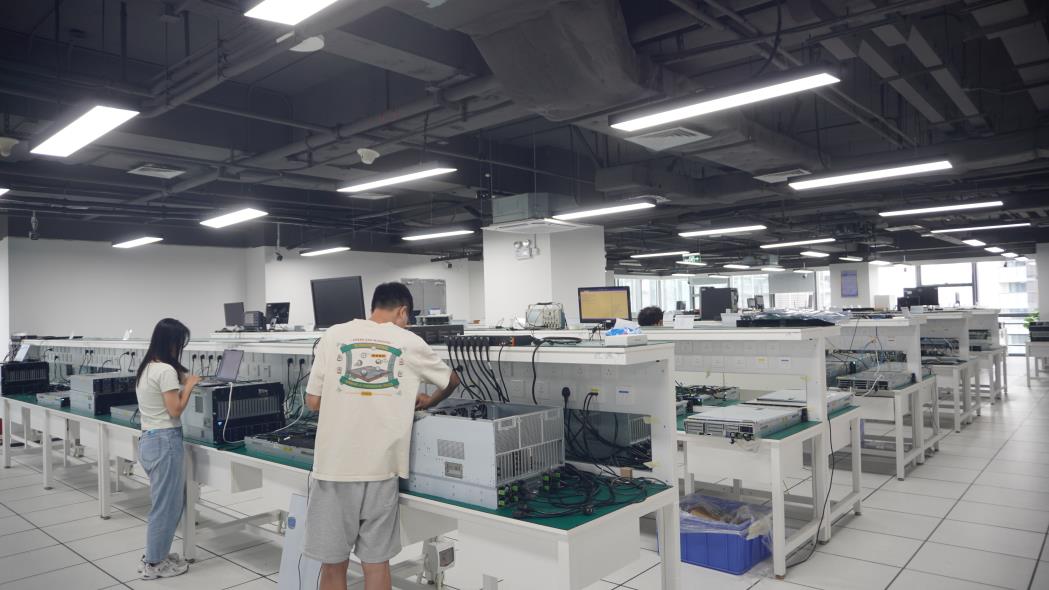
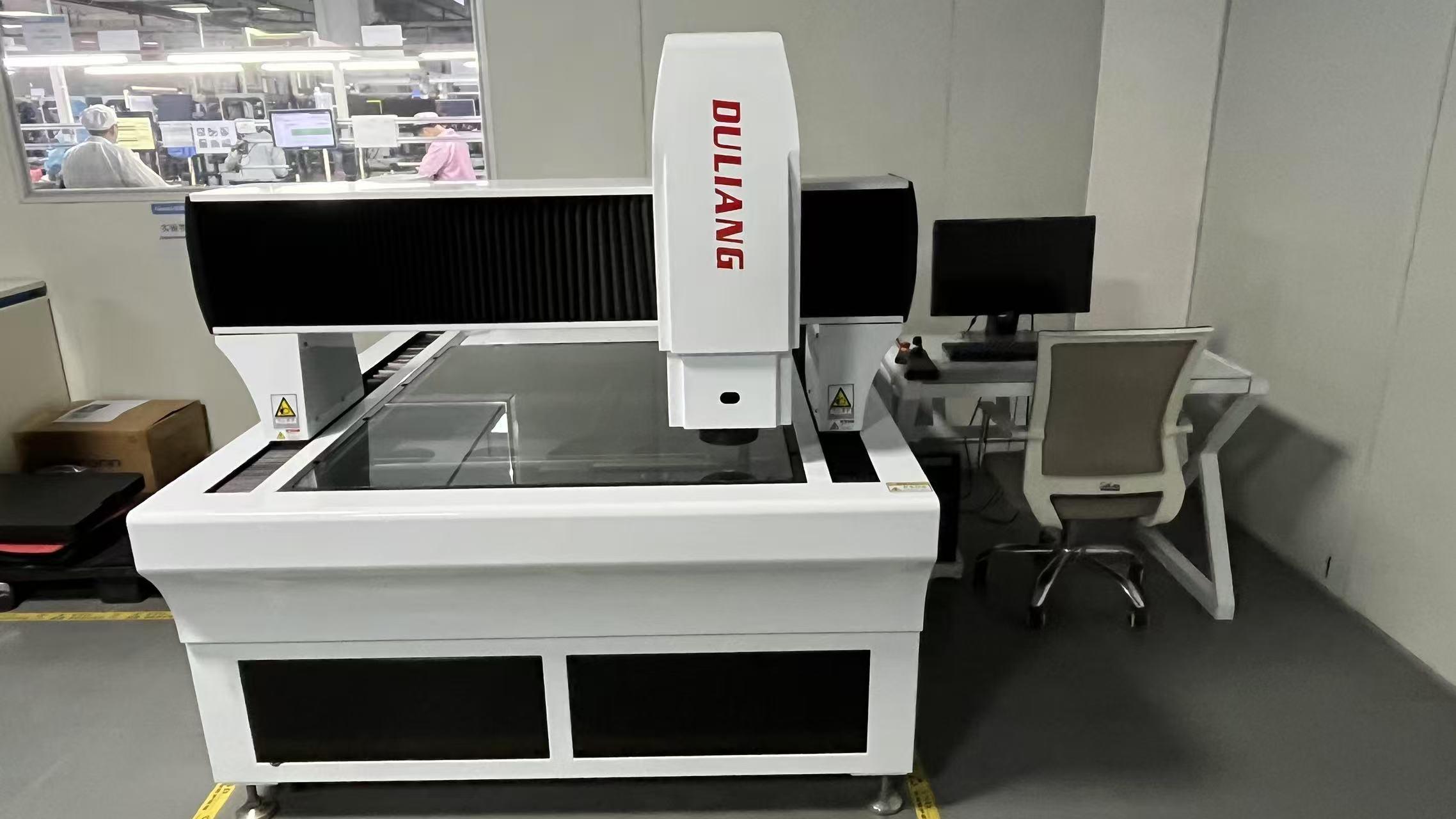
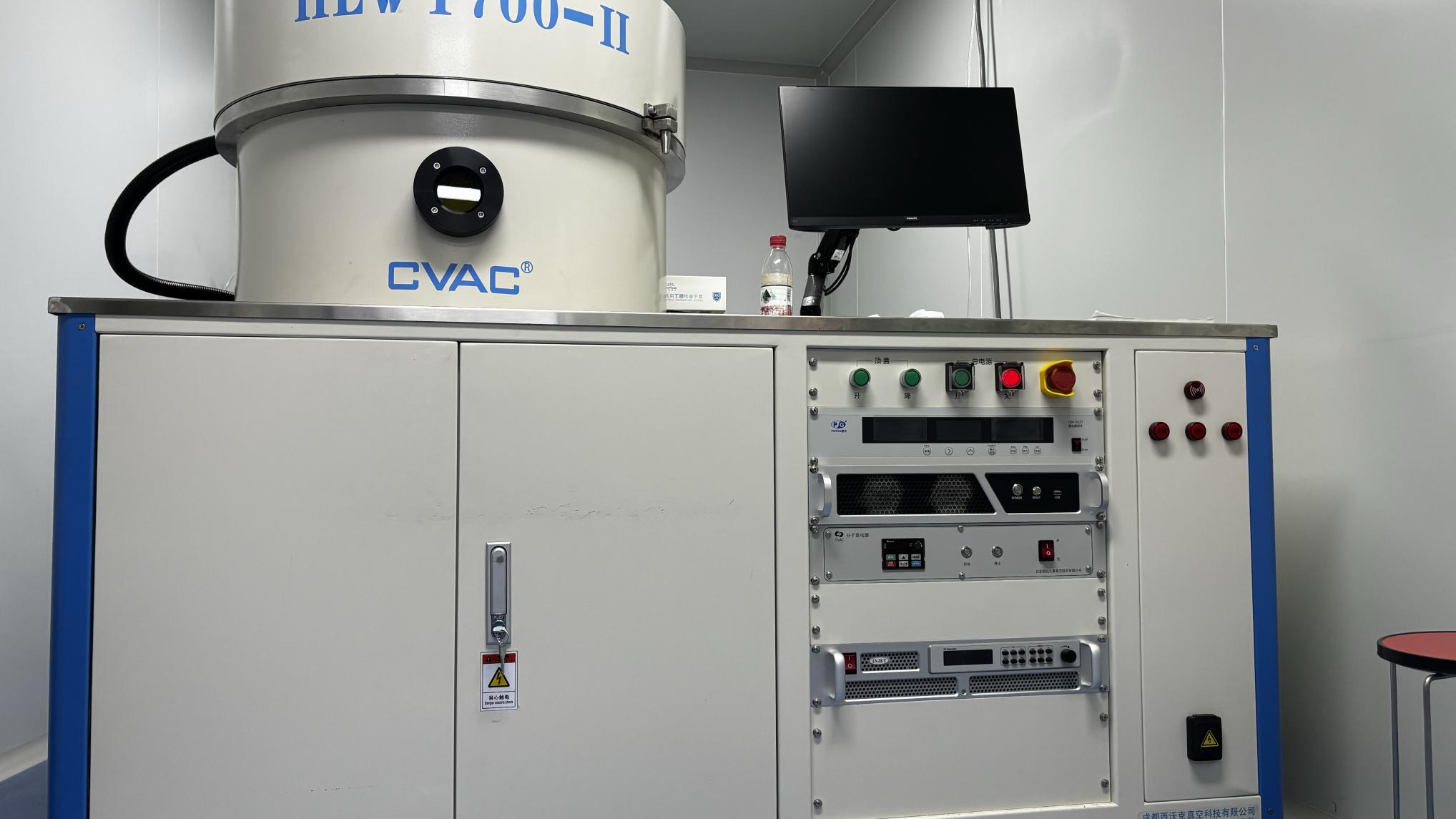
OEM and ODM partners utilize high-speed SMT placement machines capable of mounting over 100,000 components per hour, crucial for fine-pitch LED systems. Advanced testing protocols, including automated optical inspection (AOI), X-ray component verification, and rigorous environmental stress tests (such as high-temperature operating life tests), ensure each production run meets global industrial standards.
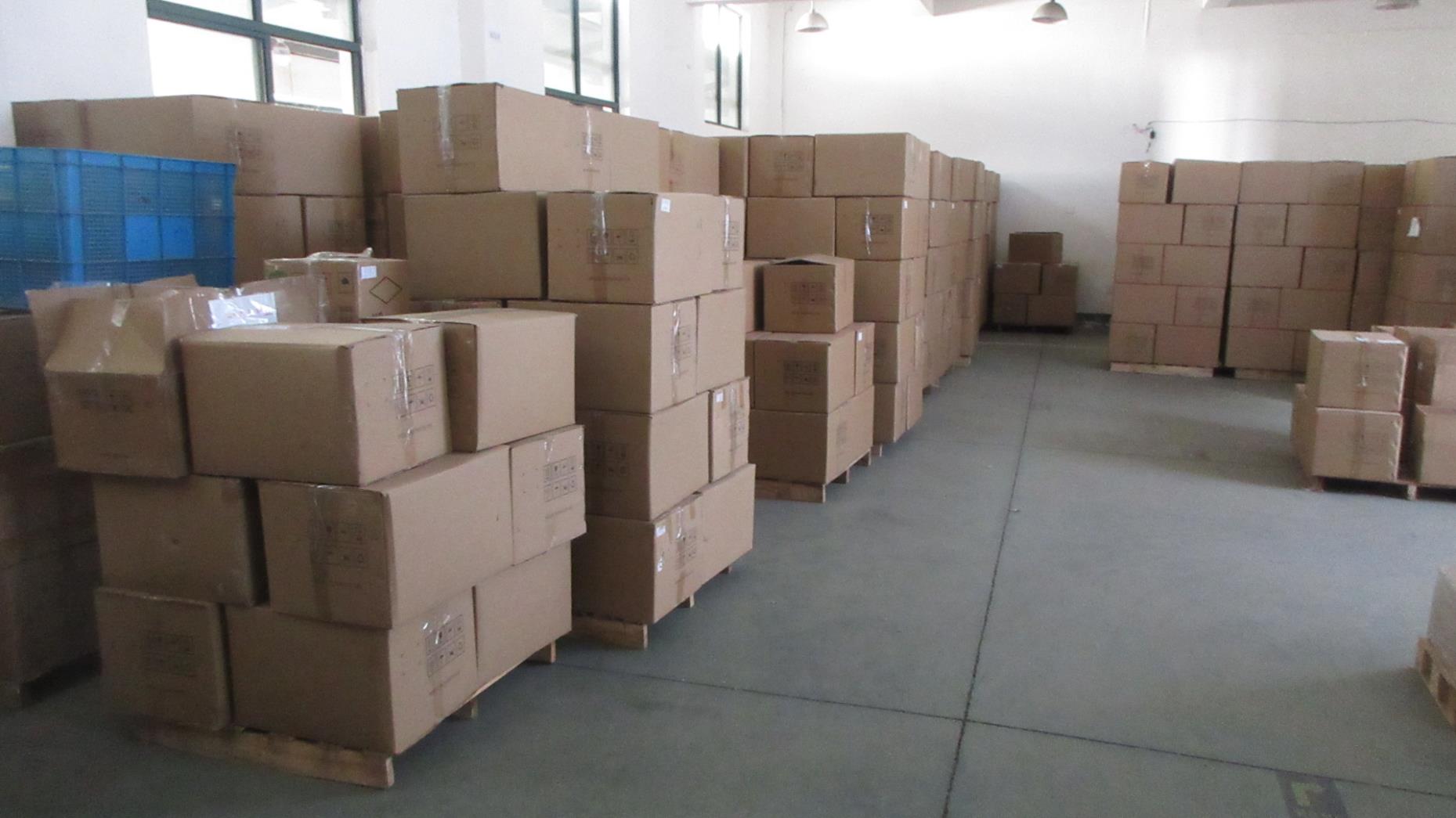
By leveraging standardized components and highly automated assembly lines, Chinese manufacturers deliver cost efficiencies, customizable designs, and resilient supply chains to withstand global logistics and raw material fluctuations.
A Premier Industrial Electronics Component, Memory Module, & Assembly Manufacturer.
Founded in 2017, Memvora Electronics Technology Co., Ltd. is a professional manufacturer specializing in high-performance DDR5 memory modules, dedicated to delivering reliable memory solutions for consumer, industrial, enterprise, and embedded applications worldwide. With a modern manufacturing facility covering 386㎡, we combine advanced production equipment, strict quality management, and experienced engineering expertise to provide stable, high-speed memory products for global OEM and ODM partners.
Since entering the international market, Memvora has accumulated 7 years of export experience, serving customers across North America, Europe, Southeast Asia, the Middle East, and South America. Our annual export revenue exceeds US$18.6 million, supported by a strong global supply chain and long-term partnerships with more than 1,280 component suppliers and business partners.
With 14 years of industry experience, our team continuously invests in technology innovation and product development. Our R&D department consists of 126 professional engineers who focus on developing next-generation DDR5 memory solutions with higher speed, lower latency, and enhanced reliability. Last year alone, we successfully launched 86 new memory products to meet the evolving needs of gaming, AI computing, industrial automation, and enterprise servers.
Quality is the foundation of everything we do. Every product undergoes 100% functional testing, burn-in testing, compatibility testing, signal integrity testing, and aging tests before shipment. Our dedicated quality control team of 42 inspectors ensures every memory module meets rigorous international quality standards and delivers long-term stable performance.
Memvora provides flexible OEM, ODM, private label, custom capacity, PCB color, heat spreader design, firmware optimization, and packaging customization services to meet different market requirements. Backed by a responsive engineering team and efficient production management, we help customers shorten development cycles and accelerate product launches. Today, Memvora serves a diverse customer base including memory brands, computer manufacturers, industrial equipment suppliers, system integrators, distributors, wholesalers, and e-commerce retailers.
Enterprise checklist for matching display applications with appropriate component specifications.
| Application Category | Recommended Pitch (mm) | Key Component Requirement | Optimal PCB Substrate | System Memory Requirement |
|---|---|---|---|---|
| Command & Control Rooms | 0.5 - 1.2 mm | Ultra-Low Latency Driver ICs | Multi-layer High Tg FR4 / Metal Core | DDR4/DDR5 ECC Server Memory |
| XR Virtual Studios | 1.2 - 2.6 mm | High Refresh rate (7680Hz+) | Taconic TLY-5 High-Frequency Substrates | High-bandwidth DDR5 Non-ECC / Gaming RAM |
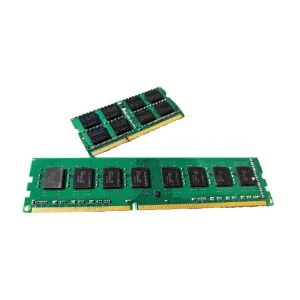
| Outdoor DOOH Advertising | 3.0 - 10.0 mm | High Brightness (10,000 nits) | Dual-layer Aluminum PCB | Industrial Grade DDR3 / DDR4 Memory |
| Retail & Commercial Display | 1.5 - 3.0 mm | Cost-effective Integration | Standard Double-sided PCB | Standard Laptop / Desktop DDR4 Module |
Navigating global compliance frameworks, certification processes, and engineering testing protocols.
Global markets require adherence to CE, FCC, RoHS, UL, and ETL safety regulations. Sourcing lead-free assemblies with HASL lead-free surface finishes ensures environmental compliance and helps buyers clear customs in jurisdictions like the EU and North America.
Fine-pitch displays require tight impedance tolerances (+/-10%) to prevent signal reflection. Manufacturing processes use Time Domain Reflectometry (TDR) testing to verify track dimensions on high-frequency PCBs before mounting driving chips.
Infrared thermal imaging monitors structural modules under load. Identifying thermal hotspots helps engineers optimize air cooling configurations, choose appropriate thermal pads, and select matching CPU/GPU heatsinks for media controllers.
Expert answers addressing the core challenges of display controller memory, PCB selection, and factory validation.
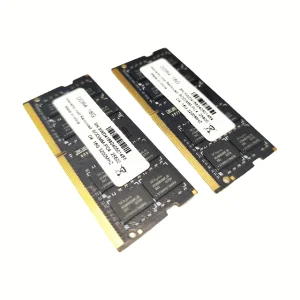
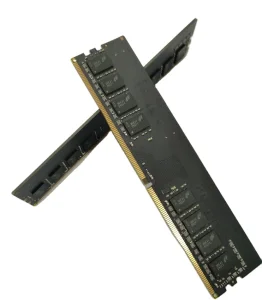
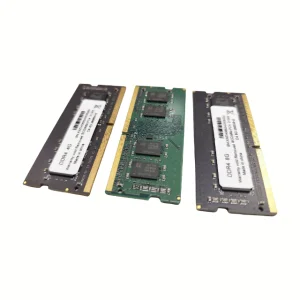
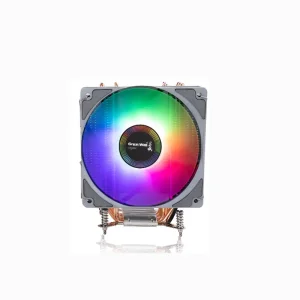
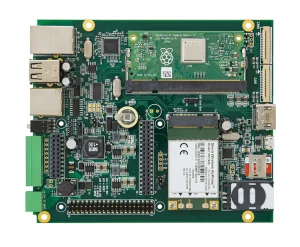
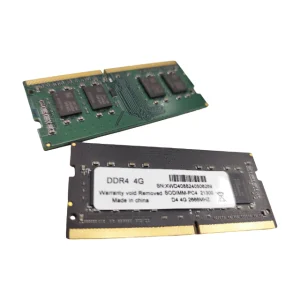
Explore supporting components, including server coolers, notebook RAM, and custom development boards.
 Memvora