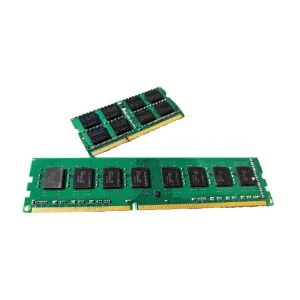
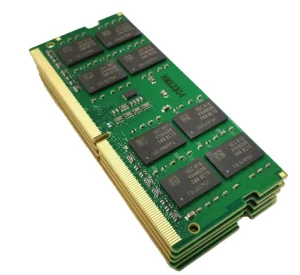
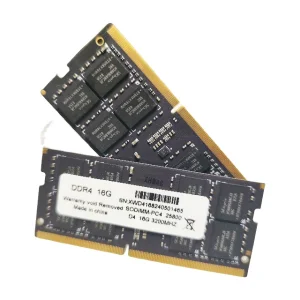
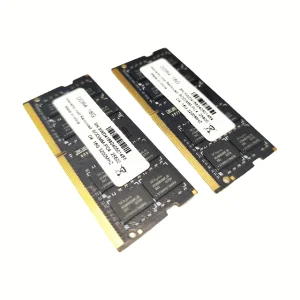
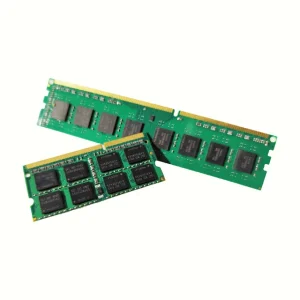
Embedded systems design today has evolved beyond simple microcontroller programming to high-density, multi-layered computing platforms. These components run at high speed, require massive bandwidth, and demand long-term structural reliability under extreme environmental stress. System architects face a three-pronged challenge: mitigating high-frequency electromagnetic interference (EMI), optimizing the Power Delivery Network (PDN) to support lower silicon voltages, and designing rugged thermal paths to keep system performance stable.
Information Gain Insight: The transition to DDR5 memory modules introduces localized power management ICs (PMICs) directly onto the module PCB. This reduces complex motherboard routing but introduces new thermal hotspots. Our design methodology integrates advanced structural thermal analysis to isolate heat dissipation paths, ensuring reliable operating margins even under 24/7 high-load industrial workloads.
From the layout of memory topologies like "fly-by" routing for high-speed signals to optimizing loop area for decoupling capacitors, every design choice impacts hardware lifecycle costs. Our engineering services bridge the gap between high-level application specs and low-level electrical execution. We ensure that components match standard high-frequency requirements, preventing signal degradation over prolonged operations.
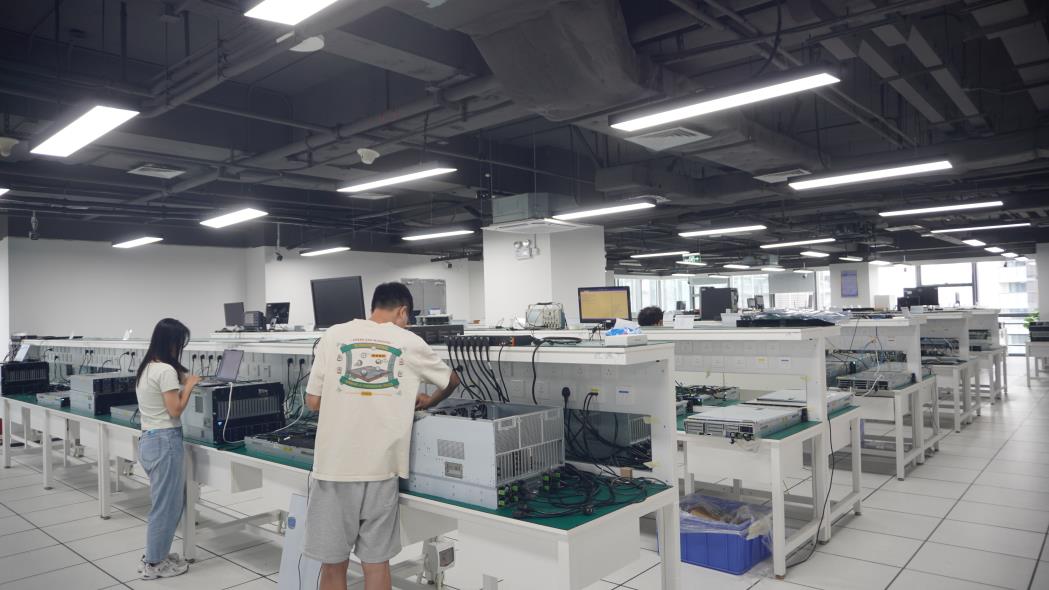
Founded in 2017, Memvora Electronics Technology Co., Ltd. has established itself as an industry-leading OEM and ODM partner for high-performance memory and embedded hardware configurations. We focus on premium DDR5 and DDR4 memory modules, bringing enterprise-grade reliability to the consumer, industrial, and embedded system markets. Our manufacturing facility stretches over a state-of-the-art 386㎡ dust-free clean room, utilizing automated production lines to meet the demanding requirements of global buyers.
Over the past 7 years of export history, we have delivered custom hardware solutions across North America, Europe, Southeast Asia, the Middle East, and South America, reaching an annual export volume exceeding US$18.6 million. Backed by relationships with over 1,280 certified suppliers, we guarantee component sourcing stability and component lifecycle protection.
We provide full hardware flexibility, including:
Different industrial fields require distinct architectural solutions to handle environmental challenges, performance demands, and regulatory requirements. Below are the core engineering templates we offer to meet these industry needs:
Compliance & Safety Focus: Designed according to IEC 60601-1 standards, medical boards feature galvanic isolation for electrical safety, ultra-long lifecycle protection (up to 10 years), and low-EMI profiles to prevent interference with sensitive scanning equipment.
Extreme Environments: Advanced Driver Assistance Systems demand compliance with AEC-Q100 and ISO 26262 functional safety. Memory subsystems utilize underfill, conformal coating, and strict wider-temperature (-40°C to 105°C) tolerances.
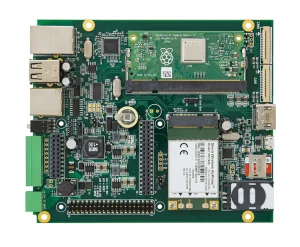
Factory Control & Edge AI: Incorporating custom Raspberry Pi and customized PCBA modules, these systems enable real-time sensor processing and fieldbus automation. Built for high-vibration resilience and continuous operation.
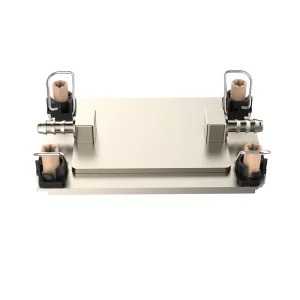
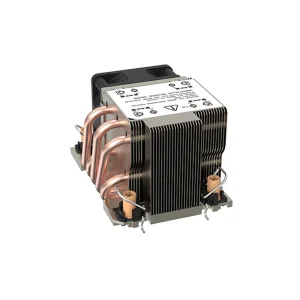
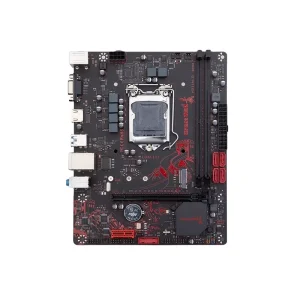
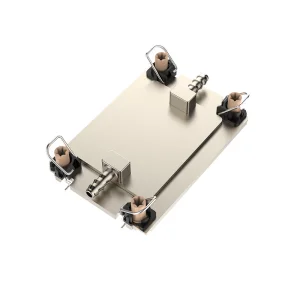
To support high-compute installations (such as Intel Xeon LGA4677 or LGA4189 architecture), thermal planning must match heat generation curves. Our engineering team uses computational fluid dynamics (CFD) modeling to analyze air flow and water channel pressures before starting tooling production.
| Compute Architecture | Maximum TDP Support | Cooling Design Required | Memory Layout Compatibility |
|---|---|---|---|
| Intel LGA4677 (Server Grade) | Up to 400W | Liquid cooling block (copper micro-channels) / Active multi-heatpipe heatsink | DDR5 ECC RDIMM (Eight-channel configuration) |
| Intel LGA4189 (Enterprise Node) | Up to 350W | Liquid cooling / Dedicated copper fins + 2U active fan assembly | DDR4 ECC LRDIMM / RDIMM |
| ARM Cortex Core Boards (Industrial) | Up to 25W | Passive thermal pad + anodized aluminum heatsink plate | LPDDR4 / LPDDR5 onboard direct SMT soldering |
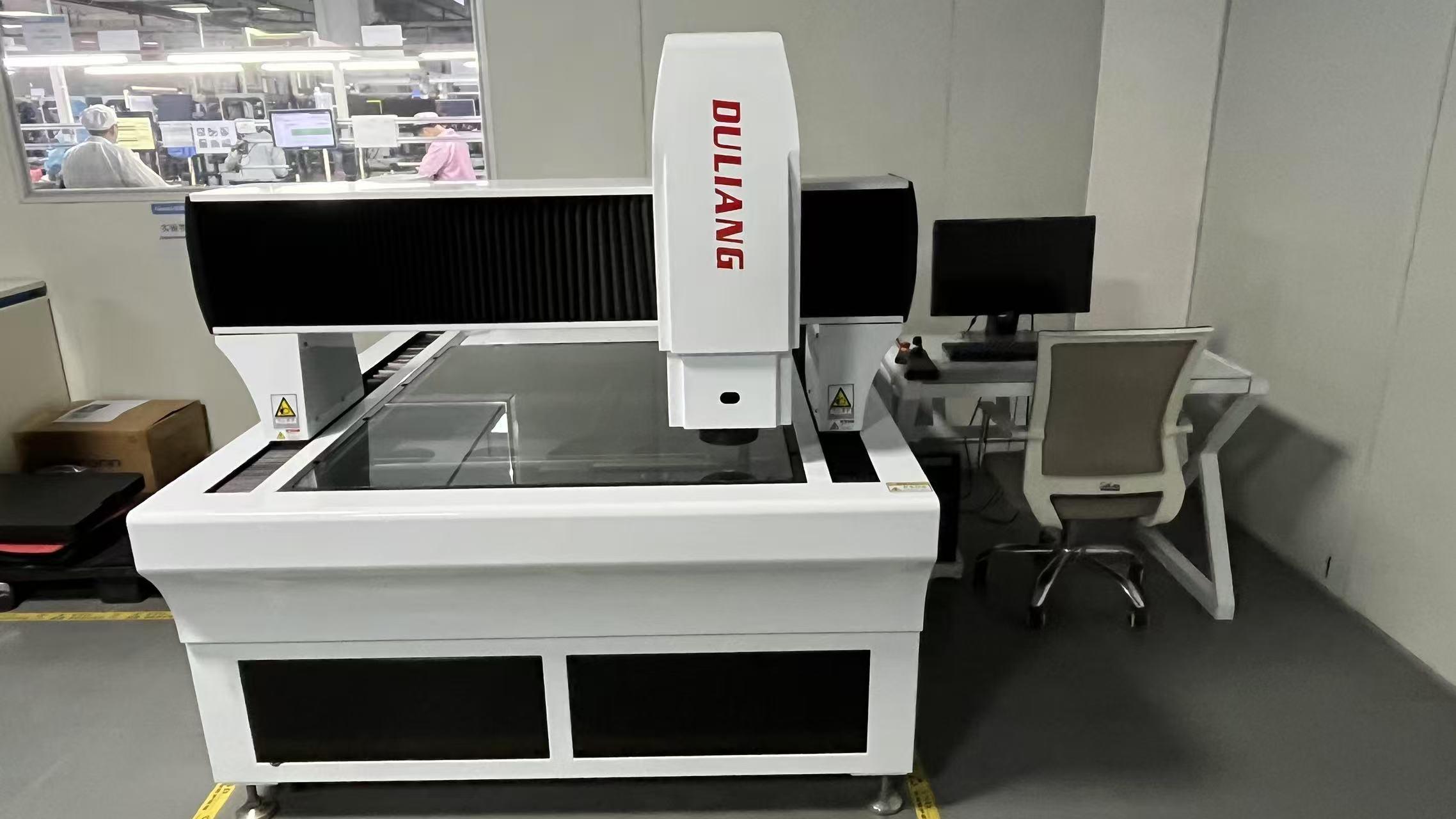
Our production facilities utilize modern Industry 4.0 SMT lines to ensure manufacturing precision. Operating clean-room production floors, we integrate real-time tracking, 3D Solder Paste Inspection (SPI), Automated Optical Inspection (AOI), and inline X-ray verification. This setup allows us to place complex components, including fine-pitch BGAs and 01005 passives, with high reliability.
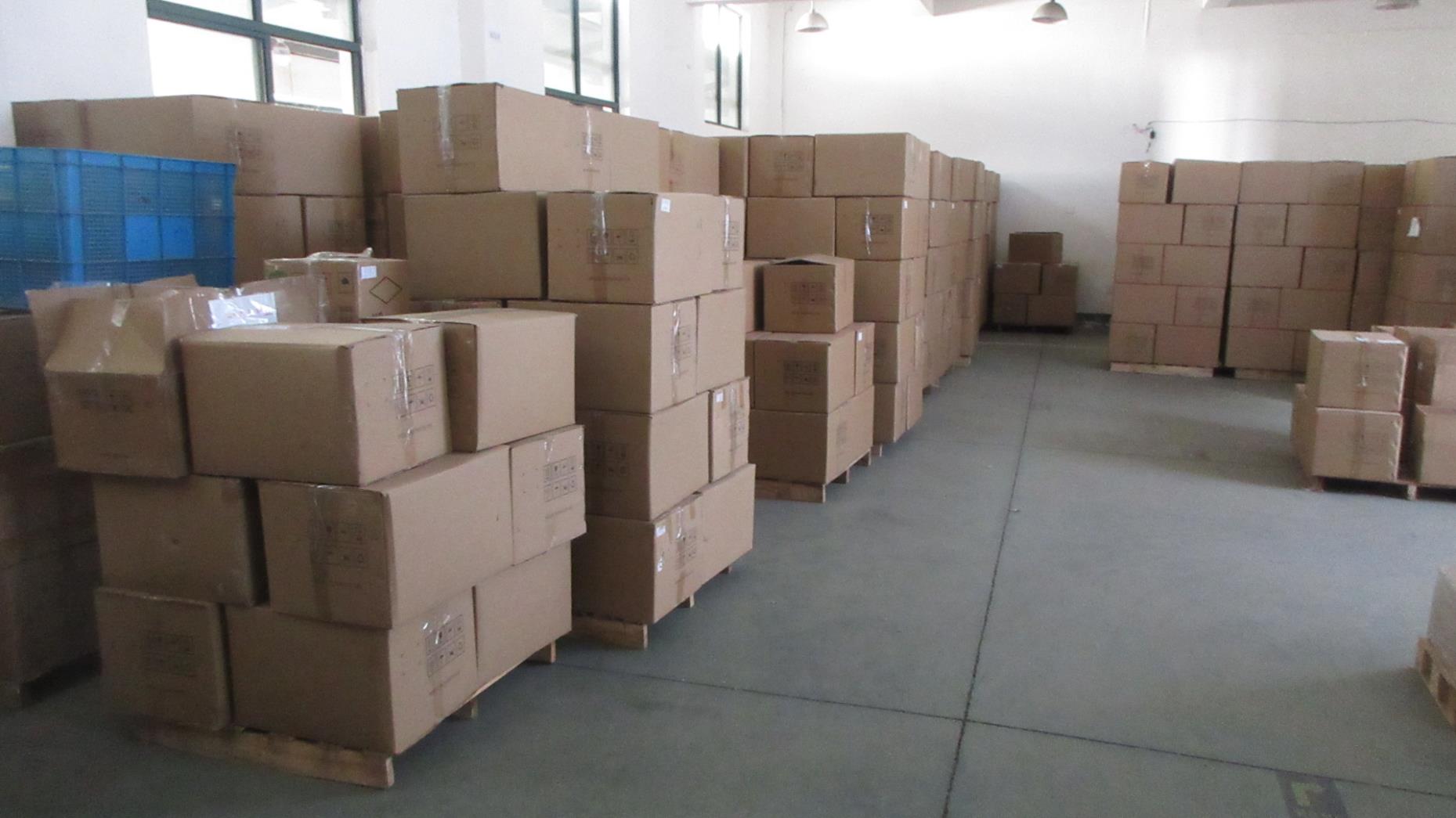
By optimizing our global supply chain across 1,280 direct component vendors, Memvora maintains buffer stocks of critical silicon components, including PMICs, DRAM dies (Samsung, SK Hynix, Micron), and high-frequency connectors. This inventory strategy insulates our customers from market volatility, component shortages, and lead-time spikes.
Quality Assurance Benchmark: In contrast to standard post-assembly testing, Memvora runs a strict QC protocol: 100% functional validation, thermal burn-in under heavy software cycles, system compatibility validation, signal integrity assessments, and automated environmental chambers.
Our quality control department consists of 42 dedicated inspectors who monitor product quality across five distinct inspection stages:
As embedded architectures demand higher memory bandwidth for AI and Edge computing, the transition from DDR4 to DDR5 is accelerating. DDR5 doubles the bandwidth compared to DDR4, starting at 4800MT/s, while reducing operating voltages to 1.1V. This migration requires updated circuit design and power distribution planning.
DDR5 integrates On-Die Error Correction Code (ECC) directly inside the DRAM chip. This allows correction of single-bit errors at the cell level, improving system reliability even without full system-level ECC support. Moving the Power Management IC (PMIC) onto the memory PCB enables finer voltage control, but it requires careful board layout to prevent thermal hotspots from affecting the surrounding components.
Future embedded architectures must handle real-time inference tasks locally. We are integrating Neural Processing Units (NPUs) and Tensor Processing Units (TPUs) into custom carrier boards. These setups require high-frequency DRAM interfaces to process large data sets quickly, making signal integrity and thermal dissipation key design priorities.
Shipping custom hardware internationally requires compliance with regulatory standards. We verify that all custom assemblies meet the required environmental, safety, and electromagnetic standards before delivery.
Ensures electromagnetic compatibility (EMC) and limits radio frequency interference across European and North American industrial settings.
Guarantees that all lead-free SMT processes, solder pastes, plastics, and substrates comply with international hazardous substance restrictions.
Verifies flame-retardant properties of the multi-layer PCBs and structural enclosures, protecting critical infrastructure installations.
Validates that our manufacturing facility, documentation, and product tracking meet global quality management guidelines.
The design cycle typically takes 8 to 12 weeks. This includes schematic capture, layout simulation, thermal analysis, initial PCB fabrication, and prototype assembly. Functional validation and testing are carried out before starting volume production.
We track component lifecycles using Product Lifecycle Management (PLM) databases. If a component is flagged for EOL, we identify drop-in pin-compatible alternatives or secure long-term component stock to protect our client's production run.
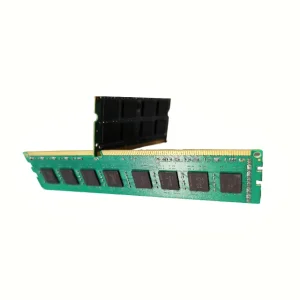
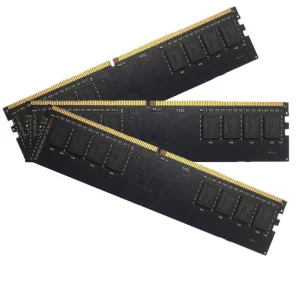
Yes. We supply DDR4 and DDR5 ECC SODIMM, Unbuffered ECC, and Registered DIMM configurations. These components are designed for industrial servers, NAS platforms, Edge AI compute modules, and medical displays that require error-free operation.
Our custom cooling blocks, including LGA4677 and LGA4189 series, undergo pressure testing at up to 3 bars to prevent leaks. They are tested on dynamic heat loads up to 400W to measure thermal resistance under varying coolant flow rates.
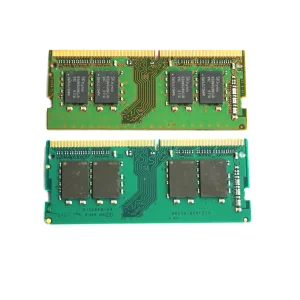
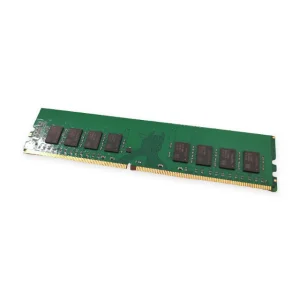
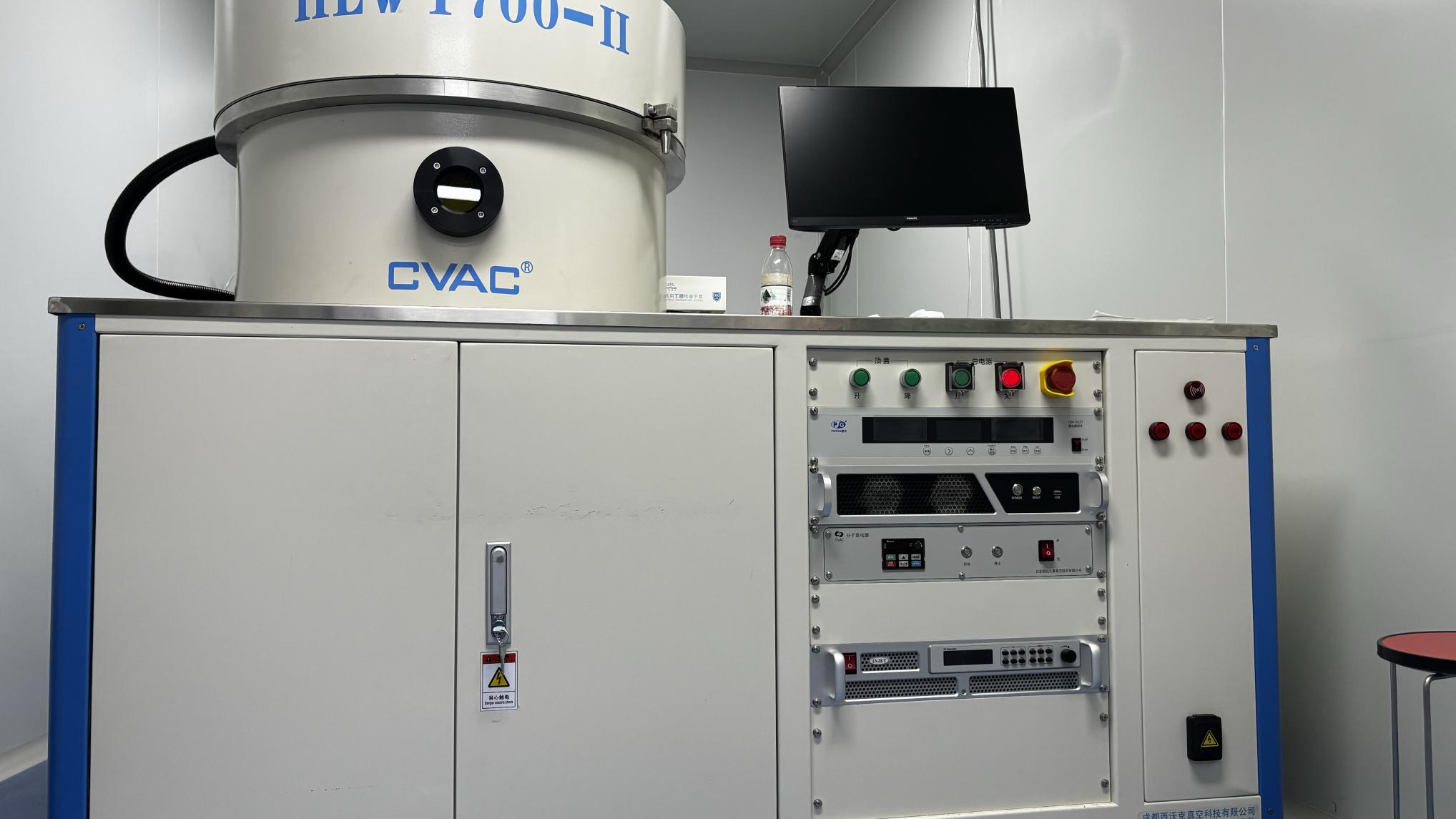
Every memory module and custom circuit assembly is produced inside our specialized facilities, where we maintain environmental controls to prevent ESD (electrostatic discharge) damage. We manage our processes from clean-room storage to final reflow soldering ovens.
 Memvora