High-reliability logic controls, power management, and thermal dissipation systems engineered for rigorous enterprise UVC disinfection arrays across Georgia industrial corridors.
A Comprehensive Analysis of Wavelength Optimization, Thermal Dynamics, and Supply Chain Integration for North American OEM Partners
Executive Summary: As Georgia experiences rapid expansion across its biomedical corridor in Greater Atlanta, cold-chain maritime logistics in Savannah, and agricultural processing in Gainesville, the industrial demand for non-chemical germicidal sanitization has reached a critical inflection point. Legacy low-pressure mercury vapor lamps are being rapidly phased out due to Minamata Convention mandates and strict EPA environmental guidelines. High-flux AlGaN (Aluminum Gallium Nitride) UVC LED modules operating in the peak germicidal spectrum (265nm – 275nm) represent the pinnacle of modern bio-burden reduction, offering instant modulation, solid-state durability, zero toxic mercury, and unprecedented energy efficiency.
Ultraviolet C (UVC) photonics operates within the 100nm to 280nm electromagnetic spectrum. Germicidal action peaks precisely between 260nm and 270nm, where cellular DNA and RNA absorb photons most efficiently. When pathogens—including Legionella pneumophila, Methicillin-resistant Staphylococcus aureus (MRSA), SARS-CoV-2, and Escherichia coli—are exposed to UVC radiation, the energy disrupts the pyrimidine bases within their nucleic acids, forming thymine dimers. This structural damage prevents transcription and replication, rendering the microorganism non-pathogenic without chemical additives.
Achieving predictable, high-level Log Reduction Values (LRV 4 to LRV 6, corresponding to 99.99%–99.9999% inactivation) requires meticulous calculation of UV Fluence (Dosage), defined as:
For high-throughput industrial environments in Georgia—such as commercial HVAC air handlers circulating 10,000 CFM (Cubic Feet per Minute) or municipal water purification flows exceeding hundreds of gallons per minute—the exposure time ($t$) is fractions of a second. Consequently, UVC LED modules must deliver ultra-high radiometric irradiance ($I$). Our engineering team utilizes custom aluminum nitride (AlN) substrates paired with quartz hemispherical lens geometries to maximize photon extraction efficiency (EQE) and maintain intense collimated beam angles targeting specific flow profiles.
Georgia’s diverse economy requires targeted UVC LED module implementations tailored to regional environmental and operational challenges:
The primary bottleneck in UVC LED technology is Wall-Plug Efficiency (WPE). While visible LEDs convert over 50% of electrical energy into light, UVC LEDs convert approximately 5% to 10% into radiometric energy, converting the remaining 90%+ into thermal energy concentrated at the microscopic p-n junction. If this heat is not rapidly dissipated, junction temperature ($T_j$) spikes, causing rapid catastrophic optical degradation and spectral shifting away from the peak absorption band.
To overcome this challenge, our custom UVC LED modules engineered for Georgia suppliers utilize:
Delivering state-of-the-art solid-state photonics backed by rigorous quality assurance and end-to-end custom engineering support.
Engineered AlGaN chips tuned specifically between 265nm and 275nm for optimal microbial DNA destruction, zero ozone emission, and maximum energy conservation.
Flexible form factors ranging from linear strip arrays and circular spot modules to high-flow fluidic reactor cores designed for seamless OEM integration.
Advanced copper/aluminum nitride substrate design ensuring efficient heat spreading, low junction temperatures, and extended lifespan exceeding 50,000 hours.
Combining world-class SMT automation, strict ISO quality protocols, and raw material integration to empower North American OEMs.
Navigating global electronic component procurement requires a partner with complete supply chain transparency, rapid prototyping velocity, and uncompromised quality management. Operating out of advanced electronics production hubs in China, our manufacturing facilities embody the Industry 4.0 paradigm shift—integrating automated SMT (Surface Mount Technology) assembly, AI-driven optical automated inspection (AOI), and real-time radiometric testing.
UVC LED chips are exceptionally sensitive to thermal shock and mechanical placement errors during reflow. Our surface mount lines utilize high-precision pick-and-place robotics with $\pm 10\mu m$ placement accuracy. Furthermore, all soldering processes occur inside closed-loop Nitrogen ($N_2$) purge reflow ovens. By displacing oxygen during soldering, we eliminate micro-oxidation on thermal pads, achieving zero-voiding ($<5\%$ void rate under X-ray inspection) and ensuring maximum thermal transfer from the die to the cooling sink.
Every single UVC module manufactured for our Georgia clients undergoes 100% automated optical and electrical characterization before leaving our facility:
Supply Chain Agility: By maintaining direct strategic raw-material reserves with leading AlGaN wafer foundries and optical quartz glass suppliers, we shield our Georgia partners from global component shortages, delivering customized prototyping within 10 to 14 days and full-scale production shipments in under 3 weeks.
Custom UVC LED module configurations engineered to meet precise operational criteria across key industries.
High-flux reactor modules designed for municipal water treatment plants and residential under-sink filtration systems across Georgia. Compact footprint, instant-on zero warm-up, and chemical-free bio-decontamination.
Linear high-power UVC LED strip arrays mounted inside commercial air handling units (AHUs). Continuous irradiation destroys mold spore buildup on cooling coils, reducing energy consumption and maintaining indoor air hygiene.
Stainless-steel IP68 sealed UVC LED modules for poultry processing and cold-storage conveyor belts in Georgia agricultural zones. Eliminates surface pathogens without thermal or chemical alteration of foods.
Expert engineering insights regarding UVC LED module sourcing, integration, performance, and international logistics for Georgia buyers.
While mercury vapor lamps emit radiation at 254nm, DNA photon absorption peaks closer to 265nm. Solid-state 265nm UVC LEDs match this germicidal curve more precisely, delivering higher log-reduction efficiency per watt. Furthermore, UVC LEDs contain zero toxic mercury, require no high-voltage warm-up period, operate efficiently in cold environments, and are resilient against mechanical vibration.
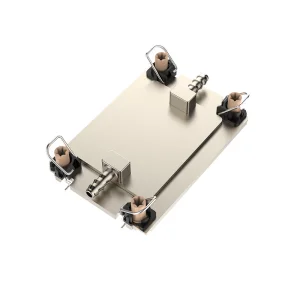
We utilize high-thermal-conductivity Aluminum Nitride (AlN) ceramic substrates paired with Direct-Bond Copper (DBC) MCPCBs. For extreme optical flux density, we integrate micro-channel liquid cold plates or forced-air copper heat pipe heat sinks, maintaining the junction temperature ($T_j$) below 60°C to preserve continuous optical efficiency and guarantee 50,000-hour operational lifespans.
Yes. Our manufacturing processes strictly adhere to ISO 9001 and ISO 14001 standards. All custom UVC LED modules are engineered to satisfy RoHS, CE, and REACH environmental guidelines. When integrated into end-user equipment, they facilitate compliance with UL 867, UL 1995, and ASHRAE 185.2 indoor air disinfection requirements, as well as EPA registration standards for antimicrobial devices.
We provide full turn-key customization including customized optical wavelength mixing (UVC + UVA for multi-stage disinfection), custom PCB dimensional footprints, integrated constant-current driver designs, optical beam shaping lenses (30°, 60°, 120° quartz optics), IP-rated potting, and intelligent sensor feedback integration (flow meters, temperature sensors, photodiode monitoring).
Rapid prototype samples are dispatched within 10–14 business days via express air courier (DHL/FedEx/UPS), arriving in Georgia within 3–5 days. High-volume production batches are shipped via air freight (5–7 days total transit) or ocean cargo directly to the Port of Savannah for cost-effective freight management.
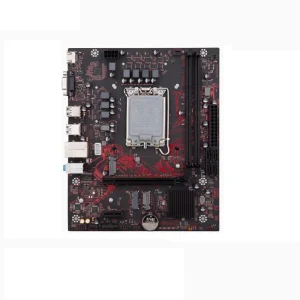
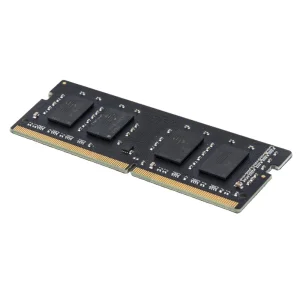
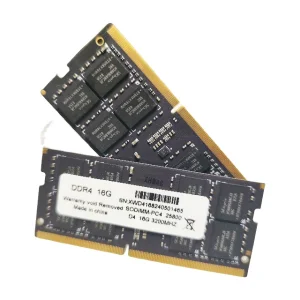
Explore our comprehensive lineup of precision logic controllers, industrial memory modules, and specialized thermal dissipation assemblies built for demanding UVC system deployments.
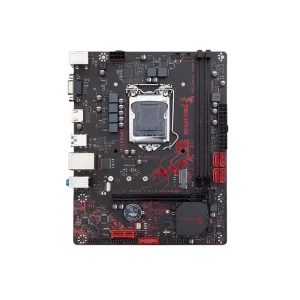
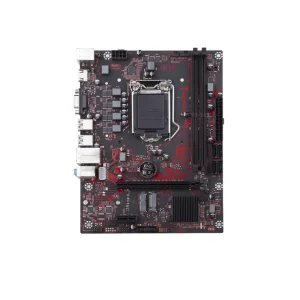
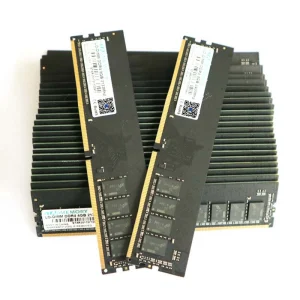
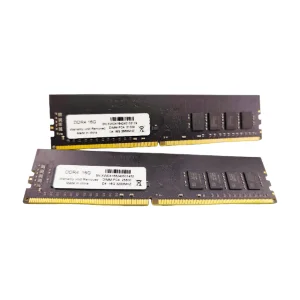
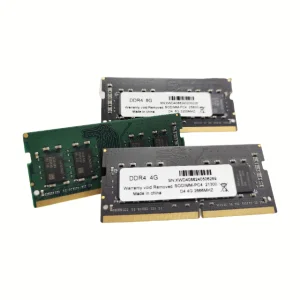
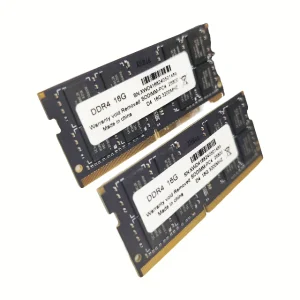
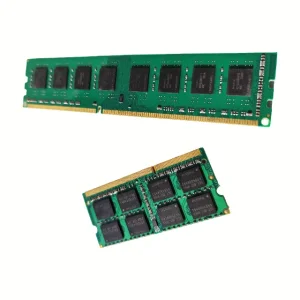
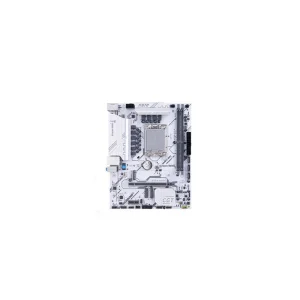

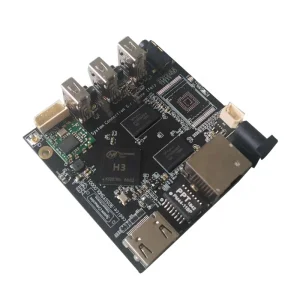
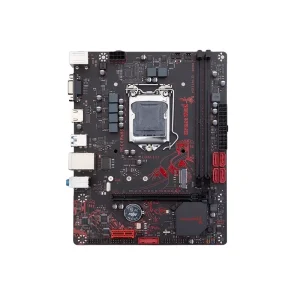
Founded in 2017, Memvora Electronics Technology Co., Ltd. is a professional manufacturer specializing in high-performance high-reliability electronic assemblies and DDR5 memory modules, alongside state-of-the-art optical semiconductor integrations. We are dedicated to delivering robust hardware solutions for consumer, industrial, enterprise, and embedded applications worldwide. With a modern manufacturing facility covering 386㎡ of specialized production area, we combine advanced SMT automation, strict quality management, and experienced engineering expertise to serve global OEM and ODM partners.
Since entering the international market, Memvora has accumulated 7 years of export experience, serving enterprise customers across North America, Europe, Southeast Asia, the Middle East, and South America. Our annual export revenue exceeds US$18.6 million, supported by a strong global supply chain and long-term partnerships with more than 1,280 component suppliers and industrial business partners.
With 14 years of industry experience, our engineering team continuously invests in technology innovation and product development. Our R&D department consists of 126 professional engineers who focus on developing next-generation optical and memory solutions with higher efficiency, lower latency, and enhanced reliability under harsh thermal conditions. Last year alone, we successfully launched 86 new engineered products to meet the evolving needs of industrial automation, smart healthcare, and enterprise servers.
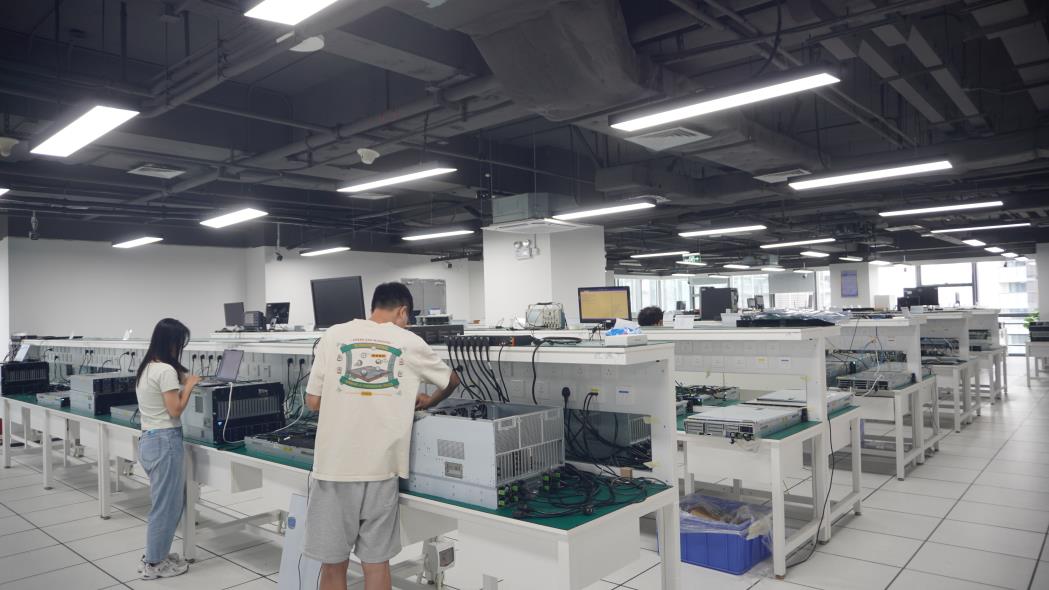
Every manufactured unit undergoes rigorous quality assurance including 100% functional testing, burn-in testing, compatibility testing, signal integrity testing, and aging tests before shipment. Our dedicated quality control team of 42 inspectors ensures every module meets strict international standards to guarantee long-term stable performance in the field.
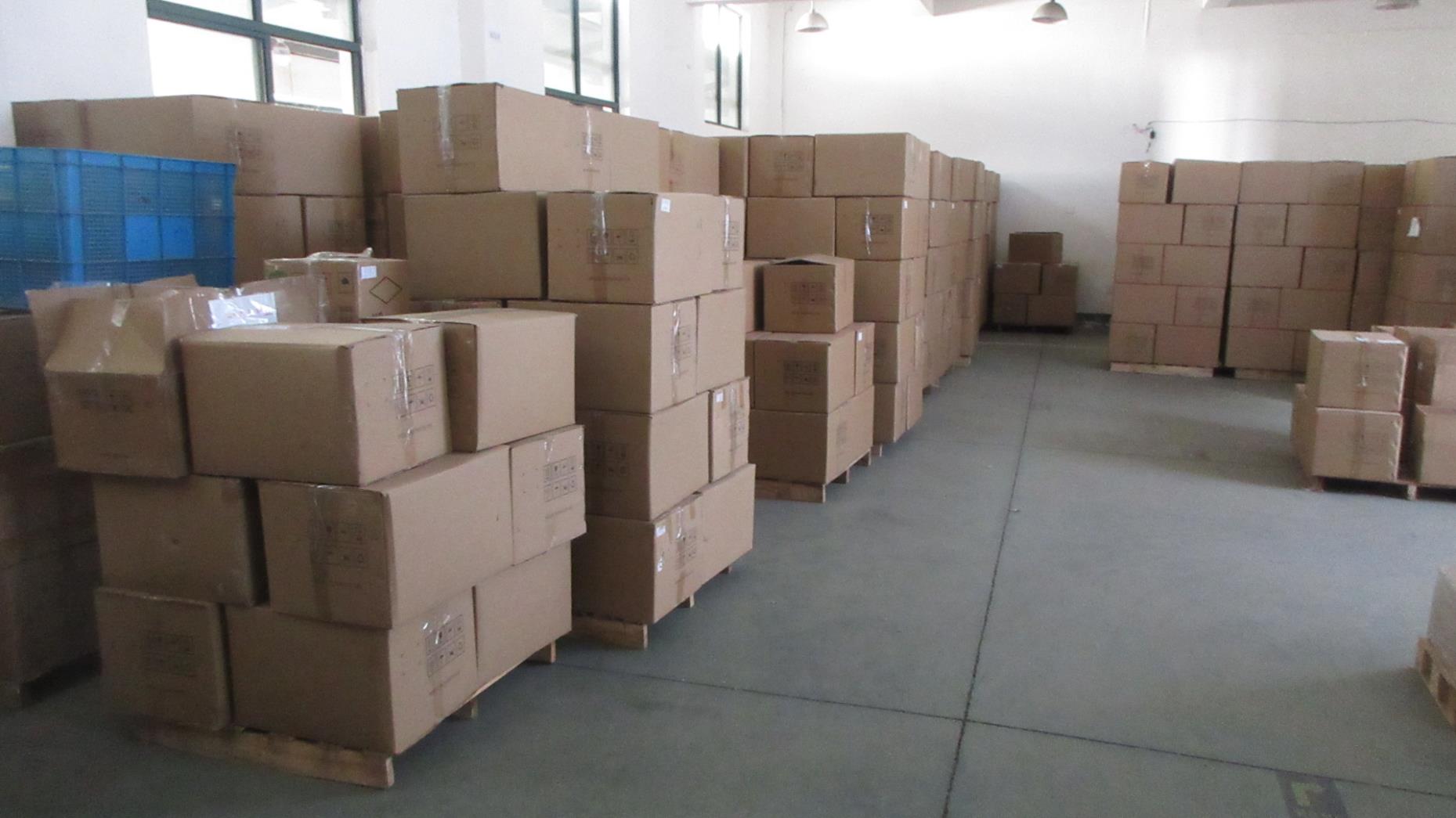
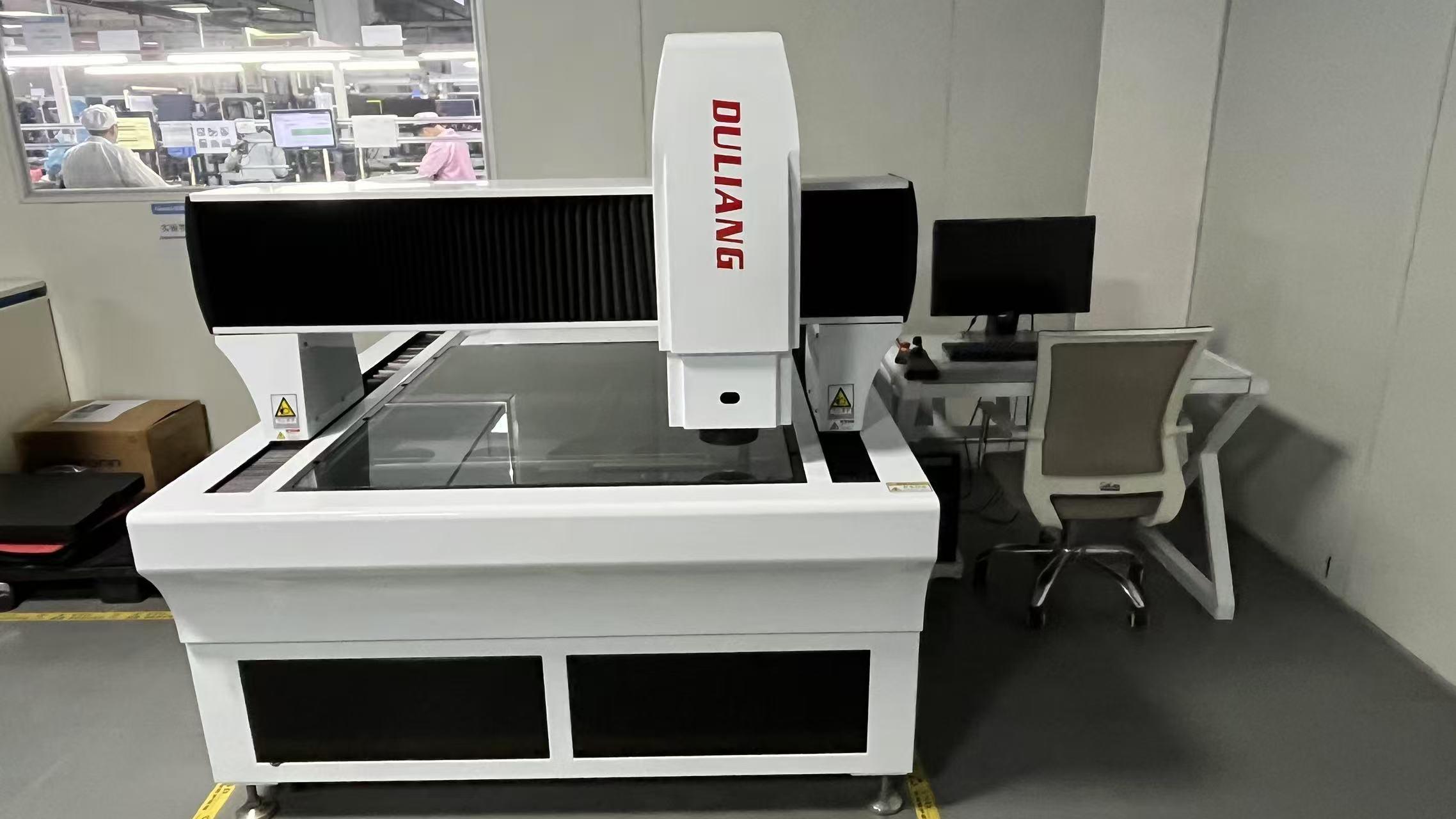
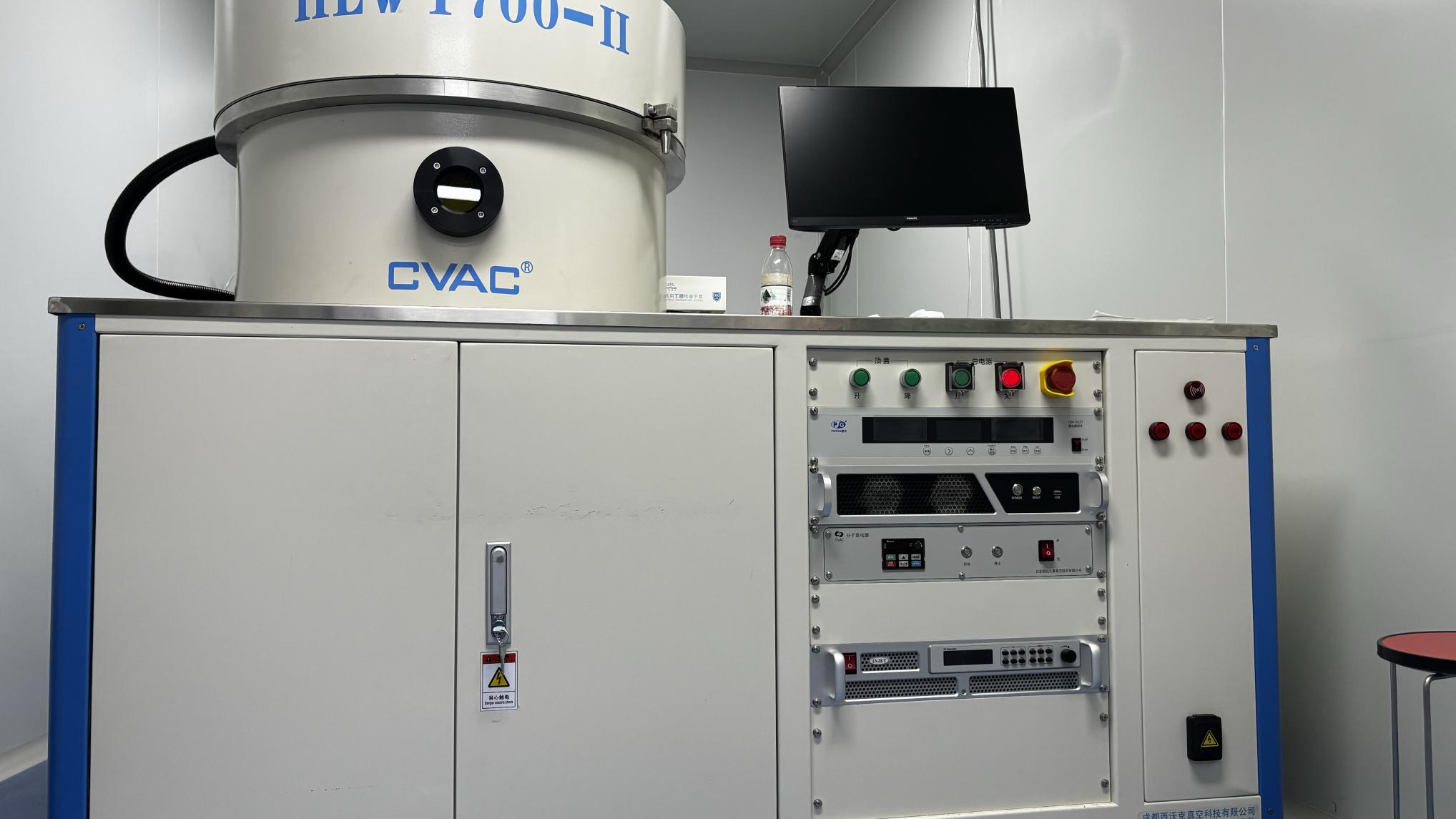
Looking for custom optical solutions, specialized wavelength tuning, or high-volume component supply serving Georgia and North America? Contact our technical engineering team for immediate CAD reviews, optical flux simulation, and OEM price quotes.
Send Inquiry Now Memvora