Premium SMT boards and specialized processing units optimized for high thermal stress and uninterrupted operations in Kuwaiti infrastructural networks.
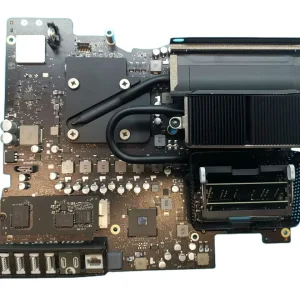
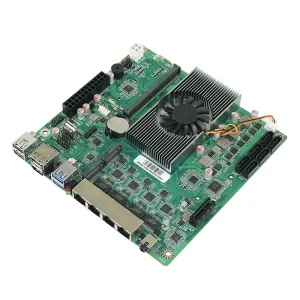
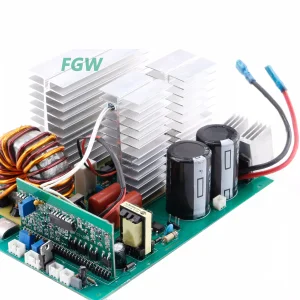
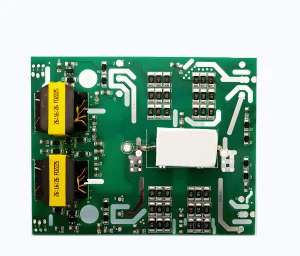
Kuwait's technological architecture is undergoing a profound transition driven by the Kuwait Vision 2035 (New Kuwait) initiative. As national infrastructure migrates toward smart automation, IoT telemetry within oil & gas fields, and modern desalination plants, the demand for complex, high-reliability Printed Circuit Board Assemblies (PCBAs) has scaled exponentially.
Unlike systems deployed in temperate environments, electronic components operating in the Middle East—specifically in the State of Kuwait—face exceptionally severe environmental profiles. Ambient outdoor temperatures regularly surpass 50°C (122°F), matching internal enclosure levels of up to 85°C. Combined with dynamic sandstorm micro-particles and sulfur-laden marine atmospheres, the engineering of PCBAs must transcend basic commercial standards. This requires specialist thermal engineering, advanced surface finishes like Electroless Nickel Immersion Gold (ENIG), and highly durable conformal coatings to prevent oxidation and copper corrosion.
Currently, local PCB assembly facilities within Kuwait are optimized primarily for basic rapid prototyping and educational repairs. Consequently, international procurement teams and local industrial entities lean heavily on strategic partnerships with high-tier SMT fabrication hubs in mainland China. These strategic partnerships combine the rapid turnarounds of global electronic components networks with the high production yields necessary for national deployment.
Operating silicon and copper substrates in the Arabian Gulf demands specific physical layer reinforcements. Key failure vectors include dendrite growth from high humidity near coastal areas, thermal runaway within sealed enclosures, and electrostatic discharge (ESD) generated during dry desert storms.
To address these conditions, advanced Chinese factories supplying Kuwait employ High-Tg (Glass Transition Temperature) FR4 materials (Tg 170-180°C or higher). Standard TG-130/140 boards break down mechanically under persistent heat exposure, leading to delamination. Furthermore, heavy copper layers (2oz to 4oz) are structured into critical current paths to ensure efficient thermal distribution and prevent localized heat accumulation.
Deployment of acrylic, polyurethane, or silicone conformal coating (IPC-CC-830 certified) prevents airborne moisture, salt spray, and sulfur gas intrusion.
Thermal vias, high thermal conductivity dielectrics, and aluminum or copper metal cores dissipate heat efficiently in high-ambient environments.
Multi-layered PCB designs optimize power plane distributions, creating built-in shielding against external EMI and high-frequency noise.
While localized logistics warehouses handle basic installation and maintenance in Kuwait City, Shuaiba, and Wafra, the high capital costs associated with fabrication lines make full-scale local manufacturing unfeasible. China's electronic ecosystems, primarily in Shenzhen and surrounding tech zones, offer unrivaled manufacturing advantages:
1. Unparalleled Component Sourcing: Chinese fabricators utilize deeply integrated component supply networks. They source high-grade passive components, complex IC microcontrollers, and raw laminate materials directly from verified suppliers, avoiding intermediate distributor markups and verifying origin certificates.
2. Automated Precision Production: Advanced SMT lines incorporate automatic solder paste printing, solder paste inspection (SPI), automated optical inspection (AOI), and inline 3D X-ray systems (AXI). This automation ensures zero defect escapes for critical multi-layer boards.
3. Rigorous Standard Conformity: Partnering with a manufacturer offering comprehensive certifications (ISO 9001:2015, IATF 16949, UL flammability ratings) guarantees that every board shipped to Kuwait conforms strictly to international safety and performance criteria.
Founded in 2017, Memvora Electronics Technology Co., Ltd. is a leading manufacturer specializing in high-reliability assembly solutions, high-performance DDR5 memory modules, and custom industrial PCBs. We deliver dependable electronic designs to consumer, industrial, enterprise, and embedded markets worldwide. Operating from a modern production facility spanning 386㎡, we leverage advanced machinery, strict quality control protocols, and deep engineering expertise to serve global OEM and ODM partnerships.
With over 7 years of direct export experience, Memvora supports dynamic electronics supply chains across North America, Europe, Southeast Asia, South America, and the Middle East, including projects in Kuwait. Our export revenue exceeds US$18.6 million annually, driven by strong component logistics networks and partnerships with over 1,280 qualified suppliers.
Our team brings over 14 years of industry experience to every project. Our R&D division consists of 126 professional engineers focused on optimizing performance, high-temperature tolerance, and high-density PCB designs. Last year, we introduced 86 new product designs for computing, automation, and industrial control platforms.
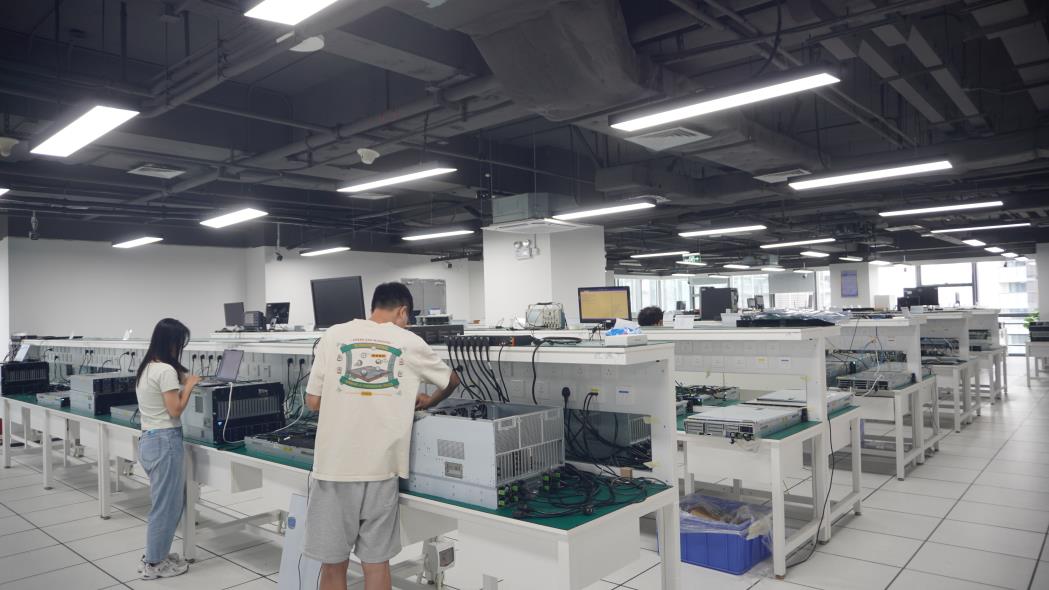
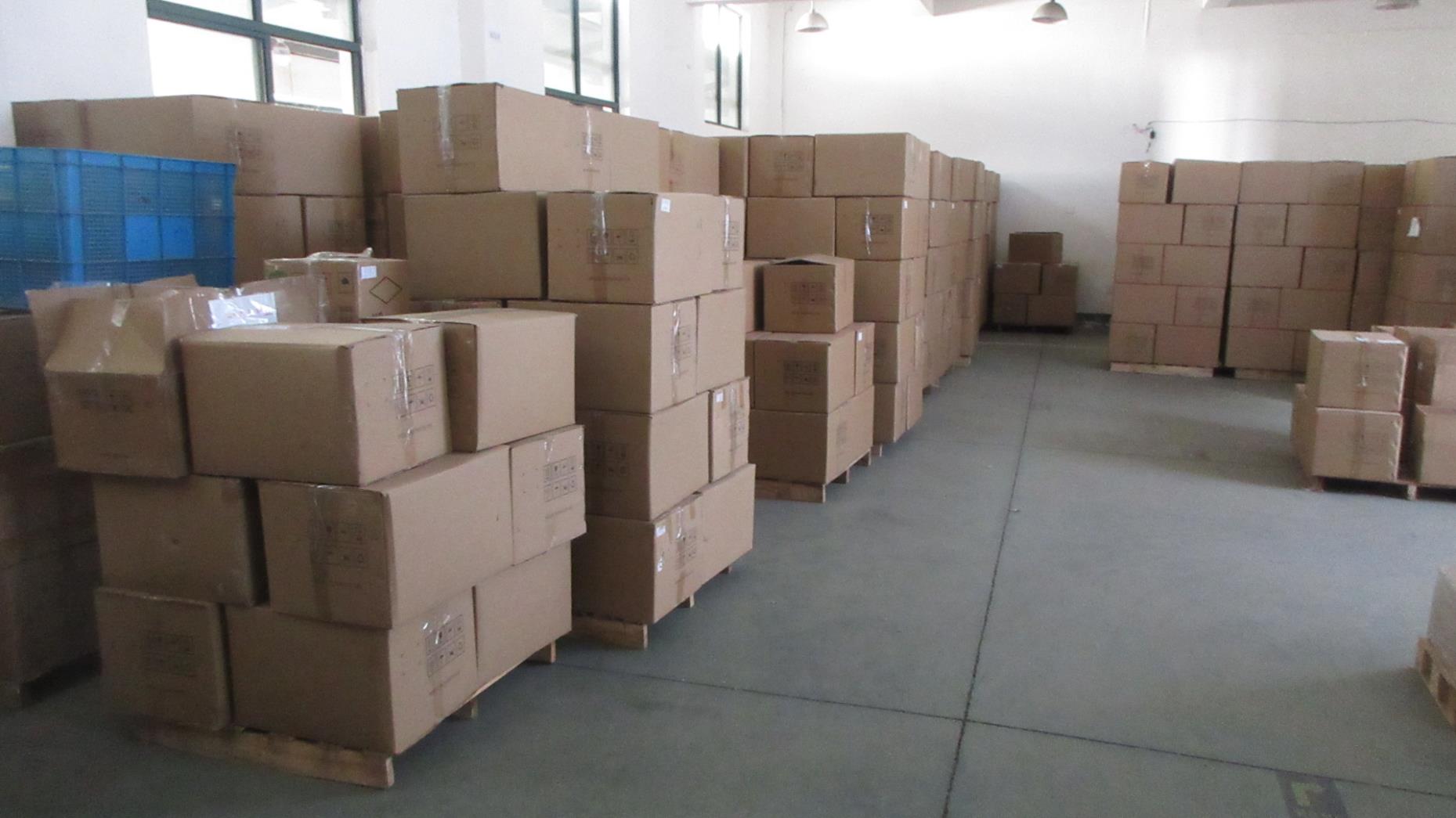
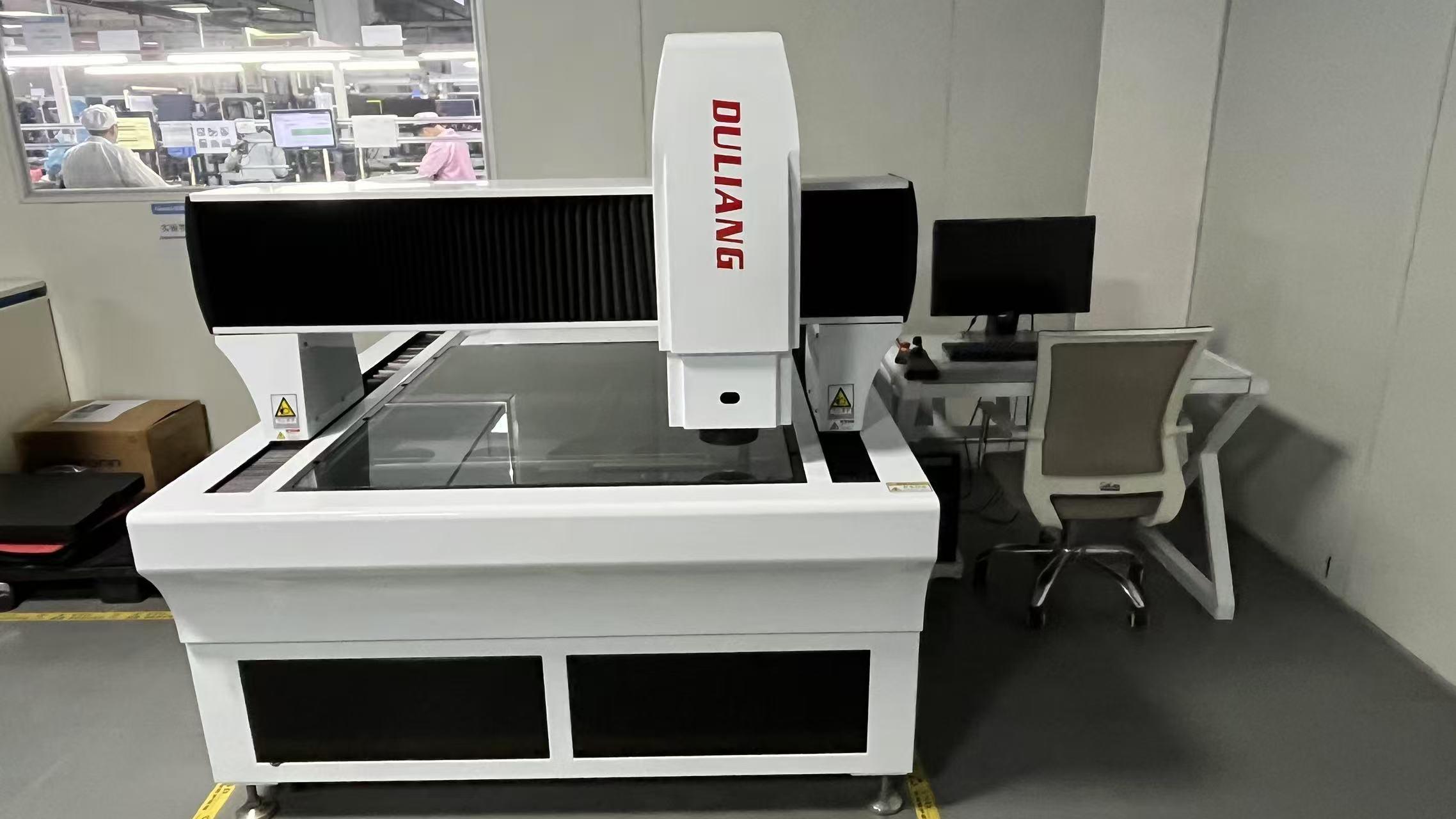
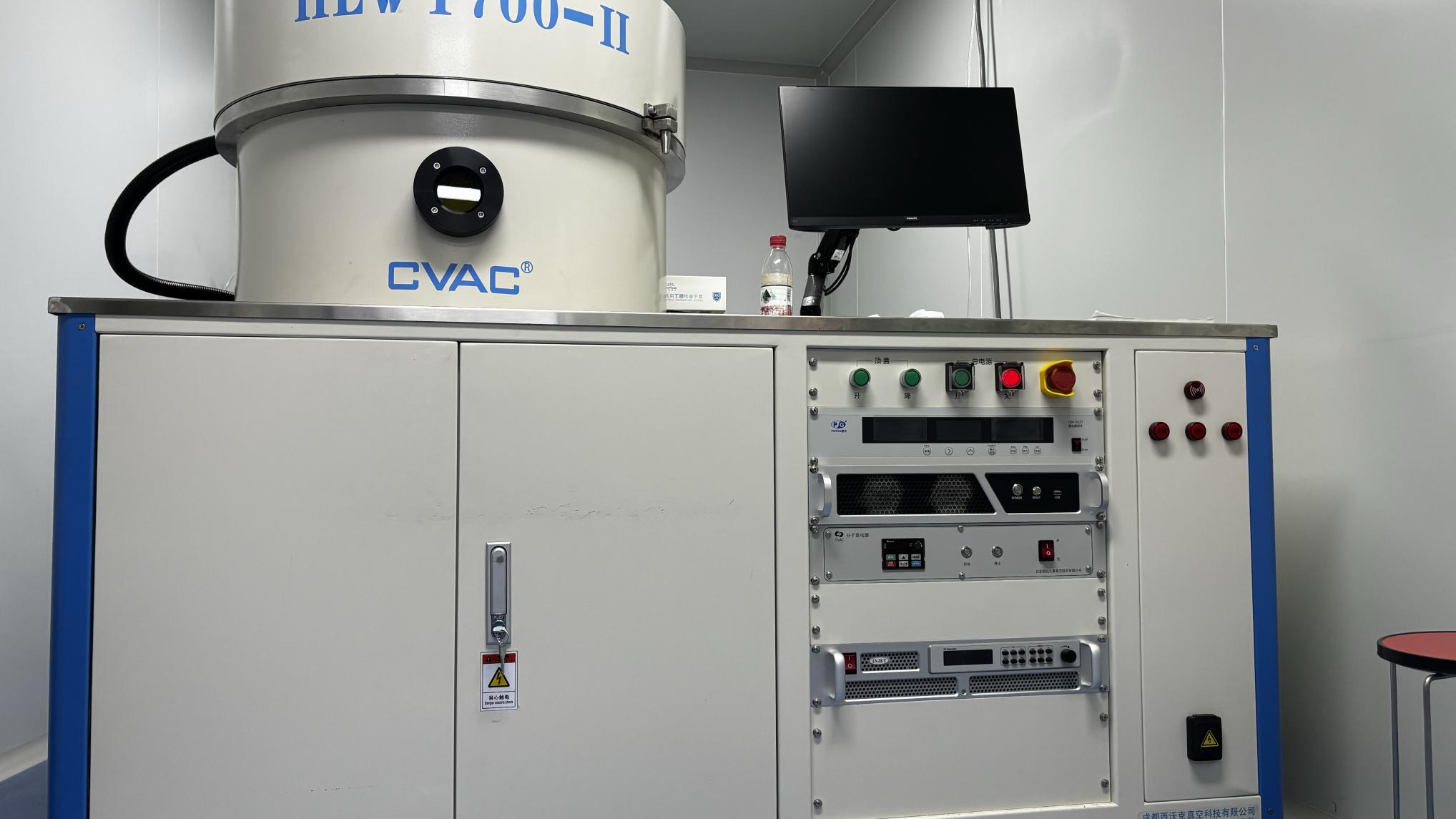
Quality is core to our operations. Every assembly undergoes a rigorous test regime, including 100% functional testing, burn-in testing, compatibility testing, signal integrity scans, and thermal aging tests prior to packaging. Our quality division, staffed by 42 experienced inspectors, ensures compliance with international quality standards, providing long-term reliability for your deployments in Kuwait.
Specialized electronics assemblies are deployed across various infrastructure sectors in Kuwait:
Smart oilfield automation requires sensor interfaces, gas leak detection nodes, and wireless transceivers designed with high-Tg substrates, heavy copper layers, and conformal coating to withstand volatile compounds and extreme temperatures.
Seawater desalination plants rely on highly stable processing units, PLCs, and power boards. These boards must be treated with anti-humidity coatings to protect against salt mist and prevent micro-shortages.
Power control cards inside solar substations in desert regions face severe thermal cycling. High-performance FR4 and ceramic core boards help maintain constant operation under intense solar radiation.
Data centers for financial institutions, telecom operators, and municipal offices in Kuwait City rely on high-capacity DDR5 memory and multi-layer, high-frequency backplanes to process critical data with minimal latency.
The electronics industry continues to demand smaller form factors and higher routing densities. High-density interconnect (HDI) designs with microvias are becoming standard, allowing for complex circuit routing on smaller boards.
Similarly, the transition to Lead-Free (RoHS compliant) soldering is now standard for green procurement. However, Lead-Free solder alloys exhibit higher melting points (typically around 217°C compared to 183°C for tin-lead), requiring precise thermal profiling during reflow to prevent component stress. Our automated manufacturing lines run customized temperature profiles to ensure solid joints without damaging delicate silicon layers.
For most industrial, public sector, and petrochemical projects in Kuwait, suppliers must demonstrate compliance with IPC-A-610 Class 2 or Class 3 quality standards. In addition, RoHS compliance, CE marking, and ISO 9001:2015 certifications are standard requirements for quality verification during procurement.
High heat can cause thermal expansion mismatches between the PCB laminate and surface-mounted components, leading to cracked solder joints. To prevent this, we specify High-Tg laminates (minimum Tg 170°C) and select active and passive components rated for extended industrial operating ranges (-40°C to +85°C or +125°C).
Electroless Nickel Immersion Gold (ENIG) offers a flat surface finish suitable for fine-pitch SMT components and provides superior resistance to corrosion and oxidation. This makes it ideal for coastal areas with high humidity and salt levels, where standard Hot Air Solder Leveling (HASL) can degrade more quickly.
Prototyping orders typically require 3 to 7 working days for fabrication and assembly. Mass production orders average 2 to 4 weeks depending on component availability. Air cargo shipping from Shenzhen to Kuwait International Airport (KWI) generally takes 3 to 7 days, including customs processing.
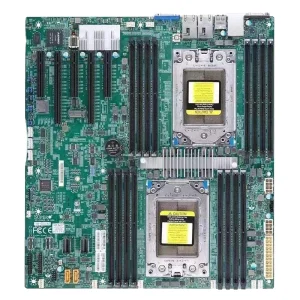
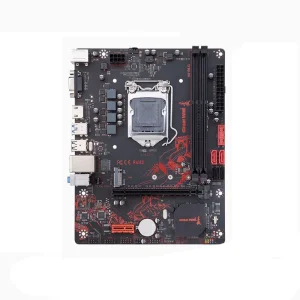
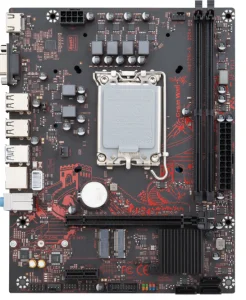
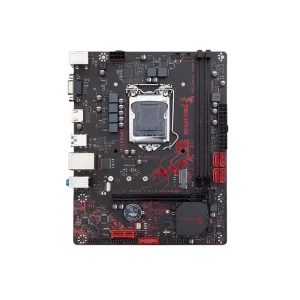
Explore our range of multi-layer PCBAs, high-density server mainboards, and industrial-grade controllers designed for demanding environments.
When submitting RFQs to international PCBA manufacturing partners, providing detailed technical specifications helps ensure performance in Middle Eastern climates. We recommend including the following specifications in your RFQs:
• Operating Temperature Window: Specify components rated for temperatures from -40°C to +85°C to handle the hot summer climate in Kuwait.
• Conformal Coating Standard: Specify IPC-CC-830 compliance to protect against salt spray and moisture, especially for assemblies deployed near coastal areas.
• Board Materials: Request High-Tg FR-4 (typically Tg ≥ 170°C) rather than standard FR-4 to prevent copper trace delamination under high thermal stress.
• Testing Protocols: Require 100% Automated Optical Inspection (AOI) for all production runs, and In-Circuit Testing (ICT) or Flying Probe Testing for complex multi-layer boards to verify electrical performance before shipping.
Discuss your specifications, component sourcing requirements, and thermal design constraints with our engineering team to get a detailed quote.
Send Inquiry Now Memvora