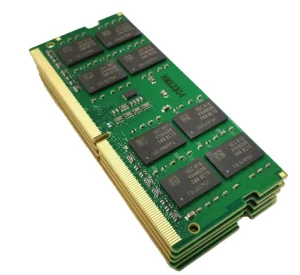
Analyzing local tech clusters, engineering validation needs, and the crucial role of robust SODIMM DRAM solutions in Northern California's innovation economy.
San Francisco acts as a testing bed for autonomous delivery systems, robotics, and edge AI compute boxes. These systems require high-capacity, low-voltage SODIMM DDR4 and DDR5 memory modules featuring error-correcting capabilities (ECC) to run massive multi-sensor algorithms reliably under variable ambient parameters.
From South San Francisco to Mission Bay, genomic pipelines and localized diagnostic computers ingest terabytes of raw structured data. DDR4 ECC and DDR5 memory modules provide the data-integrity safety net required during sequencing runs, mitigating soft-error system crashes that could ruin long laboratory assays.
Software engineers, data scientists, and hardware developers in the Bay Area utilize high-performance workstation laptops for local machine learning model execution. Memory bottlenecks slow down compiling, containers, and hypervisors. Upgrading to 32GB or 64GB DDR5 memory modules at 5600MHz/6000MHz is key to engineering efficiency.
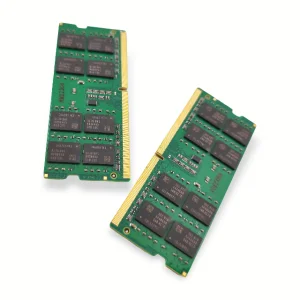
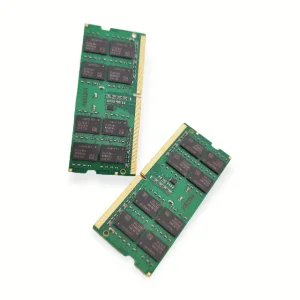
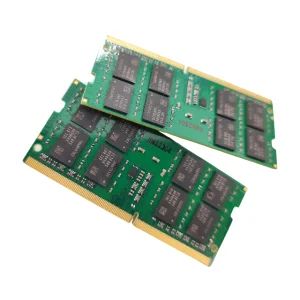
Premium ECC and High-Performance laptop memory modules optimized for development systems, localized data processing nodes, and critical infrastructure.
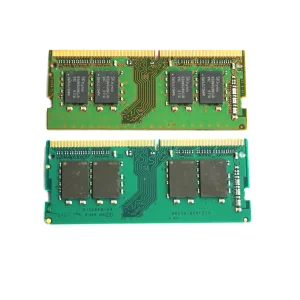
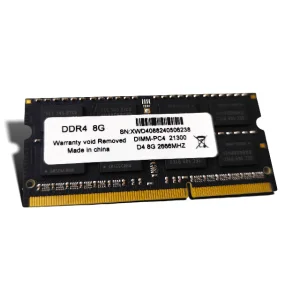
Memory technology acts as the crucial execution gateway in CPU/GPU architecture. Our understanding of DRAM constraints, semiconductor cycles, and component verification standards ensures that the products imported and distributed in the San Francisco market deliver optimal performance and long-term reliability.
The micro-market for laptop RAM is shaped by DRAM wafer pricing, capacity shifts at major fabs, and transitions between technical nodes. Major DRAM manufacturers build high-capacity silicon wafers using modern fabrication technologies. However, downstream customization, board design, and validation require a specialized exporter to bridge the gap between heavy wafer fabs and local industrial requirements.
For system integrators in San Francisco, sourcing RAM is not merely about density (GB); it involves understanding variables like CAS latency (CL), sub-timings, power supply regulation, and thermal dissipation metrics under continuous computational loads. The shift from planar silicon layouts to 3D packaging technologies requires careful impedance matching and signal reflection management on the memory module PCBs.
Selecting the right memory technology requires a deep technical understanding of JEDEC (Joint Electron Device Engineering Council) standards, energy parameters, and logic architectures. Below is an engineering overview of the distinct generations of SODIMM modules:
| Memory Type | Transfer Rates (MT/s) | Operating Voltage | On-Die Error Correction | Power Management Logic |
|---|---|---|---|---|
| DDR3 / DDR3L | 800 – 1600 MT/s | 1.5V / 1.35V | None (Requires Host Controller) | Located on Host Motherboard |
| DDR4 | 1600 – 3200 MT/s | 1.2V | Optional Sideband ECC (Specialized Pinout) | Managed by System Board Circuits |
| DDR5 | 4800 – 6400+ MT/s | 1.1V | Mandatory On-Die ECC (Embedded Logic) | On-Module PMIC (Power Management IC) |
In data center workstations and localized edge nodes, memory bit flips due to cosmic radiation, thermal stress, or voltage fluctuations can corrupt critical files. Modern hardware approaches this issue through two distinct ECC implementations:
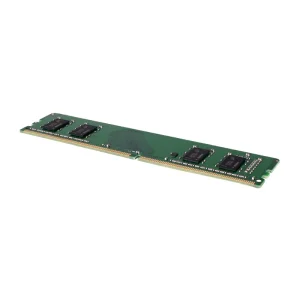
Reliable components designed for high-availability enterprise environments, long-term industrial deployments, and legacy systems maintenance.
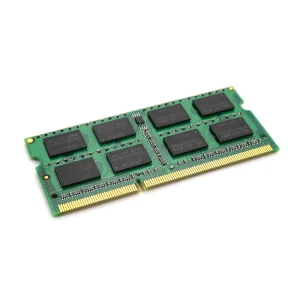
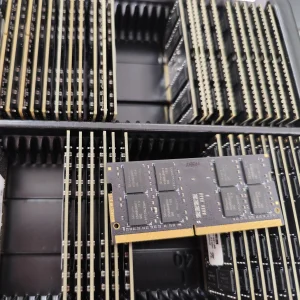
In professional applications, system failures carry significant financial implications. The memory modules supplied to the San Francisco market undergo rigorous testing to ensure stability under operational stress.
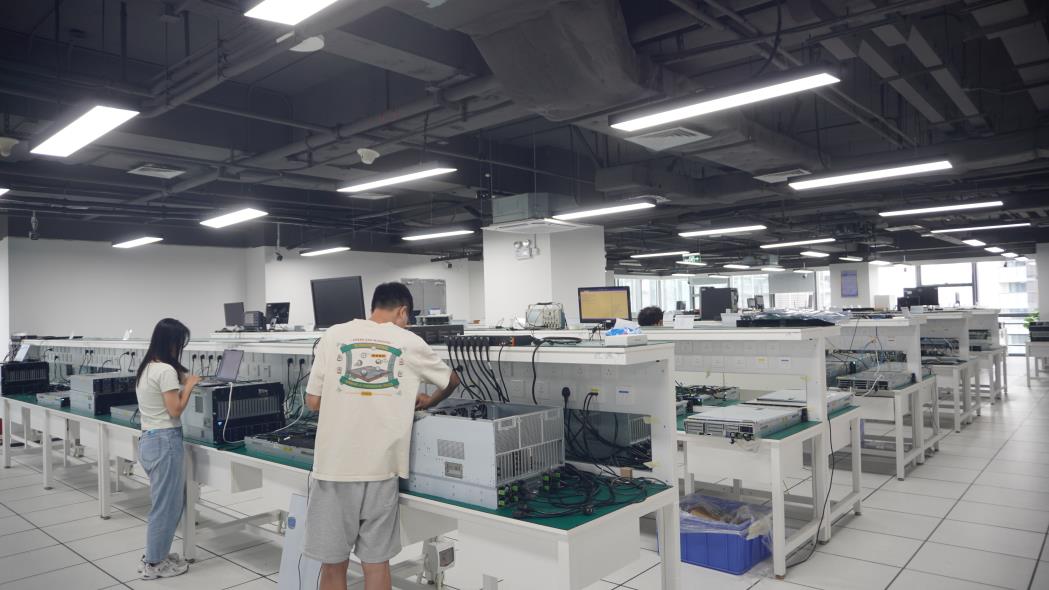
Every batch of our export inventory undergoes comprehensive dynamic testing before shipping. This validation includes elevated ambient temperatures within specialized chambers to identify early hardware failures. We test the memory interfaces at different voltage configurations to ensure stability against system board fluctuations.
Our testing procedures utilize automated system platforms (ATE) and real-world system testing to verify compatibility with common laptop and small-form-factor industrial computers. This includes testing on systems from HP, Dell, Lenovo, and specialized industrial computer configurations.
We work with clients to customize the Serial Presence Detect (SPD) parameters. For legacy installations requiring specific memory configurations, we program custom Jedec profiles. This ensures correct initialization upon installation, resolving boot loop issues in specialized industrial systems.
A Professional Manufacturer Specializing in High-Performance Memory Modules for Global OEM and ODM Partners.
Founded in 2017, Memvora Electronics Technology Co., Ltd. is a professional manufacturer specializing in high-performance DDR5 memory modules, dedicated to delivering reliable memory solutions for consumer, industrial, enterprise, and embedded applications worldwide. With a modern manufacturing facility covering 386㎡, we combine advanced production equipment, strict quality management, and experienced engineering expertise to provide stable, high-speed memory products for global OEM and ODM partners.
Since entering the international market, Memvora has accumulated 7 years of export experience, serving customers across North America, Europe, Southeast Asia, the Middle East, and South America. Our annual export revenue exceeds US$18.6 million, supported by a strong global supply chain and long-term partnerships with more than 1,280 component suppliers and business partners.
With 14 years of industry experience, our team continuously invests in technology innovation and product development. Our R&D department consists of 126 professional engineers who focus on developing next-generation DDR5 memory solutions with higher speed, lower latency, and enhanced reliability. Last year alone, we successfully launched 86 new memory products to meet the evolving needs of gaming, AI computing, industrial automation, and enterprise servers.
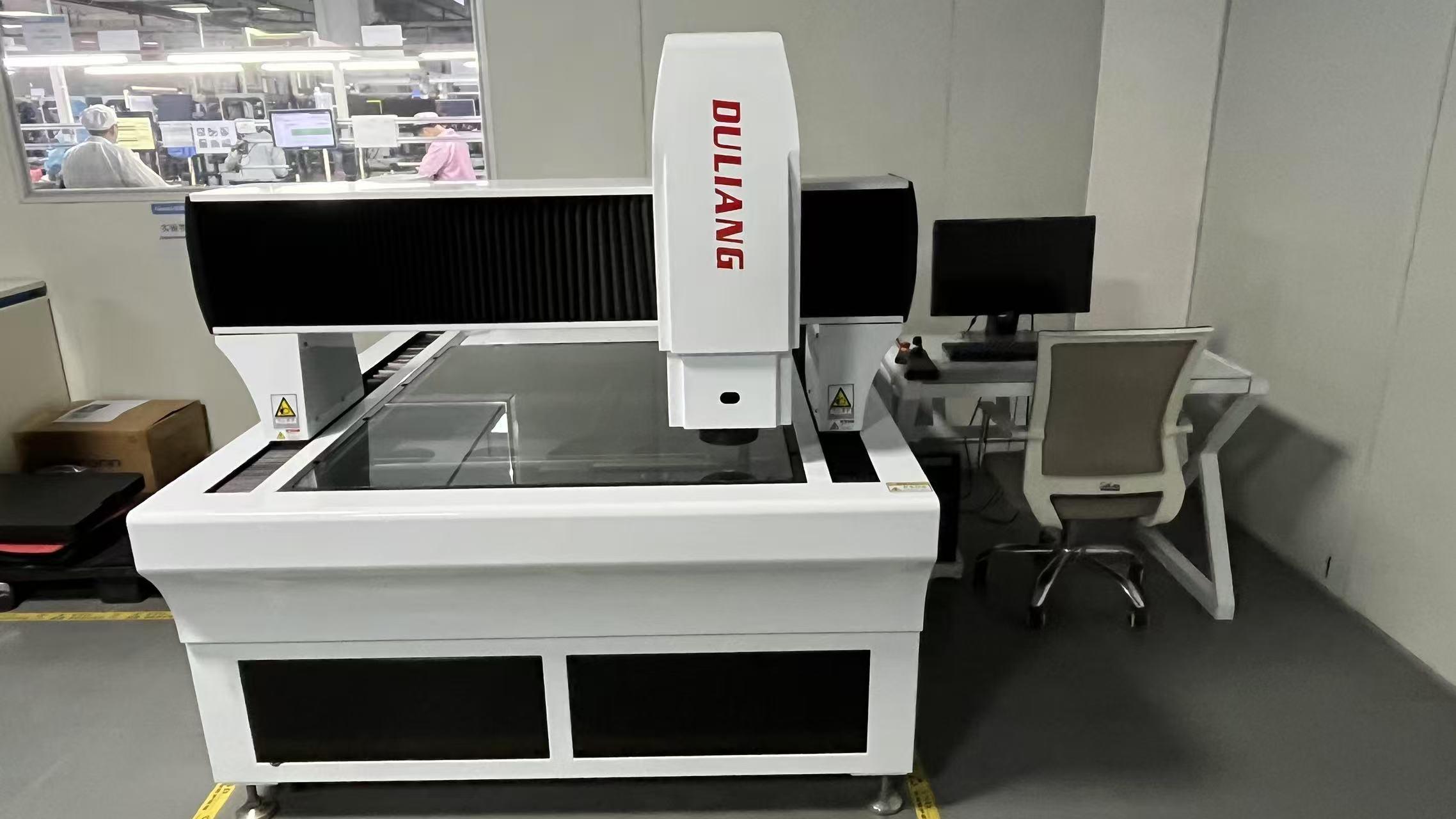
Quality is the foundation of everything we do. Every product undergoes 100% functional testing, burn-in testing, compatibility testing, signal integrity testing, and aging tests before shipment. Our dedicated quality control team of 42 inspectors ensures every memory module meets rigorous international quality standards and delivers long-term stable performance.
Memvora provides flexible OEM, ODM, private label, custom capacity, PCB color, heat spreader design, firmware optimization, and packaging customization services to meet different market requirements. Backed by a responsive engineering team and efficient production management, we help customers shorten development cycles and accelerate product launches.
Today, Memvora serves a diverse customer base including memory brands, computer manufacturers, industrial equipment suppliers, system integrators, distributors, wholesalers, and e-commerce retailers. Through continuous innovation, reliable quality, and customer-focused service, we are committed to becoming a trusted global partner for advanced DDR5 memory manufacturing and customized DRAM solutions.
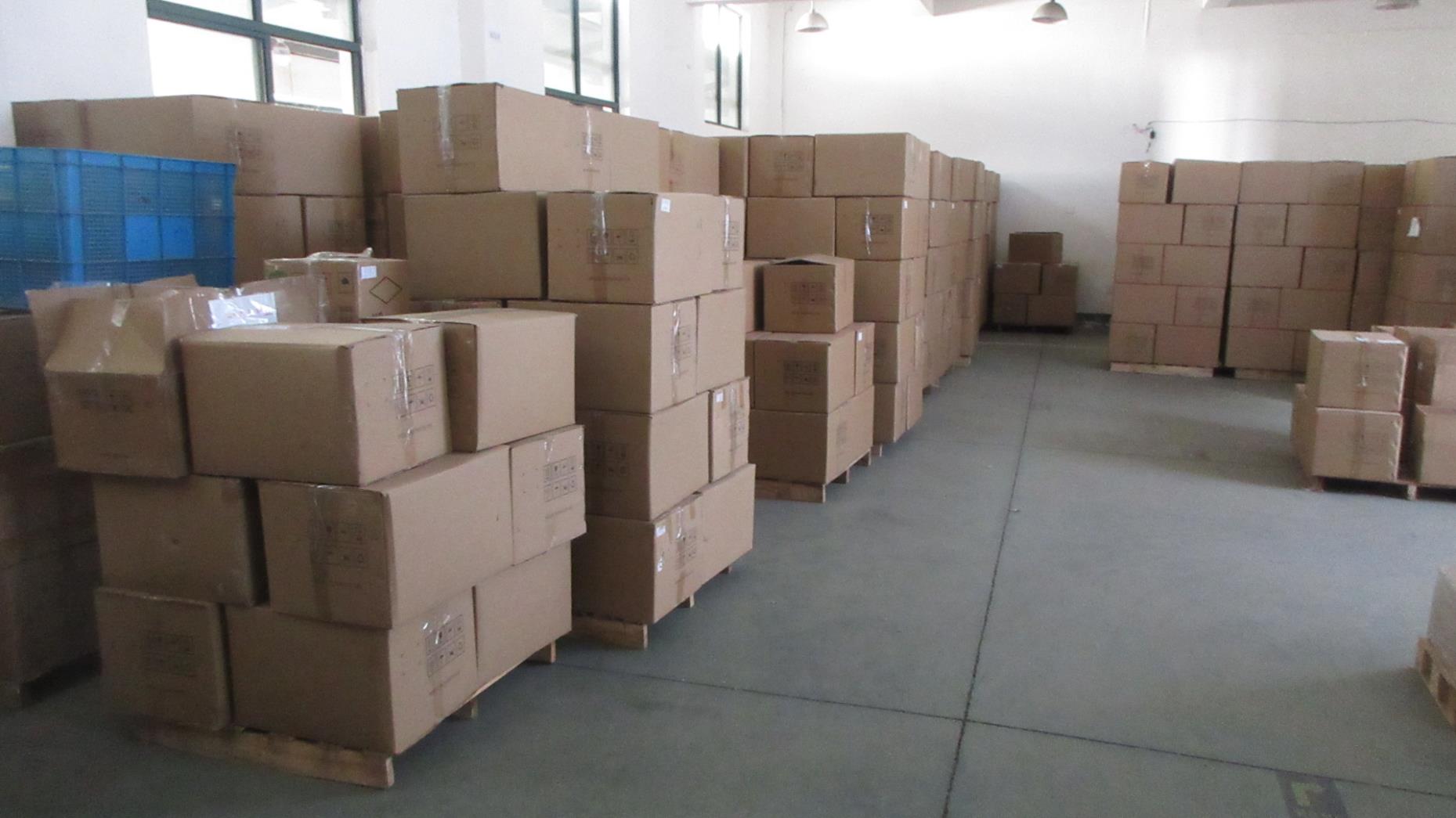
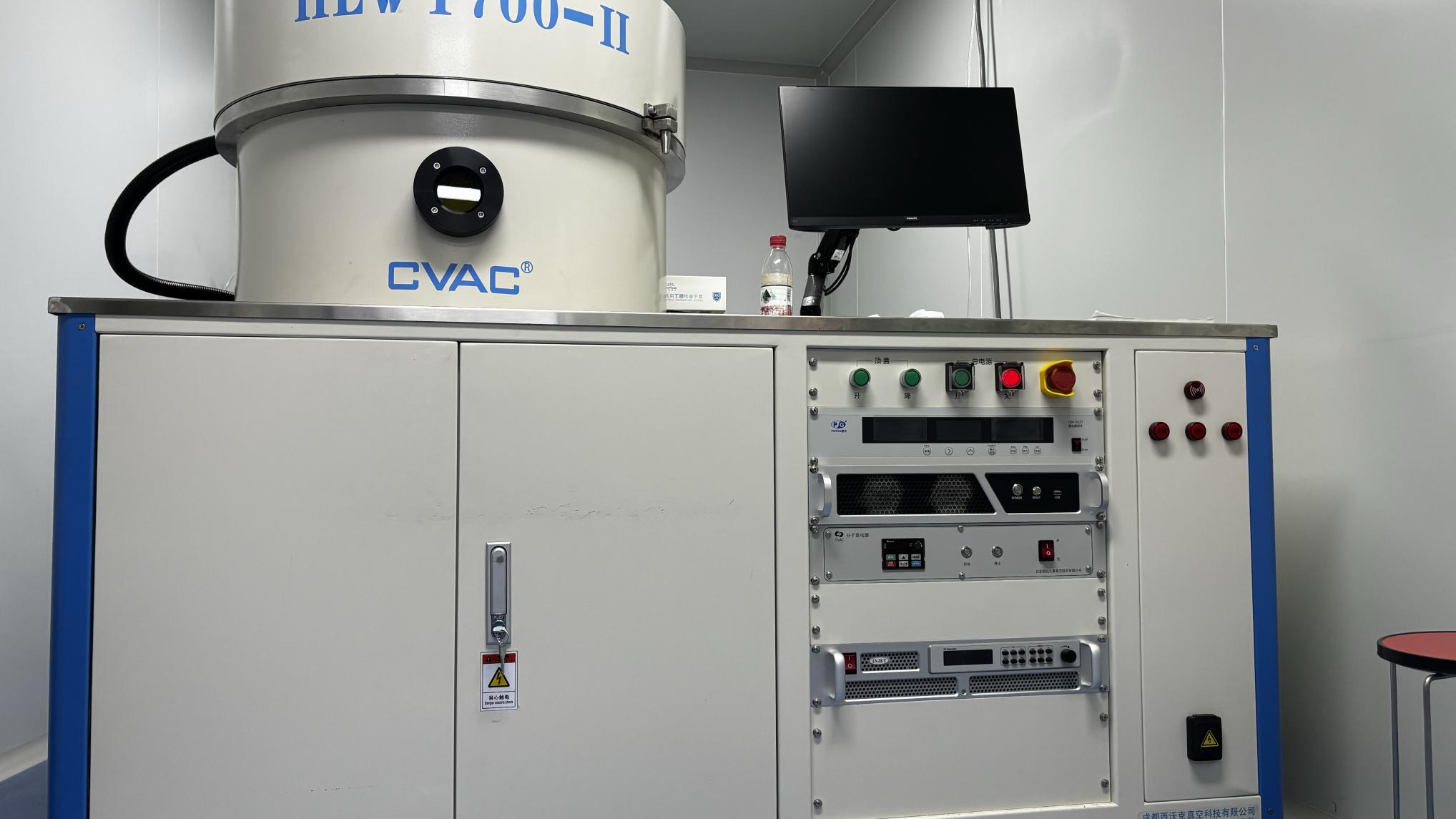
Explore our export catalog featuring high-compatibility DDR3, DDR4, and DDR5 modules, available for bulk dispatch to San Francisco ports and bay area distribution hubs.
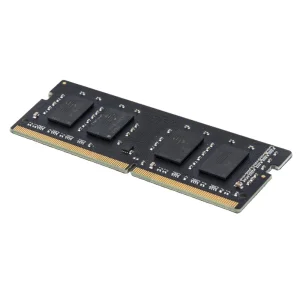
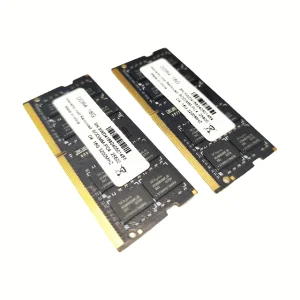
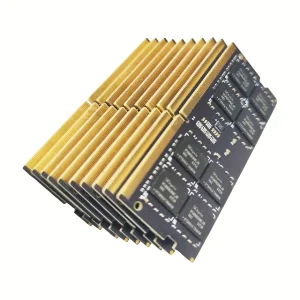
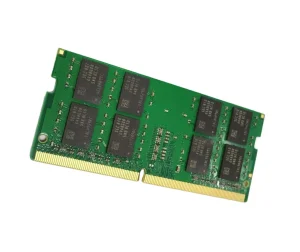
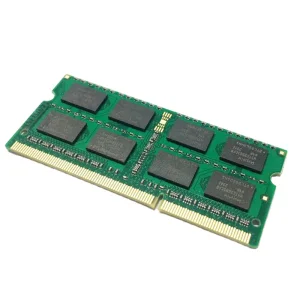
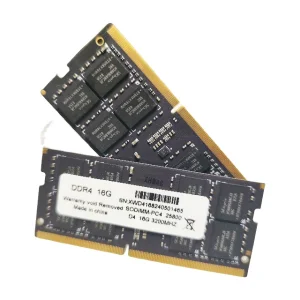
Review engineering insights, integration details, and wholesale procurement policies for buyers in the Bay Area and international markets.
 Memvora