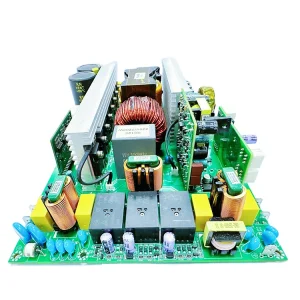
High Frequency PCBs Factories & Exporter in Portugal

Custom Microwave Substrates & Hybrid Multilayer Solutions for European Telecom, Automotive & Edge Computing Systems

Send Inquiry Now

Featured High-Frequency Circuits & Custom Substrates

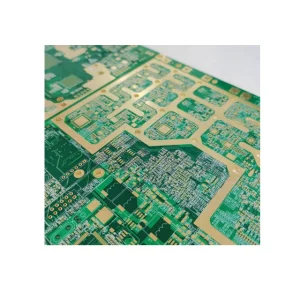
Premium RF printed circuit boards engineered to minimize dielectric loss, optimize thermal dispersion, and sustain high-signal integrity in industrial Portuguese installations.

High Frequency PCBs in Portugal: Industrial Demands & Commercial Landscape

Portugal's high-tech industrial manufacturing ecosystem is experiencing a major transition, fueled by advancements in aerospace, automotive electronics (notably around clusters in Setúbal and Porto), and the expansion of 5G telecommunication networks. European design houses based in Lisbon, Aveiro, and Braga demand high-frequency PCBs that support micro-millimeter wave technologies, high bandwidths, and minimal propagation delays. However, local prototyping capacities often hit structural bottlenecks when handling advanced substrates like Rogers, Taconic, or Arlon. This creates a strategic reliance on global supply chains that offer both speed and reliability.

The Norte Region of Portugal, renowned for its industrial competence, is leading the integration of embedded computing units and advanced automotive radar systems (77GHz and 79GHz). These applications require strict impedance control, highly controlled relative permittivity (Dk), and exceptionally low dissipation factors (Df). Utilizing standard FR-4 is insufficient. Engineers are shifting to hybrid stacking configurations, combining Rogers materials with high-Tg FR-4 cores to control costs while maintaining signal integrity at gigahertz ranges.

Material Engineering for High-Speed Electronics

Operating in frequencies above 5 GHz requires precise design constraints to prevent signal attenuation and phase distortion. Our specialized manufacturing lines address these critical parameters:

Controlled Dielectric Constant (Dk): Rogers 4000 series substrates guarantee a stable Dk (typically 3.38 to 3.55) across wide temperature ranges, minimizing signal speed variations.
Low Dissipation Factor (Df): Featuring dissipation factors as low as 0.0027, our microwave substrates significantly reduce dielectric absorption and signal loss in high-frequency applications.

For custom industrial projects in Portugal, combining these advanced materials with precise copper foil treatment (such as reverse-treated or very-low-profile copper) helps eliminate skin effect losses at high frequencies. This approach is crucial for Portuguese exporters of telecommunication units and military-grade transceivers who require certified performance under challenging conditions.
< 0.0027
Ultra-Low Df Loss
±5%
Impedance Tolerance
77 GHz
Radar Calibration
IPC Class 3
Aerospace Compliance

About Memvora Electronics Technology Co., Ltd.

Founded in 2017, Memvora Electronics Technology Co., Ltd. is a professional manufacturer specializing in high-performance DDR5 memory modules, dedicated to delivering reliable memory solutions for consumer, industrial, enterprise, and embedded applications worldwide. With a modern manufacturing facility covering 386㎡, we combine advanced production equipment, strict quality management, and experienced engineering expertise to provide stable, high-speed memory products for global OEM and ODM partners.

Since entering the international market, Memvora has accumulated 7 years of export experience, serving customers across North America, Europe, Southeast Asia, the Middle East, and South America. Our annual export revenue exceeds US$18.6 million, supported by a strong global supply chain and long-term partnerships with more than 1,280 component suppliers and business partners.

2017
Year Founded
126
R&D Engineers
$18.6M
Annual Export
42
QC Inspectors

With 14 years of industry experience, our team continuously invests in technology innovation and product development. Our R&D department consists of 126 professional engineers who focus on developing next-generation DDR5 memory solutions with higher speed, lower latency, and enhanced reliability. Last year alone, we successfully launched 86 new memory products to meet the evolving needs of gaming, AI computing, industrial automation, and enterprise servers.

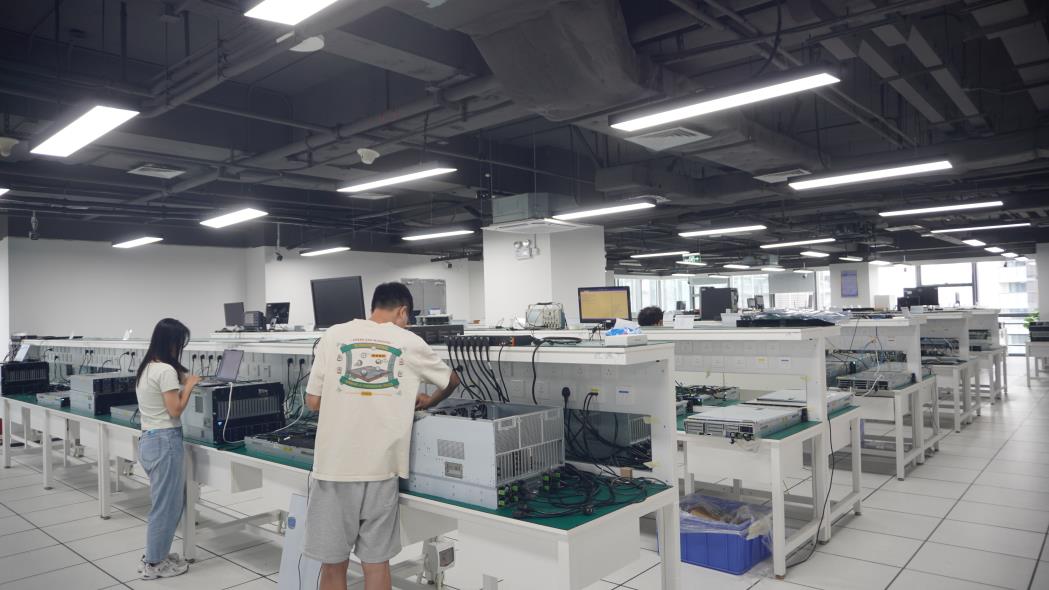
Quality is the foundation of everything we do. Every product undergoes 100% functional testing, burn-in testing, compatibility testing, signal integrity testing, and aging tests before shipment. Our dedicated quality control team of 42 inspectors ensures every memory module meets rigorous international quality standards and delivers long-term stable performance.

Memvora provides flexible OEM, ODM, private label, custom capacity, PCB color, heat spreader design, firmware optimization, and packaging customization services to meet different market requirements. Backed by a responsive engineering team and efficient production management, we help customers shorten development cycles and accelerate product launches.

Today, Memvora serves a diverse customer base including memory brands, computer manufacturers, industrial equipment suppliers, system integrators, distributors, wholesalers, and e-commerce retailers. Through continuous innovation, reliable quality, and customer-focused service, we are committed to becoming a trusted global partner for advanced DDR5 memory manufacturing and customized DRAM solutions.

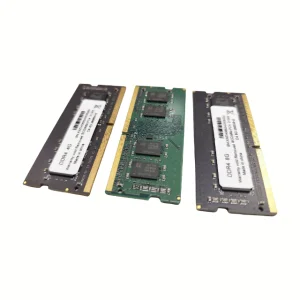
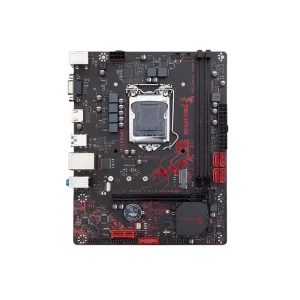
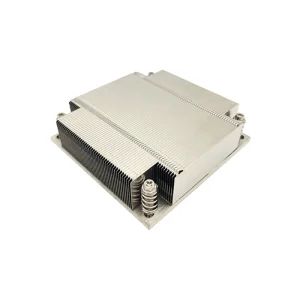
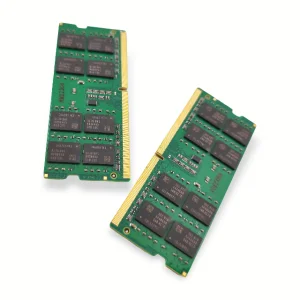
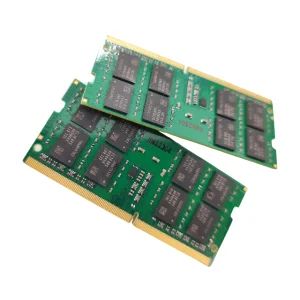
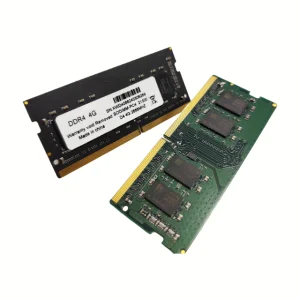
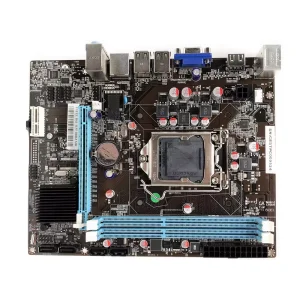
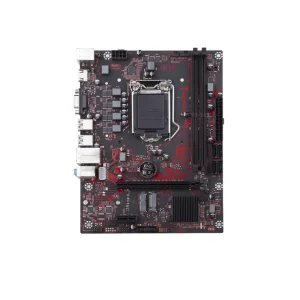
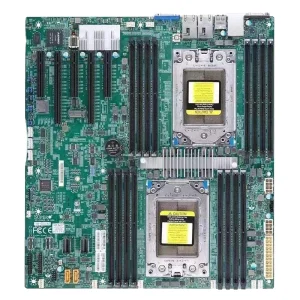
Industrial Edge Computing & Memory Subsystems

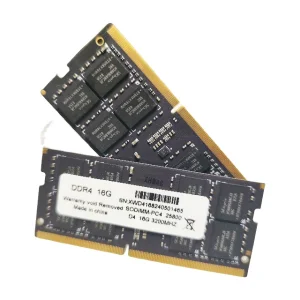
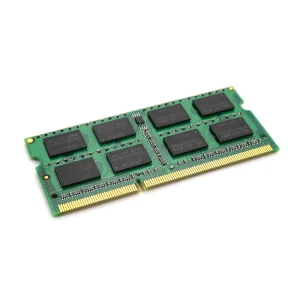
Reliable computing modules, logic boards, and memory configurations supporting local processing, automation control hubs, and server applications in Lisbon and Porto.

Sino-European Hybrid Supply Chain: Efficiency, Scale & Cost Synergy

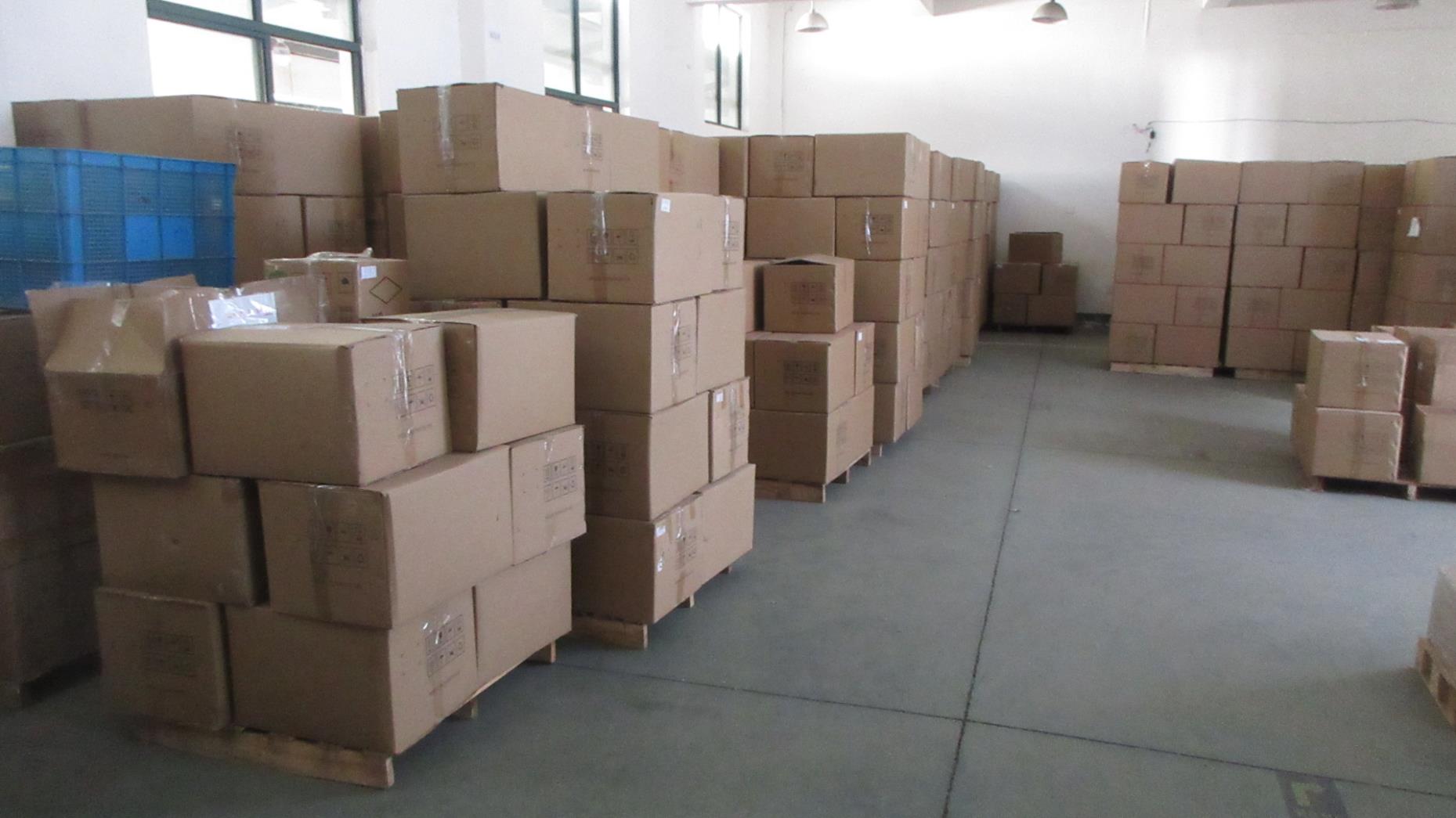
For Portuguese technology companies, importing high-frequency printed circuit boards from experienced Chinese exporters offers key operational advantages. While regional European suppliers have limited raw material access and long tooling queues, Chinese factories run fully optimized SMT and multi-layer pressing facilities. This capability enables rapid fabrication of complex RF geometries at scale. This hybrid sourcing model balances design flexibility with production volume, helping Portuguese businesses bring new products to market faster.

By coordinating with component networks containing over 1,280 verified partners, exporters can resolve raw material shortages of high-Tg resins, ceramic fillings, and PTFE sheets. Furthermore, combining custom PCB fabrication with high-performance memory designs provides unified sourcing for advanced computing installations. This integration helps minimize logistics friction between Asia and major Portuguese shipping hubs like the Port of Sines and Lisbon Airport.

Quality Standards & Regulatory Compliance

Exporting high-frequency components to the European Union requires strict compliance with international quality and safety directives. Our engineering processes are structured to meet these essential requirements:

  • CE Mark & RoHS Compliance: Every printed circuit board and memory module is fully certified lead-free, eliminating hazardous substances in compliance with EU directive 2011/65/EU.
  • REACH Regulation (EC 1907/2006): Materials are evaluated to ensure they contain no Substances of Very High Concern (SVHC), protecting end-users and the environment.
  • IPC-A-600 Class 3 Standards: High-frequency aerospace boards are fabricated to meet IPC Class 3 guidelines, guaranteeing performance in critical defense and medical systems.
  • WEEE Compliance: Promoting eco-friendly disposal and recycling practices across all exported electronic modules and motherboards.

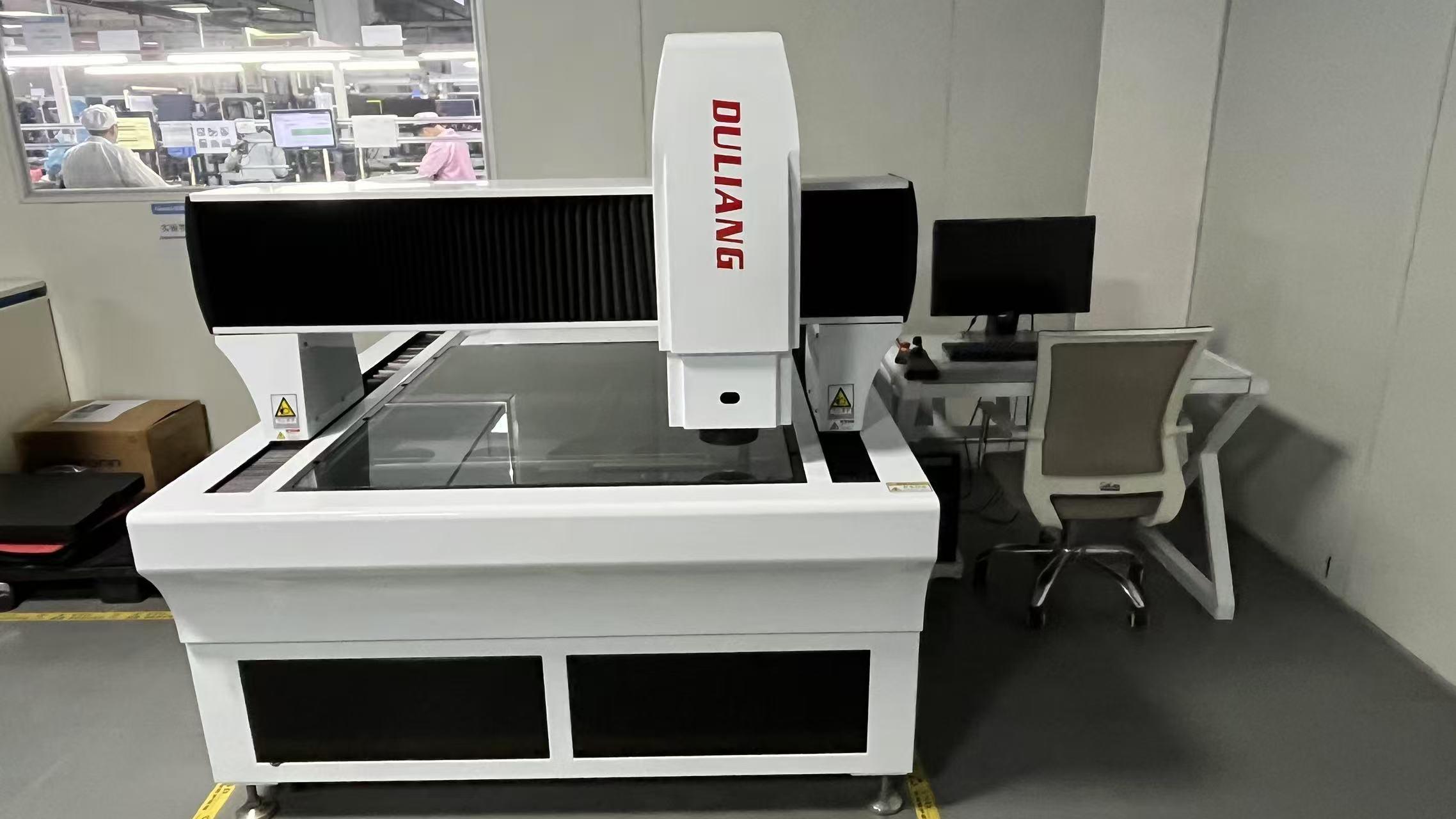
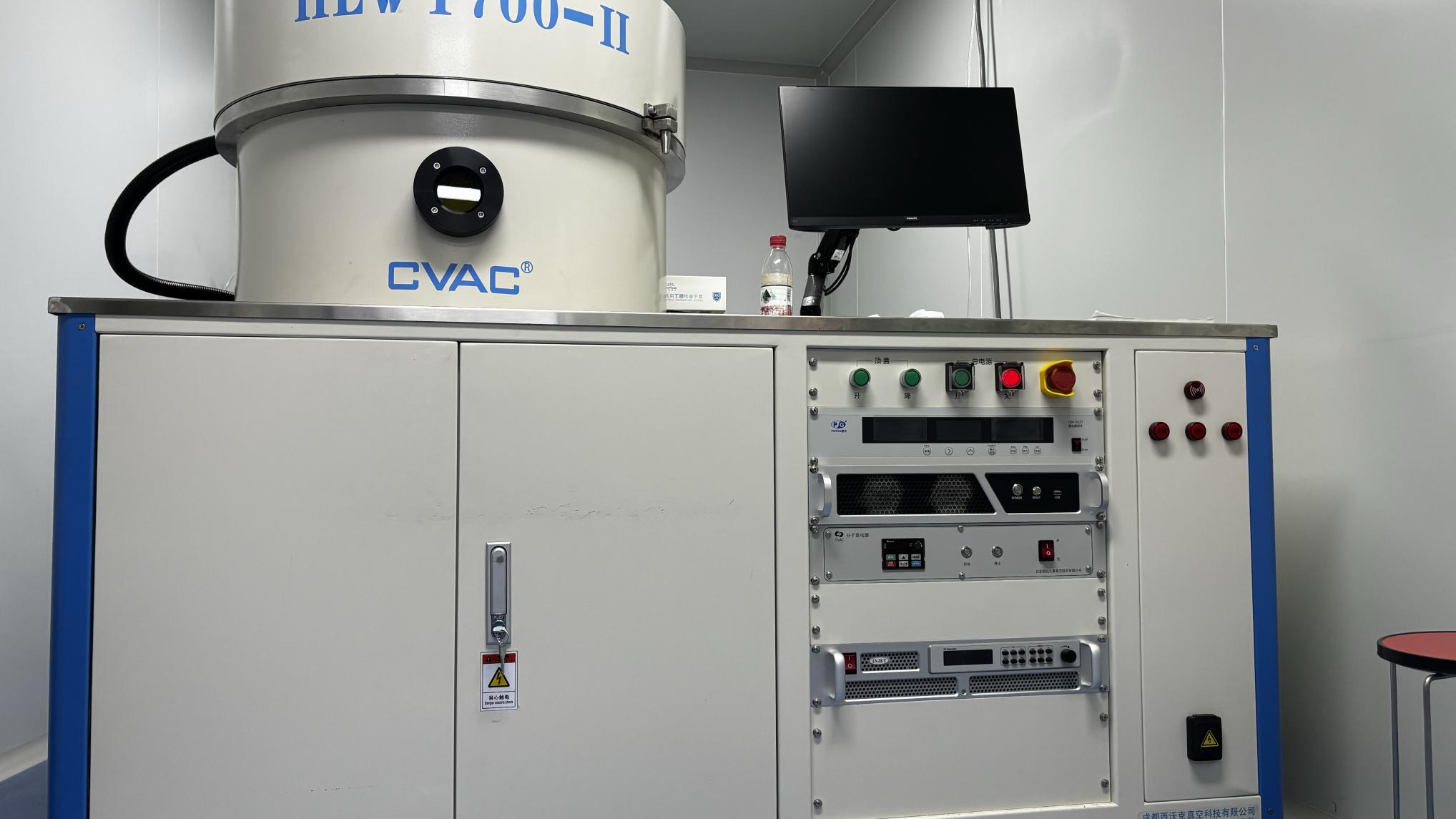
With an inspection process utilizing automated optical inspection (AOI), X-ray diagnostic tools, and time-domain reflectometry (TDR) for impedance testing, every batch arrives at the client's facility ready for immediate assembly.

100%
RoHS & CE Certified
< 0.5%
Factory RMA Defect Rate
7-10 Days
Air Freight Delivery

Advanced Application Fields in Portugal

Our high-frequency PCBs and computational hardware are built for demanding applications across diverse sectors:

1. Automotive ADAS Radar Systems

With Portuguese manufacturing units upgrading to smart automotive solutions, precision radar sensors operating at 77 GHz require advanced high-frequency boards. Utilizing Rogers 3003 and 4350B laminates, our designs provide stability across varying operating temperatures and low insertion losses. This support is crucial for modern driver assistance technologies and autonomous driving systems.

2. 5G/LTE Telecommunication Infrastructure

The roll-out of 5G micro base stations in urban areas like Lisbon and Porto requires low-loss PCBs for antenna arrays, power amplifiers, and filters. Using PTFE-based high-frequency substrates ensures minimal signal distortion and supports high-density component layouts, facilitating the transition to high-speed wireless connectivity.

3. New Energy Photovoltaic Systems

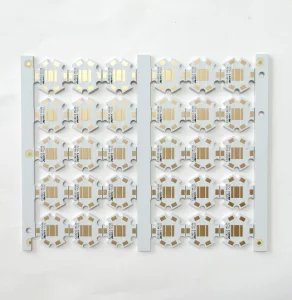
As Portugal increases its capacity in solar energy, advanced power electronics are needed to optimize system efficiency. Our custom photovoltaic inverter assemblies use thick copper layers and high thermal conductivity substrates to handle high currents, helping to stabilize energy conversion systems.

4. Data Centers & Compute Nodes

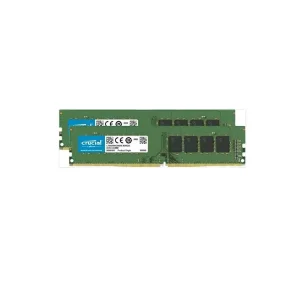
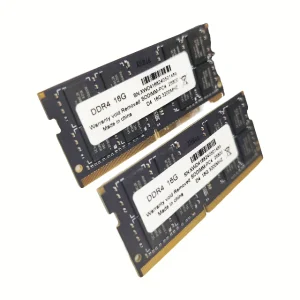
With major data centers operating in Porto, Setúbal, and Lisbon, high-frequency signal routing must be matched with reliable storage and computing. Our DDR4 and DDR5 memory modules, combined with multi-channel motherboards, provide the stability required for continuous network processing and edge servers.

OEM Design Integrity: Our engineers provide comprehensive CAD layout review, ensuring optimized trace spacing, ground plane design, and via placement to prevent impedance discontinuities.

High-Frequency PCB & Compute Module FAQ

Expert insights on material selection, manufacturing standards, and import guidelines for the Portuguese electronics market.

Why are Rogers and Shengyi laminates preferred over standard FR-4 for high-frequency PCBs?
Standard FR-4 laminates exhibit high signal attenuation and fluctuating dielectric properties above 2 GHz. Rogers and Shengyi high-frequency laminates maintain a stable dielectric constant (Dk) and ultra-low dissipation factor (Df). This guarantees clean high-speed signals, reduced heat generation, and minimal insertion losses in critical wireless and radar devices.
What tolerances do you offer for impedance-controlled high-frequency PCBs?
Our standard manufacturing processes deliver a ±10% tolerance on controlled impedance traces, which is suitable for most high-frequency applications. For precision telecommunication and aerospace projects, we can achieve ±5% tolerance using advanced time-domain reflectometry (TDR) testing and flying probe systems.
How do you guarantee quality and EU compliance for shipments to Portugal?
All exported PCBs and memory subsystems undergo a strict testing process, including 100% functional testing, automated optical inspection (AOI), X-ray diagnostic checking, and thermal shock testing. We comply fully with EU RoHS, REACH, CE, and WEEE directives, ensuring smooth customs processing at Portuguese ports.
Can you manufacture hybrid multilayer PCBs using both FR-4 and high-frequency materials?
Yes. We specialize in hybrid multilayer stacks that pair Rogers core materials with high-Tg FR-4 prepreg layers. This design approach allows engineers to place high-frequency traces on outer layers while routing power and ground signals through cost-effective inner layers, balancing performance and material costs.
What is the typical manufacturing and transit lead time for buyers in Portugal?
Prototyping orders are typically fabricated in 3 to 5 working days. For bulk production orders, manufacturing takes 10 to 15 working days. Air freight shipping to Portugal (Lisbon or Porto) adds 5 to 7 days, while sea freight takes approximately 30 to 35 days.

Start Your Next Electronics Project With Us

Get in touch with our engineering team for expert technical support, material recommendations, and a detailed quote on high-frequency PCBs and custom DRAM modules.

Send Inquiry Now