High-efficiency processing modules and interface components configured to drive localized UVC air and water treatment facilities across New Zealand.
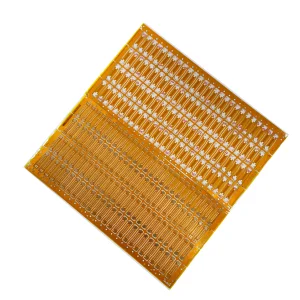
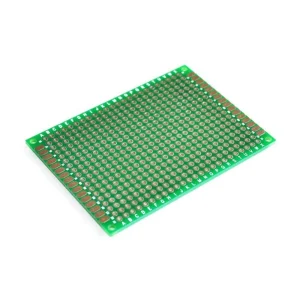
The germicidal efficacy of ultraviolet light peaks precisely between 260nm and 270nm. In this narrow spectral window, nucleic acids (DNA and RNA) inside microorganisms exhibit maximum absorption of light energy. Photons in this range break molecular bonds within the pathogen's genomic structure, creating pyrimidine dimers that permanently prevent replication. Once the DNA/RNA is damaged, the pathogen is rendered biologically inactive and incapable of causing infection.
By leveraging the standard 3535 package (3.5mm x 3.5mm ceramic surface-mount footprint), engineers can implement highly concentrated arrays that deliver massive radiant flux densities. This makes the 3535 UVC LED format the preferred choice for compact, high-throughput disinfection systems where traditional low-pressure mercury lamps fail to fit or present severe environmental risks.
Traditional 254nm mercury lamps operate off the peak absorption curve. In contrast, 260nm-270nm solid-state diodes align directly with the peak of the DNA inactivation spectrum. This achieves a higher Log-reduction rate (up to 99.999% inactivation of Cryptosporidium, Giardia, and Listeria) at comparable or lower electrical power consumption.
| Parameters | Mercury Vapor Lamps | 3535 UVC LED (265nm) |
|---|---|---|
| Toxicity | High (contains Mercury) | None (RoHS Compliant) |
| Startup Time | Warm-up required (5-10 mins) | Instant On/Off (<1 Microsecond) |
| Footprint | Large/Fragile Quartz Tube | Ultra-Compact (3.5mm x 3.5mm) |
| Operating Voltage | High Voltage AC | Safe Low Voltage DC (5-7V) |
Aligning advanced solid-state UVC hardware with NZ's strict environmental regulations and bio-security protocols.
New Zealand's agricultural export engine depends on strict hygiene standards. Our 3535 UVC LEDs are utilized in automated CIP (Clean-in-Place) storage vats, preventing biofilm formation without chemical contamination.
Under the Water Services Act 2021, NZ municipal suppliers face high accountability. Compact 265nm UVC systems provide robust secondary barriers against chlorine-resistant protozoa in remote community supplies.
With highly distributed rural populations, NZ's demand for off-grid, low-voltage disinfection is high. Our LEDs operate at low DC voltage, pairing perfectly with solar-charged battery configurations.
Across both North and South Islands, industrial engineers are shifting away from legacy mercury systems. The Minamata Convention on Mercury has catalyzed a major transition in industrial processing plants in Auckland, Christchurch, and Wellington. The demand for safe, resilient, and chemical-free sanitation solutions has driven our factory to offer bespoke 3535 UVC LED modules configured with specialized thermal interfaces and high-power density boards to withstand New Zealand's unique operating environments.
Supporting hardware designed to maximize the lifespan, thermal efficiency, and power distribution of UVC LED arrays.
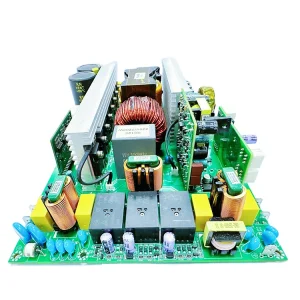
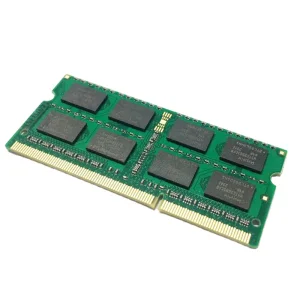
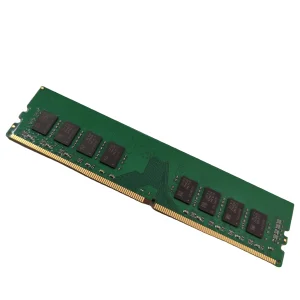
The global UVC sterilization market is undergoing a rapid technological migration. Solid-state UVC technology is replacing gas-discharge lamps due to their compact footprint, safety profile, and mechanical durability. In medical environments, automated disinfection robots equipped with 3535 UVC LED modules sanitize rooms in minutes, eliminating hospital-acquired infections (HAIs).
In water reclamation and food security fields, regulatory requirements are tightening globally. Organizations are demanding real-time monitoring combined with zero chemical discharge. The integration of 260nm-270nm LEDs with advanced high-thermal-conductivity printed circuit boards allows operations to run continuous sanitization loops with minimal down-time.
Additionally, the rising cost of energy has forced industrial designers to focus on efficiency. Because UVC LEDs can be cycled instantly based on sensor input, they consume up to 70% less power over their lifecycle compared to mercury lamps that must remain constantly illuminated to prevent start-up delays.
By consolidating the entire semiconductor fabrication process, chip packaging, and PCBA manufacturing in-house, our factory achieves exceptional quality control and cost-efficiency. Our manufacturing ecosystem in China integrates advanced automated SMT pick-and-place lines, enabling high-density placement of 3535 UVC chips onto customized aluminum or copper-clad metal PCBs (MCPCBs) designed for high thermal dissipation.
Our localized material sourcing, direct chip-level relationships, and rapid turnaround on custom sub-assemblies ensure our international clients—including distributors and system integrators in New Zealand—receive highly reliable products at competitive prices, with accelerated lead times.
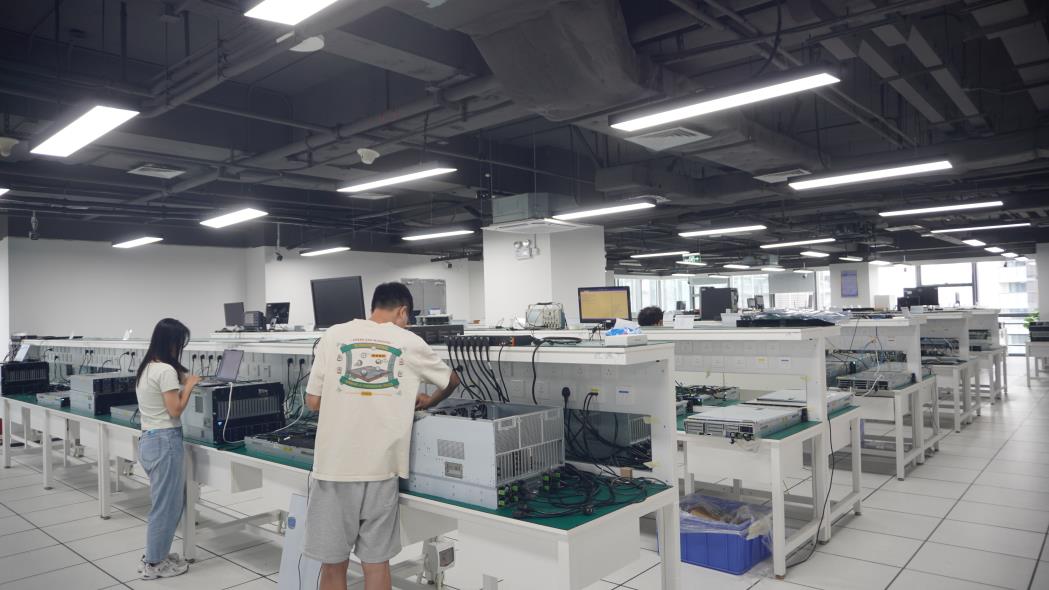
Founded in 2017, Memvora Electronics Technology Co., Ltd. is a professional manufacturer specializing in high-performance DDR5 memory modules, dedicated to delivering reliable memory solutions for consumer, industrial, enterprise, and embedded applications worldwide. With a modern manufacturing facility covering 386㎡, we combine advanced production equipment, strict quality management, and experienced engineering expertise to provide stable, high-speed memory products for global OEM and ODM partners.
With 14 years of industry experience, our team continuously invests in technology innovation and product development. Our R&D department consists of 126 professional engineers who focus on developing next-generation memory and system solutions with higher speed, lower latency, and enhanced reliability. Last year alone, we successfully launched 86 new memory products to meet the evolving needs of gaming, AI computing, industrial automation, and enterprise servers.
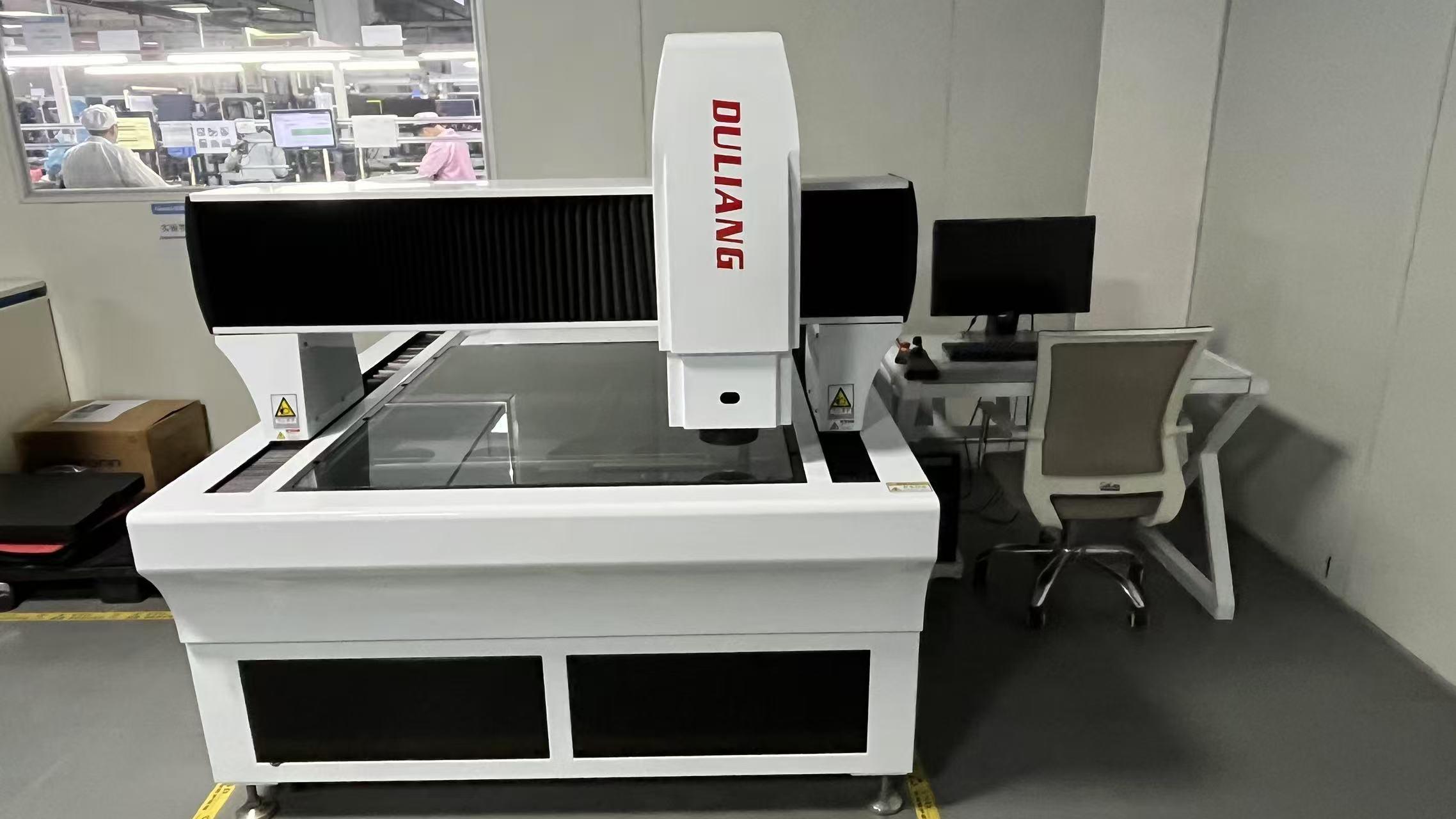
Quality is the foundation of everything we do. Every product undergoes 100% functional testing, burn-in testing, compatibility testing, signal integrity testing, and aging tests before shipment. Our dedicated quality control team of 42 inspectors ensures every module meets rigorous international quality standards.
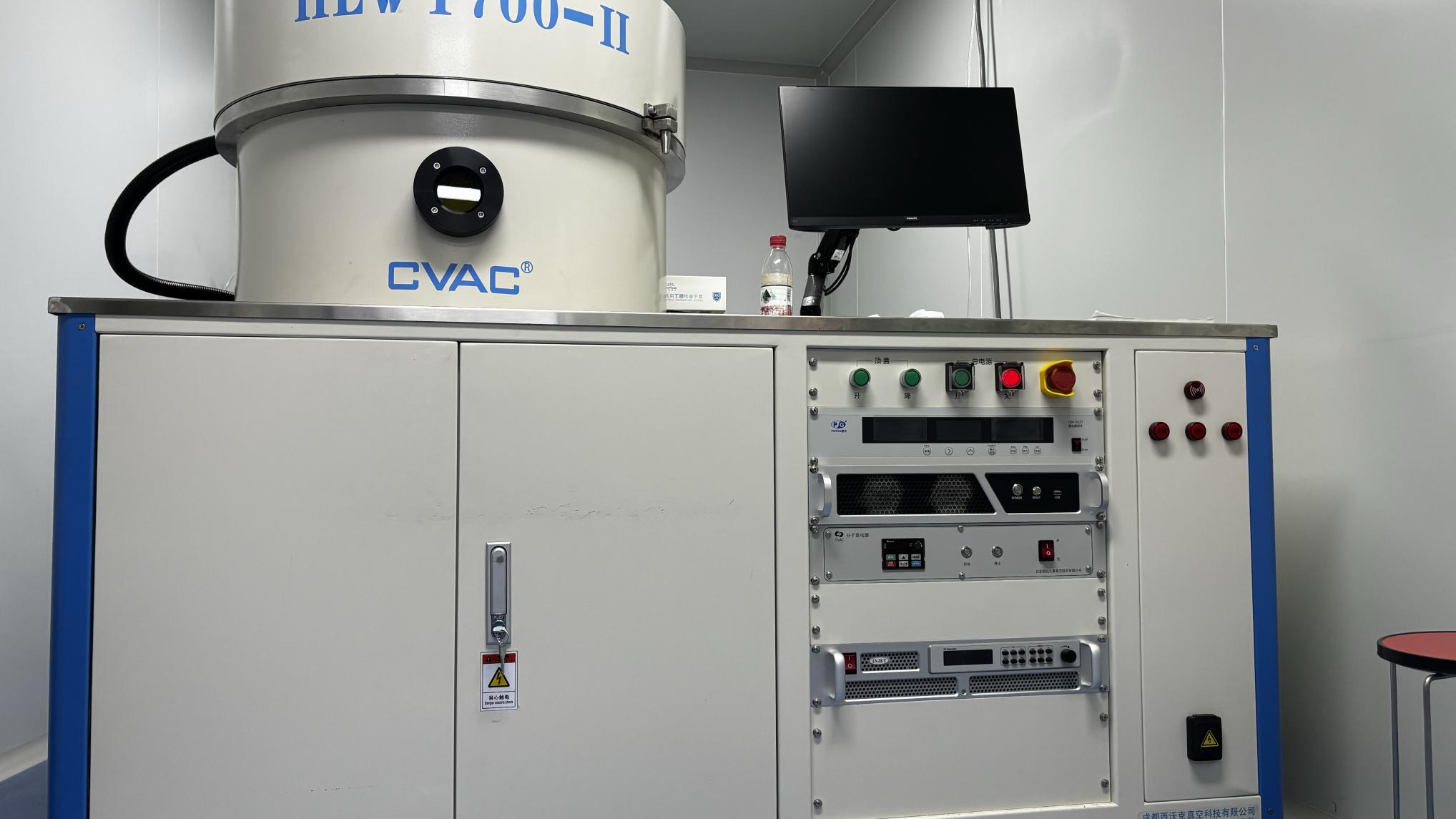
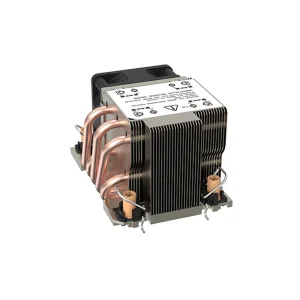
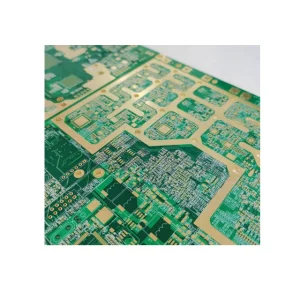
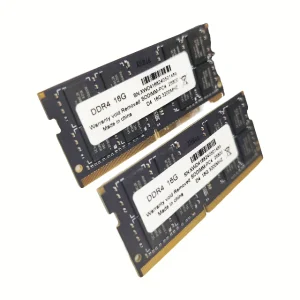
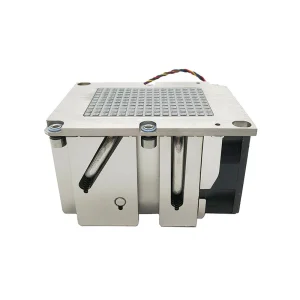
A comprehensive selection of controllers, cooling accessories, and high-frequency PCBs configured to support heavy industrial sanitization environments.
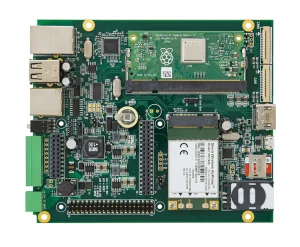
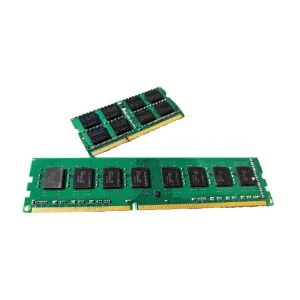
Technical insights on the integration, operation, and maintenance of 260nm-270nm 3535 UVC LED modules.
The maximum absorption peak of DNA and RNA in pathogens sits between 260nm and 270nm (with 265nm being the absolute peak). While traditional low-pressure mercury lamps emit at 254nm, it is off-peak. UVC LEDs operating at 265nm offer higher inactivation rates with lower radiant exposure levels.
UVC LEDs generate substantial heat due to their low wall-plug efficiency (WPE). The 3535 ceramic package features an isolated thermal pad that conducts heat efficiently to the underlying metal-core PCB (MCPCB). Maintaining low junction temperatures is critical for preserving light output and extending operating lifetimes beyond 10,000 hours.
Yes, when integrated into water purification reactors, our UVC LEDs provide physical inactivation of chlorine-resistant cysts like Cryptosporidium and Giardia. This helps municipal and private systems comply with the strict pathogen safety standards set by Taumata Arowai (the Water Services Regulator in New Zealand).
Typically, a single 3535 UVC LED has a forward voltage (Vf) of 5.0V to 7.0V and operates at drive currents from 100mA to 350mA. They must be powered using constant-current DC LED drivers. Voltage spikes can damage the AlGaN (Aluminum Gallium Nitride) semiconductor material, making stable drivers essential.
Every batch of 3535 UVC LEDs undergoes precise radiometric sorting (binning) for wavelength and optical output power. Our quality control processes include 100% functional testing, high-temperature aging, and optical spectrum verification to ensure that every device matches the specified performance profiles before shipping.
Because LEDs are spot-light sources that operate on low-voltage DC, they cannot be direct drop-in replacements for AC-driven mercury tube lamps. System retrofitting requires updated reflector optics, constant-current power modules, and custom PCB housing layouts. Our engineering team assists OEM/ODM clients with these conversions.
 Memvora