Providing the heavy-duty electronic systems, controller motherboards, high-frequency DDR RAM modules, and thermal dissipation systems that power high-performance industrial UVC installations.
An in-depth whitepaper on emission chemistry, thermal management dynamics, and localized microgrid applications of germicidal ultraviolet light.
Ultraviolet C (UVC) lighting technology operates within the range of 200 to 280 nanometers (nm) to disrupt the DNA and RNA replication processes of pathogens, including bacteria, viruses, endospores, and micro-fungi. The peak germicidal efficacy of UVC radiation occurs at approximately 260–265 nm, aligning with the absorption spectrum of nucleic acids. As a leading manufacturer and supplier, we specialize in implementing advanced Solid-State (UVC LED) and low-pressure amalgam systems that precisely target these wavelengths, offering energy-efficient alternatives to traditional mercury-vapor lamps.
The choice between low-pressure mercury lamps (emitting primarily at 253.7nm) and UVC LEDs (emitting customized wavelengths from 265nm to 275nm) depends on the flow dynamics and spatial configurations of target applications. While mercury lamps still provide high raw irradiance over large areas, UVC LEDs offer instant-on operation, precise control loops, no toxic mercury waste, and structural integration advantages that allow engineers to install disinfection grids within compact HVAC spaces and localized fluid lines.
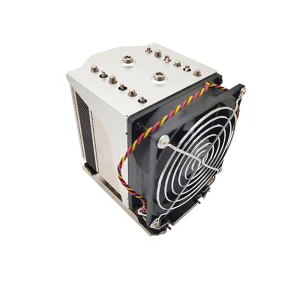
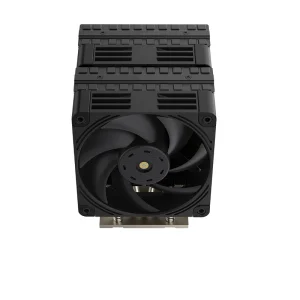
Solid-state UVC LEDs operate under challenging physical constraints: only 2% to 5% of input electrical energy is converted into germicidal light, while the remaining 95%+ is lost as heat. Standard thermal management cannot handle the localized heat flux of high-density UVC LED dies. This requires high-performance heat dissipation systems, similar to the advanced server-grade heat sinks (such as the 320W LGA4189 series) engineered for high-heat data processors. Without reliable thermal relief, thermal degradation accelerates, lowering UV output and reducing device lifespan.
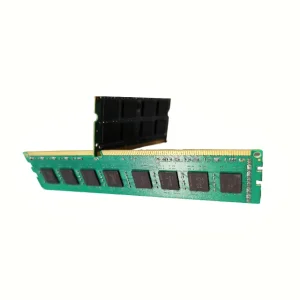
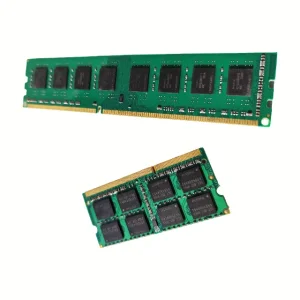
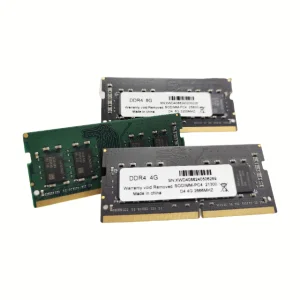
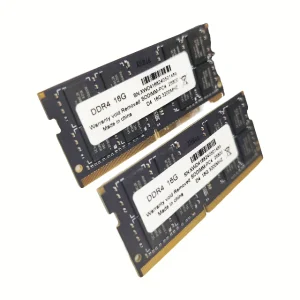
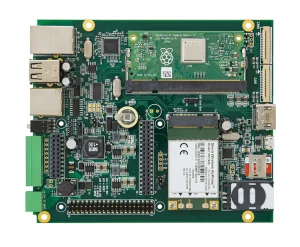
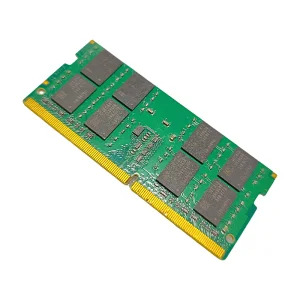
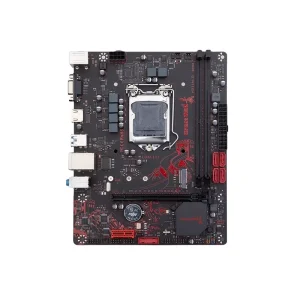
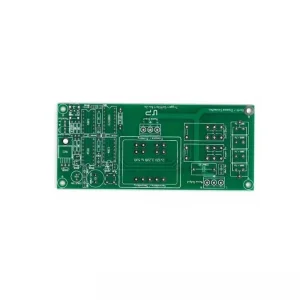
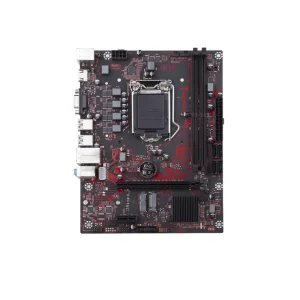
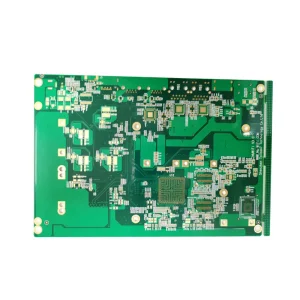
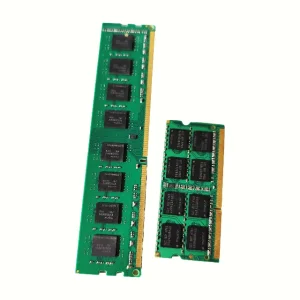
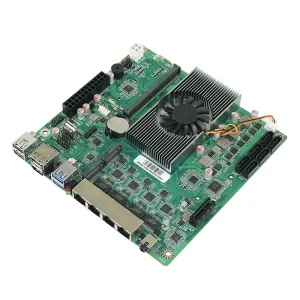
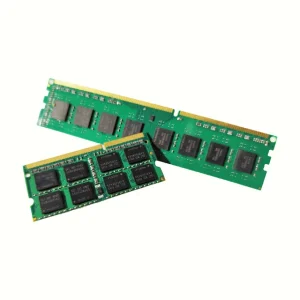
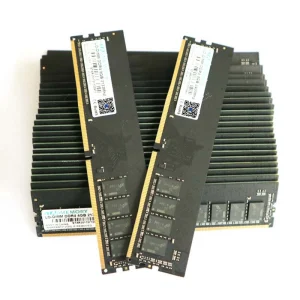
Furthermore, stable power delivery and control systems are essential. Custom-designed printed circuit boards (PCBs) and smart industrial control boards (like the FR4-based modules and ARM/Raspberry Pi architectures) manage output regulation, smart timing, human occupancy detection, and automation logic. Integrating DDR memory systems like high-frequency DDR4 and DDR5 into local control computers allows disinfection systems to run real-time AI simulations, track traffic patterns, adjust UV dosages, and log usage statistics for regulatory compliance.
Utilizing vapor chambers, copper heat pipes, and high-performance server heatsinks to control junction temperatures and sustain long-term L70 diode life.
Integrating Raspberry Pi-based control cards and customized multi-layer FR4 boards to manage radar sensors, automated shutoffs, and telemetry logs.
Using enterprise memory modules to log sanitization metrics, enabling real-time analytics for cleanrooms and hospital HVAC systems.
Year Established
R&D Engineers
Supply Chain Partners
Annual Export Value
Deploying UVC disinfection systems requires tailoring solutions to specific environmental conditions, air-flow velocities, and target surfaces. Different locations call for customized technical designs:
Integrating far-UVC 222nm light fixtures allows continuous disinfection in occupied spaces, targeting pathogens on surfaces and in the air without harming human skin or eyes.
High-output UVC lamps are placed within HVAC ducts to clean airstreams in real time, preventing mildew growth on coils and reducing airborne disease transmission in commercial buildings.
Submersible quartz-sleeve UVC systems treat water supply lines without chemicals, eliminating chlorine-resistant pathogens like Giardia and Cryptosporidium.
UVC arrays installed on cargo belts disinfect incoming parcels and perishable foods instantly, keeping transit hubs clean and extending shelf life.
Manufacturing modern UVC systems requires a highly integrated electronics ecosystem. By locating our operations in China's technology hubs, we leverage a robust local supply chain of silicon components, specialized drivers, high-purity quartz envelopes, and advanced thermal management solutions.
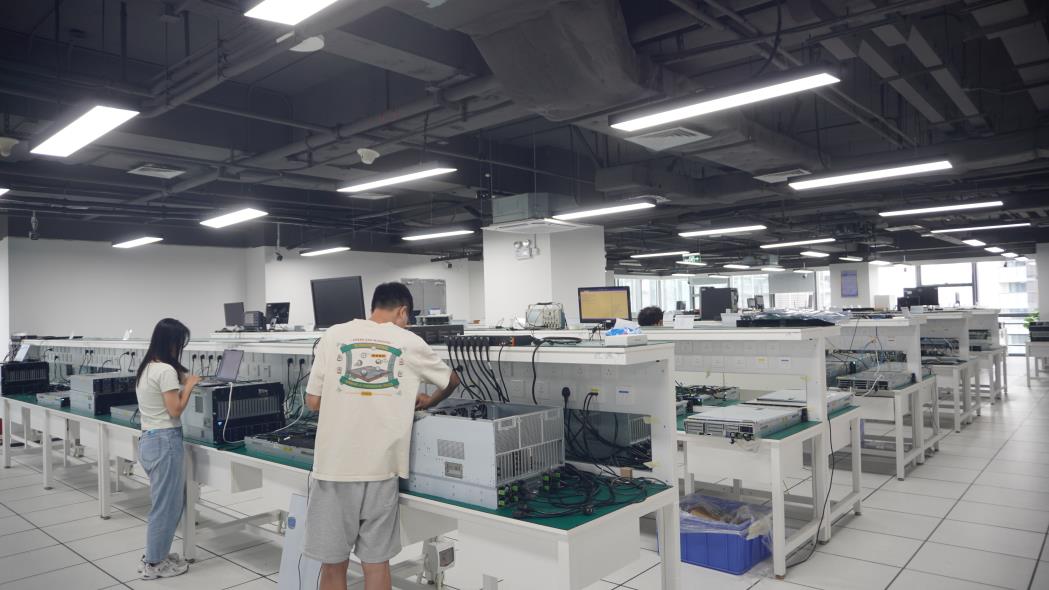
From custom multi-layer PCB layout and SMT mounting to automated calibration testing, our facility offers rapid turnaround times for design adjustments. This vertical integration allows us to quickly develop high-performance components, test prototypes, and deliver scale-production runs faster than standard regional manufacturers.
Operating UVC systems globally requires strict adherence to international safety and emission standards. Because UVC exposure can be hazardous to human skin and eyes, we build multiple safety layers into our systems. These include PIR motion sensors, microwave presence detectors, automated software interlocks, and emergency stop circuits.
Our manufacturing facility and products comply with major global certifications, including:
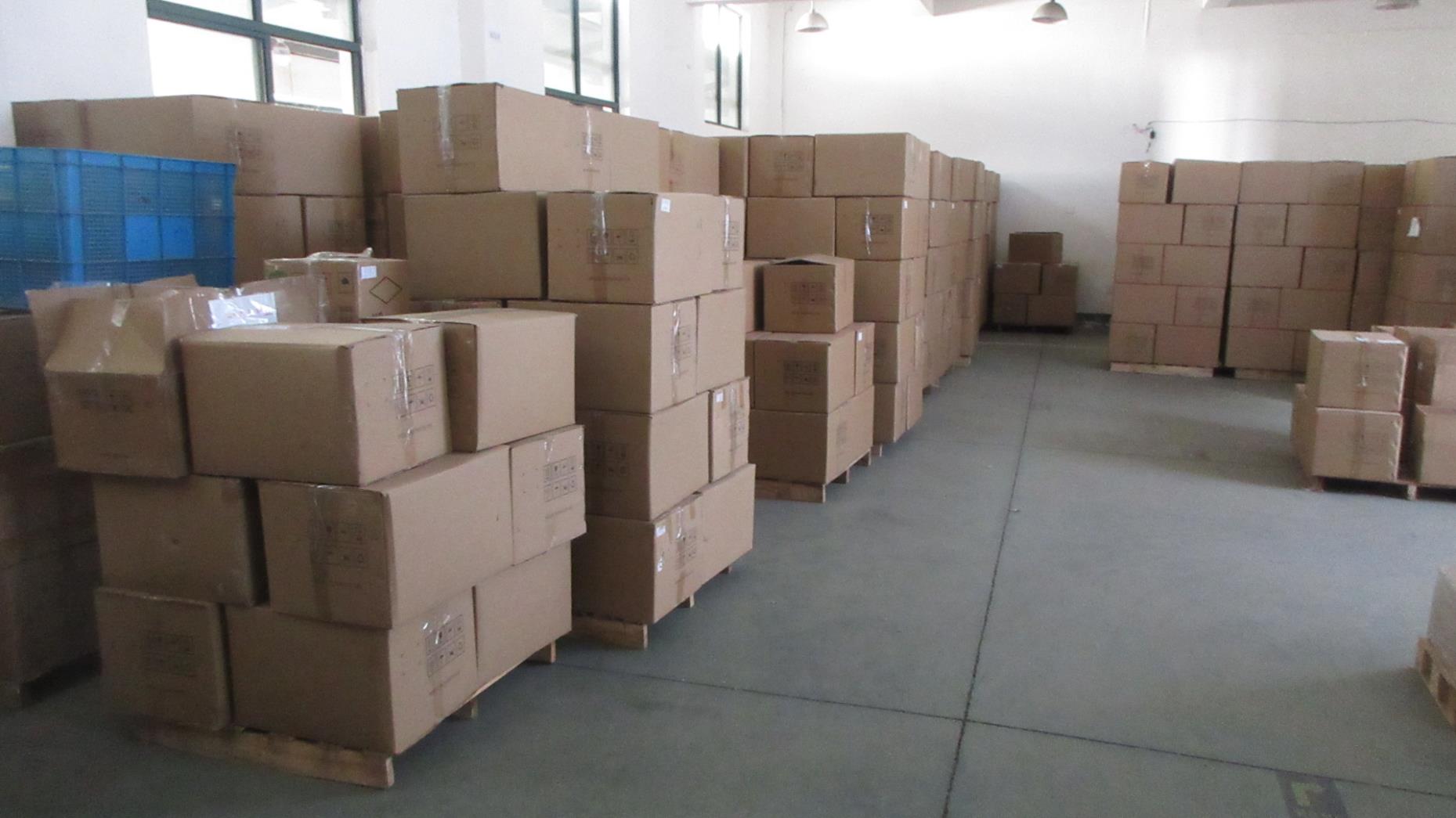
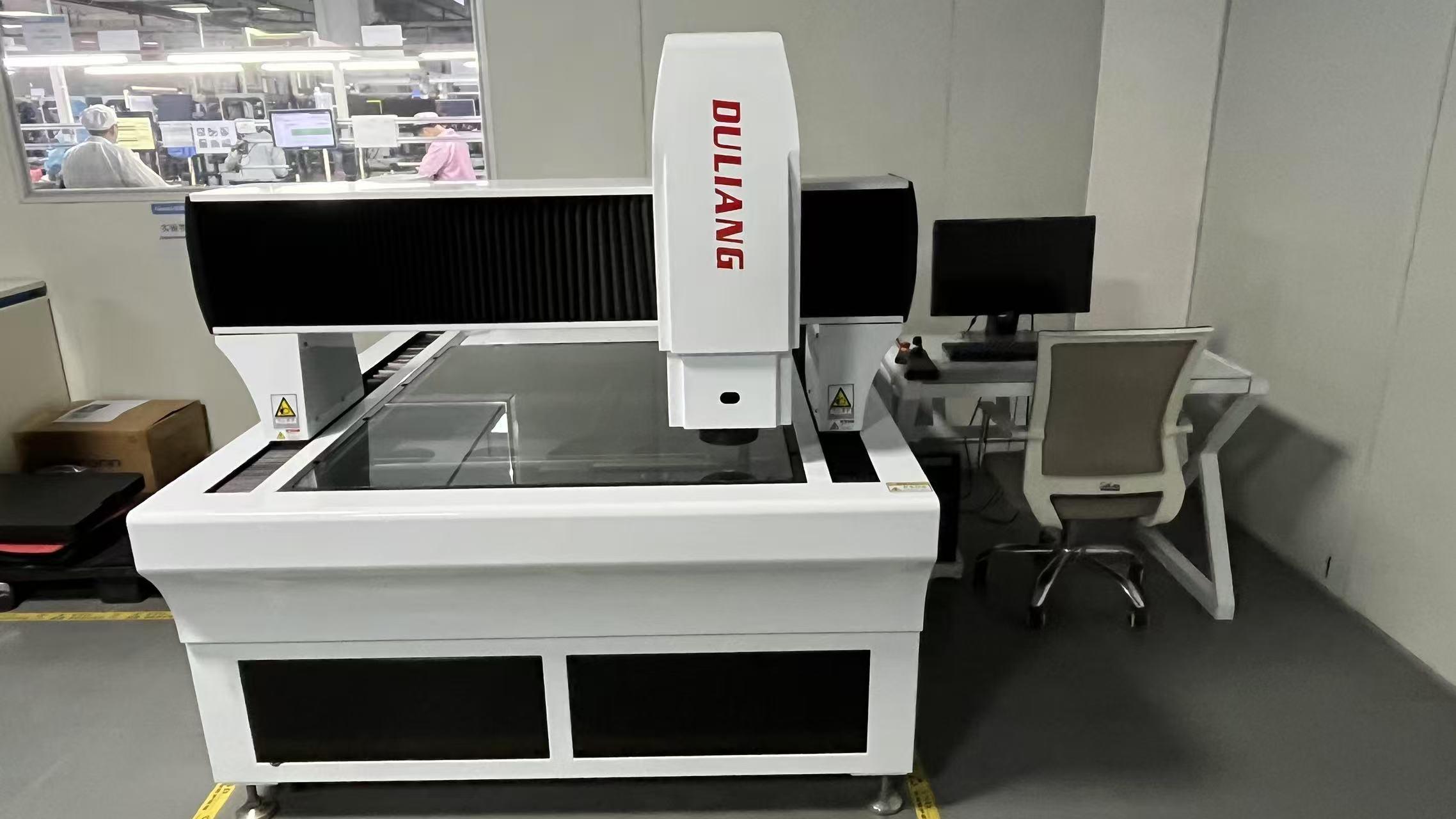
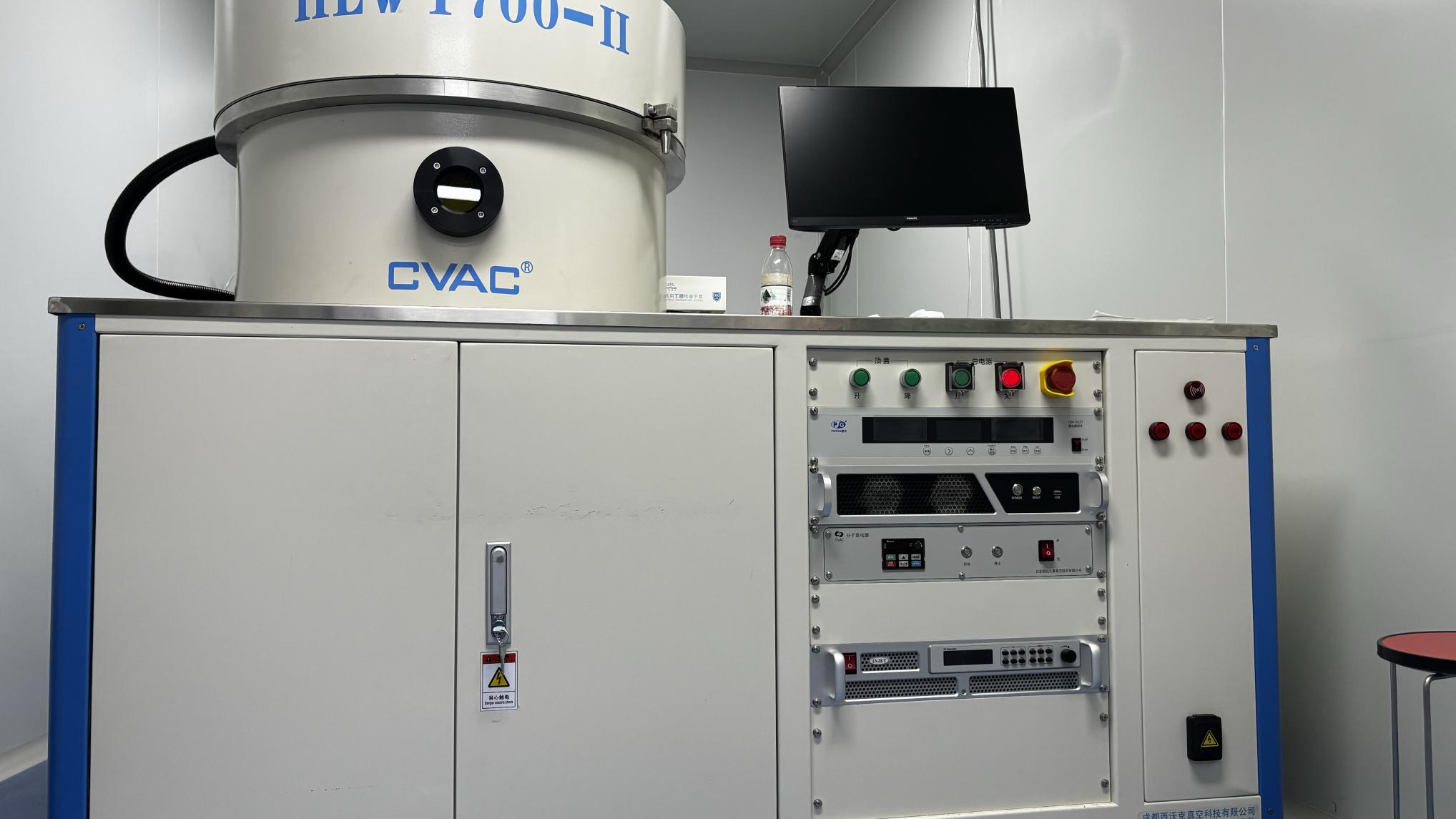
Founded in 2017, Memvora Electronics Technology Co., Ltd. is a professional manufacturer specializing in high-performance DDR5 memory modules, dedicated to delivering reliable memory solutions for consumer, industrial, enterprise, and embedded applications worldwide. With a modern manufacturing facility covering 386㎡, we combine advanced production equipment, strict quality management, and experienced engineering expertise to provide stable, high-speed memory products for global OEM and ODM partners.
Since entering the international market, Memvora has accumulated 7 years of export experience, serving customers across North America, Europe, Southeast Asia, the Middle East, and South America. Our annual export revenue exceeds US$18.6 million, supported by a strong global supply chain and long-term partnerships with more than 1,280 component suppliers and business partners.
With 14 years of industry experience, our team continuously invests in technology innovation and product development. Our R&D department consists of 126 professional engineers who focus on developing next-generation DDR5 memory solutions with higher speed, lower latency, and enhanced reliability. Last year alone, we successfully launched 86 new memory products to meet the evolving needs of gaming, AI computing, industrial automation, and enterprise servers.
Quality is the foundation of everything we do. Every product undergoes 100% functional testing, burn-in testing, compatibility testing, signal integrity testing, and aging tests before shipment. Our dedicated quality control team of 42 inspectors ensures every memory module meets rigorous international quality standards and delivers long-term stable performance.
Memvora provides flexible OEM, ODM, private label, custom capacity, PCB color, heat spreader design, firmware optimization, and packaging customization services to meet different market requirements. Backed by a responsive engineering team and efficient production management, we help customers shorten development cycles and accelerate product launches.
Today, Memvora serves a diverse customer base including memory brands, computer manufacturers, industrial equipment suppliers, system integrators, distributors, wholesalers, and e-commerce retailers. Through continuous innovation, reliable quality, and customer-focused service, we are committed to becoming a trusted global partner for advanced DDR5 memory manufacturing and customized DRAM solutions.
Explore our complete catalog of high-capacity memory modules, processing platforms, server thermal sinks, and custom multi-layer circuit boards.
 Memvora