Explore our leading processors, custom copper thermal sinks, and motherboard solutions built for intensive calculations.
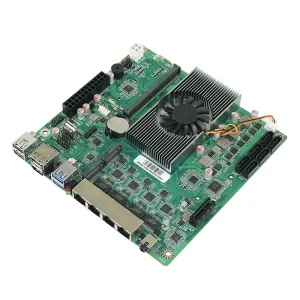
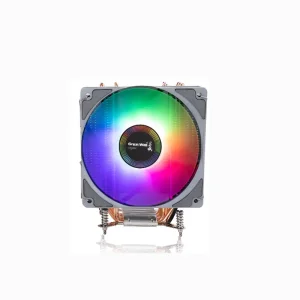
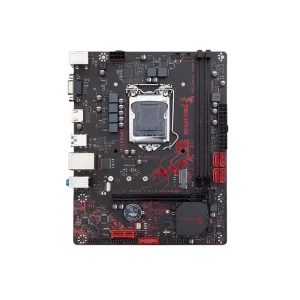
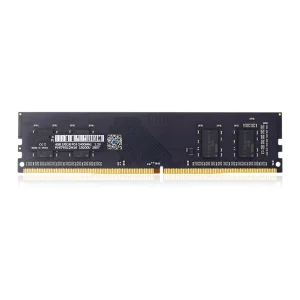
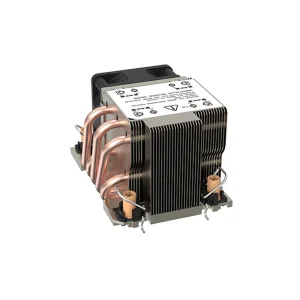
High-power processing components, memory arrays, and sub-systems demand breakthrough dissipation engineering.
As microprocessors push past the 300W Thermal Design Power (TDP) threshold and dense computing configurations like AI training matrices, cloud clusters, and 5G edge appliances scale, standard cooling methodologies face absolute physical limits. Modern computing units generate vast amounts of heat concentrated in microscopic silicon footprints. This demands thermal management solutions that offer hyper-efficient thermal dissipation to keep junctions below critical limits.
In high-density server designs, heat accumulation directly results in thermal throttling, memory errors, and early hardware degradation. Effective thermal design is no longer just about adding fans; it requires co-designing the heat source, the thermal interface materials (TIMs), the physical heat sinks, and the ambient airflow dynamics. This holistic engineering approach ensures components run reliably under extreme processing loads.
Utilizing high-thermal-conductivity materials (extruded aluminum, skived copper, and vapor chambers) to lower overall thermal resistance.
Deploying advanced phase-change materials and thermal grease to bridge microscopic air pockets between the silicon die and the heatsink surface.
Simulating pressure drops and volumetric flow rates across chassis modules to optimize high-RPM fan layouts and custom ducted shrouds.
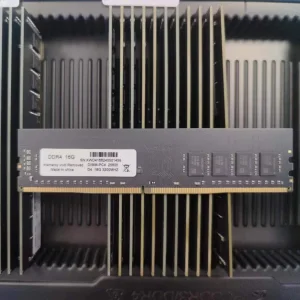
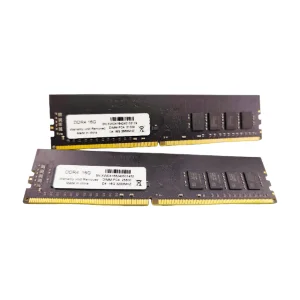
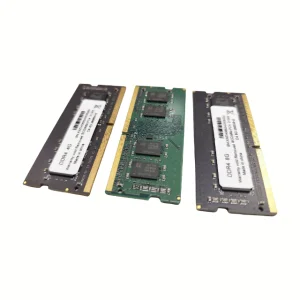
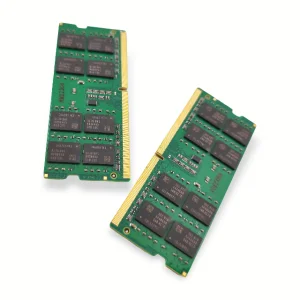
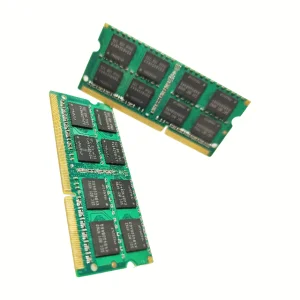
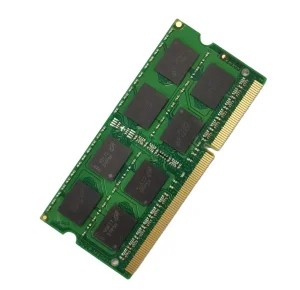
For DRAM modules, especially with the transition to DDR5 architectures, thermal challenges have intensified. Moving the Power Management Integrated Circuit (PMIC) directly onto the memory module PCB improves electrical efficiency, but it places a new high-temperature heat source next to sensitive DRAM chips. Without targeted heat spreaders and system-level thermal considerations, these thermal loads can lead to signal degradation and data corruption.
Bridging top-tier manufacturing processes with world-class engineering expertise.
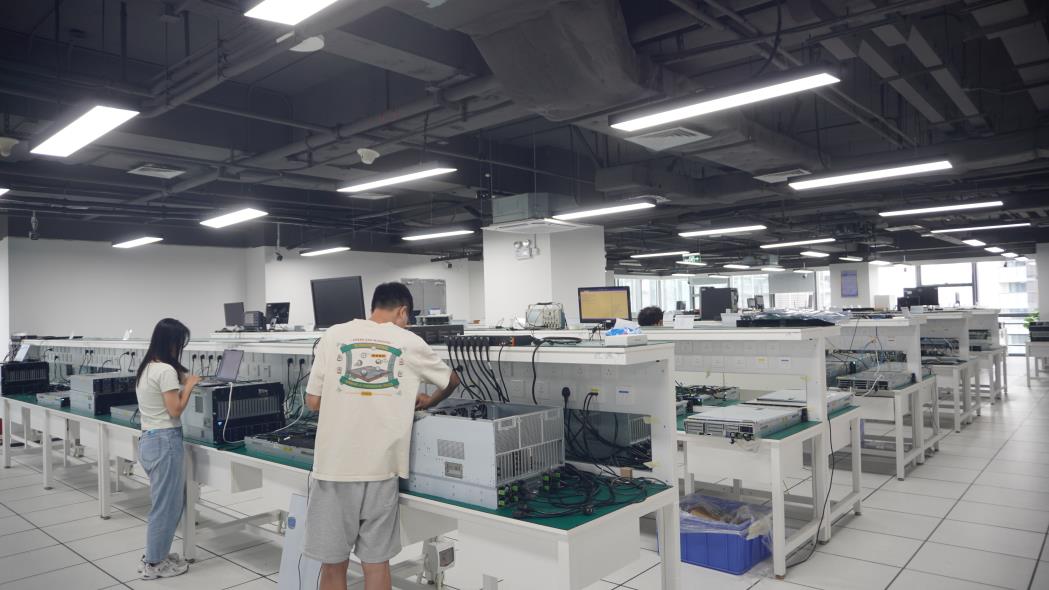
Founded in 2017, Memvora Electronics Technology Co., Ltd. is a professional manufacturer specializing in high-performance DDR5 memory modules, dedicated to delivering reliable memory solutions for consumer, industrial, enterprise, and embedded applications worldwide. With a modern manufacturing facility covering 386㎡, we combine advanced production equipment, strict quality management, and experienced engineering expertise to provide stable, high-speed memory products for global OEM and ODM partners.
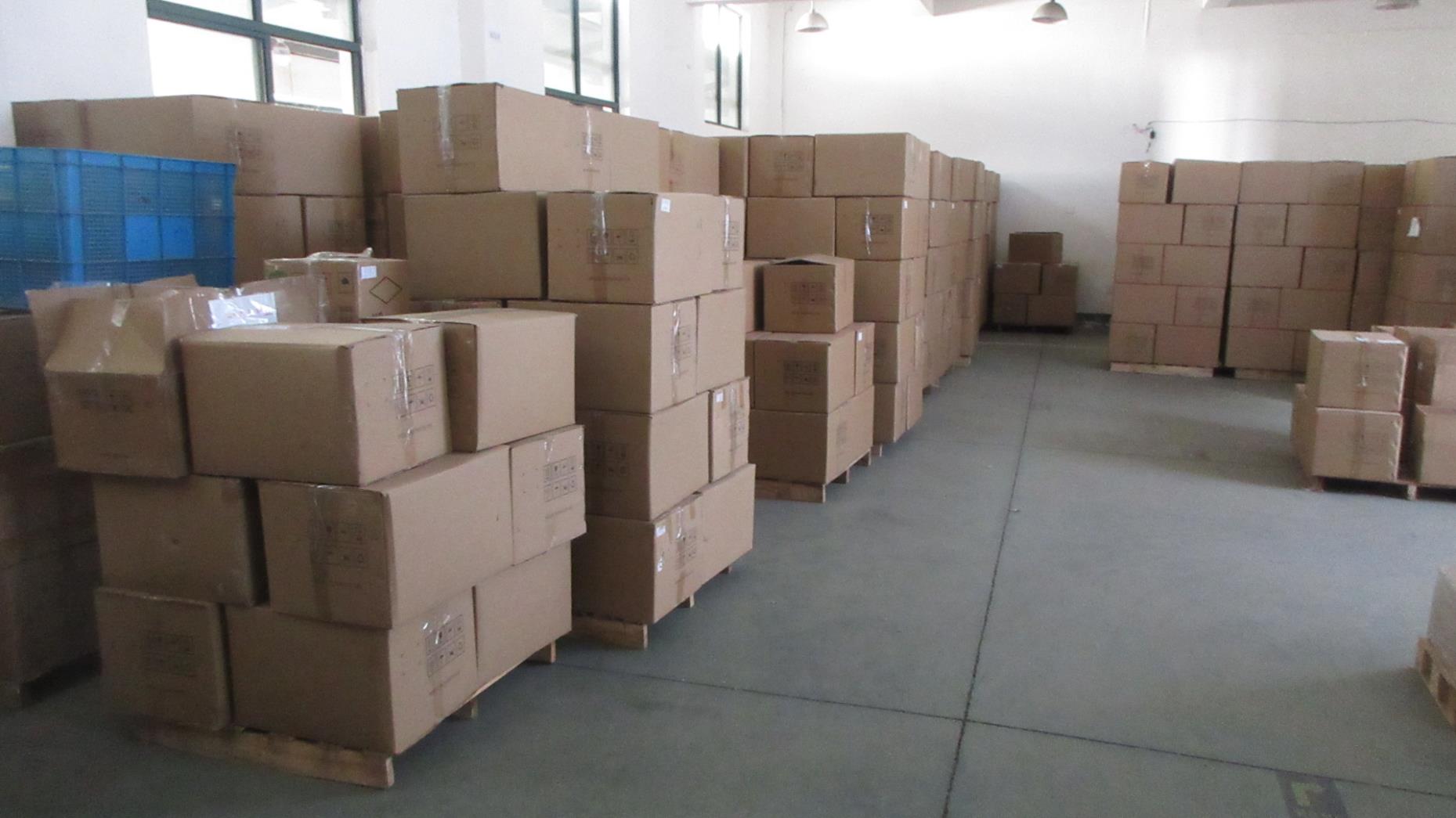
Since entering the international market, Memvora has accumulated 7 years of export experience, serving customers across North America, Europe, Southeast Asia, the Middle East, and South America. Our annual export revenue exceeds US$18.6 million, supported by a strong global supply chain and long-term partnerships with more than 1,280 component suppliers and business partners.
With 14 years of industry experience, our team continuously invests in technology innovation and product development. Our R&D department consists of 126 professional engineers who focus on developing next-generation DDR5 memory solutions with higher speed, lower latency, and enhanced reliability. Last year alone, we successfully launched 86 new memory products to meet the evolving needs of gaming, AI computing, industrial automation, and enterprise servers.
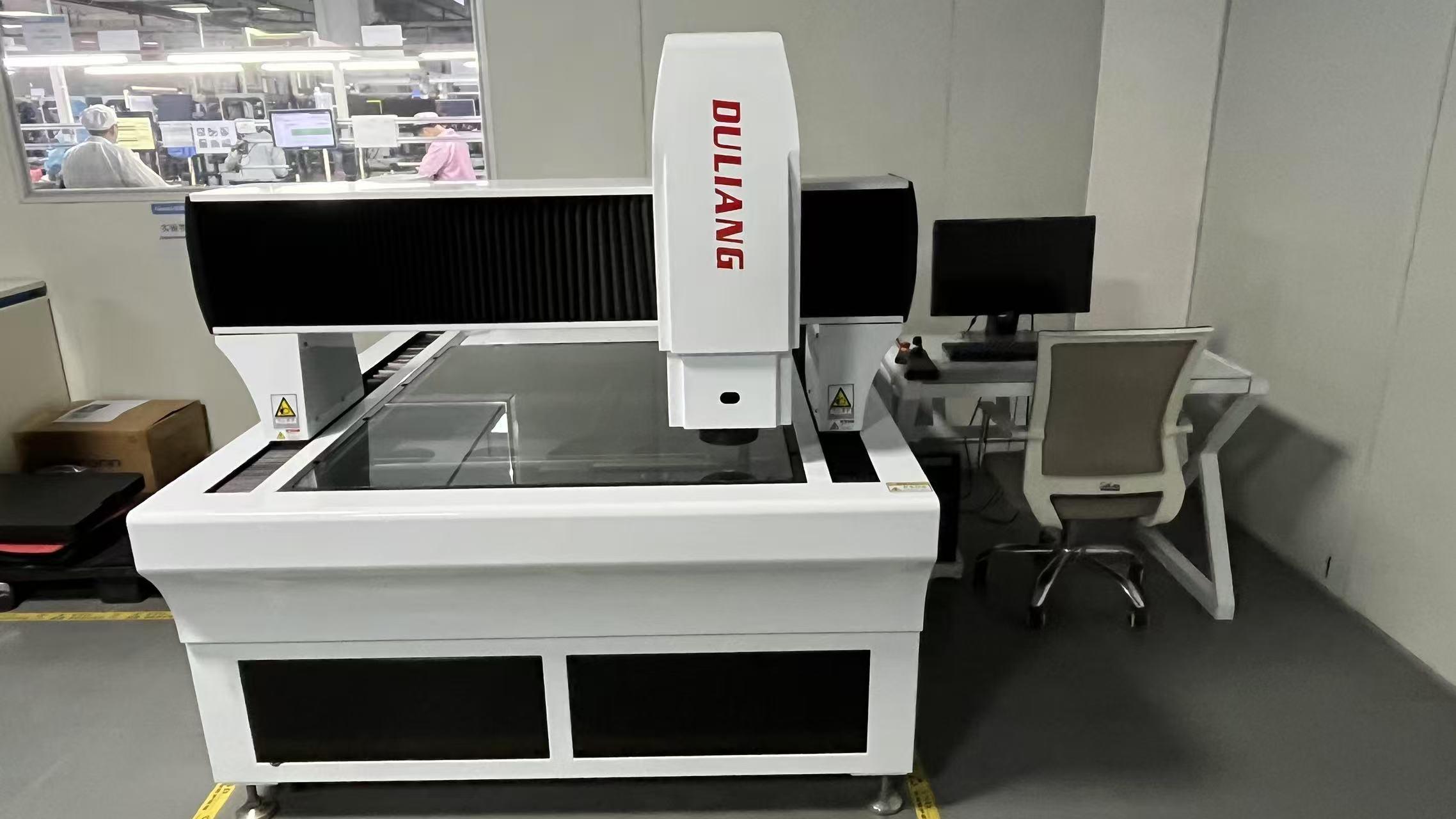
Quality is the foundation of everything we do. Every product undergoes 100% functional testing, burn-in testing, compatibility testing, signal integrity testing, and aging tests before shipment. Our dedicated quality control team of 42 inspectors ensures every memory module meets rigorous international quality standards and delivers long-term stable performance.
Memvora provides flexible OEM, ODM, private label, custom capacity, PCB color, heat spreader design, firmware optimization, and packaging customization services to meet different market requirements. Backed by a responsive engineering team and efficient production management, we help customers shorten development cycles and accelerate product launches.
The structural, logistics, and supply chain efficiencies driving the industry forward.
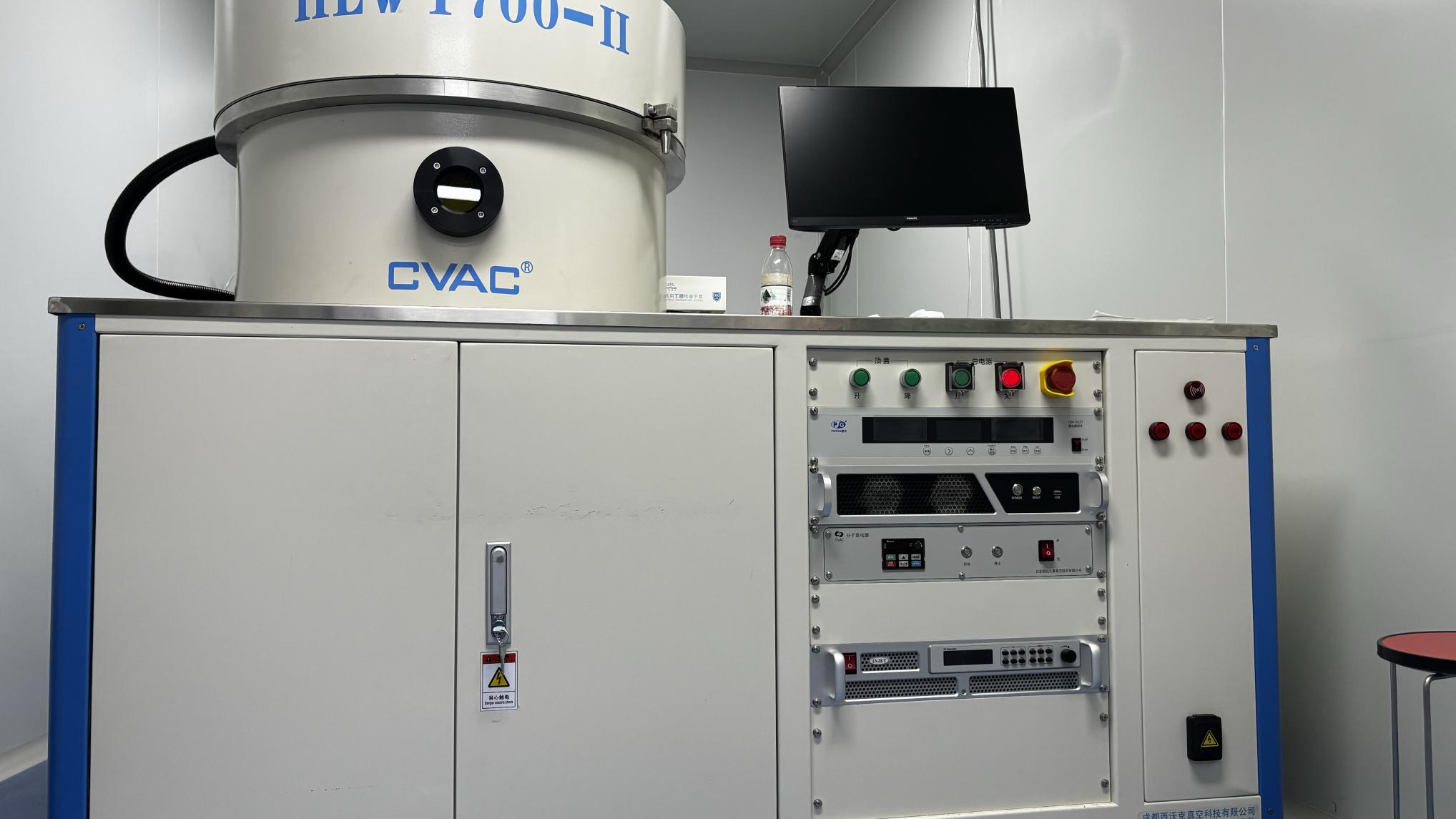
China's dominance in thermal management and high-precision electronic manufacturing rests on complete vertical integration. As a leading hub for raw metals extraction, metal refining, and chemical synthesis, China offers rapid access to high-grade copper, precision aluminum extrusions, and specialized thermal interface materials (TIMs). This local supply chain reduces transport times, component costs, and lead times for global projects.
Additionally, manufacturing hubs like Shenzhen and Dongguan house advanced machining ecosystems. CNC milling, automatic fin stacking, skiving, and copper heat-pipe vapor-chamber fabrication occur within tight geographic corridors. This proximity allows design iterations to go from CAD models to thermal chamber testing in days, rather than weeks, accelerating the development cycle.
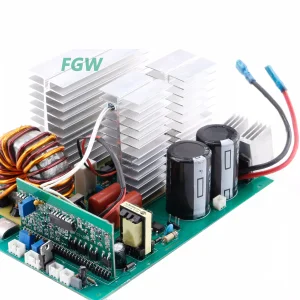
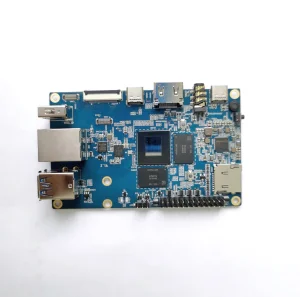
By coupling this hardware efficiency with advanced automated PCB assembly, Chinese manufacturers can supply integrated solutions where the motherboard, memory, and thermal system are designed, built, and tested together. This holistic engineering reduces compatibility risks and improves overall system performance.
Matching cooling architectures to the specific requirements of target sectors.
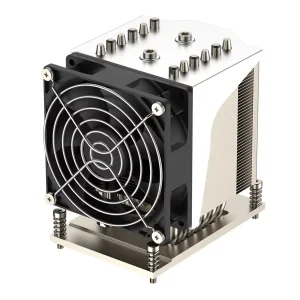
Modern data centers need cooling solutions that support high rack densities. High-performance air coolers with multi-heatpipe configurations and custom fin geometries efficiently cool 2U and 4U servers, keeping operating temperatures stable and optimizing power usage effectiveness (PUE).
Outdoor cabinets and telecom base stations operate in harsh, unconditioned environments. They require robust passive thermal management, IP-rated seals, corrosion-resistant anodized components, and long-life fans to ensure continuous operation under extreme outdoor temperatures.
Embedded systems must withstand dust, vibration, and thermal cycling. Using low-profile heatsinks, direct-contact copper pipes, and high-conductivity thermal pads helps protect motherboards and memory modules in compact, challenging industrial settings.
For high-reliability configurations, thermal system engineering must account for factors like contact pressure, mounting alignment, and thermal paste aging. Correct mounting force ensures minimal contact resistance, allowing the thermal interface material to fill microscopic surface irregularities between the silicon die and the heat sink base.
Technology pathways steering the next generation of industrial systems.
As computing requirements grow, thermal management is evolving toward several key technological advancements:
Essential insights for procurement departments, systems integrators, and engineering teams.
The primary limiting factor is air volumetric impedance and height limits. Within 2U setups, the height restricts fin surface area. Engineers must optimize fin density (FPI - Fins Per Inch) and use high-conductivity copper heat pipes to quickly move heat to areas with higher airflow.
DDR5 modules move the Power Management Integrated Circuit (PMIC) from the motherboard to the module PCB itself. This localizes heat generation near the DRAM silicon chips. High-grade heat spreaders are needed to distribute this heat and prevent local hot spots.
We perform thermal cycle testing (-40°C to 85°C), long-term vibration analysis, and micro-focused X-ray scans to check for solder voiding and material fatigue, ensuring every batch meets industrial standards.
We offer complete customization services including bespoke PCB sizing, specific layer count layouts, adjusted copper density, custom heat spreader geometries, and fine-tuned BIOS/firmware parameters to match targeted performance profiles.
Industrial memory modules, advanced PCB boards, and system components designed for global distribution.
 Memvora