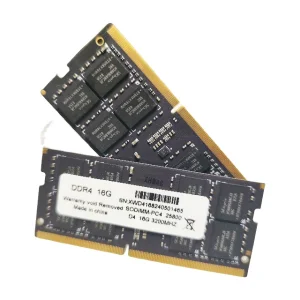
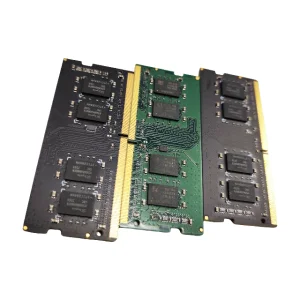
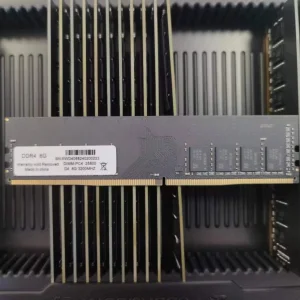
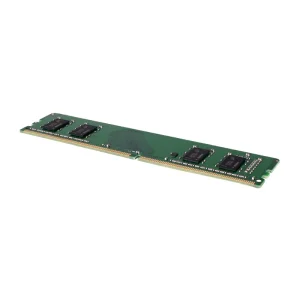
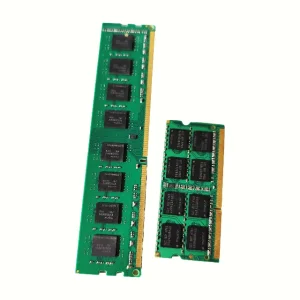
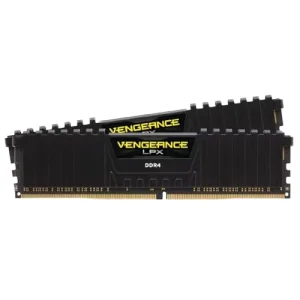
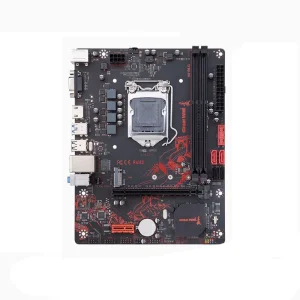
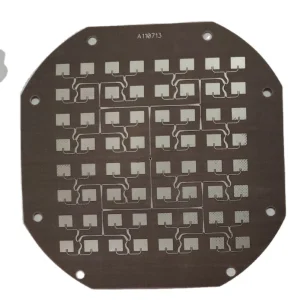
Founded in 2017, Memvora Electronics Technology Co., Ltd. is a premier manufacturer specializing in advanced DDR5 memory modules and complex multi-layer Printed Circuit Board Assemblies. We focus on delivering enterprise-grade hardware solutions for industrial, telecom, cloud infrastructure, and next-generation automotive electronics.
Our state-of-the-art facilities in China house clean-room SMT production lines capable of precision mounting high-pitch BGAs, ultra-fine passive components (down to 0201 and 01005 footprints), and complex SoC chipsets. Over 14 years of industry intelligence empowers our R&D team to navigate the stringent demands of high-frequency impedance control and complex signal routing.
Memvora is not just a factory floor; we are a global partner. We navigate international import policies, lead times, and regulatory frameworks seamlessly.
Annual Overseas Export Turnover
Unlocking superior signal fidelity and thermal resilience in high-density multi-layer electronics.
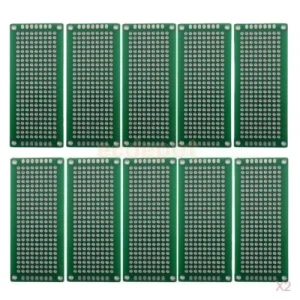
We process base materials ranging from standard Kingboard FR4 (KB6160) to specialized, high-frequency polytetrafluoroethylene (PTFE) composite substrates like Taconic TLY-5. Selecting the correct Dielectric Constant (Dk) and Dissipation Factor (Df) is crucial to minimize insertion loss at frequencies exceeding 10 GHz.
Modern high-speed architectures, including DDR4, DDR5, and ITX server motherboards, require complex, multi-layered stackups. Our process guarantees symmetric layer distribution to prevent mechanical warpage during thermal reflow, with controlled trace impedance tolerance within ±5%.
High-density computing demands high-efficiency heat pathways. We manufacture aluminum and copper core PCBs with direct thermal paths, integrating copper-filled microvias and thermal pads. These features align with high-performance server heatsinks to maximize heat dissipation from critical components.
| Material Class | Dielectric Constant (Dk @ 10GHz) | Dissipation Factor (Df @ 10GHz) | Glass Transition Temp (Tg) | Primary Target Applications |
|---|---|---|---|---|
| Kingboard KB6160 (High-Tg FR4) | 4.4 - 4.6 | 0.015 - 0.020 | 170°C - 180°C | Standard PC motherboards, DDR4 memory modules, industrial controllers |
| Taconic TLY-5 (PTFE / Woven Glass) | 2.20 ± 0.02 | 0.0009 | 280°C+ | RF / Microwave circuits, automotive radar systems, aerospace modules |
| Aluminum Clad Substrates (Metal Core) | N/A (Variable Dielectrics) | N/A | 130°C - 150°C | High-power LED arrays, power supply converters, heavy industrial drivers |
How our localized ecosystem in China yields rapid turnaround times and unmatched material agility.
China's manufacturing sector provides a comprehensive electronic components network, minimizing assembly times. Memvora maintains a network of 1,280 verified component suppliers, ensuring a reliable supply of authentic DRAM dies, PMICs, multi-layer ceramic capacitors (MLCCs), and high-pin-count BGA chips.
Our SMT (Surface Mount Technology) assembly line features high-speed Yamaha and Panasonic pick-and-place systems. These machines achieve placement accuracies of ±15 micrometers, essential for the dense layouts of modern computer motherboards and high-capacity DDR5 server modules.
Solder Paste Inspection analyzes paste height and volume deposition on high-density pads.
High-speed automated mounting of components, including BGAs, QFNs, and 0201 passives.
Multi-zone convection ovens execute profile recipes optimized for lead-free solder alloys.
Automated Optical and 3D X-ray Inspections screen for hidden voiding beneath BGA packages.
Engineering tailored hardware solutions to meet the demands of global industries.
High-performance server motherboard assembly demands multi-socket designs, PCIe Gen 5 routing, and high-frequency DDR5 memory integration.
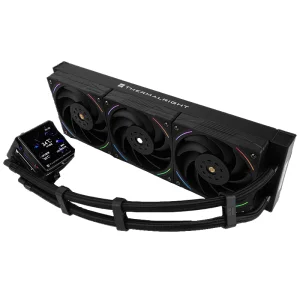
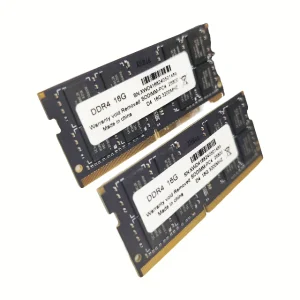
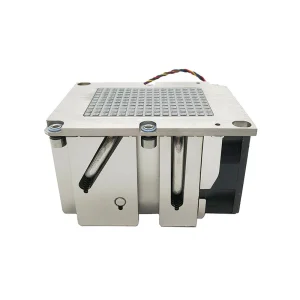
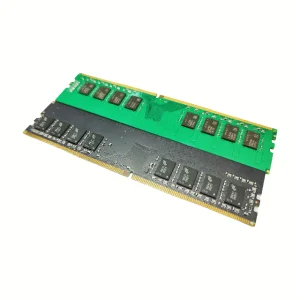
Key Product Focus:Server CPU Heatsinks, ECC RAM Modules, Dual-port Motherboards.
Industrial motherboards require long lifecycles, resistance to vibration, and wide operating temperature thresholds.
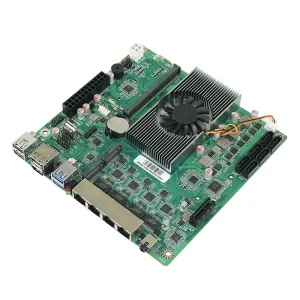
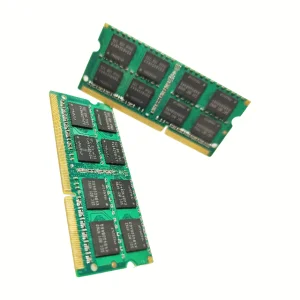
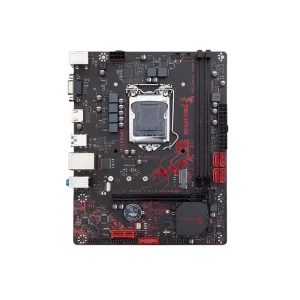
Key Product Focus:Mini-ITX Motherboard Systems, Embedded DDR4/DDR3 DRAM.
High-frequency telecommunications assemblies utilize low-loss PTFE substrates to maintain signal integrity over long transmission distances.
Key Product Focus:Taconic TLY-5 High-Frequency PCBs, Impedance Controlled Circuits.
Engineering the future of micro-electronics through DDR5 adoption and HDI scaling.
As AI and neural network models scale, the demand for memory bandwidth increases. To support these workloads, our R&D team is developing memory modules that transition from DDR4 to high-speed DDR5 standards. DDR5 shifts power management from the motherboard to the module itself using integrated Power Management ICs (PMICs) and dual 32-bit subchannels, requiring precise component placement.
Our manufacturing roadmap includes investments in High-Density Interconnect (HDI) techniques, such as laser-drilled blind and buried microvias, stacked configurations, and any-layer alignment. This enables our customers to design smaller, high-performance electronics without compromising signal integrity.
Maintaining high quality standards from raw material entry to final delivery.
Every batch of memory modules and motherboards undergoes functional testing, memory testing, environmental chamber burn-in, and signal validation before packaging.
Our products comply with international regulatory frameworks, including CE, FCC, and RoHS, ensuring entry into North American, European, and Asian markets.
We offer comprehensive custom options, including PCB color selection, custom thermal heat spreaders, custom BIOS/firmware optimization, and tailored packaging configurations.
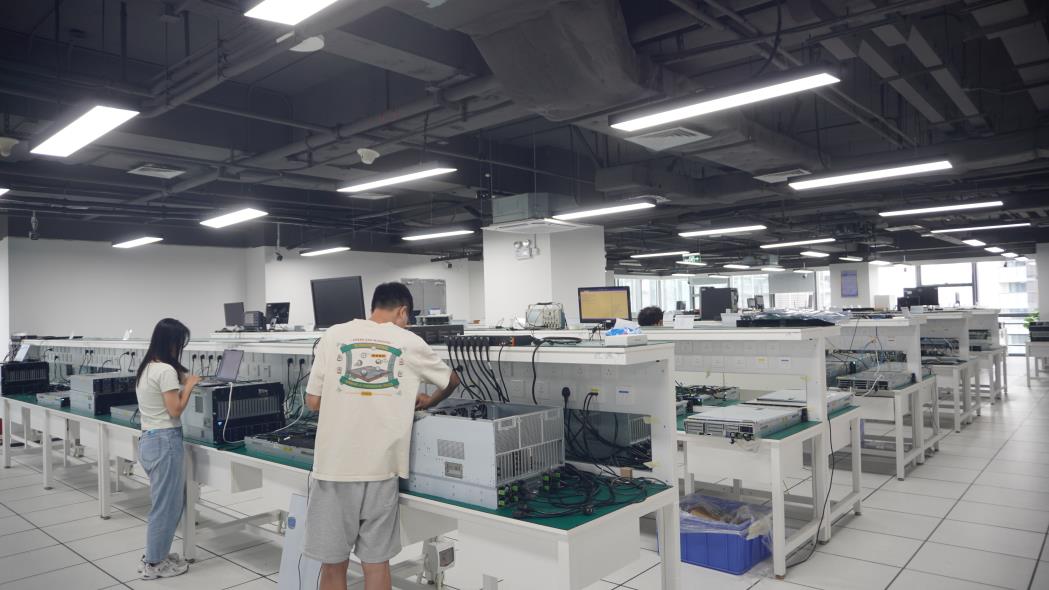
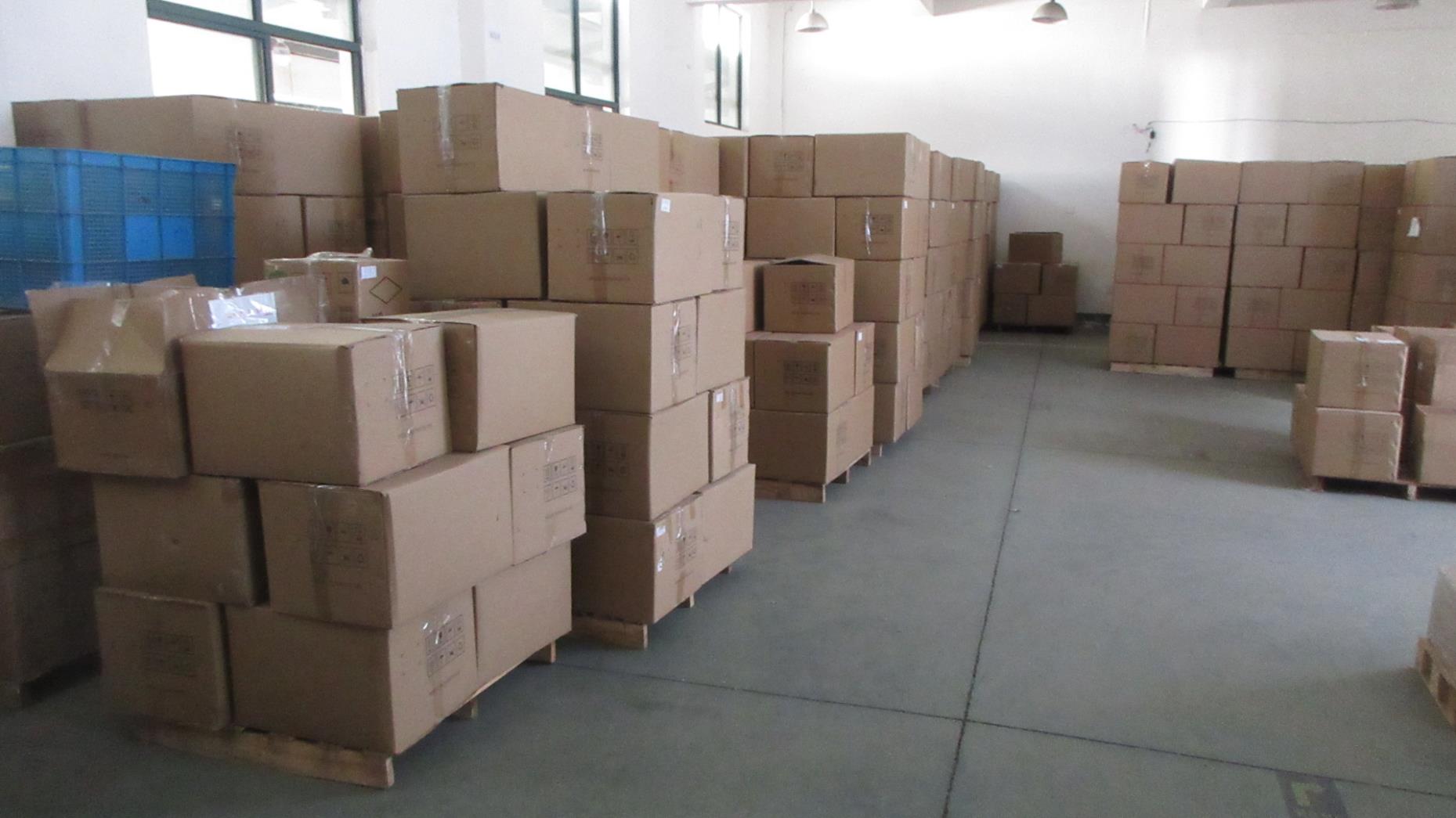
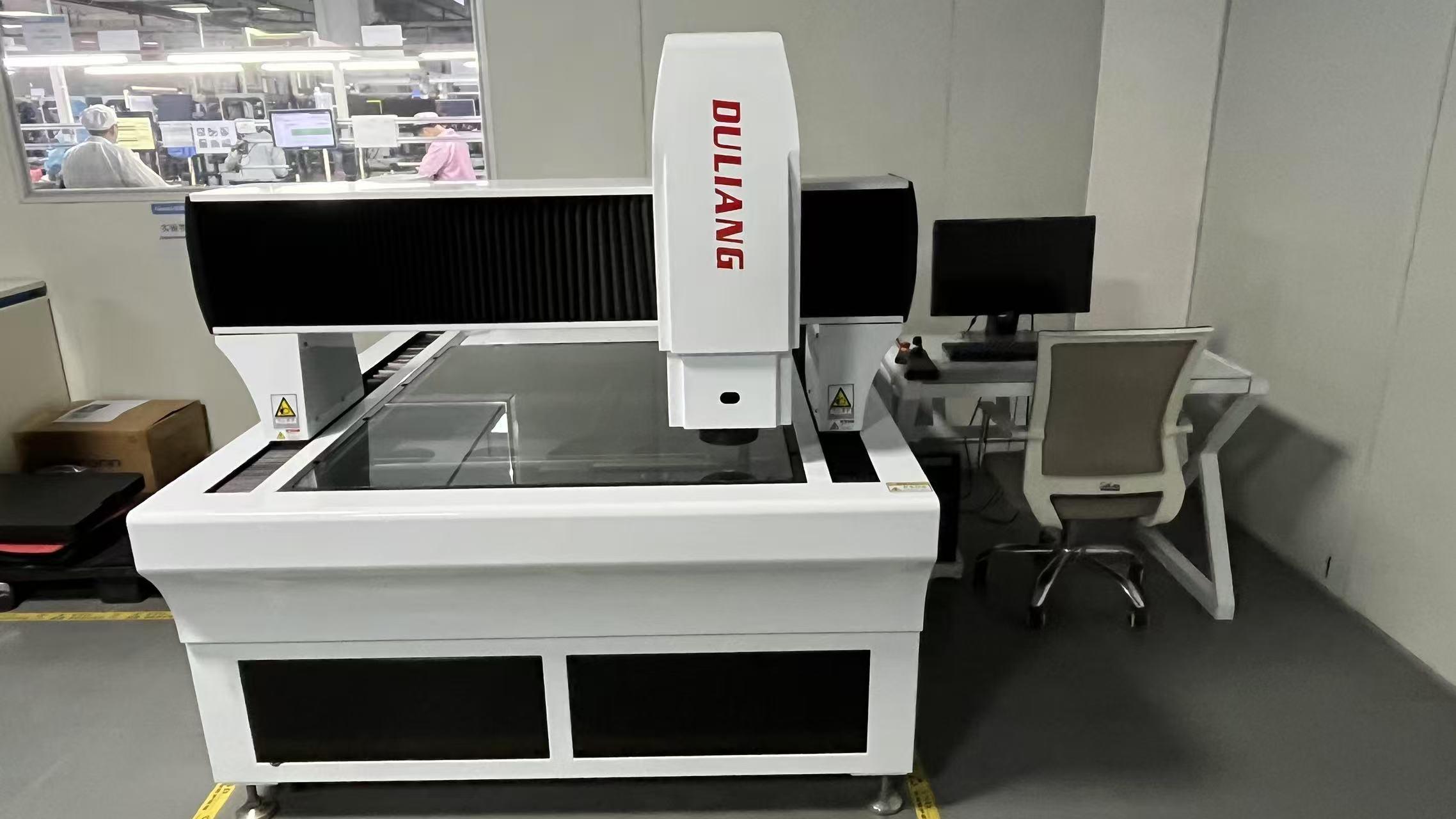
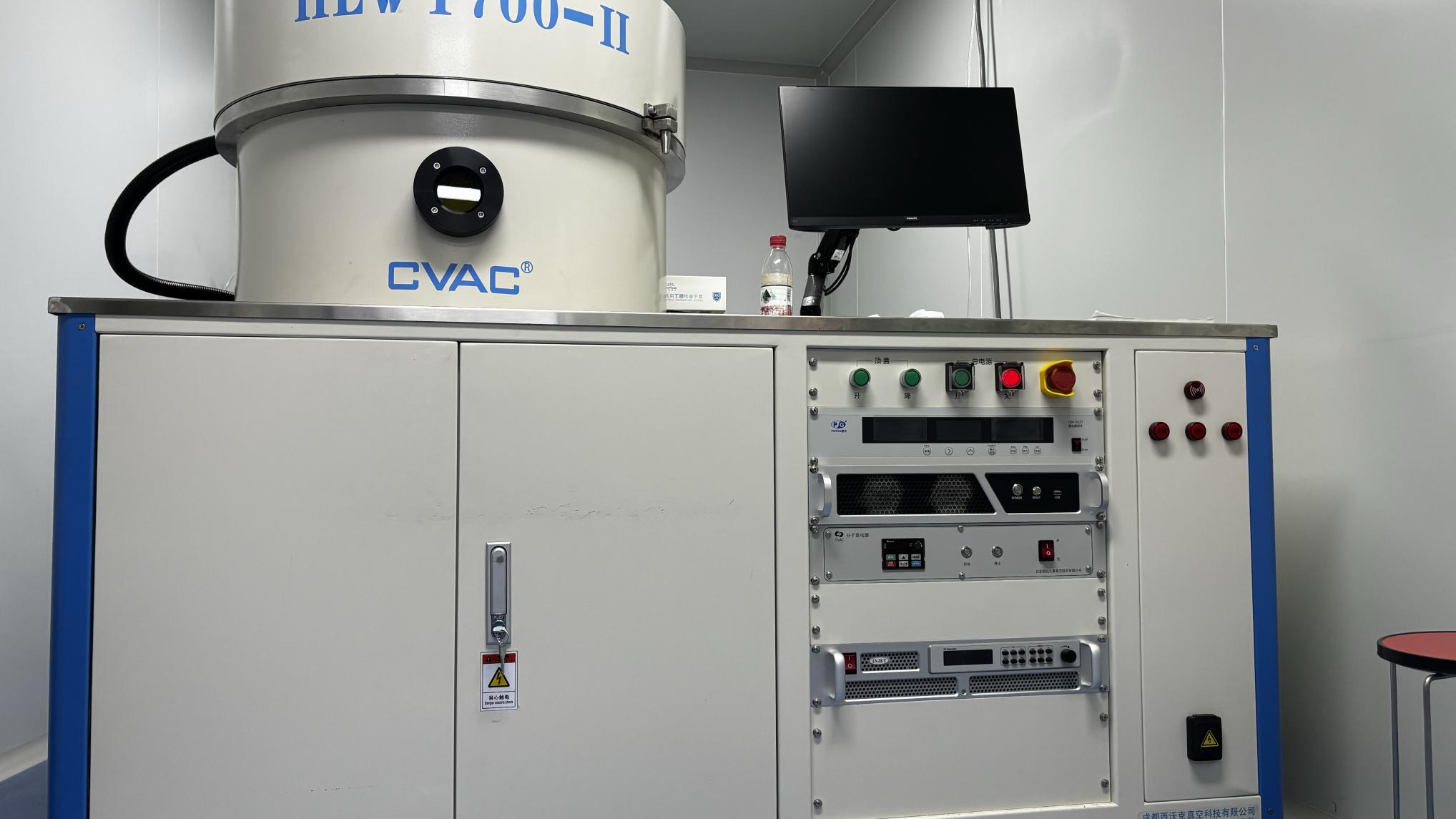
Take a look inside our clean-room facilities and high-speed assembly and testing centers in China.
 Memvora