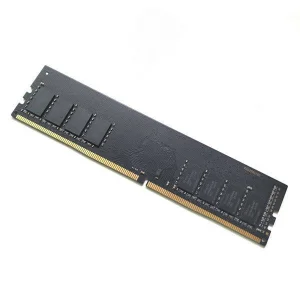
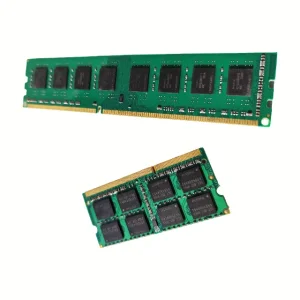
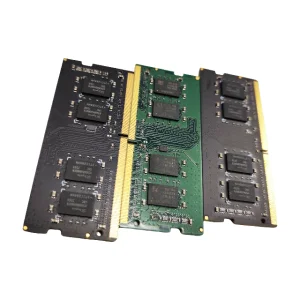
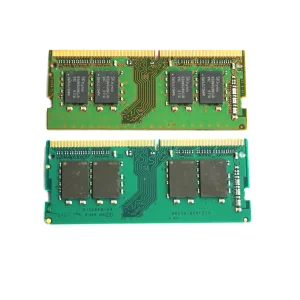
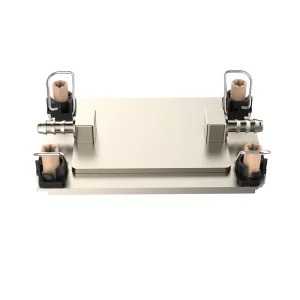
Explore our core engineering assemblies, motherboard solutions, and high-speed memory modules built to precise OEM specifications.
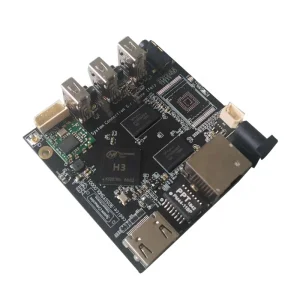
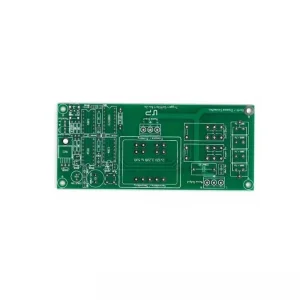
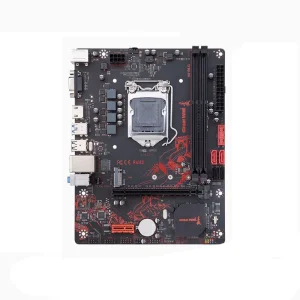
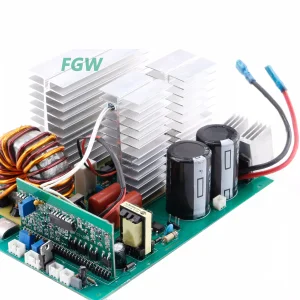
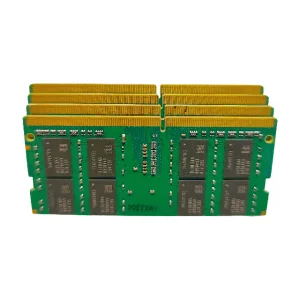
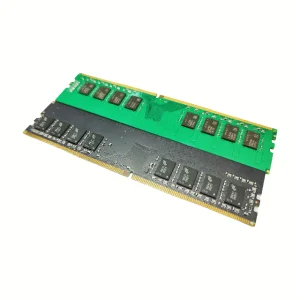
The global demand for high-bandwidth, energy-efficient Synchronous Dynamic Random-Access Memory (SDRAM) is experiencing unprecedented structural shifts. As computing architectures transition rapidly from DDR4 to high-performance DDR5 standards, memory module manufacturers play a critical role in bridging raw wafer sorting processes with commercial system integration. Driven by artificial intelligence workloads, edge computing applications, high-refresh gaming desktop platforms, and complex workstation databases, desktop DDR RAM is no longer just a passive component—it is a performance gatekeeper.
At the center of any high-quality memory module is the underlying DRAM silicon die. Original brand dies (Samsung, SK Hynix, and Micron) are categorized and sorted into distinct classes. For high-tier consumer gaming and enterprise server builds, only A-grade original dies with flawless signal patterns are utilized. For highly competitive mass-consumer applications, optimized secondary testing bins are integrated into our SMT production lines to deliver cost-effective pricing models without sacrificing product lifespan. Memvora maintains a robust ecosystem of over 1,280 component suppliers to guarantee consistent access to original wafers, safeguarding our customers against global supply disruptions.
Founded in 2017, Memvora Electronics Technology Co., Ltd. is a premier manufacturer specializing in high-performance DDR4 and DDR5 memory modules, alongside key motherboard and embedded PCB assemblies. Spanning a specialized 386㎡ cleanroom production and testing center, we run advanced Surface Mount Technology (SMT) lines, computerized sorting equipment, and thermal assembly chambers to service enterprise-level OEM and ODM demands worldwide.
Over our 7 years of international trade operations, we have scaled our annual export revenues beyond US$18.6 million. Our products reach distributors, computer manufacturers, and system integrators across Europe, North America, Southeast Asia, South America, and the Middle East. Underpinned by 14 years of combined industry expertise, Memvora blends advanced technological R&D with stringent quality verification protocols to deliver modular storage that meets JEDEC standards and customized high-speed overclocking specifications (Intel XMP 3.0 / AMD EXPO).
126 professional engineers designing custom PCB layouts, high-layer signal isolation, and custom SPD firmware profiles.
A dedicated team of 42 QC inspectors overseeing multi-stage testing including thermal burn-in, compatibility, and automated optical inspection.
86 new memory and motherboard products successfully launched last fiscal year, keeping pace with current semiconductor progress.
We provide full-scale bespoke options for global brand owners, white-label retailers, and server system designers. Our customization services cover the following technical areas:
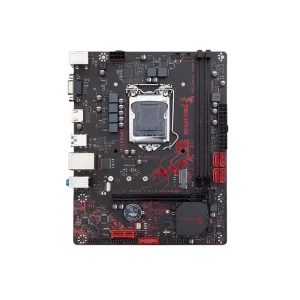
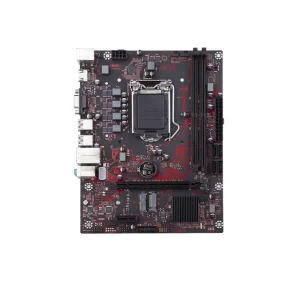
To help procurement managers select the appropriate specifications for their client base, our engineering division has compiled the fundamental differences between DDR4 and DDR5 desktop memory modules. While DDR4 remains a highly stable, cost-effective option for office motherboards (such as the H81M-G and H311M-G models featured below), DDR5 introduces substantial changes in power management and error correction.
| Feature Parameter | DDR4 SDRAM | DDR5 SDRAM | B2B Sourcing Relevance |
|---|---|---|---|
| Base Frequency range | 1600MHz to 3200MHz | 4800MHz to 6400MHz+ | DDR5 offers double the bandwidth for intensive computing workloads. |
| Operating Voltage | 1.2V (typical) | 1.1V (typical) | Reduces energy consumption; heat is managed directly on the module. |
| Power Management | On the Motherboard | On-Module PMIC | PMIC improves power efficiency and voltage regulation but increases PCB complexity. |
| Error Correction (ECC) | Sideband (Only on ECC RAM) | On-Die ECC + Sideband Options | On-die ECC enhances reliability at high frequencies. |
| Channel Architecture | Single 64-bit channel | Dual independent 32-bit sub-channels | Improves memory access efficiency and bus utilization. |
Modern applications require distinct memory characteristics. Our technical capabilities are mapped to several use cases:
At Memvora, quality is maintained through a structured testing pipeline. Our facility ensures that every module leaving our assembly line is fully verified for performance and system compatibility.
Incoming silicon dies from top DRAM suppliers undergo strict parametric testing. Our engineers check voltage limits, signal integrity, and timing performance to group the dies into appropriate product configurations.
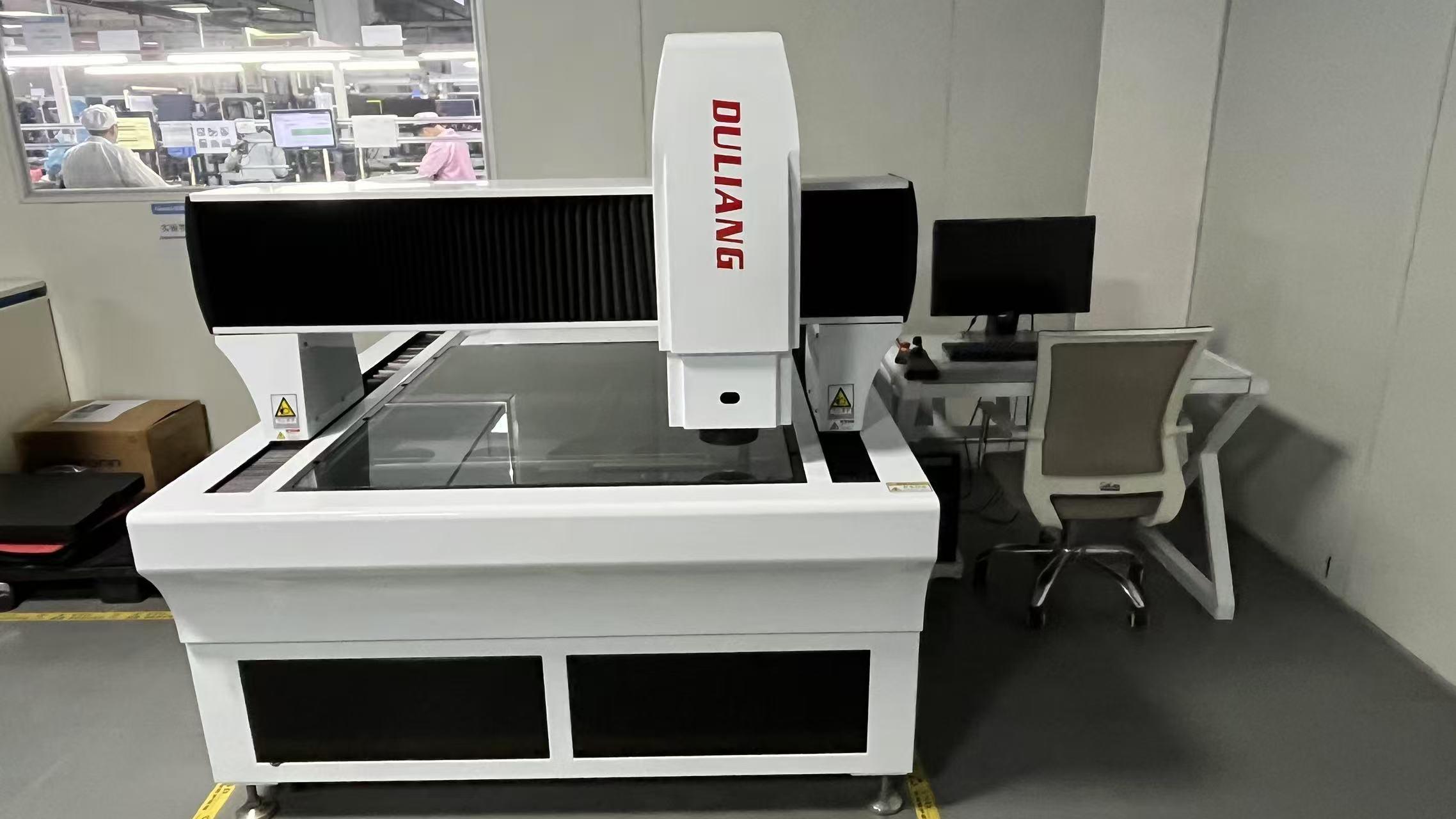
DRAM chips, PMICs, resistors, and EEPROMs are mounted onto multi-layer PCBs using automated SMT lines. 3D Automated Optical Inspection (AOI) checks for correct component placement and solder joint quality.
The assembled memory modules undergo Automated Test Equipment (ATE) checks. This stage tests read/write cycles at maximum rated speeds to ensure signal integrity and proper timing margin alignment.
Modules are tested on popular motherboards featuring Intel and AMD chipsets. They also undergo thermal stress testing inside burn-in chambers to ensure stability under high temperatures.
Our quality control team performs visual and electrical checks on the final batch. Approved modules are packaged in ESD protective containers and prepared for shipping to global markets.
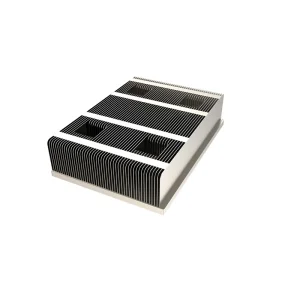
Browse our related high-performance computing hardware, including dual-layer PCBs, system cooling units, and server cooling blocks.
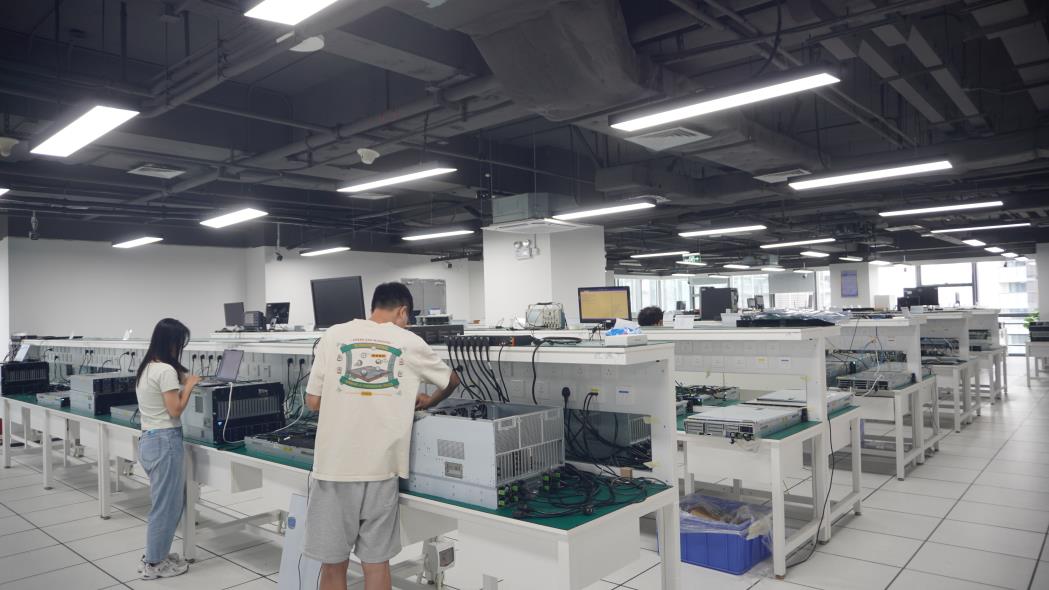
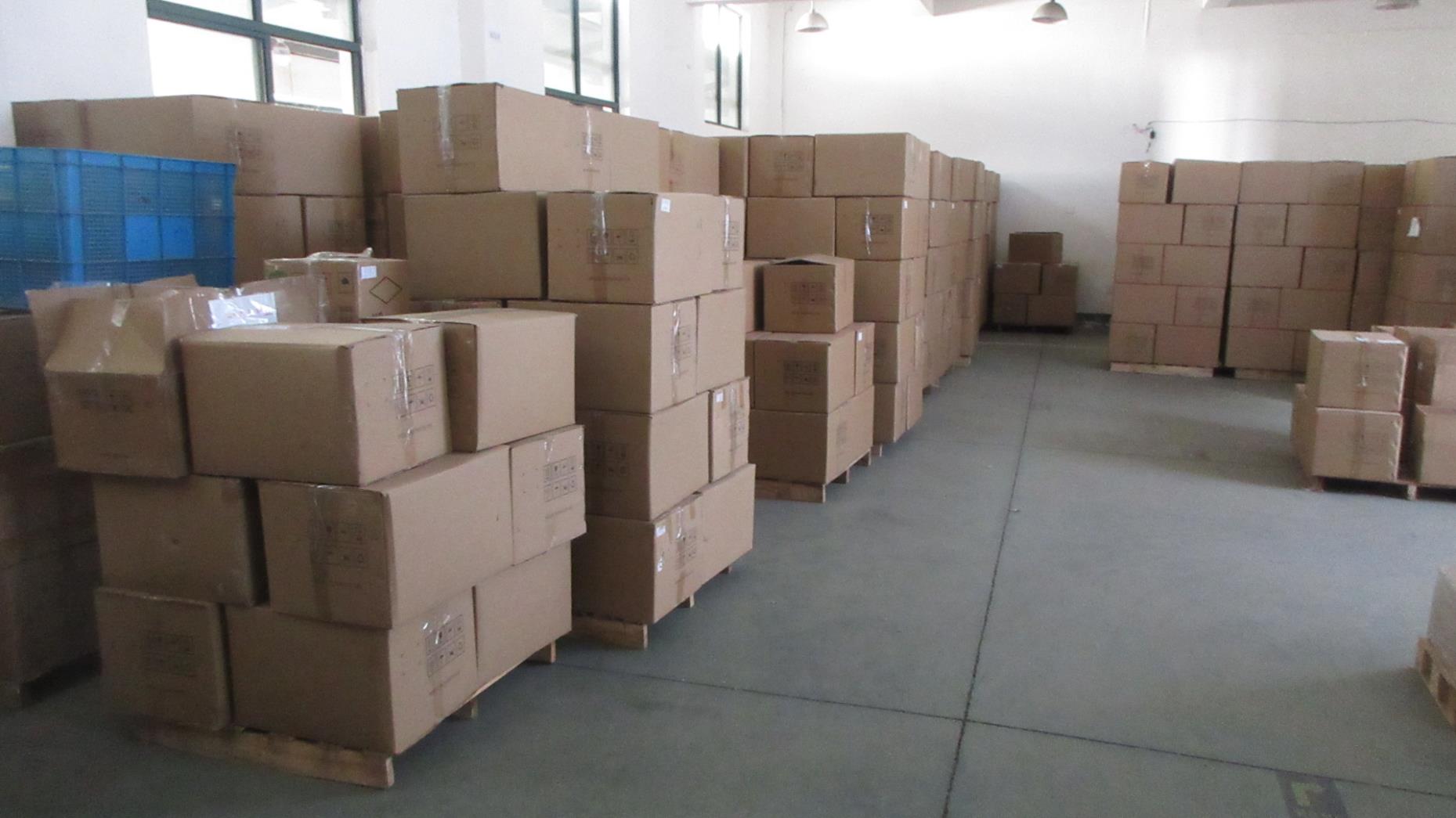
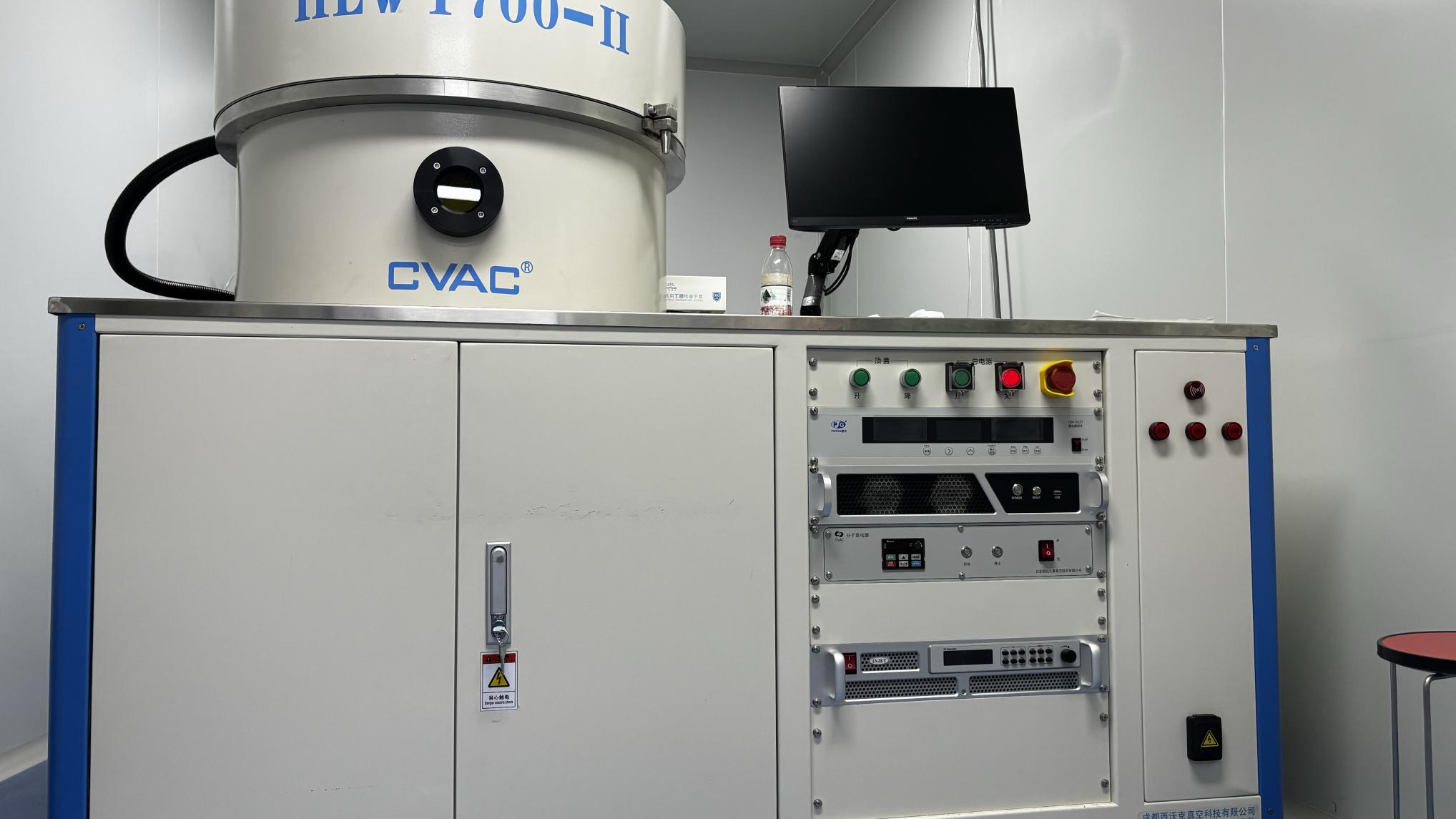
Take a look inside our cleanroom production environment and testing labs, built to deliver reliable semiconductor assemblies.
 Memvora