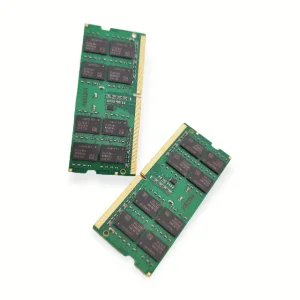
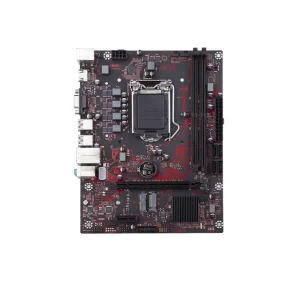
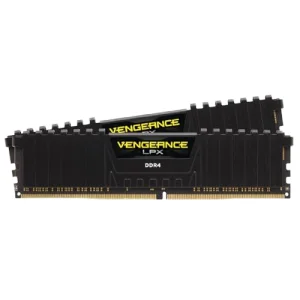
Explore our leading product portfolio, engineered for critical processing environments, systems integration, and server-grade reliability.
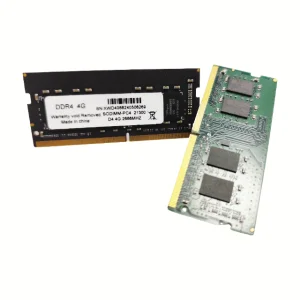
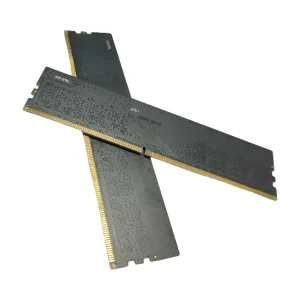
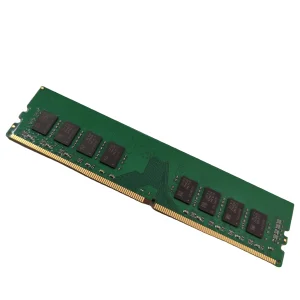
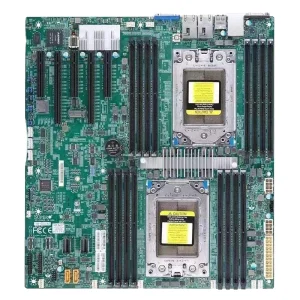
In the rapidly evolving landscape of clean-technology and biological safety, UVC LED technology stands as the frontier of optical disinfection. Emitting deep ultraviolet radiation in the germicidal bandwidth (260nm to 280nm), UVC LEDs disrupt the DNA and RNA structures of pathogens, preventing replication.
For global industrial buyers, procurement of UVC technology requires more than selecting standard emitters; it requires understanding the semiconductor packaging paradigms. By leveraging established high-precision substrate integration, advanced thermal dissipation matrix designs, and strict SMT processes, leading manufacturers in China are pioneering highly stable, long-lasting UVC modules.
By applying high-frequency packaging principles utilized in DRAM memory and dual-channel server architectures, our production facility mitigates the primary bottleneck of UVC output degradation: thermal resistance. Standard designs decay rapidly due to heat entrapment, but through our state-of-the-art aluminum nitride (AlN) ceramic substrates and eutectic bonding, we offer high external quantum efficiency (EQE) with long-term reliability.
Traditional UV mercury tubes present ecological hazards and slow warm-up times. Solid-state UVC LEDs offer instant-on operation, lower energy footprints, and mechanical robustness. However, maintaining wavelength accuracy requires exceptional chip-on-board (COB) packaging tolerance controls.
Analyzing the transition from AlGaN material optimization to sub-250nm Deep-UV sterilization modules.
Maximizing Aluminum Gallium Nitride (AlGaN) layer thickness and structural uniformity to raise Internal Quantum Efficiency (IQE) to levels exceeding 30%.
Transitioning from sapphire base materials to native AlN substrates to decrease dislocations, optimizing forward voltages and increasing light extraction efficiency (LEE).
Developing sub-250nm targeted emission arrays capable of selective protein denaturation without producing ozone or degrading structural materials nearby.
| Performance Metrics | Mercury Vapor Lamps | Standard UVC LEDs (AlGaN) | Next-Gen Eutectic AlN UVC |
|---|---|---|---|
| Operating Lifetime (L70) | 8,000 - 10,000 Hours | 10,000 - 15,000 Hours | 25,000 - 40,000 Hours |
| Environmental Safety | Contains Liquid Mercury | Lead/Mercury Free (RoHS Compliant) | Zero Hazardous Waste Materials |
| Startup Characteristics | Requires Warm-up (3-5 mins) | Instantaneous Switch (<100ns) | Instantaneous Peak Output Control |
| Form Factor Flexibility | Bulky, Rigid Glass Enclosure | Surface Mount Device (SMD 3535) | High-Density Chip-on-Board (COB) Arrays |
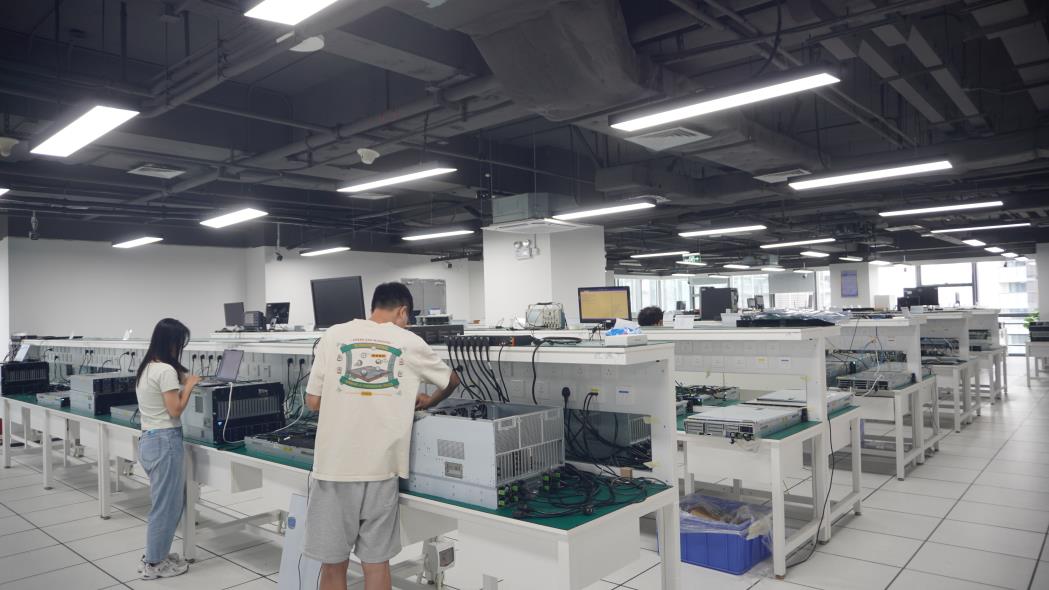
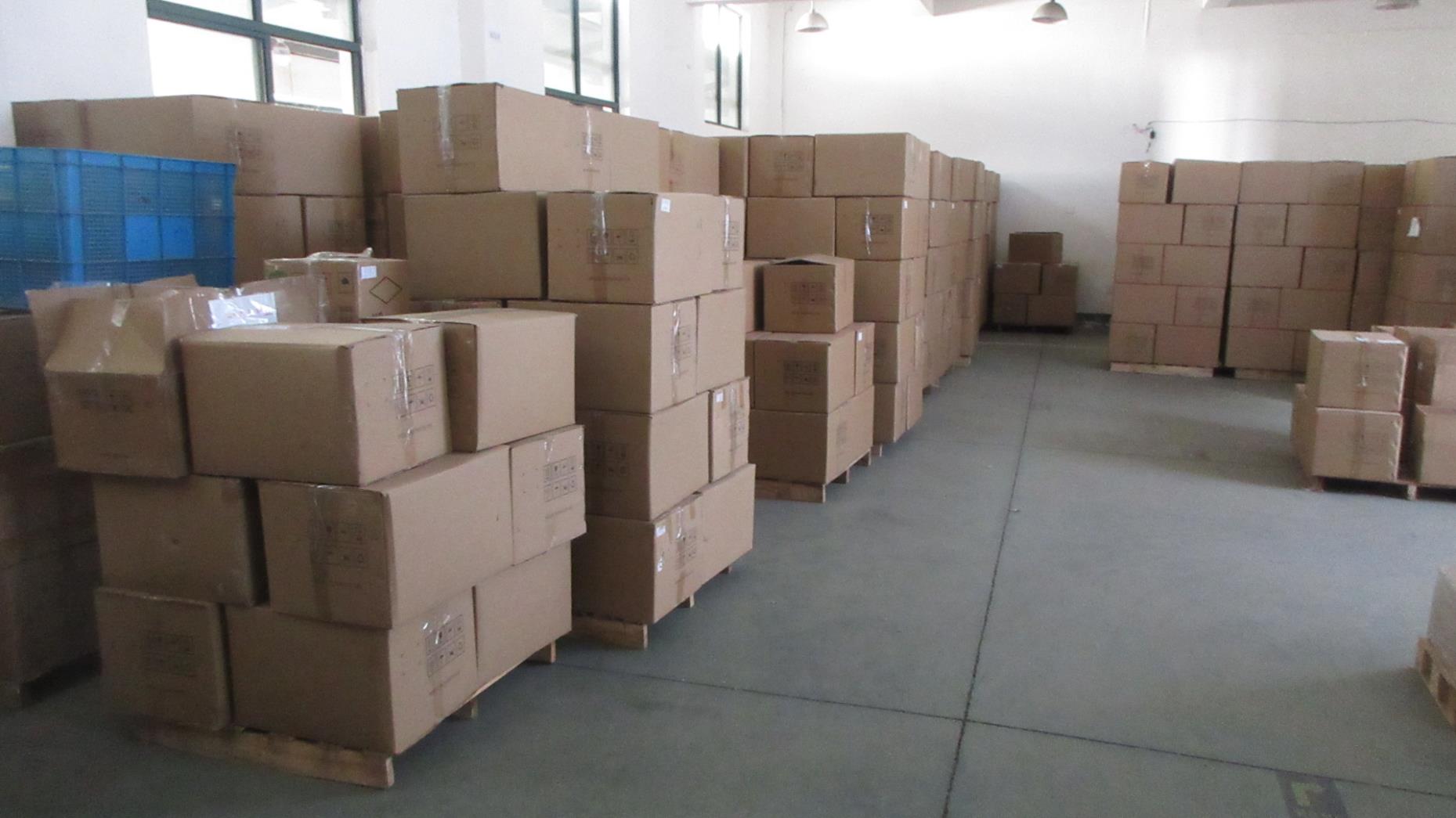
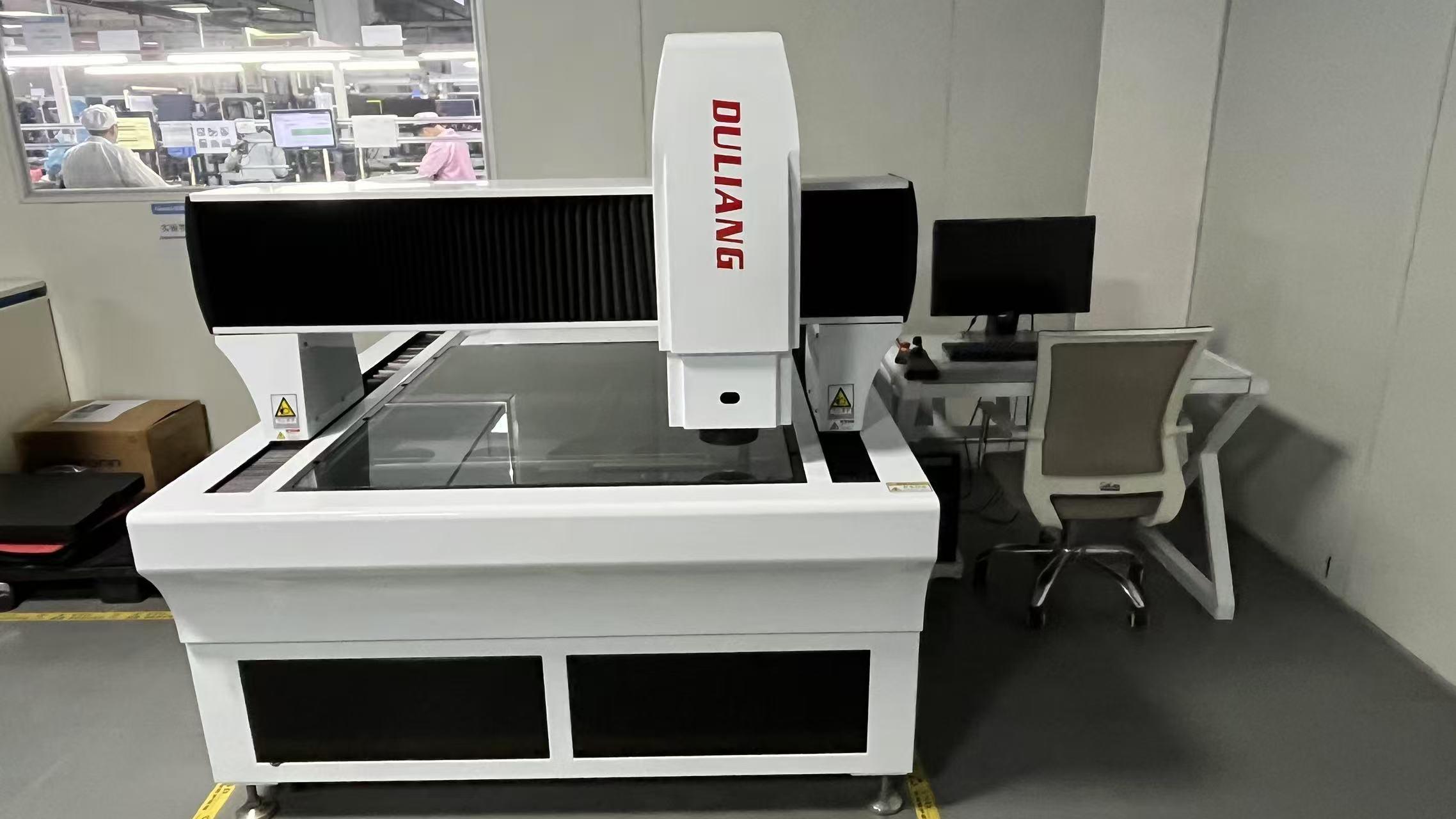
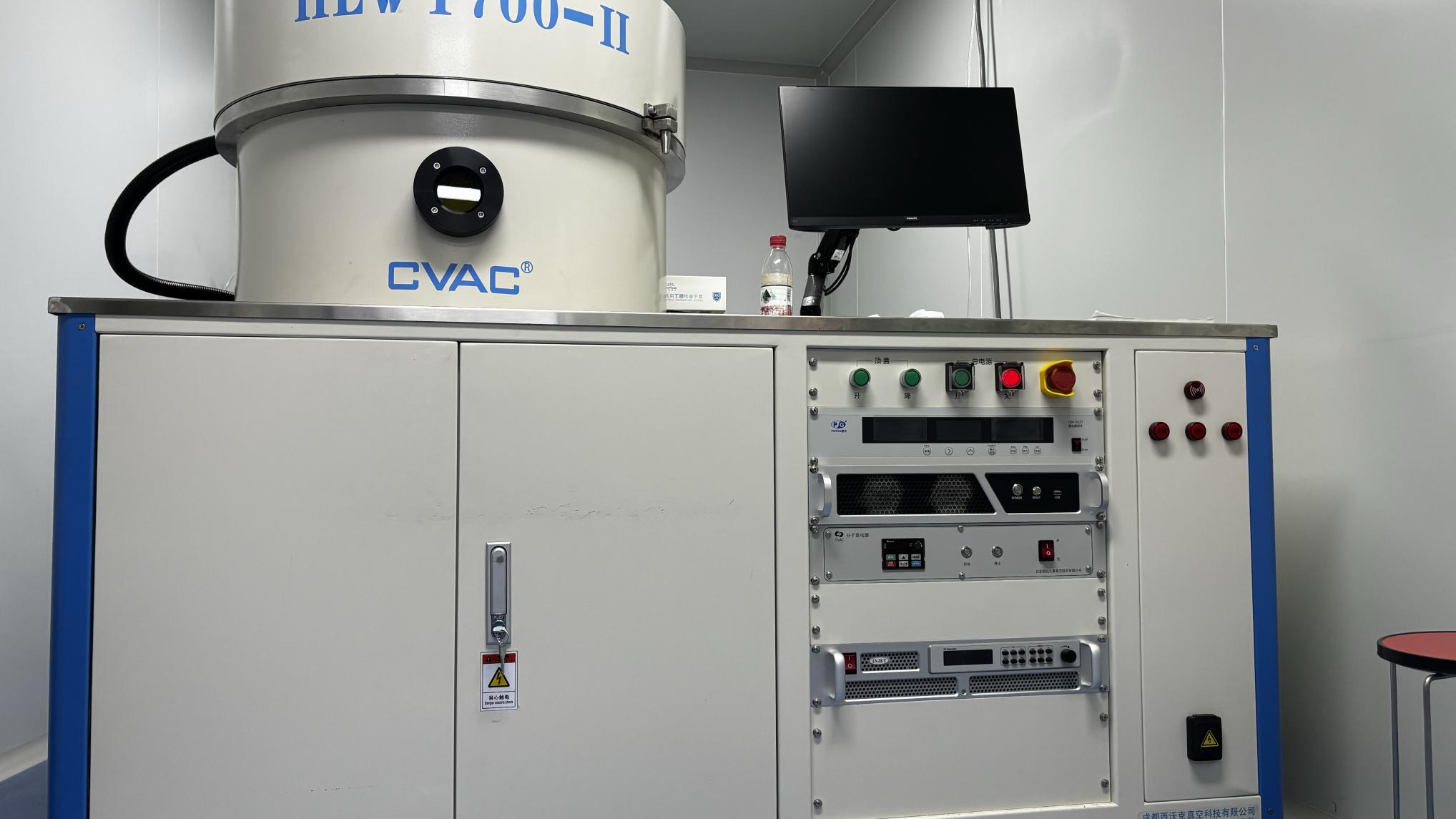
The modern optoelectronic supply chain in China represents a highly integrated environment that balances raw material refining, wafer epitaxy, chip processing, packaging, and custom integration. As semiconductor processing matures, the integration of automation inside factories facilitates consistent quality and optimized pricing structures.
By implementing intelligent ERP manufacturing platforms and fully automated packaging machinery, lead times for custom arrays are reduced from months to weeks. Precision placement systems, automated wire bonders, and high-frequency optical testers operate concurrently, verifying that each SMD package maintains absolute spectral accuracy before export.
Furthermore, local clusters of substrate materials, specialized UV-transparent quartz covers, and custom aluminum housings reduce material transit times. For global buyers, this means less logistics delays, lower vulnerability to raw material price adjustments, and predictable delivery windows for demanding project cycles.
A Professional Manufacturer Specializing in High-Performance Semiconductor and DRAM Solutions.
Founded in 2017, Memvora Electronics Technology Co., Ltd. is a professional manufacturer specializing in high-performance DDR5 memory modules, dedicated to delivering reliable memory solutions for consumer, industrial, enterprise, and embedded applications worldwide. With a modern manufacturing facility covering 386㎡, we combine advanced production equipment, strict quality management, and experienced engineering expertise to provide stable, high-speed memory products for global OEM and ODM partners.
Since entering the international market, Memvora has accumulated 7 years of export experience, serving customers across North America, Europe, Southeast Asia, the Middle East, and South America. Our annual export revenue exceeds US$18.6 million, supported by a strong global supply chain and long-term partnerships with more than 1,280 component suppliers and business partners.
With 14 years of industry experience, our team continuously invests in technology innovation and product development. Our R&D department consists of 126 professional engineers who focus on developing next-generation DDR5 memory solutions with higher speed, lower latency, and enhanced reliability. Last year alone, we successfully launched 86 new memory products to meet the evolving needs of gaming, AI computing, industrial automation, and enterprise servers.
Quality is the foundation of everything we do. Every product undergoes 100% functional testing, burn-in testing, compatibility testing, signal integrity testing, and aging tests before shipment. Our dedicated quality control team of 42 inspectors ensures every memory module meets rigorous international quality standards and delivers long-term stable performance.
Memvora provides flexible OEM, ODM, private label, custom capacity, PCB color, heat spreader design, firmware optimization, and packaging customization services to meet different market requirements. Backed by a responsive engineering team and efficient production management, we help customers shorten development cycles and accelerate product launches.
Integrating high-efficiency UVC and advanced computer hardware platforms into demanding business ecosystems.
Deploying targeted UVC LEDs inside server chassis and cooling systems prevents biofilm build-up in liquid cooling loops. This ensures optimal thermal transfer and system longevity.
Cleanroom environments rely on UVC sterilization systems within material airlocks to eliminate micro-contaminants, preserving high yields during memory packaging processes.
Integrating deep-UV LEDs into smart consumer appliances allows for real-time tracking of sterilization cycles, controlled by specialized embedded computing architectures.
Navigating international regulatory frameworks is essential when importing custom optoelectronic hardware. A reliable manufacturing process must align with standard global certifications, including CE, FCC, RoHS, REACH, and localized electrical requirements.
Since UVC radiation falls under optical safety parameters, compliance with safety standards such as IEC 62471 (photobiological safety of lamps and lamp systems) is necessary to protect end users. Our manufacturing partners maintain testing logs to confirm zero hazard output outside designated spectrum bands.
To facilitate importing, we offer transparent documentation including raw material origin certificates, clean-room assembly reports, and direct quality compliance documentation. This ensures simple customs processing and direct validation for global supply chain requirements.
Radiant Flux: Measured in milliwatts (mW) to assess the actual optical energy emitted, rather than electrical draw alone.
Thermal Substrates: Verifying AlN thickness and copper trace weights helps guarantee a thermal pathway out of the diode pn-junction.
Fulfillment Tracking: Ensuring the factory provides complete optical testing reports for each production lot.
Addressing engineering, customization, thermal management, and procurement inquiries.
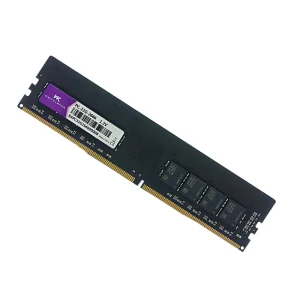
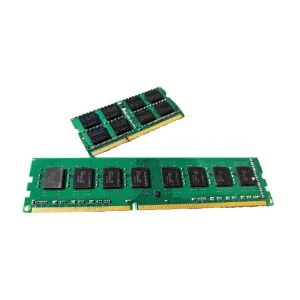
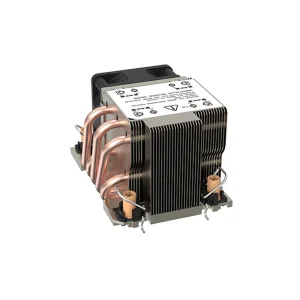
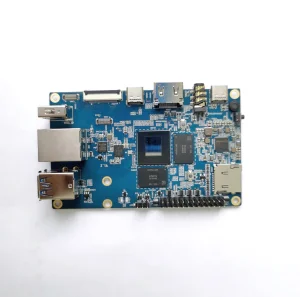
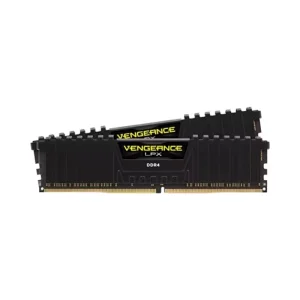
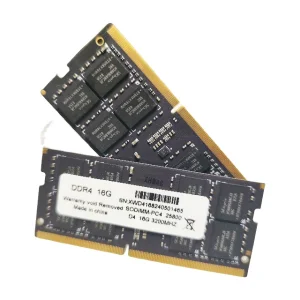
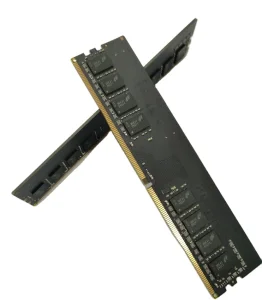
Explore our additional hardware selections, optimized for servers, desktops, and industrial systems.
 Memvora