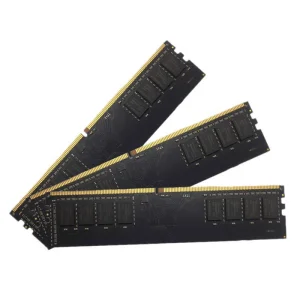
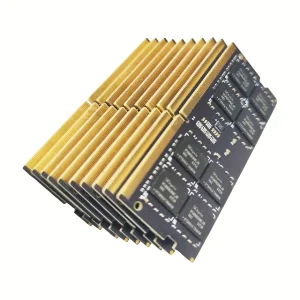
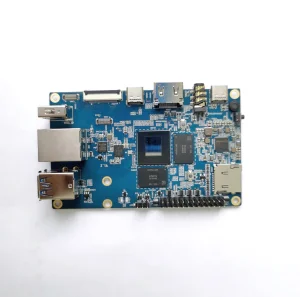
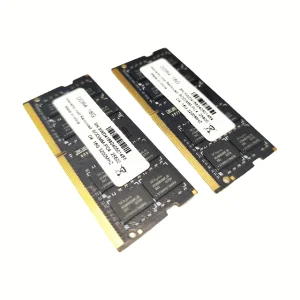
Explore high-reliability memory modules, advanced motherboards, and server component solutions designed for rigorous test environments.
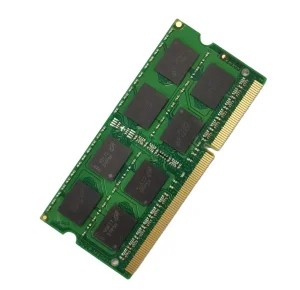
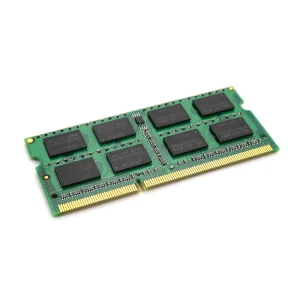
Consolidated strength backed by state-of-the-art laboratory testing capabilities, global market footprint, and intensive research.
In high-speed digital electronics, system stability depends directly on the quality of validation. As signal frequencies increase—shifting from DDR4 memory modules to complex high-bandwidth DDR5 interfaces, multi-gigahertz processors, and high-density, multi-layer PCBs—the margins for noise, jitter, and voltage fluctuations decrease. Validating this hardware requires advanced manufacturing technologies integrated with specialized test and measurement equipment.
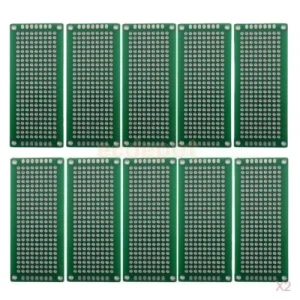
China's electronics supply chain has evolved from basic assembly to high-precision engineering. By combining hardware design, component sourcing, and laboratory validation under unified quality frameworks, leading Chinese manufacturers deliver cost-effective production alongside performance capabilities that meet JEDEC, PCIe, and IPC Class 3 industrial standards.
“True quality is validated, not just assembled. Our 386㎡ specialized validation facility runs continuous signal integrity, thermal profiling, and environmental stress tests to ensure stable performance for global enterprise systems.”
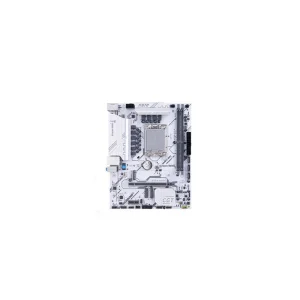
Ensuring system stability at high data rates—such as DDR5 running up to 6000MHz or motherboards utilizing LGA1700 sockets—requires a structured validation framework. Our R&D team of 126 professional engineers utilizes advanced methodologies to guarantee performance before production:
Before fabricating physical boards, we perform pre-layout and post-layout signal integrity simulations. We analyze transmission lines, vias, and trace routing to control impedance and prevent cross-talk. Using high-bandwidth oscilloscopes and vector network analyzers (VNAs), engineers measure eye diagrams, jitter parameters, and insertion loss to ensure clear signals even under maximum load conditions.
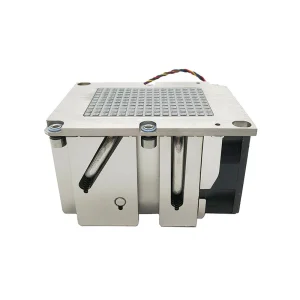
Modern server components generate high heat loads, such as LGA3647 setups that require 205W CPU thermal dissipation. We use thermal imaging and wind tunnel testers to evaluate thermal performance under simulated workloads. This data guides the design of custom aluminum fin heatsinks and copper heat-pipe assemblies, preventing thermal throttling in high-density rack configurations.
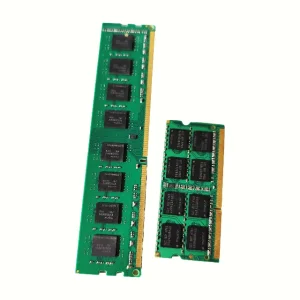
For high-throughput memory validation, our manufacturing line uses automated testing platforms. Real-time test hardware verifies read/write timings, latency compliance, and error-correcting code (ECC) functions. Using logic analyzers to monitor control signals, we can trace and resolve latency issues down to individual clock cycles.
Reliability requires verifying performance under variable operating conditions. Our validation process subjects production samples to thermal cycling (-40°C to +85°C), relative humidity testing, and long-term burn-in under elevated voltage conditions. This identifies early component failures and ensures long-term operational life.
Why leading global companies source their hardware validation and component production from advanced Chinese supply ecosystems.
With more than 1,280 component suppliers and material partners, we source high-grade FR4 laminates, original DRAM ICs, and advanced cooling components quickly, reducing overall development lead times.
Our dedicated team of 42 QC inspectors supervises every phase of production. We conduct 100% functional, burn-in, compatibility, signal integrity, and aging tests before shipping to reduce field defect rates.
We offer flexible manufacturing services including custom capacity configurations, customized PCB layouts, customized thermal heat spreaders, optimized firmware configurations, and private label packaging.
Modern testing and measurement equipment supports a wide range of vertical applications. By matching high-speed computing hardware with targeted validation protocols, we deliver reliable solutions across critical industries:
Enterprise servers require continuous uptime under sustained processing loads. We validate our server heatsinks, DDR4 ECC registered memory, and DDR5 modules for 24/7 reliability in multi-socket environments, minimizing memory errors and thermal performance issues.
Industrial machinery operates in demanding environments with high vibration, electrical noise, and thermal variation. Our robust motherboard architectures, including Rockchip RK3588S platforms and industrial control boards, undergo testing for electromagnetic compatibility (EMC) and mechanical durability, ensuring reliable operation on factory floors.
AI processing at the edge requires fast data transport with low latency. We test high-bandwidth modules alongside NPU-equipped motherboards to ensure processing efficiency for neural network models, video processing, and autonomous industrial control systems.
For procurement managers, choosing a manufacturing partner requires verifying their engineering capabilities and quality controls. We recommend using this checklist when evaluating potential electronics and test equipment factories in China:
The electronics industry continues to demand higher speeds and greater efficiency, driving changes in validation methods:
Technical answers about testing protocols, customization capabilities, and manufacturing standards.
Select from our range of high-performance mainboards, memory configurations, and heavy-duty industrial controller boards.
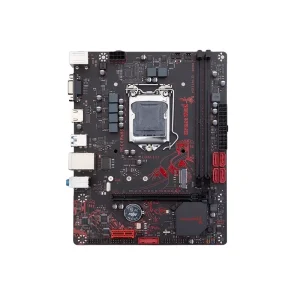
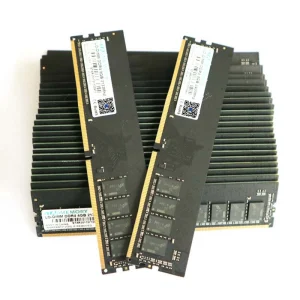
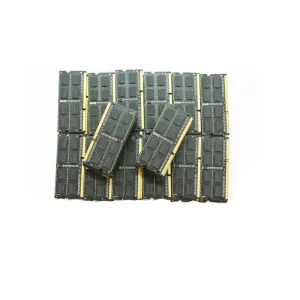
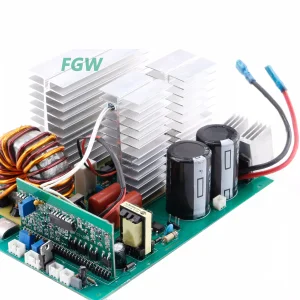
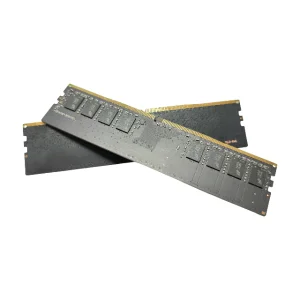
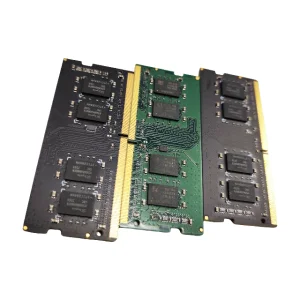
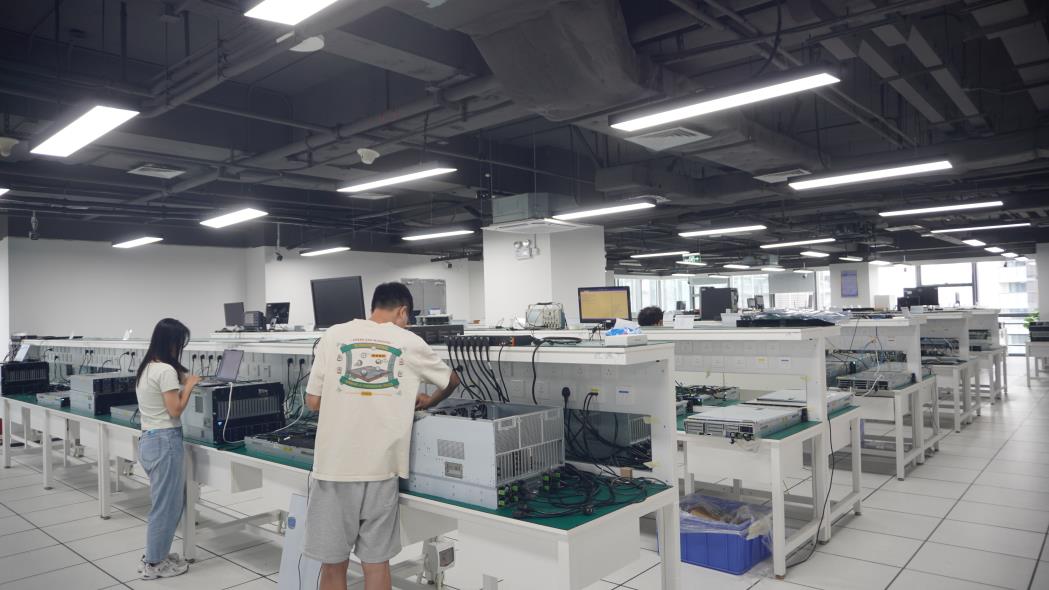
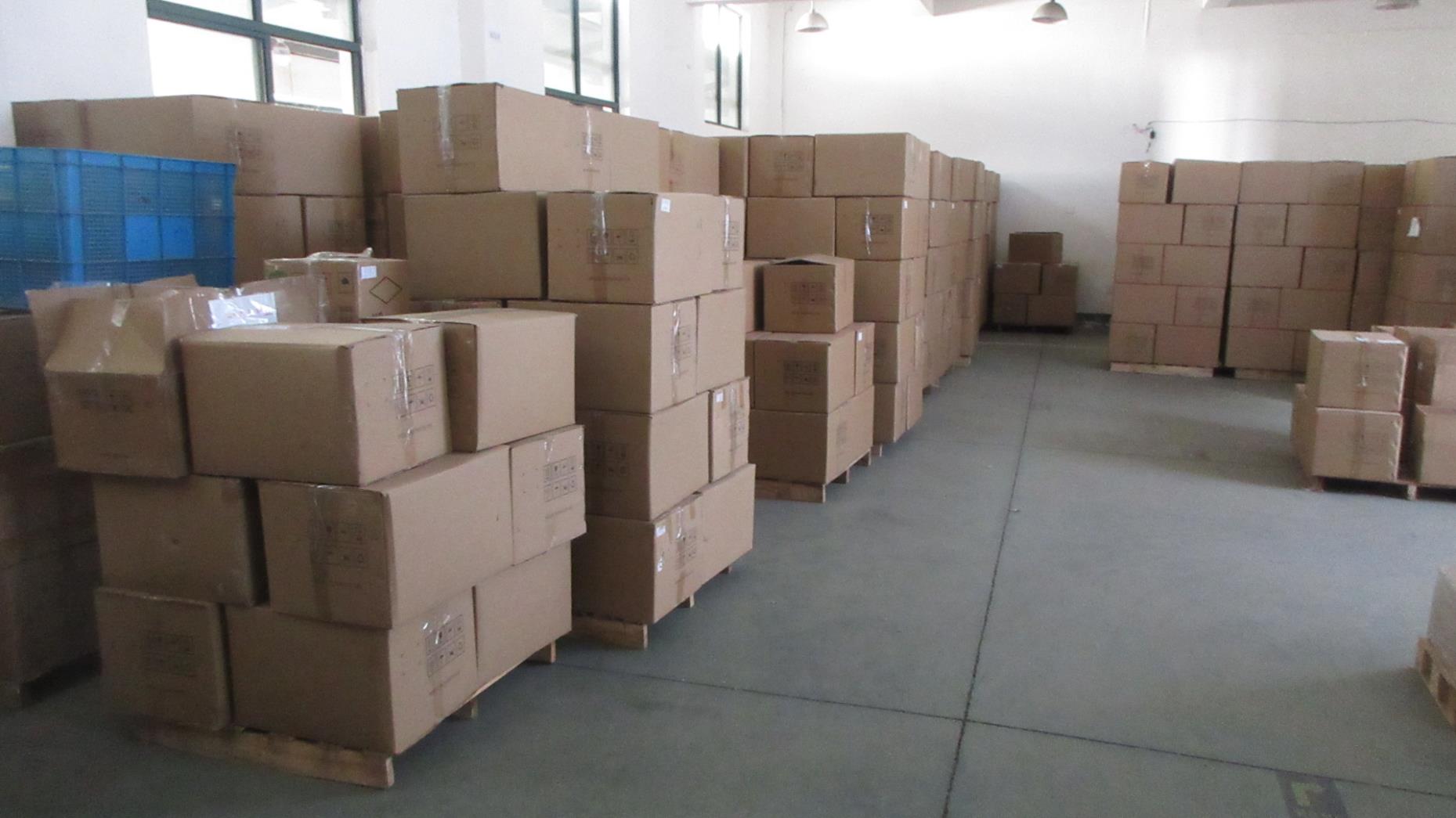
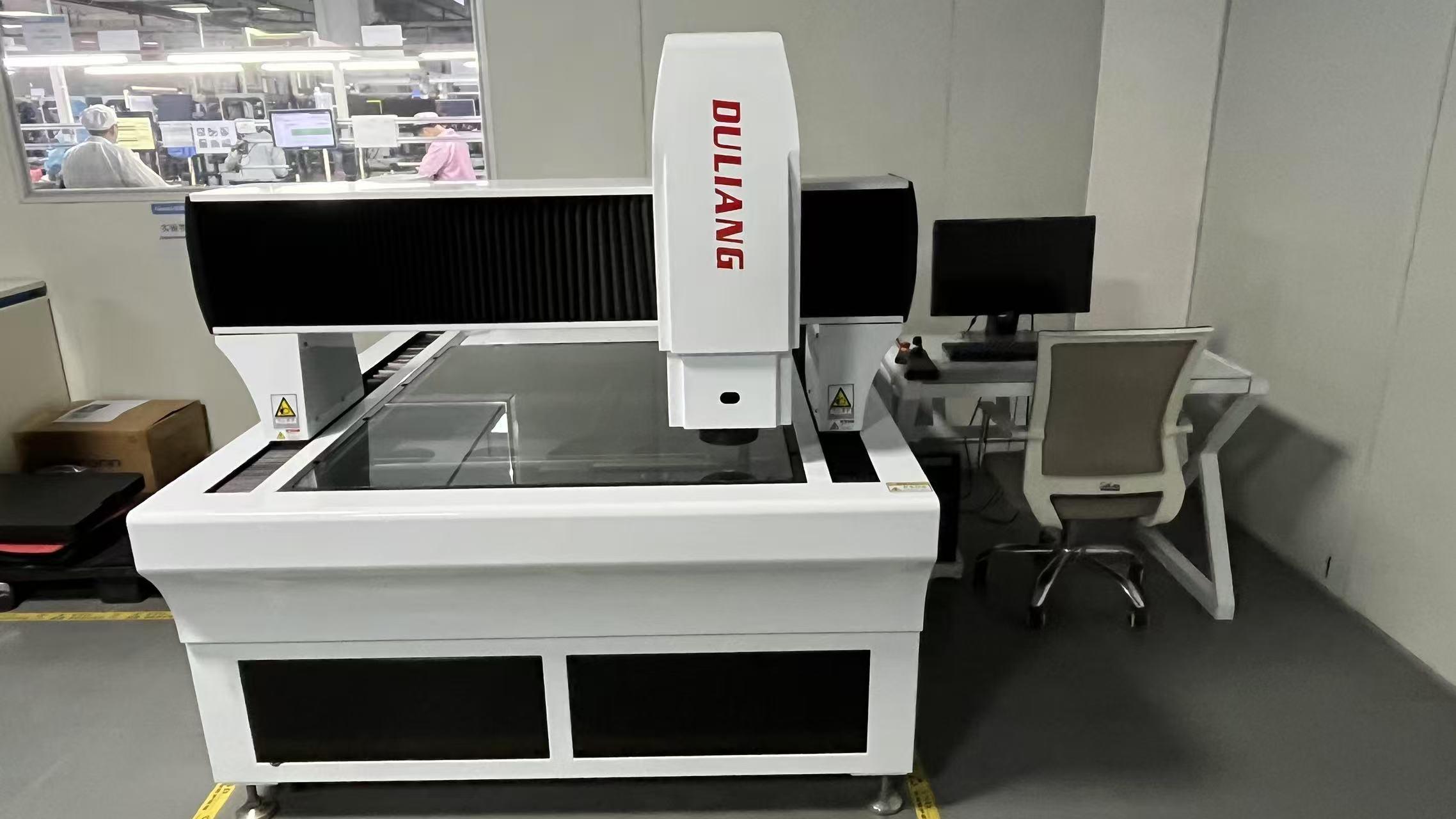
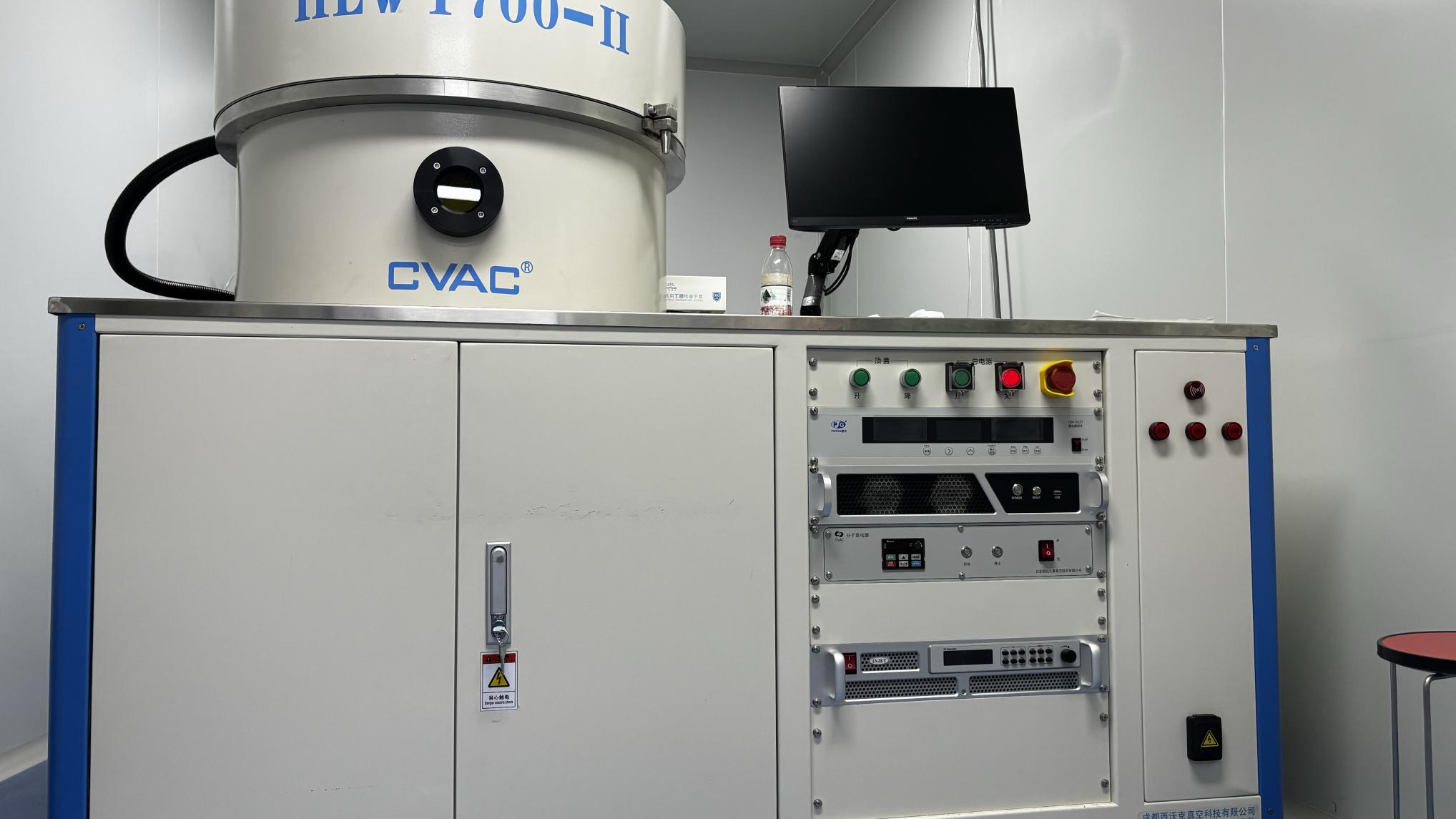
A look inside our cleanrooms, manufacturing assembly floors, and validation departments.
 Memvora