In global B2B procurement, sourcing CE Certified HDMI Cables is not merely a legal checkbox for European market entry; it is a fundamental benchmark of electromagnetic safety, signal shielding, and raw material purity. A legitimate CE mark indicates comprehensive compliance with three critical European Union Directives:
Many trading houses fake CE compliance by applying the generic "China Export" logo. Real CE compliance requires a complete Technical File, including laboratory verification under EN 55032/EN 55035 standards and Eye Diagram performance testing. Experienced engineers know that shielding attenuation must exceed 50dB at 1.2 GHz to prevent the HDMI interface from dropping packet streams in dense electromagnetic environments.
From raw copper extrusion to physical wave guides, high-speed signals demand strict impedance matching.
Every dynamic pair within a CE certified HDMI cable must exhibit an absolute differential impedance of 100 Ohms. Variations exceeding 10% cause signal reflection (return loss), degrading the Eye Diagram profile at 48 Gbps bandwidth (HDMI 2.1).
To pass rigorous CE EMC directives, professional exporters implement a multi-shield structure: individual AL-Mylar foil wrapping for each twisted pair, overall AL-Mylar foil coverage, and a high-density tinned copper braid mesh (up to 85% coverage).
Precision automated soldering platforms reduce parasitic capacitance at the connector termination point. Over-molding using eco-friendly, fire-retardant PVC ensures physical strain relief and oxidation protection.
CE-certified HDMI cables are not only used in residential media setups. High-performance cables act as vital pathways across diverse, mission-critical infrastructure applications. Exporters customize physical layers depending on specific vertical market needs:
| Vertical Market | Primary Technical Requirement | Optimal Cable Configuration | Compliance Checkpoint |
|---|---|---|---|
| E-Sports & Broadcast | Zero-latency, 4K@120Hz or 8K@60Hz refresh rates | Ultra High Speed HDMI (HDMI 2.1 Category 3) pure copper, up to 5 meters | CTS (Conformance Test Specification) certificate + CE EMC |
| Medical Imaging Systems | Ultra-low EMI emissions, high signal fidelity | Active Optical Fiber (AOC) HDMI, hybrid glass/copper, medical-grade jacket | CE RoHS, EN 60601-1-2 medical electrical equipment standards |
| Industrial Control Rooms | Resistance to vibration, long-distance signal routing | Locking connector HDMI, tinned high-gauge conductors (24AWG to 26AWG) | Vibration resistance testing, LVD electrical security clearance |
| Dynamic Digital Signage | Corrosive-resistant outdoor plating, long runs without repeaters | Plenum-rated Active Optical Cables (AOC) or Cat6 Extender Solutions | UL CL2/CL3 fire safety rating, CE LVD compliance |
Guangdong province, specifically the Shenzhen and Dongguan manufacturing hubs, produces over 70% of the world's high-speed transmission cables. Working with an direct OEM/ODM manufacturer in this region provides massive advantages in product cost, cycle time, and material science:
From raw copper rod drawing and plastic formulation compounds to gold-plated shell stamping plants, every processing phase is located within a 50km radius. This reduces raw material logistical lead times to mere hours.
Quality factories do not rely on simple continuity testers. They deploy Time-Domain Reflectometry (TDR) systems and Network Analyzers to map the absolute impedance and insertion loss profile along every millimeter of the wire harness.
Need specific braided cotton sleeves, custom zinc-alloy die-cast shell moldings, or customized active IC signal amplifiers embedded in the connector head? South China factories excel at fast prototyping and tooling development.
Use this framework when vetting potential Chinese exporters or trading companies:
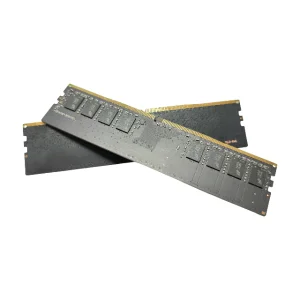
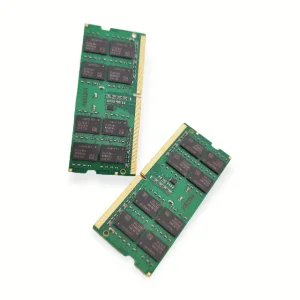
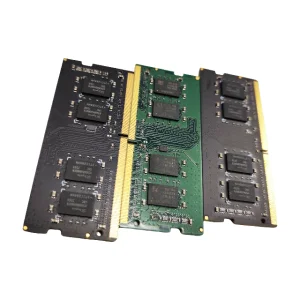
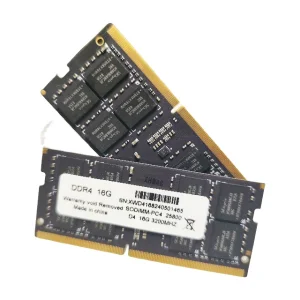
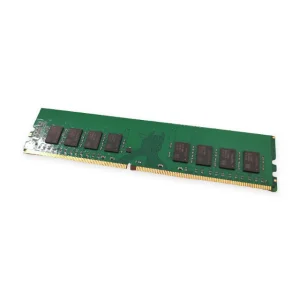
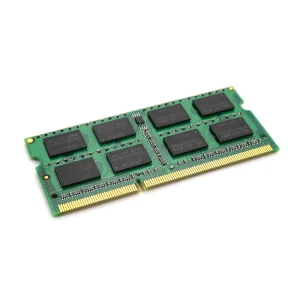
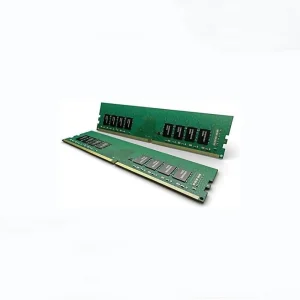
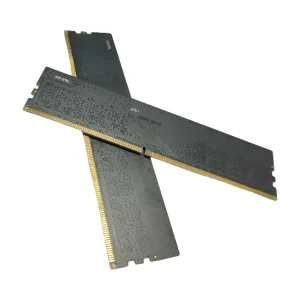
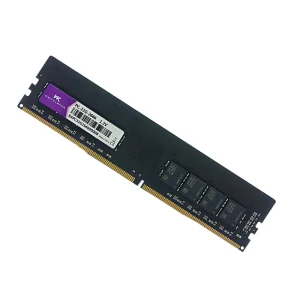
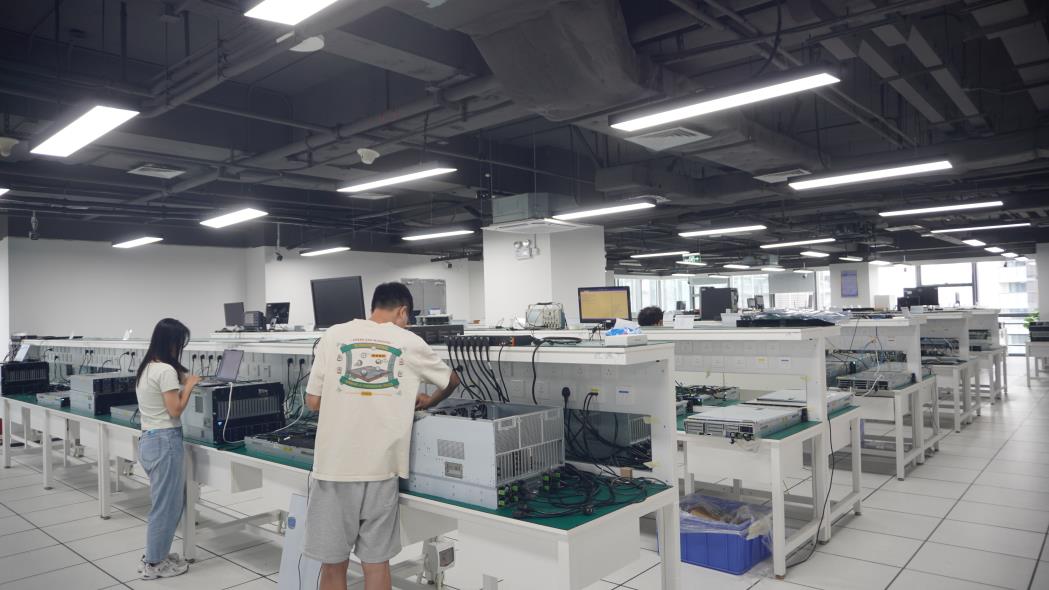
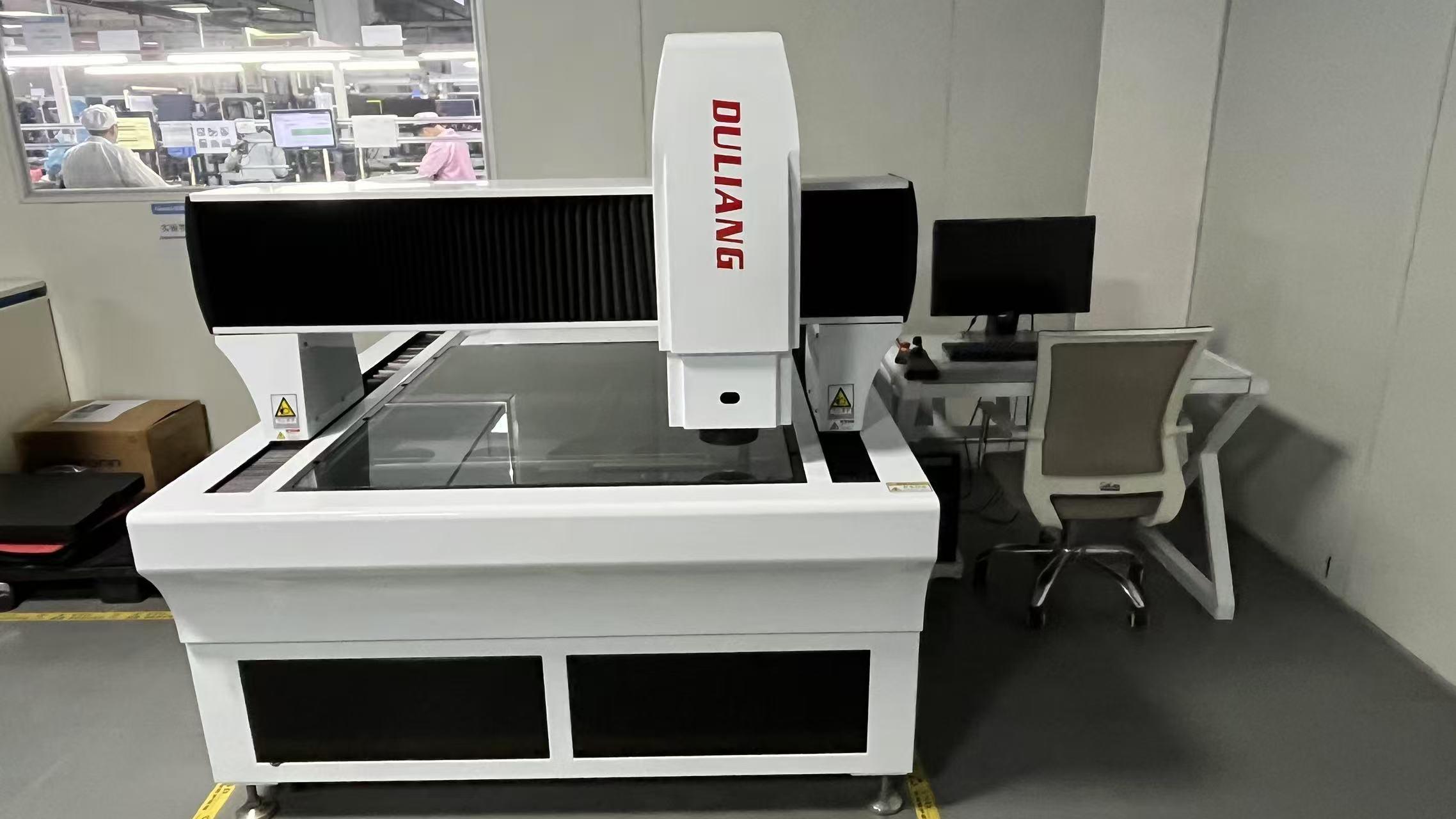
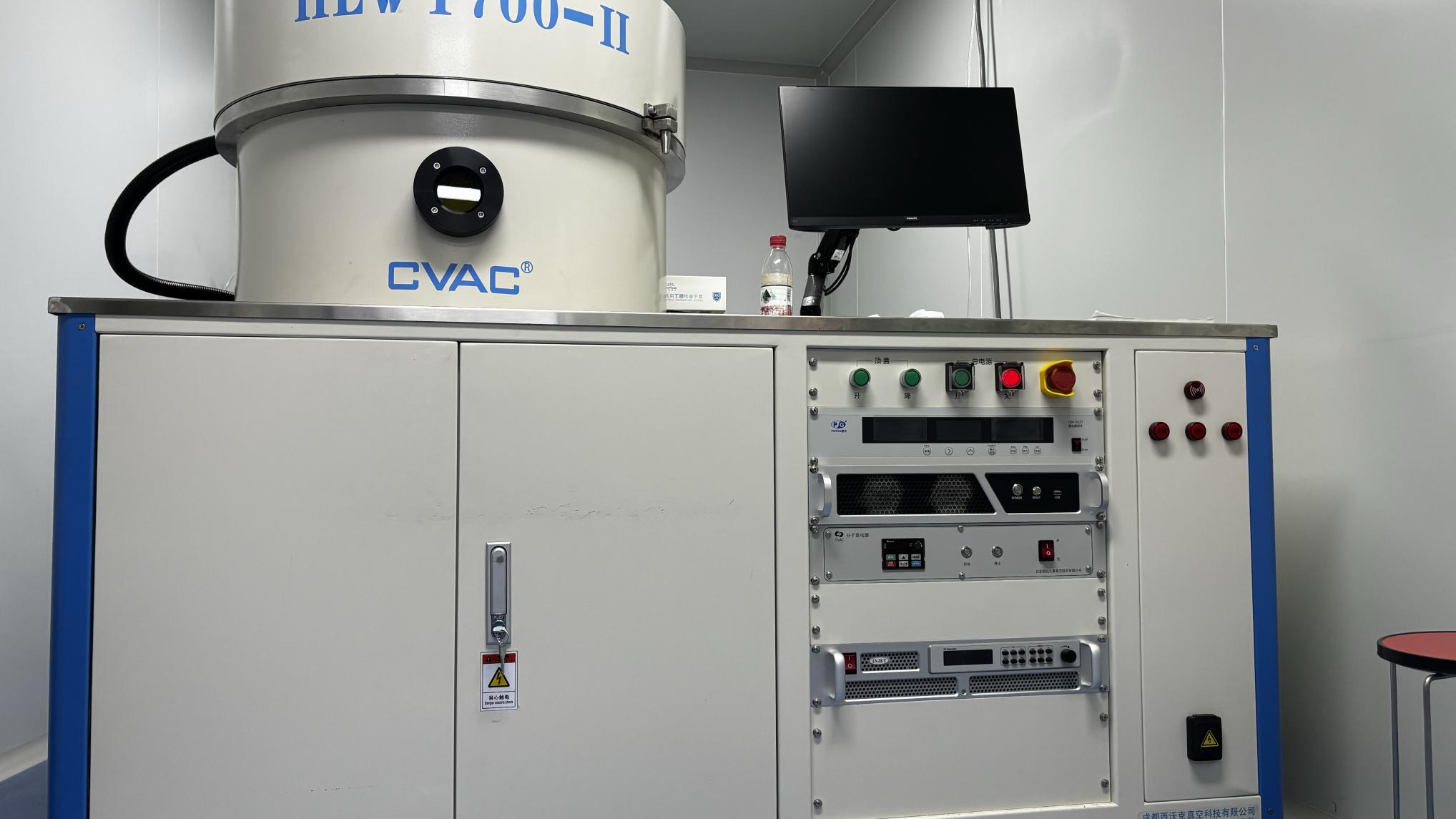
Founded in 2017, Memvora Electronics Technology Co., Ltd. is a professional manufacturer specializing in high-performance DDR5 memory modules, dedicated to delivering reliable memory solutions for consumer, industrial, enterprise, and embedded applications worldwide. With a modern manufacturing facility covering 386㎡, we combine advanced production equipment, strict quality management, and experienced engineering expertise to provide stable, high-speed memory products for global OEM and ODM partners.
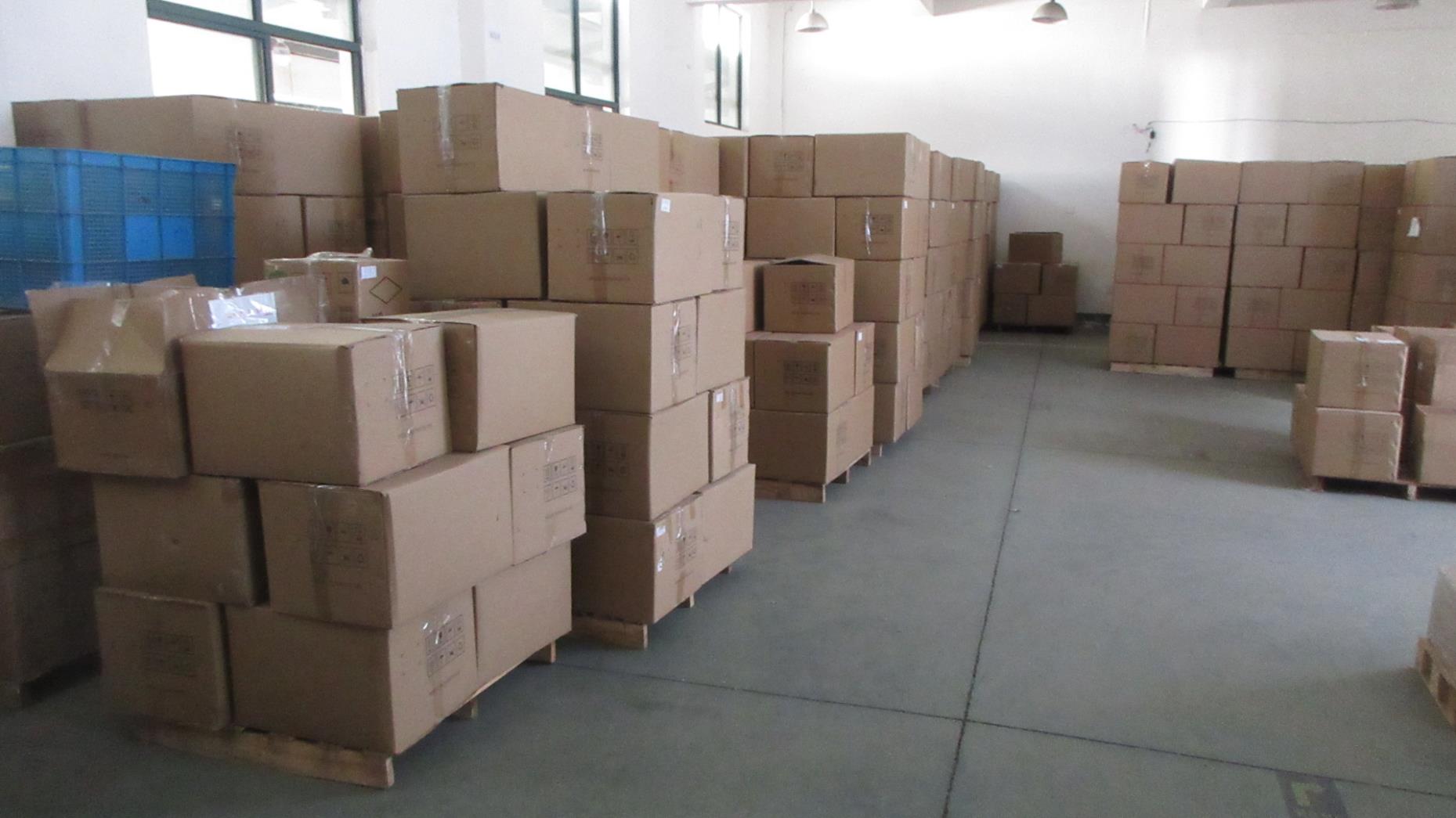
Since entering the international market, Memvora has accumulated 7 years of export experience, serving customers across North America, Europe, Southeast Asia, the Middle East, and South America. Our annual export revenue exceeds US$18.6 million, supported by a strong global supply chain and long-term partnerships with more than 1,280 component suppliers and business partners.
With 14 years of industry experience, our team continuously invests in technology innovation and product development. Our R&D department consists of 126 professional engineers who focus on developing next-generation DDR5 memory solutions with higher speed, lower latency, and enhanced reliability. Last year alone, we successfully launched 86 new memory products to meet the evolving needs of gaming, AI computing, industrial automation, and enterprise servers.
Quality is the foundation of everything we do. Every product undergoes 100% functional testing, burn-in testing, compatibility testing, signal integrity testing, and aging tests before shipment. Our dedicated quality control team of 42 inspectors ensures every memory module meets rigorous international quality standards and delivers long-term stable performance.
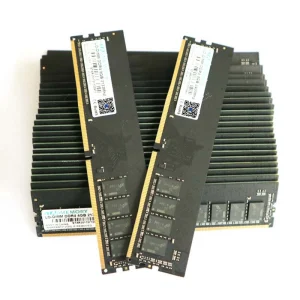
Memvora provides flexible OEM, ODM, private label, custom capacity, PCB color, heat spreader design, firmware optimization, and packaging customization services to meet different market requirements. Backed by a responsive engineering team and efficient production management, we help customers shorten development cycles and accelerate product launches.
Today, Memvora serves a diverse customer base including memory brands, computer manufacturers, industrial equipment suppliers, system integrators, distributors, wholesalers, and e-commerce retailers. Through continuous innovation, reliable quality, and customer-focused service, we are committed to becoming a trusted global partner for advanced DDR5 memory manufacturing and customized DRAM solutions.
 Memvora