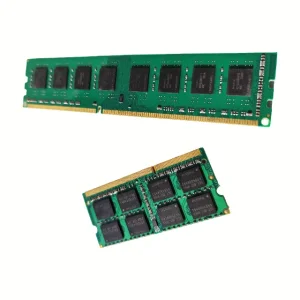
Direct factory supply of high-performance components utilizing advanced adhesive packaging processes.
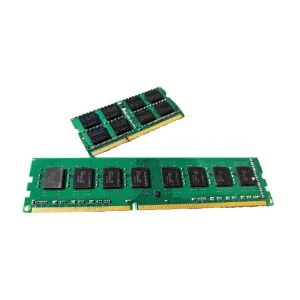
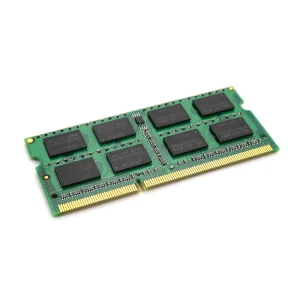
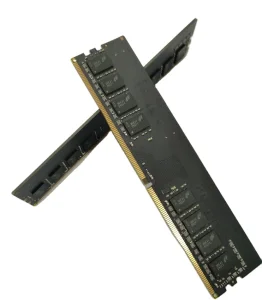
In the rapidly advancing arena of microelectronics and surface mount technology (SMT), electrically conductive adhesives (ECAs) have transitionally evolved from niche alternatives to mission-critical assembly agents. As modern circuit architectures shrink to accommodate smaller packages, traditional lead-free solder alloys frequently hit physical performance boundaries. Challenges such as high thermal stress during reflow, brittle intermetallic compounds, and micro-spacing bridging demand more robust, elastic, and conductive joint solutions.
This is where high-spec CE Certified Conductive Adhesives come to the forefront. Formulated primarily with polymer matrices—typically high-strength epoxy or silicone resins—and loaded with micro or nano-scale conductive fillers such as pure silver (Ag), nickel (Ni), or gold-coated polymers, these adhesives deliver simultaneous mechanical bonding and electrical path establishment. By securing CE (Conformité Européenne) certification, suppliers guarantee that these chemical formulas meet stringent EU safety, health, and environmental protection requirements (such as RoHS and REACH regulations), making them fully suitable for international supply chains.
Founded in 2017, Memvora Electronics Technology Co., Ltd. is a professional manufacturer specializing in high-performance DDR5 memory modules and advanced electronic assembly materials. Operating a modern manufacturing facility covering 386㎡, we merge top-tier production equipment, strict quality management, and experienced engineering expertise to provide highly stable, high-speed memory modules, computer hardware, and structural thermal solutions for global OEM and ODM partners.
Backed by 7 years of direct export experience, Memvora services critical electronics corridors across North America, Europe, Southeast Asia, the Middle East, and South America. With 14 years of collective industry experience embedded in our leadership, our dedicated R&D department consisting of 126 professional engineers continuously refines the synergy between advanced raw chemical materials—such as conductive adhesives—and our end-product PCBA outputs. In the last year alone, our research teams designed and introduced 86 new products, bridging the gap between material science and high-speed computing hardware.
Engineering procurement teams must evaluate whether isotropic or anisotropic conductivity is required for their specific application. The table below represents a core technical decision matrix for engineering departments sourcing from certified Chinese factories.
| Adhesive Type | Conductive Filler Material | Electrical Axis | Common Application Scenes | Typical Curing Profile |
|---|---|---|---|---|
| Isotropic Conductive Adhesives (ICA) | Silver (Ag) Flakes / Silver Plated Copper | 3D (All Directions) | Die attach, SMD mounting, PCB repair, BGA ball replacement | 80°C - 150°C (30-60 mins) |
| Anisotropic Conductive Adhesives (ACA / ACF) | Gold-coated polymer spheres (micro-scale) | Z-Axis Only | LCD glass bonding, fine-pitch flex-to-board connections | 140°C - 180°C (10-15 secs under pressure) |
| Thermally & Electrically Conductive Epoxies | Alumina, Silver, Boron Nitride mixes | Simultaneous Thermal + Electrical | High-power LED heatsinks, CPU server cooler assembly | Room temp to 120°C (oven cured) |
Our silver-filled epoxy matrices achieve volume resistivity ratings as low as 1 x 10⁻⁴ Ω·cm, ensuring excellent electrical connections that prevent signal attenuation even in high-frequency DDR5 and high-speed data transmission lines.
Formulated to withstand structural vibrations and thermal expansion mismatches, delivering mechanical shear strength values exceeding 12 MPa on common FR4, copper, and gold-plated PCB substrates.
Every batch undergoes stringent gas chromatography testing to ensure compliance with hazardous substance directives, guaranteeing zero lead (Pb), mercury (Hg), or cadmium (Cd) content.
Sourcing conductive adhesives from certified Chinese factories offers significant strategic benefits for global electronics manufacturers. With the consolidation of raw material chemical supply hubs and massive domestic SMT assembly markets, China-based manufacturers are uniquely positioned to offer unmatched speed, cost-effectiveness, and customization.
Whether your application demands low-temperature curing profiles (e.g., <80°C for heat-sensitive plastics) or specific viscosity index tweaks for automated jet-dispensing machines, our expert formulation engineers can adjust the polymer-to-filler ratios within 5 to 7 business days.
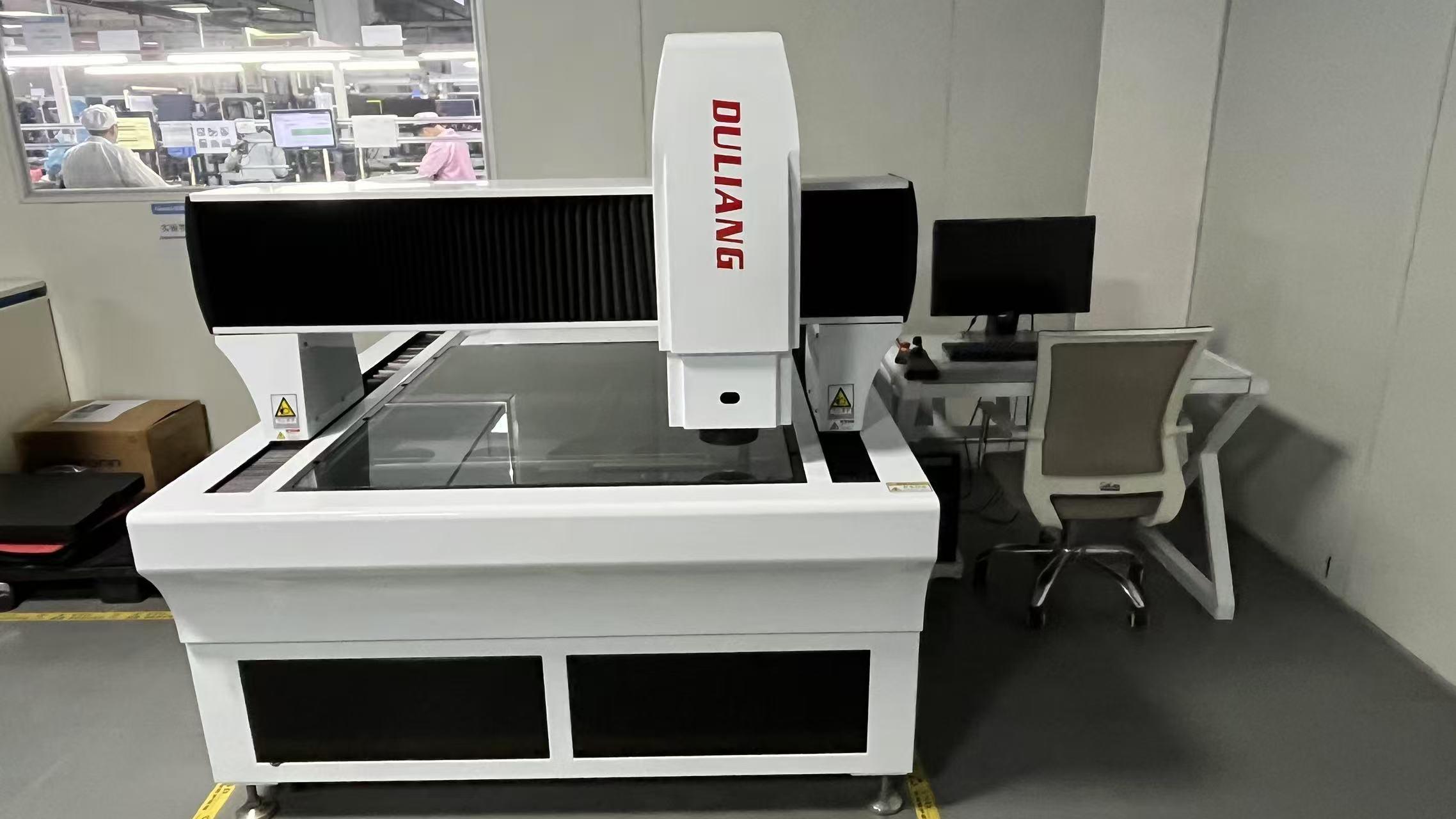
At Memvora, quality is paramount. Every batch of material goes through rigorous validation stages: differential scanning calorimetry (DSC) to confirm curing behavior, thermogravimetric analysis (TGA), compatibility checks, and environmental chamber aging runs monitored by our team of 42 QC inspectors.
Conductive adhesives containing reactive epoxy groups must be shipped at controlled sub-zero temperatures (usually -40°C to -20°C) to prevent premature curing. We work with certified cold-chain carriers to ensure your products arrive in perfect condition, complete with continuous temperature loggers.
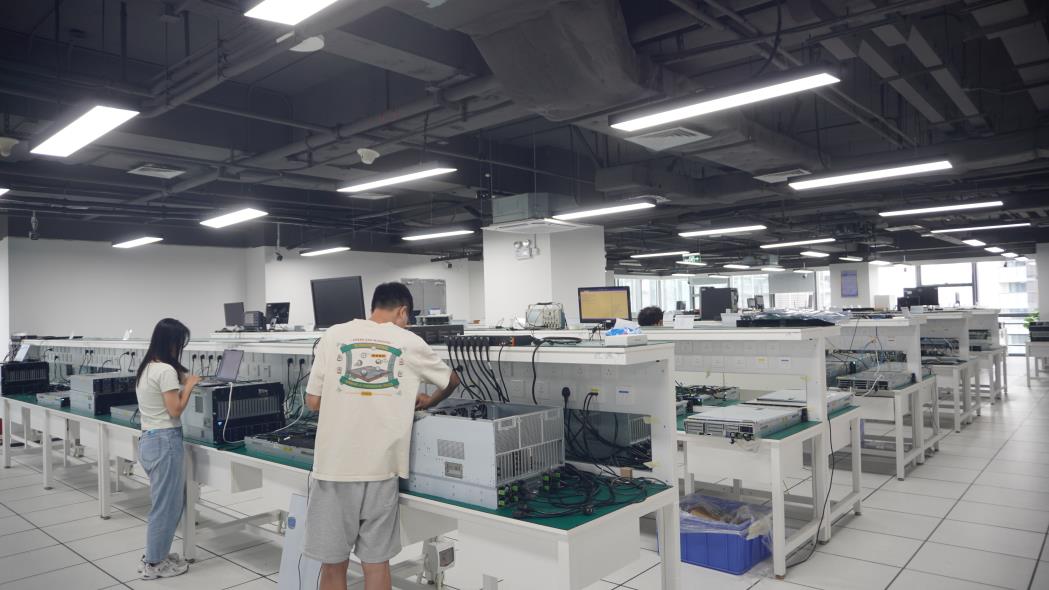
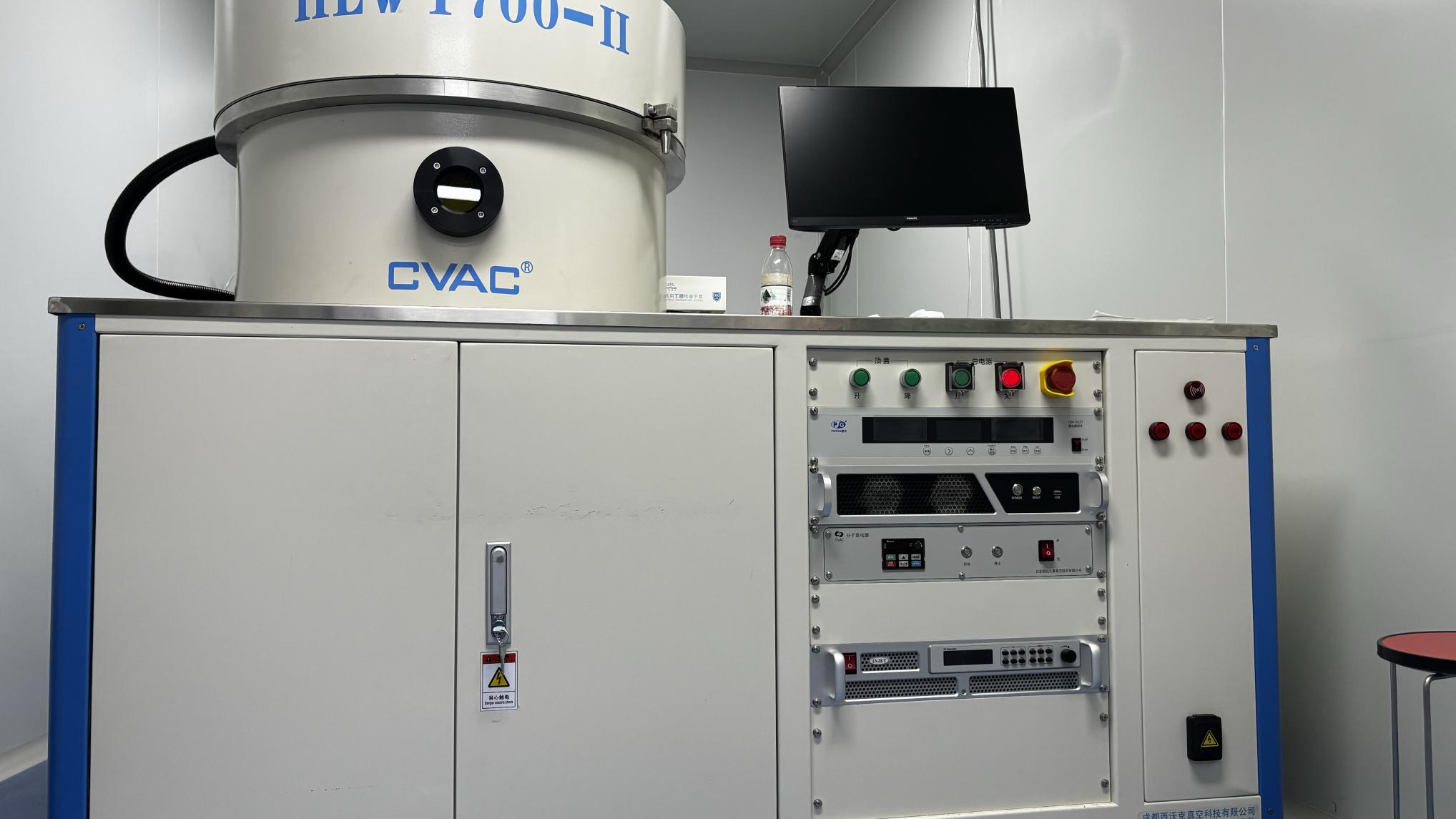
Our 386㎡ production facility utilizes state-of-the-art automated mixing, degassing, and packaging equipment to guarantee homogeneous filler distribution and bubble-free packaging.
As the electronics industry pivots toward green manufacturing and high-frequency communication protocols (5G, 6G, and AI edge computing servers), the market demand for conductive adhesives is experiencing a compound annual growth rate (CAGR) of over 8.2%. Below are the key scenarios driving this technology.
Autonomous driving hardware relies on a complex array of radar, lidar, and camera sensor modules. Because these components are exposed to continuous engine vibration and harsh thermal cycling (-40°C to +125°C), standard brittle solders are highly prone to fatigue failure. Flexible conductive adhesives absorb this thermal-mechanical stress, preventing micro-cracking and maintaining a reliable electrical path.
Smartwatches, physiological monitoring patches, and flexible OLED screens require conductive paths on plastic substrates (such as polyimide or PET). These substrates melt or warp under standard reflow soldering temperatures (>220°C). Isotropic conductive adhesives that cure below 120°C enable high-speed connections on flexible, heat-sensitive materials.
High-performance DDR5 memory modules require ultra-low parasitic capacitance and inductance to run stable speeds up to 6400MT/s and beyond. Using silver conductive adhesives for BGA/LGA underfills reduces electrical signal reflection and helps dissipate the heat generated by the dense chip arrangement.
Technical answers to common questions about conductive adhesives and supply procedures.
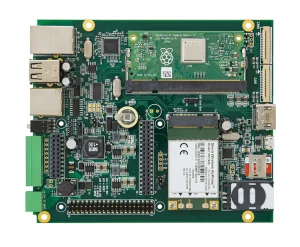
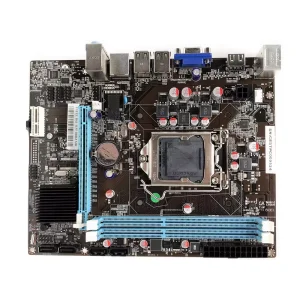
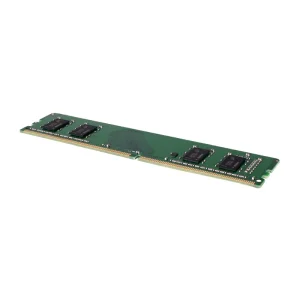
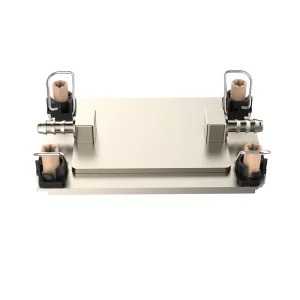
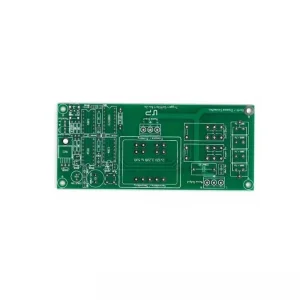
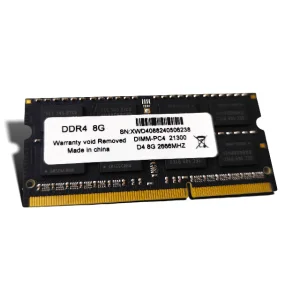
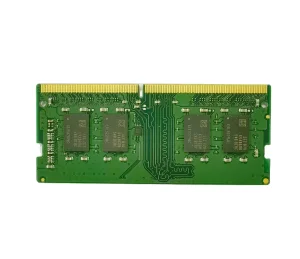
Complementary computer hardware, heatsinks, server components, and PCB assemblies.

 Memvora