High-efficiency driver modules, structural aluminum PCBs, and performance cooling units designed to maintain optimal junction temperature for UVC LED arrays in tropical climates.
Over the last decade, Thailand has positioned itself as a primary industrial hub in Southeast Asia, with rapid advancements in food processing, tourism, electronics fabrication, and public healthcare. This industrial expansion, coupled with tropical humidity and water treatment demands, has catalyzed an unprecedented shift towards Ultraviolet-C (UVC) LED sterilization technologies.
Traditional low-pressure mercury vapor lamps are being phased out in compliance with the Minamata Convention on Mercury. Thai factories and developers are actively seeking solid-state UVC LED modules. These modules offer instant-on operation, compact form factors, and zero hazardous chemicals, aligning with Thailand's BCG (Bio-Circular-Green) Economic Model.
Unlike visible light LEDs, UVC LEDs convert only 2% to 5% of input electrical energy into UV photons. The remaining 95%+ is immediately transformed into heat. If the junction temperature of the LED chip exceeds 85°C, its optical power drops dramatically, and its lifespan is cut short by thousands of hours.
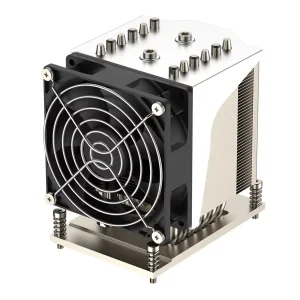
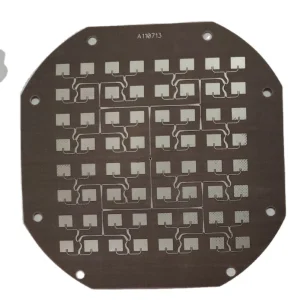
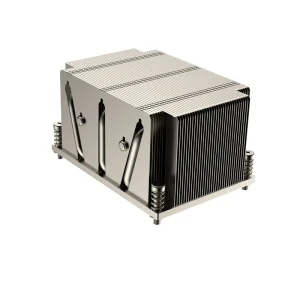
By combining custom Aluminum PCBs (offering high thermal conductivity of up to 3.0 W/mK) with heavy-duty heat sink assemblies, our modules ensure that high-power industrial installations in Thailand maintain consistent UV dosage output even under continuous, multi-shift operating cycles.
Engineered solutions solving disinfection, sanitation, and biological growth issues in major localized industries.
Integrating high-output UVC LED modules directly into commercial in-line water flows in locations like Bangkok and Samut Prakan. Effectively neutralizes chlorine-resistant pathogens like Cryptosporidium without altering taste or chemical compositions.
Addressing the stringent hygiene demands of the Eastern Economic Corridor (EEC) food manufacturing plants. High-intensity 265nm UVC rays run along fast-moving packaging lines to disinfect plastic containers, seals, and processing conveyor belts instantly.
Large hotels and luxury resorts in Phuket, Chiang Mai, and Pattaya rely on centralized HVAC disinfection systems. Our modules, complete with active thermal controls, destroy mold spores and virus loads circulating in high-volume ventilation units.
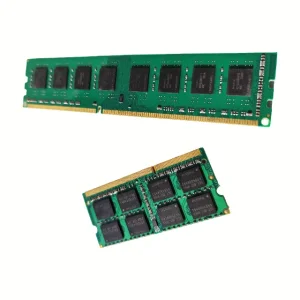
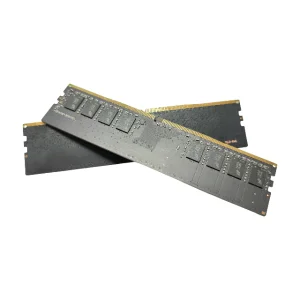
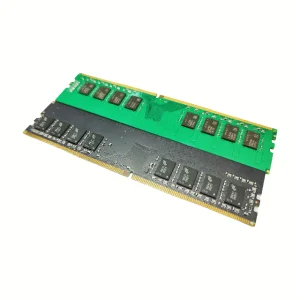
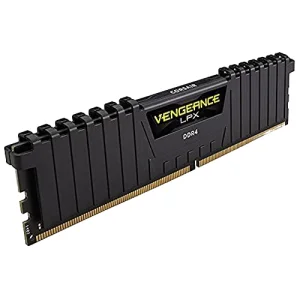
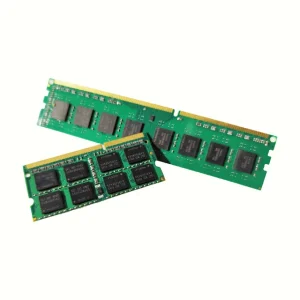
Founded in 2017, Memvora Electronics Technology Co., Ltd. is a professional manufacturer specializing in high-performance DDR5 memory modules, dedicated to delivering reliable memory solutions for consumer, industrial, enterprise, and embedded applications worldwide. With a modern manufacturing facility covering 386㎡, we combine advanced production equipment, strict quality management, and experienced engineering expertise to provide stable, high-speed memory products for global OEM and ODM partners.
Since entering the international market, Memvora has accumulated 7 years of export experience, serving customers across North America, Europe, Southeast Asia, the Middle East, and South America. Our annual export revenue exceeds US$18.6 million, supported by a strong global supply chain and long-term partnerships with more than 1,280 component suppliers and business partners.
With 14 years of industry experience, our team continuously invests in technology innovation and product development. Our R&D department consists of 126 professional engineers who focus on developing next-generation DDR5 memory solutions with higher speed, lower latency, and enhanced reliability. Last year alone, we successfully launched 86 new memory products to meet the evolving needs of gaming, AI computing, industrial automation, and enterprise servers.
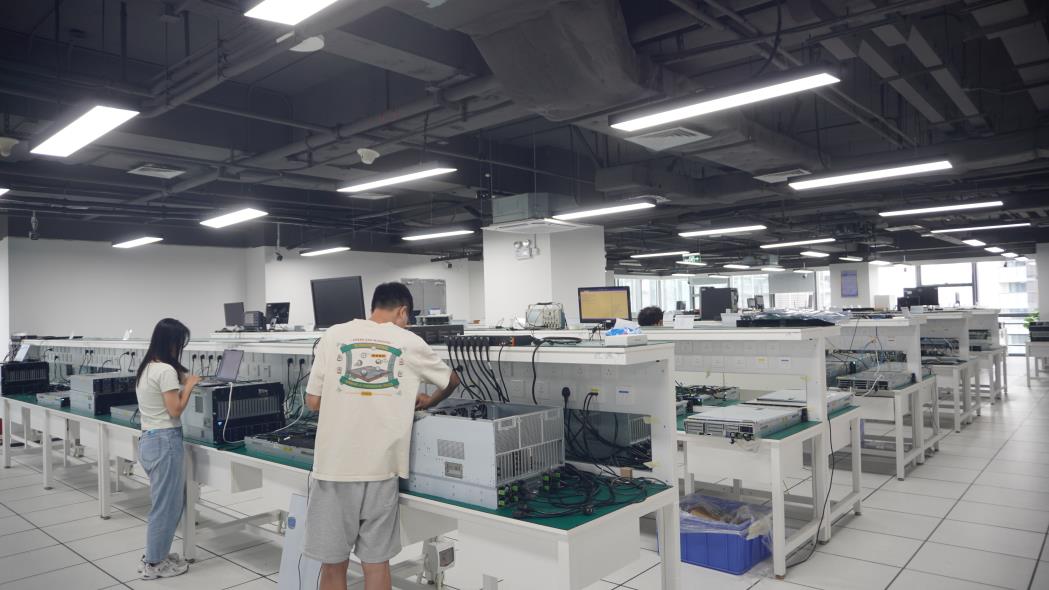
Quality is the foundation of everything we do. Every product undergoes 100% functional testing, burn-in testing, compatibility testing, signal integrity testing, and aging tests before shipment. Our dedicated quality control team of 42 inspectors ensures every memory module meets rigorous international quality standards and delivers long-term stable performance.
Memvora provides flexible OEM, ODM, private label, custom capacity, PCB color, heat spreader design, firmware optimization, and packaging customization services to meet different market requirements. Backed by a responsive engineering team and efficient production management, we help customers shorten development cycles and accelerate product launches.
Today, Memvora serves a diverse customer base including memory brands, computer manufacturers, industrial equipment suppliers, system integrators, distributors, wholesalers, and e-commerce retailers. Through continuous innovation, reliable quality, and customer-focused service, we are committed to becoming a trusted global partner for advanced DDR5 memory manufacturing and customized DRAM solutions.
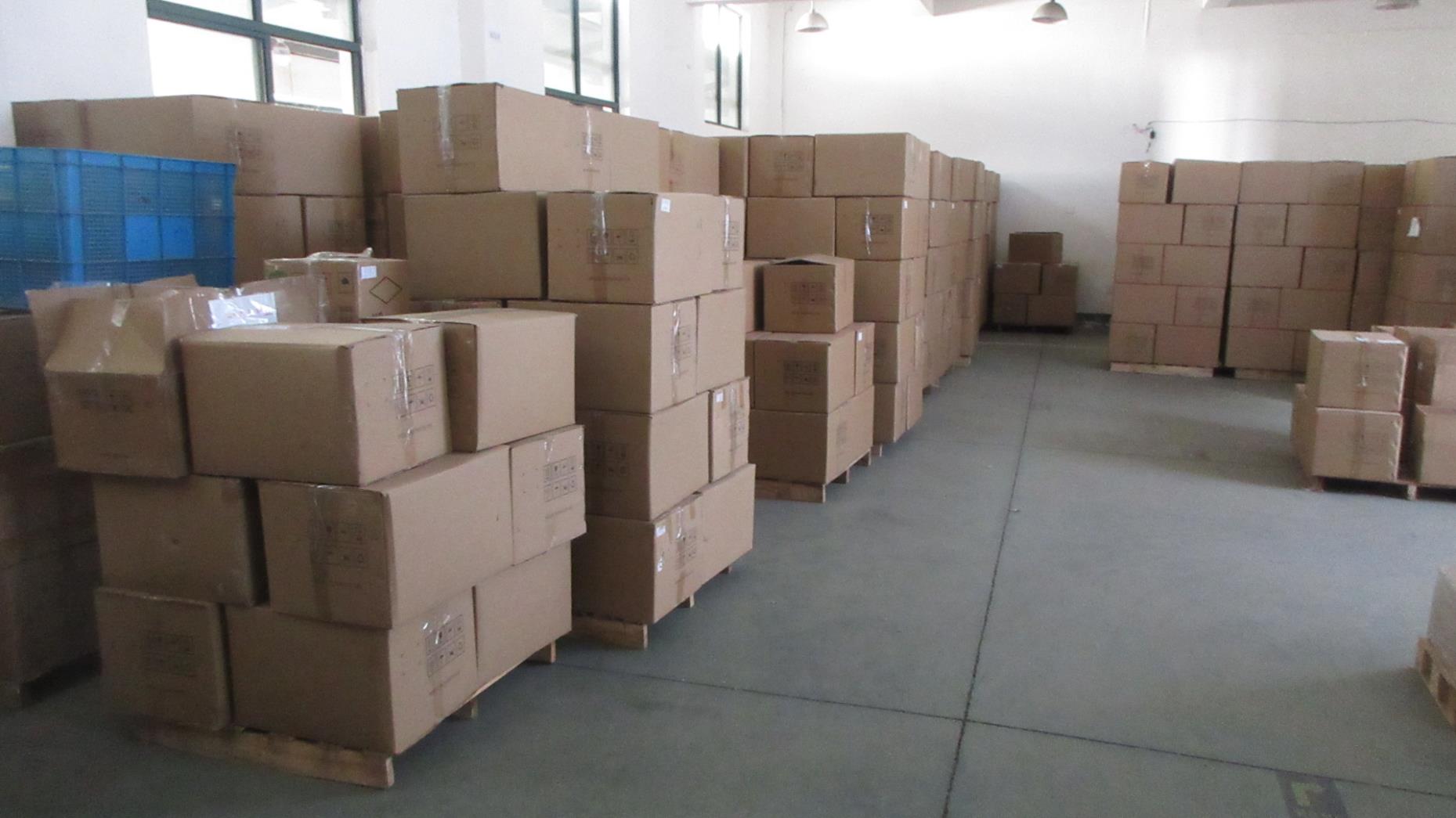
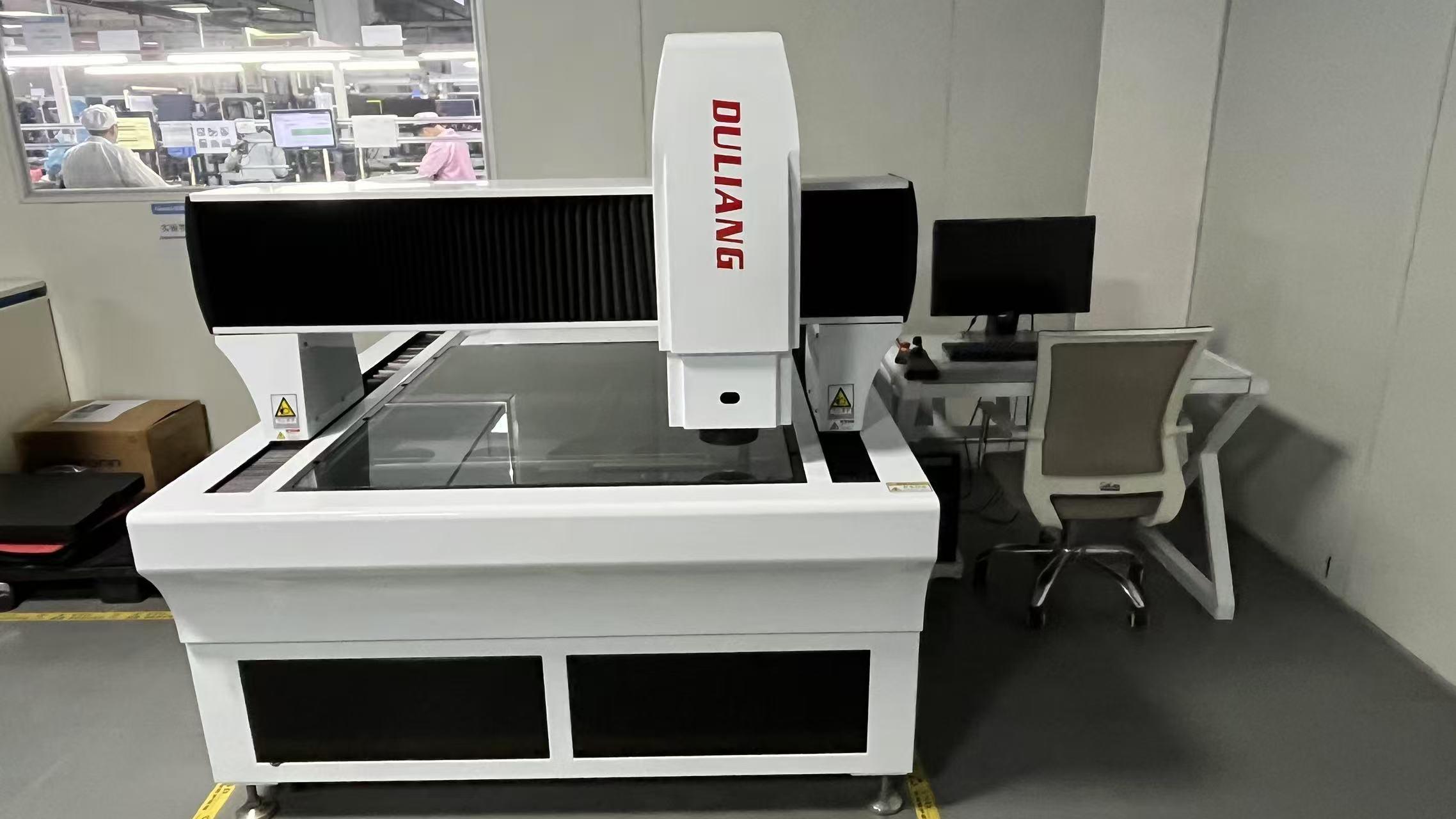
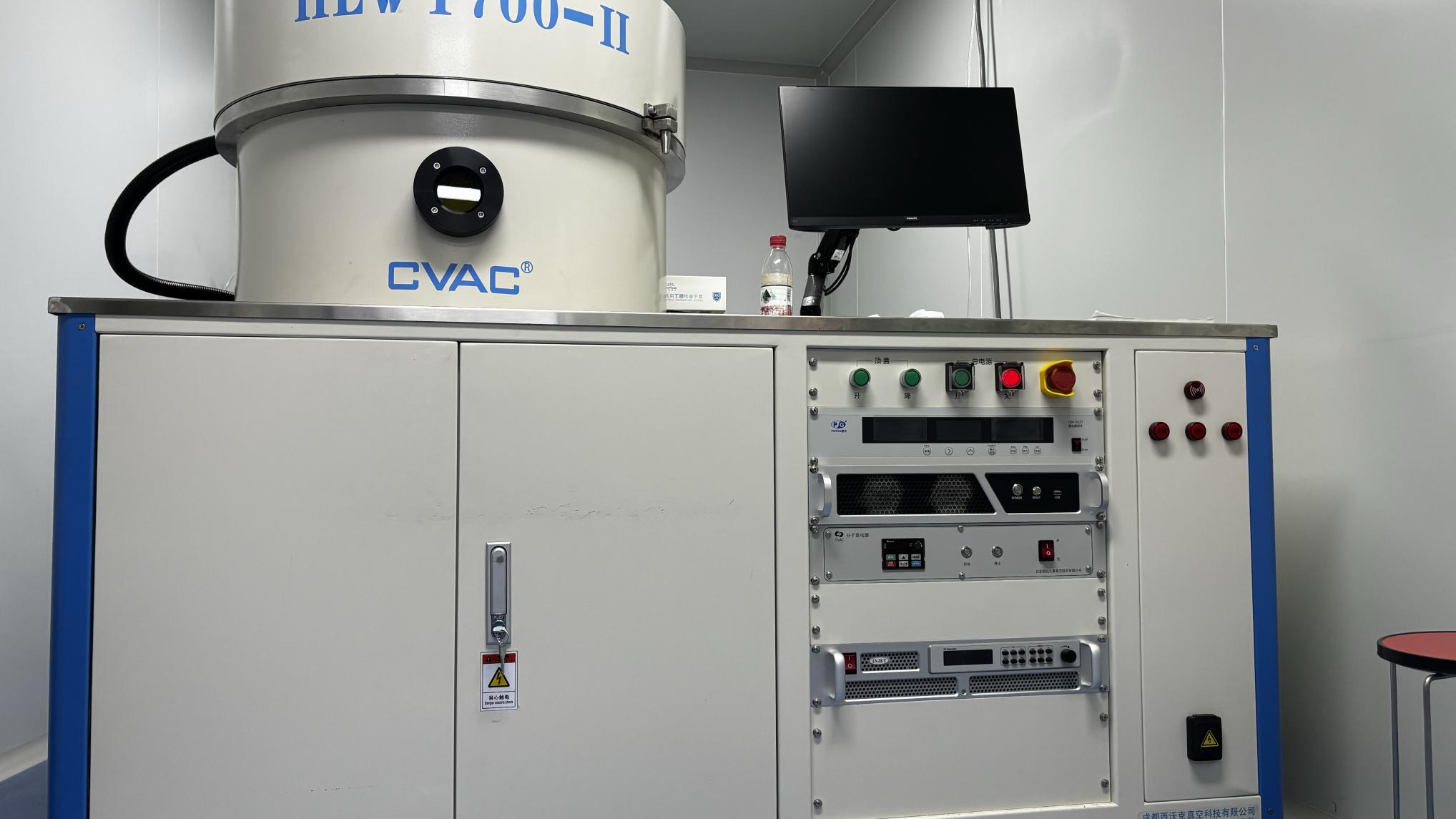
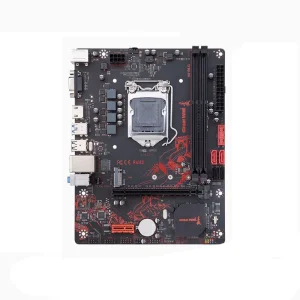
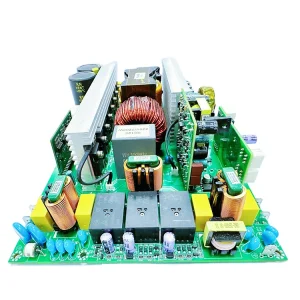
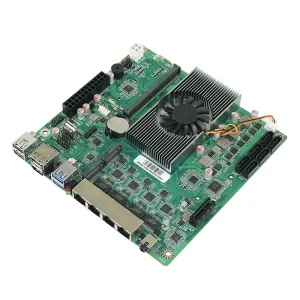
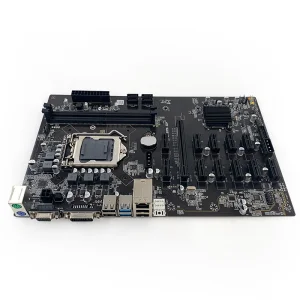
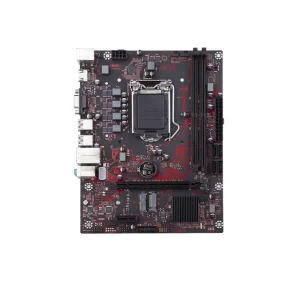
Our manufacturing pipeline bridges the industrial powerhouses of Shenzhen and Dongguan directly to projects in Bangkok, Rayong, and Chonburi. Through this synergy, we provide high-performance driving motherboards, thermal heatsinks, and custom electronics at scale, ensuring robust material sourcing, reliable supply channels, and quick custom prototyping.
We address key regulatory and localized demands within Thailand, ensuring seamless integration:
If you are procuring technical hardware parts, drive control boards, or thermal modules for integrated systems, keep these parameters in mind:
Select high-durability components, thermal assemblies, and smart driving controllers built to endure rigorous commercial and industrial operations in Thailand.
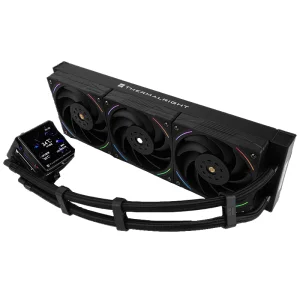
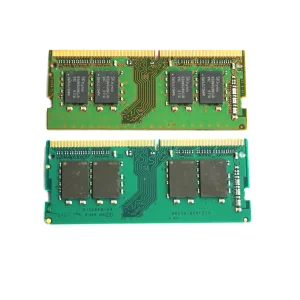
Answers to key questions concerning UVC module design, driver compatibility, and purchasing for the Thai industrial market.
The optimal germicidal absorption spectrum for bacterial and viral DNA peaks between 260nm and 265nm. However, since UVC LEDs emitting at 270nm to 275nm often show better electrical efficiency and a longer working life, most industrial manufacturers use a blend of wavelengths to balance pathogen inactivation speed with product lifespan.
Standard FR4 fiberglass PCBs have poor thermal conductivity (around 0.25 W/mK), meaning heat remains trapped in the LED junctions. UVC modules require Aluminum PCBs or metal-core substrate PCBs. These substrates conduct heat away rapidly, keeping the operating junction temperature below critical degradation levels.
Imports are subject to the Thailand Industrial Standards Institute (TISI) regulations. Electronic controllers, drivers, and heavy cooling fans must meet local standards alongside international certifications like CE, FCC, RoHS, and UL to avoid customs delays at Thai ports.
Yes. Backed by our team of 126 engineers, we provide complete ODM services to design customized PCB layouts, integrate constant current driver circuits, and build compatible controller interfaces using high-grade storage and memory units to support automated processes.
For standardized products like active heat sinks and standard aluminum substrates, shipping typically takes 10 to 15 days via air freight, or 3 to 4 weeks via sea freight to Laem Chabang Port. Custom ODM board designs include a prototyping phase of 15 to 20 days prior to final production.
Every controller card, motherboard, and thermal assembly undergoes rigorous testing protocols, including 100% full functional testing, burn-in testing, compatibility testing, and aging tests under controlled thermal parameters. This process ensures stability and protects the system from failures in the field.
 Memvora