Engineered hardware and custom processing optimized for UVC disinfection control systems and high-power applications in Melbourne's industrial landscape.
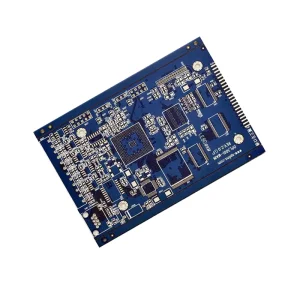
In Victoria's industrial, medical, and agricultural capitals, the demand for chemical-free, mercury-free purification is growing rapidly. From the biomedical research hubs in Parkville to the extensive food processing corridors in Melbourne's Southeast, organizations are transitioning from fragile, traditional low-pressure mercury lamps to robust solid-state UVC LED modules.
UVC LED technology offers instantaneous operation, precise wavelength targeting (260nm to 280nm for maximum germicidal efficacy), and a safe form factor that integrates seamlessly into enclosed plumbing, clinical sterilizers, and HVAC systems. As Melbourne adopts stricter environmental guidelines, relying on heavy-metal free disinfection is no longer just a strategic choice—it is a compliance necessity.
100% Mercury-free systems that conform to the Minamata Convention on Mercury, safeguarding Melbourne's local waterways and green building accreditations.
Eliminates warmup cycles, reducing power usage by drawing energy only during fluid flow or surface sterilization events.
The primary barrier to high-power UVC LED lifespan is thermal dissipation. Here is how Memvora solves this bottleneck.
By tuning the Aluminum Gallium Nitride (AlGaN) material ratio, we target the peak DNA/RNA absorption band at 265nm to 275nm. This offers disinfection kinetics that are up to 3x more effective than broadband systems.
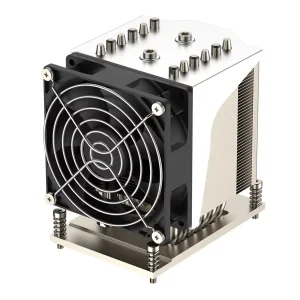
UVC LEDs typically convert only 2% to 5% of input electrical power into light; the remaining 95% is generated as heat. Utilizing high-conductivity copper substrates and customized 300W-400W server-grade heat sinks ensures the junction temperature remains below 60°C, preventing rapid performance decay.
Constant-current regulation protects the delicate AlGaN junction from voltage spikes. Intelligent driver boards enable PWM dimming, telemetry reporting (real-time power monitoring), and safe shutdown triggers if system water or air flow stops.
Company Founded
Industry R&D Experience
Annual Export Value
Professional Engineers
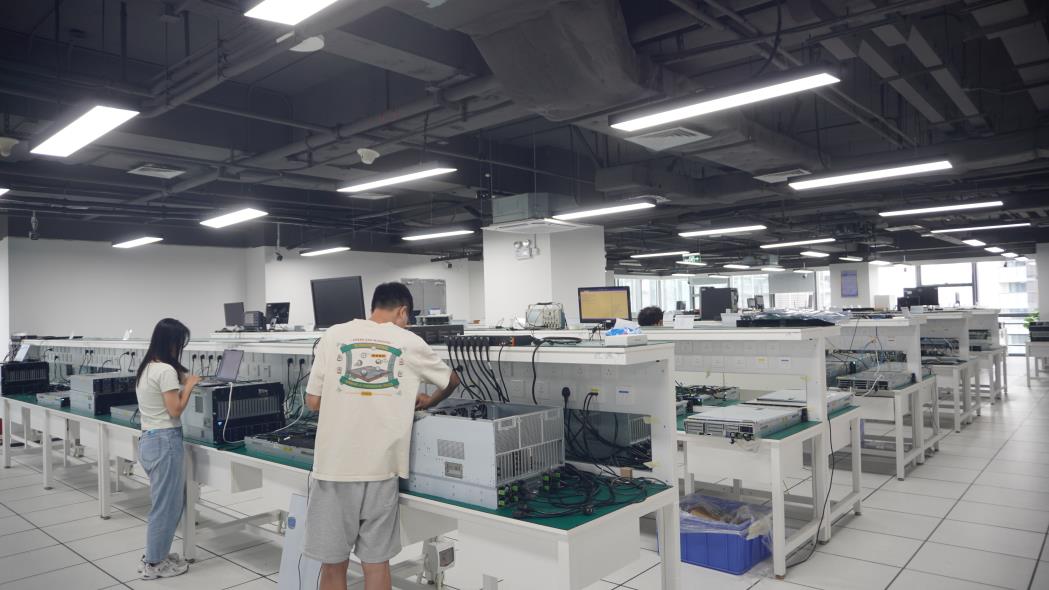
At Memvora Electronics Technology Co., Ltd., we bring enterprise-grade electronics manufacturing precision to the UVC LED assembly line. Leveraging our advanced production facility, we specialize in high-speed PCBA processing, advanced thermal control components, and custom semiconductor mounting.
By integrating strict DRAM quality standards, 100% functional testing, thermal mapping, and automated SMT placement, we ensure that every UVC module leaving our facility delivers consistent optical power output. Backed by 7 years of direct export experience, we coordinate seamlessly with Melbourne logistics networks, offering direct air-freight and ocean-freight delivery models with reliable lead times.
Our R&D department features 126 professional engineers, and we operate with a dedicated quality control team of 42 inspectors to guarantee that every single shipment conforms to CE, FCC, RoHS, and Australian SAA electrical requirements.
Providing compliant, reliable, and high-performance solutions tailored to Melbourne's municipal, commercial, and industrial ecosystems.
In Melbourne, water treatment systems must comply with strict municipal and state safety thresholds. For inline UVC LED systems used in Victoria’s agricultural, beverage, and medical cleanroom environments, keeping units certified to local plumbing codes (like the WaterMark Certification Scheme) is paramount.
Memvora works closely with Australian importers and compliance engineers to design and supply custom PCBs, aluminum/copper substrates, and cooling hardware that integrate cleanly into local enclosures. This ensures your final product complies with local regulatory systems, including electrical safety marks (RCM/SAA) and emission benchmarks.
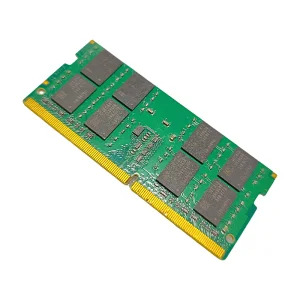
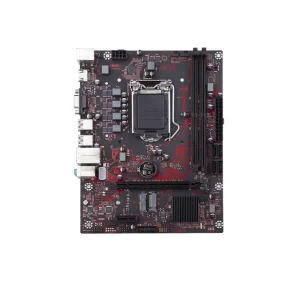
Complete your UVC system architecture with high-conductivity PCBs, processing units, and high-capacity system memory modules.
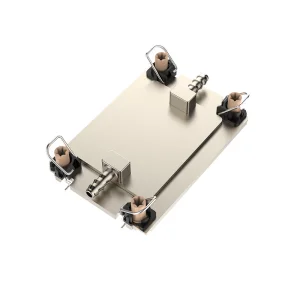
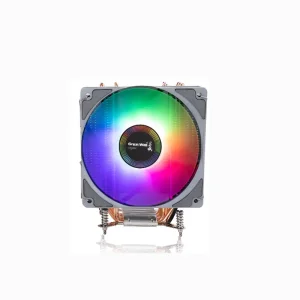
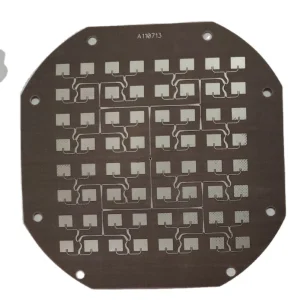
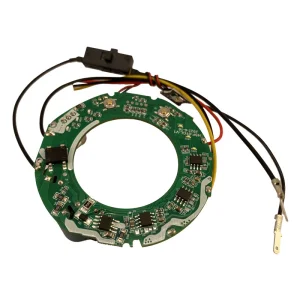
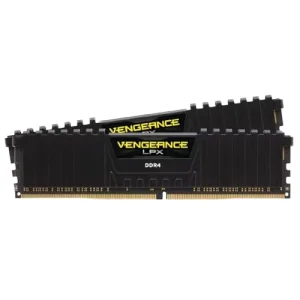
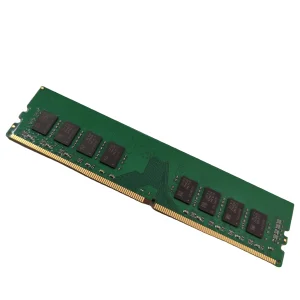
We recognize that each disinfection chamber has unique structural and thermal constraints. To accommodate this, Memvora offers comprehensive design and engineering services:
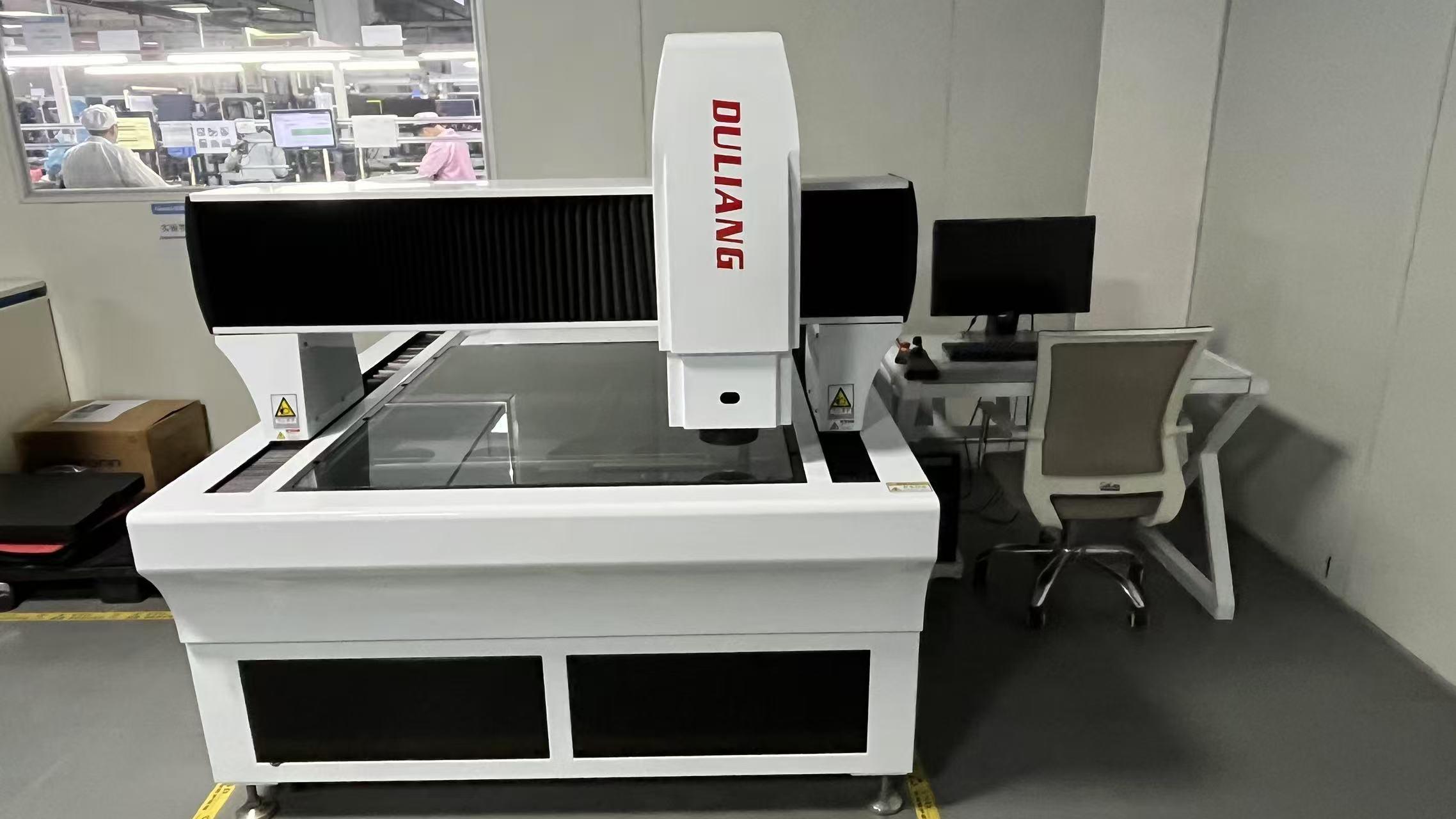
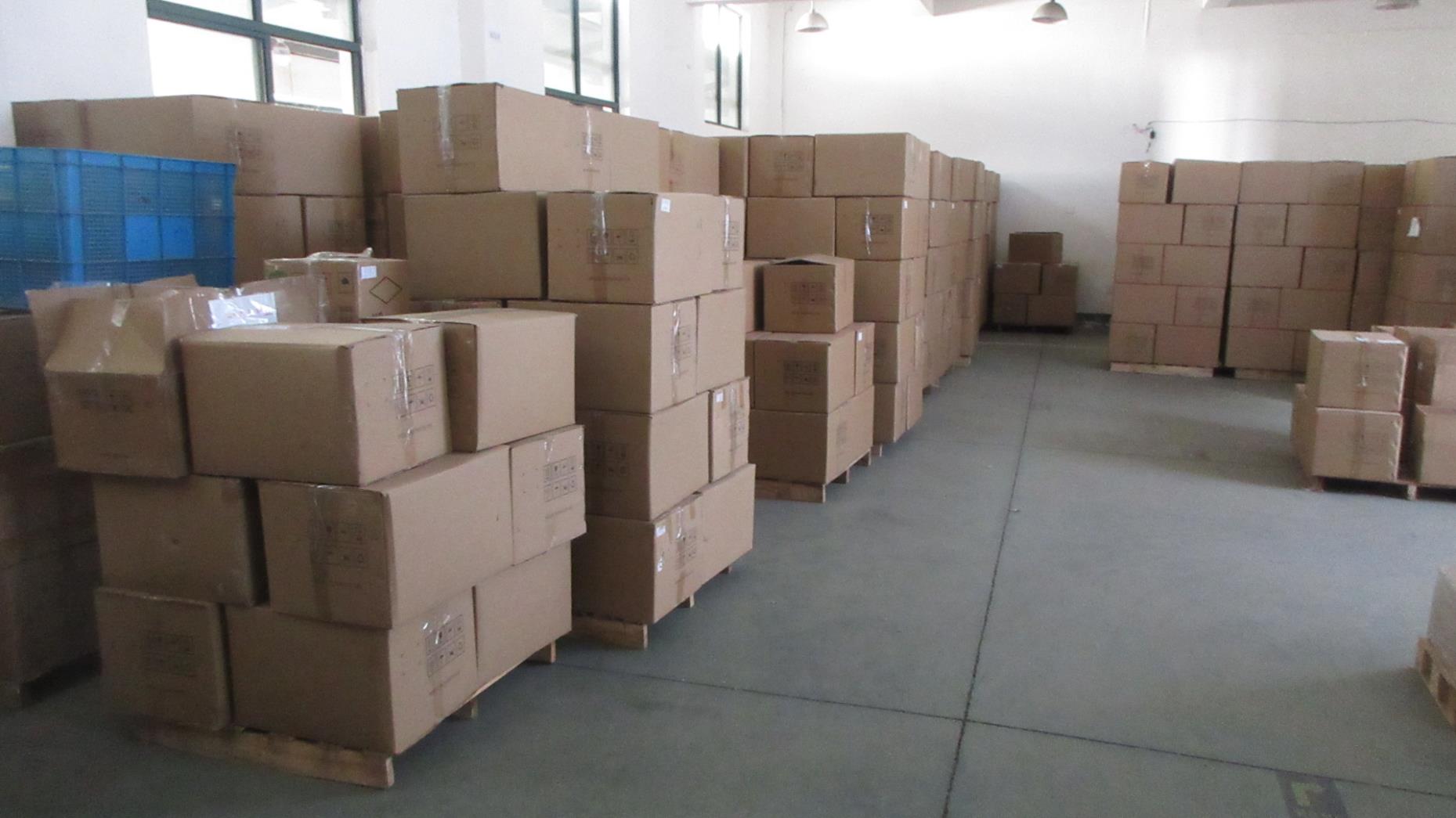
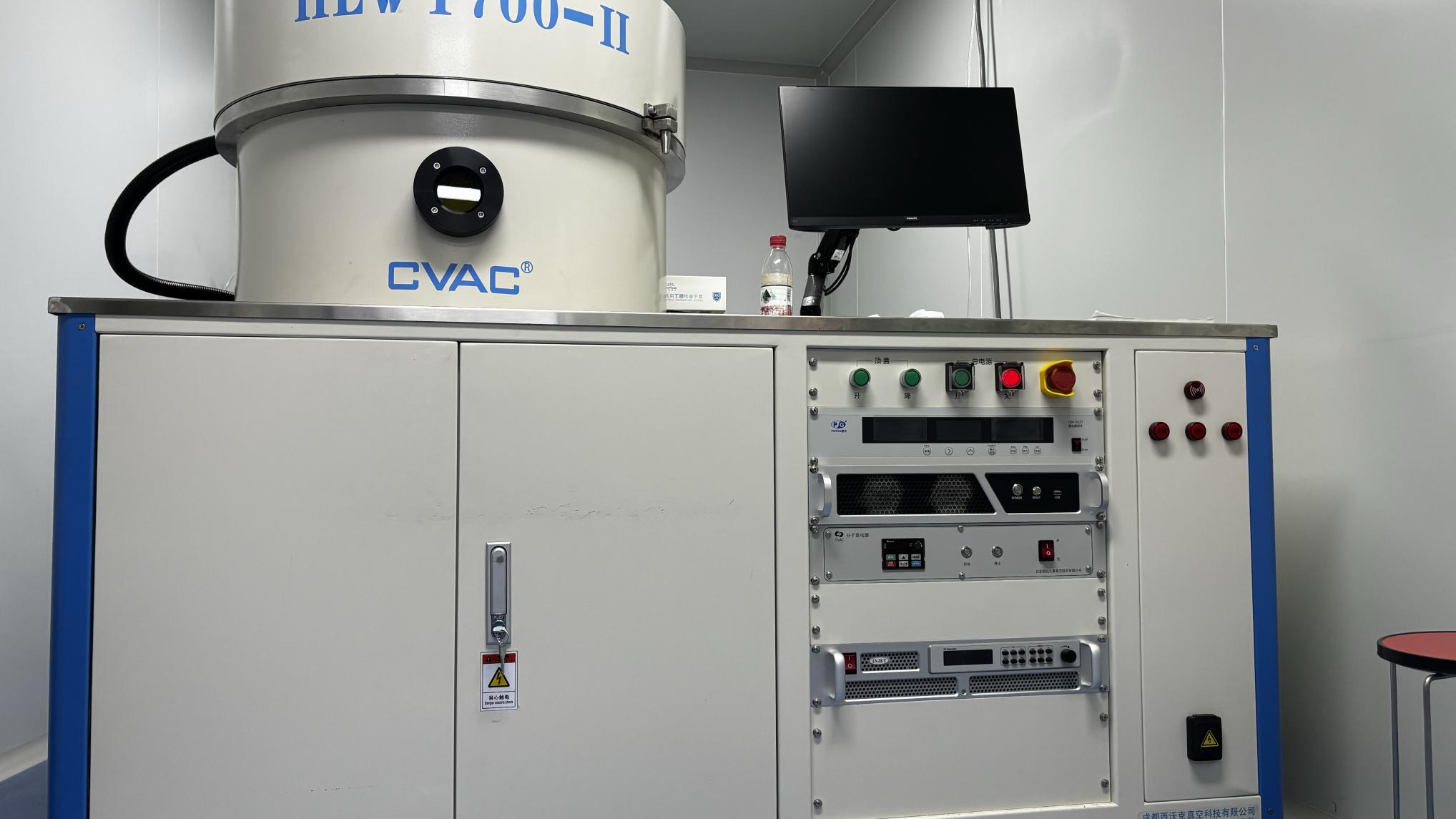
Operating a modernized facility with integrated testing protocols to ensure maximum reliability.
Answering common queries from Melbourne commercial partners, mechanical design engineers, and technical procurement specialists.
The optimal germicidal absorption spectrum for DNA/RNA inactivation centers around 260nm to 275nm. While traditional low-pressure mercury lamps are restricted to a single 253.7nm line, our AlGaN solid-state modules are precisely engineered to target 265nm to 275nm, resulting in higher sanitization efficiency per unit of optical energy.
Unlike visible blue or white LEDs, UVC LEDs have lower internal quantum efficiency. Around 95% of input power turns into heat directly at the chip junction. Without high-quality thermal interfaces (such as aluminum/copper substrate boards and active heat sinks), the junction temperature will rise rapidly, reducing optical power output and causing permanent device degradation.
Memvora maintains a strict testing regime overseen by 42 quality control inspectors. Every shipment undergoes full functional testing, burn-in verification, signal integrity analysis, and aging testing. Our hardware is built to meet CE and FCC criteria, and we provide raw design materials (such as high-conductivity PCBs and cooling arrays) that fit effortlessly into your local certified enclosures.
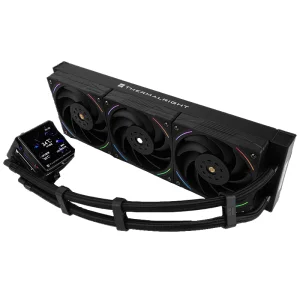
We offer end-to-end design flexibility. This includes customizing the size and shape of the metal-core PCB, matching specialized heat sinks (including liquid cooling interfaces for ultra-high-power applications), selecting high-performance drivers, and developing customized control firmware to handle dimming, timing, and integration with local telemetry networks.
UVC LED modules are far more compact, durably constructed (solid-state with no fragile glass), and operate instantly with no warmup requirement. They contain zero mercury, eliminating the risk of toxic gas contamination in building ductwork. In addition, their directional emission reduces optical losses, focusing all disinfecting light onto target cooling coils or passing air streams.
For standard thermal substrate products and stock PCB solutions, we typically dispatch orders within 5 to 10 working days. For custom OEM/ODM designs, the prototyping and validation cycle generally takes 3 to 5 weeks. We coordinate with major international air express networks and maritime shipping lines to ensure your order arrives safely at your Victoria distribution center.
Whether you are developing next-generation water filtration units, integrating sanitization loops into high-traffic building HVAC systems, or developing advanced industrial packaging sanitizers, Memvora has the engineering expertise to bring your design to life.
Send Inquiry Now Memvora