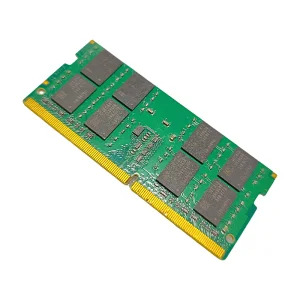
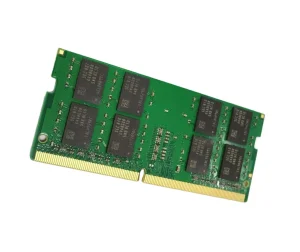
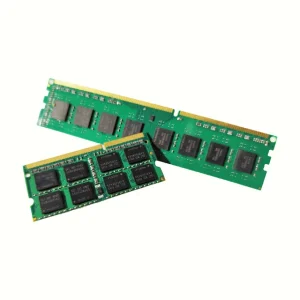
Optimized optical modules, high-frequency driving control boards, and advanced thermal management kits configured for Canadian industrial applications.
As Canada accelerates its shift away from mercury-containing lamps, the industrial and commercial disinfection sectors are rapidly adopting solid-state ultraviolet (UVC) LED technologies. This transition is motivated not only by the Minamata Convention on Mercury but also by Canada's specific climatic challenges and public health initiatives. In regions such as the Northwest Territories, Ontario, and Quebec, municipal and industrial water treatment installations face extreme freezing temperatures. Unlike mercury-vapor lamps, which lose significant operating efficiency in cold ambient environments due to drops in vapor pressure, solid-state UVC LEDs demonstrate superior optical power output stability and longer lifespans in lower temperatures.
Canadian procurement protocols, dictated by provincial regulatory authorities like the Ontario Ministry of the Environment, Conservation and Parks (MECP) and Health Canada’s Pest Management Regulatory Agency (PMRA), enforce strict validation criteria. Systems must meet specific bioassay metrics to ensure the inactivation of pathogens like *Cryptosporidium*, *Giardia*, and *E. coli*. High-density UVC LED modules engineered with wavelengths ranging from 265nm to 275nm are proven to exhibit the highest germicidal effectiveness by directly targeting the nucleic acid absorption peaks of these pathogens.
In Canadian municipal water systems, water temperatures regularly hover near 4°C. Traditional UV systems require preheating times. UVC LEDs operate at instant-on 100% optical output power, providing immediate germicidal protection. The peak absorption wavelength of DNA is 260-265nm, while RNA peaks closer to 270nm. By supplying multi-wavelength LED arrays, we maximize the log inactivation rate of target organisms.
Globally, commercial and industrial enterprises are redefining their sourcing models to balance environmental compliance with financial sustainability. The HVAC manufacturing sector in Canada is a prime example. Under ASHRAE Chapter 62.1 and 62.2 guidelines implemented across Canadian building regulations, indoor air quality (IAQ) demands continuous airstream disinfection. Designing duct systems with bulky, fragile mercury lamps is no longer viable due to high maintenance cycles, mercury contamination risks, and structural constraints.
Smart procurement directors now require modular, scalable UVC arrays that integrate seamlessly into compact fan coil units, energy recovery ventilators (ERVs), and central air handling units. By leveraging high-density UVC LED surface-mount technology (SMT), manufacturers can reduce spatial requirements by up to 85% compared to legacy fluorescent systems.
To address the demand for high-reliability components, modern Chinese exporters have deployed "Factory 4.0" initiatives. At our advanced assembly facilities, production leverages high-precision SMT placement systems, automated optical inspection (AOI), and gold-tin (AuSn) eutectic bonding. This bonding process ensures extremely low thermal resistance from the LED junction to the aluminum nitride (AlN) ceramic substrate, which is crucial for extending UVC LED lifetimes to over 20,000 operational hours.
Our facility integrates advanced component sorting and spectrophotometer testing to maintain minimal wavelength variance (within ±3nm). Combined with our 14 years of design and manufacturing experience in high-performance electronics (including high-speed memory modules, multi-layer PCBs, and advanced heat sinks), we offer Canadian buyers high-durability sub-assemblies that withstand electrical transients and extreme environmental conditions.
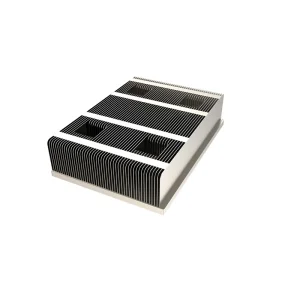
We deliver engineered UVC modules that integrate premium chipsets, optimized driver topologies, and highly efficient thermal dissipation substrates.
Every shipment destined for Canadian commercial ports undergoes rigorous testing, including thermal cycle chamber runs, spectral distribution measurements, and output degradation analysis.
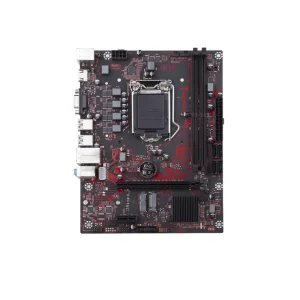
Precision electronics manufactured to coordinate UVC LED arrays, ensuring accurate power supply regulation and data communications.
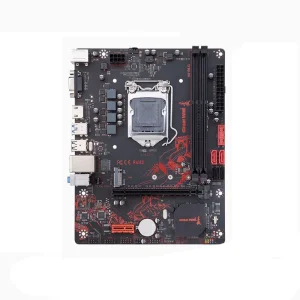
How our technical modules translate to reliable field performance across diverse Canadian industries.
Traditional mercury systems suffer drop-offs in output below 15°C. Our temperature-insensitive UVC LED modules operate consistently down to near-freezing temperatures, providing reliable secondary disinfection for rural water systems in Northern Ontario.
Our ultra-compact UVC LED arrays fit directly into standard duct dampers in Toronto high-rises, eliminating spatial constraints. These systems operate on optimized drive circuits, providing continuous disinfection of cooling coils to prevent bio-film accumulation.
With precise wavelength engineering (265nm ± 3nm), our modules provide rapid sterilization cycles in clinical cleanrooms. Engineered with high-stability controllers, they integrate with digital tracking interfaces to monitor dosage delivery in real-time.
Our lead-free, RoHS-compliant modules provide safe surface disinfection for fruit and seafood processing lines in British Columbia. Because UVC LEDs contain no mercury, they pose zero risk of chemical contamination if damaged.
Founded in 2017, Memvora Electronics Technology Co., Ltd. is a professional manufacturer specializing in high-performance DDR5 memory modules, dedicated to delivering reliable memory solutions for consumer, industrial, enterprise, and embedded applications worldwide. With a modern manufacturing facility covering 386㎡, we combine advanced production equipment, strict quality management, and experienced engineering expertise to provide stable, high-speed memory products for global OEM and ODM partners.
Since entering the international market, Memvora has accumulated 7 years of export experience, serving customers across North America, Europe, Southeast Asia, the Middle East, and South America. Our annual export revenue exceeds US$18.6 million, supported by a strong global supply chain and long-term partnerships with more than 1,280 component suppliers and business partners.
With 14 years of industry experience, our team continuously invests in technology innovation and product development. Our R&D department consists of 126 professional engineers who focus on developing next-generation DDR5 memory solutions with higher speed, lower latency, and enhanced reliability. Last year alone, we successfully launched 86 new memory products to meet the evolving needs of gaming, AI computing, industrial automation, and enterprise servers.
Quality is the foundation of everything we do. Every product undergoes 100% functional testing, burn-in testing, compatibility testing, signal integrity testing, and aging tests before shipment. Our dedicated quality control team of 42 inspectors ensures every memory module meets rigorous international quality standards and delivers long-term stable performance.
Memvora provides flexible OEM, ODM, private label, custom capacity, PCB color, heat spreader design, firmware optimization, and packaging customization services to meet different market requirements. Backed by a responsive engineering team and efficient production management, we help customers shorten development cycles and accelerate product launches.
Today, Memvora serves a diverse customer base including memory brands, computer manufacturers, industrial equipment suppliers, system integrators, distributors, wholesalers, and e-commerce retailers. Through continuous innovation, reliable quality, and customer-focused service, we are committed to becoming a trusted global partner for advanced DDR5 memory manufacturing and customized DRAM solutions.
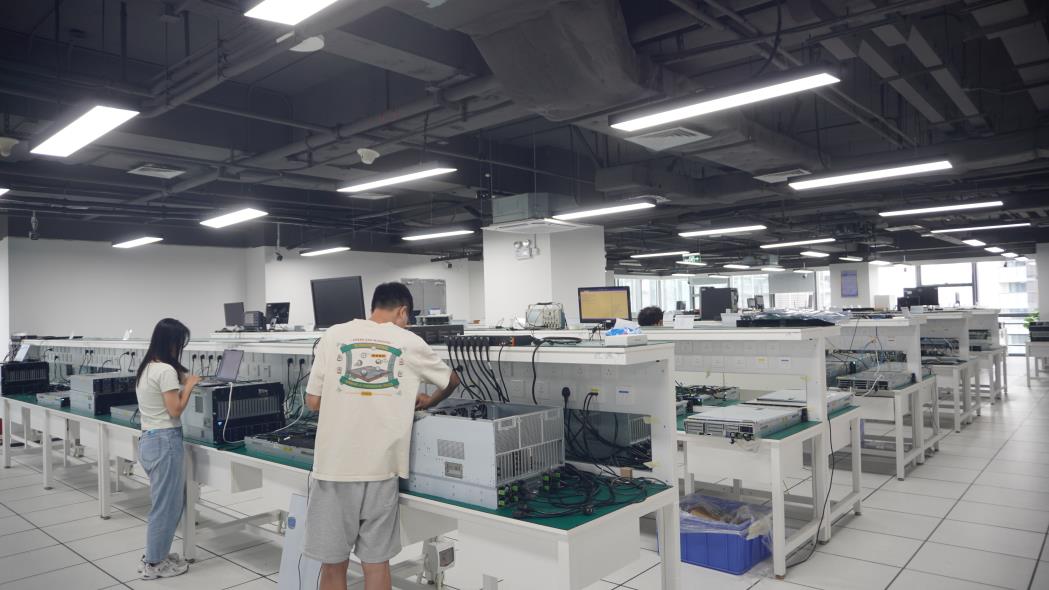
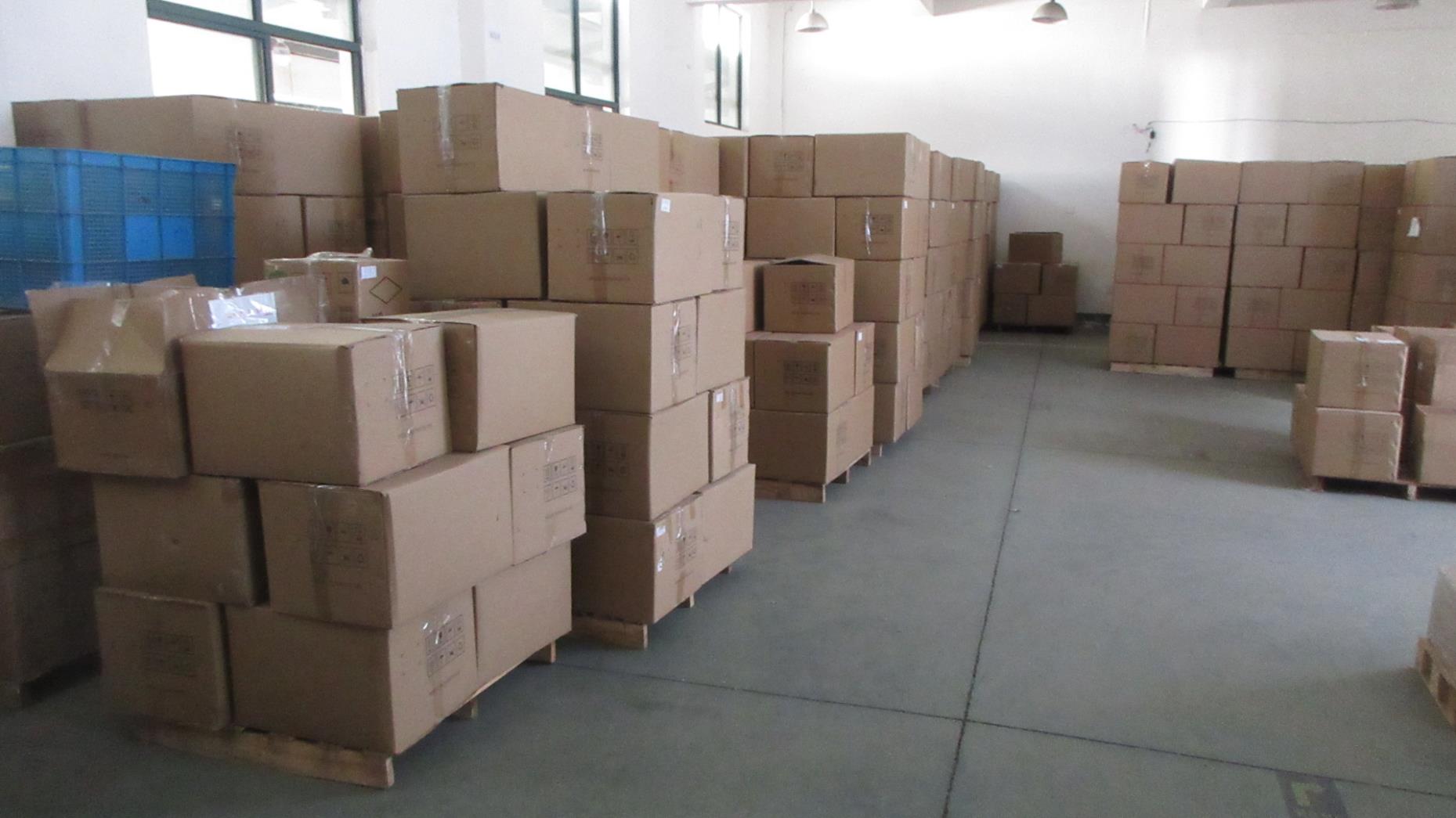
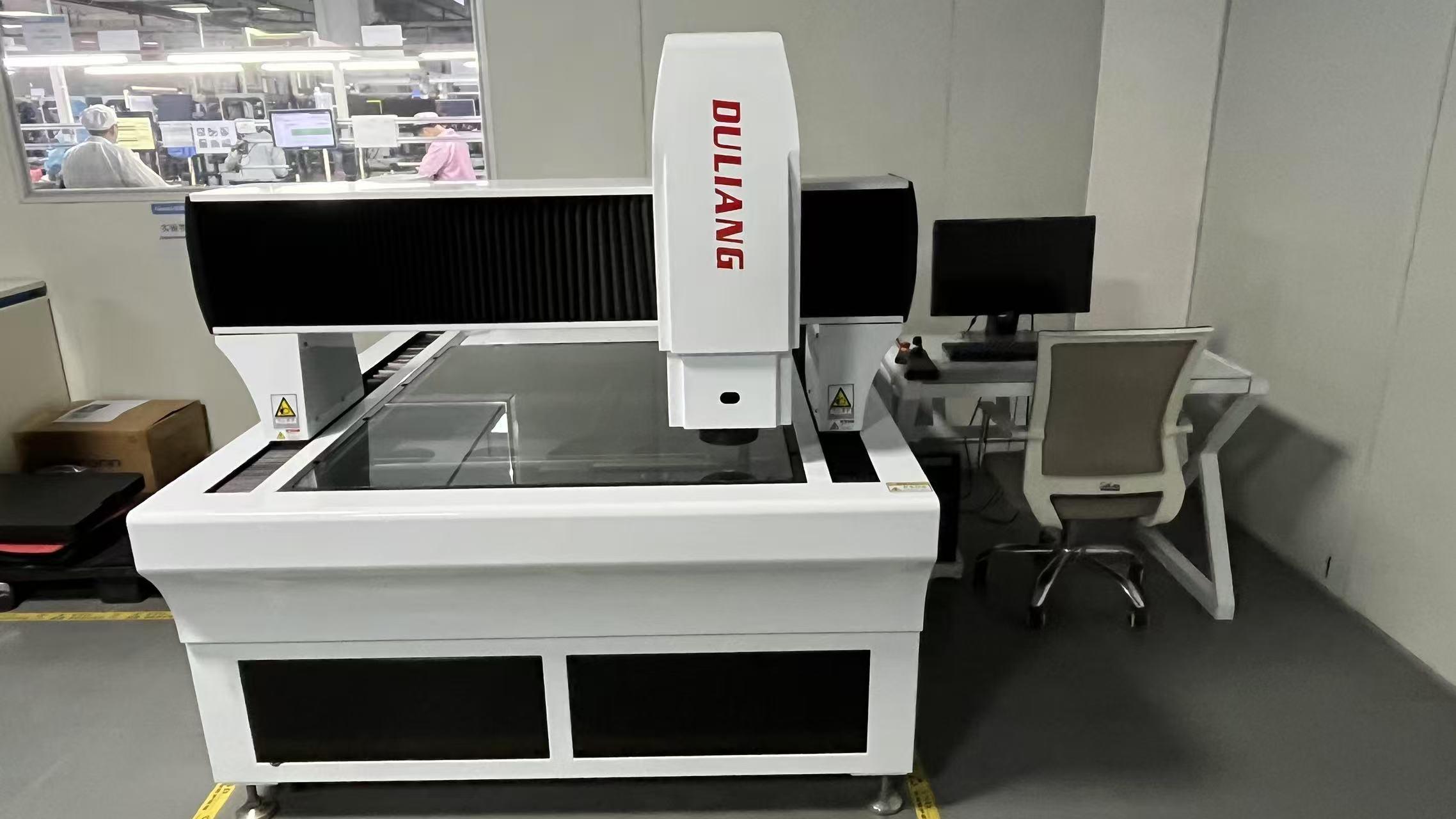
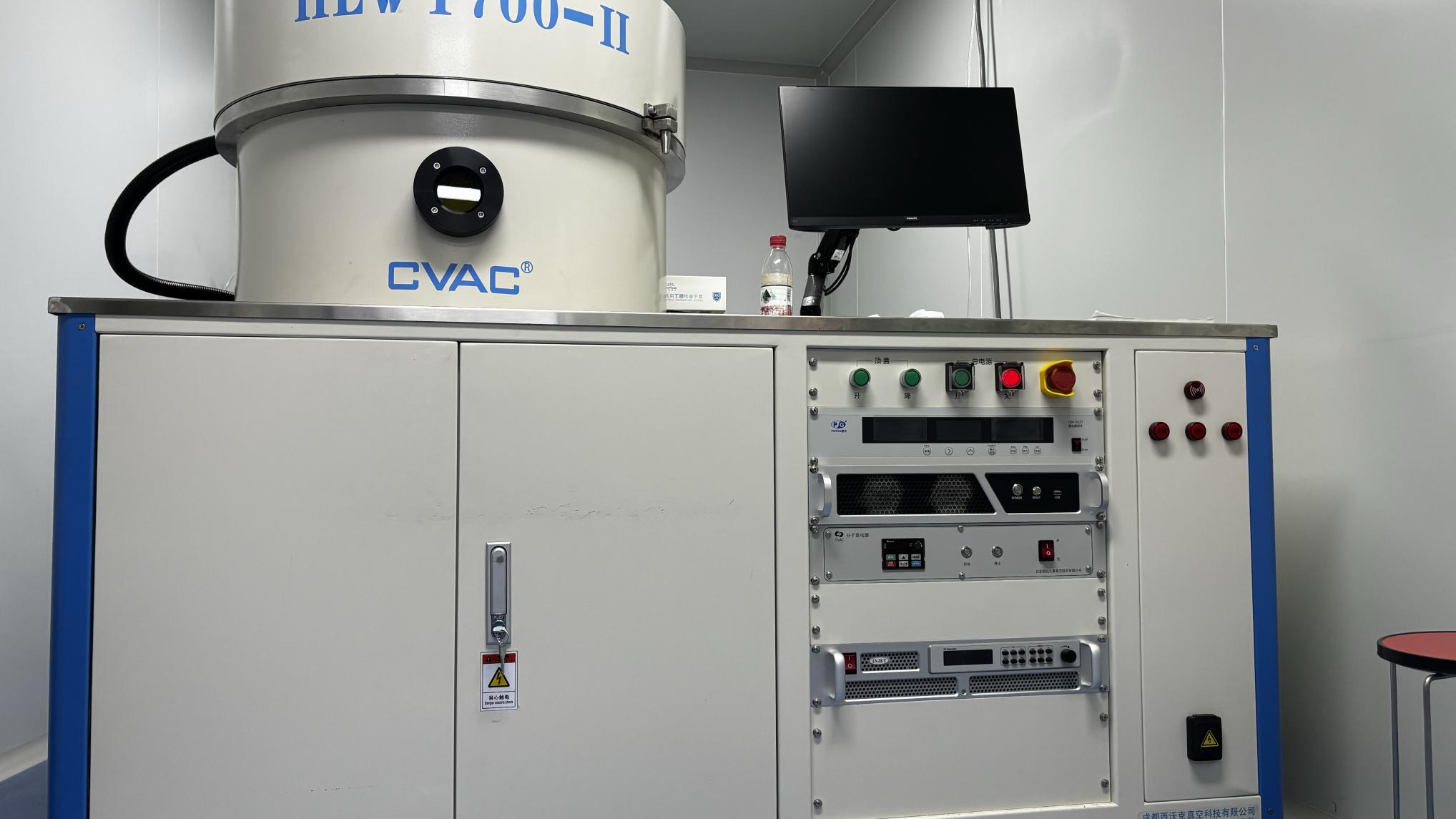
Technical insight into UVC LED technology, thermal performance, and compliance for the Canadian market.
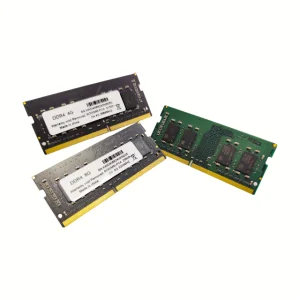
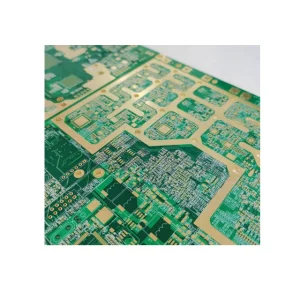
Underpinning our manufacturing depth, these high-reliability boards, memory controllers, and thermal subsystems serve industrial computing and UVGI systems alike.
Connect directly with our engineering and procurement team in Shenzhen to request custom designs, spectral analysis models, and factory price sheets for the Canadian market.
Send Inquiry Now Memvora