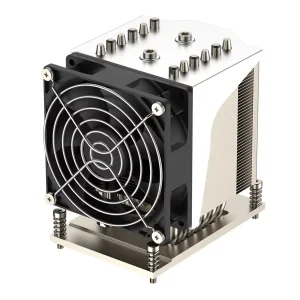
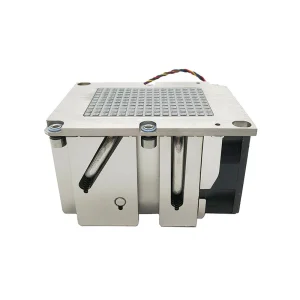
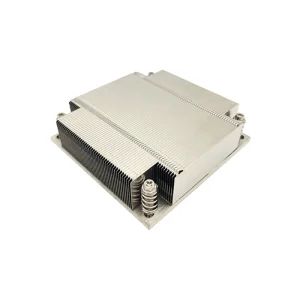
Deploying advanced server radiators optimized for French high-density colocation setups and multi-tenant cloud ecosystems. Engineered to support modern CPU sockets and TDP requirements up to 300W.
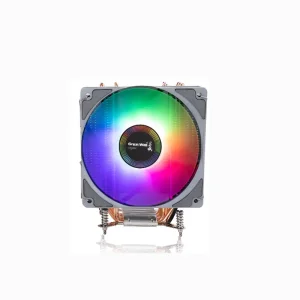
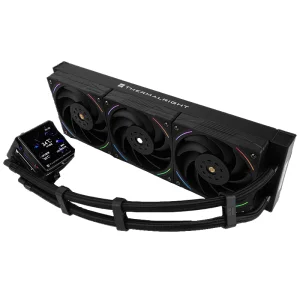
The Paris metropolitan area has emerged as one of the world's preeminent data center hubs, holding a core position within Europe’s critical FLAP-D (Frankfurt, London, Amsterdam, Paris, Dublin) cohort. Concentrated in clusters such as Seine-Saint-Denis (Aubervilliers, Saint-Denis) and southern technological hubs, Paris hosts massive hyperscale nodes, colocation facilities, and sovereign government clouds. However, as the computing landscape shifts rapidly toward artificial intelligence, large language models (LLMs), and highly dense neural network processing, the thermal profile of these facilities is experiencing an unprecedented crisis of heat output.
Modern server hardware featuring high-performance chips, including Intel Emerald Rapids, AMD Genoa/Bergamo, and NVIDIA high-end accelerators, now regularly push Thermal Design Power (TDP) thresholds beyond 350W to 700W per socket. For system integrators and site operators in the Paris market, traditional air cooling is hitting physical limits. Consequently, the local demand for specialized server radiators, copper skived fin heatsinks, and liquid cooling distribution blocks has surged. Local operators are facing stringent regulatory pressures—including French environmental guidelines (RE2020 thermal regulations) and the EU Code of Conduct on Data Centre Energy Efficiency—which mandate an aggressive drop in Power Usage Effectiveness (PUE) and the transition to clean, circular thermal management.
Strict EU and French national mandates force Paris data center developments to reduce PUE levels below 1.2, forcing operators to install ultra-efficient active and passive heat dissipation systems.
With CPU sockets demanding 300W to 400W+ TDP and GPUs generating even more heat, highly-conductive vapor chambers and copper-pinned radiators have become standard infrastructure.
French municipalities are increasingly requesting server farms to route warm liquid cooling loops directly into local municipal heating networks, elevating the importance of water cooling radiator design.
Procuring server thermal management components from Tier-1 Chinese manufacturers allows Paris-based integrators and hyperscalers to achieve structural cost efficiencies, technical customization, and massive scalability. The production of premium copper skived-fin heatsinks, liquid cold blocks, and heat pipe integrations requires not only specialized CNC tooling but also access to optimized metallurgy supply networks. Chinese manufacturers offer unmatched lead times in tooling development, transforming design concepts (from CAD models to localized thermal simulations) into physical prototypes in a matter of days.
Furthermore, standardizing on materials like high-grade C1100 oxygen-free copper and aerospace-grade AL6063 aluminum allows Chinese factories to control cost variables while satisfying the strict CE, FCC, RoHS, and REACH safety certifications demanded by the European Union. Global procurement officers targeting the Paris market look for partners capable of delivering custom fin densities, custom backplate alignments, and high-tensile mounting mechanisms compatible with the latest Intel and AMD server platforms.
To support high-compute environments, manufacturers utilize automated precision stamping, vacuum brazing for liquid cooling cold plates, and vapor chamber diffusion bonding. This results in high thermal conductivity with zero fluid leakage risks over a typical 5-to-7-year server lifecycle.
By bypassing multiple layers of European distributors, system architects in Paris can collaborate directly with engineering teams in Chinese facilities, implementing bespoke customizations such as pre-applied phase change materials (PCM), integrated thermal interface materials (TIM), and custom-wound dual ball-bearing fans designed to run continuously for over 70,000 hours.
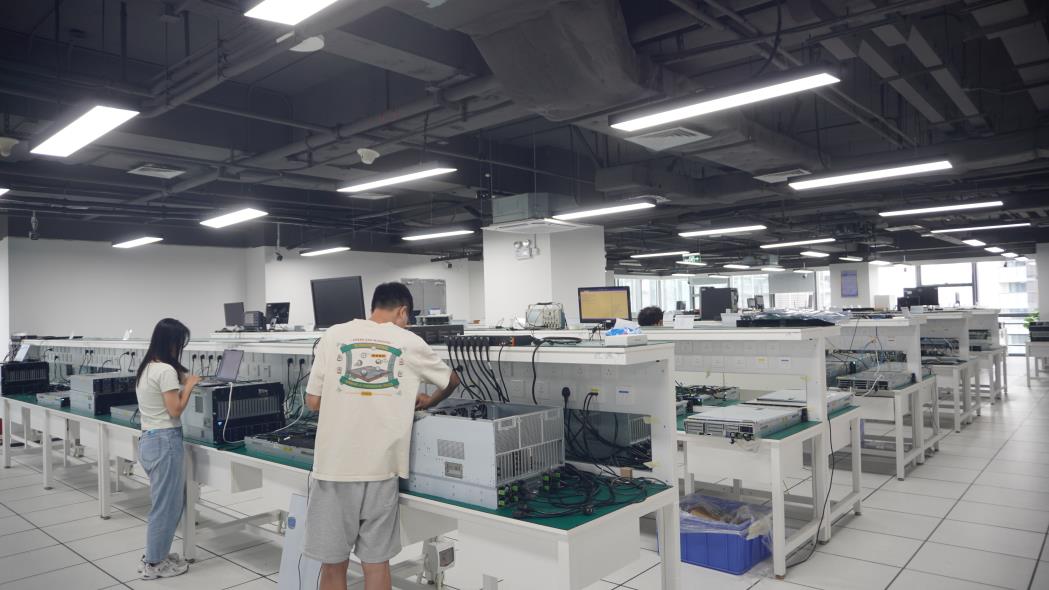
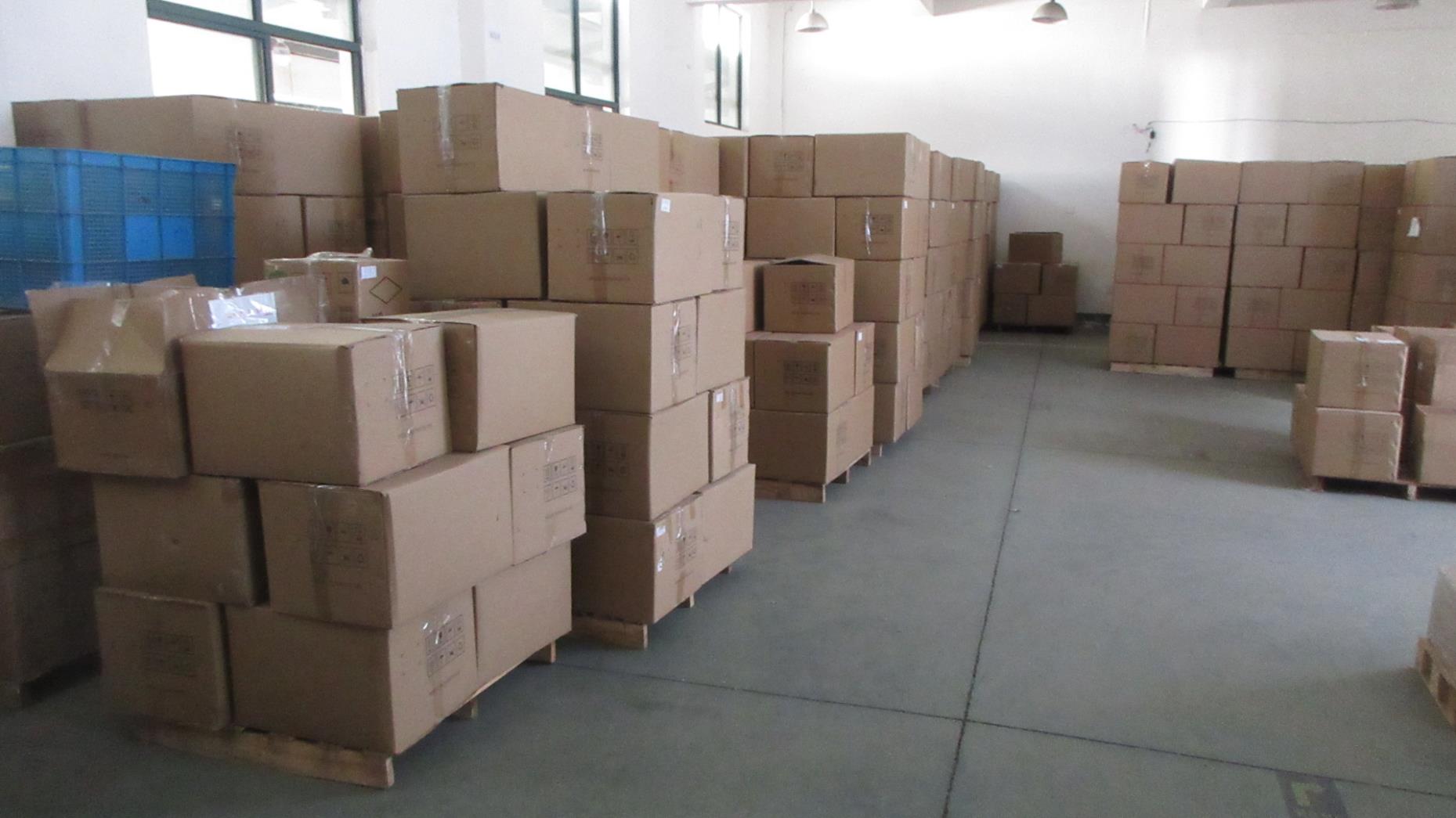
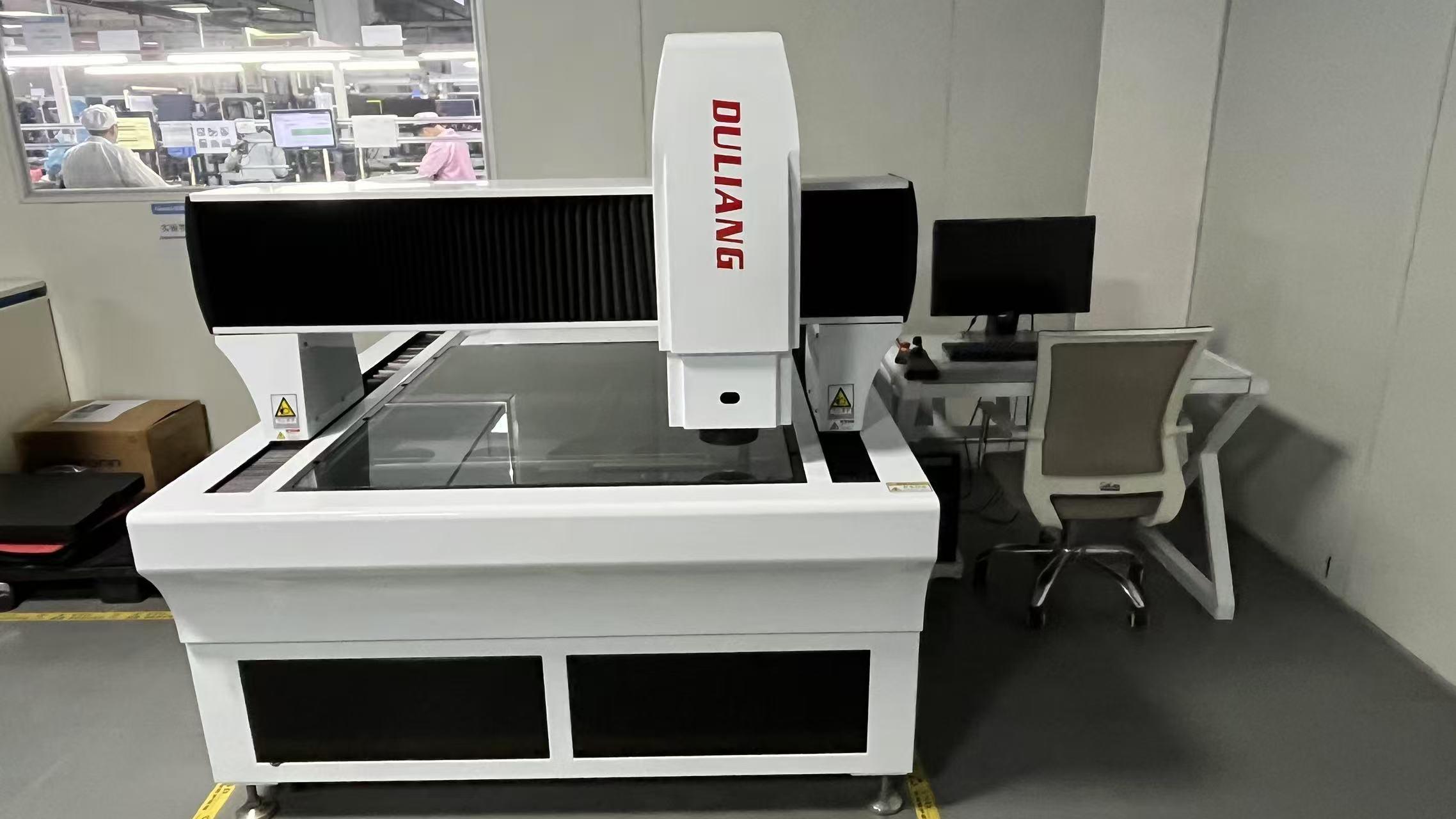
Founded in 2017, Memvora Electronics Technology Co., Ltd. is a professional manufacturer specializing in high-performance hardware, dedicating our state-of-the-art resources to delivering high-speed, highly reliable system components and thermal cooling solutions for consumer, industrial, enterprise, and embedded applications worldwide. With a modern manufacturing facility covering 386㎡, we combine advanced production equipment, strict quality management, and experienced engineering expertise to provide stable, high-speed hardware and advanced cooling assemblies for global OEM and ODM partners.
Since entering the international market, Memvora has accumulated 7 years of export experience, serving customers across North America, Europe, Southeast Asia, the Middle East, and South America. Our annual export revenue exceeds US$18.6 million, supported by a strong global supply chain and long-term partnerships with more than 1,280 component suppliers and business partners.
With 14 years of industry experience, our team continuously invests in technology innovation and product development. Our R&D department consists of 126 professional engineers who focus on developing next-generation hardware configurations and optimized server cooling radiators with higher heat dissipation capability, lower acoustics, and enhanced long-term reliability. Last year alone, we successfully launched 86 new performance-driven products to meet the evolving needs of AI computing, industrial automation, and enterprise servers.
Quality is the foundation of everything we do. Every cooling module and component undergoes 100% functional testing, burn-in testing, compatibility testing, signal integrity testing, thermal cycling tests, and aging tests before shipment. Our dedicated quality control team of 42 inspectors ensures every product meets rigorous international quality standards and delivers long-term stable performance under high load scenarios.
Memvora provides flexible OEM, ODM, private label, custom capacity, PCB/frame color adjustments, custom heat spreader design, firmware optimization, and packaging customization services to meet different market requirements. Backed by a responsive engineering team and efficient production management, we help customers shorten development cycles and accelerate product launches.
Today, Memvora serves a diverse customer base including server brands, computer manufacturers, industrial equipment suppliers, system integrators, distributors, wholesalers, and e-commerce retailers. Through continuous innovation, reliable quality, and customer-focused service, we are committed to becoming a trusted global partner for advanced computing components and custom hardware manufacturing solutions.
Understanding the exact site topology and localized cooling mechanics of Parisian computing hubs helps system engineers select the optimal thermal setup. Here are three primary application scenarios:
Many localized telecommunication nodes, micro-data centers, and edge facilities are housed in historical buildings in central Paris where floor space is limited, structural loading is constrained, and HVAC venting is restricted. Low-profile 1U and 2U server radiators utilizing high-density skived copper fins allow maximum dissipation within small, silent rack cabinets.
Hyperscale multi-tenant datacenters in Saint-Denis host massive high-density servers. As compute racks reach 30kW to 50kW power envelopes, standard chassis fans cannot cope. Integrated multi-tube active radiators combined with liquid cooling loops offer the required thermal capacity while maintaining acoustic constraints and reducing fan energy draw.
Under local urban environmental initiatives, new facilities must transfer waste heat to municipal district heating networks (such as heating domestic water for surrounding residential units). This requires direct contact liquid cold plates and large-scale water block radiators that can handle high flow rates, maintaining constant output temperatures of 55°C to 65°C.
Explore our targeted selection of high-power thermal modules, server liquid cooling blocks, and active copper heat sinks engineered to meet the stringent demands of Paris-based computing hubs.
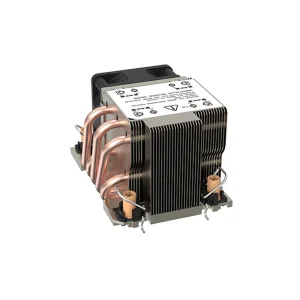
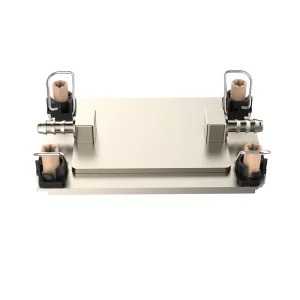
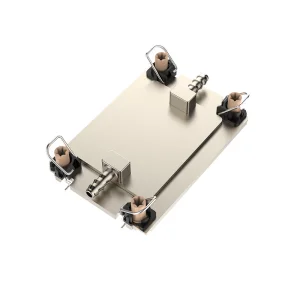
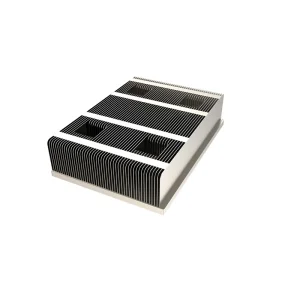
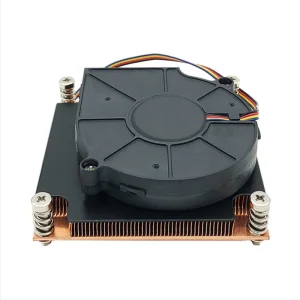
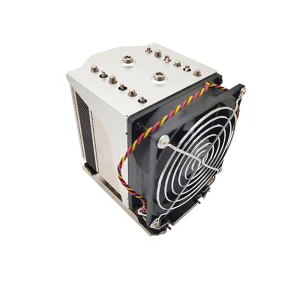
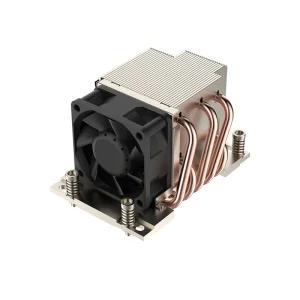
When sourcing industrial server radiators from China for deployment in Paris data center projects, procurement managers must evaluate several technical criteria to ensure continuous operation, compatibility, and compliance with local EU regulations.
1. Mechanical and Socket Tolerances: For sockets like LGA 4677, LGA 4189, and AMD SP6/SP3, mounting pressure must be carefully balanced. Incorrect torque can lead to contact loss on the high-density pin array, causing RAM channels to drop or CPU diagnostic failure. Our components feature calibrated spring screws to ensure even pressure distribution.
2. Surface Planarity and Thermal Interface Material (TIM): The copper base plate of the radiator must maintain high planarity (less than 0.05mm curvature) to prevent air gaps. Our production line integrates double-sided precision grinding to optimize metal-to-metal heat transfer.
3. Logistics, Custom Duties, and Fast-Track Shipping to Paris: We arrange direct air cargo shipping to Paris-Charles de Gaulle (CDG) airport with DDP options, handling all EU custom clearances, VAT compliance, and necessary compliance documentation for immediate site deployment.
Get in touch with our thermal engineering team for customized thermal simulations, mechanical drawings, and competitive bulk pricing on high-performance server radiators for the Paris market.
Get a Custom Quote Now Memvora