Ireland has established itself as the digital gateway of Europe. From the bustling silicon corridor in Dublin to the medical device manufacturing clusters in Galway and aerospace engineering nodes in Cork, Irish electronic designers require hardware that operates under extreme frequency parameters. As telecom networks transition to 5G Advanced and millimeter-wave (mmWave) applications, standard FR-4 materials fall short due to signal decay, high dielectric losses, and insufficient thermal dispersion.
This is where Rogers High-Frequency Laminates become indispensable. Unlike standard epoxy resins, Rogers hydrocarbon/ceramic and PTFE-based substrates exhibit remarkably stable dielectric constants (Dk) and ultra-low dissipation factors (Df) across varying temperatures and signal ranges. For the Irish high-technology manufacturer, secure supply networks and direct-from-factory partnerships for Rogers printed circuit boards are paramount to mitigating signal propagation delays and phase deviations in sensitive transceivers.
In high-speed backplane design, satellite communications, and automotive radar modules, signal attenuation must be prevented at all costs. Rogers RO4350B, RO4003C, and RT/duroid series provide the precise electrical properties required to limit trace attenuation and insertion losses. Irish system architects choose Rogers materials due to their thermal expansion matching with copper (which prevents delamination under thermal cycling) and superior performance in micro-strip and stripline transmission lines.
Engineering complex electronic designs requires an understanding of material properties. Below is a structural analysis demonstrating why high-frequency systems require Rogers substrates rather than generic glass-reinforced epoxy composites.
| Parameter | Rogers RO4003C / RO4350B | Standard FR-4 Glass Epoxy | Technical Advantage for Irish OEMs |
|---|---|---|---|
| Dielectric Constant (Dk @ 10GHz) | 3.38 - 3.48 ± 0.05 | 4.2 - 4.8 ± 0.20 | Tight Dk tolerance prevents phase shifts and impedance mismatch in RF signals. |
| Dissipation Factor (Df @ 10GHz) | 0.0021 - 0.0037 | 0.015 - 0.025 | Nearly 10x lower signal loss, reducing power requirements and thermal generation. |
| Thermal Conductivity (W/m/K) | 0.62 - 0.69 | 0.25 - 0.30 | Accelerated heat transfer to cooling systems, protecting critical semiconductors. |
| Moisture Absorption | < 0.06% | 0.15% - 0.50% | Maintains electrical stability in humid Irish coastal processing environments. |
| Coefficient of Thermal Expansion (CTE Z-axis) | 31 - 46 ppm/°C | 50 - 70 ppm/°C | Ensures high-reliability through-hole plating and plating reliability under thermal stress. |
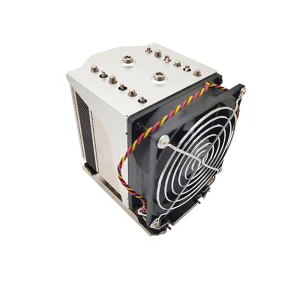
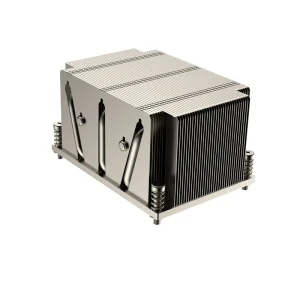
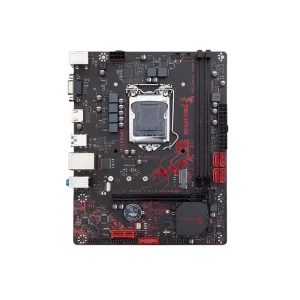
For applications where processing chips generate excessive thermal output (such as our enterprise server modules and LGA4189/LGA4926 heat pipe cooler components), mounting those architectures onto Rogers PCB boards prevents the substrate from flexing and compromising high-density copper interconnects.
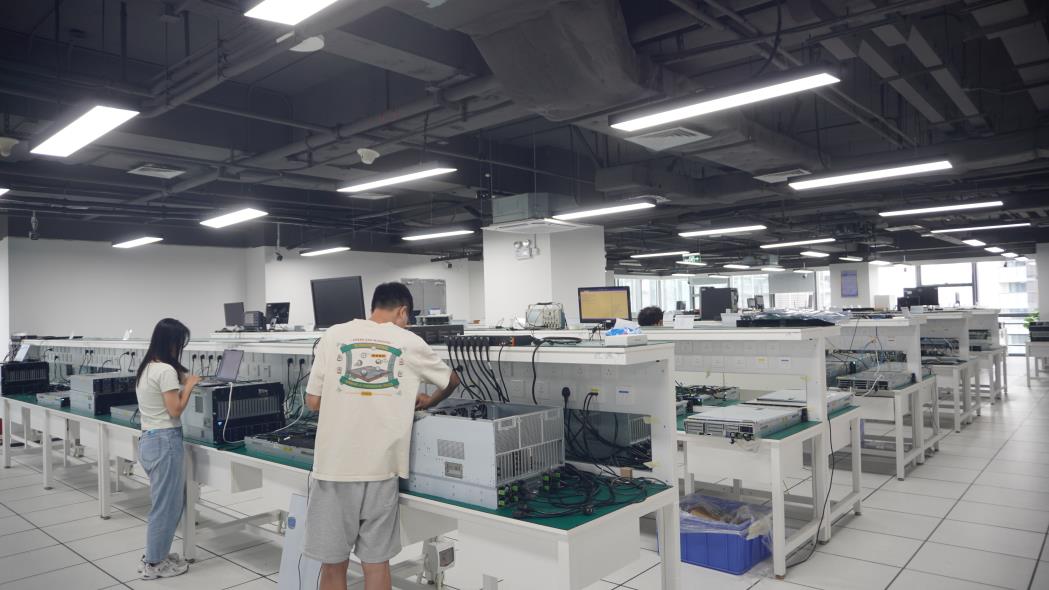
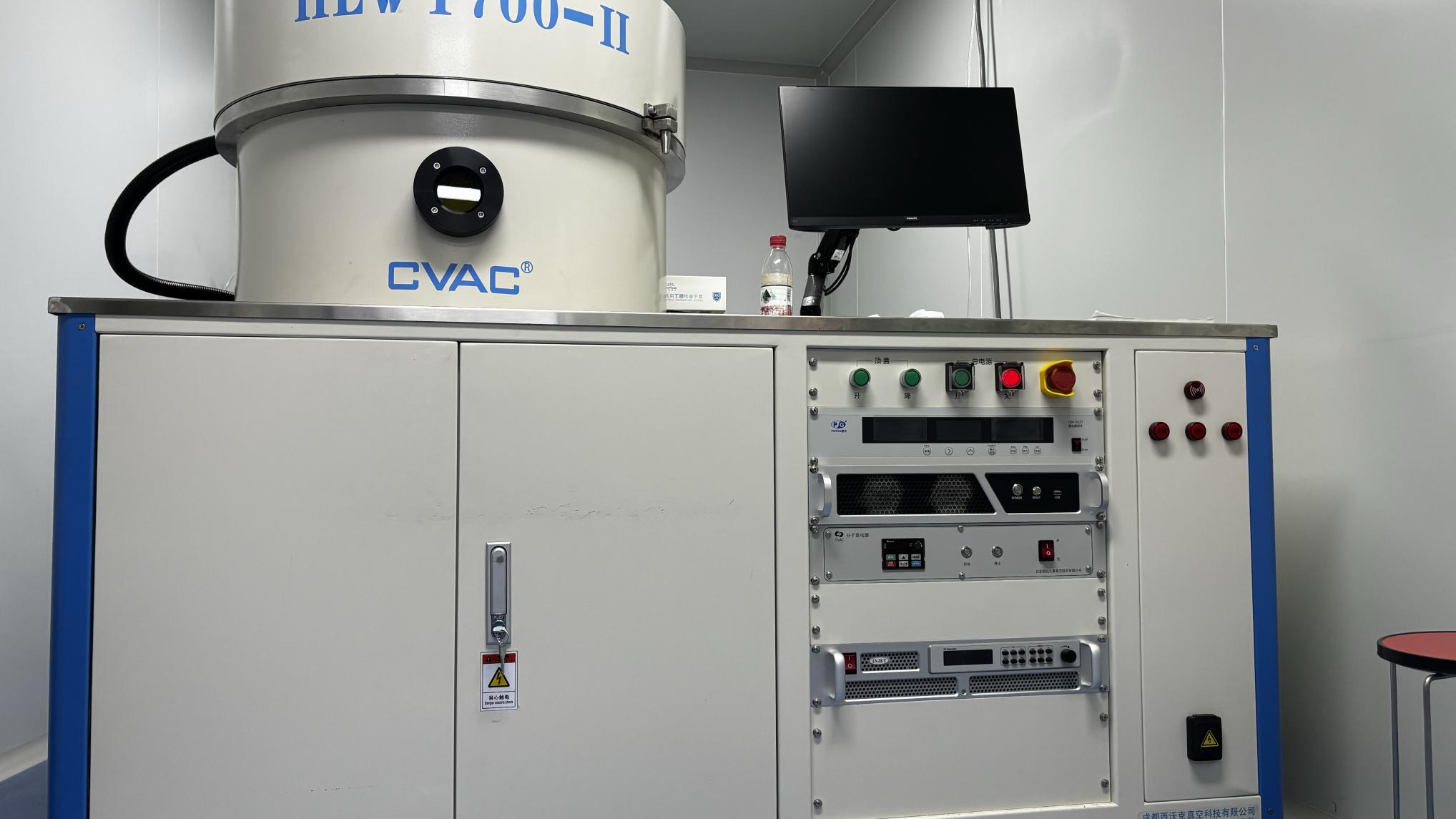
Global electronics manufacturing has shifted from simple assembly services to advanced automated manufacturing. Under the Industry 4.0 framework, our advanced fabrication facility employs robotic precision for multi-layered Rogers PCB stack-ups, ensuring quality throughout the process.
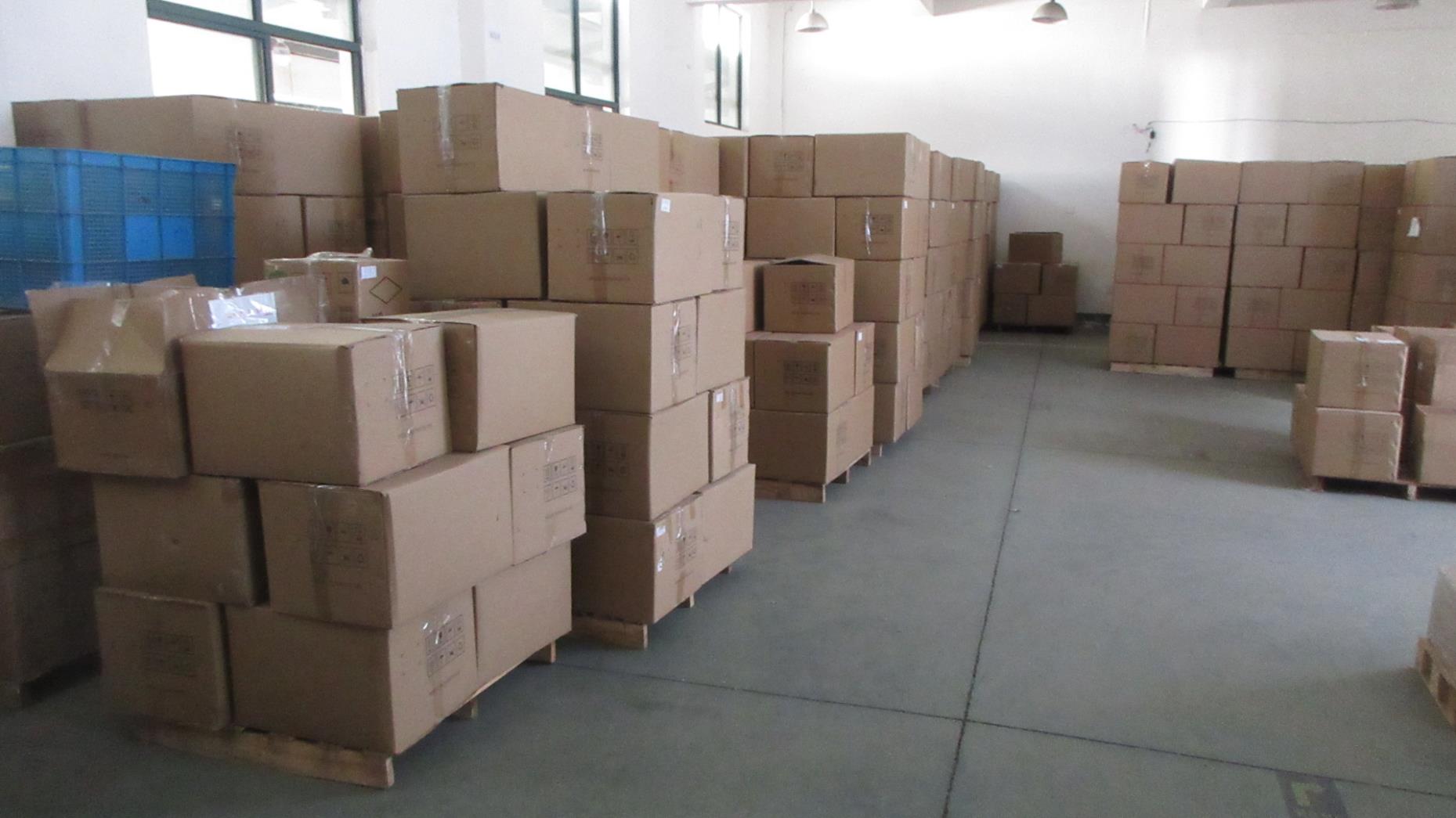
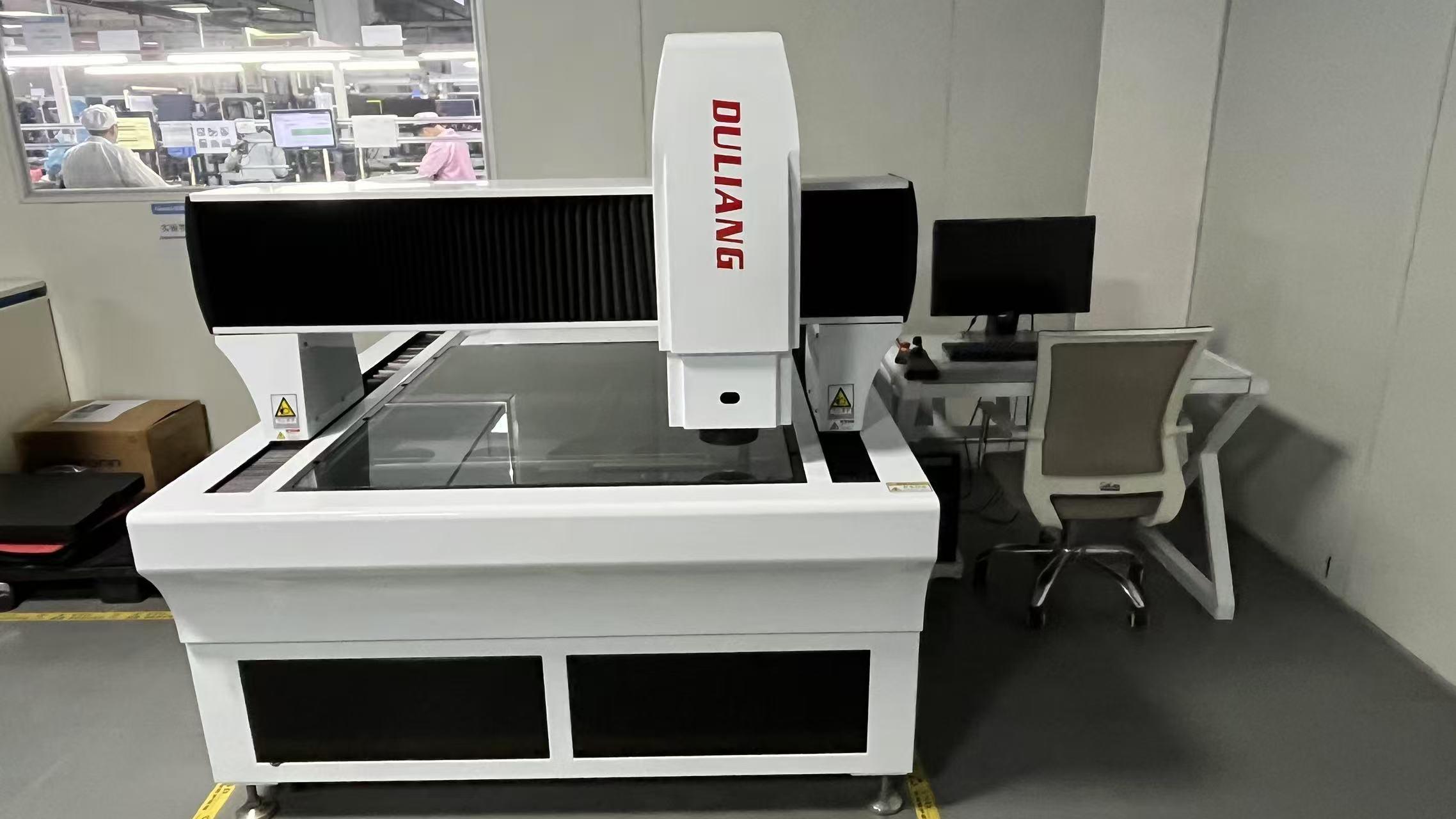
Leveraging high-end micro-drilling machines, automated optical inspections (AOI), and time-domain reflectometer (TDR) testing equipment, we achieve tight trace tolerances (+/- 5%) required for impedance-controlled RF designs. These manufacturing capabilities, combined with our logistics channels to Dublin, Shannon, and Cork airports, mean Irish OEMs receive high-performance PCB assemblies without traditional supply chain delays.
For Irish companies designing medical electronics or telecom routers, our factory offers a balanced approach: advanced engineering capability from China combined with localized commercial understanding of Western standards (compliant with UL, RoHS, and ISO9001 regulations).
Founded in 2017, Memvora Electronics Technology Co., Ltd. is a professional manufacturer specializing in high-performance DDR5 memory modules, dedicated to delivering reliable memory solutions for consumer, industrial, enterprise, and embedded applications worldwide. With a modern manufacturing facility covering 386㎡, we combine advanced production equipment, strict quality management, and experienced engineering expertise to provide stable, high-speed memory products for global OEM and ODM partners.
Since entering the international market, Memvora has accumulated 7 years of export experience, serving customers across North America, Europe, Southeast Asia, the Middle East, and South America. Our annual export revenue exceeds US$18.6 million, supported by a strong global supply chain and long-term partnerships with more than 1,280 component suppliers and business partners.
With 14 years of industry experience, our team continuously invests in technology innovation and product development. Our R&D department consists of 126 professional engineers who focus on developing next-generation DDR5 memory solutions with higher speed, lower latency, and enhanced reliability. Last year alone, we successfully launched 86 new memory products to meet the evolving needs of gaming, AI computing, industrial automation, and enterprise servers.
Quality is the foundation of everything we do. Every product undergoes 100% functional testing, burn-in testing, compatibility testing, signal integrity testing, and aging tests before shipment. Our dedicated quality control team of 42 inspectors ensures every memory module meets rigorous international quality standards and delivers long-term stable performance.
Memvora provides flexible OEM, ODM, private label, custom capacity, PCB color, heat spreader design, firmware optimization, and packaging customization services to meet different market requirements. Backed by a responsive engineering team and efficient production management, we help customers shorten development cycles and accelerate product launches.
Today, Memvora serves a diverse customer base including memory brands, computer manufacturers, industrial equipment suppliers, system integrators, distributors, wholesalers, and e-commerce retailers. Through continuous innovation, reliable quality, and customer-focused service, we are committed to becoming a trusted global partner for advanced DDR5 memory manufacturing and customized DRAM solutions.
Prototyping high-frequency boards locally in Europe is useful for initial design verification, but scaling to production requires a manufacturer with specialized material access. Rogers laminates require distinct handling parameters—such as special chemical treatments for PTFE surfaces and specific drilling metrics to prevent micro-cracking of ceramic fillers—making specialized manufacturers essential.
By partnering directly with a high-volume, precision manufacturing plant in China, Irish businesses bridge the gap between expensive domestic assembly runs and low-yield prototyping. Our facility handles raw Rogers material sourcing, PCB lamination, SMT component placement, and final quality control in a continuous pipeline. This setup reduces costs and ensures material authenticity, preventing counterfeit laminates from entering the supply chain.
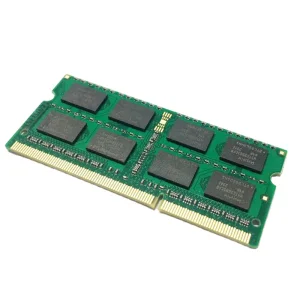
Additionally, high-frequency layouts require thermal dissipation solutions. Coupling high-frequency Rogers PCBs with optimized heat piping (such as LGA4926 and LGA4189 thermal components) and system RAM guarantees that Irish network cabinets, edge computing systems, and communication towers operate reliably without throttling.
Ensure signal integrity and thermal efficiency in your systems. Our engineering support team is ready to evaluate your layout files, select materials, and provide a comprehensive manufacturing quote.
 Memvora