Explore our foundational PCB manufacturing lines engineered to meet Australian thermal efficiency and power regulation standards. Our core capabilities scale from high-reliability LED metal cores to multi-layer thermal management prototypes.
The Australian market for Light Emitting Diode (LED) Printed Circuit Boards (PCBs) is undergoing a significant transition. Guided by stringent sustainability goals, energy efficiency schemes (such as the VEET in Victoria and ESS in New South Wales), and demand for highly reliable structural hardware, developers require specialized components to withstand extreme operating conditions.
Australia’s vast environmental spectrum—ranging from high UV radiation and extreme heat index in Western Australia mining regions to saline conditions in coastal metropolitan centers—creates unique hurdles for thermal dissipation. Low-tier LED boards degrade rapidly, leading to color shifting, reduced lumen output, and component failure. Therefore, industrial stakeholders are specifying Metal Core PCBs (MCPCBs) engineered with high thermal conductivity, robust copper weight, and resilient dielectric layers.
To succeed in the Australian market, LED circuit suppliers must address three fundamental operational challenges:
Standard FR4 materials possess a thermal conductivity rating of only around 0.25 W/m·K, acting as thermal insulators that trap heat inside LED junctions. To prevent degradation, our manufacturing systems optimize three alternate substrates:
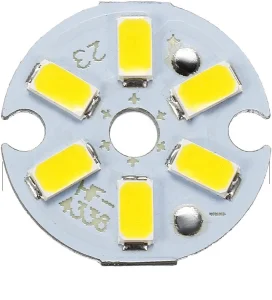
Utilizing high-grade aluminum alloys (typically 5052 or 6061), these boards offer excellent thermal dissipation (1.0 to 3.0 W/m·K) and structural strength. This is the industrial workhorse for high-bay bay lights, streetlights, and architectural floodlights.
For high-power density applications (e.g., theatrical spotlights, automotive high-beams, and localized projection modules), copper provides exceptional thermal conductivity up to 400 W/m·K. Our proprietary direct thermal path (DTP) technology routes the thermal pad directly to the copper base, bypassing the dielectric layer entirely.
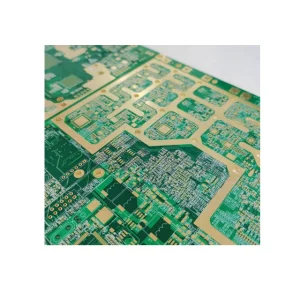
By routing control circuitry on traditional multi-layer FR4 materials and binding them structurally with aluminum heat sinks, hybrid layouts achieve the intelligence of complex microcontrollers paired with the localized thermal performance of MCPCBs.
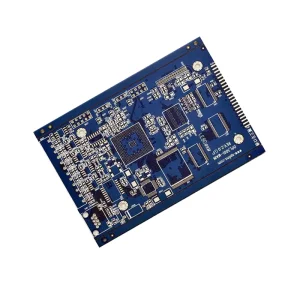
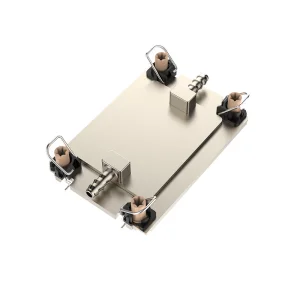
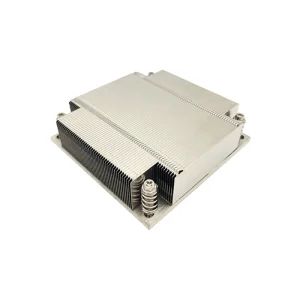
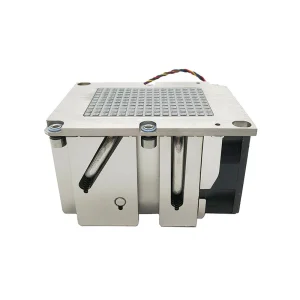
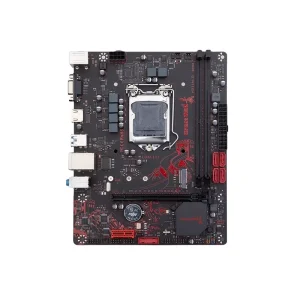
To support full-scale smart lighting nodes, smart street grid gateways, and heavy mining deployment, we supply specialized computational control boards and thermal management blocks.
Australian commercial and industrial projects present distinct regulatory, spatial, and mechanical demands. We provide customized stack-up layouts and manufacturing runs configured for these primary domains:
Industrial greenhouses require high PPFD (Photosynthetic Photon Flux Density) outputs that produce extreme thermal density. Our specialized MCPCBs utilize high-transmittance reflective white solder masks that are UV-resistant, preventing yellowing and degradation while maximizing PAR (Photosynthetic Active Radiation) reflection.
Explosion-proof classification (IECEx/ATEX) is vital for subterranean mining and petrochemical sites. Our PCBs are designed with creeping distance parameters and dielectric isolation values that prevent high-voltage arcing in volatile dust environments.
Municipal streetlighting mandates a lifecycle exceeding 10 years. We integrate high-reliability copper-plated vias, transient voltage suppressors (TVS), and high-Tg materials to guarantee continuous operations during intense electrical storms and summer heat waves.
Founded in 2017, Memvora Electronics Technology Co., Ltd. is a professional manufacturer specializing in high-performance DDR5 memory modules, dedicated to delivering reliable memory solutions for consumer, industrial, enterprise, and embedded applications worldwide. With a modern manufacturing facility covering 386㎡, we combine advanced production equipment, strict quality management, and experienced engineering expertise to provide stable, high-speed memory products for global OEM and ODM partners.
Since entering the international market, Memvora has accumulated 7 years of export experience, serving customers across North America, Europe, Southeast Asia, the Middle East, and South America. Our annual export revenue exceeds US$18.6 million, supported by a strong global supply chain and long-term partnerships with more than 1,280 component suppliers and business partners.
With 14 years of industry experience, our team continuously invests in technology innovation and product development. Our R&D department consists of 126 professional engineers who focus on developing next-generation DDR5 memory solutions with higher speed, lower latency, and enhanced reliability. Last year alone, we successfully launched 86 new memory products to meet the evolving needs of gaming, AI computing, industrial automation, and enterprise servers.
Quality is the foundation of everything we do. Every product undergoes 100% functional testing, burn-in testing, compatibility testing, signal integrity testing, and aging tests before shipment. Our dedicated quality control team of 42 inspectors ensures every memory module meets rigorous international quality standards and delivers long-term stable performance.
Memvora provides flexible OEM, ODM, private label, custom capacity, PCB color, heat spreader design, firmware optimization, and packaging customization services to meet different market requirements. Backed by a responsive engineering team and efficient production management, we help customers shorten development cycles and accelerate product launches.
Today, Memvora serves a diverse customer base including memory brands, computer manufacturers, industrial equipment suppliers, system integrators, distributors, wholesalers, and e-commerce retailers. Through continuous innovation, reliable quality, and customer-focused service, we are committed to becoming a trusted global partner for advanced DDR5 memory manufacturing and customized DRAM solutions.
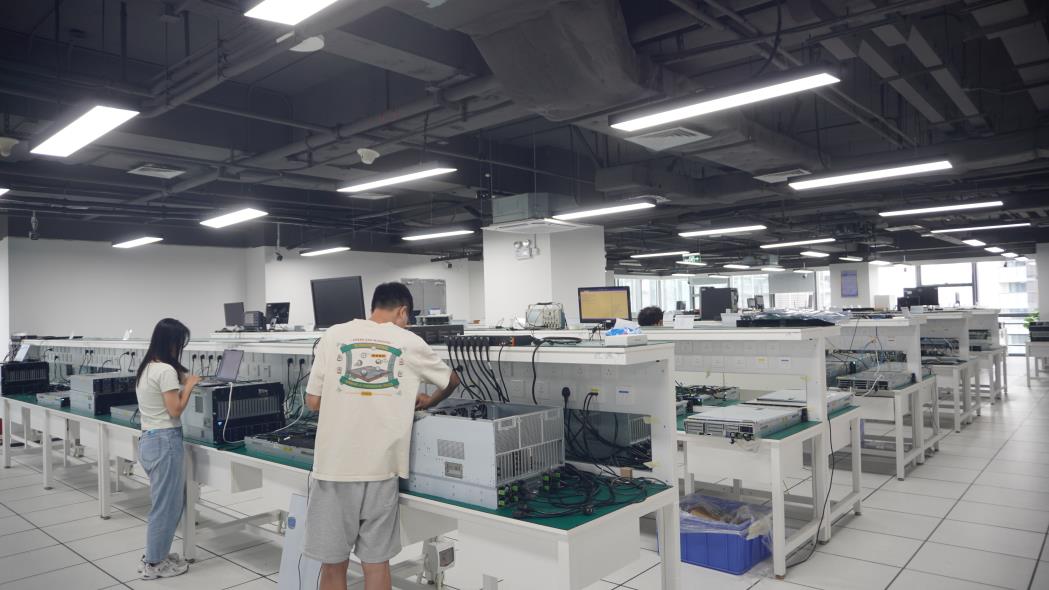
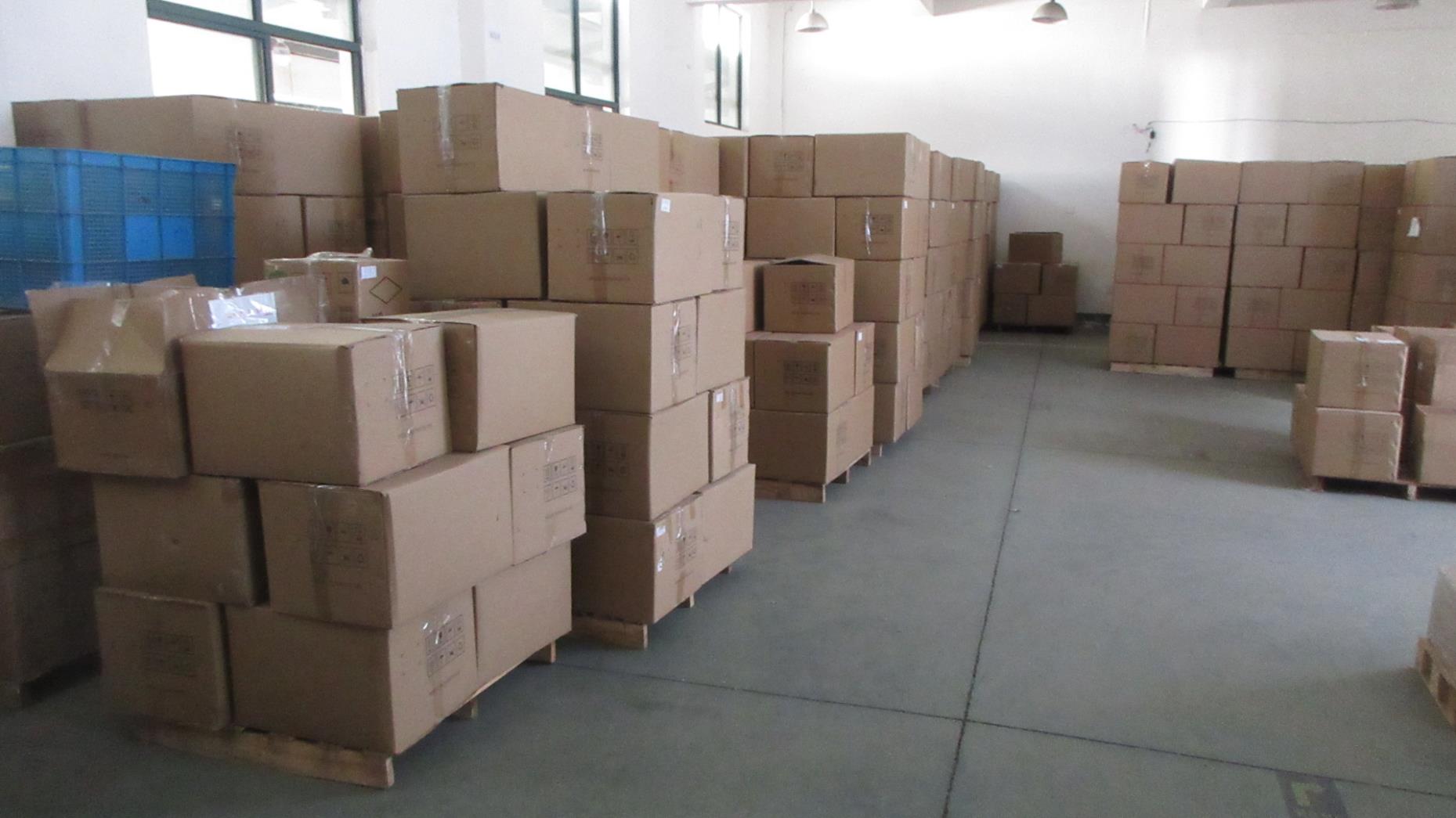
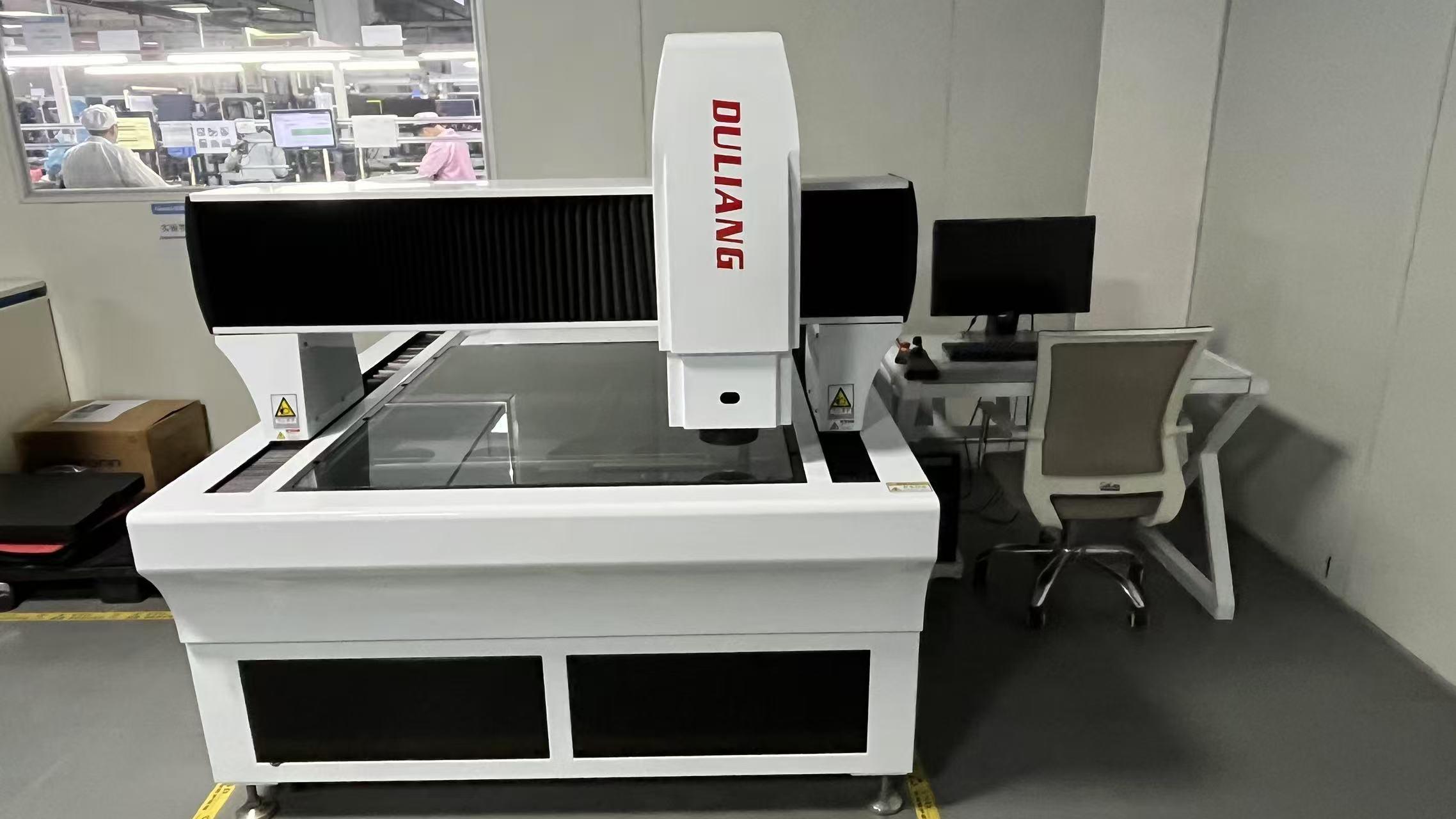
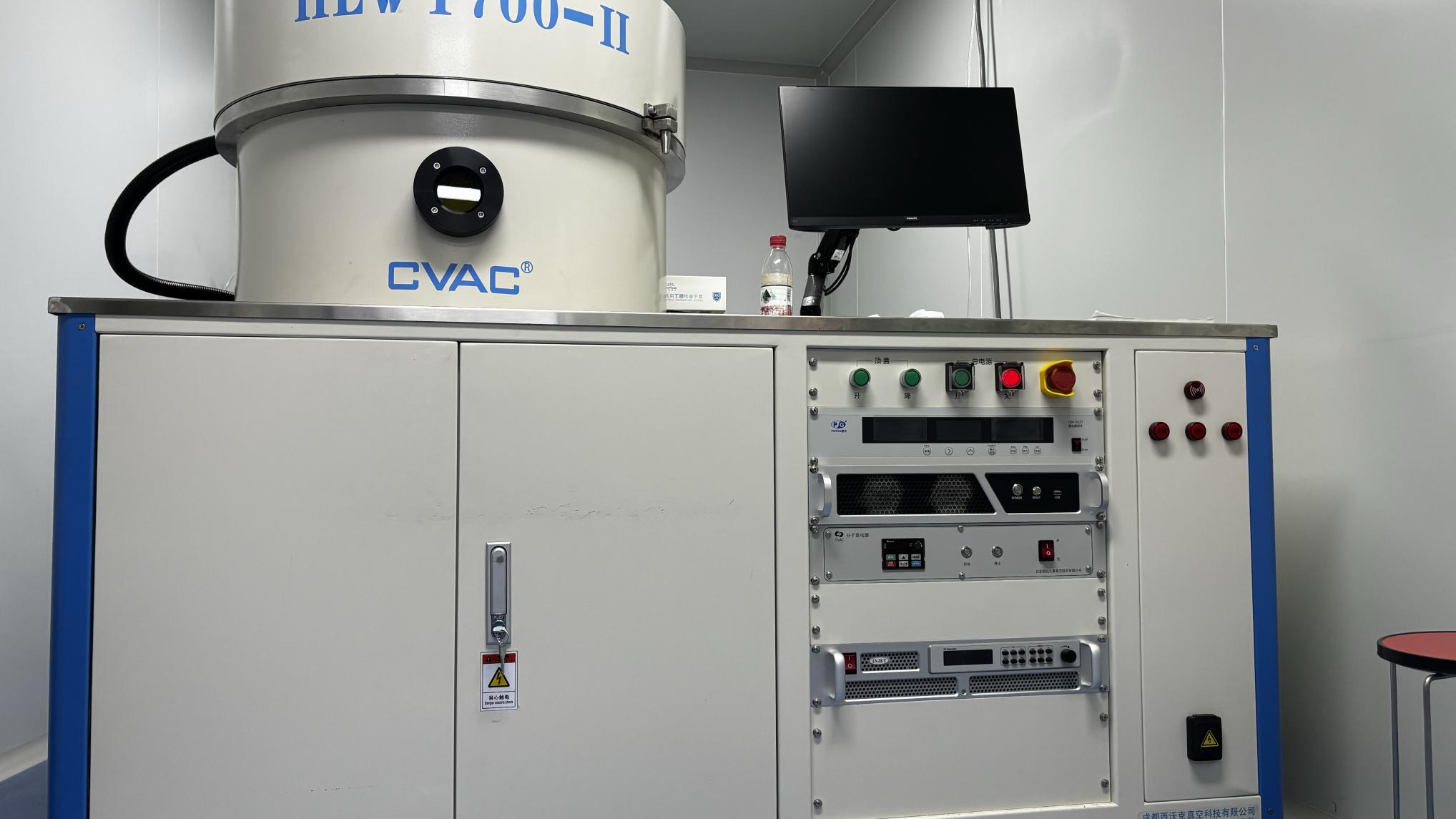
Collaborating with a premier manufacturing partner in China bridges the gap between cost efficiency and high technological standards. Modern smart factories deploy advanced, fully automated Surface Mount Technology (SMT) lines and automated optical inspection (AOI) stations to produce highly reliable boards with minimal human error. This infrastructure delivers significant operational benefits for Australian businesses:
By leveraging an extensive network of verified component suppliers, we secure top-tier raw materials (such as Bergquist thermal dielectrics and high-purity copper laminates) at competitive prices, protecting our clients from sudden supply chain disruptions.
Our quick-turn manufacturing options deliver functional PCB prototypes to Australian engineers within 3 to 5 working days, accelerating local product development and testing cycles.
Every production run undergoes AOI, X-ray laminography, thermal shock cycling, and high-voltage isolation tests, ensuring all shipped boards perform reliably under demanding environmental conditions.
Entering and scaling within the Australian market requires strict adherence to regional safety and emission regulations. All electronic imports must align with local rules to qualify for public infrastructure and commercial projects.
Our LED PCBs are engineered for seamless integration into RCM-certified consumer and commercial luminaires. We design with electromagnetic compatibility (EMC) in mind, minimizing electrical noise and harmonic distortion.
We optimize our layouts to satisfy safety parameters set by AS/NZS 60598 (Luminaires Safety Requirements) and AS/NZS CISPR 15 (Limits and methods of measurement of radio disturbance characteristics of electrical lighting).
All raw laminates, solder pastes, and flux formulations are certified lead-free and eco-compliant, meeting green procurement guidelines for commercial developments in metropolitan centers.
We work with leading global air-freight and sea-freight carriers to offer reliable shipping routes to major Australian hubs. Our logistics processes include streamlined customs clearance to minimize delays and deliver components directly to assembly facilities in Sydney, Melbourne, Brisbane, Adelaide, and Perth.
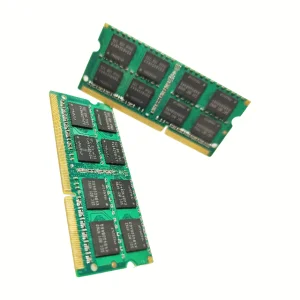
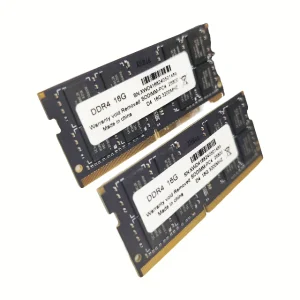
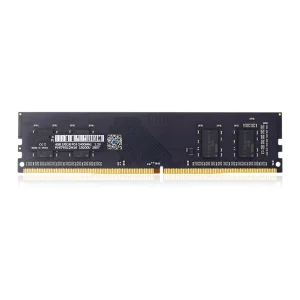
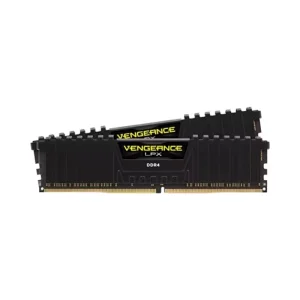
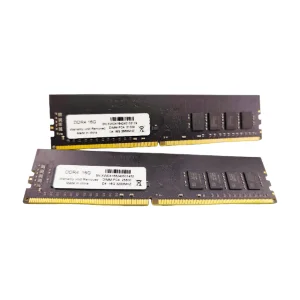
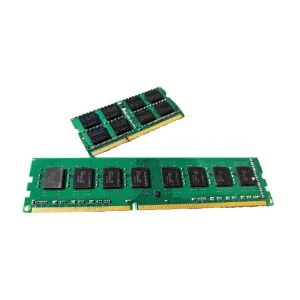
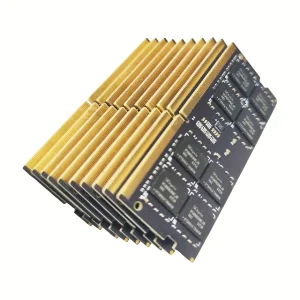
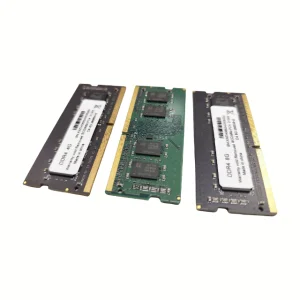
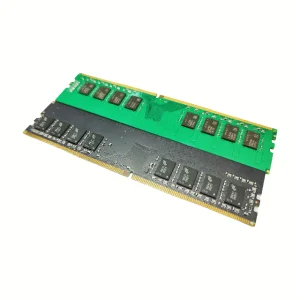
For applications integrating smart IoT hubs, remote monitoring systems, and local edge computing units, we supply reliable memory modules built to endure continuous operations.
Get detailed, engineer-verified answers to common questions about procuring and deploying LED PCBs in the Australian market.
Our rapid prototyping services deliver standard double-sided MCPCB runs in 3 to 5 working days. For bulk production orders, typical manufacturing timelines are 10 to 15 working days. Express air-freight to major cities (Sydney, Melbourne, Brisbane, Perth) usually takes 3 to 5 shipping days, while sea freight is available for larger quantities to manage costs.
Standard architectural and indoor commercial lighting generally operates efficiently on MCPCBs with a thermal conductivity of 1.0 to 2.0 W/m·K. For high-output outdoor luminaires, industrial high-bays, and solar horticultural systems, we recommend 3.0 W/m·K or higher. High-power spotlights and heavy industrial lighting benefit from copper-based substrates or direct thermal path designs to manage heat build-up.
Australia’s high UV indices and hot summers can degrade standard solder masks, causing them to yellow, crack, and lose reflectivity. We address this by using specialized, UV-stable white solder masks that maintain their high-reflectivity properties over extended operational lifecycles. For coastal projects, we apply conformal coatings and specify corrosion-resistant surface finishes like ENIG (Electronegless Nickel Immersion Gold) to protect circuit tracks from salt air degradation.
Our export compliance team manages the necessary documentation for standard imports, providing comprehensive packing lists, commercial invoices, HS code classifications (typically 8534.00 for printed circuits), and certificate of origin documents. This ensures your components clear customs without unexpected delays or administrative holds.
 Memvora