High-reliability thermal management substrates and industrial computing memory modules certified for Tokyo's critical commercial infrastructures.
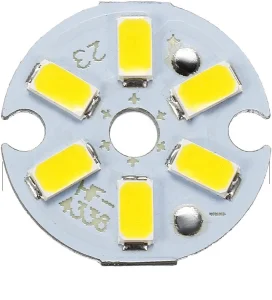
Tokyo stands as one of the world's most dense and technologically sophisticated urban landscapes. With the expansion of Japan’s Society 5.0 initiative, the demand for highly reliable hardware solutions—particularly in smart municipal lighting, neon signage integration, electric vehicle electronics, and edge computing infrastructures—has reached an all-time high. Tokyo's dense commercial hubs (such as Ginza, Shinjuku, and Akihabara) require high-power LED installations that run 24/7. These systems generate massive amounts of thermal energy, requiring specialized Metal Core Printed Circuit Boards (MCPCBs) with superior thermal transfer coefficients to prevent luminance decay and component failure.
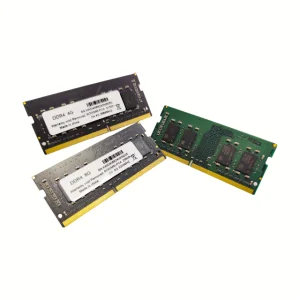
At the same time, the transition from legacy systems to edge-compute heavy frameworks means that processing modules must reside closely adjacent to municipal infrastructure. Consequently, system developers in Tokyo require an integrated sourcing methodology. They require partners capable of delivering not only advanced aluminum-core and copper-core LED substrates but also robust, enterprise-grade DRAM modules (DDR4 and DDR5) to power the underlying AI processing servers. Our export facility fulfills this demand by bridging top-tier raw material channels with rigorous engineering designs that conform to the strict JIS (Japanese Industrial Standards) and PSE certification requirements.
On a global scale, the LED PCB market is undergoing a significant transition from conventional FR4 glass epoxy substrates to sophisticated metal-clad alternatives. Aluminum is currently the standard due to its excellent thermal conductivity-to-cost ratio, but high-end applications in defense, deep-sea exploration, and automotive clusters in the Kanto region are increasingly adopting copper and ceramic (Aln/Alumina) substrates. These advanced structures boast thermal conductivities ranging from 2.0 W/m-K up to 8.0 W/m-K, ensuring that high-density SMD LEDs operate within their optimal thermal zones to achieve longevity exceeding 100,000 hours.
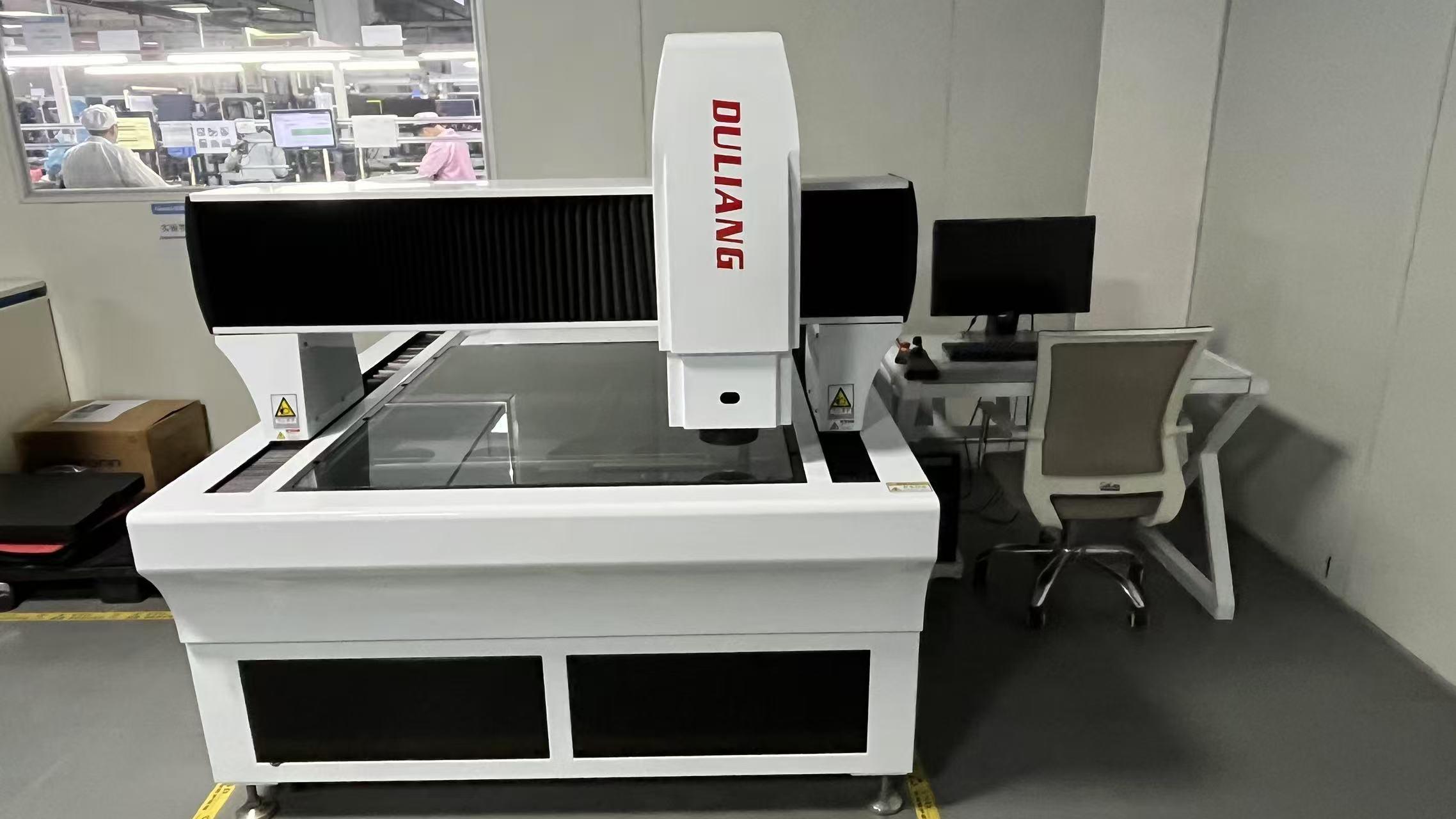
Concurrently, the manufacturing process is pivoting towards ultra-precision SMT (Surface Mount Technology), where component placement tolerances are measured in microns. This precision is vital for high-density LED matricies used in smart street lighting and high-contrast digital billboards across Tokyo. As an exporter, our production lines utilize state-of-the-art Japanese solder reflow systems and automatic optical inspection (AOI) machines to meet these tight tolerances and eliminate component misalignment or micro-fractures in high-vibration applications.
A premier manufacturer combining 14 years of design expertise with next-generation automated assembly.
Founded in 2017, Memvora Electronics Technology Co., Ltd. is a professional manufacturer specializing in high-performance DDR5 memory modules, dedicated to delivering reliable memory solutions for consumer, industrial, enterprise, and embedded applications worldwide. With a modern manufacturing facility covering 386㎡, we combine advanced production equipment, strict quality management, and experienced engineering expertise to provide stable, high-speed memory products for global OEM and ODM partners.
Since entering the international market, Memvora has accumulated 7 years of export experience, serving customers across North America, Europe, Southeast Asia, the Middle East, and South America. Our annual export revenue exceeds US$18.6 million, supported by a strong global supply chain and long-term partnerships with more than 1,280 component suppliers and business partners.
With 14 years of industry experience, our team continuously invests in technology innovation and product development. Our R&D department consists of 126 professional engineers who focus on developing next-generation DDR5 memory solutions with higher speed, lower latency, and enhanced reliability. Last year alone, we successfully launched 86 new memory products to meet the evolving needs of gaming, AI computing, industrial automation, and enterprise servers.
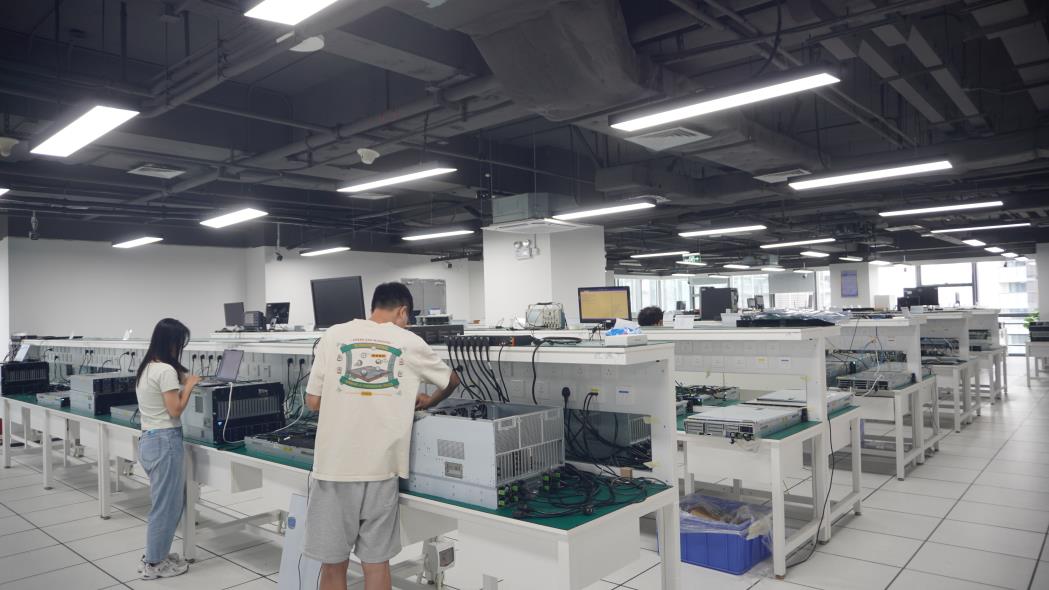
Quality is the foundation of everything we do. Every product undergoes 100% functional testing, burn-in testing, compatibility testing, signal integrity testing, and aging tests before shipment. Our dedicated quality control team of 42 inspectors ensures every memory module meets rigorous international quality standards and delivers long-term stable performance.
Memvora provides flexible OEM, ODM, private label, custom capacity, PCB color, heat spreader design, firmware optimization, and packaging customization services to meet different market requirements. Backed by a responsive engineering team and efficient production management, we help customers shorten development cycles and accelerate product launches.
Today, Memvora serves a diverse customer base including memory brands, computer manufacturers, industrial equipment suppliers, system integrators, distributors, wholesalers, and e-commerce retailers. Through continuous innovation, reliable quality, and customer-focused service, we are committed to becoming a trusted global partner for advanced DDR5 memory manufacturing and customized DRAM solutions.
Optimized hardware architectures designed to solve thermal and compute bottlenecks in local installations.
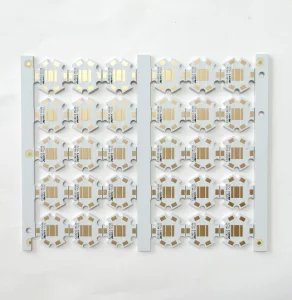
Custom engineered MCPCB designs with aluminum oxide dielectric layers that maximize thermal dissipation for Tokyo’s highway systems and high-density municipal light fixtures.
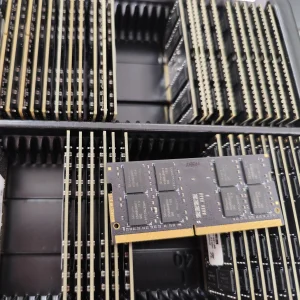
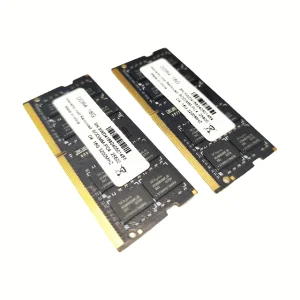
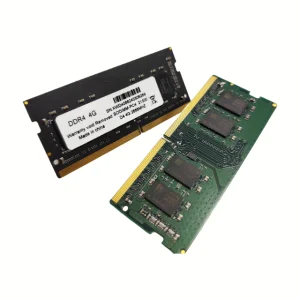
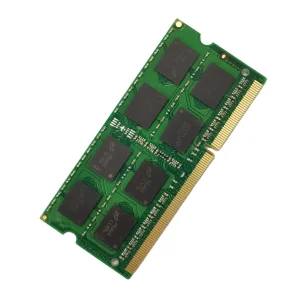
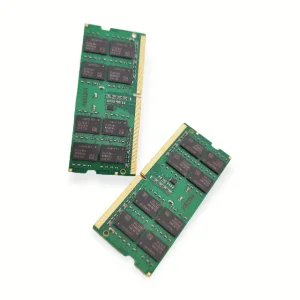
Integrating highly efficient mini-computer motherboards with custom industrial-grade notebook memory modules to power automated transit networks and factory control loops.
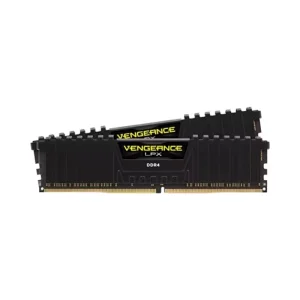
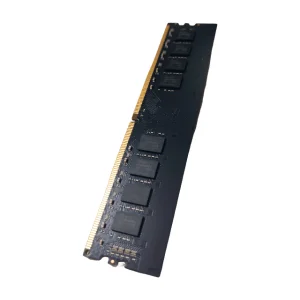
DDR4 & DDR5 ECC server memory modules with integrated heatsinks, optimized specifically to run in high-density rack servers without thermal throttling under massive analytical loads.
Future-proofing Tokyo's electronic manufacturing and data architectures.
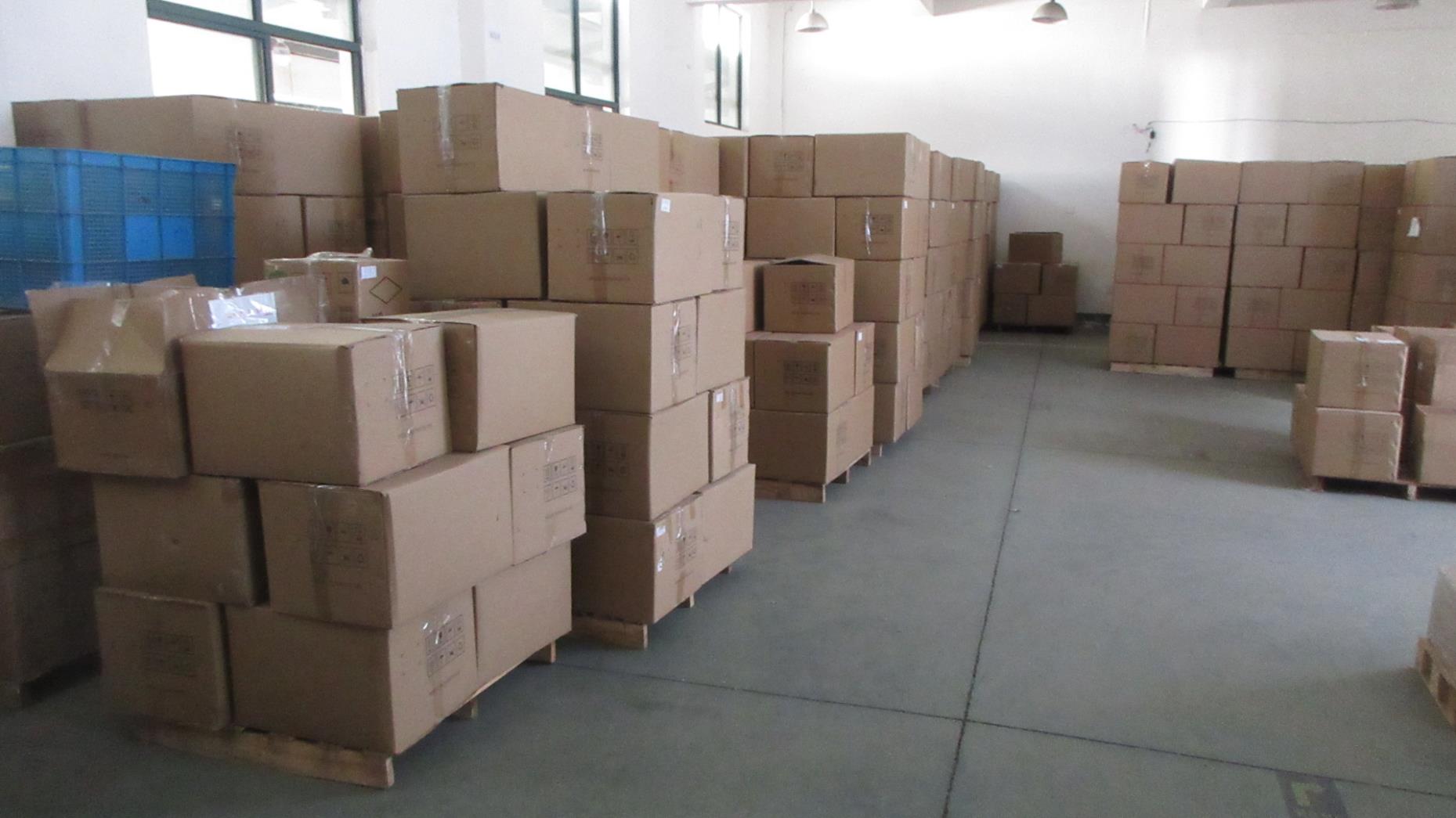
Full inventory of custom memory modules and server components ready for global distribution.
Answering the most critical engineering and supply chain questions from Kanto system integrators.
Tokyo smart city installations run continuously, often sealed in compact, weatherproof enclosures with poor convective cooling. FR4 has low thermal conductivity (around 0.25 W/m-K), causing heat to build up behind the SMD LEDs. This results in color shifting, light output decay, and premature circuit failure. MCPCBs use an aluminum or copper backing separated by a highly conductive dielectric layer (2.0 to 8.0 W/m-K) that rapidly transfers heat away to external sinks, maintaining low operating temperatures.
Our quality control program consists of a 100% rigorous multi-stage testing procedure. Every DRAM module undergoes signal integrity testing, high-temperature dynamic burn-in testing, and system-level compatibility sweeps on industry-standard platforms. Our QA inspectors oversee strict adherence to international quality standards, ensuring zero field-failure rates in enterprise environments.
Yes. We offer fully custom OEM/ODM solutions. For LED PCBs, we can customize dielectric properties, shape contours, surface finishing (ENIG, HASL, OSP), and copper weights (up to 4oz). For DRAM modules, we can customize capacity configurations, PCB colors, customized aluminum heat spreaders, custom EEPROM SPD programming, and packaging options to suit your system requirements.
 Memvora