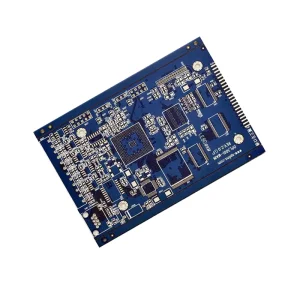
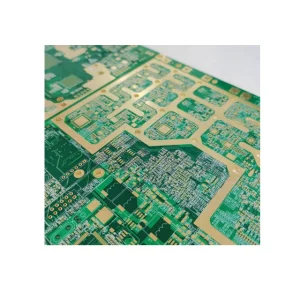
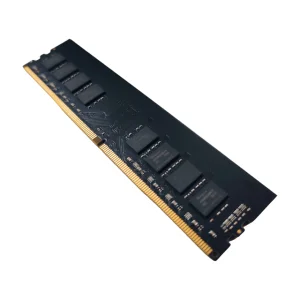
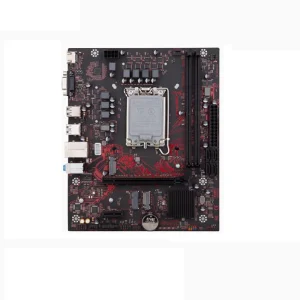
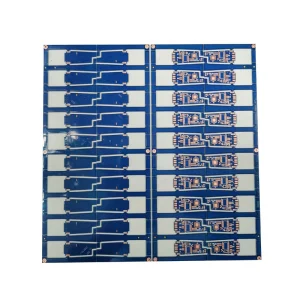
Engineered for extreme thermal thresholds and high signal integrity, custom-optimized for industrial hubs from Milan to Turin.
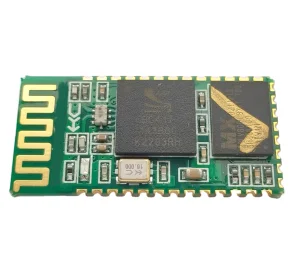
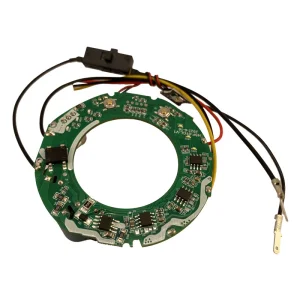
Italy ranks as the second-largest manufacturing nation in the European Union. Across regions like Lombardy, Veneto, Emilia-Romagna, and Piedmont, advanced industrial sectors demand high-reliability printed circuit boards capable of enduring sustained thermal stresses. Glass transition temperature (Tg) defines the point at which the PCB base material transitions from a rigid, glassy state to a flexible, rubbery state. Standard FR4 boards (Tg 130°C - 140°C) fail to maintain mechanical integrity under continuous heat, leading to delamination and trace rupture.
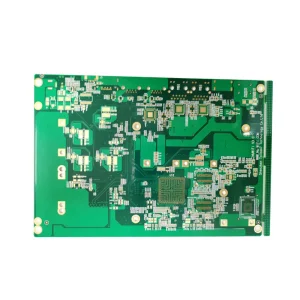
For Italian electronics designers, High-TG PCBs (Tg ≥ 170°C, typical 175°C - 180°C) represent the baseline standard for critical systems. In applications such as packaging machines in Bologna, precision automotive electronics in Turin, and high-frequency power distribution networks, High-TG substrates (like Shengyi S1000-2M or Ventec VT-47) ensure excellent dimensional stability. High-TG materials offer a lower Z-axis coefficient of thermal expansion (CTE) and superior resistance to thermal shocks during Lead-Free HASL or ENIG soldering processes.
As the European Union moves aggressively toward digitalization and green energy transitions, Italian manufacturers must deploy hardware that matches rigorous IPC Class 3 requirements. Selecting the correct High-TG material ensures your assemblies operate continuously under high loads without physical deformation, electrical degradation, or system down-times.
High-TG PCBs are not general-purpose boards; they are custom-engineered for specific demanding deployment environments throughout Italy's localized industrial clusters.
Milano and Bergamo host Europe's densest concentration of industrial machine manufacturers. PLCs and CNC controllers placed directly beside heavy electric motors face intense heat and vibration. High-TG multilayers prevent delamination in these continuous-operation industrial cabinets.
The Italian automotive sector around Turin is rapidly shifting to Electric Vehicles (EVs). High-voltage Battery Management Systems (BMS) and on-board chargers (OBCs) generate severe thermal loads, requiring thick copper High-TG PCBs for optimal thermal dispersion.
Medical imaging machinery and high-precision food processing gear in Parma and Bologna must comply with hygienic and sterilization standards. These devices experience periodic high-temperature cleaning cycles where High-TG circuit boards protect signal pathways.
In today's volatile global hardware supply chain, Italian electronic design houses face dual challenges: escalating component costs and unpredictable prototyping schedules. Collaborating with an integrated China-based High-TG PCB manufacturer provides structural advantages in raw material sourcing and scale efficiency. Memvora establishes long-term relationships with laminate manufacturers like Shengyi Technology, allowing us to maintain a consistent stock of high-grade raw laminates even during high-market demand.
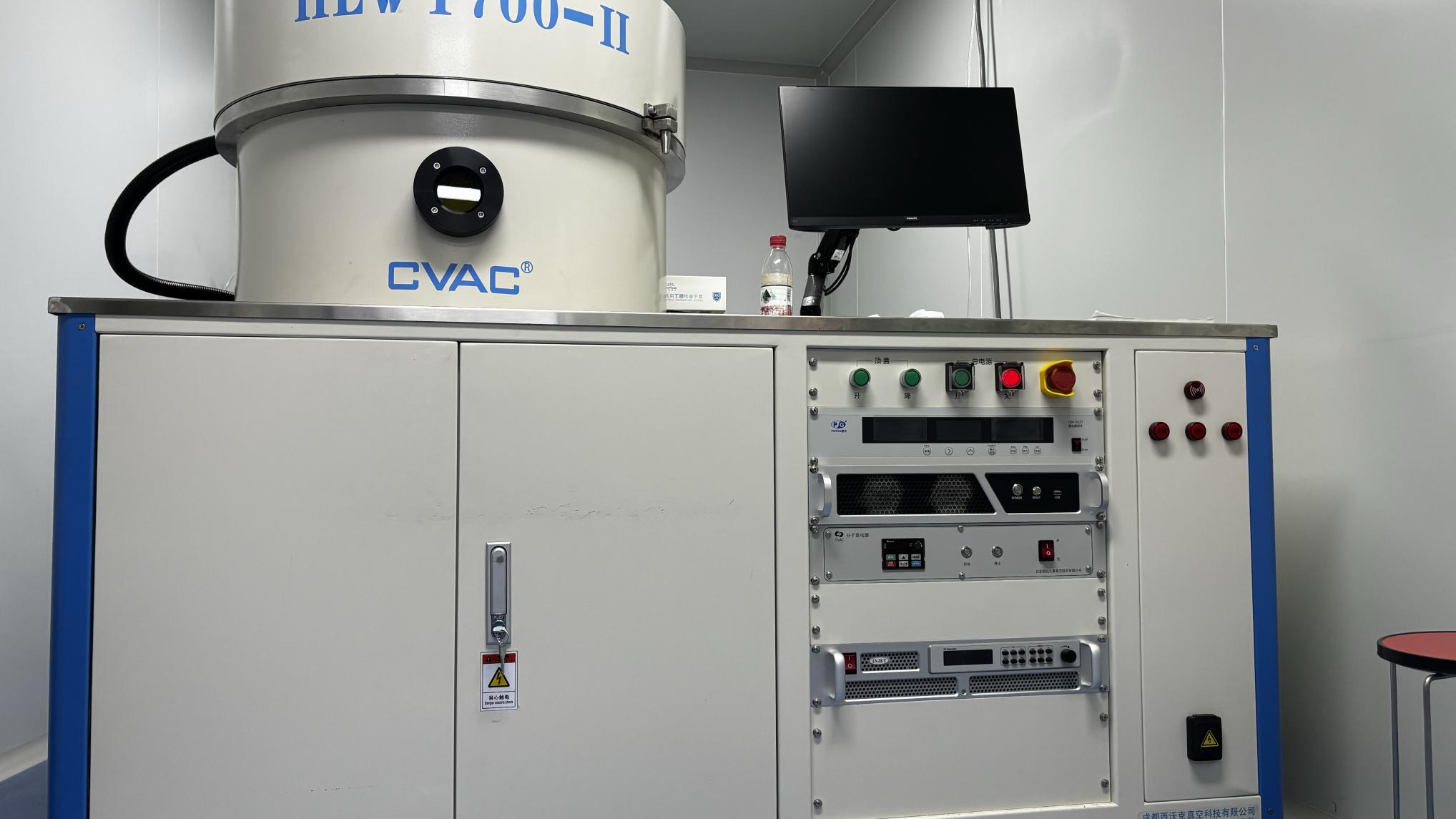
Our rapid SMT prototyping line and high-speed multi-layer laminating equipment enable us to deliver complex 4-to-24 layer High-TG boards within 5 to 7 working days. When shipping to major Italian commercial entry ports, such as Milan Malpensa (MXP) airport or the Port of Genoa, we utilize optimized air and sea freight channels. This approach minimizes transport bottlenecks and avoids custom delays, securing a seamless import process for domestic Italian OEMs.
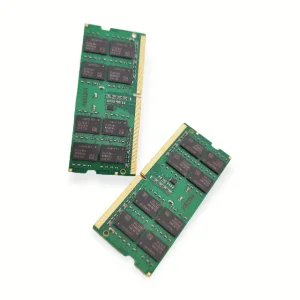
Founded in 2017, Memvora Electronics Technology Co., Ltd. is an industry-leading manufacturer specializing in high-performance memory modules and high-precision multilayer PCB fabrication. We serve global industrial, enterprise, and automotive clients with high-reliability computing and connection solutions.
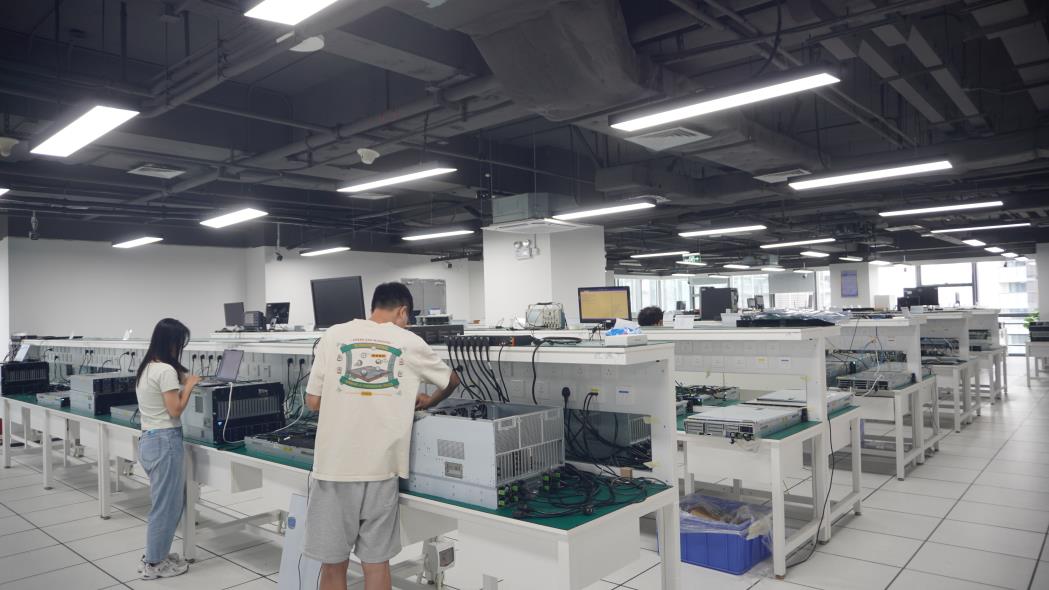
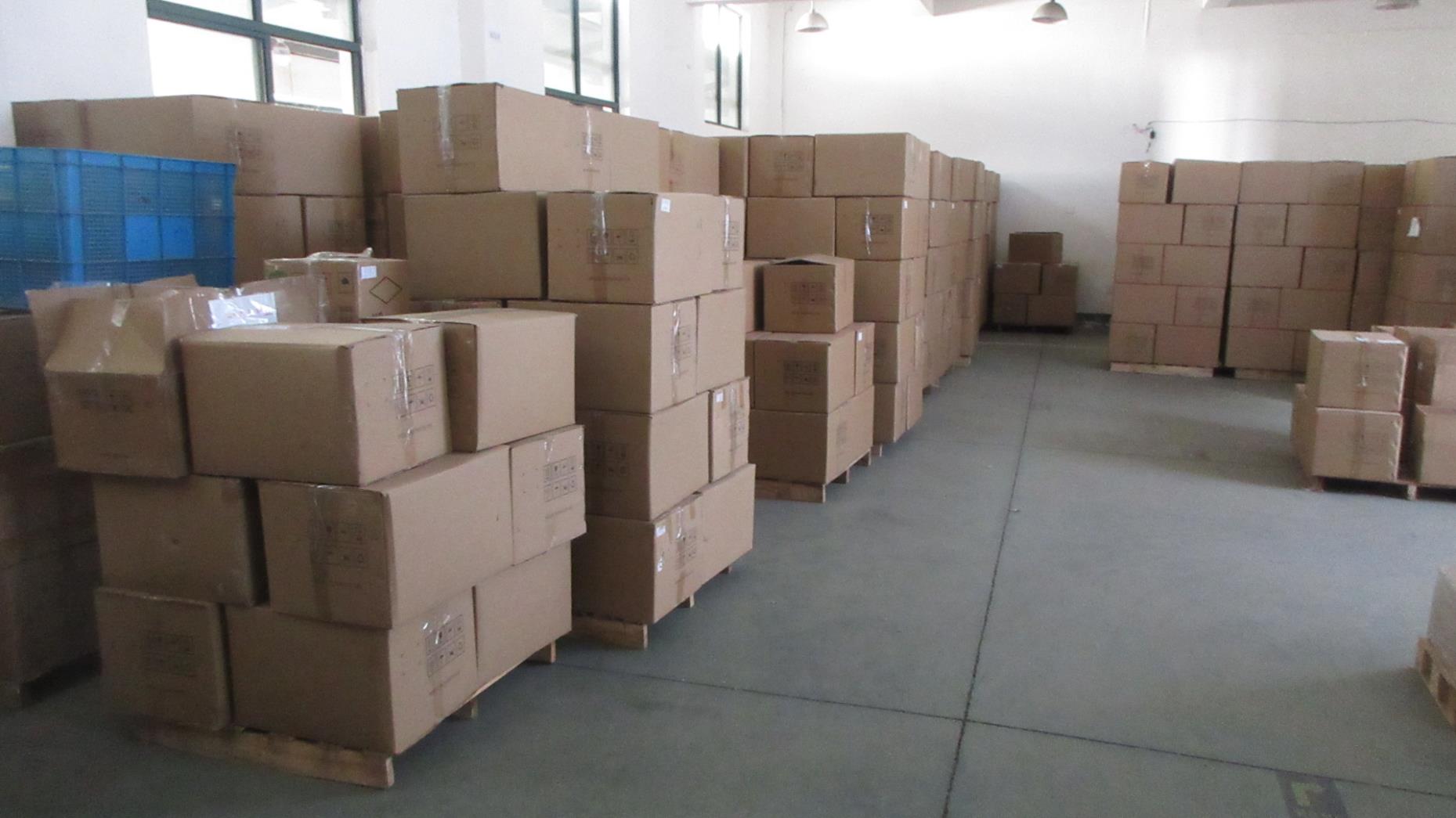
At our modern 386㎡ state-of-the-art facility, we blend advanced SMT assembly lines with high-density multilayer lamination equipment. Over the last 7 years of international trade, Memvora has partnered with over 1,280 component suppliers and business entities worldwide. This extensive network ensures that high-quality components and laminates are consistently available for production, insulating our clients from broader supply chain fluctuations.
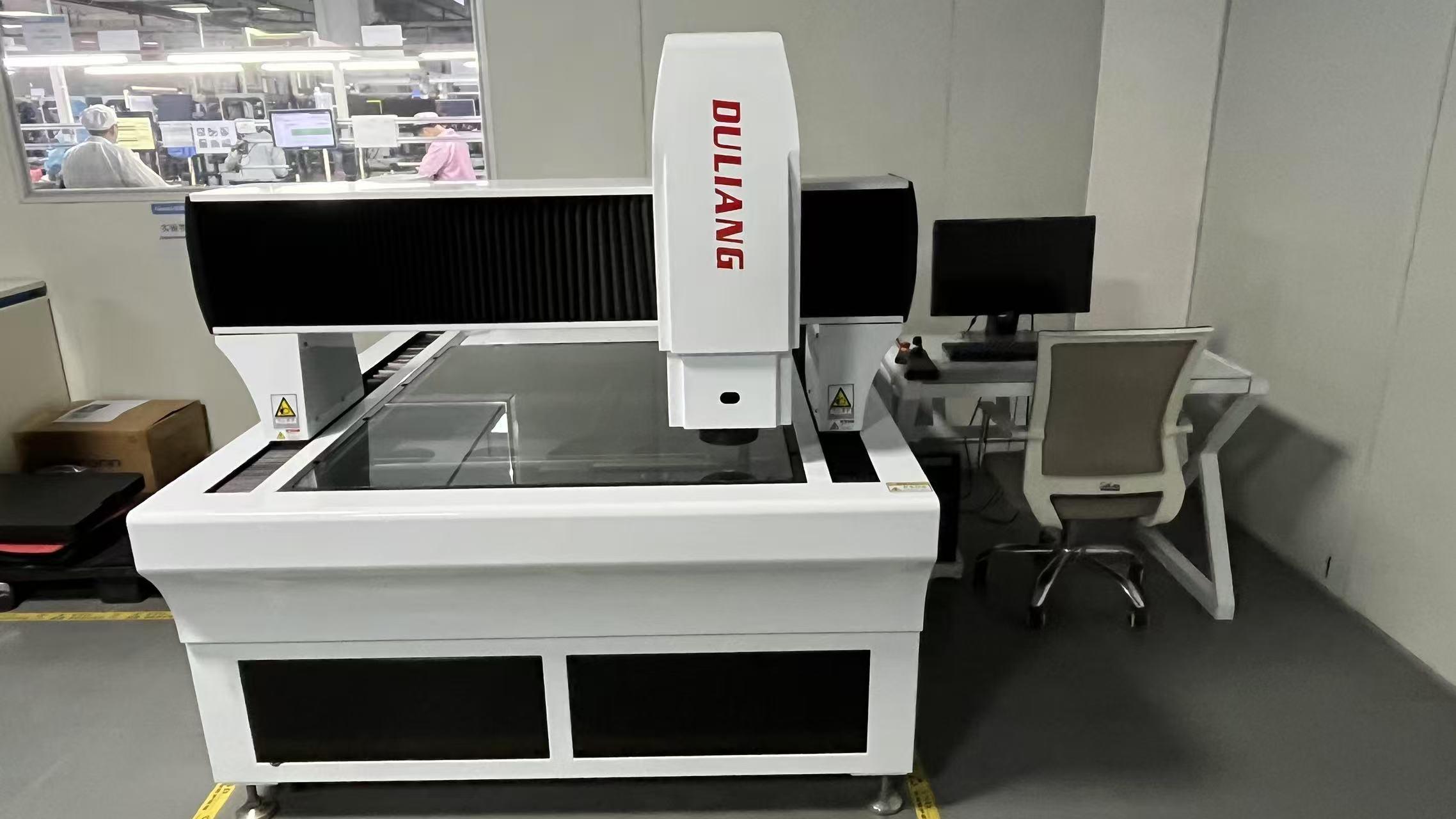
Quality represents the core foundation of our work. Our dedicated Quality Control department employs 42 specialized inspectors who manage a strict 100% testing regimen. This includes Automatic Optical Inspection (AOI), X-ray thickness measurements, thermal stress tests, solderability testing, and complete functional verification prior to dispatch. When you import High-TG PCBs from Memvora into Italy, you receive products optimized for long-term thermal endurance, maintaining physical and electrical stability through millions of thermal cycles.
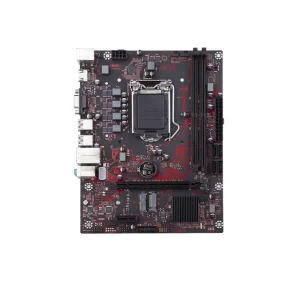
Memvora provides complete flexibility through OEM, ODM, private label customization, and variable volume production runs. Whether you require custom impedance-controlled stack-ups, specific solder mask colors (such as matte green, black, or blue), specialized surface finishes (ENIG, ENEPIG, Immersion Tin, or Lead-free HASL), or high-reliability computing motherboards, our engineering team is structured to deliver.
As high-frequency designs, high-density interconnects (HDI), and advanced thermal management converge, High-TG substrates must adapt to faster signal rise times.
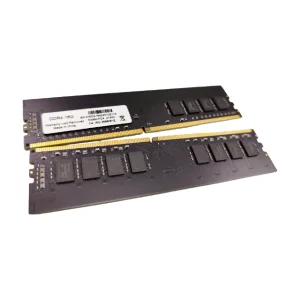
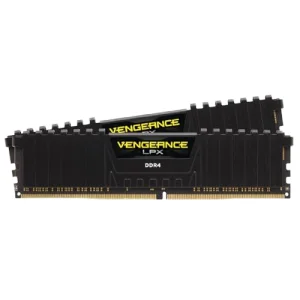
Modern applications like edge computing, automotive radar systems, and advanced computing motherboards are shifting toward DDR5 memory protocols. DDR5 speeds range from 4800MT/s to over 6400MT/s. These high transfer rates require ultra-thin dielectric layers and tightly controlled impedance structures. Using a High-TG, low-Dk/Df substrate ensures signal attenuation and cross-talk are minimized, maintaining signal integrity over long transmission paths.
To accommodate high-ball-count BGA components, PCB designers employ HDI technologies like laser-drilled blind and buried microvias. As feature sizes shrink, structural stresses during thermal excursions increase. Normal FR4 base materials expand significantly in the Z-axis, creating stress on microvia connections. High-TG materials limit this Z-axis expansion, protecting the copper microvias from cracking during repetitive thermal cycling.
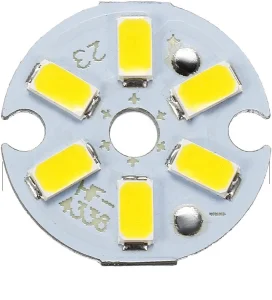
High-TG materials are increasingly paired with thermal vias or metal cores (such as aluminum or copper bases) to construct hybrid PCBs. These hybrid structures route intense heat away from high-power active components—such as power transistors, LED arrays, and processors—preserving system reliability and long-term operating life.
Regulatory frameworks in Europe are accelerating the demand for halogen-free laminates. Halogen-free, High-TG laminates deliver the same thermal and electrical performance while avoiding toxic emissions during recycling or disposal, aligning with WEEE and RoHS directives.
Exporting custom electronics into Italy requires strict alignment with European Union environmental and safety directives. At Memvora, we certify that our High-TG PCB boards comply with all relevant European standards, enabling hassle-free import and distribution within Italy:
To ease import and configuration steps, we offer tailored logistics and technical support for our clients in Italy. We provide DFM consulting, custom stack-up generation, and direct communication to resolve questions concerning Gerber designs and bill of materials (BOM) optimization. We work closely with leading express freight forwarders to deliver products directly to your assembly facility in Italy, handling customs clearances smoothly.
Technical insights regarding material properties, manufacturing capability, and logistics for Italian electronics engineers.
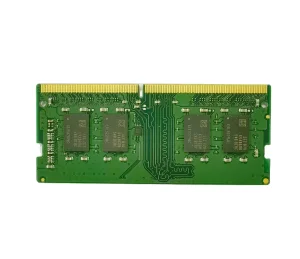
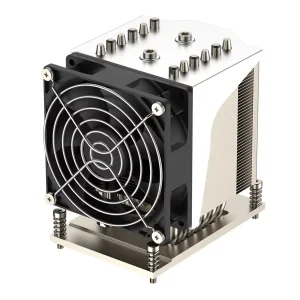
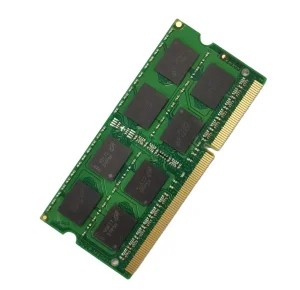
Browse our broad spectrum of high-reliability circuit boards, high-speed memory modules, and heat dissipation hardware.
 Memvora