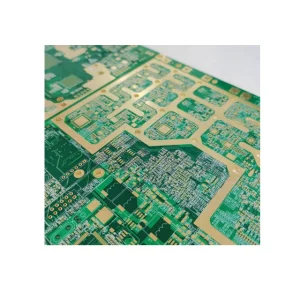
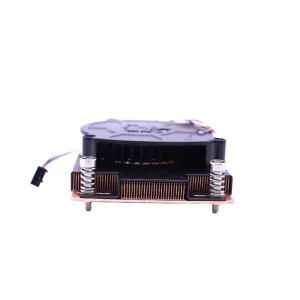
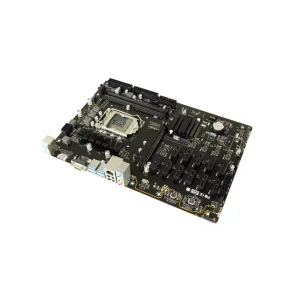
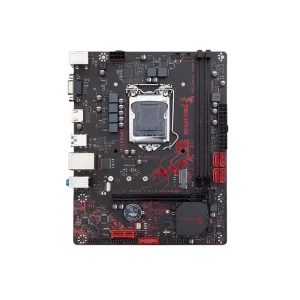
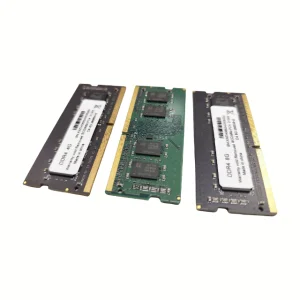
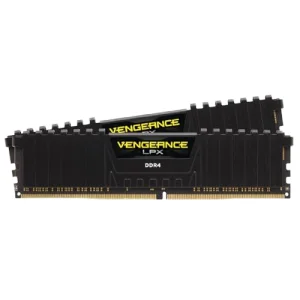
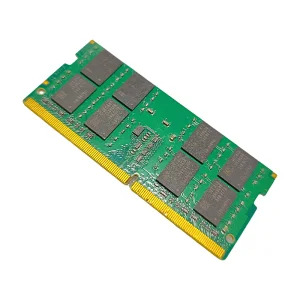
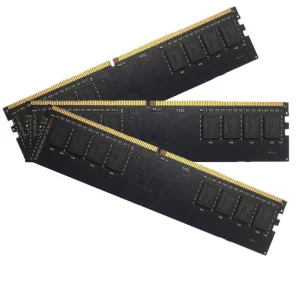
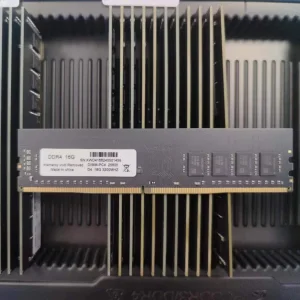
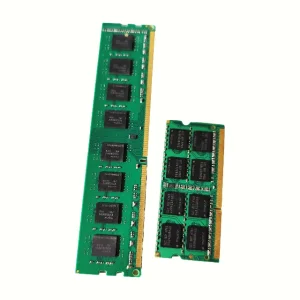
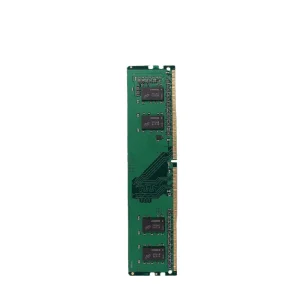
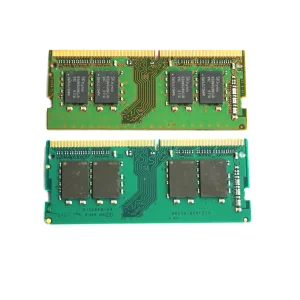
Engineered to withstand the rigorous demands of industrial automation and telecommunication sectors.
Turkey has rapidly transitioned into a critical regional powerhouse for high-tech manufacturing, specifically within the defense, telecommunications, and automotive industries. With central hubs such as the OSTIM Industrial Zone in Ankara and the Tuzla Free Zone in Istanbul, Turkish electronics developers require highly reliable and certified manufacturing channels for RF (Radio Frequency) and microwave printed circuit boards. The rapid localization of systems requires components that meet strict signal integrity, low insertion loss, and stable dielectric parameters.
In addition, Turkey’s digital expansion, marked by continuous infrastructure developments in 5G telecommunication networks and ADAS (Advanced Driver Assistance Systems) technologies for vehicles like TOGG, has escalated the local demand for specialized High-Frequency PCBs. Standard FR-4 materials are no longer sufficient for systems operating above 10 GHz; high-speed operations mandate hybrid dielectric stackups incorporating PTFE, ceramics, or customized hydrocarbons to preserve signal strength and prevent signal reflection over high-speed networks.
| Material Type | Dielectric Constant (Dk) | Dissipation Factor (Df) | Typical Application in Turkey |
|---|---|---|---|
| Rogers RO4003C | 3.38 ± 0.05 | 0.0027 @ 10 GHz | Military Radar & Avionics |
| Rogers RO4350B | 3.48 ± 0.05 | 0.0037 @ 10 GHz | 5G Telecom Base Stations |
| Shengyi High-TG FR4 | 4.60 | 0.0150 @ 1 GHz | Control Systems & Motherboards |
| Hybrid (Rogers + FR4) | Customized | Low (RF paths) | Cost-Optimized Industrial Nodes |
Table 1.0: Stackup comparison of Rogers and Shengyi high-reliability laminates utilized in localized Turkish assemblies.
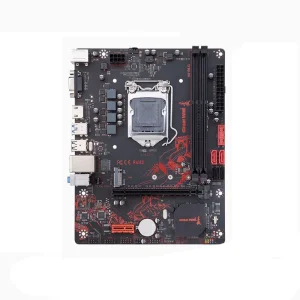
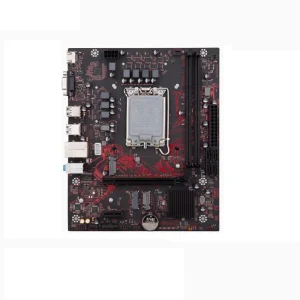
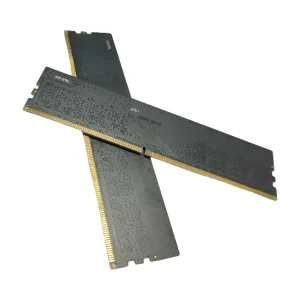
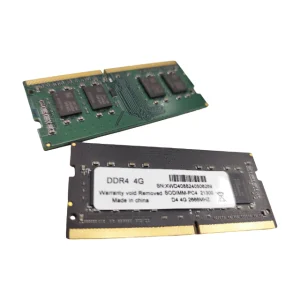
Ensuring system stability with high-density RAM modules and dedicated motherboards for industrial computing.
Modern electrical engineering calls for high density interconnect (HDI) configurations combined with high-frequency capabilities. Our engineering roadmap addresses the primary challenges in this transition: material interface bonding and impedance control. In a hybrid RF structure, high-frequency laminates (like Rogers RO4350B) are stacked with standard FR-4 layers. This approach allows high-frequency signal processing on the outer layers while utilizing cost-effective FR-4 on the internal layers for power distribution and general control circuitry.
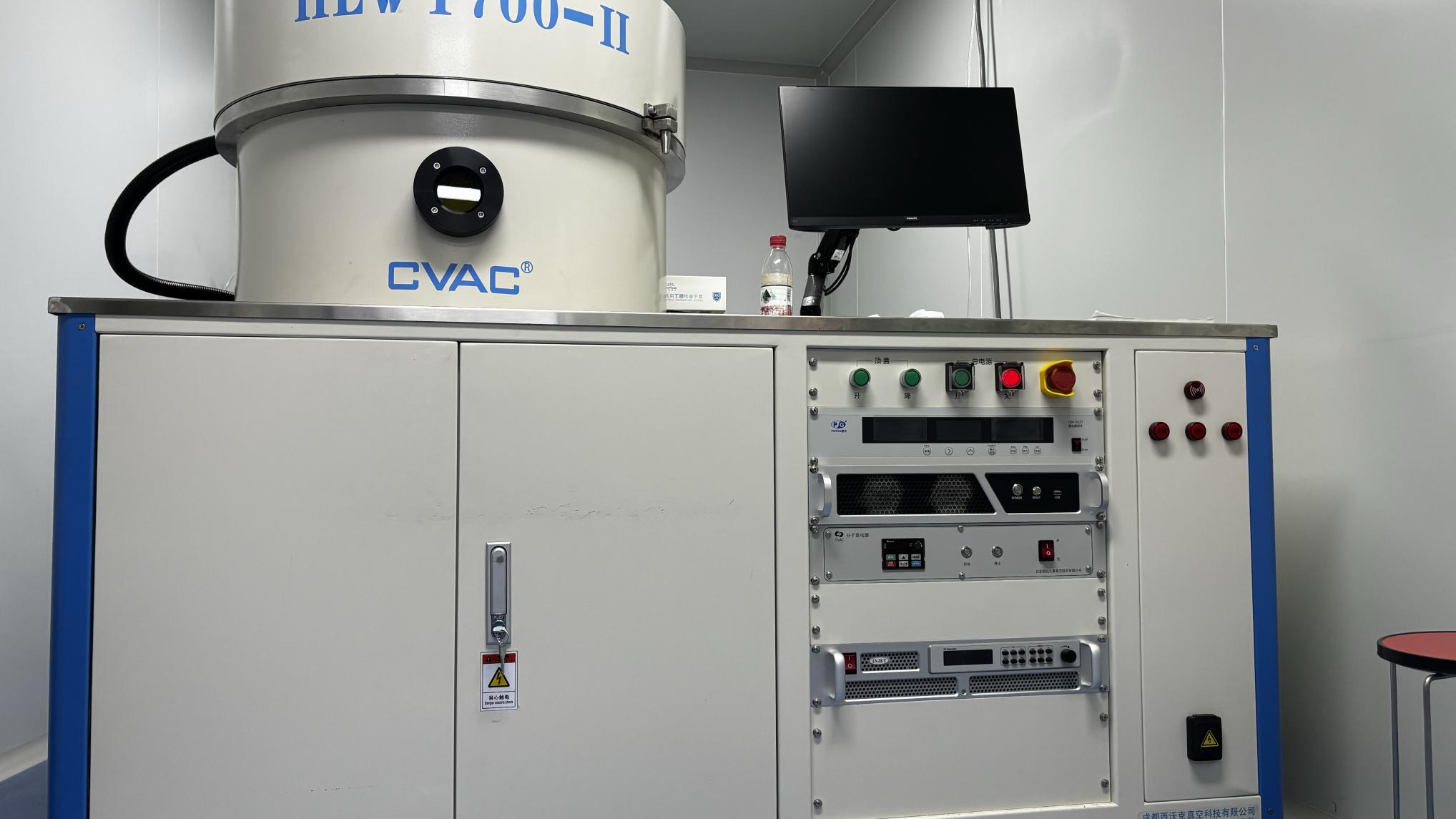
The manufacturing process for hybrid PCBs requires extremely precise temperature control during the pressing cycle. Because Rogers and FR-4 materials have different Coefficient of Thermal Expansion (CTE) profiles, improper alignment or heating can lead to board warping, internal delamination, or micro-crack formation within the plated through-holes (PTH). Our facilities use specialized vacuum-press systems to synchronize the polymer crosslinking between different materials, ensuring long-term mechanical reliability under fluctuating temperatures.
Using advanced electromagnetic 3D field solvers (such as Ansys HFSS) to calculate precise trace widths for differential and single-ended signals targeting 50Ω and 100Ω targets.
Matching dielectric constant tolerances down to ±0.05 and optimizing prepreg resin systems (low-flow variants) to prevent resin bleed on active high-frequency cavities.
Utilizing high-precision UV/CO2 hybrid laser drills to construct blind and buried microvias, followed by rigorous plasma desmear cycles to optimize copper-to-resin adhesion.
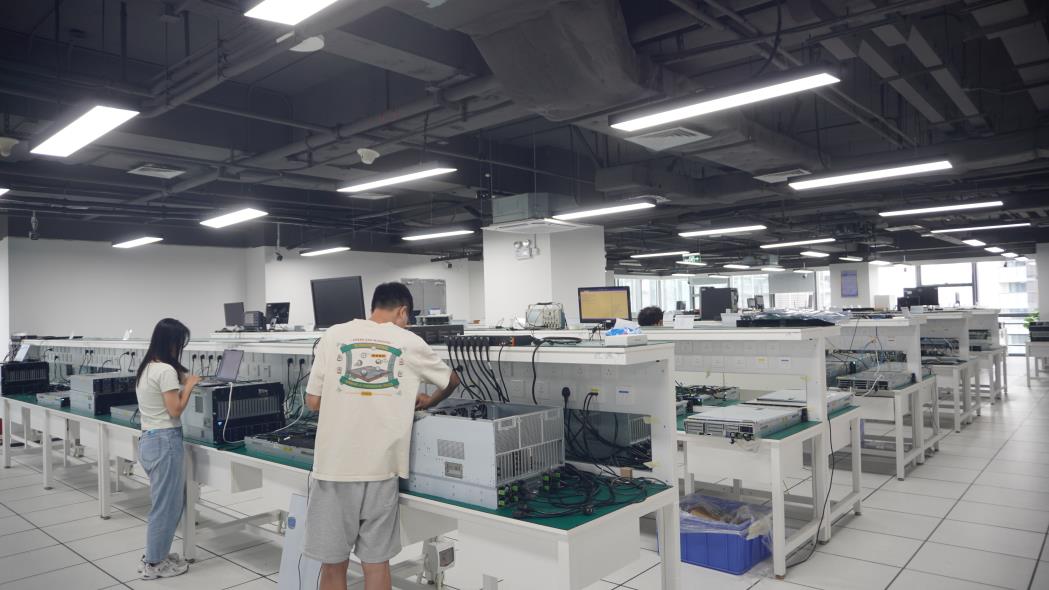
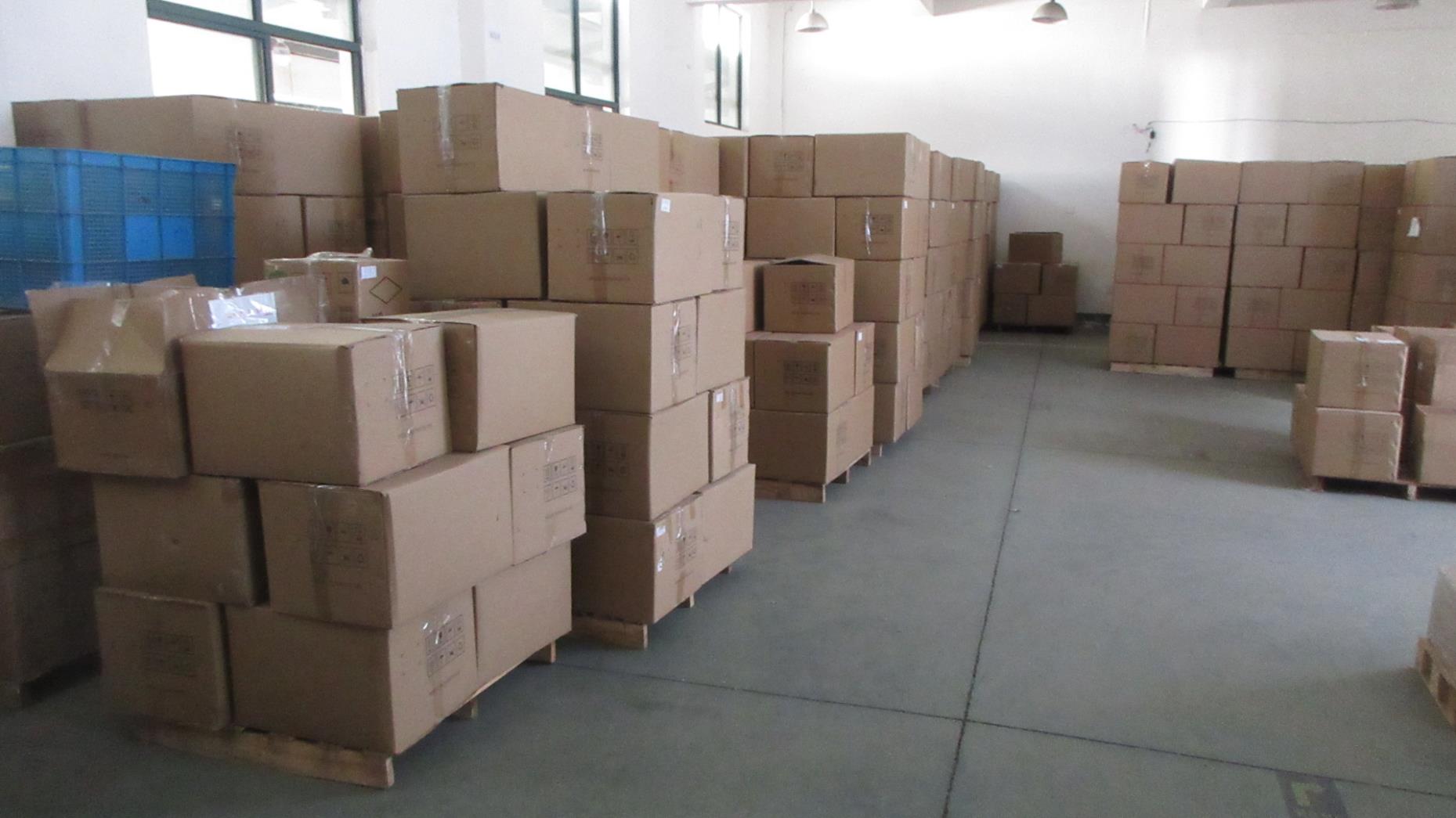
To ensure high production standards, we operate a specialized cleanroom facility in China. This workshop functions as a dedicated engineering center for high-frequency prototyping, micro-assembly, and signal integrity calibration, allowing us to maintain precise manufacturing tolerances before scaling to larger, optimized volume facilities. Our 7 years of international export experience guarantees smooth logistics delivery from our manufacturing centers directly to major Turkish ports and airports, including Istanbul Airport (IST) and Izmir Port.
By leveraging China's strong industrial supply chain, we secure high-grade raw laminates directly from global leaders like Rogers, Taconic, Nelco, and Shengyi. This direct partnership protects our clients from material shortages and keeps pricing stable. Additionally, we provide complete compliance documentation, including standard certifications (UL 94V-0, RoHS, REACH) and customs clearance support (e.g., A.TR movement certificates, simplified import declaration paperwork). This comprehensive documentation ensures hassle-free processing through Turkish customs and prevents delivery delays.
Founded in 2017, Memvora Electronics Technology Co., Ltd. is a professional manufacturer specializing in high-performance DDR5 memory modules and complex interconnect solutions, dedicated to delivering reliable memory and PCB solutions for consumer, industrial, enterprise, and embedded applications worldwide. With a modern manufacturing facility covering 386㎡ of highly specialized cleanroom space, we combine advanced production equipment, strict quality management, and experienced engineering expertise to provide stable, high-speed memory and circuit designs for global OEM and ODM partners.
Since entering the international market, Memvora has accumulated 7 years of export experience, serving customers across North America, Europe, Southeast Asia, the Middle East, and South America. Our annual export revenue exceeds US$18.6 million, supported by a strong global supply chain and long-term partnerships with more than 1,280 component suppliers and business partners.
With 14 years of industry experience, our team continuously invests in technology innovation and product development. Our R&D department consists of 126 professional engineers who focus on developing next-generation high-speed interconnects and memory solutions with higher speed, lower latency, and enhanced reliability. Last year alone, we successfully launched 86 new products to meet the evolving needs of gaming, AI computing, industrial automation, and enterprise servers.
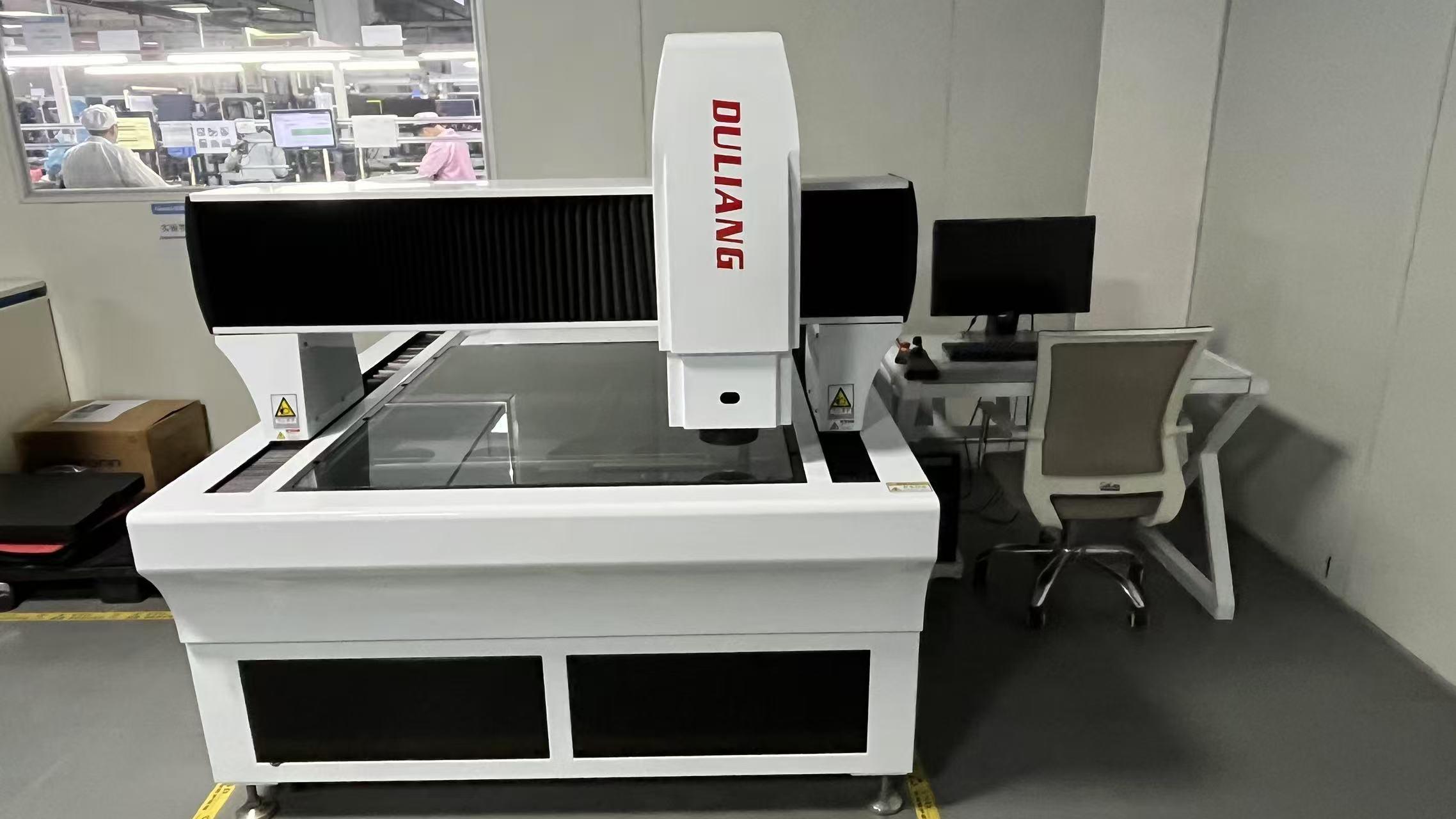
Quality is the foundation of everything we do. Every product undergoes 100% functional testing, burn-in testing, compatibility testing, signal integrity testing, and aging tests before shipment. Our dedicated quality control team of 42 inspectors ensures every memory module and PCB assembly meets rigorous international quality standards and delivers long-term stable performance.
Memvora provides flexible OEM, ODM, private label, custom capacity, PCB color, heat spreader design, firmware optimization, and packaging customization services to meet different market requirements. Backed by a responsive engineering team and efficient production management, we help customers shorten development cycles and accelerate product launches.
Selected high-speed memory products optimized for enterprise computing networks in Turkey.
Clear answers to engineering, supply chain, and deployment queries for the Turkish industrial sector.
 Memvora