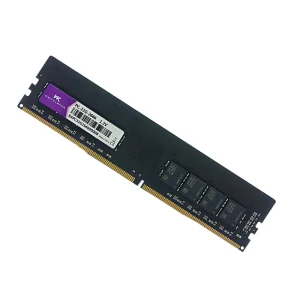
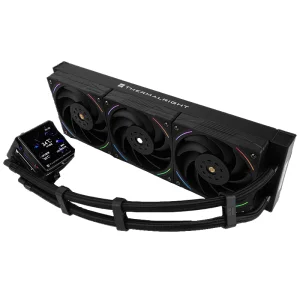
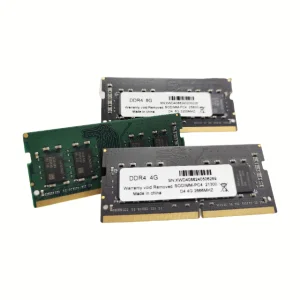
Enterprise-grade DDR4 ECC memory modules and specialized cooling assemblies designed for hyper-scale data centers, Edge deployments, and mission-critical enterprise platforms across Singapore's digital infrastructure.
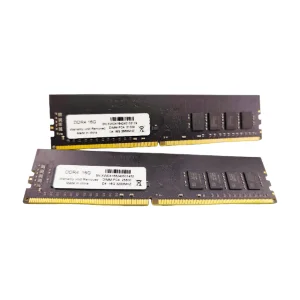
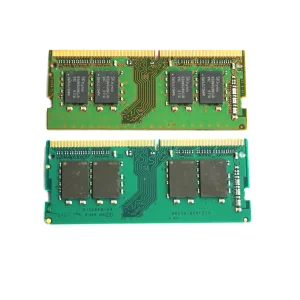
Singapore occupies a foundational position within the global microelectronics supply chain. Accounting for approximately 11% of the global semiconductor market share and roughly 20% of global semiconductor manufacturing equipment output, Singapore represents a key strategic hub for high-reliability components. Driven by initiatives like the Smart Nation 2030 and the Green Data Center Roadmap, the procurement requirements for DRAM components in the Singapore market have shifted profoundly from basic transactional transactions to rigorous, engineering-led verification frameworks.
Hyper-scale data centers concentrated in regions like Jurong East, Tai Seng, and Loyang operate under severe environmental cooling mandates to reduce Power Usage Effectiveness (PUE) ratios. Standard commercial DDR4 RAM modules often fail prematurely due to thermal fatigue and voltage instabilities induced by ambient humidity and cooling modifications. To counter this, enterprise buyers require highly customized solutions: ultra-low profile (VLP) form factors, specific thermal pad interfaces, and industrial-grade silicon designed to withstand constant workload stresses.
Beyond data centers, Singapore’s Tuas industrial zone and advanced aerospace manufacturing clusters require embedded hardware configurations. Marine vessels and offshore platforms operating in the Straits of Malacca rely on edge computers with ECC RAM modules to process real-time navigational data. Standard DRAM is susceptible to cosmic ray bit flips and electromagnetic interference (EMI); hence, local system integrators emphasize the procurement of high-density ECC modules that feature advanced parity checks and dynamic thermal throttling algorithms.
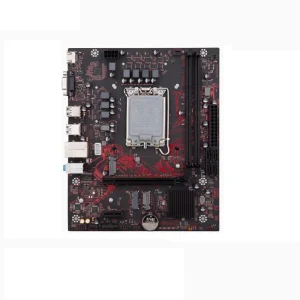
Additionally, the adoption of B760M and industrial-grade motherboards equipped with high-performance processors in automation kiosks across MRT (Mass Rapid Transit) stations and smart port systems has accelerated the demand for rugged RAM modules. The stability of these terminals depends entirely on the signal integrity between the memory controllers and the physical DRAM package, making rigorous laboratory-grade validation indispensable.
Looking for custom memory specs for Singapore government projects or enterprise bids?
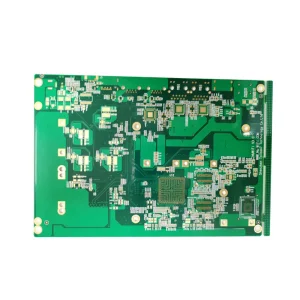
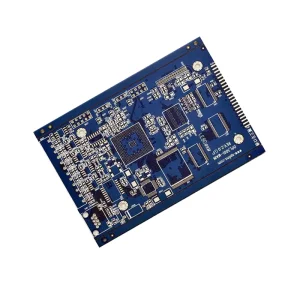
Consult Our Solution EngineersComplementary high-reliability PCB design, SMT assembly, and RF substrates optimized for Singapore's advanced electronics manufacturing, solar systems, and industrial control industries.
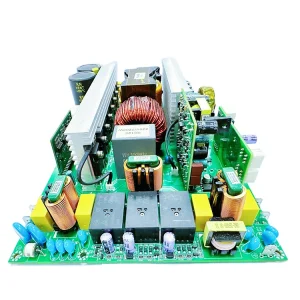
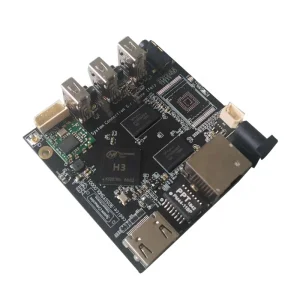
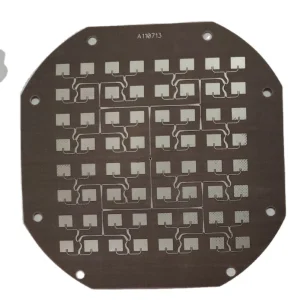
Founded in 2017, Memvora has positioned itself as an industry leader in engineering reliable memory modules, advanced PCBs, and high-density semiconductor sub-assemblies.
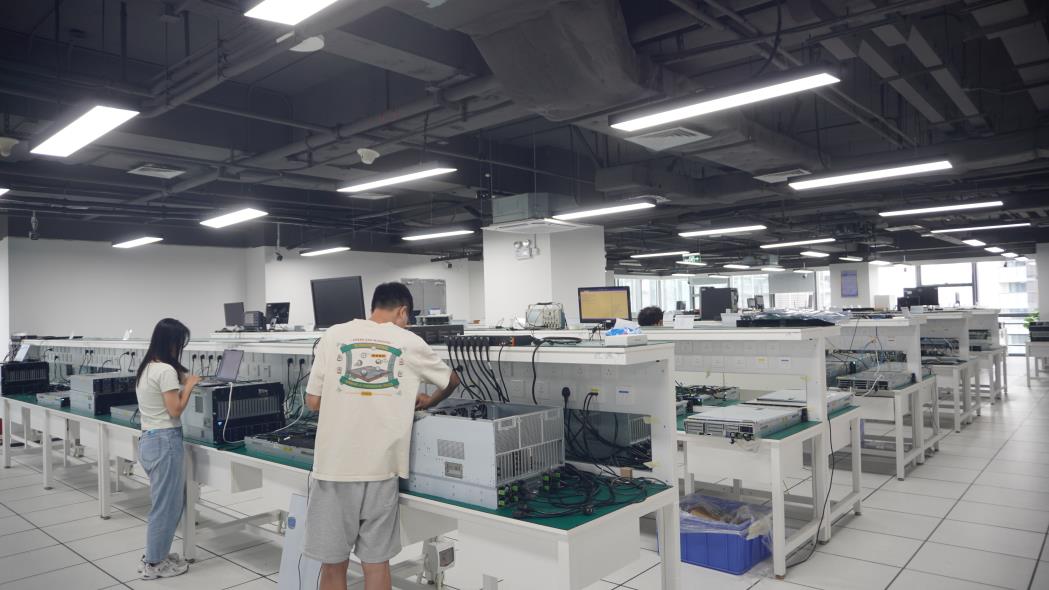
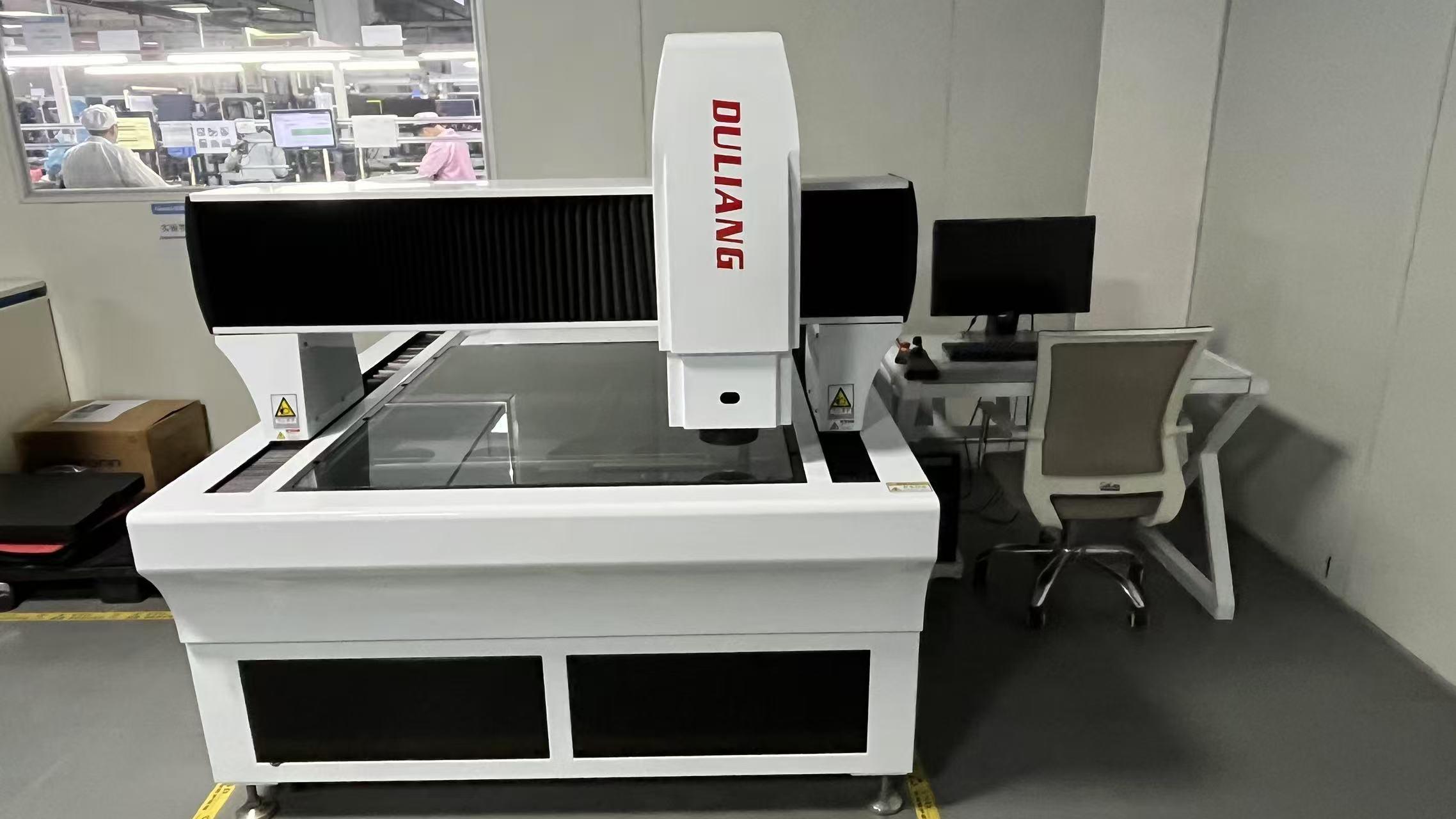
Memvora Electronics Technology Co., Ltd. operates with a singular focus: engineering precision and absolute operational stability. With our modern manufacturing facility covering 386㎡ of Class-10,000 cleanroom spaces, we have optimized our SMT (Surface Mount Technology) processes to execute high-volume production with low defect rates. Our facilities utilize advanced visual inspection systems (AOI), X-ray component verifiers, and real-time environment-controlled chambers to produce stable, high-speed memory modules designed for global OEM/ODM partners.
Leveraging 7 years of export history, Memvora supports major technology distributors and system integrators across North America, Europe, South America, the Middle East, and Southeast Asia. With an annual export valuation exceeding US$18.6 million, we maintain relationships with over 1,280 certified raw material suppliers and global chipset brokerages. This network secures our component supply chain even during volatile market cycles, shielding our Singaporean partners from unexpected shortages or long lead times.
Our research and development team, consisting of 126 professional hardware engineers, remains at the forefront of DRAM architecture. With 14 years of industry tenure, our senior engineering core executes complex board routing designs, signal integrity simulations (using HFSS/ADS software), and custom firmware integrations. Last year, our product development cycles launched 86 specialized memory models, satisfying the niche specifications of high-performance gaming configurations, industrial automation setups, and next-generation AI platforms.
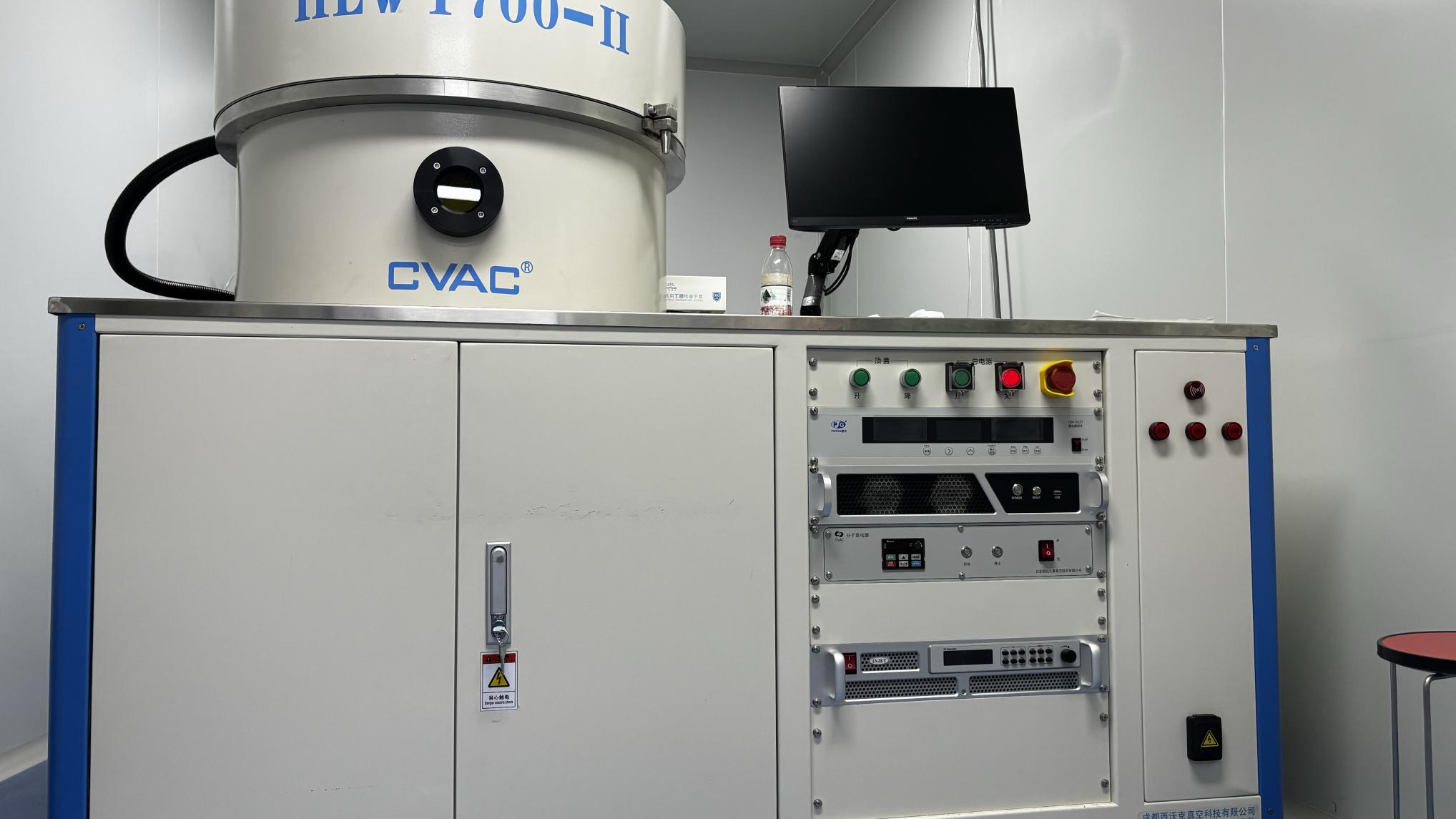
To design modules suitable for critical enterprise infrastructures, we must manage the electrical and physical limitations of DDR4. Unlike DDR3, DDR4 memory operates at a standard voltage of 1.2V (down from 1.5V), which significantly reduces thermal output but tightens the requirements for voltage tolerance. In high-density environments like a 2U rack server with 4 heat pipes, maintaining flat signal profiles and managing jitter is essential for preventing system crashes.
Memvora addresses these physical challenges through advanced design and layout processes. We use 8-layer to 10-layer PCB stack-ups with microstrip routing designs to control impedance mismatch and minimize crosstalk. Our premium components feature 30u" gold plating on contact points to resist oxidation in humid climates like Singapore’s. In addition, we source original DRAM dies from top manufacturers, ensuring consistent timing controls and stable latency profiles across all production runs.
For systems handling large data sets, the transition to DDR5 is accelerating. However, DDR4 remains the dominant architecture in industrial and legacy embedded systems due to its cost-efficiency and proven reliability. We help companies navigate this transition with dual-tier production support. This strategy allows system architects to scale up to DDR5 (up to 6000MHz) for fresh deployments while maintaining their DDR4 inventory for legacy machinery and medical terminals.
Memvora’s strict quality control process is managed by a team of 42 QC inspectors. Every batch of RAM modules undergoes a series of stress and performance tests before shipment to our distribution network:
Enterprise procurement teams must balance hardware cost against shipping times, import tariffs, and compliance with local regulations. In Singapore, electronic imports must comply with the National Environment Agency’s (NEA) RoHS standards, which limit hazardous substances in electrical components. Memvora modules are fully certified to RoHS, CE, FCC, and WEEE standards, simplifying local customs clearance and integration into government bids.
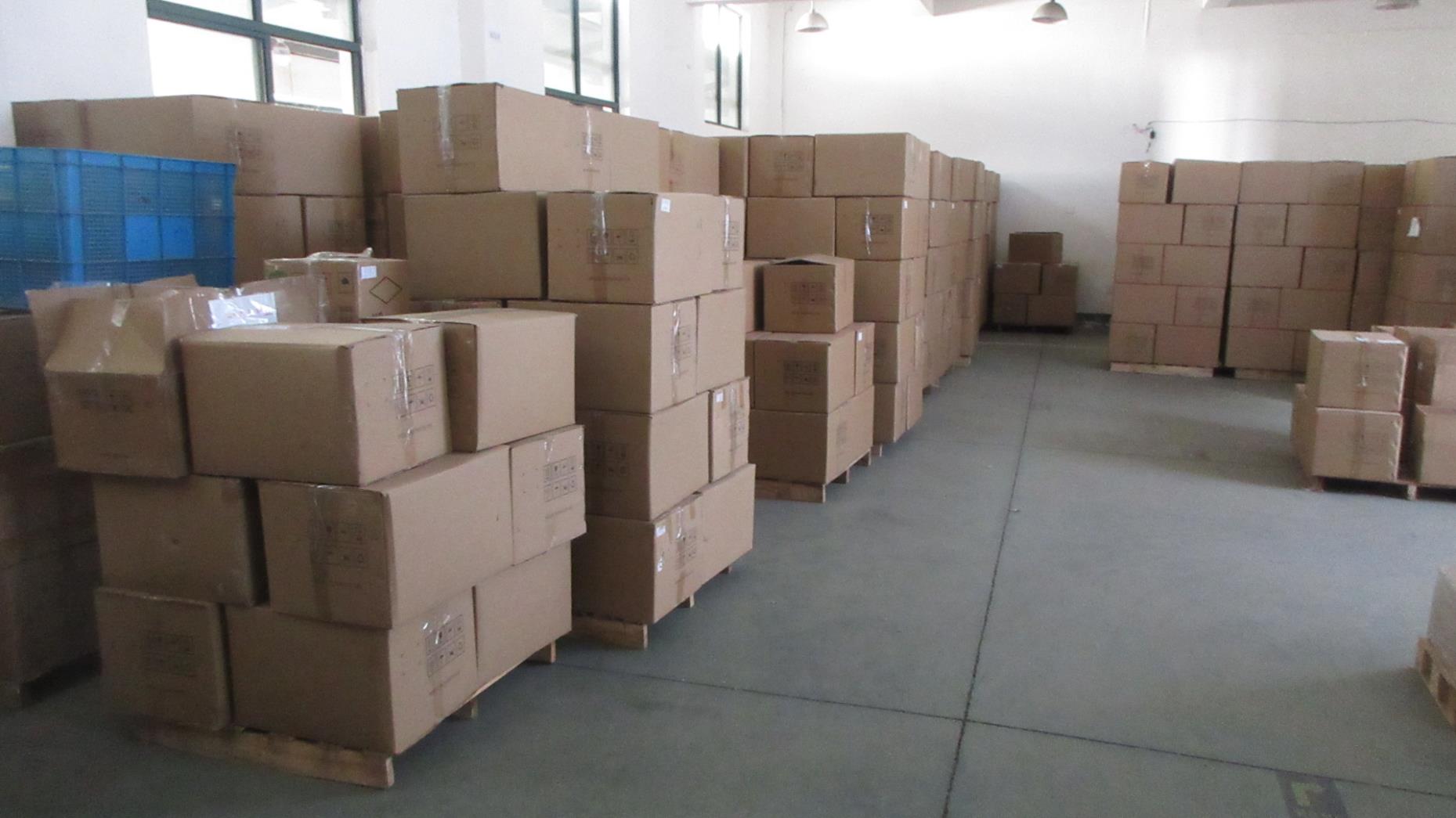
Additionally, we work closely with logistics partners to offer flexible shipping options directly to major business parks in Singapore, such as Changi Business Park and Science Park I & II. We maintain a buffer inventory of popular configurations, including 16GB and 32GB ECC modules, allowing us to support rapid deployments and minimize downtime for regional service networks.
Memvora provides complete design and manufacturing customization (OEM/ODM) to meet specific project needs:
Key technical answers for procurement teams and system integrators operating in the Singapore market.
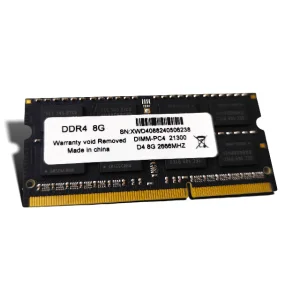
Explore our complete catalog of DDR4 and DDR5 memory modules, alongside advanced PCB and power management assemblies built for reliable industrial operations.
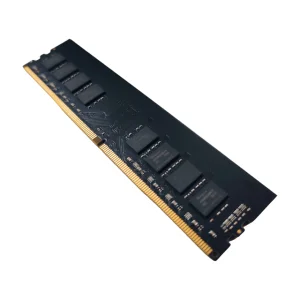
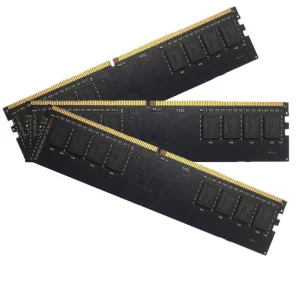
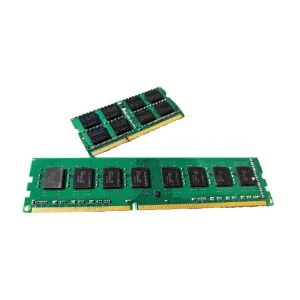
Whether you require customized timing parameters, particular testing reports, or volume pricing for regional distribution, we are here to support your requirements.
Send Inquiry Now Memvora