High-reliability sub-components and logic control units optimized for 270nm-410nm 3535 UVC LED system integration in the Malaysian industrial automation market.
The Malaysian industrial and commercial landscape is undergoing a massive shift toward sustainable energy, cleanroom automation, and smart water sanitation frameworks. As a key global manufacturing node for microelectronics, medical gloves, and agricultural processing, Malaysia presents unique micro-climatic and manufacturing demands. Traditional low-pressure mercury vapor UV lamps are rapidly being phased out across Penang, Selangor, and Johor, driven by the global mandate of the Minamata Convention on Mercury and local ESG (Environmental, Social, and Governance) targets under the Twelfth Malaysia Plan (12MP).
"The replacement of chemical disinfection with solid-state 270nm-280nm UVC radiation has emerged as a cornerstone policy for local microelectronics and food & beverage manufacturers to maintain high sanitary standards without chemical runoff."
By packaging AlGaN-based semiconductor chips in standard 3535 ceramic footprints (3.5mm x 3.5mm), optoelectronic engineers have solved the reliability bottlenecks of traditional UV sources. The 3535 package offers high heat dissipation via aluminum nitride (AlN) substrates, critical for maintaining high radiant flux in tropical climates like Malaysia's, where ambient temperatures and humidity levels can severely degrade standard LED packages.
For Malaysia’s robust Halal food and pharmaceutical processing sectors, chemical-free sterilization is paramount. Wavelengths in the 270nm-280nm UVC band disrupt microbial DNA/RNA replication pathways without altering the sensory profile or chemical structure of products. This physical disinfection method is certified organic-compatible, addressing stringent JAKIM Halal regulations while driving clean industrial practices.
Selecting the exact wavelength is crucial for specific photochemical, photobiological, and industrial curing processes.
Peak germicidal disinfection band. Optimized for municipal water purification plants, air handling units (AHUs) in hospitals, and contact sterilization of cleanroom packaging.
Widely adopted for clinical phototherapy equipment, agricultural growth stimulation, and synthetic chemical processes requiring low-energy photoactivation.
Engineered for high-speed industrial photo-polymerization, high-precision curing of conformal coatings in semiconductor plants, and industrial print drying systems.
| Wavelength Wd (nm) | Radiant Flux (mW) @ 350mA | Forward Voltage Vf (V) | Viewing Angle (deg) | Key Industrial Applications in Malaysia |
|---|---|---|---|---|
| 270nm - 275nm | 10 - 15 mW | 5.5 - 6.5 V | 60° / 120° | Water filtration loops, surface disinfection, sterile glove packaging |
| 280nm - 285nm | 12 - 18 mW | 5.0 - 6.0 V | 120° | Air HVAC duct sterilization, biosafety cabinets in research labs |
| 310nm - 315nm | 35 - 45 mW | 4.5 - 5.5 V | 120° | Agricultural photobiology (growth stimulation), medical phototherapy |
| 365nm - 375nm | 700 - 900 mW | 3.4 - 3.8 V | 60° / 90° | Industrial UV curing of coatings, PCB assembly adhesive curing |
| 395nm - 410nm | 1000 - 1200 mW | 3.2 - 3.6 V | 120° | Large-format industrial printing inks, wood coating, polymer curing |
Understanding local operational parameters is essential to deploying 3535 UVC/UVA systems effectively. In Penang's silicon packaging hubs, cleanroom conveyor systems utilize 365nm to 410nm high-power arrays to cure die-attach film and underfill polymers in seconds. This prevents outgassing and maintains high assembly throughput.
In Klang’s rubber glove industries, UVC units are integrated directly into automated stripping lines. High ambient temperatures require the 3535 package's superior thermal performance to prevent thermal runaway and maintain consistent optical power. Simultaneously, the municipal water authorities in Selangor are running pilot schemes to integrate high-power UVC LEDs into local rural water treatment grids, ensuring the supply of safe drinking water without adding chlorine to the networks.
Memvora’s capabilities in precision multi-layer PCB design and heat sink fabrication complement this transition, ensuring that industrial clients receive complete, high-stability thermal subsystems optimized for prolonged operation.
Founded in 2017, Memvora Electronics Technology Co., Ltd. is a professional manufacturer specializing in high-performance hardware modules, high-reliability DDR5 memory modules, and high-frequency PCBs. We provide stable, advanced electronics for consumer, industrial, and embedded applications worldwide. With a modern manufacturing facility covering 386㎡, we combine advanced production equipment, strict quality management, and deep engineering expertise to provide high-speed systems for global OEM and ODM partners.
Supported by a strong global supply chain and long-term partnerships with more than 1,280 component suppliers and business partners, we generate an annual export revenue exceeding US$18.6 million across 7 years of international trade. Our R&D department consists of 126 professional engineers with 14 years of industry experience, ensuring that every product—ranging from enterprise server motherboards to customized optoelectronic control systems—delivers long-term, stable performance.
Every product undergoes 100% functional testing, burn-in testing, compatibility testing, and thermal cycling before shipment. Our dedicated quality control team of 42 inspectors ensures every module meets rigorous international standards, including RoHS, CE, and FCC, providing an excellent foundation for custom optoelectronic control and high-performance server integrations.
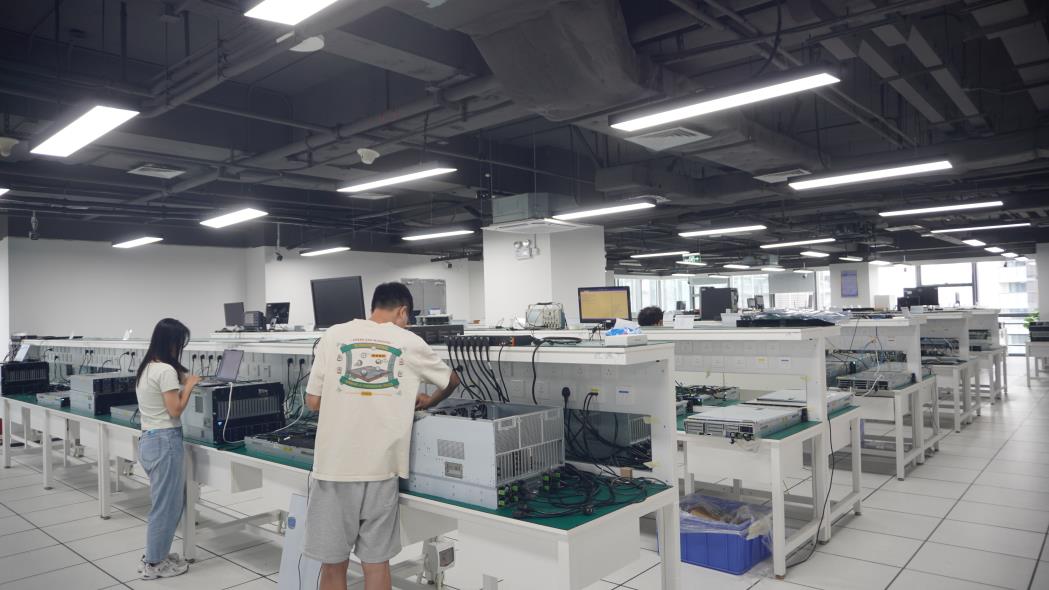
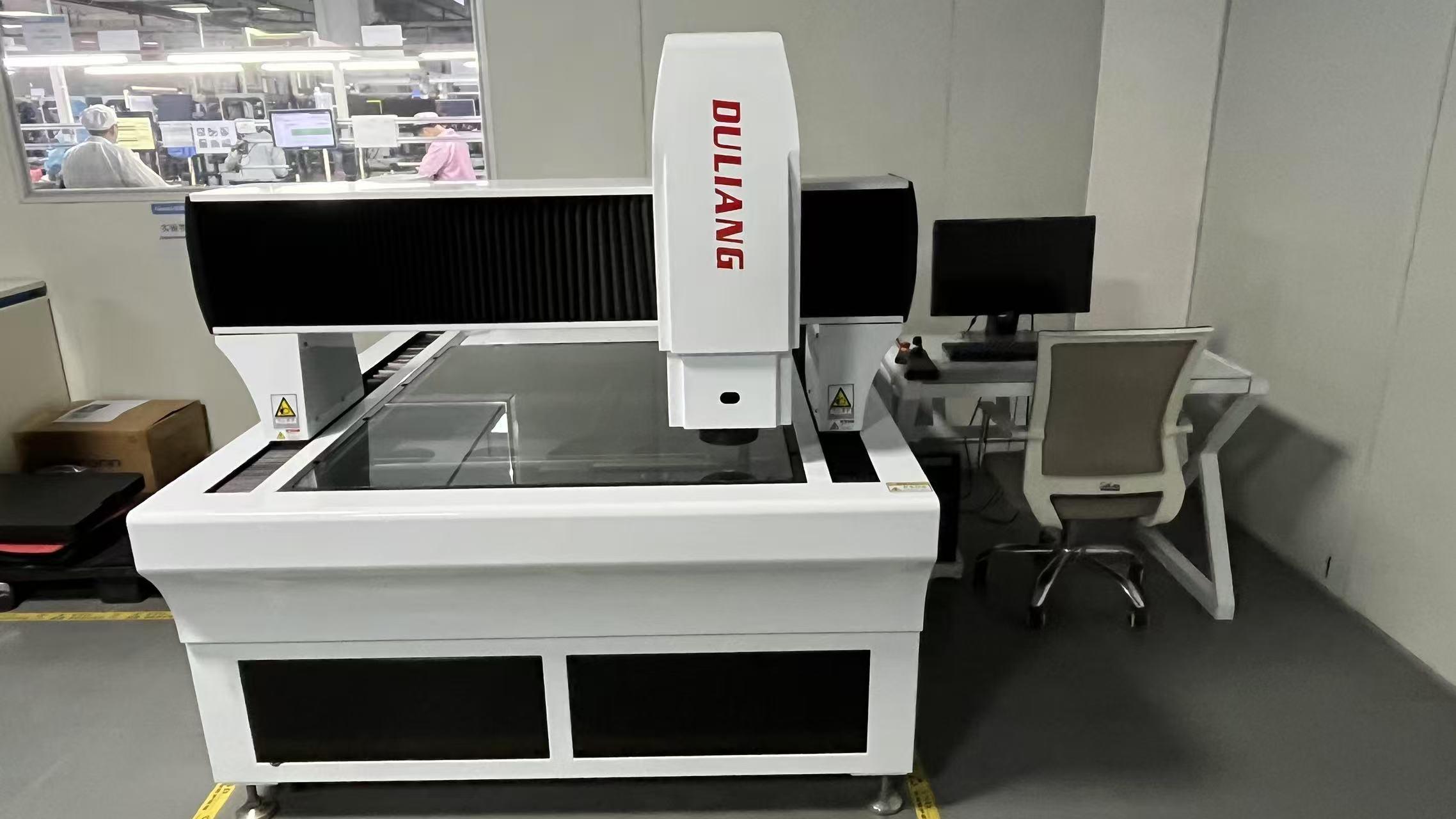
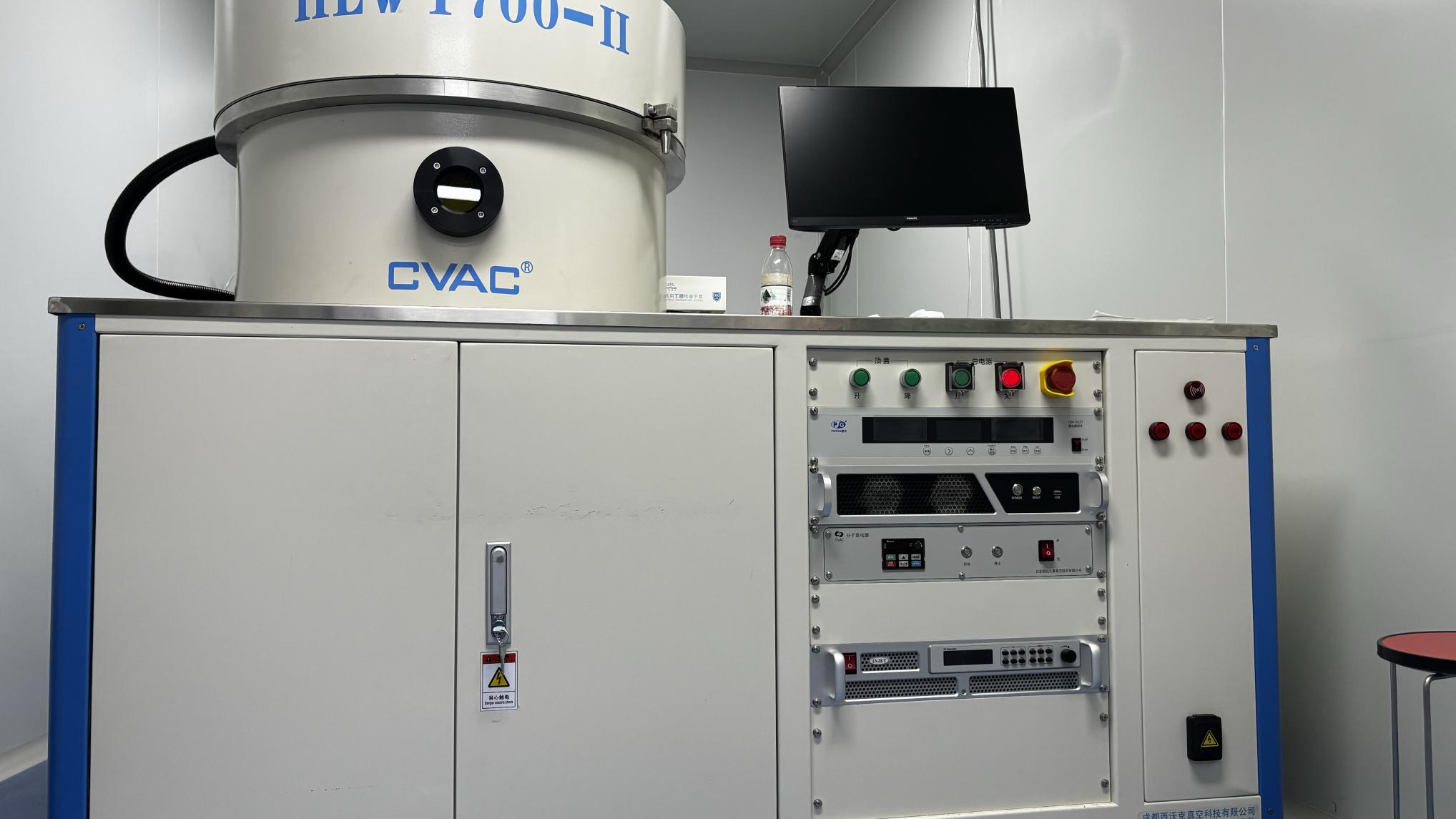
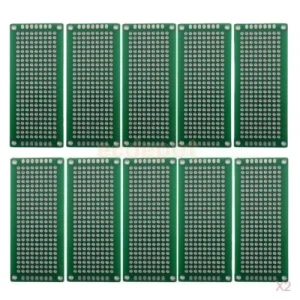
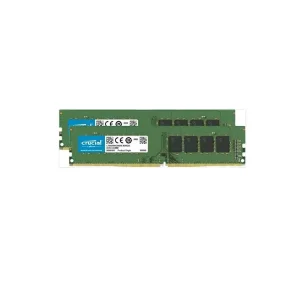
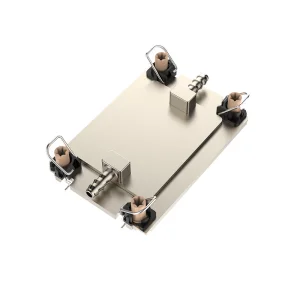
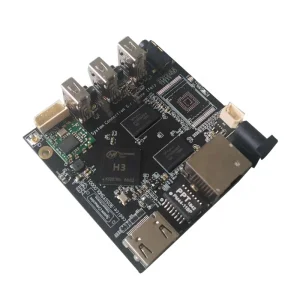
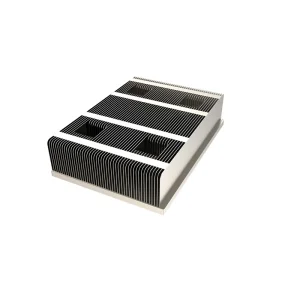
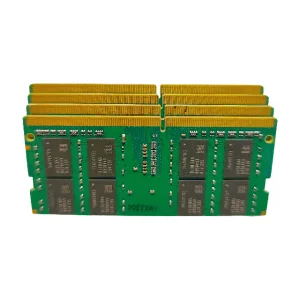
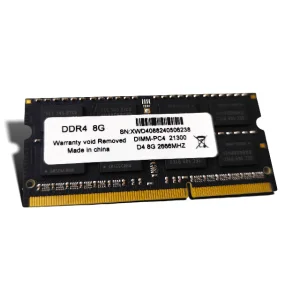
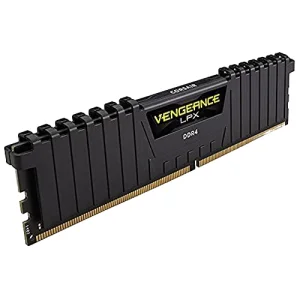
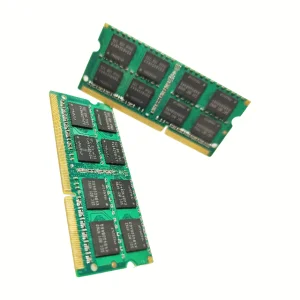
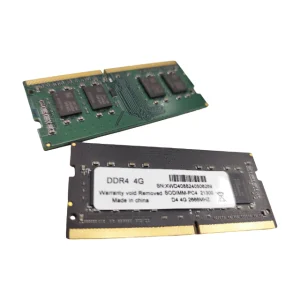
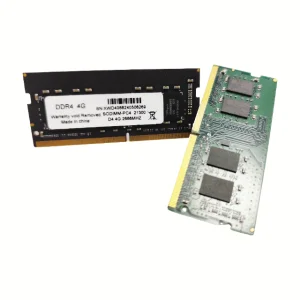
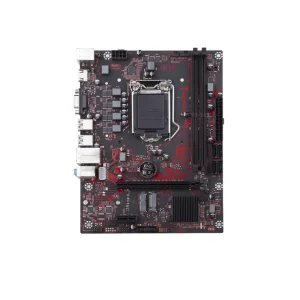
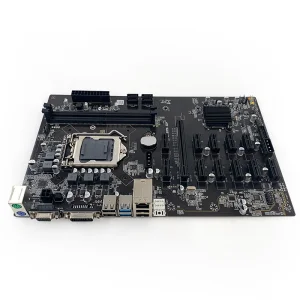
A comprehensive selection of robust thermal copper sinks, driver PCBA layouts, and logic chips matching the 3535 UVC/UVA LED spectrum deployment specifications.
Addressing the primary engineering barriers to higher Wall-Plug Efficiency (WPE) and thermal robustness.
Solid-state UVC LEDs historically faced lower external quantum efficiency (EQE) compared to standard blue LEDs. This limitation arose from dislocation densities in the AlGaN layers and challenges with light extraction from the high-refractive-index material. Over the next five years, the industry is transitioning toward atomic-layer deposition (ALD) and localized pattern sapphire substrates (PSS) to achieve lower crystalline defect densities.
Additionally, the transition from silicone encapsulation to hermetically sealed micro-quartz domes has increased light extraction efficiency by 20% in the 270nm-280nm UVC band. Quartz lenses resist high-energy UV degradation, maintaining transparency over thousands of operational hours. For Malaysia’s high-humidity manufacturing hubs, hermetic quartz encapsulation prevents moisture ingress into the package, safeguarding the AlGaN chip from oxidation.
On the circuit and control side, integrating copper core PCBs and direct-bonded copper (DBC) ceramic backings has become mandatory. Memvora's production of high-density copper PCB assemblies provides the precise structural foundation needed for high-power multi-LED grids. These custom-engineered PCBAs dissipate heat from the 3535 ceramic submount to the heat sink, maintaining junction temperatures below 85°C to preserve optical power output.
Expert technical answers to assist procurement directors and system architects in selecting the optimal 270nm-410nm 3535 LED components.
Secure custom optoelectronic modules, thermal copper boards, and logic driver kits designed for demanding industrial operations in Malaysia.
Send Inquiry Now Memvora