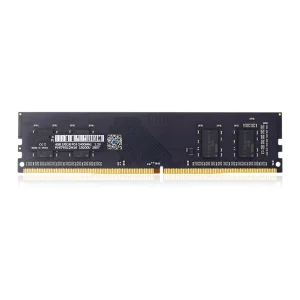
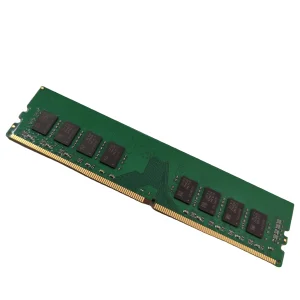
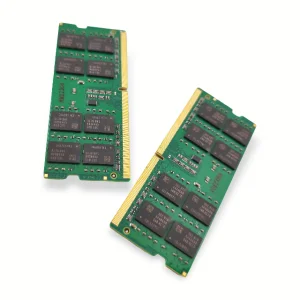
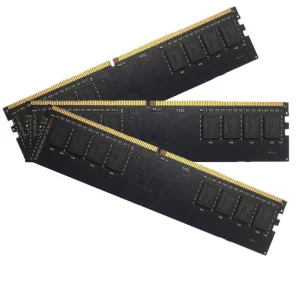
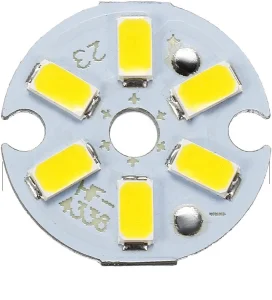
High-performance control units and circuit boards integrated into smart 270nm-410nm UV monitoring and power systems for Azerbaijan's advanced infrastructure.
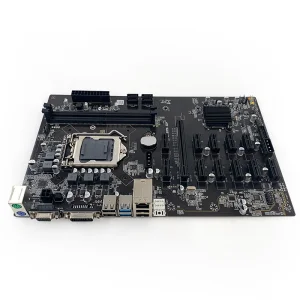
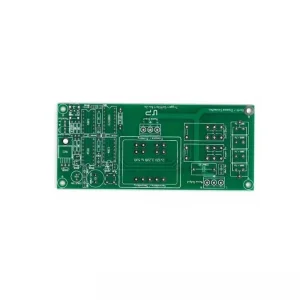
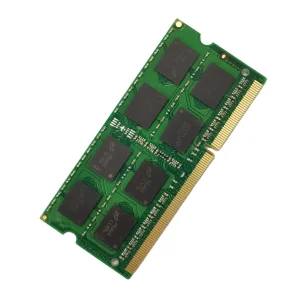
As the largest economy in the South Caucasus, Azerbaijan is actively diversifying its industrial profile, transitioning from conventional oil and gas extraction towards high-tech manufacturing, environmental engineering, and food processing. Crucial economic zones, such as the Sumgait Chemical Industrial Park (SCIP), the Alat Free Economic Zone (AFEZ), and agricultural processing zones in Ganja and Mingachevir, are driving the demand for state-of-the-art technological components. Among these, the adoption of 270nm-410nm 3535 UVC/UVA LEDs has emerged as a cornerstone technology for modern modernization projects.
In municipal water sanitation, Baku and surrounding regions on the Caspian Sea coast are increasingly turning to solid-state UV disinfection systems. Traditional mercury lamps are being phased out in compliance with ecological standards, creating a large demand for high-performance 3535 UVC LEDs (specifically at 270nm to 285nm). These compact chips feature exceptional germicidal efficacy, destroying the DNA and RNA structure of waterborne pathogens without leaving chemical residues.
Furthermore, Azerbaijan's expanding agricultural sector—supported by state-backed greenhouses in regions like Khachmaz and Shamkir—utilizes UVA (365nm to 410nm) wavelengths for advanced horticultural cultivation, pest control, and photo-catalyst synthesis. Local industrial manufacturers are integrating these wavelengths into reliable hardware systems, making localization of supply chains and direct access to specialized optoelectronic factories essential for regional engineering consortia.
Adoption of 275nm UVC LED systems for industrial effluent and municipal drinking water disinfection across the Caspian Basin.
Application of 365nm-410nm UVA packages in commercial vertical farms and greenhouses to stimulate plant defense systems.
Photocuring processes in Baku's print houses and microelectronic assemblies utilizing high-intensity 395nm and 405nm light engines.
The 3535 package (3.5mm x 3.5mm footprint) is the industry standard for high-power, high-reliability optoelectronic applications. By packaging AlGaN (Aluminum Gallium Nitride) and InGaN (Indium Gallium Nitride) semiconductor dies onto ceramic submounts, manufacturers achieve optimal thermal and optical performance.
Here is an in-depth breakdown of how the wavelength variations correspond to distinct physics-based applications:
| Wavelength Range | Band Classification | Primary Semiconductor Chemistry | Target Applications | Energy Output & Efficiency (Typical WPE) |
|---|---|---|---|---|
| 270nm - 280nm | UVC (Deep UV) | AlGaN / AlN Substrate | DNA/RNA Germicidal Irradiation, Air Sanitization | 2.0% - 4.5% WPE (Rapidly rising with new wafer designs) |
| 280nm - 315nm | UVB (Mid UV) | AlGaN Active Layers | Medical Phototherapy, Vitamin D Synthesis, Agrotech | 4.0% - 7.0% WPE |
| 315nm - 380nm | UVA (Near UV) | InGaN / AlGaN Heterostructure | Industrial Resin Curing, Lithography, Sensing | 35% - 50% WPE |
| 380nm - 410nm | UVA / Violet | InGaN MQW (Multiple Quantum Wells) | 3D Printing, High-Speed Optical Adhesives, Coating | 45% - 60% WPE |
For procurement officers in Azerbaijan and globally, sourcing 3535 UVC/UVA LEDs is not merely a transaction of purchasing individual emitters; it requires checking the reliability parameters of the components. Procurement frameworks must address the total cost of ownership (TCO) and system integration compatibility.
Global systems integrators sourcing for major infrastructure installations focus on three primary metrics:
The solid-state UV industry is undergoing rapid technical evolution. Modern factories are transitioning production lines to focus on the following key areas:
As the international community enforces the Minamata Convention on Mercury, the complete phase-out of high-pressure mercury lamps is inevitable. Solid-state UVC systems will capture 95% of the municipal and industrial sanitation markets. Our R&D division is continuously optimizing AlGaN chip design to reduce dislocation density, increasing quantum efficiency and making 3535 UVC LED modules competitive for low-power water purifiers as well as high-volume municipal treatment plants.
Founded in 2017, Memvora Electronics Technology Co., Ltd. is a professional manufacturer specializing in high-performance DDR5 memory modules, dedicated to delivering reliable memory solutions for consumer, industrial, enterprise, and embedded applications worldwide. With a modern manufacturing facility covering 386㎡, we combine advanced production equipment, strict quality management, and experienced engineering expertise to provide stable, high-speed memory products for global OEM and ODM partners.
Since entering the international market, Memvora has accumulated 7 years of export experience, serving customers across North America, Europe, Southeast Asia, the Middle East, and South America. Our annual export revenue exceeds US$18.6 million, supported by a strong global supply chain and long-term partnerships with more than 1,280 component suppliers and business partners.
With 14 years of industry experience, our team continuously invests in technology innovation and product development. Our R&D department consists of 126 professional engineers who focus on developing next-generation DDR5 memory solutions with higher speed, lower latency, and enhanced reliability. Last year alone, we successfully launched 86 new memory products to meet the evolving needs of gaming, AI computing, industrial automation, and enterprise servers.
Quality is the foundation of everything we do. Every product undergoes 100% functional testing, burn-in testing, compatibility testing, signal integrity testing, and aging tests before shipment. Our dedicated quality control team of 42 inspectors ensures every memory module meets rigorous international quality standards and delivers long-term stable performance.
Memvora provides flexible OEM, ODM, private label, custom capacity, PCB color, heat spreader design, firmware optimization, and packaging customization services to meet different market requirements. Backed by a responsive engineering team and efficient production management, we help customers shorten development cycles and accelerate product launches.
Today, Memvora serves a diverse customer base including memory brands, computer manufacturers, industrial equipment suppliers, system integrators, distributors, wholesalers, and e-commerce retailers. Through continuous innovation, reliable quality, and customer-focused service, we are committed to becoming a trusted global partner for advanced DDR5 memory manufacturing and customized DRAM solutions.
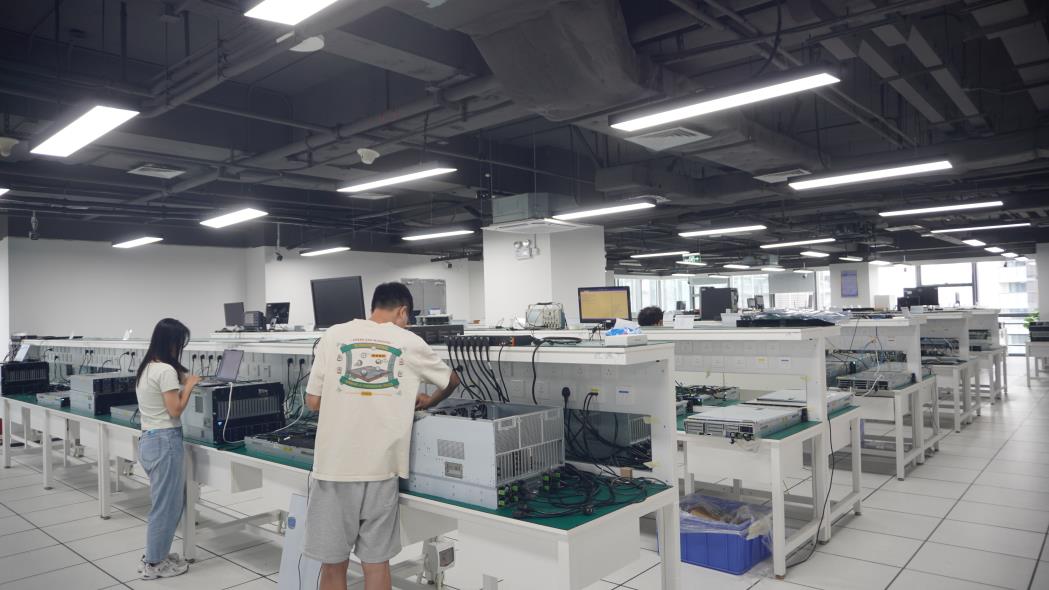
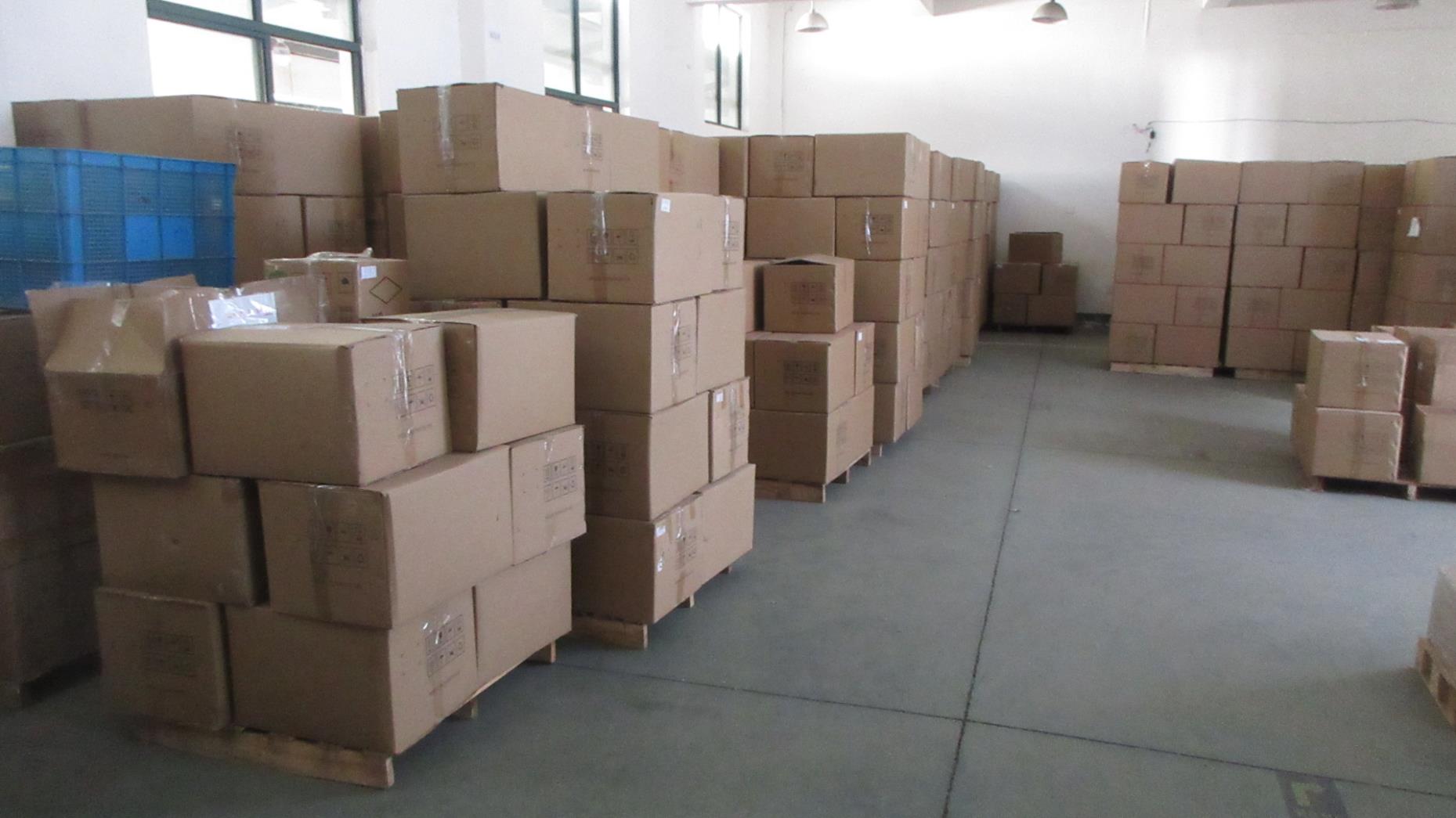
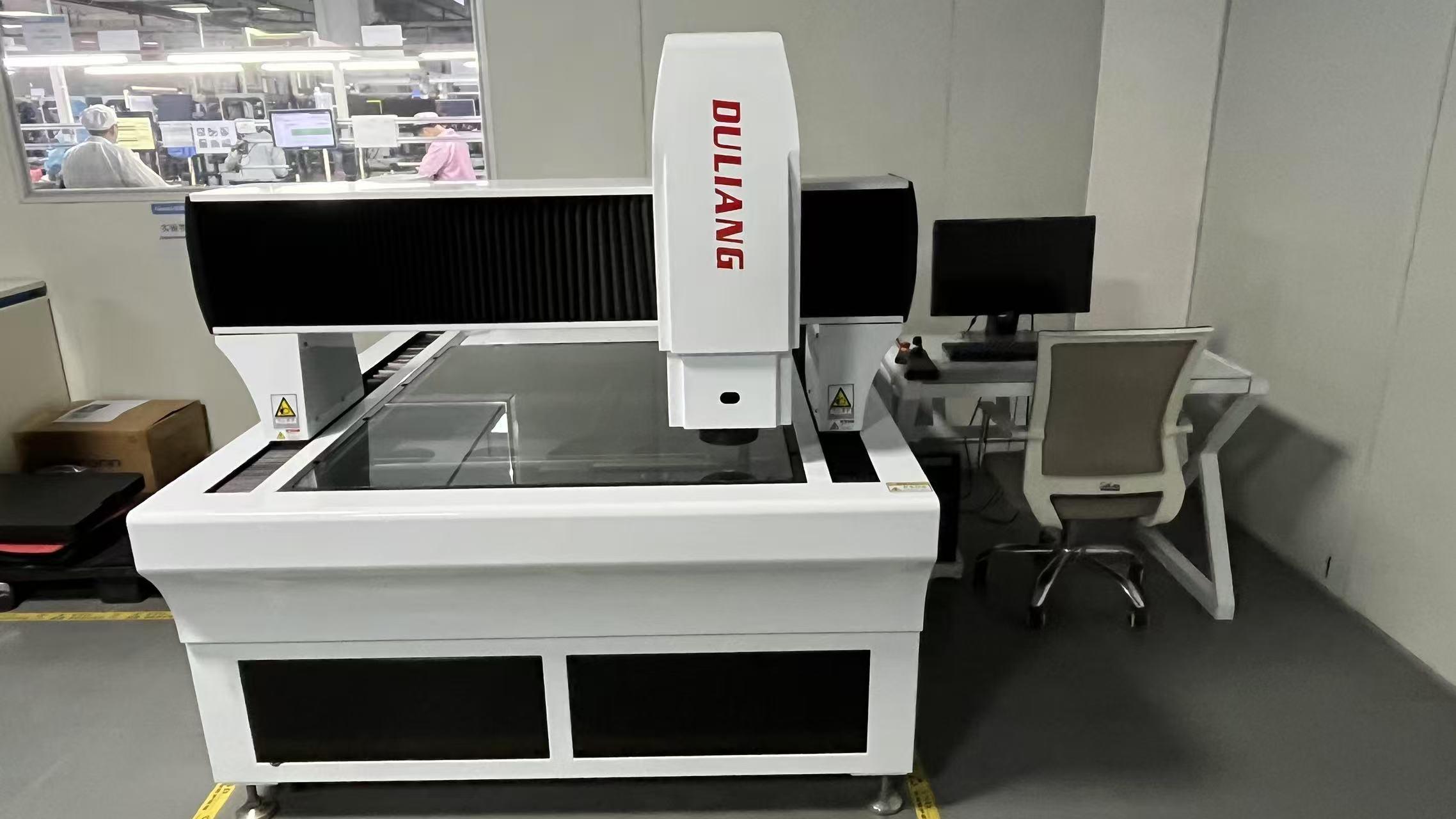
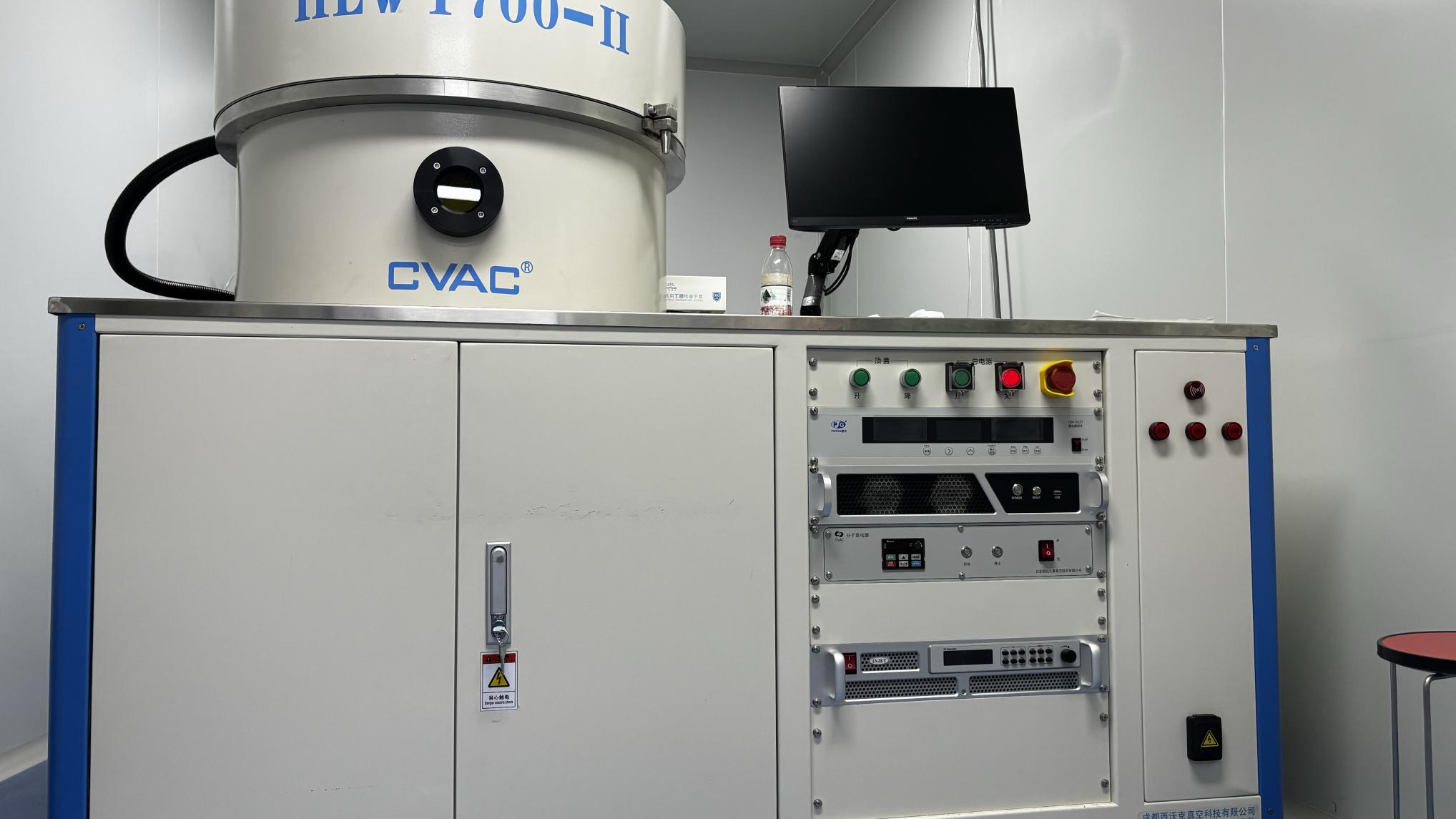
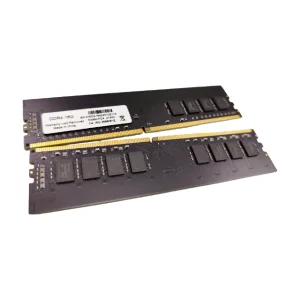
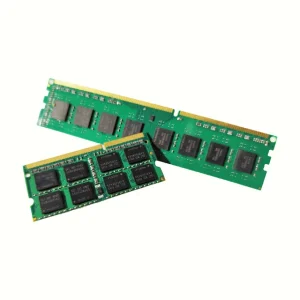
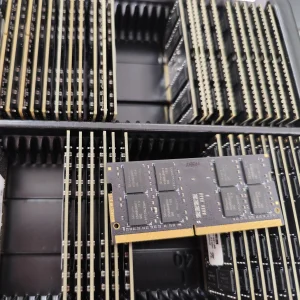
High-density computing components and specialized controller assemblies designed to integrate with automated UV dosage monitoring stations in Azerbaijan.
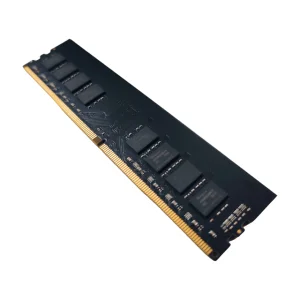
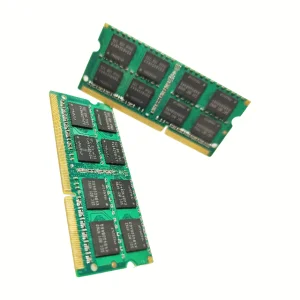
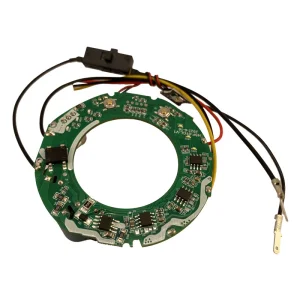
For technical buyers, project engineers, and distribution partners evaluating UVC system investments in Azerbaijan and regional markets.
Original production components supporting robust industrial-grade installations. All items feature factory warranties and global shipping options.
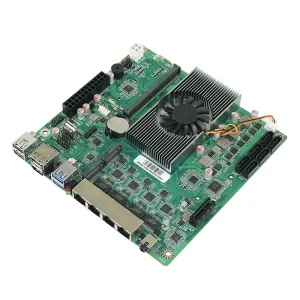
 Memvora