Core semiconductor, control board, and processing units engineered for industrial UV sterilization networks across Egypt.
As the Arab Republic of Egypt advances its megaprojects under the Egypt Vision 2030 framework, the intersection of industrial upgrading, public health, and ecological sustainability has driven unprecedented demand for solid-state ultraviolet (UV) technology. Traditional mercury-vapor disinfection systems are rapidly being phased out across Greater Cairo, Alexandria, and the Suez Canal Economic Zone in favor of highly efficient, environmentally safe semiconductor light sources.
The 270nm to 410nm spectrum, housed in the robust 3535 ceramic package, represents the frontline of this technological transition. UVC wavelengths (270nm-280nm) are heavily integrated into municipal wastewater reclamation plants, agricultural drip-irrigation sterilization systems along the Nile Delta, and clinical-grade sanitization units in Egypt’s emerging medical hubs. Concurrently, UVA/UVB wavelengths (310nm-410nm) serve key roles in rapid-curing industrial polymers, advanced textile printing, and specialized photo-catalytic processes essential to local automotive, building materials, and electronics packaging factories.
Targeted 270nm-280nm UVC destroys DNA & RNA structures of bacteria and viruses endemic to raw water systems, guaranteeing log-4 reduction safety.
AlN ceramic submounts inside the 3535 package maximize thermal dissipation, ensuring high-power performance in Egypt's arid, high-temperature climates.
Seamless mechanical compatibility with existing SMT assembly setups. Enables rapid custom array design for HVAC ducts and wide-area industrial conveyor lines.
To properly deploy solid-state UV emitters, engineers must navigate the specific optical, thermal, and electrical dynamics of AlGaN (Aluminum Gallium Nitride) and InGaN (Indium Gallium Nitride) semiconductor crystal structures. The wavelength bandwidth controls the photochemical interaction, while the packaging protects the junction in severe operating environments.
| Wavelength Range | Primary Application Field | Target Pathogen / Compound | Optimal Thermal Interface (Tj) | EQE Range |
|---|---|---|---|---|
| 270nm - 280nm (UVC) | Nile Delta Water Purification, Hospital HVAC Sterilization | E. coli, Cryptosporidium, SARS-CoV-2 | < 65°C | 3% - 6% |
| 310nm - 320nm (UVB) | Medical Phototherapy, Chemical Synthesis | Psoriasis control, UV sensor calibration | < 75°C | 8% - 15% |
| 365nm - 385nm (UVA) | PCB Industrial Printing, Adhesive Assembly | Photo-initiators (TPO, BAPO) | < 85°C | 45% - 55% |
| 395nm - 410nm (UVA) | High-speed Web Press Curing, 3D Printing | Thick-film industrial coatings | < 90°C | 50% - 65% |
Our engineering team designs complete UV LED arrays and control logic tailored to Egyptian water flow rates.
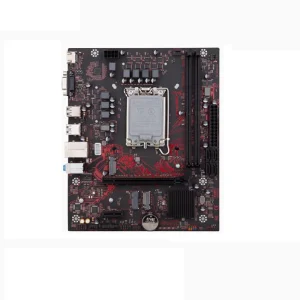
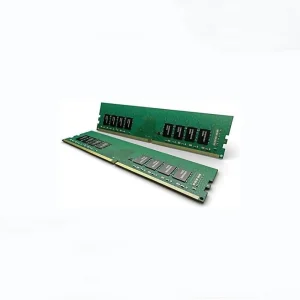
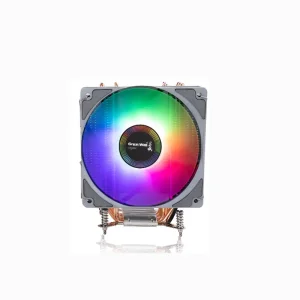
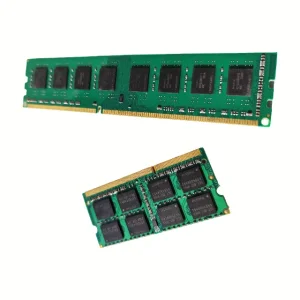
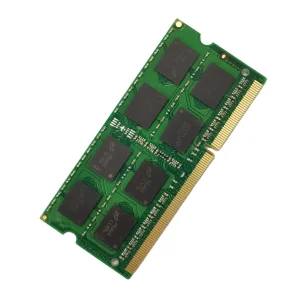
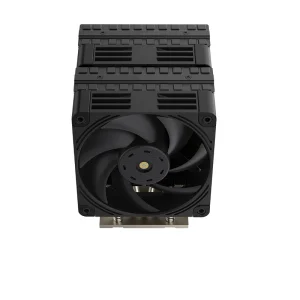
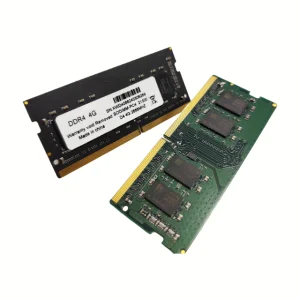
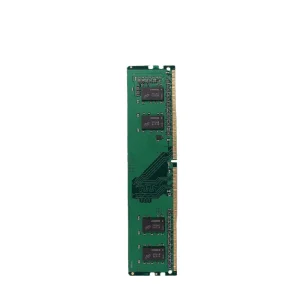
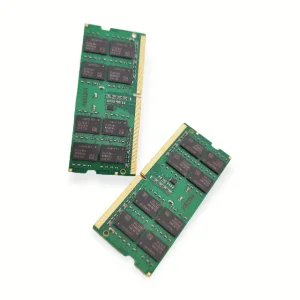
Supporting control-loop infrastructure, heat management, and data buffers for high-power LED installations.
Founded in 2017, Memvora Electronics Technology Co., Ltd. is a leading manufacturer specializing in high-performance solid-state memory, embedded processing boards, and optoelectronic modules. We provide reliable high-speed hardware and SMT-level components for consumer, industrial, enterprise, and embedded applications worldwide. Our manufacturing facility spans over 386㎡ and is equipped with advanced high-speed surface-mount placement machines, reflow ovens, automated optical inspection (AOI) units, and environmental chambers. This infrastructure enables us to maintain a stable supply chain of advanced components for global OEM and ODM partners.
Since expanding our footprint to international markets, Memvora has secured 7 years of export experience, serving clients across North America, Europe, Southeast Asia, the Middle East, and North Africa (with a strong focus on the Egypt industrial corridor). Our annual export revenue exceeds US$18.6 million. We maintain relationships with over 1,280 specialized component suppliers and material partners, ensuring continuity of supply even during volatile market conditions.
Our engineering team leverages 14 years of industry experience in high-frequency circuit design and optoelectronic layout optimization. Our R&D division, comprising 126 professional engineers, focuses on developing stable driver circuits, high-speed RAM buffers, and durable LED control architectures. Last year, we launched 86 new products, bridging the gap between processing logic and high-power physical emitters.
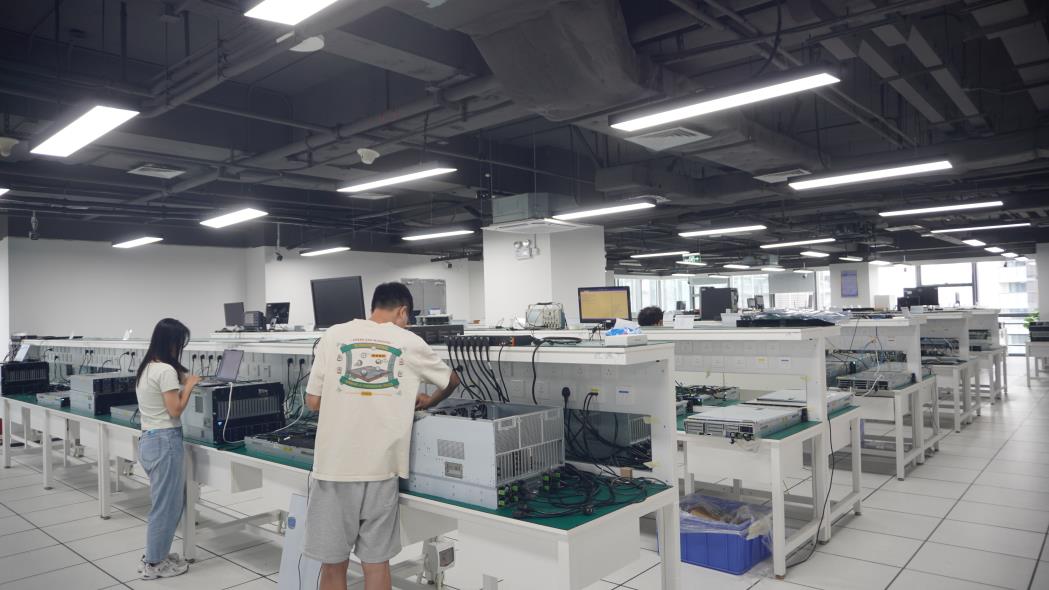
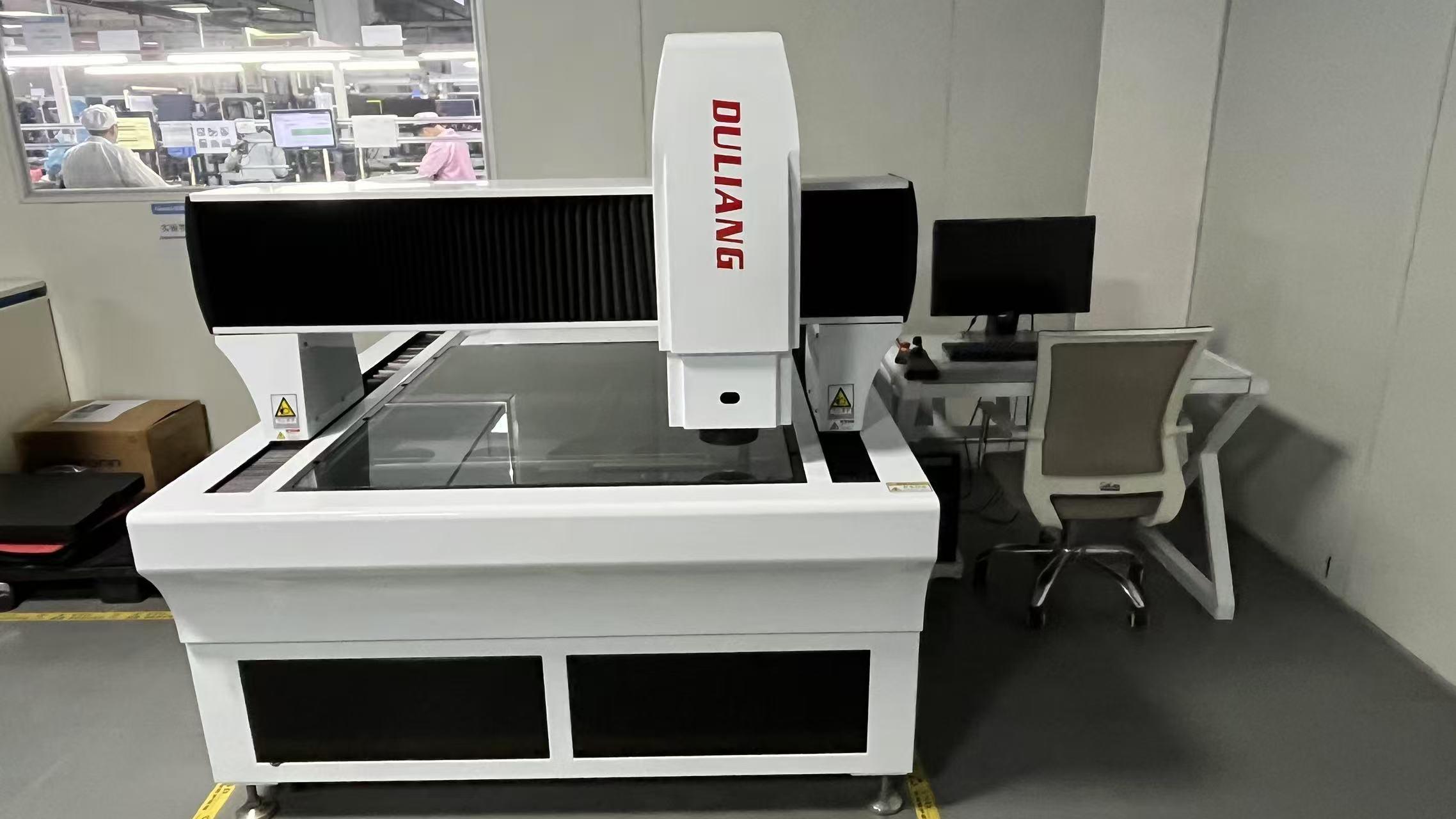
To ensure reliable performance in high-stress industrial applications, every Memvora product undergoes a rigorous testing regimen. This includes 100% functional testing, burn-in testing, compatibility testing, signal integrity evaluation, and thermal aging tests. Our dedicated quality control division of 42 inspectors monitors each production run to align products with international standards, helping our customers shorten their development cycles and bring systems to market faster.
Procuring optoelectronic and controlling hardware for the Egyptian market requires navigation of specific import systems and compliance standards. With the implementation of the National Single Window System for Foreign Trade Facilitation (Nafeza) and the mandatory ACID (Advanced Cargo Information Declaration) protocol, importing from international manufacturing zones into Alexandria, Damietta, or Port Said ports requires precise documentation.
From a technical compliance perspective, electronics and solid-state lighting imports must align with guidelines defined by the Egyptian Organization for Standardization & Quality (EOS). These standards ensure electrical safety, electromagnetic compatibility (EMC), and minimal toxic heavy metals in line with the RoHS directive.
Memvora provides complete technical dossiers for import clearance, including:
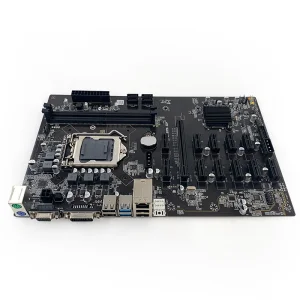
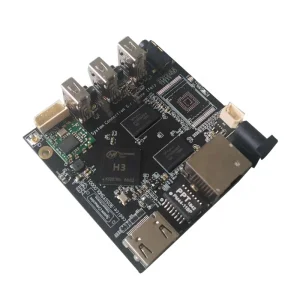
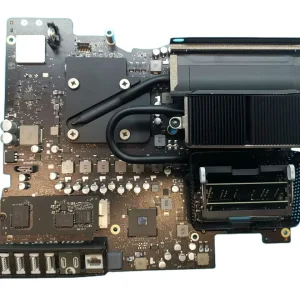
Durable hardware and controller boards designed for real-time monitoring and automation systems.
Expert analysis addressing critical integration queries from Egyptian engineering, procurement, and construction (EPC) companies.
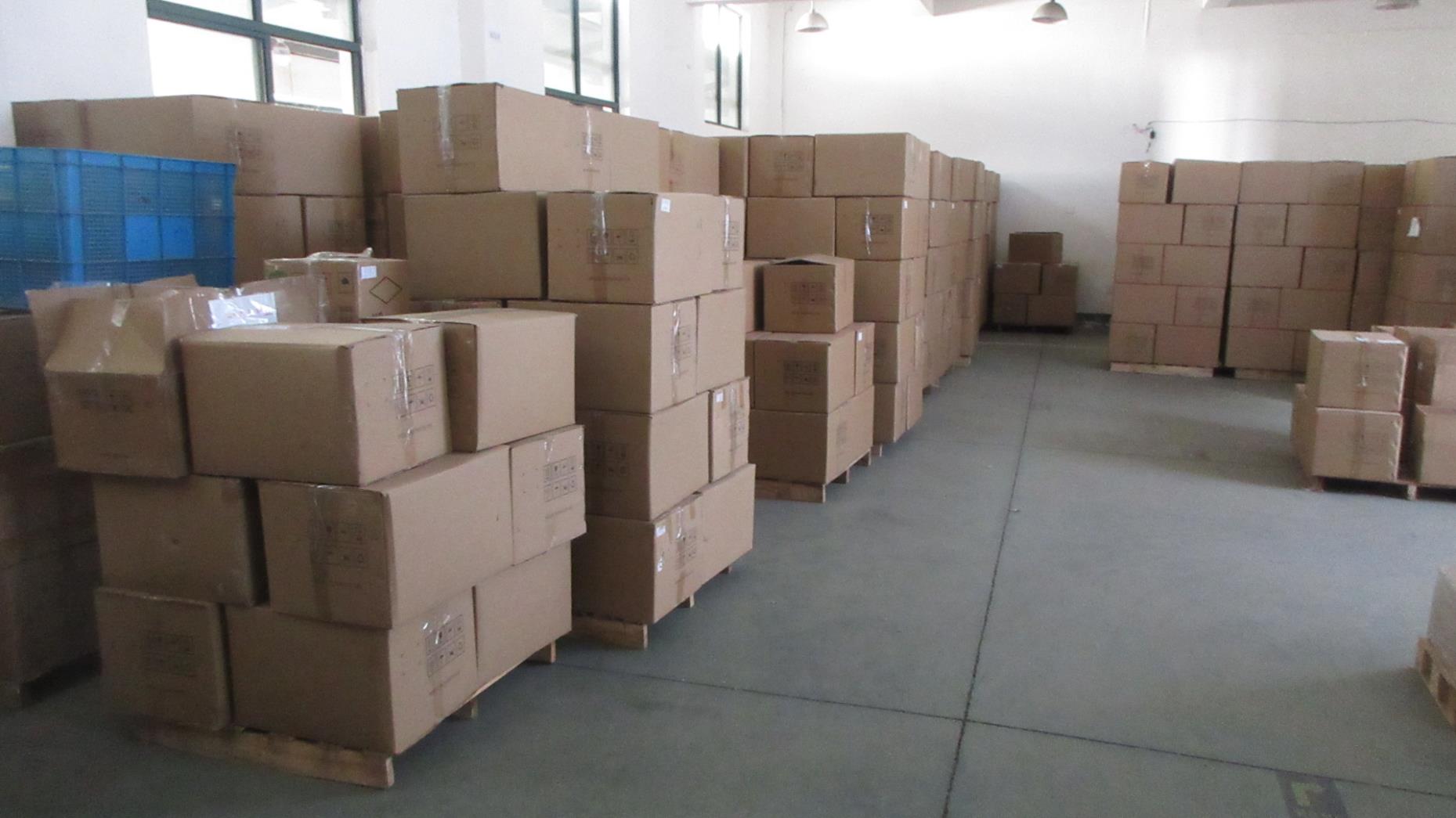
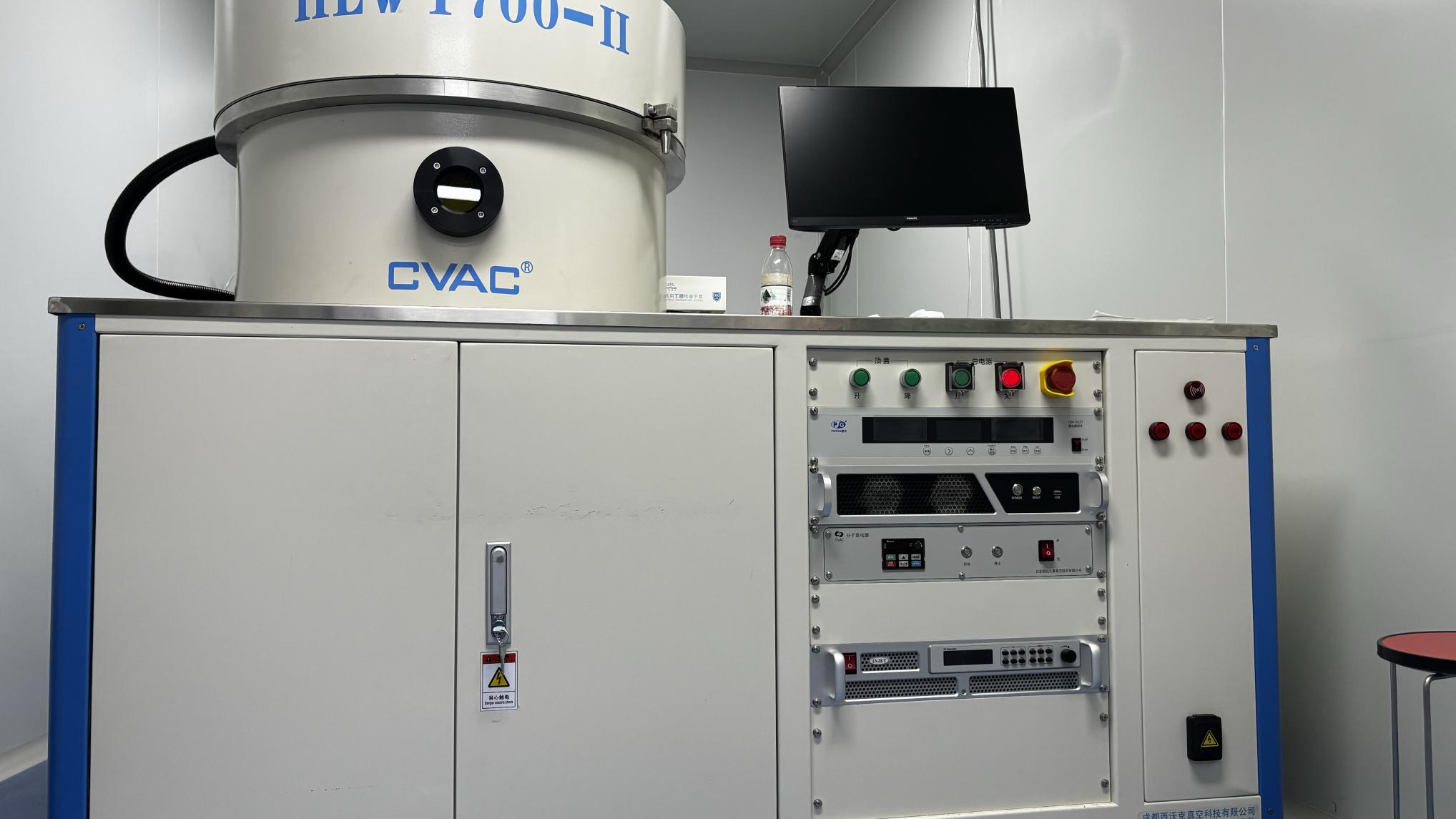
A glimpse inside our ISO-certified facilities, cleanroom assembly lines, and testing laboratories.
 Memvora