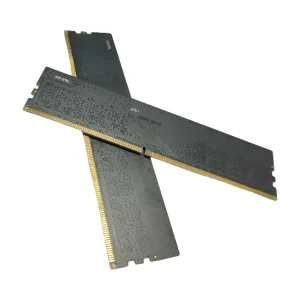
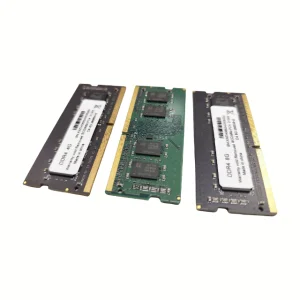
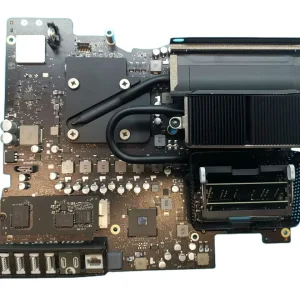
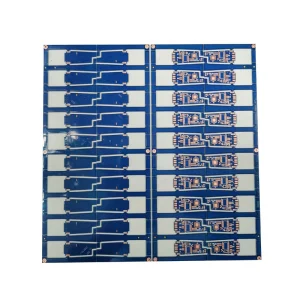
Explore our industrial and commercial-grade motherboard modules, customized PCBs, and DRAM solutions engineered for maximum computational throughput and physical durability.
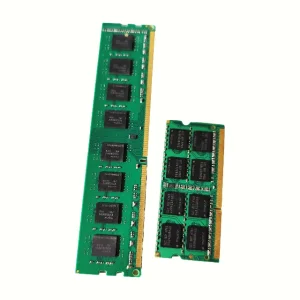
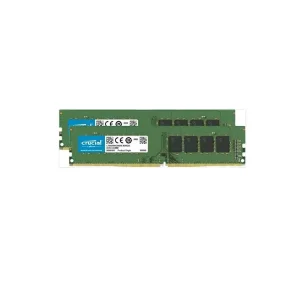
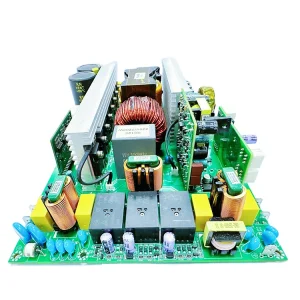
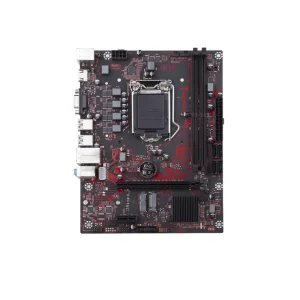
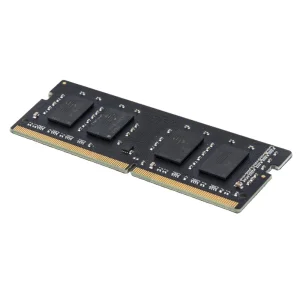
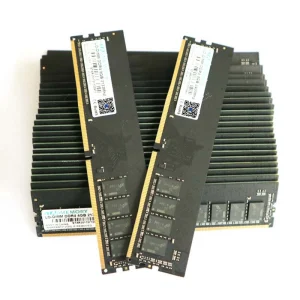
Founded in 2017, Memvora Electronics Technology Co., Ltd. is a leading global ODM/OEM manufacturer specializing in the research, development, and high-precision assembly of advanced memory sub-systems. With a core focus on high-performance DDR5 and DDR4 memory modules, we deliver robust and stable DRAM hardware configurations that cater directly to consumer platforms, industrial controllers, high-speed enterprise servers, and embedded compute architectures worldwide.
Our micro-precision prototyping and high-density packaging facility spans 386㎡ of highly specialized cleanroom space. Equipped with state-of-the-art surface-mount technology (SMT) equipment, automatic optical inspection (AOI) machines, and custom testing matrices, this focused workspace enables us to handle rapid custom configuration changes, complex multilayer component placements, and ultra-high-frequency timing verifications with unrivaled speed and flexibility.
Over our 7 years of international market operation, Memvora has successfully built robust commercial pipelines across major global regions, including North America, Europe, Southeast Asia, the Middle East, and South America. Supported by a deep upstream network of more than 1,280 qualified component suppliers, we maintain a secure, resilient supply chain that ensures access to original ICs, premium PCB substrates, and specialized micro-heatsinks. This secure foundation supports an annual export revenue that exceeds US$18.6 million.
Backed by a combined corporate lineage representing over 14 years of DRAM industry experience, our core engineering force pushes the limits of silicon design. Our internal R&D laboratory employs 126 professional electronics engineers dedicated to high-frequency layout engineering, sub-nanosecond latency profiling, and cross-platform firmware optimization. Last year alone, this team successfully brought 86 new product designs to market, ensuring our partners remain at the absolute vanguard of global computing trends.
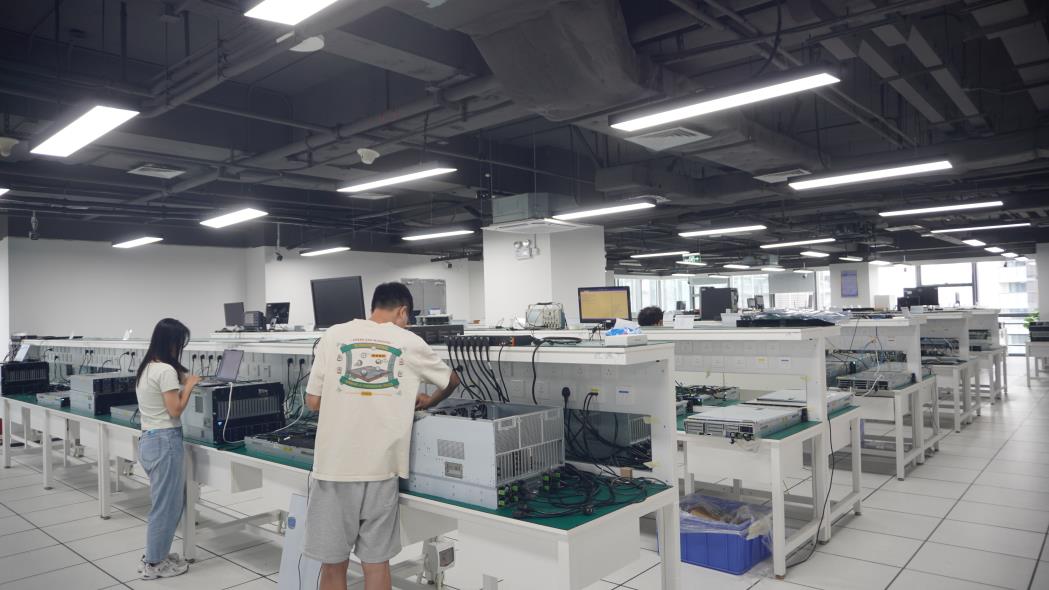
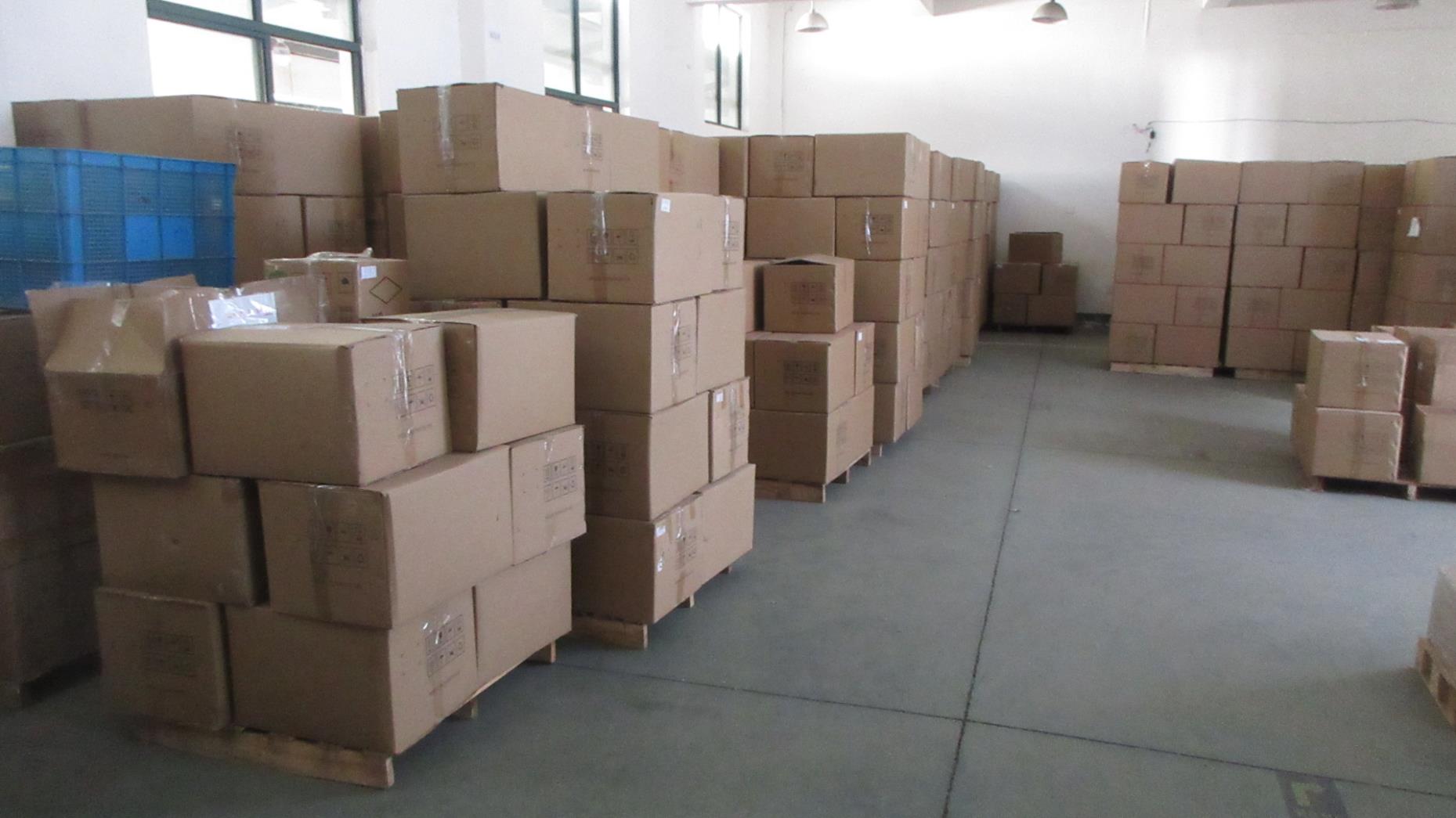
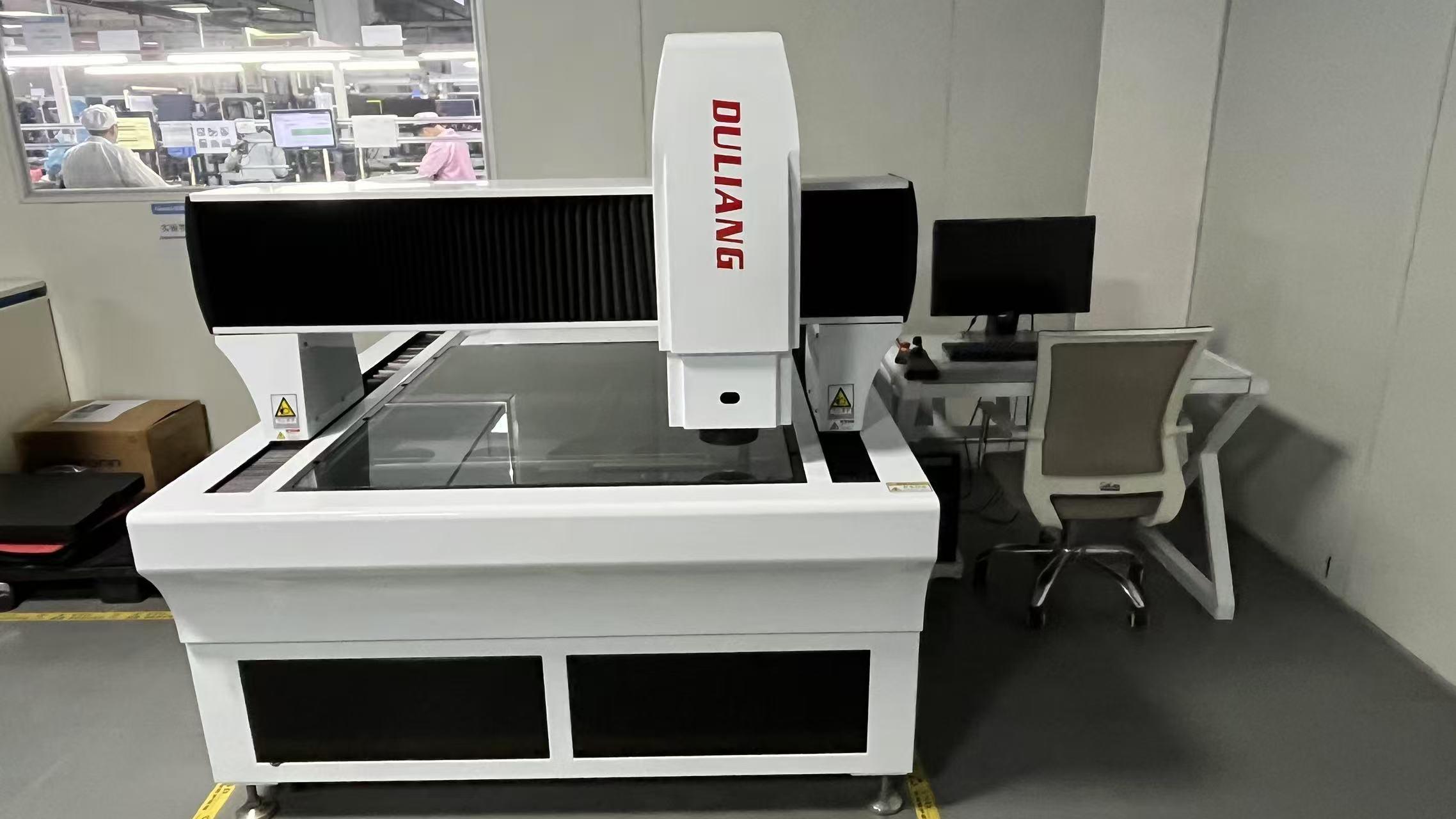
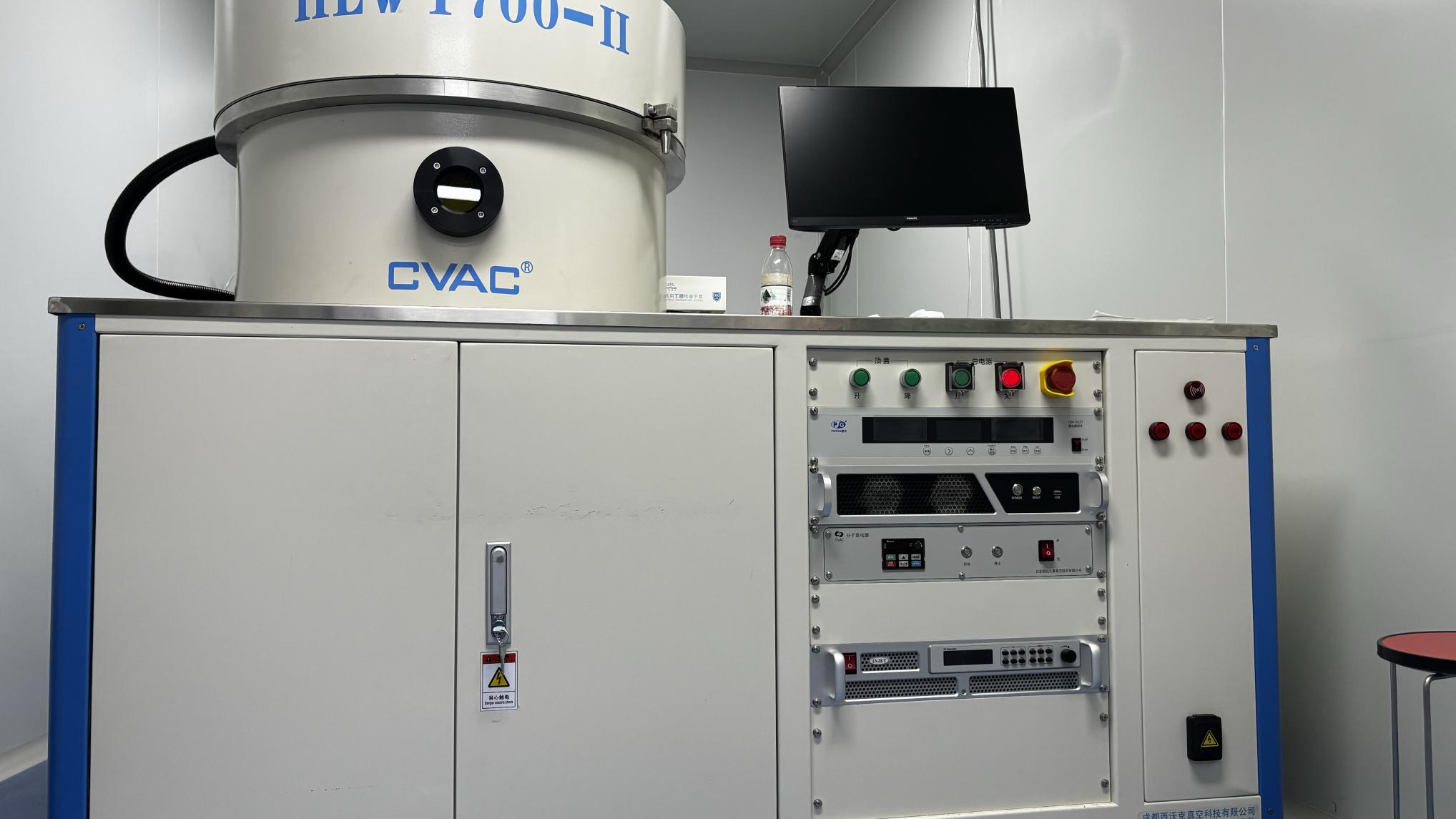
We adhere to a zero-compromise approach toward quality assurance. Our dedicated team of 42 QC inspectors implements a rigorous multi-stage verification workflow. Every single memory module and substrate we manufacture undergoes 100% functional testing, high-temperature burn-in testing, mother-platform compatibility trials, signal integrity evaluations, and long-term aging simulations. Through these extensive quality controls, we ensure that every system component we ship delivers rock-solid performance over decades of deployment.
The computing and electrical design paradigm is undergoing an unprecedented architectural pivot. In the DRAM sector, the industry is accelerating its transition from DDR4 to DDR5. This shifts the computational paradigm from standard centralized power management to distributed on-module power regulation. While DDR4 memory relies on the host motherboard to regulate voltage, DDR5 incorporates an integrated Power Management IC (PMIC) directly onto the PCB, reducing system voltage from 1.2V to 1.1V and offering finer granularity in power delivery.
Furthermore, the introduction of On-Die Error Correction Code (ECC) inside individual DDR5 chips allows for real-time, single-bit error correction within the physical memory array before data is sent to the CPU. This architectural upgrade mitigates block vulnerability and maintains long-term reliability at ultra-dense manufacturing nodes (such as 16Gb and 24Gb monolithic dies).
| Architectural Feature | DDR4 Technology Platform | DDR5 Technology Platform | Key Architectural Benefit |
|---|---|---|---|
| Operating Voltage | 1.2V (typical) | 1.1V (typical) | ~8.3% Reduction in power draw, lower thermal load |
| Power Management | Motherboard controlled | On-Module PMIC (Power Management IC) | Enhanced DC regulation, localized noise isolation |
| Error Correction | Requires Sideband ECC Bus | On-Die ECC + Optional Sideband ECC | Bit-level fault tolerance, higher system uptime |
| Channel Architecture | Single 72-bit Channel (with ECC) | Dual independent 36-bit Channels | Doubled command efficiency and memory access bandwidth |
| Maximum Speed Rates | Up to 3200 MT/s (standard JEDEC) | 4800 MT/s to 8400+ MT/s | Substantial computational performance improvements |
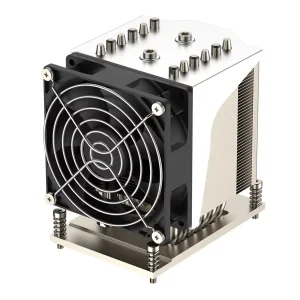
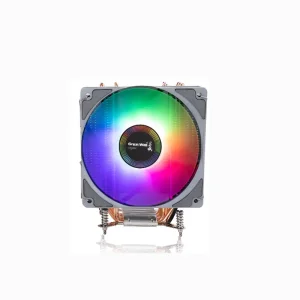
Simultaneously, thermal dynamics play a critical role in high-speed hardware reliability. As processor TDPs push beyond 220W and 300W limits (for LGA1700 and enterprise-grade LGA4926 sockets), passive cooling yields to active thermal engineering. Our specialized multi-tube copper-aluminum heat sinks utilize advanced vapor chambers and direct-contact heat pipes. These systems draw heat away from hot-spot dies and distribute it evenly across red-LED fins, preventing thermal throttling in high-demand gaming rigs and processing servers.
Electronics sourcing is no longer just about procuring isolated parts; it is about building reliable pipelines that support critical infrastructure. Modern industries require comprehensive, end-to-end component solutions that can perform reliably under harsh operational conditions.
Solar power conversion relies heavily on photovoltaic inverter PCBAs. These boards must withstand constant thermal expansion and contraction while managing high voltages. Our customized PCBA solutions use heavy copper traces and premium FR4 substrates to handle high-current loads and minimize energy loss during power conversion.
Deep learning models and large-scale calculations require ultra-fast data pipelines. Our ECC memory modules and customized server motherboards are built to provide consistent, error-free data transfer speeds, ensuring stable performance in modern cloud data centers.
Factory floor environments expose components to high levels of dust, vibration, and heat. Our ruggedized motherboards and memory kits feature conformally coated PCBs and reinforced mounting slots to prevent physical strain and electrical shorts in heavy machinery control systems.
Whether engineering highly durable power control boards for remote solar arrays or optimizing low-latency ECC JEDEC RAM modules for computing nodes, Memvora offers specialized component engineering that balances long-term physical endurance with reliable data throughput.
In today's global supply chain environment, mitigating procurement risks and keeping lead times short are major priorities for purchasing teams. Our manufacturing workflows are structured around key principles of efficiency and traceability:
By bypassing middle-tier distributors and sourcing components directly from our specialized factory floor, buyers gain access to transparent pricing structures, customizable manufacturing queues, and clear, unfiltered technical feedback from our engineering team.
Memvora products are manufactured to meet global regulatory and electrical standards, allowing for seamless integration into international consumer markets and industrial networks.
Our components comply with standard certifications such as CE, FCC, RoHS, and REACH. We strictly avoid hazardous substances, ensuring that all our PCB layouts and solder formulations meet global environmental directives.
To verify component durability under extreme operational conditions, every production run is subjected to standard stress testing:
Memvora supports procurement departments, system integrators, and brand owners by providing flexible, contract-based electronics design and custom manufacturing:
We design custom aluminum heat spreaders and copper heat sinks with specific physical footprints and thermal dissipation ratings to fit compact mini-PCs, rugged industrial control boxes, or high-density 4U server racks.
Our engineers provide custom JEDEC profiles, SPD settings, and ECC configurations to ensure maximum stability and compatibility across specialized industrial motherboards and server architectures.
We offer full private-label services, including laser-marked serial numbers, custom PCB colors, branded heat spreaders, and tailored, retail-ready packaging designed for international shipping.
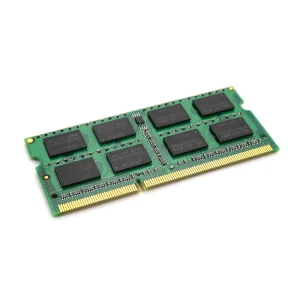
From small-batch PCBA development for specialized industrial electronics to high-volume manufacturing of desktop and laptop RAM modules, we work to align our schedules with your project timelines and volume requirements.
Answers to common technical, logistics, and manufacturing questions for global engineering and purchasing teams.
JEDEC standard RAM is optimized for mainstream consumer desktops and laptops where raw cost and standard clock speeds are the primary priorities. ECC (Error-Correcting Code) RAM incorporates an extra data chip on the module that allows the system memory controller to detect and correct single-bit memory errors in real-time. ECC is critical for enterprise databases, AI computing systems, and industrial controllers to prevent system crashes and protect data integrity.
By shifting power regulation from the motherboard to the module's on-board Power Management IC (PMIC), DDR5 achieves cleaner signal integrity, reduced electrical noise, and tighter voltage regulation. It also drops the operational voltage from 1.2V to 1.1V, which lowers thermal loads and helps improve overall system energy efficiency under heavy computational workloads.
Our enterprise server heat sinks (supporting LGA4926 and up to 300W designs) are manufactured using pure copper bases for fast heat transfer, connected to high-density aluminum fin arrays. We run thermal simulations during the design phase and conduct thermal-stress testing to verify heat dissipation rates and ensure long-term physical durability under high airflow environments.
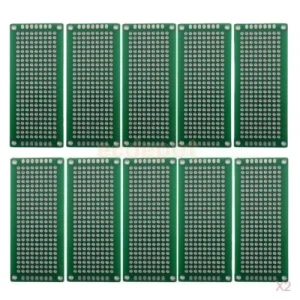
We primarily use KB6160 and high-performance FR4 double-sided and multi-layer copper laminates. These materials offer consistent dielectric properties and high thermal endurance. Our manufacturing lines follow IPC-A-610 standards to ensure reliable trace routing, clean solder joints, and robust electrical insulation across all board layers.
Yes. We offer comprehensive OEM/ODM services that allow buyers to customize memory capacity, JEDEC timings, PCB substrate colors, and metal heat spreaders. We can also modify the SPD firmware configuration to ensure stable performance and compatibility with your hardware platforms.
Our supply chains are supported by direct procurement agreements with major semiconductor foundries and a network of over 1,280 reliable component suppliers. We maintain safety stock levels for critical components like original DRAM ICs to protect production schedules from market fluctuations. Our logistics team handles international customs clearance and shipping arrangements to North America, Europe, Asia, and other regions.
Our quality control inspectors run a multi-phase testing workflow on 100% of our products. This includes automated optical inspection (AOI) for physical solder quality, JEDEC-based hardware diagnostic tests to check memory addresses, high-temperature burn-in chambers to detect early component failures, and compatibility checks on host systems.
For small-batch customization and prototyping, such as photovoltaic inverter PCBA runs, our lead times typically range from 2 to 4 weeks after design validation and component collection. Larger volume orders are scheduled through our standard production queue, with lead times varying depending on order size and component lead times.
Explore our selection of multi-layer PCBs, high-performance computing cooling solutions, and laptop memory modules built for demanding workloads and industrial operations.
 Memvora