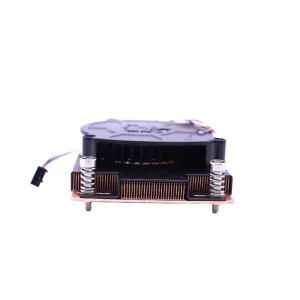
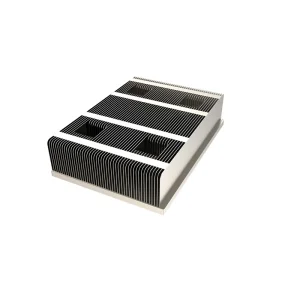
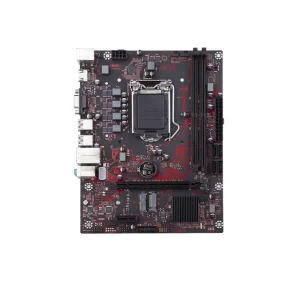
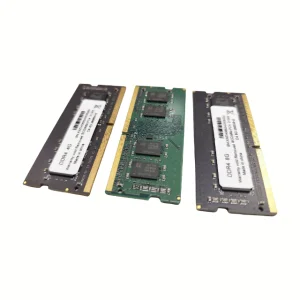
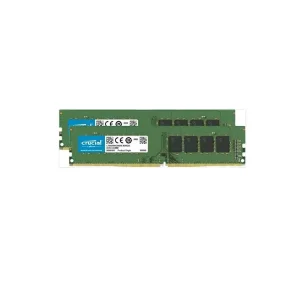
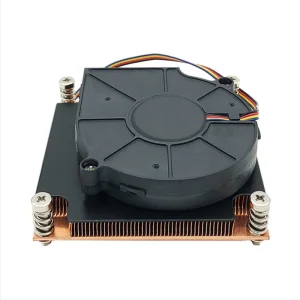
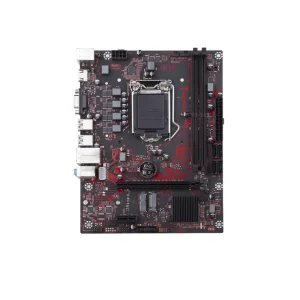
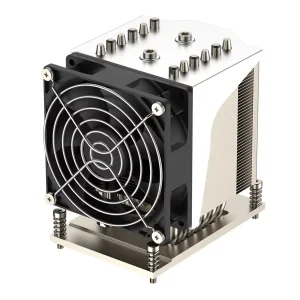
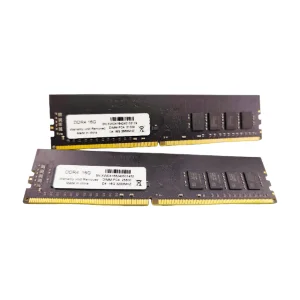
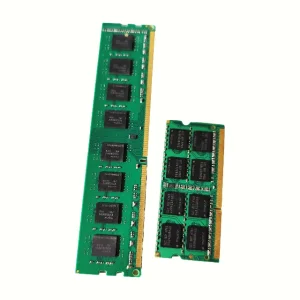
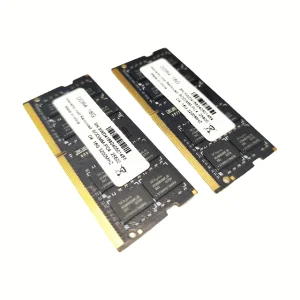
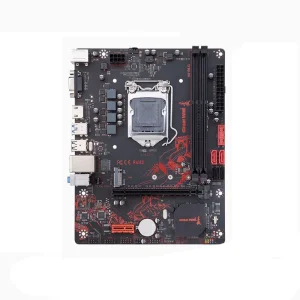
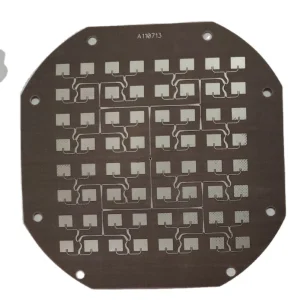
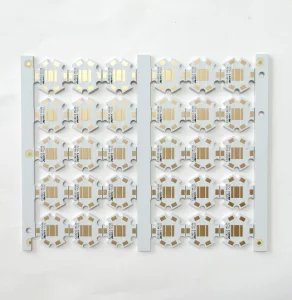
High-precision cooling setups, mainboard circuitry, and high-frequency components supporting our communications manufacturing pipeline.
Exploring the systemic demand driving the growth of high-performance wireless communication modules in modern infrastructure.
The global wireless communication modules market is experiencing unprecedented demand driven by the expansion of the Industrial Internet of Things (IIoT), smart grid infrastructure, automotive telematics, and edge computing. Wireless communication modules serve as the essential bridge connecting physical hardware to digital cloud infrastructures. As industries transition towards autonomous processes, the reliance on high-bandwidth, ultra-reliable, and low-latency modules becomes paramount.
In China, manufacturing ecosystems have scaled to meet these expectations, evolving from basic assembly lines to precision engineering centers capable of delivering complex hardware solutions. By utilizing high-frequency PCB substrates, advanced semiconductor packaging, and highly integrated RF front-ends, top Chinese manufacturers are setting global benchmarks in terms of module miniaturization and cost-effectiveness. This growth is deeply aligned with the demands of automation systems, computing servers, and network hubs that require robust signal propagation under challenging environmental conditions.
Global protocols like 5G RedCap and NB-IoT are driving the development of specialized, low-footprint wireless modems tailored for mass deployment.
Merging processing units, power management, and thermal dissipation systems directly onto the communication board for increased reliability.
Mandatory regional regulations require cellular modules to incorporate secure boot protocols and robust hardware-root-of-trust encryption.
How next-generation spectrum allocation and material sciences are driving module development.
The technological paradigm of cellular and short-range wireless modules is advancing along three distinct vectors: frequency spectrum enhancement, power optimization, and multi-protocol coexistence. In the high-bandwidth segment, 5G Millimeter Wave (mmWave) and sub-6GHz modules demand strict PCB trace tolerances, necessitating the deployment of premium high-frequency substrates such as Taconic TLY-5 PCB and specialized copper-clad laminates to minimize signal insertion loss.
Simultaneously, low-power wide-area (LPWA) protocols like LTE-M and NB-IoT are transitioning to energy-harvesting models, allowing long-term operations on minimal currents. Our engineering R&D efforts highlight a progressive roadmap towards highly-integrated modules that house dual-core processing units alongside the communication baseband, bypassing the requirement for external microcontrollers and mitigating space limitations inside modern electronic setups.
Simultaneous support for legacy 2G/3G fallbacks while optimizing 4G Cat-1 Bis and 5G RedCap compatibility on single-die structures.
Application of high-efficiency thermal pads, advanced server-grade heat sinks, and copper-plated bases to manage heat spikes in dense telemetry arrays.
Embedding neural processing cores directly inside wireless modules to filter and compress sensor telemetry before cloud transmission.
Translating RF technology into targeted industrial solutions for critical infrastructure sectors.
Deploying NB-IoT and LTE-M communications in robust metallic enclosures that require specialized external RF antennas and high-stability power loops. Our high-frequency PCB modules guarantee uninterrupted connectivity in subterranean environments.
Providing high-precision GNSS positioning combined with multi-carrier 4G/5G capabilities. Designed to withstand mechanical vibration and extensive thermal changes, using specialized CPU cooling setups for processing nodes.
Linking central database structures with peripheral edge devices using high-capacity wireless backhauls. Incorporates advanced DDR4/DDR5 system memory modules for zero-delay message queuing and rapid data buffer transfers.
Industry Expertise
R&D Engineers
Annual Export Value
Signal Tested
High-Precision Electronic Assembly, Memory Modules, and Wireless Infrastructure Hardware.
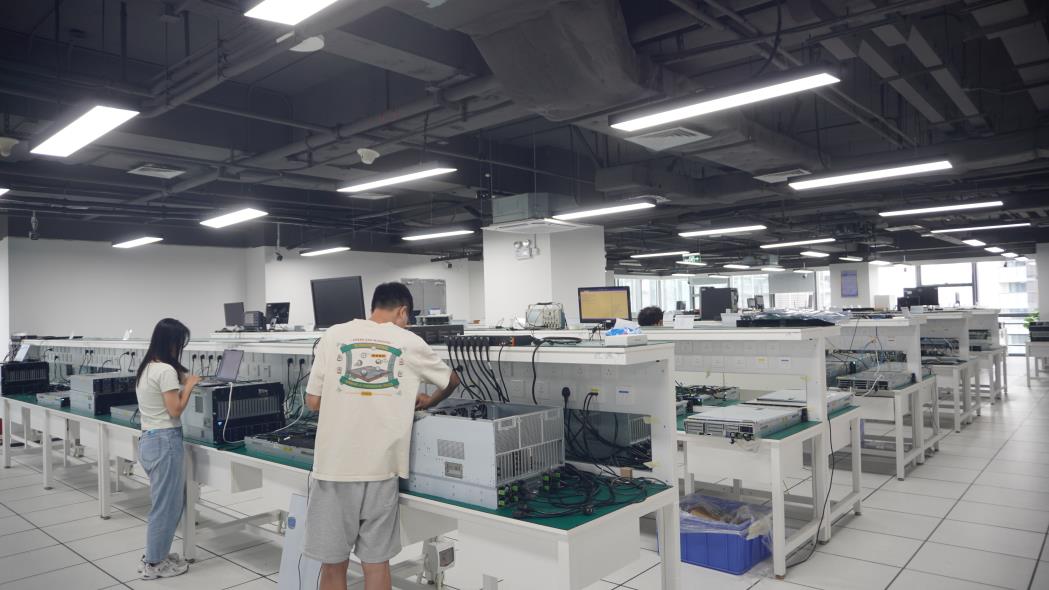
Founded in 2017, Memvora Electronics Technology Co., Ltd. is a professional manufacturer specializing in high-performance DDR5 memory modules, dedicated to delivering reliable memory solutions for consumer, industrial, enterprise, and embedded applications worldwide. With a modern manufacturing facility covering 386㎡, we combine advanced production equipment, strict quality management, and experienced engineering expertise to provide stable, high-speed memory products for global OEM and ODM partners.
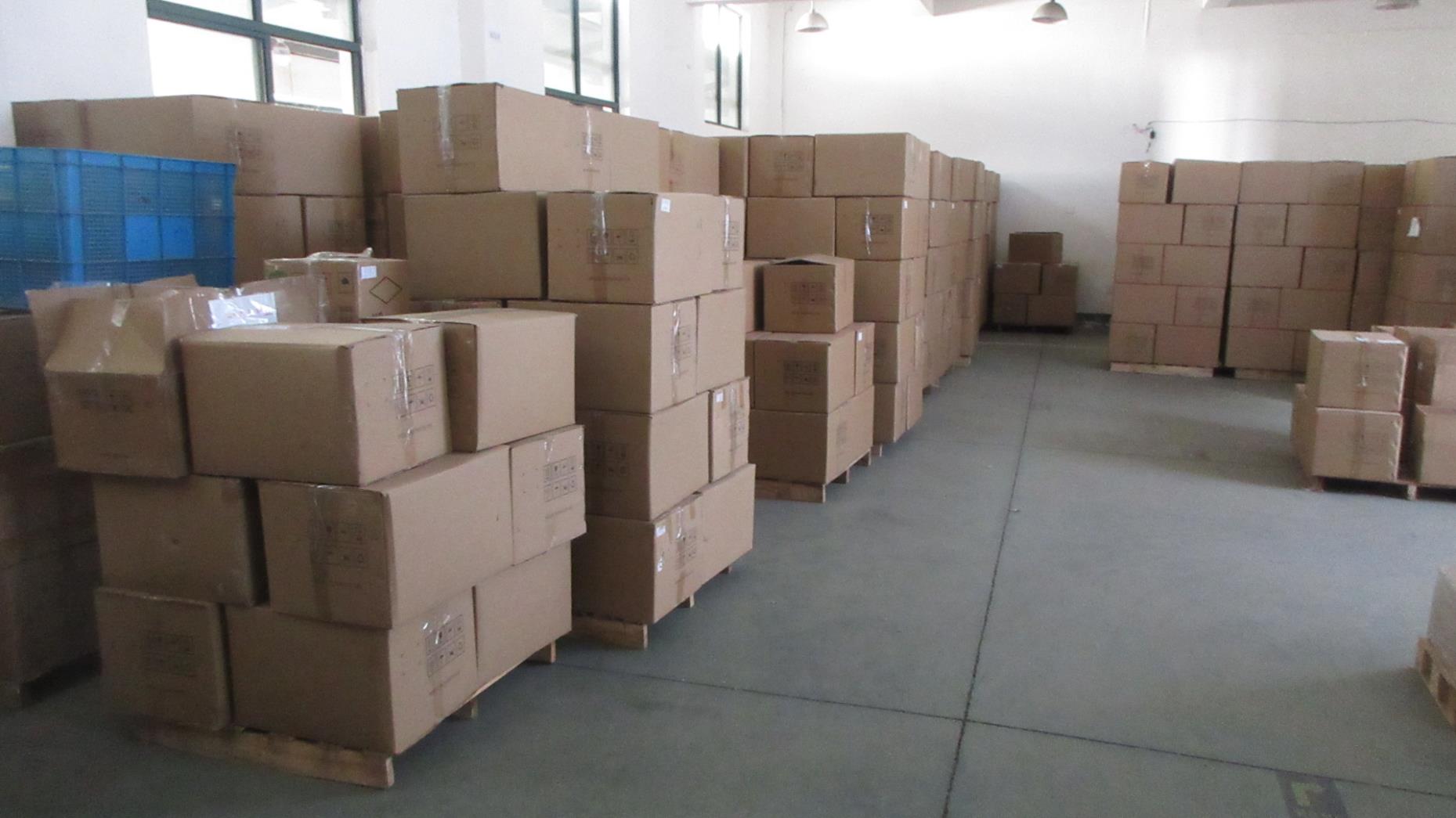
Since entering the international market, Memvora has accumulated 7 years of export experience, serving customers across North America, Europe, Southeast Asia, the Middle East, and South America. Our annual export revenue exceeds US$18.6 million, supported by a strong global supply chain and long-term partnerships with more than 1,280 component suppliers and business partners.
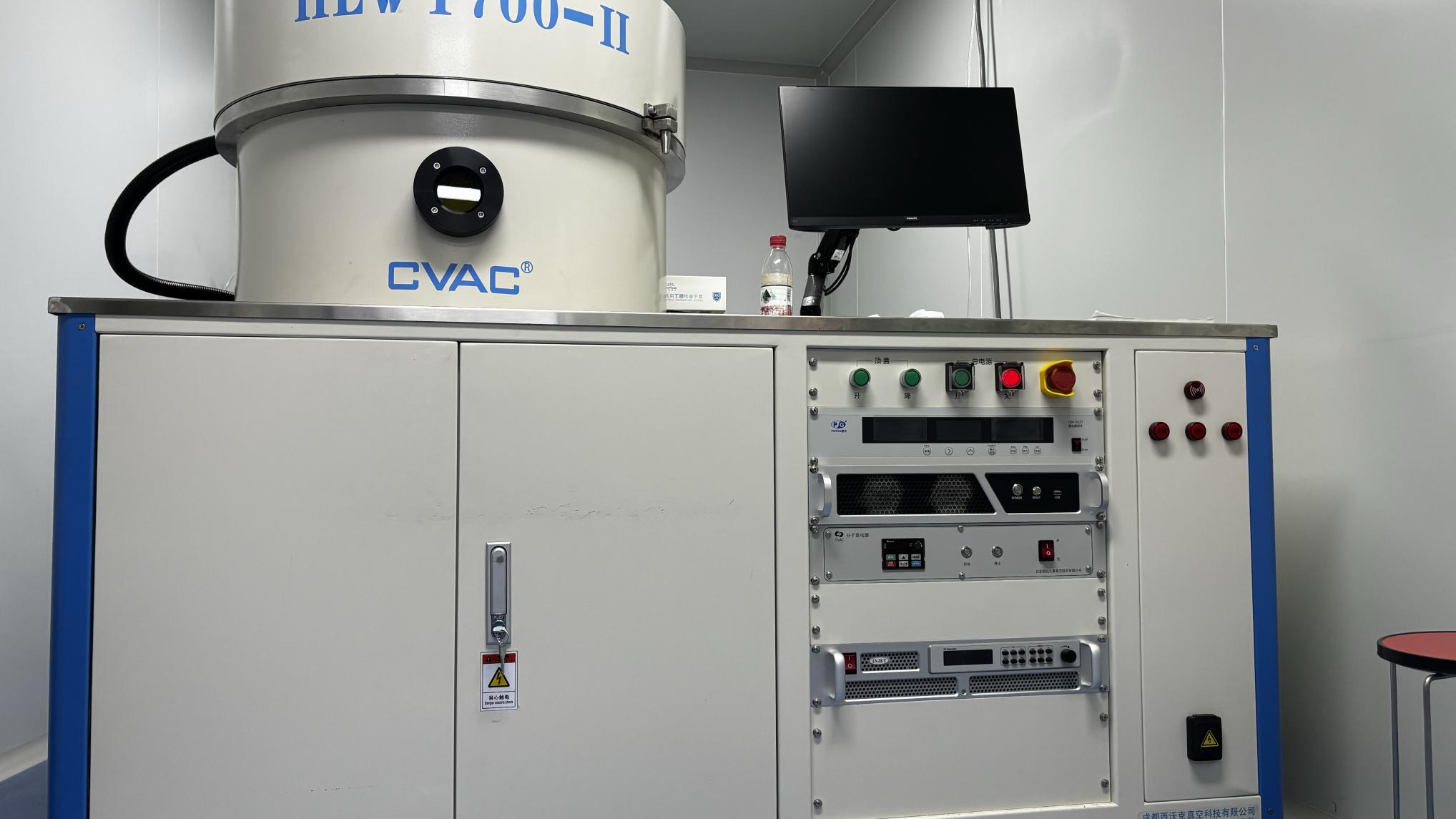
With 14 years of industry experience, our team continuously invests in technology innovation and product development. Our R&D department consists of 126 professional engineers who focus on developing next-generation DDR5 memory solutions with higher speed, lower latency, and enhanced reliability. Last year alone, we successfully launched 86 new memory products to meet the evolving needs of gaming, AI computing, industrial automation, and enterprise servers. Our hardware capability extends to the production of high-frequency communication carrier circuits, aluminum base substrates, and complex server heatsinks to support modern high-density compute boards.
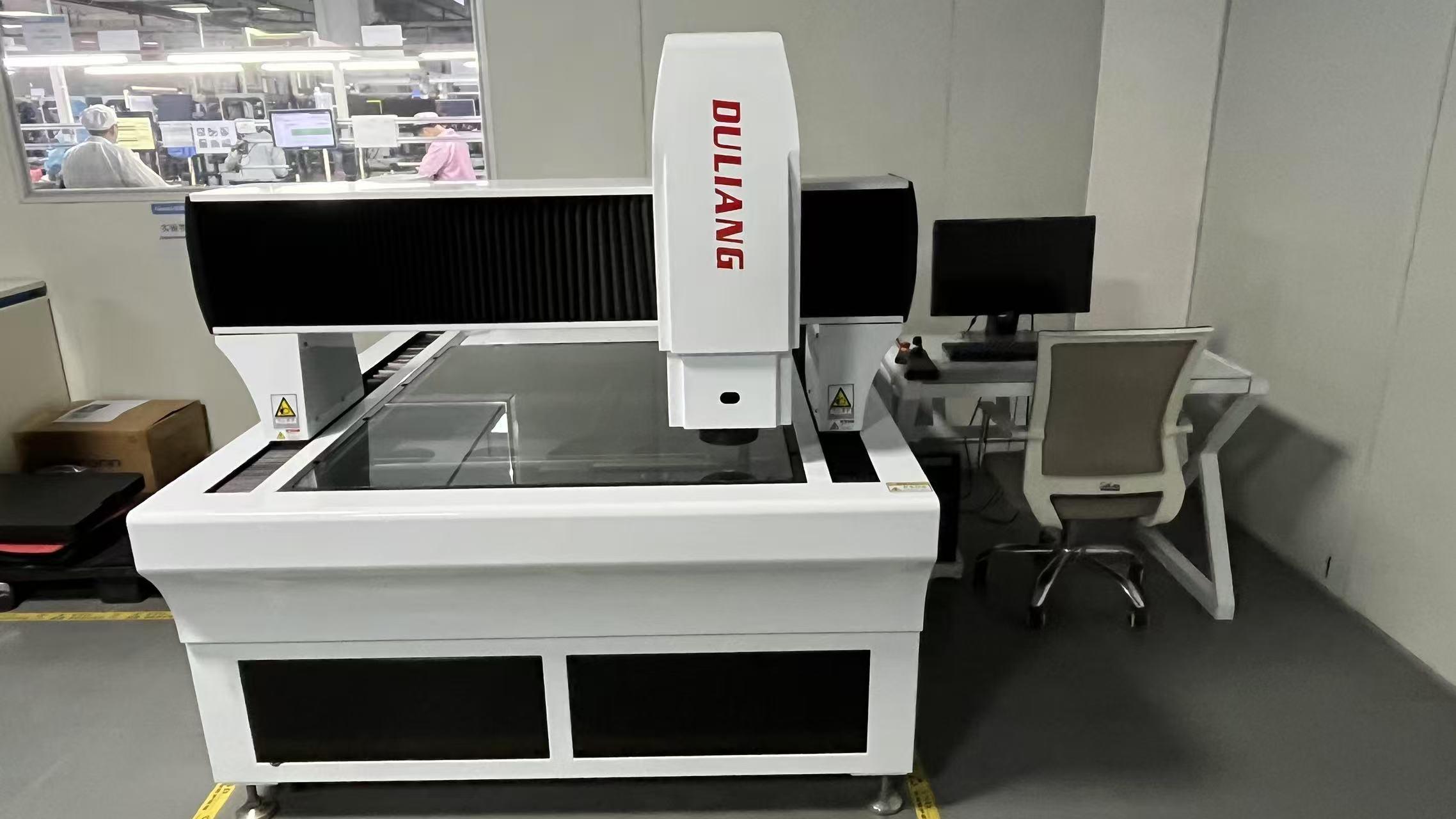
Quality is the foundation of everything we do. Every product undergoes 100% functional testing, burn-in testing, compatibility testing, signal integrity testing, and aging tests before shipment. Our dedicated quality control team of 42 inspectors ensures every memory module meets rigorous international quality standards and delivers long-term stable performance.
Memvora provides flexible OEM, ODM, private label, custom capacity, PCB color, heat spreader design, firmware optimization, and packaging customization services to meet different market requirements. Backed by a responsive engineering team and efficient production management, we help customers shorten development cycles and accelerate product launches.
Today, Memvora serves a diverse customer base including memory brands, computer manufacturers, industrial equipment suppliers, system integrators, distributors, wholesalers, and e-commerce retailers. Through continuous innovation, reliable quality, and customer-focused service, we are committed to becoming a trusted global partner for advanced DDR5 memory manufacturing and customized DRAM solutions.
Direct technical answers regarding module deployment, thermal integration, and Custom PCB manufacturing.
Core computer parts, specialized heat pipes, and high-frequency PCBs engineered for heavy-duty industrial systems.
 Memvora