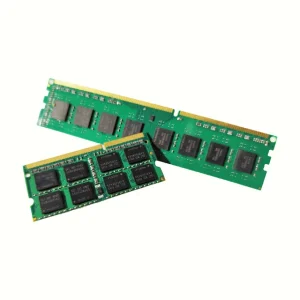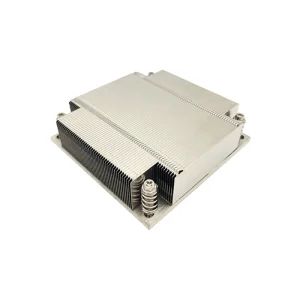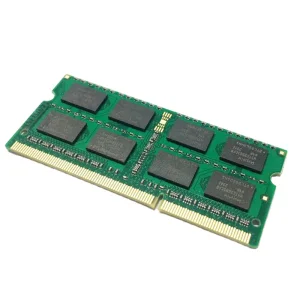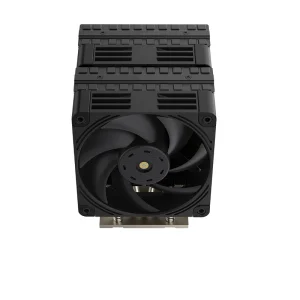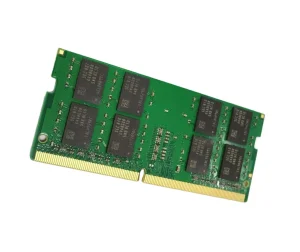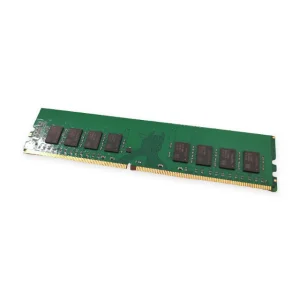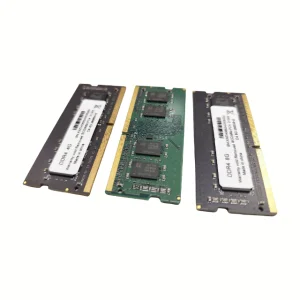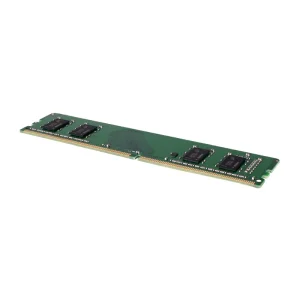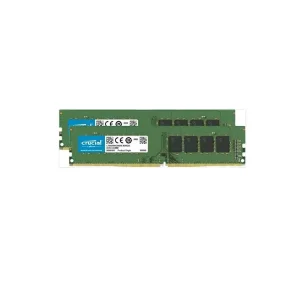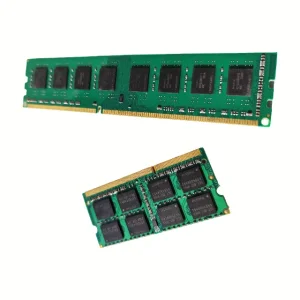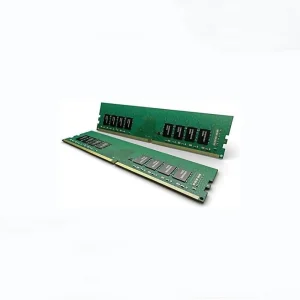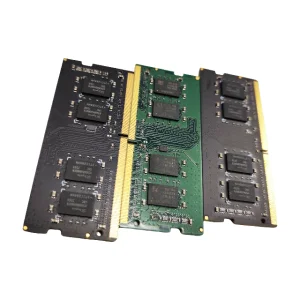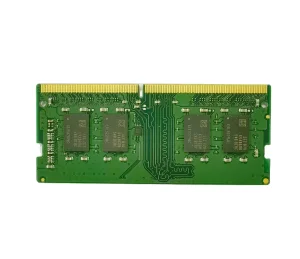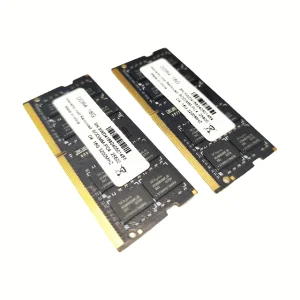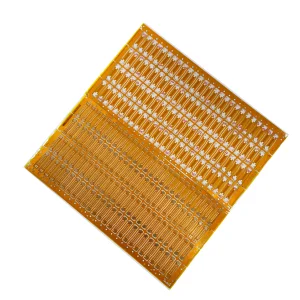
Achieving maximum computing performance requires addressing the critical interface between semiconductor dies, high-speed memory modules, and physical cooling systems.
In modern high-performance computing (HPC), artificial intelligence accelerators, and server architectures, processors like the AMD EPYC (SP3 socket) and Intel Xeon generate immense heat flux densities. The primary challenge is not simply the raw capacity of the active radiator or air-cooled heatsink, but the efficiency of the thermal transfer at the microscopic level. Micro-scale air gaps between the CPU/RAM die and the heatsink copper base act as thermal insulators due to the extremely low thermal conductivity of air (approximately 0.026 W/m·K).
Memvora addresses this critical bottleneck by developing and supplying top-tier Thermal Interface Materials (TIMs). Our portfolio includes highly filled thermal greases, phase change materials (PCM), thermal pads, and gel-like dispensable gap fillers engineered to displace air and optimize heat conduction pathways. By pairing our thermal management components with specialized hardware, we enable global hardware OEMs to maintain junction temperatures well below critical limits, preventing thermal throttling and extending component lifespans.
How our material research and development addresses the thermal requirements of future high-frequency systems.
Formulated with advanced silicone and silicone-free polymer matrix bases filled with optimized metallic oxide and nitride micro-particles. Designed for low bond-line thickness (BLT) and long-term stability without pump-out or dry-out effects in processing environments.
Engineered to change phase from solid to semi-liquid at typical operating temperatures (e.g., 45°C - 55°C). This allows the material to conform perfectly to surface micro-roughness, minimizing thermal contact resistance and offering reliability comparable to solid pads with the performance of grease.
Highly compressible elastomeric gap pads used to bridge large dimensional tolerances in multi-component setups, such as memory arrays, FPC assemblies, and automotive power electronics. Offers excellent dielectric isolation and vibration damping.
Leveraging optimized particle size distributions of Aluminum Oxide (Al2O3) and Boron Nitride (BN) to achieve bulk thermal conductivities ranging from 3.0 W/m·K to 8.5 W/m·K. Emphasizing matrix-filler wetout to ensure compound compliance under minimal mounting load.
Developing anisotropic thermal pads incorporating vertically aligned carbon fibers and graphene platelets. These structures redirect heat along the Z-axis, yielding directional thermal conductivities exceeding 15.0 W/m·K for highly localized hot spots.
Eliminating siloxane volatile organic compounds (VOCs) that cause contact contamination and optical fogging. Utilizing advanced hydrocarbon and polyurethane polymers for cleanroom-safe applications.
Customized thermal dissipation architectures designed for critical global industries.
High-density computing servers demand robust thermal dissipation interfaces to maintain uptime. Our TIM solutions, paired with high-performance radiators and active heatsinks, ensure processing chips and memory banks run within safe thermal profiles, reducing cooling energy costs.
Electric vehicle battery modules require uniform heat distribution and electrical isolation to prevent thermal runaway. We supply flame-retardant (UL 94 V-0) thermal gap fillers that maintain contact during continuous vehicle vibration and thermal cycling.
Outdoor telecom enclosures face severe weather conditions. Our silicone-free TIMs and robust gap pads prevent phase separation and oil bleeding, ensuring decades of reliable performance on remote cellular masts and RF amplifiers.
| Material Class | Thermal Conductivity (W/m·K) | Thermal Impedance (°C-in²/W) | Dielectric Breakdown Voltage | Primary Applications |
|---|---|---|---|---|
| High-Performance Silicone Grease | 4.5 - 8.5 | 0.015 (@ 50 psi) | N/A (Electrically Conductive option available) | CPUs, GPUs, Server Radiators, HPC Chipsets |
| Non-Silicone Phase Change Material | 3.5 - 5.5 | 0.030 (@ 20 psi) | >5 kV/ac | Notebook processors, Power Modules, Telecommunications |
| Highly Compressible Gap Pad | 1.5 - 6.0 | 0.350 (@ 10 psi) | >8 kV/ac | Memory modules (DDR4/DDR5), ADAS units, FPC Keyboards |
| Structural Thermal Adhesive | 2.0 - 3.0 | 0.120 (@ 30 psi) | >10 kV/ac | LED assemblies, EV battery frames, sensor mounting |
Leveraging automated manufacturing, cleanroom production, and domestic supply integration.
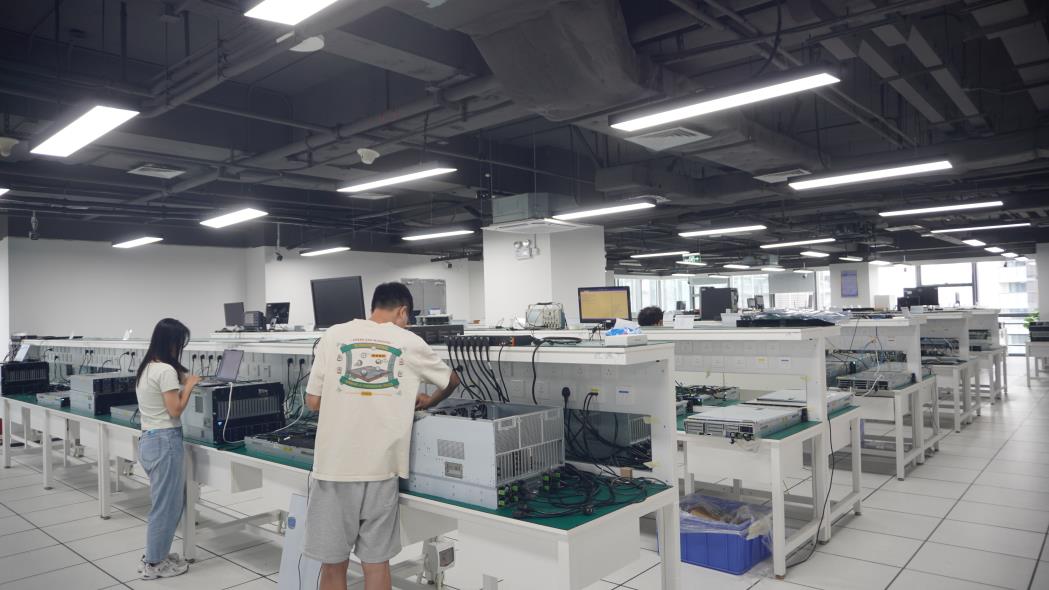
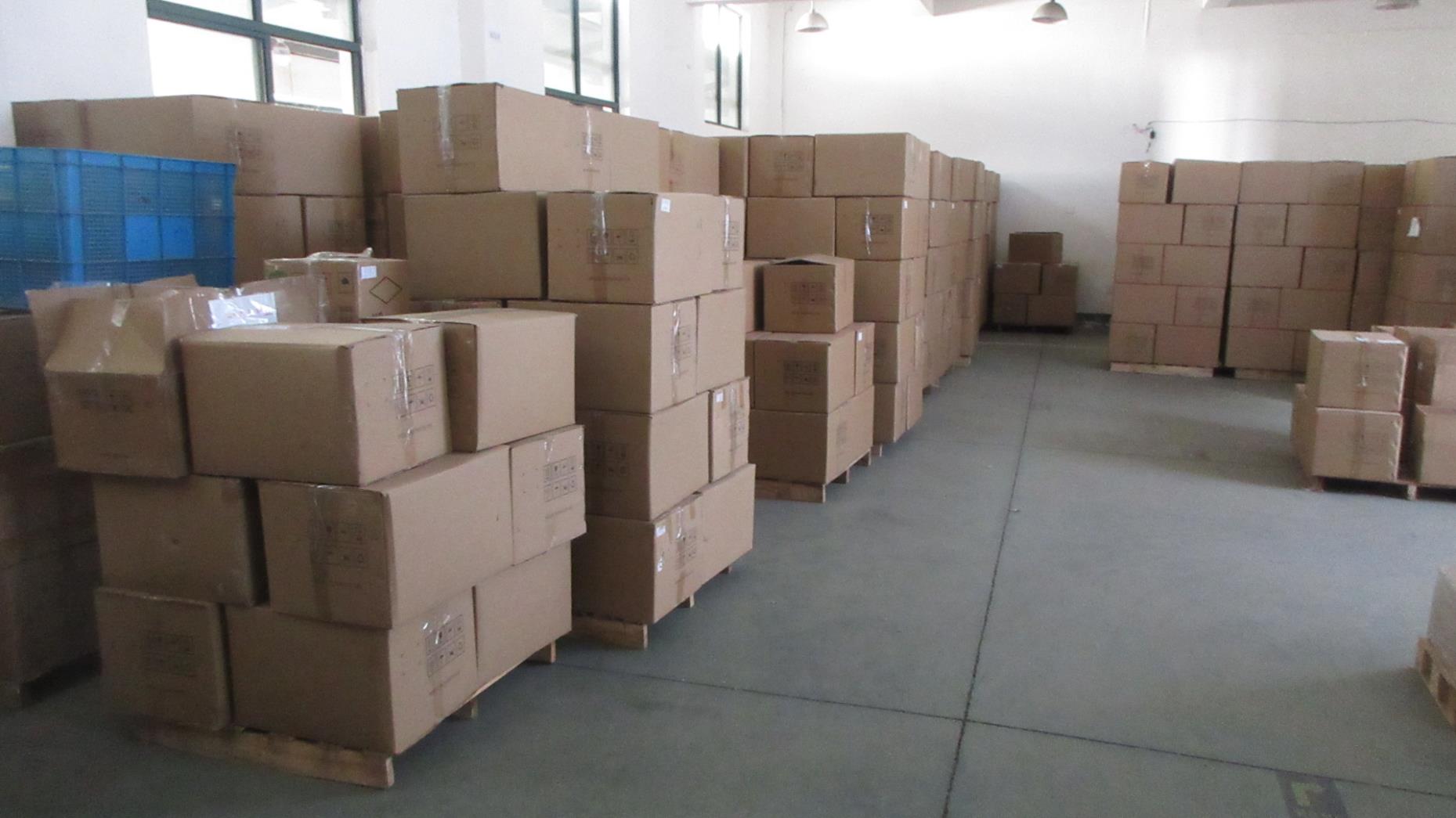
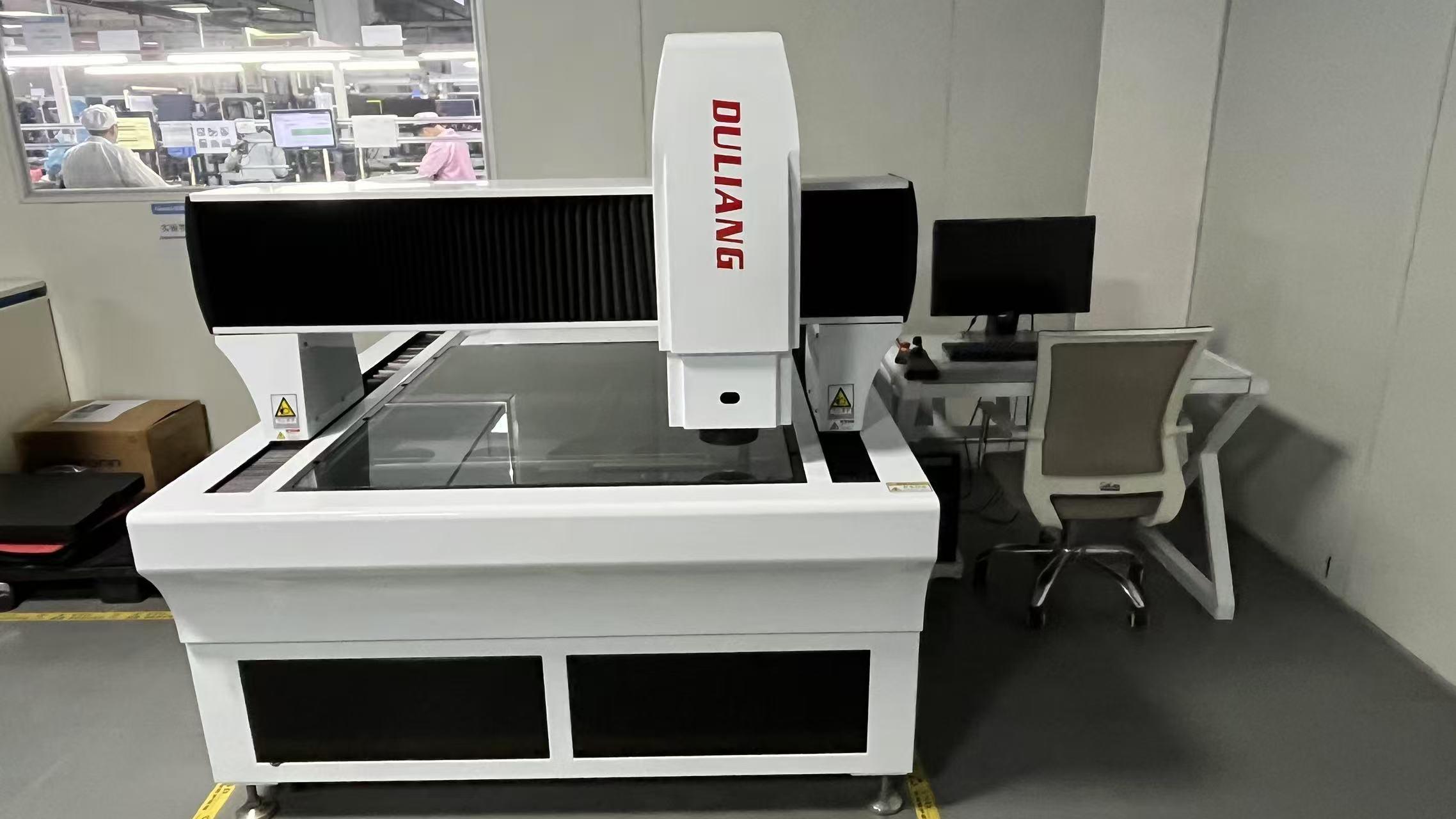
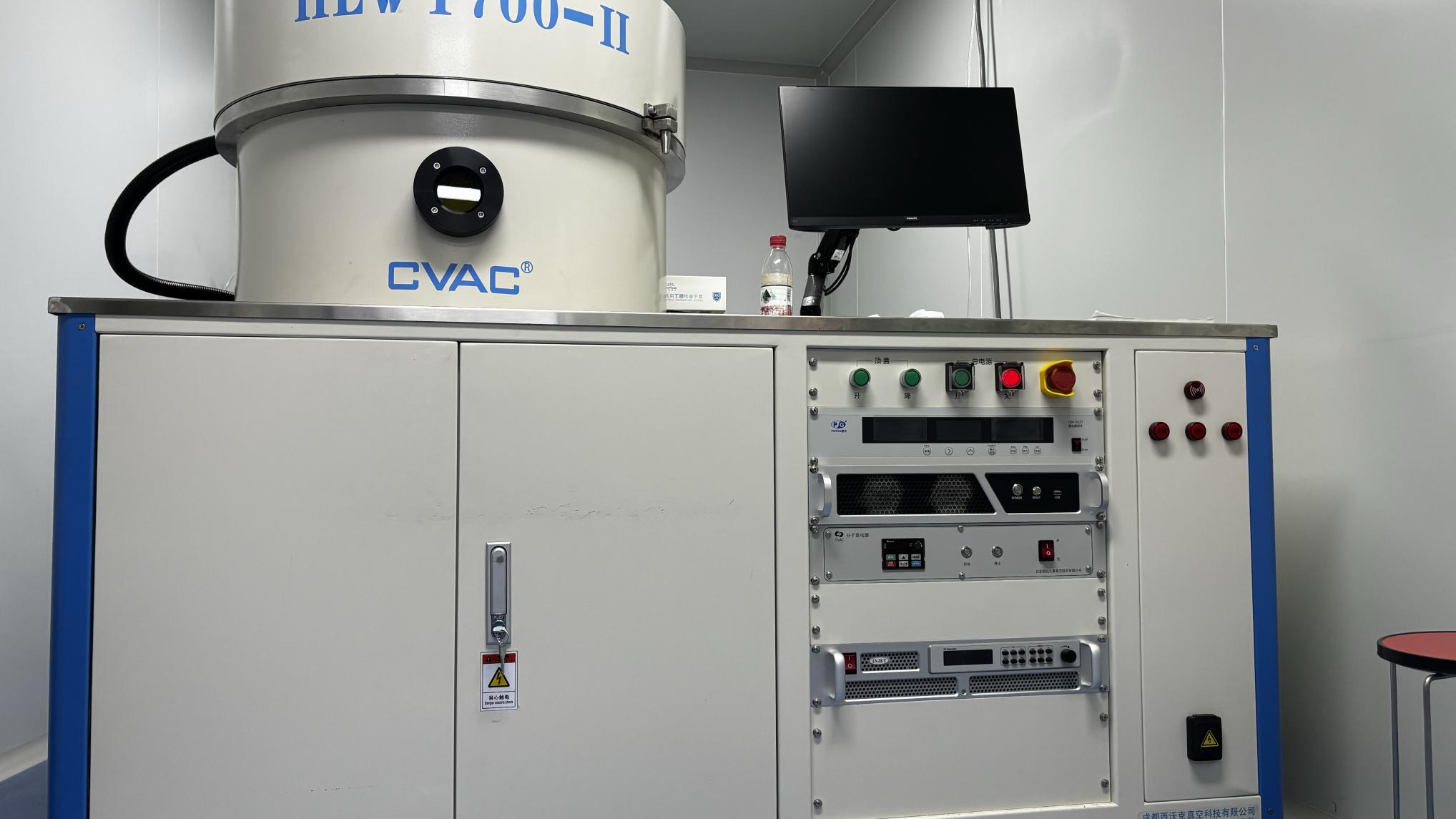
Our modern manufacturing facility features advanced material-processing systems. Precise computer-controlled metering ensures consistent filler loading and dispersion, eliminating local thermal variances in finished products. Automated calendering produces thin thermal interface sheets with tight thickness tolerances down to ±0.02 mm.
By integrating material science with physical component manufacturing (such as CPU radiators, memory modules, and flexible PCBs), we provide custom assemblies that reduce the customer's manufacturing steps. We configure custom thermal pads and apply them to memory modules or heatsinks in-house, delivering integrated components ready for final system assembly.
Our localized supply chain in Shenzhen and the surrounding Greater Bay Area provides access to raw materials, including polymer matrices, specialized silicone oils, and micro-ceramic powders. This localization helps insulate our operations from international shipping disruptions and guarantees stable pricing for volume contracts.
Adhering to strict international standards for reliable component integration.
All thermal interface products, circuit components, and memory assemblies comply with RoHS and REACH standards. We verify that our raw materials contain no hazardous substances or restricted halogens, making them compliant for distribution in North America, the European Union, and Asia-Pacific markets.
Thermal conductivity values are verified using standardized ASTM D5470 test equipment under controlled pressure. We provide complete laboratory characterization reports detailing thermal impedance curves under varying pressures to support engineering design phases.
Safety is a priority in consumer electronics and automotive applications. Our compound materials are formulated with non-halogenated flame retardants to achieve UL 94 V-0 ratings, ensuring they will self-extinguish and not contribute to fire propagation.
Memvora maintains a strict quality control regimen across all product categories. Before packaging and shipping, materials and electronic components undergo a rigorous testing sequence:
Visual, rheological, and density measurements verify compound consistency across production lots.
Thermal cycling, high-temperature aging, and humidity exposure verify long-term material stability.
Testing confirms dielectric breakdown voltages meet or exceed electrical isolation specifications.
A trusted OEM/ODM manufacturing partner specializing in performance electronics, custom circuitry, and thermal hardware solutions.
Founded in 2017, Memvora Electronics Technology Co., Ltd. is a professional manufacturer specializing in high-performance DDR5 memory modules, dedicated to delivering reliable memory solutions for consumer, industrial, enterprise, and embedded applications worldwide. With a modern manufacturing facility covering 386㎡, we combine advanced production equipment, strict quality management, and experienced engineering expertise to provide stable, high-speed memory products for global OEM and ODM partners.
Since entering the international market, Memvora has accumulated 7 years of export experience, serving customers across North America, Europe, Southeast Asia, the Middle East, and South America. Our annual export revenue exceeds US$18.6 million, supported by a strong global supply chain and long-term partnerships with more than 1,280 component suppliers and business partners.
With 14 years of industry experience, our team continuously invests in technology innovation and product development. Our R&D department consists of 126 professional engineers who focus on developing next-generation DDR5 memory solutions with higher speed, lower latency, and enhanced reliability. Last year alone, we successfully launched 86 new memory products to meet the evolving needs of gaming, AI computing, industrial automation, and enterprise servers.
Quality is the foundation of everything we do. Every product undergoes 100% functional testing, burn-in testing, compatibility testing, signal integrity testing, and aging tests before shipment. Our dedicated quality control team of 42 inspectors ensures every memory module meets rigorous international quality standards and delivers long-term stable performance.
Memvora provides flexible OEM, ODM, private label, custom capacity, PCB color, heat spreader design, firmware optimization, and packaging customization services to meet different market requirements. Backed by a responsive engineering team and efficient production management, we help customers shorten development cycles and accelerate product launches.
Today, Memvora serves a diverse customer base including memory brands, computer manufacturers, industrial equipment suppliers, system integrators, distributors, wholesalers, and e-commerce retailers. Through continuous innovation, reliable quality, and customer-focused service, we are committed to becoming a trusted global partner for advanced DDR5 memory manufacturing and customized DRAM solutions.
Technical answers to frequent procurement and engineering questions.
 Memvora