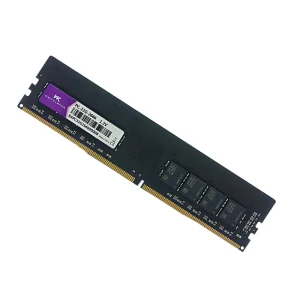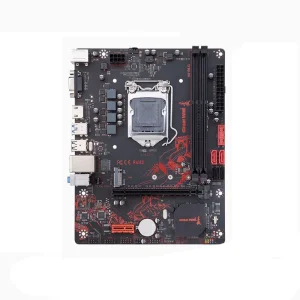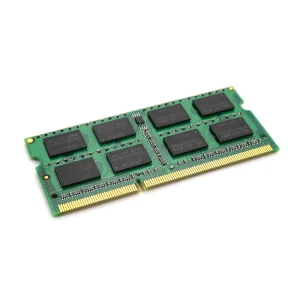
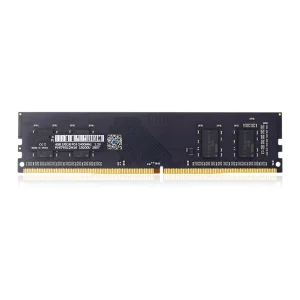
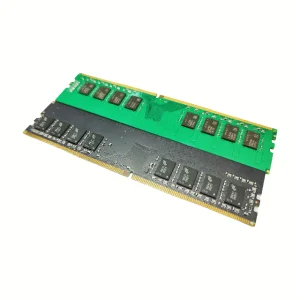
In the rapidly advancing digital economy, computing architecture has shifted from localized, centralized processing hubs to distributed, ruggedized deployments at the edge. Industrial memory modules, commonly known as Industrial RAM, form the backbone of this paradigm. Unlike consumer-grade memory, which is designed for standard atmospheric conditions and cyclic workloads, industrial-grade dynamic random-access memory (DRAM) is engineered to withstand extreme thermal variations, physical vibrations, electrostatic discharge, and continuous 24/7/365 operational cycles.
As leading exporters in China's high-tech manufacturing corridors, our mission centers around delivering next-generation DDR5 and DDR4 memory modules that meet the uncompromising metrics of global system integrators. Modern enterprise infrastructures—ranging from automated manufacturing floors and localized IoT gateways to high-performance AI inference servers—demand zero down-time. Selecting the proper industrial DRAM requires an understanding of signal integrity, error-correcting codes (ECC), raw component sourcing, and structural engineering modifications such as underfill technology and conformal coatings.
Industrial operations operate outside climate-controlled data centers. Industrial-grade RAM is specifically screened to operate reliably within extended (-40°C to 85°C) thermal boundaries, maintaining data retention integrity.
Critical applications cannot afford single-bit errors. Through integrated ECC architecture (including DDR5 on-die ECC and traditional side-band ECC), memory systems detect and repair single-bit faults in real-time.
Unlike consumer variants that cycle every 12 to 18 months, industrial-grade memory modules feature a locked Bill of Materials (BOM) ensuring supply consistency and longevity for up to 5 to 7 years.
The global industrial computing landscapes are transitioning from DDR4 legacy configurations to high-density, low-voltage DDR5 memory modules. DDR5 architecture introduces massive enhancements in data bandwidth and power management efficiency. DDR5 operates at a baseline speed of 4800MHz compared to DDR4’s standard 2400MHz/3200MHz, doubling the effective throughput to sustain heavy workloads.
For enterprise deployments, the integration of the Power Management Integrated Circuit (PMIC) directly onto the memory module (DIMM) in DDR5 is a significant design evolution. In DDR4 architectures, power regulation is managed by the motherboard, leading to potential signal distortion over physical bus lanes. Moving the PMIC onto the DDR5 PCB optimizes voltage regulation, lowers baseline power consumption to 1.1V (from DDR4's 1.2V), and improves overall system thermal efficiency.
| Technical Parameter | Industrial DDR4 Specification | Industrial DDR5 Specification |
|---|---|---|
| Data Rates | 2133 MHz to 3200 MHz | 4800 MHz to 6400 MHz (and above) |
| Operating Voltage | 1.2 V / 1.35 V | 1.1 V |
| Power Management | Managed by Motherboard (Host-side) | On-DIMM PMIC (Power Management IC) |
| Error Correction | Side-band ECC (Requires supporting CPU/chipset) | On-Die ECC + optional Side-band ECC |
| Channel Architecture | 1 Single 64-bit channel per DIMM | 2 Independent 32-bit channels per DIMM |
China is a global hub for hardware engineering and electronic manufacturing services (EMS). The proximity to major semiconductor foundry testing centers and integrated circuit assembly clusters allows China-based exporters like Memvora Electronics Technology Co., Ltd. to maintain a resilient, responsive supply chain.
Founded in 2017, Memvora Electronics Technology Co., Ltd. is a professional manufacturer specializing in high-performance DDR5 memory modules, dedicated to delivering reliable memory solutions for consumer, industrial, enterprise, and embedded applications worldwide. With a modern manufacturing facility covering 386㎡, we combine advanced production equipment, strict quality management, and experienced engineering expertise to provide stable, high-speed memory products for global OEM and ODM partners.
With over 14 years of industry experience, our team continuously invests in technology innovation and product development. Our R&D department consists of 126 professional engineers who focus on developing next-generation DDR5 memory solutions with higher speed, lower latency, and enhanced reliability. Last year alone, we successfully launched 86 new memory products to meet the evolving needs of gaming, AI computing, industrial automation, and enterprise servers.
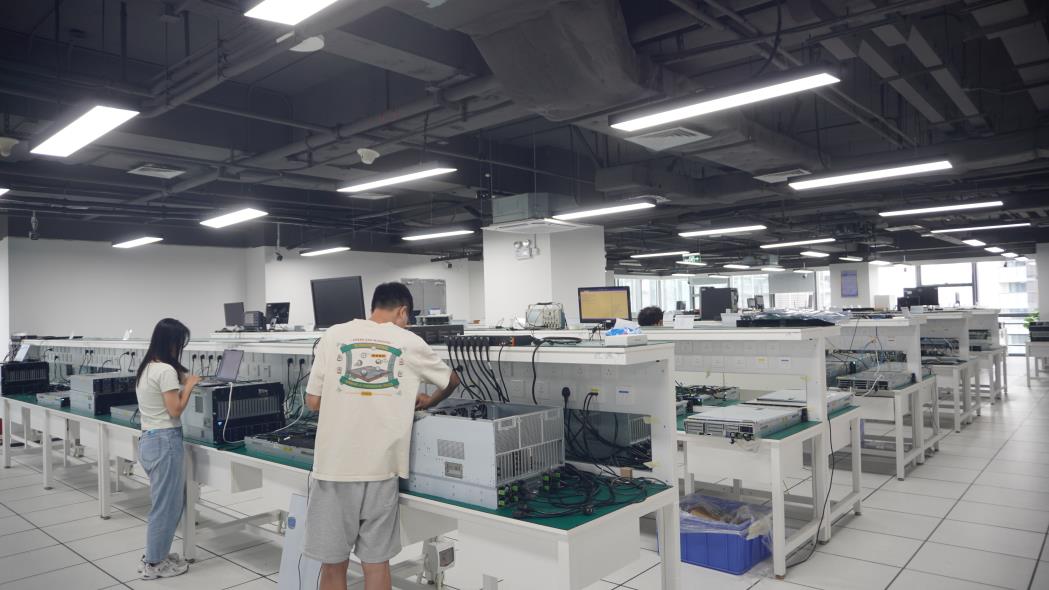
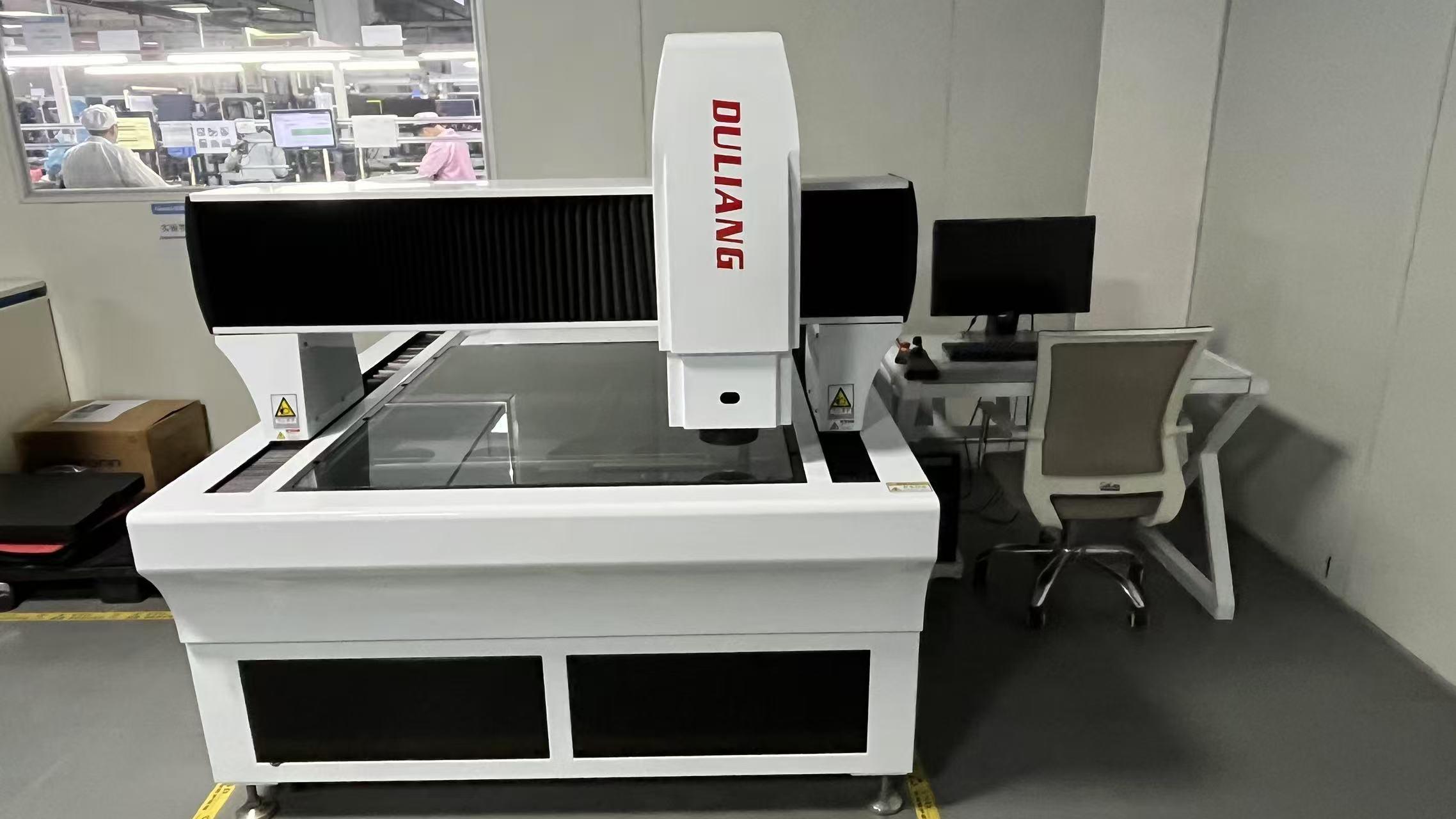
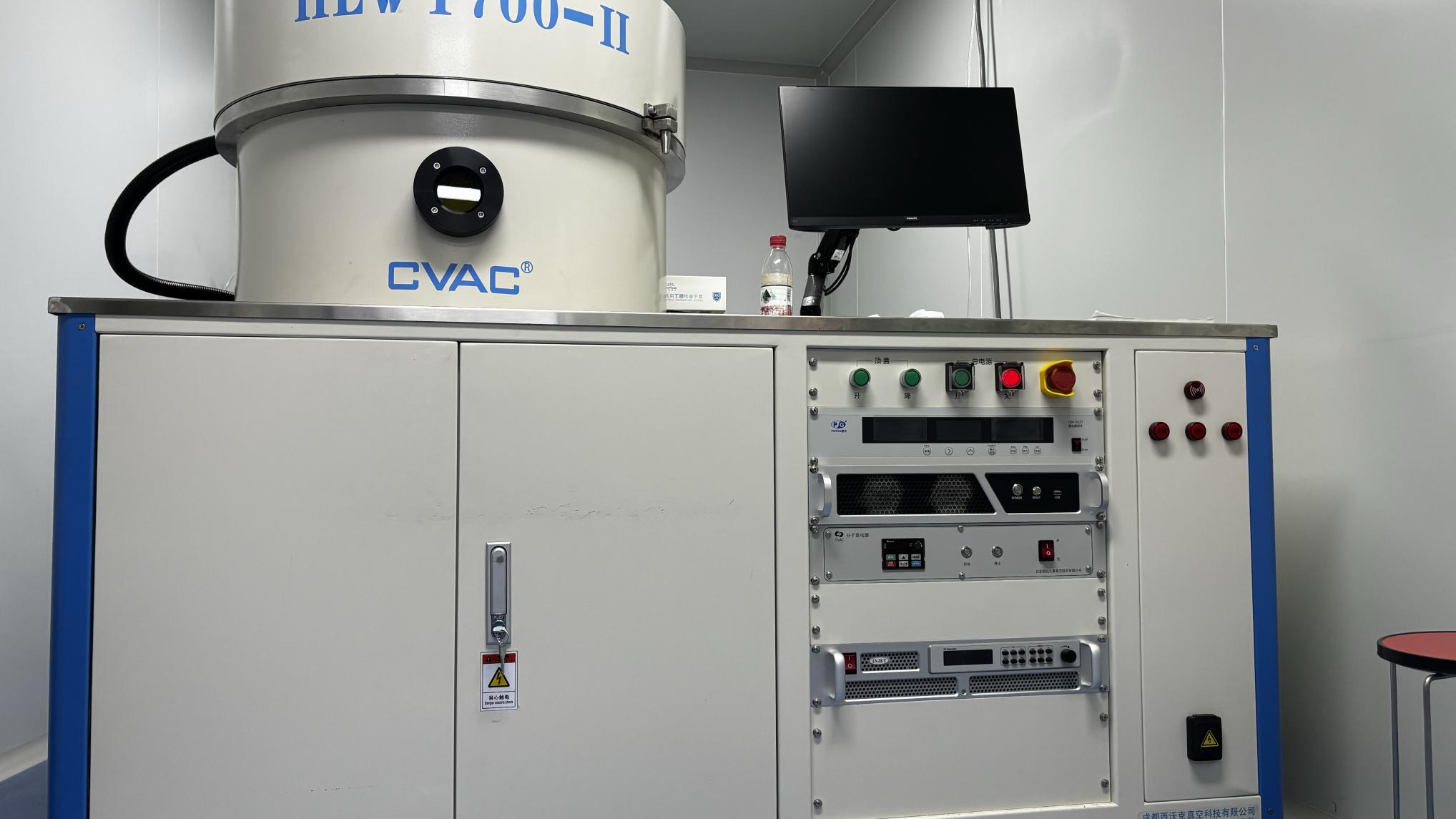
Reliability in harsh operational settings is determined by rigorous quality assurance. Standard DRAM chips must undergo a strict validation process before being built into industrial modules. Memvora maintains a dedicated quality control team of 42 inspectors who oversee every step of the assembly, programming, and packaging stages.
Every single module undergoes 100% functional testing, burn-in testing, compatibility testing, signal integrity testing, and aging tests before shipment. Through burn-in chambers, memory modules are subjected to elevated voltages and thermal stress for extended periods to force early component failures (infant mortality screening), ensuring only the most durable modules reach packaging. Furthermore, specialized signal integrity analysis is performed using high-frequency oscilloscopes to verify clean clock cycles and minimize jitter.
To meet diverse global demands, Memvora provides flexible OEM, ODM, private label, custom capacity, PCB color, heat spreader design, firmware optimization, and packaging customization services. This is backed by a responsive engineering team and efficient production management to help customers shorten development cycles and accelerate product launches.
We configure memory capacities and customize Serial Presence Detect (SPD) parameters, such as timing configurations and thermal limit profiles, ensuring compatibility with customized systems.
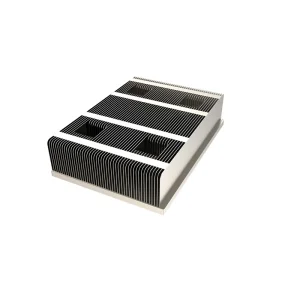
From low-profile (VLP) designs to specialized PCB colors, thermal heat spreaders, conformal coatings, and anti-sulfurization layers, we adapt modules for harsh physical environments.
We modify and optimize BIOS/UEFI firmware interfaces to bypass memory controller latency issues on niche embedded platforms and custom motherboards.
Industrial-grade RAM operates across various complex industrial applications. The demands of these environments vary depending on thermal, vibration, and data transfer characteristics:
Automated assembly lines, robotic arms, and factory control motherboards require reliable memory. Vibrations from nearby motors and actuators can cause contact loss on loose components. Our industrial memory modules feature reinforced gold fingers and optional underfill encapsulation to prevent contact failures and connection degradation.
Edge nodes deployed at cellular towers, wind farms, and power stations process real-time AI computer vision models. These remote setups require high-speed DDR5 memory to prevent processor bottlenecks. With low-voltage profiles and on-die ECC, our memory modules operate continuously in uncooled remote enclosures.
Train control units, toll systems, and aerospace computing modules require strict compliance and long lifecycles. They are exposed to high thermal changes, moisture, and dust. By applying a protective conformal coating to the PCB, our modules resist environmental corrosion and electrical shorts.
MRI scanners, CT machines, and real-time medical imaging systems require stable data pathways. A single memory fault could corrupt high-resolution medical data or disrupt diagnostic software. Our strict compatibility testing and ECC architectures ensure data reliability for healthcare systems.
Exporting high-technology components to international destinations requires compliance with regional environmental and electronic standards. As a global exporter serving customers across North America, Europe, Southeast Asia, the Middle East, and South America, Memvora ensures every memory module complies with international regulatory frameworks including CE, FCC, RoHS, REACH, and WEEE certifications.
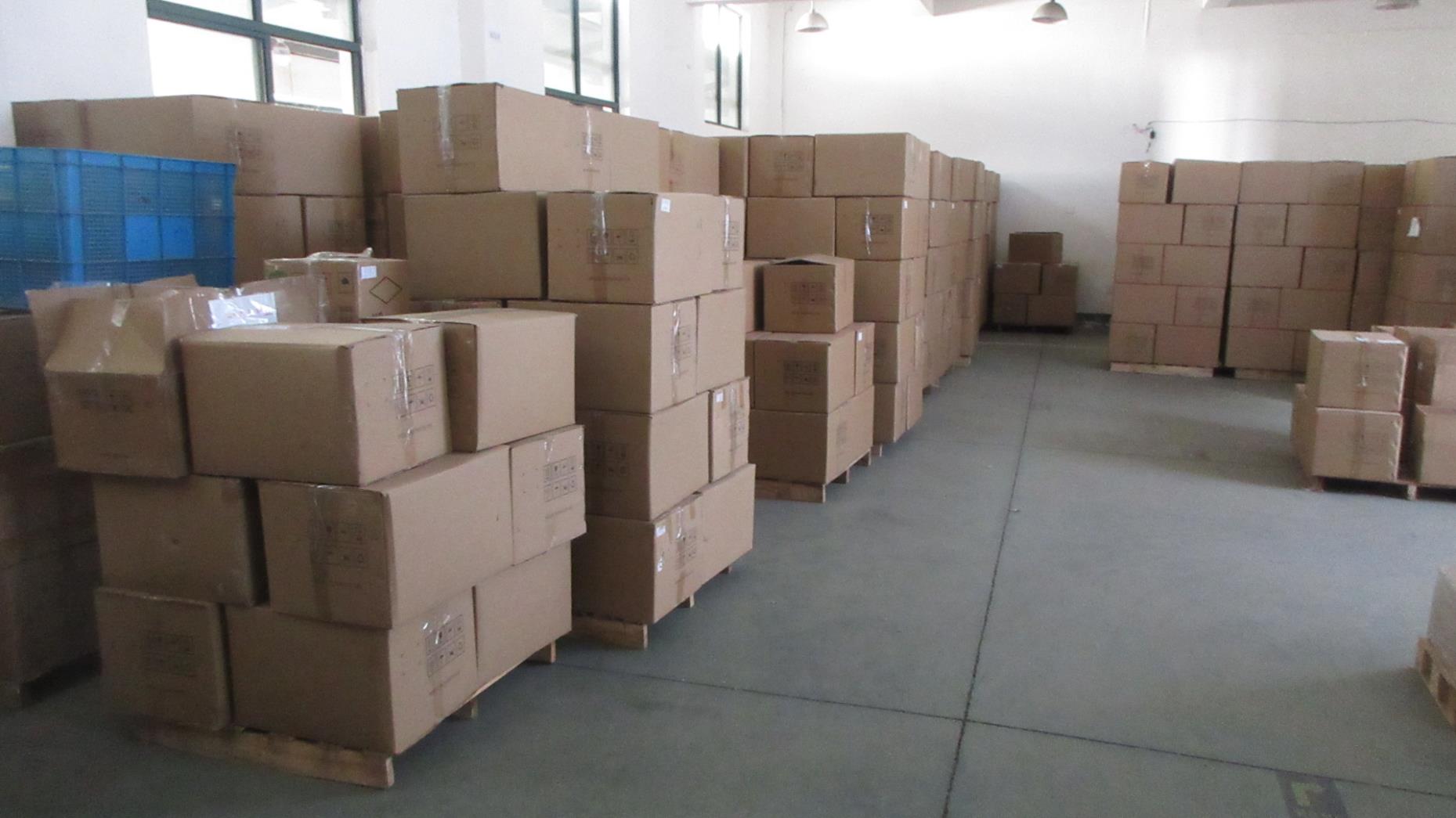
We mitigate shipment delays by providing complete documentation, including certified test reports, materials declarations, and certificates of origin. Beyond compliance, localized support services bridge communication gaps. By providing direct engineering access to our 126 professional R&D engineers, we help clients troubleshoot hardware compatibility, resolve timing mismatch issues, and conduct remote diagnostics to minimize post-purchase disruption.
We support system integrators and memory brands with a locked Bill of Materials (BOM). Once a hardware configuration is certified for a project, we guarantee that the specific memory chips, PCB revision, and register controller components remain unchanged throughout the project's lifecycle. Any modifications are managed through a formal Product Change Notification (PCN) process, allowing clients ample time to evaluate and test alternatives.
The industrial computing landscape is evolving to support high-density, low-latency, and interconnected operations. Memory exporters and developers must adapt to several key trends:
Compute Express Link (CXL) is transforming data center and high-performance industrial computing. CXL allows CPU, GPU, and DRAM components to share a unified memory space, improving data transfer efficiency and reducing latency.
Industrial applications now require higher density memory. With advanced 3D packaging technologies, standard DIMM modules can support larger capacities. This enables industrial computers to run complex local databases and edge analytics models without performance lag.
As computing speeds increase, heat output rises. Future industrial memory modules will utilize advanced thermal compounds and graphene-coated heat spreaders to improve heat dissipation, ensuring stable performance in high-temperature environments.
Find answers to common questions regarding custom RAM orders, quality control, manufacturing capacity, and global delivery logistics.
 Memvora