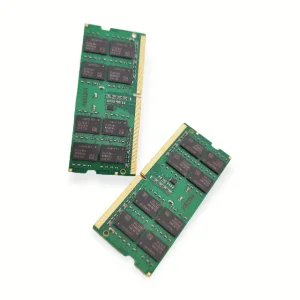
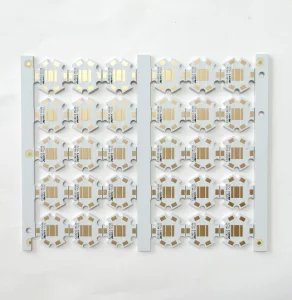
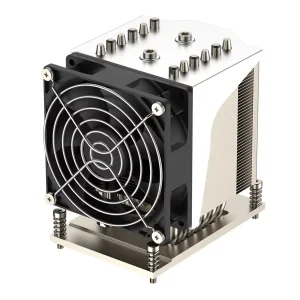
High-performance Digital Signal Processors (DSPs) require a meticulously matched peripheral ecosystem. Browse our certified memory modules, multilayer PCBs, and advanced heatsinks engineered for real-time mathematical pipelines and high-frequency calculation arrays.
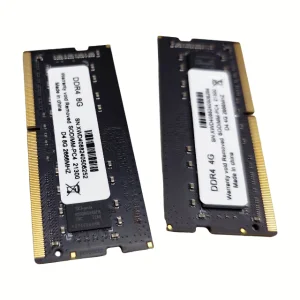
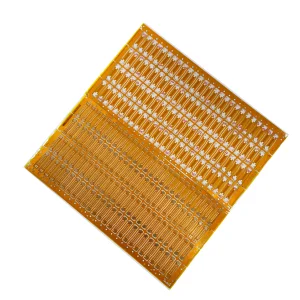
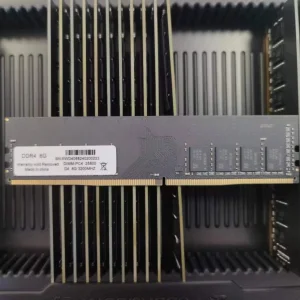
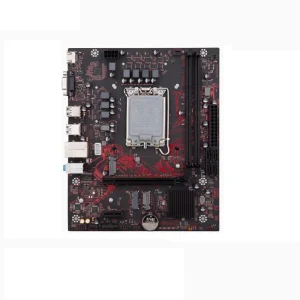
Modern signal processing relies on complex, high-throughput pipelines. While digital signal processor (DSP) silicon components handle real-time math operations—such as fast Fourier transforms (FFT), convolution, and digital filtering—the real-world efficiency of these systems depends on the surrounding hardware ecosystem. This whitepaper analyzes the integration of China-manufactured DSPs, high-frequency DDR RAM modules, custom-engineered printed circuit boards (PCBs/PCBAs), and highly efficient thermal interfaces. These components form a unified computing platform.
Global procurement teams must assess not just individual silicon metrics, but the manufacturing ecosystem. By using China's deep electronics supply chain, enterprises can source high-performance memory (DDR4/DDR5) and thermal solutions alongside local DSP IC architectures. This integration decreases latency, manages high heat loads, and ensures structural hardware reliability.
The global demand for high-performance DSP solutions is expanding. Modern signal processing has shifted from centralized cloud computing toward decentralized edge execution. Real-time telemetry, automotive radar, and 5G base stations require instant computational feedback, which is limited by network latency. Edge devices process large continuous data streams using DSP core networks that depend on ultra-low latency memory channels to run mathematical algorithms.
A common limiting factor in high-frequency DSP deployment is the Memory Wall. Even with high core frequencies in DSP chips, data pipelines will stall if the local RAM cannot read and write data fast enough. This challenge requires using high-capacity DDR4 or DDR5 RAM arrays right next to the processor. Integrating layout-optimized motherboard technology and high-power thermal interfaces helps engineers prevent system throttling and maintain real-time performance.
A functional DSP assembly is an integrated system. To understand this relationship, we can analyze how memory, PCBs, and thermal dissipation systems work together with the processing silicon to support reliable signal processing.
| Component Group | Critical Engineering Requirements | Impact on DSP Performance | Memvora Sourcing Solution |
|---|---|---|---|
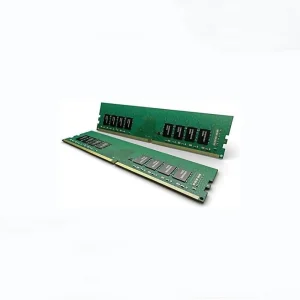
| High-Speed DRAM (DDR4 / DDR5) | Dual-channel routing, low latency (CL16-CL22), high bus frequencies (3200MHz+), and ECC error correction. | Eliminates buffer bottlenecks during real-time mathematical operations (FFT/FIRT operations). | DDR4 and DDR5 memory modules (4GB to 32GB) with optional ECC support. |
| Multilayer & Flexible PCBs | Controlled impedance, low dielectric loss materials, precise trace routing, and minimal signal crosstalk. | Maintains signal integrity for high-speed data transmission lines. | 1-2 layer flexible PCBs (FPCs) and multilayer rigid FR4/Aluminum substrates. |
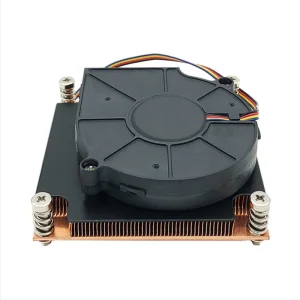
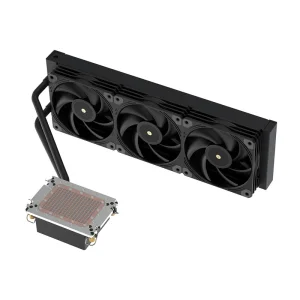
| Thermal Interconnects & Coolers | High thermal conductivity (copper/vapor chambers) and direct contact designs for up to 300W TDP. | Prevents thermal throttling and maintains operation within standard temperature ranges. | LGA4677, LGA4926, and LGA115X copper server heatsinks (110W to 300W capacities). |
For example, when deploying a DSP for radar processing in industrial environments, the processor executes high-frequency calculations. This generates localized heat. Standard cooling methods may fail, leading to thermal shutdown. By using high-capacity copper server heatsinks (such as the LGA4677 4U Server Cooler) along with optimized ECC memory modules, the system maintains stable processing without data loss.
Sourcing electronic components from China offers advantages in cost, lead times, and manufacturing integration.
China's technology manufacturing centers in Guangdong connect silicon designers, PCB manufacturers, SMT packaging plants, and thermal solution engineers in close proximity. This geographic concentration reduces product development times. Design changes that might take weeks elsewhere can be prototyped, manufactured, and tested in days. Our 126-engineer R&D team uses this ecosystem to quickly design and deliver customized PCB and memory layouts.
With an established network of over 1,280 component suppliers, China manufacturers maintain stable access to raw silicon, copper bases, and specialized fiberglass substrates. This supply network helps mitigate global component shortages. For international buyers, this means reliable lead times, stable pricing structures, and consistent component availability even during market fluctuations.
The processing requirements of modern signal architectures continue to increase. Below is an overview of the key technologies shaping the future of signal processing hardware.
Moving from DDR4 to DDR5 doubles the bandwidth and introduces on-die ECC (Error Correction Code). This transition supports the high data rates required by modern multichannel DSP architectures.
Shorter trace distances between memory dies and processor substrates reduce parasitic inductance, allowing for faster clock rates and lower energy consumption per calculation.
To cool high-frequency processing arrays, traditional copper blocks are being replaced by dynamic vapor chambers. These chambers use two-phase liquid-gas cooling cycles to handle heat loads up to 300W.
Future designs combine general-purpose processors, programmable DSP logic, and high-frequency memory interfaces onto a single substrate to optimize space and efficiency.
Modern DSP installations are used in a variety of high-demand computing applications.
Base stations process complex multi-input multi-output (MIMO) antenna arrays. These systems demand high processing speeds and rely on low-latency memory to buffer incoming RF streams without dropped packets.
Self-driving vehicles analyze incoming sensor data in fractions of a second to make driving decisions. This real-time processing requires hardware designed to function reliably under high vibration and thermal stress.
Ultrasound and MRI systems process raw digital sensor signals into 3D visualizations. High-capacity memory modules ensure smooth data buffering for high-resolution image rendering.
High-voltage power distribution systems require monitoring of current waveforms to prevent failures. DSPs monitor line data to detect anomalies and trigger protection circuits within milliseconds.
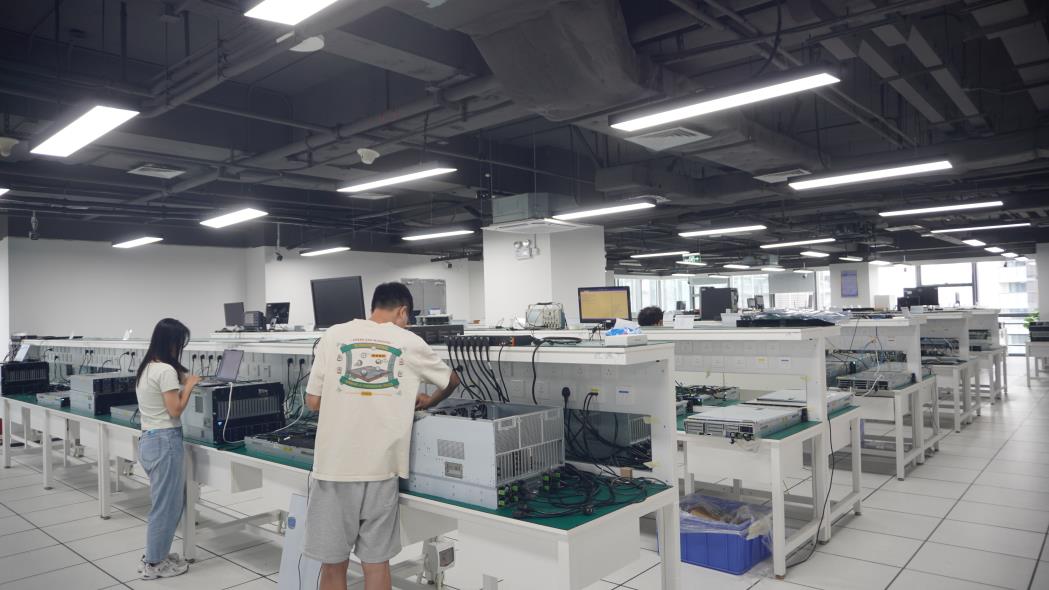
Electrical safety, signal integrity, and environmental standards are critical for components used in industrial and automotive applications. To ensure quality, our testing processes include:
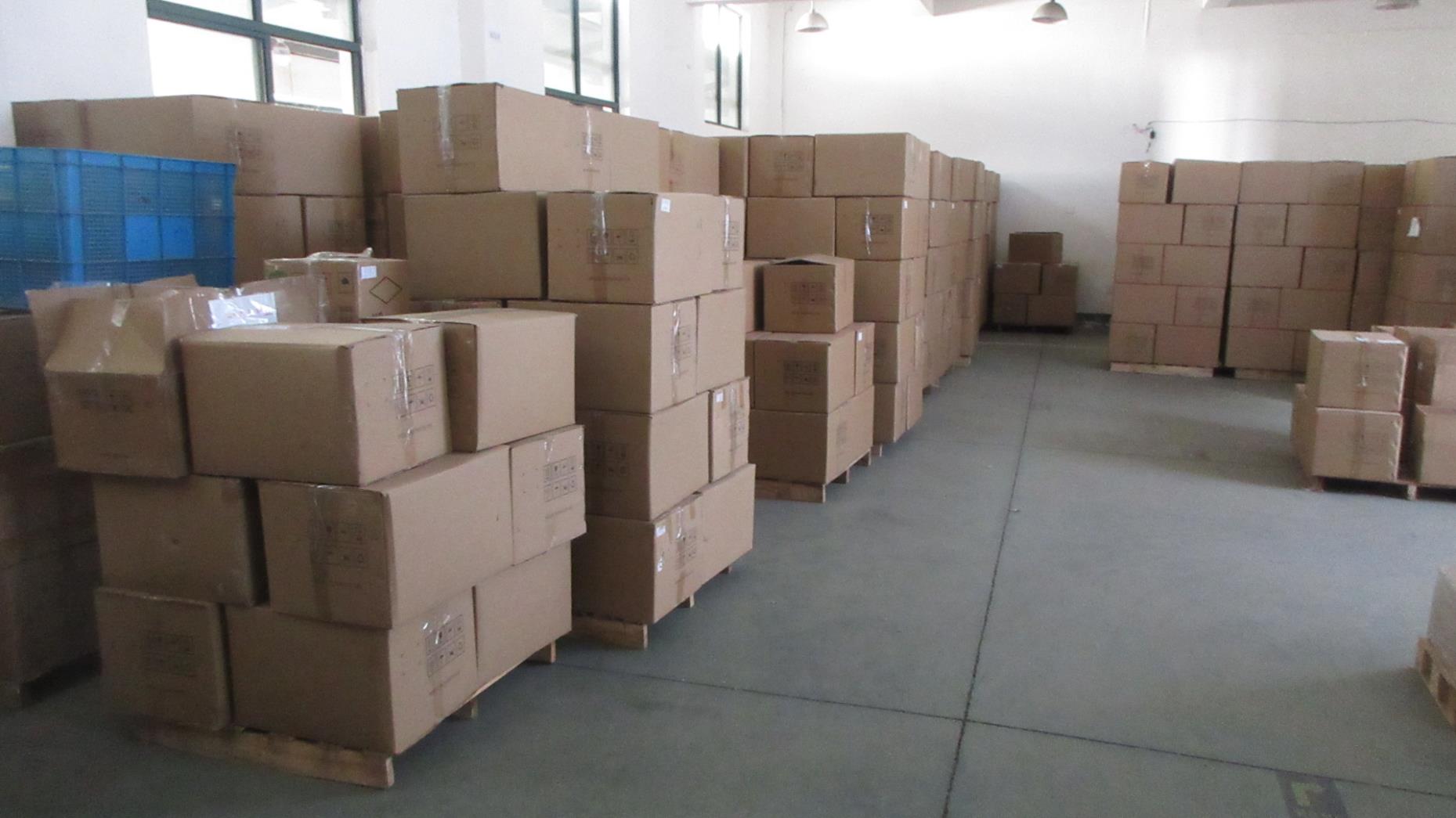
Founded in 2017, Memvora Electronics Technology Co., Ltd. is a professional manufacturer specializing in high-performance DDR5 memory modules, dedicated to delivering reliable memory solutions for consumer, industrial, enterprise, and embedded applications worldwide. With a modern manufacturing facility covering 386㎡, we combine advanced production equipment, strict quality management, and experienced engineering expertise to provide stable, high-speed memory products for global OEM and ODM partners.
Since entering the international market, Memvora has accumulated 7 years of export experience, serving customers across North America, Europe, Southeast Asia, the Middle East, and South America. Our annual export revenue exceeds US$18.6 million, supported by a strong global supply chain and long-term partnerships with more than 1,280 component suppliers and business partners.
With 14 years of industry experience, our team continuously invests in technology innovation and product development. Our R&D department consists of 126 professional engineers who focus on developing next-generation DDR5 memory solutions with higher speed, lower latency, and enhanced reliability. Last year alone, we successfully launched 86 new memory products to meet the evolving needs of gaming, AI computing, industrial automation, and enterprise servers.
Quality is the foundation of everything we do. Every product undergoes 100% functional testing, burn-in testing, compatibility testing, signal integrity testing, and aging tests before shipment. Our dedicated quality control team of 42 inspectors ensures every memory module meets rigorous international quality standards and delivers long-term stable performance.
Memvora provides flexible OEM, ODM, private label, custom capacity, PCB color, heat spreader design, firmware optimization, and packaging customization services to meet different market requirements. Backed by a responsive engineering team and efficient production management, we help customers shorten development cycles and accelerate product launches.
Today, Memvora serves a diverse customer base including memory brands, computer manufacturers, industrial equipment suppliers, system integrators, distributors, wholesalers, and e-commerce retailers. Through continuous innovation, reliable quality, and customer-focused service, we are committed to becoming a trusted global partner for advanced DDR5 memory manufacturing and customized DRAM solutions.
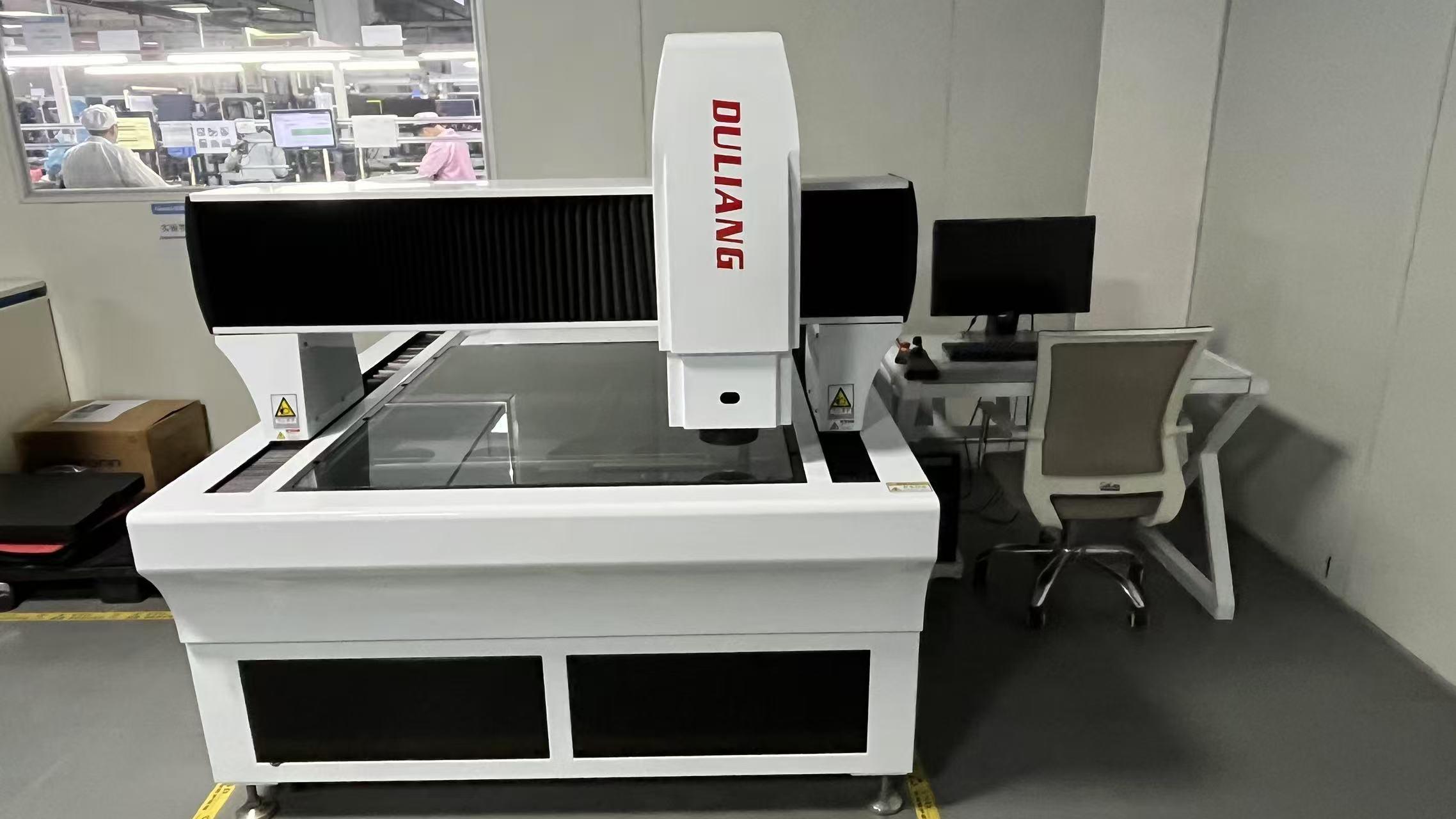
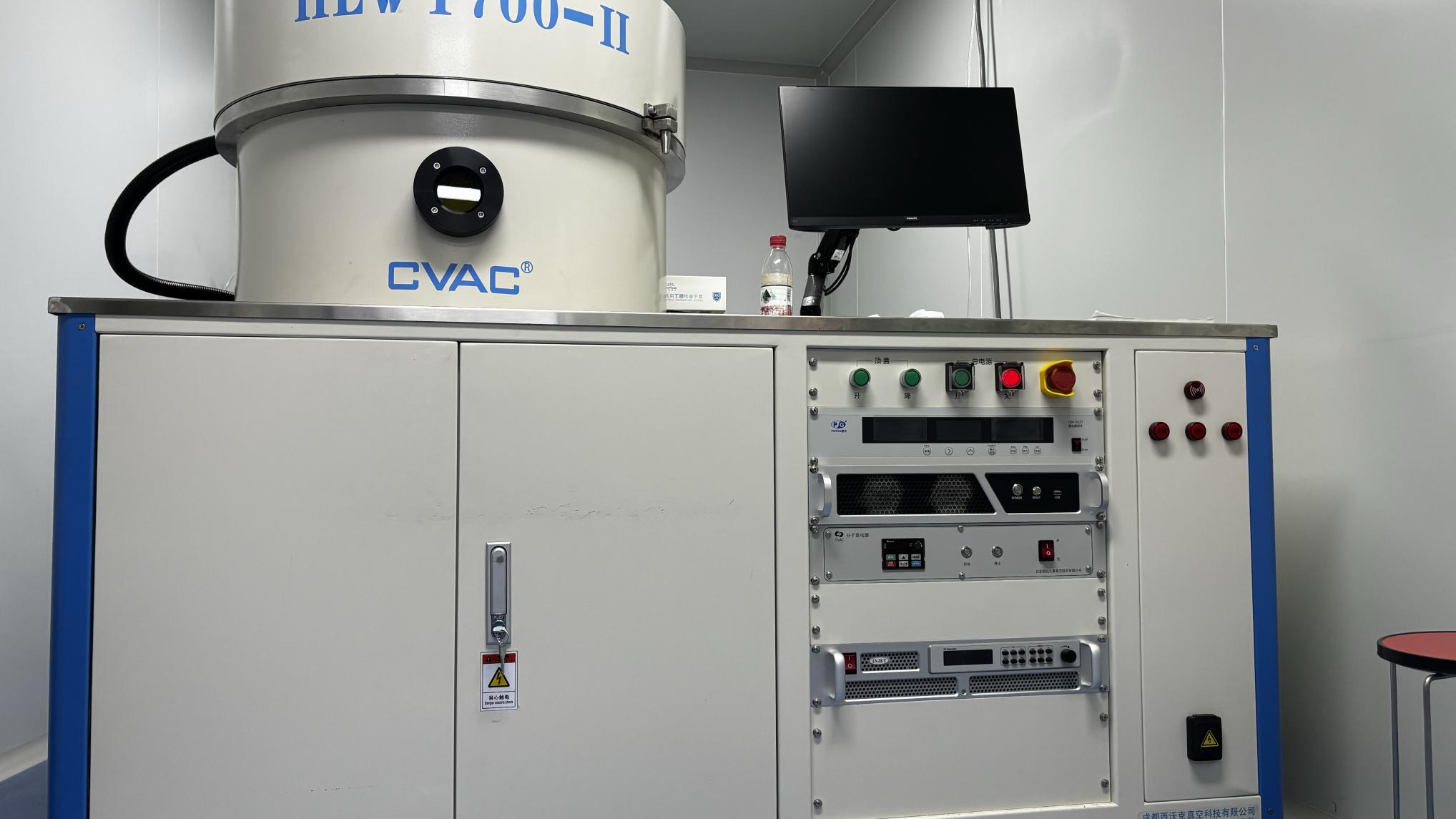
Ensure reliable operation of your signal processing equipment with our selection of motherboards, memory modules, flexible interconnects, and cooling hardware.
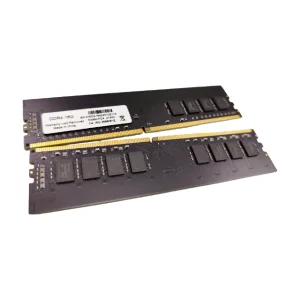
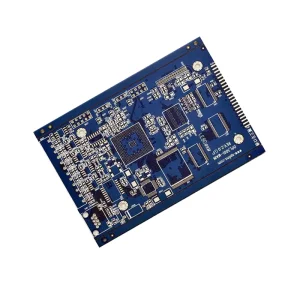
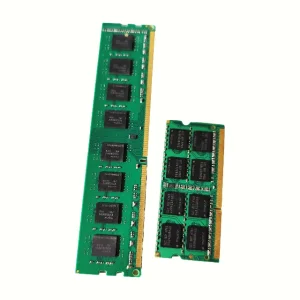
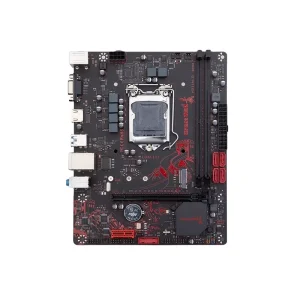
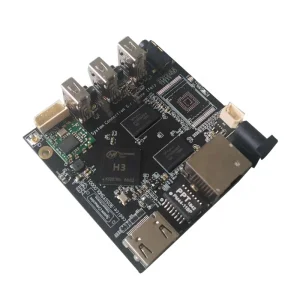
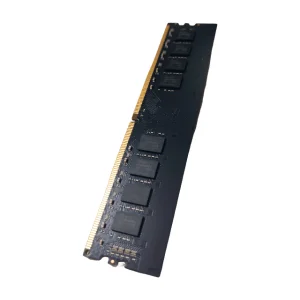
Whether you require specific memory configurations, complex multi-layer PCB fabrication, or customized thermal solutions for high-TDP processor units, our engineering team can help. Contact Memvora Electronics today for technical evaluations, pricing, and sample requests.
 Memvora