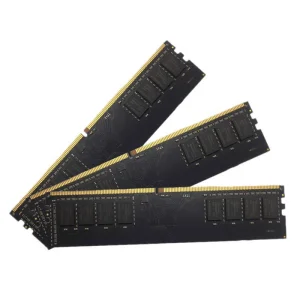
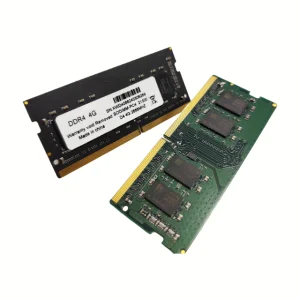
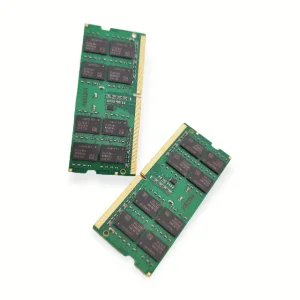
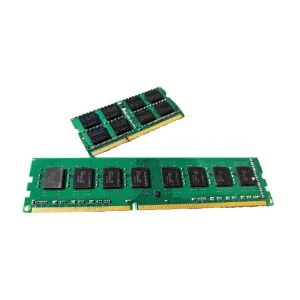
Explore high-performance memory configurations and computing infrastructure engineered for maximum compatibility and throughput.
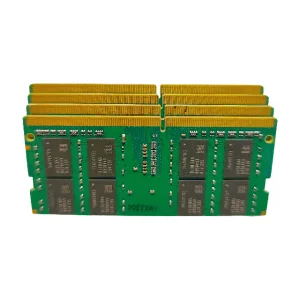
Why DDR4 memory modules remain a critical industrial benchmark despite the emergence of DDR5.
Although the consumer market has begun transitioning rapidly to the DDR5 generation, the commercial, enterprise, and industrial computing ecosystems rely heavily on the mature, highly stable DDR4 SDRAM architecture. This legacy is not merely a consequence of hardware inertia; it is driven by rigorous validation cycles, cost-per-gigabyte efficiencies, and verified mean time between failures (MTBF).
For data centers and network infrastructures, DDR4 represents years of optimization. Major server chipsets continue to service high-density DDR4 modules, mitigating risk in multi-tenant cloud operations.
Total Cost of Ownership (TCO) remains a core metric. Standardizing systems on DDR4 avoids expensive motherboard upgrades while offering lower latencies and power configurations tailored to industrial IoT.
DDR4 dies are produced at massive economies of scale. Buyers enjoy consistent global supply with negligible lead times, insulation from volatile commodity pricing, and a vast ecosystem of third-party integration components.
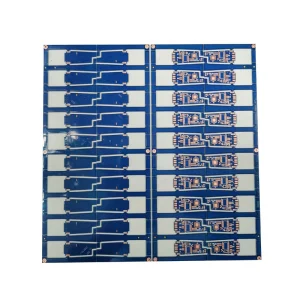
OEMs sourcing from China must navigate differing quality tiers. The dynamic between high-tier original brand packaging and white-label modules determines long-term product lifespans. As a mature technology, DDR4 manufacturing optimization focuses heavily on minimizing parasitic capacitance on the printed circuit board (PCB) trace pathways, using high-reliability lead-free solder pastes, and performing strict automated optical inspection (AOI) to prevent system failure in extreme temperature industrial applications.
DRAM performance is defined by its lowest common denominator. Our testing matrices eliminate component variability.
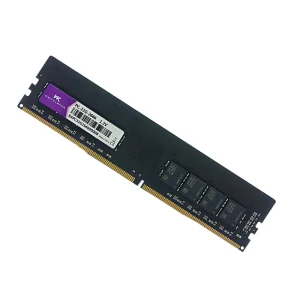
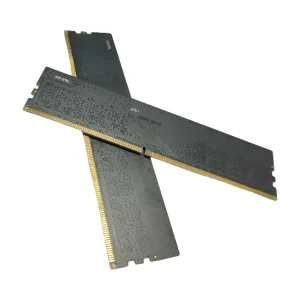
Precision manufacturing of high-speed memory modules requires a deep understanding of electrical physics, signaling paths, and heat dissipation mechanics. From Error-Correcting Code (ECC) modules utilized in database servers to non-ECC modules standard in workstation computers, compatibility issues typically stem from marginal timing variations. Memvora mitigates this through comprehensive signal validation and premium component selections.
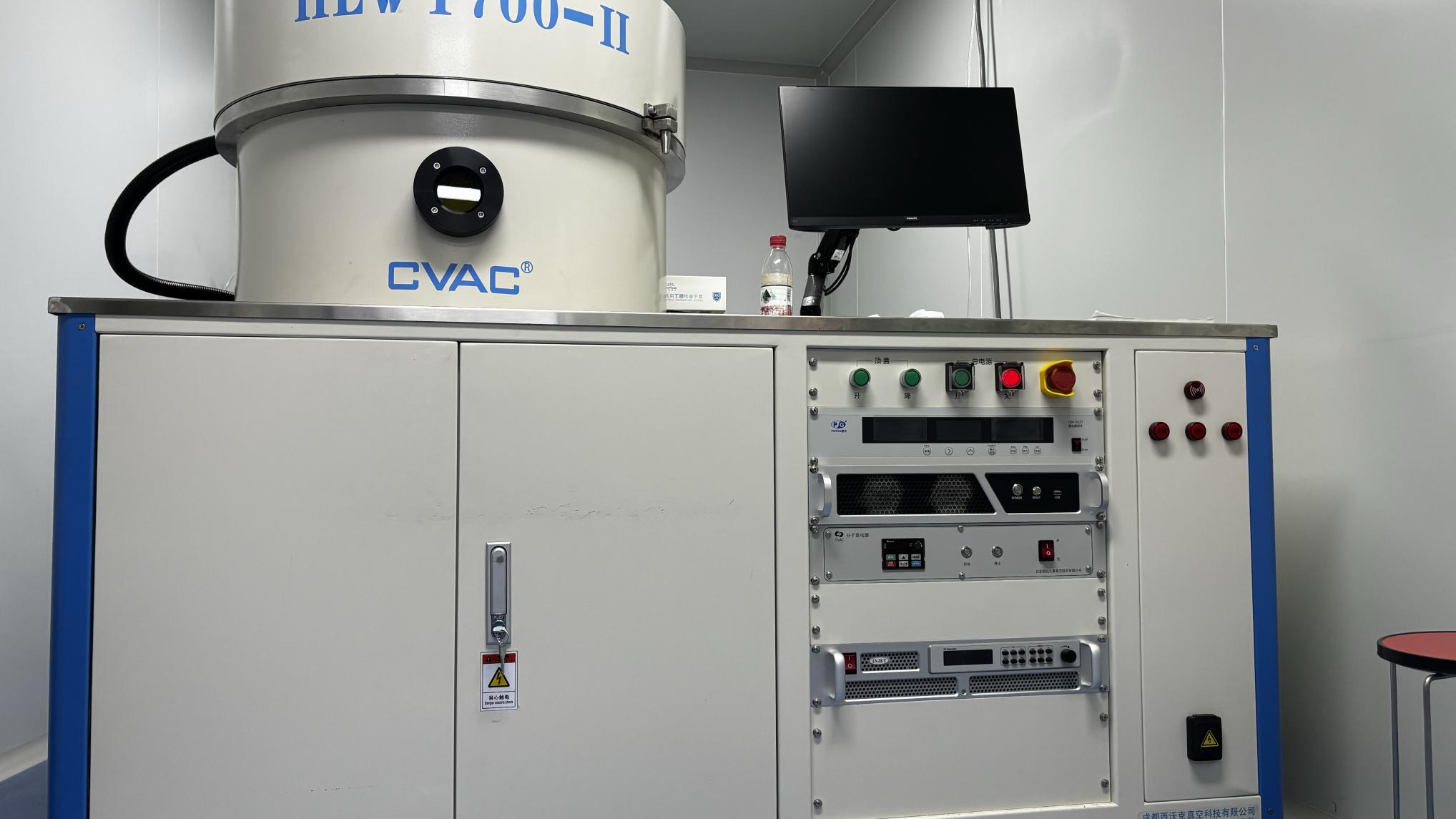
Utilizing high-bandwidth oscilloscopes and memory testers, we characterize clock timing margins, address-command hold times, and signal reflections to prevent system blue screens in mission-critical environments.
DRAM modules function in high-heat density enclosures. Our stress testing pushes DDR4 chips from -40°C to +85°C to certify compliance under structural server and ruggedized automation system loads.
We program Serial Presence Detect (SPD) chips with tailored profiles (JEDEC standard latencies and frequencies) to ensure flawless plug-and-play boot sequences across diverse motherboard chipsets.
DDR4 operates primarily between 1.2V and 1.35V. While 1600MHz to 2400MHz serves standard embedded platforms, higher frequencies like 2666MHz and 3200MHz represent the optimal operational sweet spot for database throughput and multitasking computation. By engineering multi-layer PCBs with optimized ground plane shielding, modern China manufacturer solutions reduce crosstalk and electromagnetic interference (EMI).
Leading the development of customized DRAM solutions and next-generation memory modules for global industry partners.
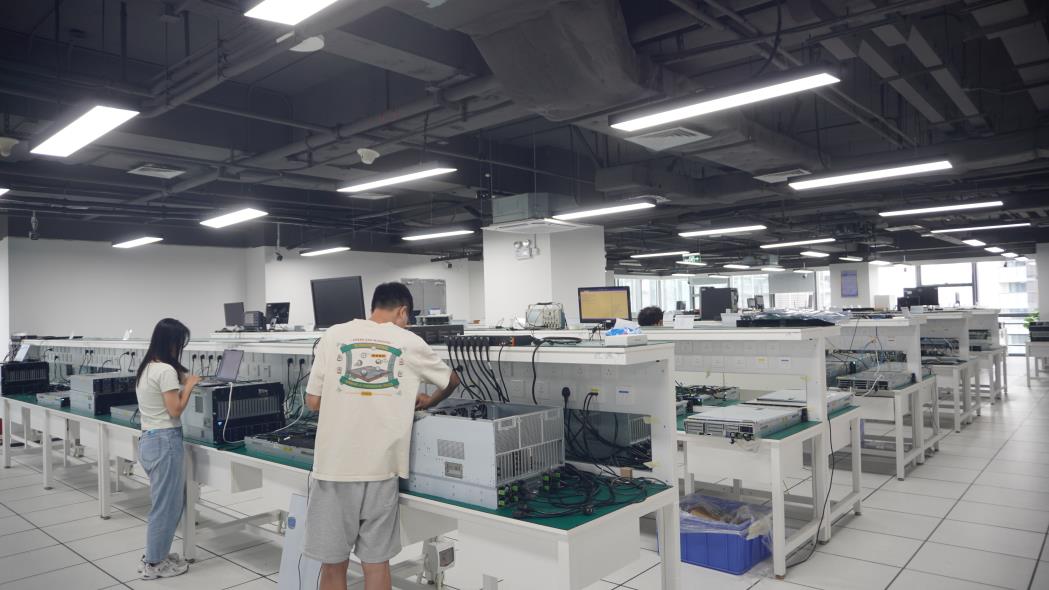
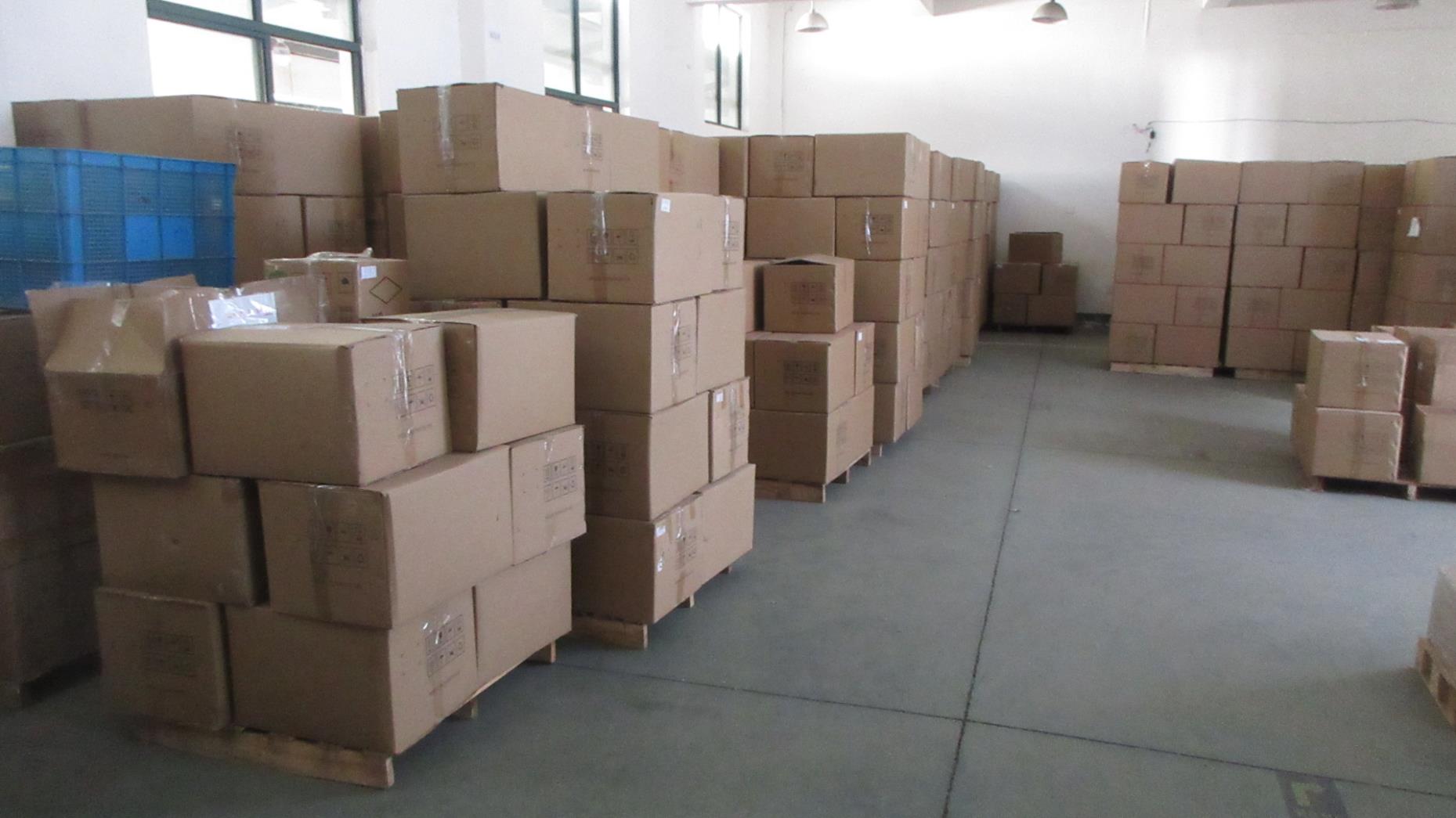
Founded in 2017, Memvora Electronics Technology Co., Ltd. is a professional manufacturer specializing in high-performance memory modules. We are dedicated to delivering reliable memory solutions for consumer, industrial, enterprise, and embedded applications worldwide. With a modern, high-precision assembly facility covering 386㎡, we combine advanced production equipment, strict quality management, and experienced engineering expertise to provide stable, high-speed memory products for global OEM and ODM partners.
Since entering the international market, Memvora has accumulated 7 years of export experience, serving customers across North America, Europe, Southeast Asia, the Middle East, and South America. Our annual export revenue exceeds US$18.6 million, supported by a strong global supply chain and long-term partnerships with more than 1,280 component suppliers and business partners.
With 14 years of industry experience, our team continuously invests in technology innovation and product development. Our R&D department consists of 126 professional engineers who focus on developing next-generation memory solutions with higher speed, lower latency, and enhanced reliability. Last year alone, we successfully launched 86 new memory products to meet the evolving needs of gaming, AI computing, industrial automation, and enterprise servers.
Quality is the foundation of everything we do. Every product undergoes 100% functional testing, burn-in testing, compatibility testing, signal integrity testing, and aging tests before shipment. Our dedicated quality control team of 42 inspectors ensures every memory module meets rigorous international quality standards and delivers long-term stable performance.
Memvora provides flexible OEM, ODM, private label, custom capacity, PCB color, heat spreader design, firmware optimization, and packaging customization services to meet different market requirements. Backed by a responsive engineering team and efficient production management, we help customers shorten development cycles and accelerate product launches.

Tailoring memory architectures to specific deployment constraints and workload demands.
Different applications call for vastly different architectural implementations of DDR4 RAM. Failing to align specifications can lead to memory leakage, thermal throttling, or component degradation:
Navigating the transition from DDR4 to DDR5/CXL while safeguarding legacy capital investments.
As next-generation CPUs adopt DDR5 and CXL (Compute Express Link) architectures, hardware designers must weigh upgrade costs against efficiency gains. A hybrid deployment strategy is common: utilizing high-efficiency DDR4 memory pools for general database queries and network virtualization, while reserving DDR5 for compute-intensive LLM training and real-time analytics. Crucially, the long-term support (LTS) policies of China memory manufacturers guarantee the availability of replacement DDR4 parts for the next decade, rendering it a highly reliable and safe architecture for long-lifecycled medical, defense, and automation systems.
Key technical answers to assist procurement managers and system integrators.
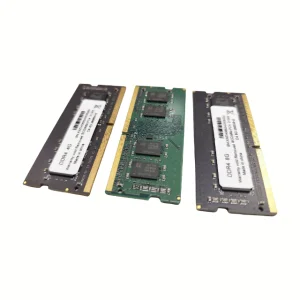
Procure industrial laptop memory, server cooling systems, and high-density computing components.
 Memvora