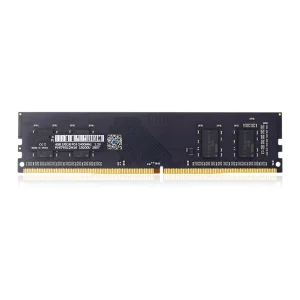
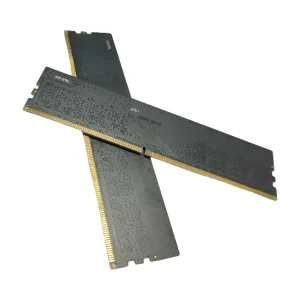
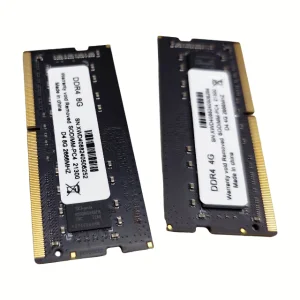
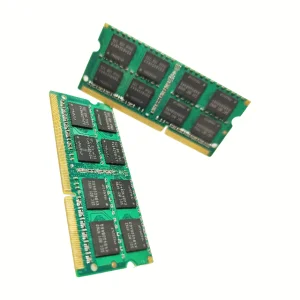
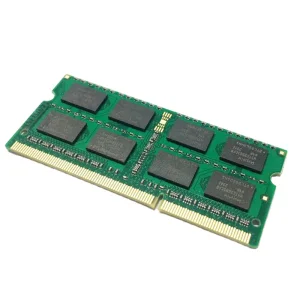
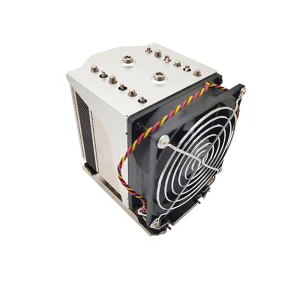
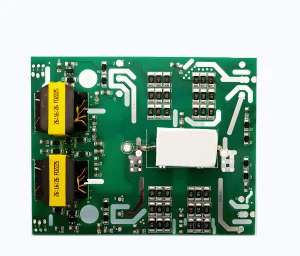
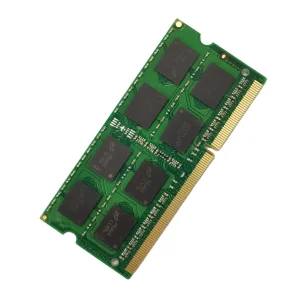
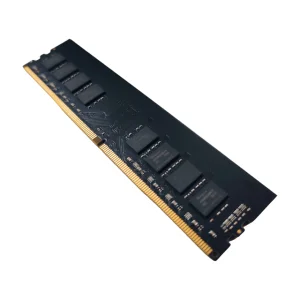
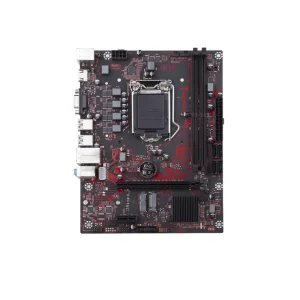
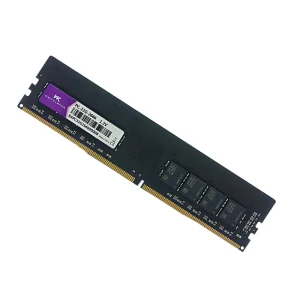
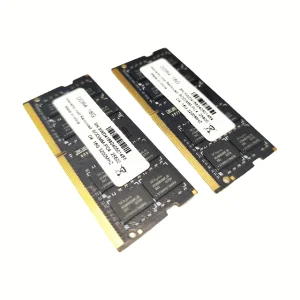
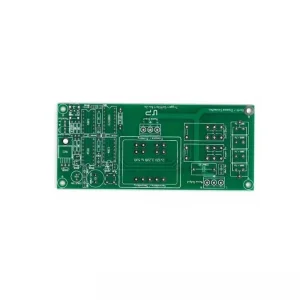
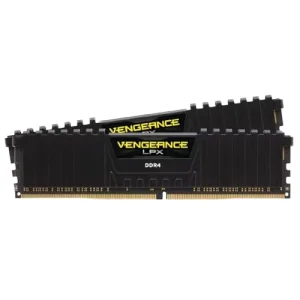
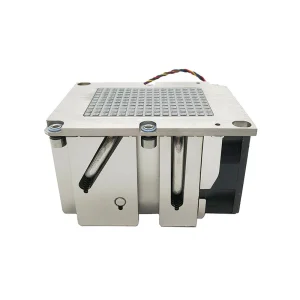
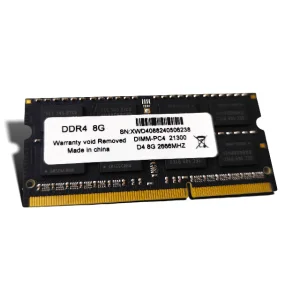
Real-time diagnostic machinery demands state-of-the-art memory allocation, computational stability, and thermoregulatory efficiency. Browse our primary engineering assets selected for critical OEM deployments.
The global landscape of industrial, automotive, and medical diagnostic equipment is undergoing a historic transformation. No longer just simple instruments, modern diagnostic systems are now high-performance computing centers at the edge. Driven by advancements in real-time sensor processing, artificial intelligence inference, and massive telemetry inputs, the hardware infrastructure within diagnostic equipment is critical. Whether analyzing complex vibrational signals in automotive ECUs, decoding acoustic waveforms in ultrasonic imaging, or processing high-resolution telemetry inside medical apparatuses, processing efficiency defines the boundaries of today's diagnostic capabilities.
High-speed signal acquisition and instantaneous digital reconstructions are mandatory in modern CT scanners and genetic sequencing platforms. This requires massive DDR4 and DDR5 memory pools with ECC error prevention to avoid corrupted scan files.
Real-time diagnostics for electric vehicle battery systems and complex engine control units rely heavily on industrial-grade PCB assemblies (PCBA) and high-frequency DRAM interfaces to process CAN-bus streams without data loss.
Industrial diagnostic computers use multi-threaded digital signal processors that generate significant heat. Robust, high-durability heatsinks and optimized motherboard layouts are essential to maintain system integrity in harsh environments.
To sustain these demanding applications, industrial buyers face the ongoing challenge of identifying top-tier diagnostic hardware manufacturers and component suppliers. System reliability must match international quality standards (such as ISO 9001 and CE/RoHS). Organizations cannot afford hardware downtime in critical medical fields or industrial manufacturing lines. Therefore, partners who can combine high-precision SMT (Surface Mount Technology) assembly with robust components represent the backbone of today's global supply chain.
When evaluating the world's leading diagnostic equipment supply chains, China's electronics manufacturing ecosystem remains unmatched in speed, optimization, and scale. Modern manufacturing centers in areas like Shenzhen, Dongguan, and Suzhou have evolved beyond simple cost centers. Today, they represent advanced innovation hubs that provide structural advantages to global buyers looking to deploy diagnostic computing solutions.
From raw silicon wafers to specialized multilayer FR4 substrates and high-purity aluminum alloys for heat pipes, every input component is sourced within a small geographical footprint. This proximity reduces transit latency, optimizes sub-assembly schedules, and lowers logistics overhead.
Chinese diagnostic component plants utilize automated pick-and-place lines, nitrogen reflow ovens, and Automated Optical Inspection (AOI) to achieve PPM (Parts Per Million) defect rates that match global aerospace standards.
Leveraging agile engineering teams, manufacturers can move custom designs (such as specialized diagnostic PCBAs or unique RAM heat spreaders) from initial 3D models to functioning physical prototypes within 48 to 72 hours.
This combined efficiency enables high-performance component manufacturers to deliver high-quality, high-speed RAM modules, specialized server motherboards, and robust thermal units at a lower total cost of ownership. By partnering with leading suppliers in this region, global diagnostic equipment system integrators can deploy complex computing systems with predictable lead times and reliable performance.
Founded in 2017, Memvora Electronics Technology Co., Ltd. is a professional manufacturer specializing in high-performance DDR5 memory modules, dedicated to delivering reliable memory solutions for consumer, industrial, enterprise, and embedded applications worldwide. With a modern manufacturing facility covering 386㎡, we combine advanced production equipment, strict quality management, and experienced engineering expertise to provide stable, high-speed memory products for global OEM and ODM partners.
Since entering the international market, Memvora has accumulated 7 years of export experience, serving customers across North America, Europe, Southeast Asia, the Middle East, and South America. Our annual export revenue exceeds US$18.6 million, supported by a strong global supply chain and long-term partnerships with more than 1,280 component suppliers and business partners.
With 14 years of industry experience, our team continuously invests in technology innovation and product development. Our R&D department consists of 126 professional engineers who focus on developing next-generation DDR5 memory solutions with higher speed, lower latency, and enhanced reliability. Last year alone, we successfully launched 86 new memory products to meet the evolving needs of gaming, AI computing, industrial automation, and enterprise servers.
Quality is the foundation of everything we do. Every product undergoes 100% functional testing, burn-in testing, compatibility testing, signal integrity testing, and aging tests before shipment. Our dedicated quality control team of 42 inspectors ensures every memory module meets rigorous international quality standards and delivers long-term stable performance.
Memvora provides flexible OEM, ODM, private label, custom capacity, PCB color, heat spreader design, firmware optimization, and packaging customization services to meet different market requirements. Backed by a responsive engineering team and efficient production management, we help customers shorten development cycles and accelerate product launches.
Today, Memvora serves a diverse customer base including memory brands, computer manufacturers, industrial equipment suppliers, system integrators, distributors, wholesalers, and e-commerce retailers. Through continuous innovation, reliable quality, and customer-focused service, we are committed to becoming a trusted global partner for advanced DDR5 memory manufacturing and customized DRAM solutions.
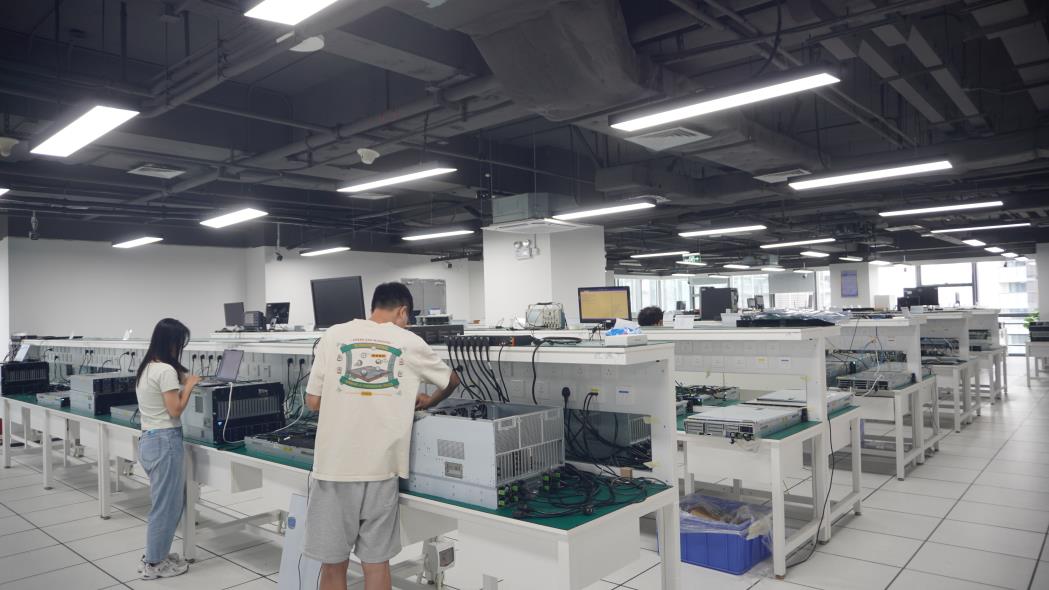
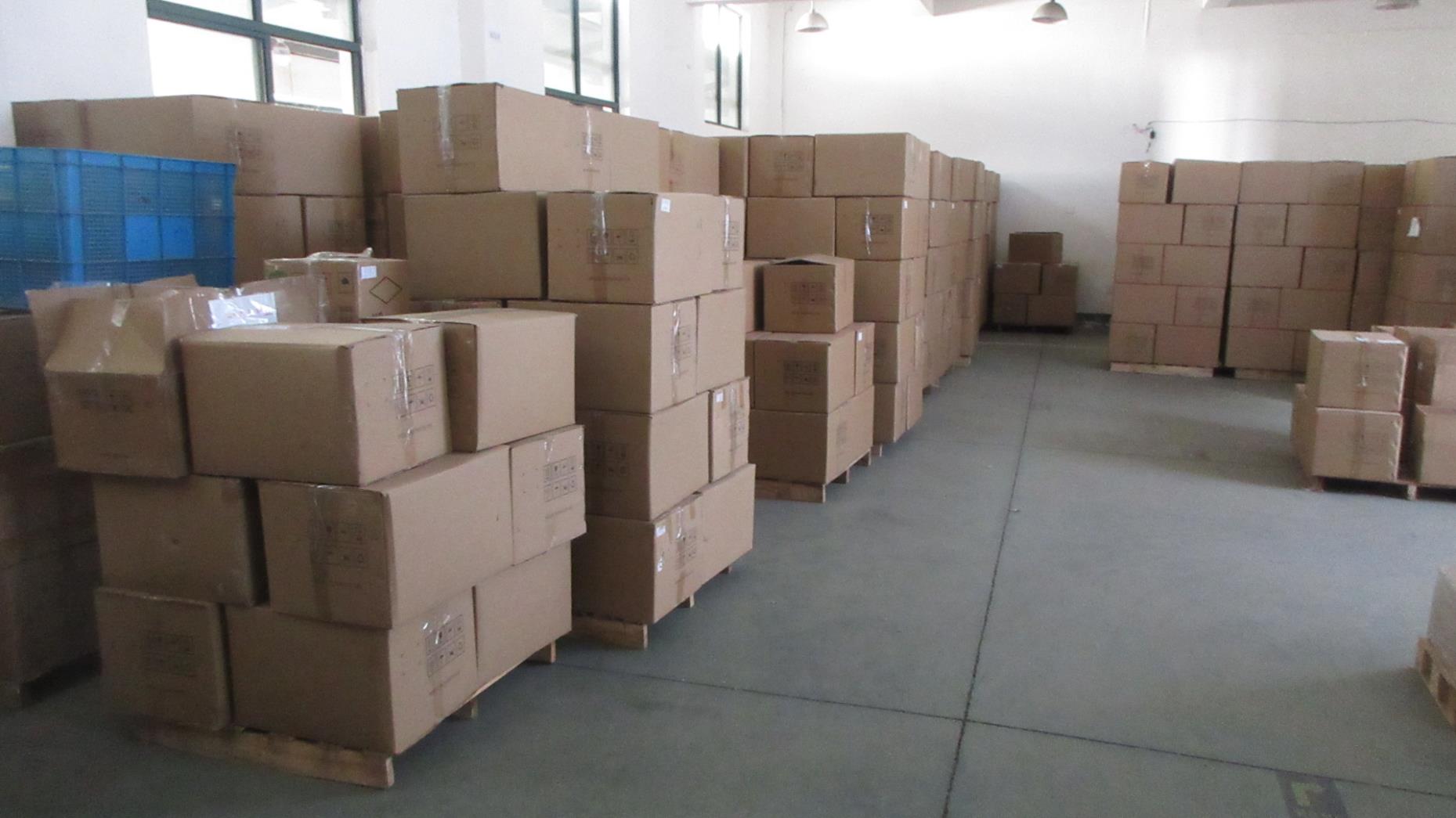
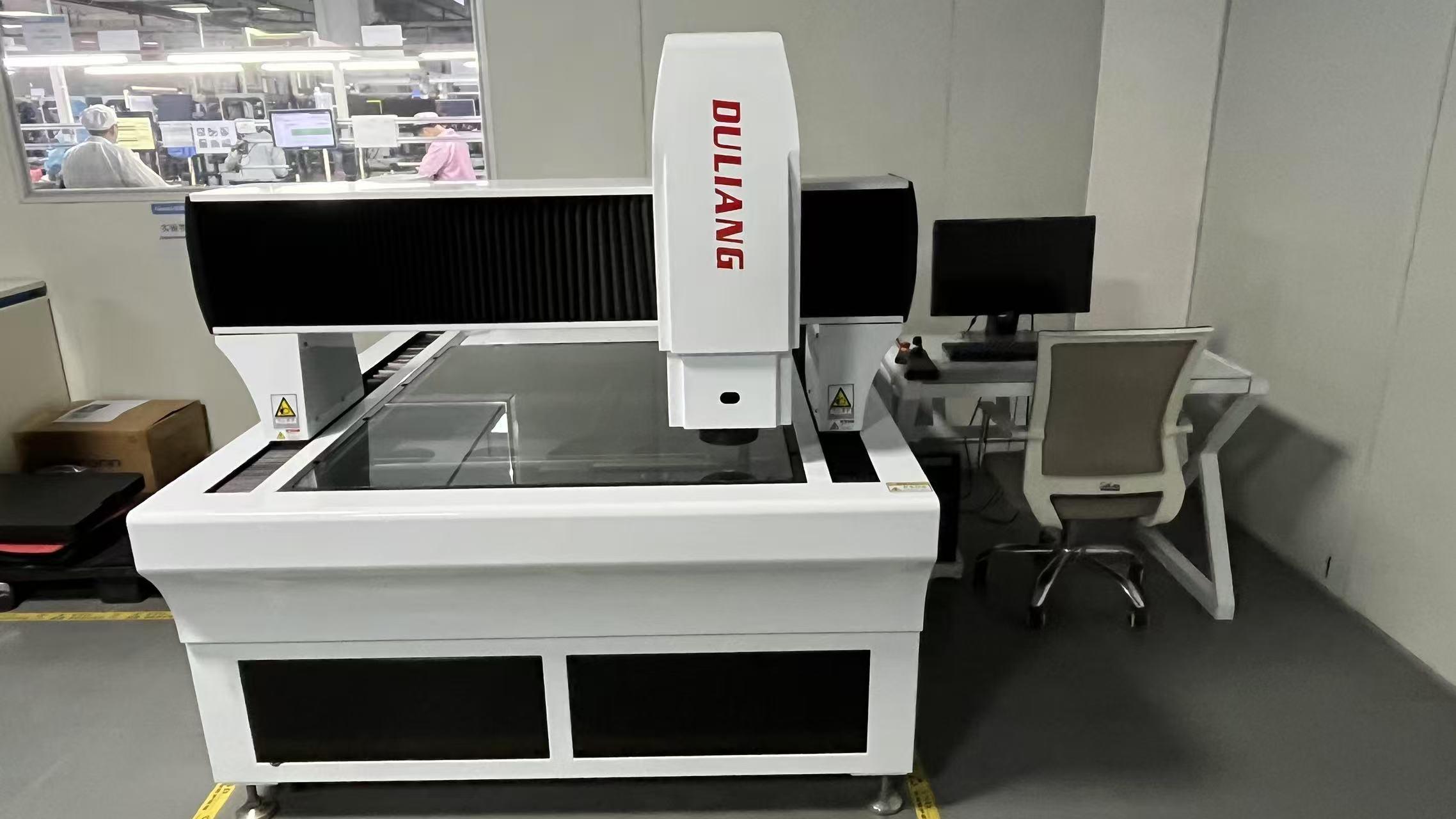
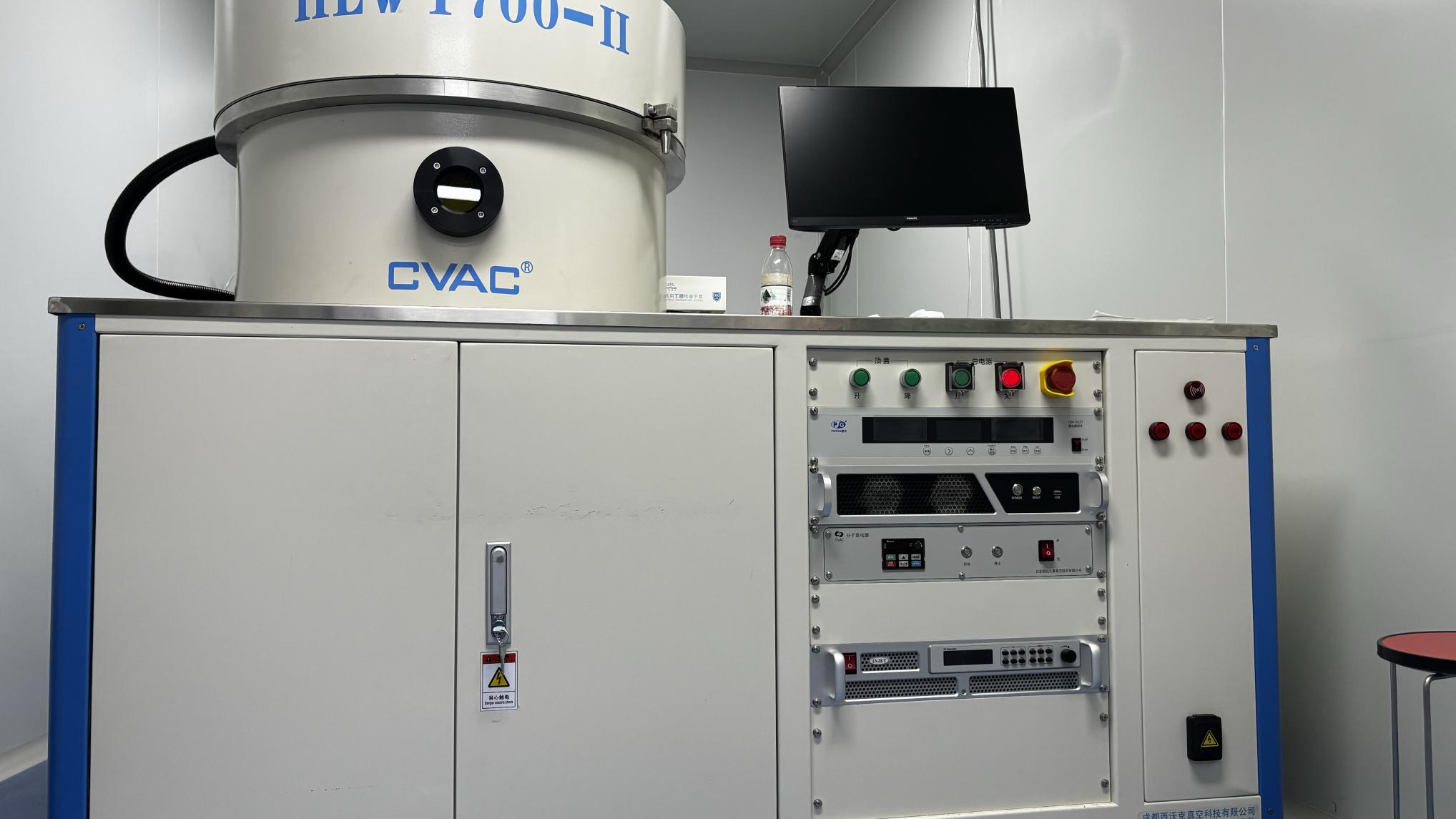
To understand why high-performance memory modules, specialized motherboards, and advanced heatsinks are crucial for modern diagnostic systems, it helps to examine their typical deployment architectures:
Modern vibration sensors, acoustic transceivers, and scanning lasers generate high volumes of data points per second. Processing this data without interface bottlenecks requires system memory with high bandwidth and minimal latency. High-quality DDR4 and DDR5 memory modules ensure that input data queues do not overflow, preventing measurement skew or missed fault signatures.
Diagnostic systems inside factory floors, engine bays, or mobile medical units must run continuously. Under heavy data processing, CPUs and high-density chips generate significant thermal energy. Without solutions like copper heat pipes, aluminum fin heatsinks, and custom heat spreaders, thermal throttling can occur, leading to data dropouts, calculation errors, or system shutdowns.
Standard consumer-grade motherboards are rarely suitable for the specialized inputs required by industrial diagnostics. Custom PCB assemblies (PCBAs) with multi-layer FR4 boards are used to route diverse signals, handle high current loads, and integrate driver boards (such as IGBT modules) directly into the diagnostic chassis.
As diagnostic equipment scales to handle growing data demands, several major technological trends are reshaping component specifications for buyers:
When sourcing memory, motherboards, or thermal solutions for industrial diagnostic equipment, sourcing managers should verify the following parameters to ensure performance and supply security:
Verify that the manufacturer performs complete testing (including burn-in, signal integrity, and aging tests) to avoid system failures in the field.
Confirm that DRAM modules use chips from Tier-1 suppliers to ensure consistent performance, lower failure rates, and reliable manufacturing runs.
Ensure components meet international standards such as CE, FCC, RoHS, and WEEE, which are necessary for import and use across global markets.
Industrial diagnostic equipment processes massive real-time streams of sensor telemetry. High-speed DDR4 or DDR5 RAM functions as the critical primary cache, ensuring that CPU cores can access data without bottlenecks. DDR5 also introduces On-Die ECC (Error Correction Code), which corrects single-bit errors in real-time, helping prevent diagnostic system crashes during long-running tests.
Diagnostic server processors operating in fields like medical imaging run heavy data-processing algorithms continuously. Without robust thermal management (such as 320W LGA4189 heat pipe systems), processors will hit thermal limits, throttle performance, and potentially damage the motherboard. Effective heatsinks maintain stable operating temperatures to ensure continuous reliability.
Yes. Memvora offers comprehensive OEM and ODM support, including custom PCB design, customized capacity configurations, heat spreader design, firmware optimization, and retail packaging. Our R&D team of 126 engineers can adapt memory designs to meet specific customer requirements.
Every memory module undergoes a strict quality assurance process, including 100% functional testing, burn-in testing, motherboard compatibility checks, signal integrity analysis, and high/low temperature aging tests. This process is managed by our dedicated QA team of 42 inspectors to ensure reliability prior to shipment.
The proximity of component suppliers, testing facilities, and packaging plants within regional manufacturing hubs allows Chinese manufacturers to reduce shipping costs and lead times. This ecosystem efficiency allows suppliers to offer high-quality components at competitive prices, providing a lower total cost of ownership for international buyers.
Explore additional server memory, motherboard combos, and industrial PCB assemblies to build out your high-reliability diagnostic systems.
 Memvora