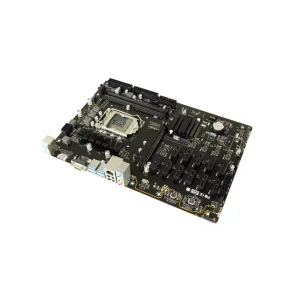
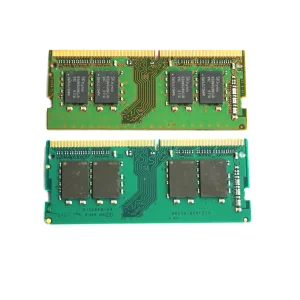
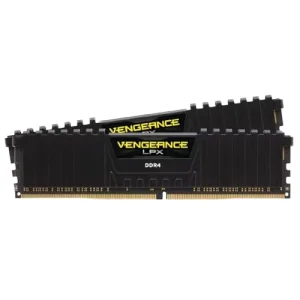
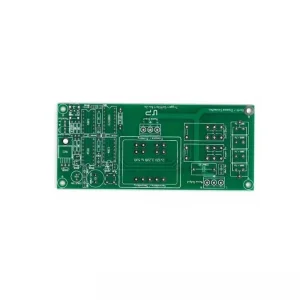
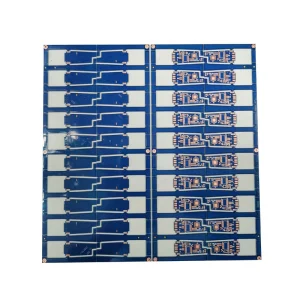
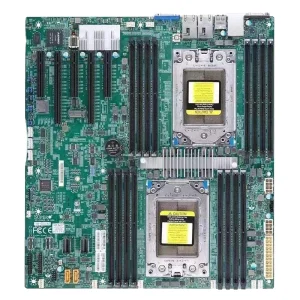
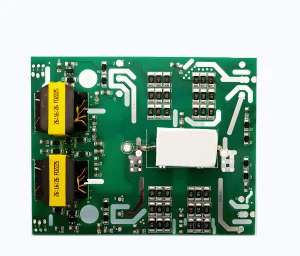
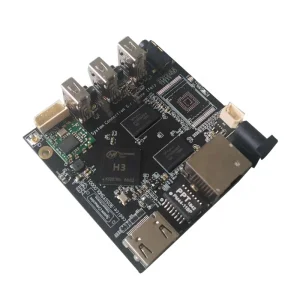
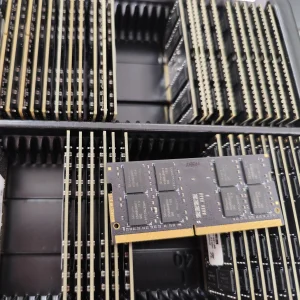
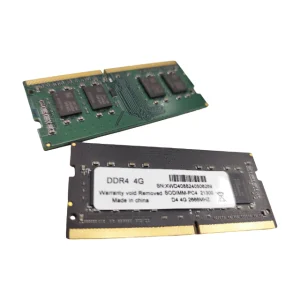
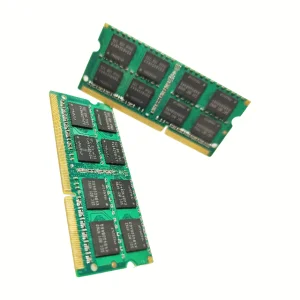
Highly durable design and hardware configuration tailored for demanding high-temperature and high-vibration applications.
The global automotive sector is undergoing its most profound architecture transition in a generation. No longer defined simply by mechanical powertrains, modern passenger cars and commercial vehicles have evolved into software-defined mobile computing platforms. Automotive electronics now govern everything from power management in electric drivetrains to real-time artificial intelligence processing in Advanced Driver Assistance Systems (ADAS). Under this paradigm, OEM/ODM automotive electronics manufacturers and suppliers have shifted from simple parts providers to critical co-engineering partners.
Currently, automotive architectures are transitioning from decentralized Electronic Control Units (ECUs) to unified Centralized Computing Systems or zonal architectures. This requires robust high-speed interconnects, automotive-grade high-capacity memory interfaces, and complex printed circuit board assemblies (PCBA) capable of managing severe thermal profiles, signal noise, and long lifetimes. Memvora Electronics Technology Co., Ltd. addresses these systemic shifts by utilizing over 14 years of design and manufacturing experience to engineer and produce ruggedized PCB designs, power regulation circuits, and high-performance DDR5/DDR4 DRAM systems optimized for automotive durability.
Founded in 2017, Memvora Electronics Technology Co., Ltd. has established a comprehensive design, validation, and manufacturing footprint focused on next-generation computing, memory, and industrial electronics. Operating with high-density automated manufacturing environments, we combine precise surface mount technology (SMT), automated optical inspection (AOI), and experienced engineering capability to deliver stable hardware solutions globally.
While our foundations rest on high-performance DDR5 memory modules and server motherboards, our capabilities have scaled into high-reliability automotive system designs. Our R&D department—comprising 126 professional engineers—works directly with global clients to custom-engineer products. Last year alone, we introduced 86 new products, integrating advancements in signal integrity, noise shielding, and power delivery that are critical for automotive hardware configurations.
With a quality control group containing 42 dedicated inspectors, every product undergoes 100% functional validation, structural testing, signal integrity profiling, and thermal aging. This strict testing process ensures compliance with global automotive engineering frameworks, making Memvora a trusted partner for Tier-1 suppliers and aftermarket systems developers.
Automotive electronics must operate in environments far more demanding than standard consumer electronics. From extreme thermal cycles (-40°C to +125°C) to electromagnetic interference (EMI) and constant vibration, components must endure rigorous operations. Memvora's capabilities address several localized deployment scenarios:
High-resolution displays, digital cockpits, and real-time navigation systems require large-bandwidth memory structures (DDR4/DDR5) and low-noise audio decoders (similar to our FR4 decoder assemblies) to ensure a latency-free user experience.
Real-time processing of camera feed, LiDAR, and radar data demands high-throughput memory buffers with Error-Correcting Code (ECC) technology. This prevents soft errors in critical driver assistance decision trees.
Vehicle-to-Everything communication modules demand compact, highly integrated, multi-layer PCBs that can maintain impedance control, RF shielding, and durable solder joint configurations over long lifecycles.
As vehicles adopt centralized compute models, the internal network architecture of the modern car behaves increasingly like a micro-server. High-speed automotive ethernet, PCIe bus structures, and LPDDR5/DDR5 system interfaces are replacing older CAN-bus interfaces for telemetry-heavy applications. This technological shift is driving our long-term R&D efforts:
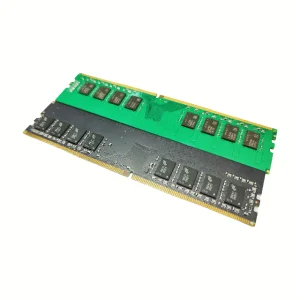
Developing DRAM modules that support wider temperature tolerance, physical vibration damping, and integrated ECC protection mechanisms to prevent data corruption in safety-critical vehicle compute units.
Utilizing high-Tg FR4 materials, advanced microvia plating, and heavy copper planes to design power boards for EV thermal management controllers and onboard battery management systems (BMS).
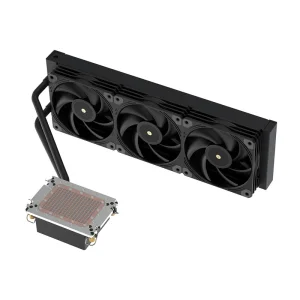
Integrating high-efficiency cooling architectures (similar to our active water-cooled heat pipe systems) into standard industrial cabinets for V2X roadside edge computing nodes and traffic network management platforms.
Adopting halogen-free laminates and lead-free solder profiles in line with RoHS and REACH regulations, while maintaining structural performance and long-term reliability at operational limits.
Building automotive-grade electronics demands a resilient, agile, and cost-effective supply chain. Operating out of Shenzhen, a global hub for electronics manufacturing, Memvora leverages direct access to primary component networks. Through our established partnerships with more than 1,280 component suppliers and global technology partners, we secure allocations of passives, microcontrollers, flash ICs, and PCB laminates, shielding our customers from supply disruptions.
This local manufacturing cluster delivers significant efficiency advantages. Development iterations, engineering prototypes, and high-volume production lines can be adjusted in real time. We manage complete PCB fab runs, SMT configurations, final case styling, and environmental verification within a streamlined regional logistics system. This geographical alignment shortens production timelines and reduces costs, helping global Tier-1 integrators and aftermarket suppliers bring products to market quickly.
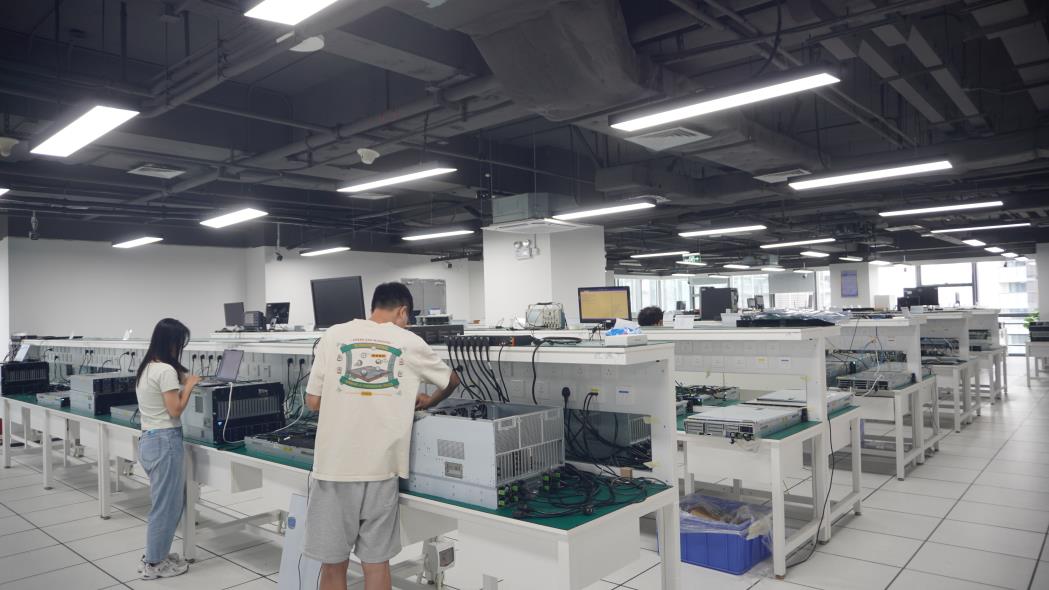
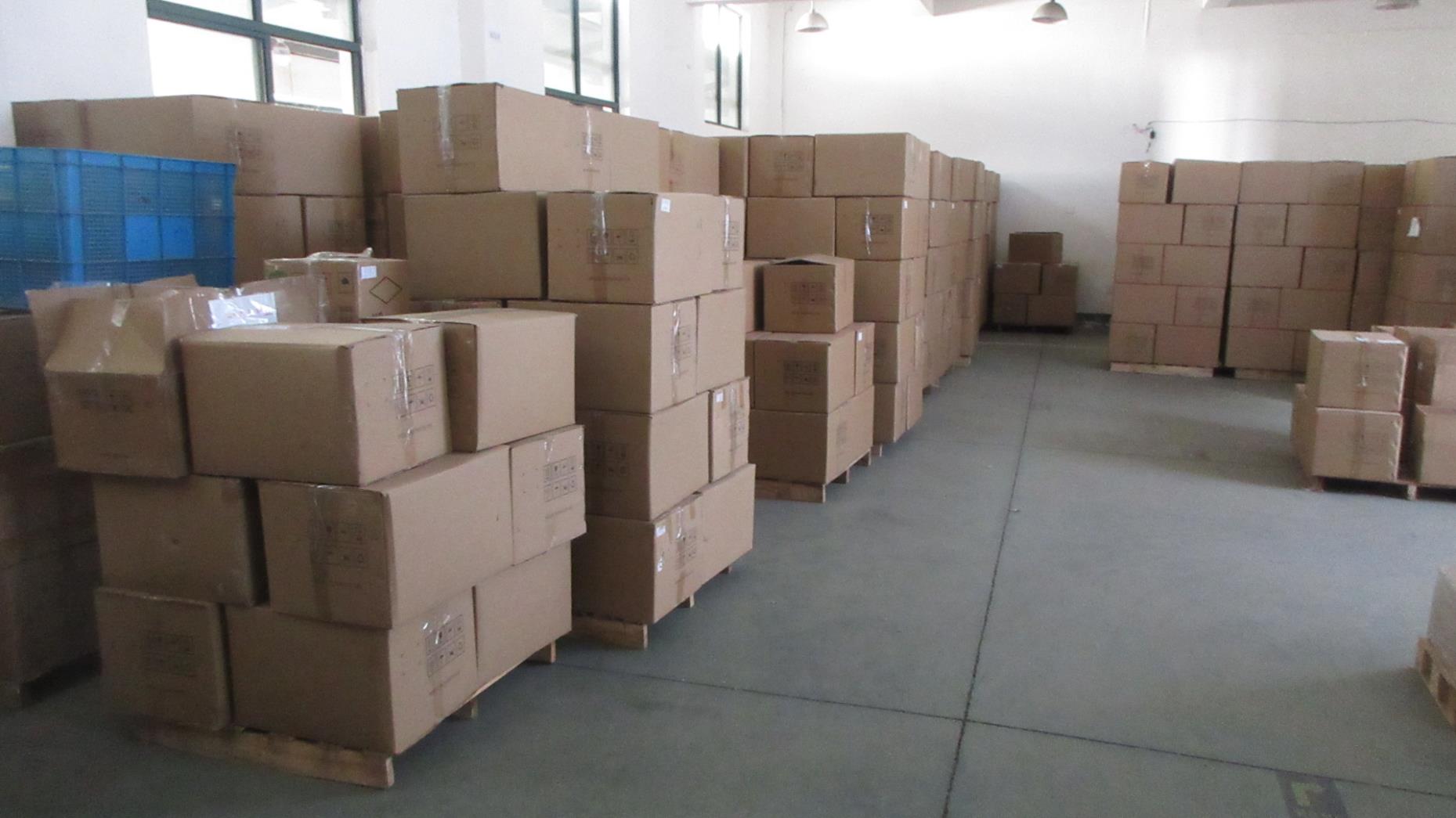
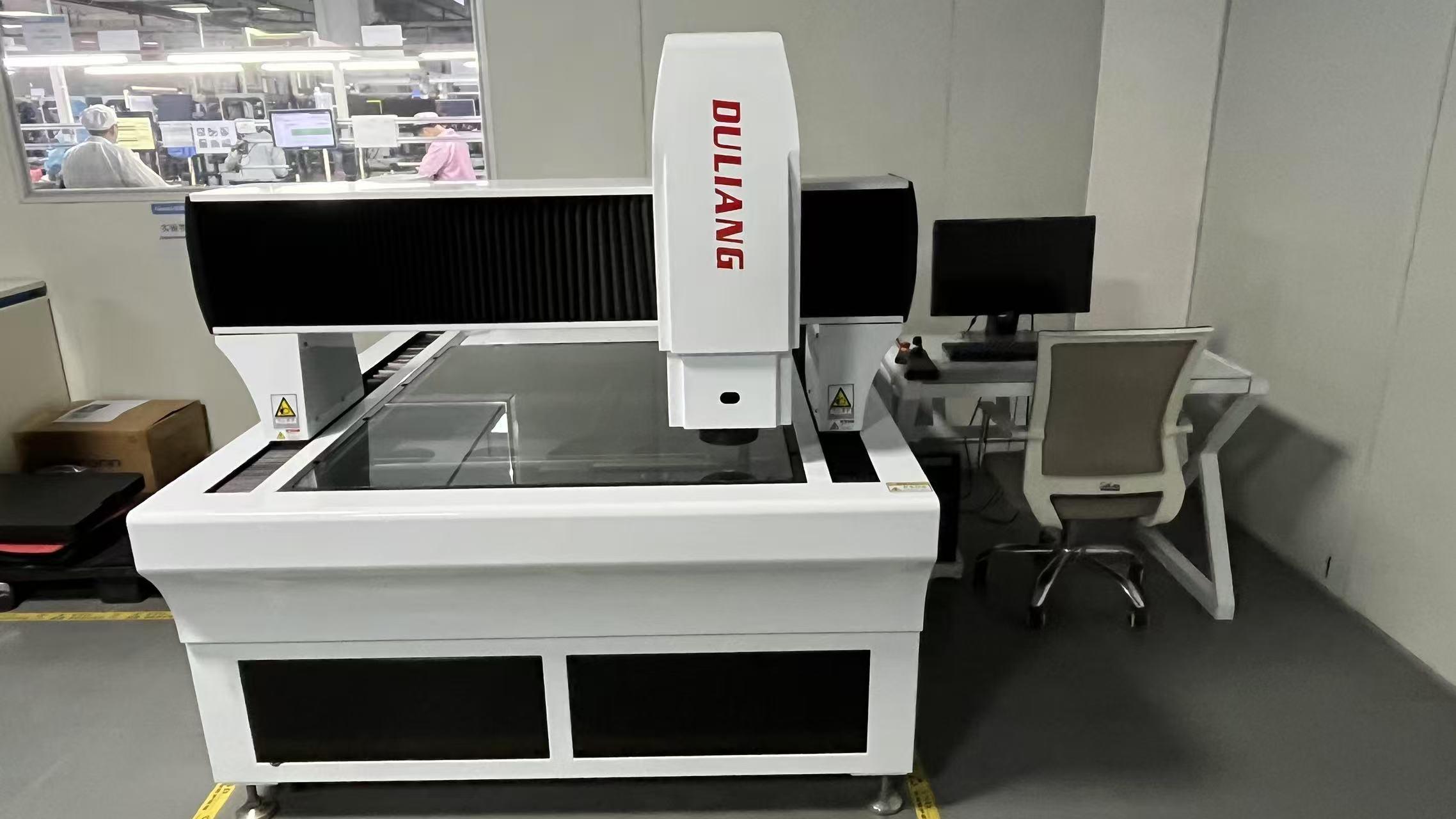
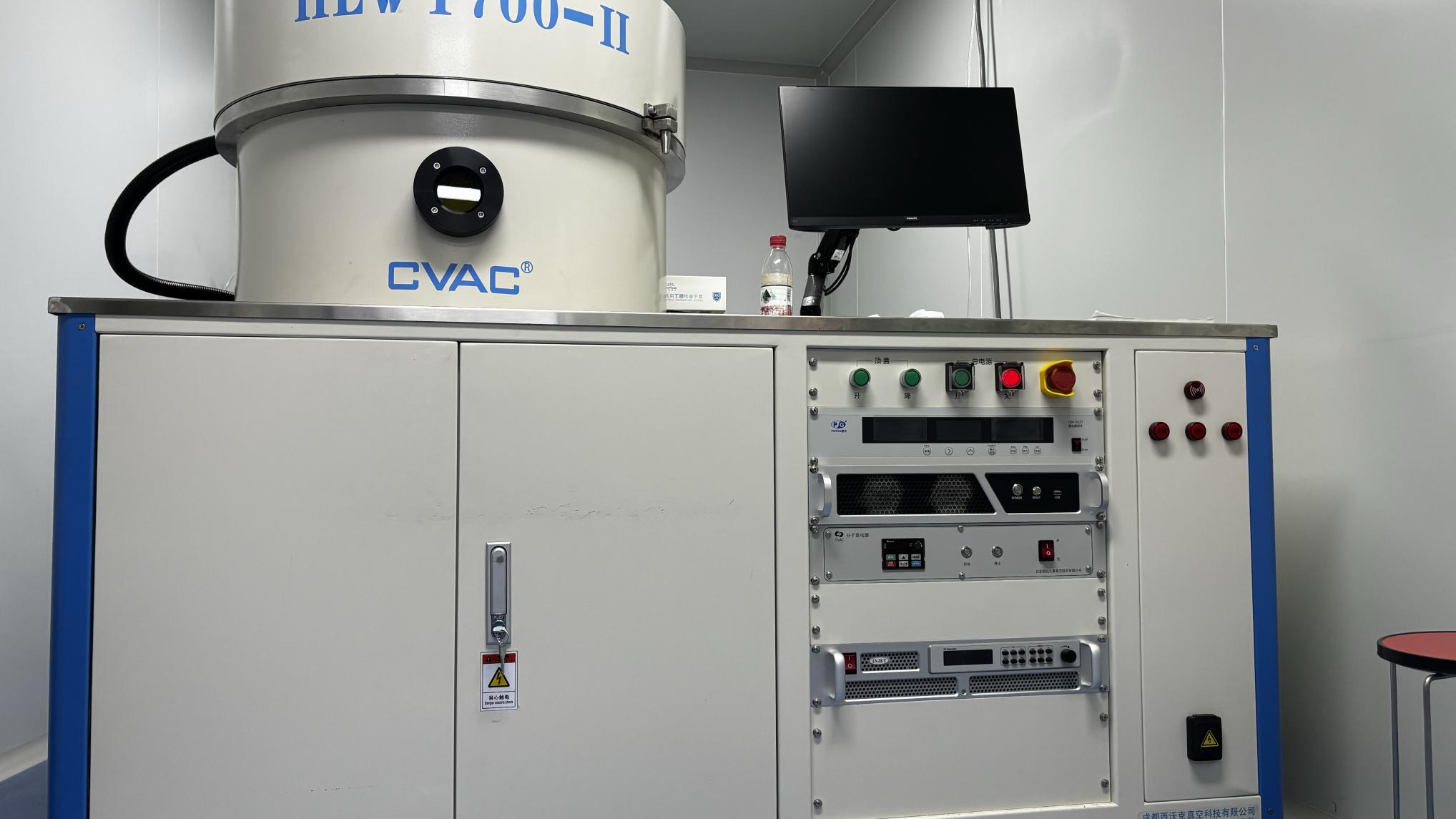
Memvora maintains strict control over every stage of production, from raw component verification to post-assembly validation. We carry out 100% functional testing, burn-in testing, compatibility sweeps, signal integrity analysis, and environmental aging protocols on our products. This thorough testing structure ensures that our designs meet the harsh requirements of the automotive ecosystem.
To support our global customers, we maintain sales and customer-engineering centers targeting key regions, including North America, Europe, Southeast Asia, and South America. Our export activities generate an annual revenue exceeding US$18.6 million, backed by local technical support and flexible product adaptation. Whether configuring custom firmwares, tweaking impedance profiles for specific automotive modules, or resolving layout issues, our engineering support group is structured to coordinate directly with your in-house teams.
Find technical answers concerning our OEM/ODM design, engineering, and manufacturing capabilities.
Yes. Our ODM capabilities include complete layout planning, trace routing, and prototype fabrication to match specific dimensional envelopes, thermal management needs, and connector requirements specified by the client's engineering brief.
We use high-retention-force PCB layouts, selective underfills on crucial components, and robust connectors to withstand high physical stress. Our DRAM modules undergo vibration sweeps and thermal shock validation during development to verify their mechanical resilience.
Initial design revisions and prototype runs typically take 3 to 5 weeks, depending on complexity. High-volume manufacturing lead times are usually 6 to 8 weeks, supported by our direct component sourcing agreements in Shenzhen.
Yes. Our engineering division provides customized firmware optimizations, tailored SPD configurations for DRAM modules, and custom BIOS adjustments to match your hardware platforms, microcontrollers, and computing environments.
We maintain strict material control processes. Every component sourced from our network of 1,280+ suppliers is checked against current RoHS and REACH compliance databases. Full compliance certifications can be provided with shipment documentation upon request.
From double-sided high-density PCBs to high-capacity server and computer modules designed for industrial operations.
 Memvora