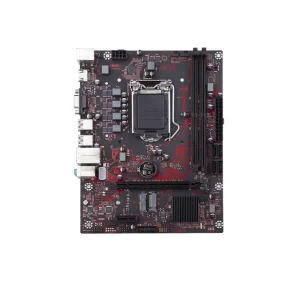
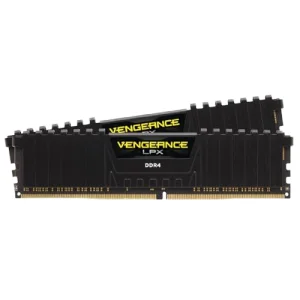
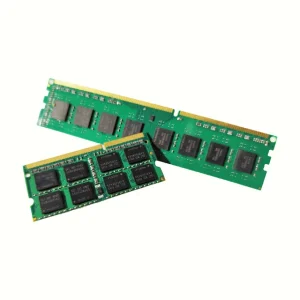
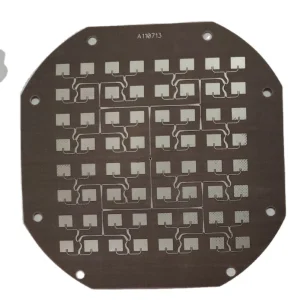
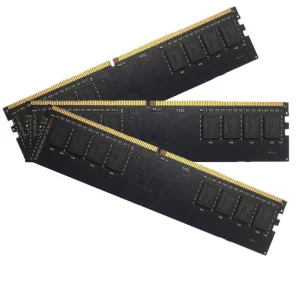
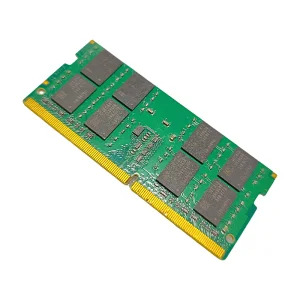
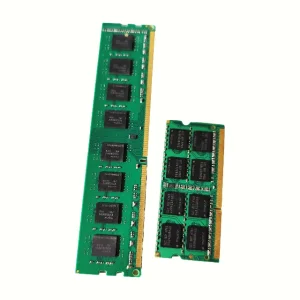
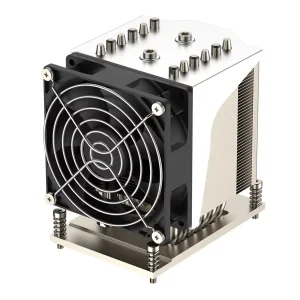
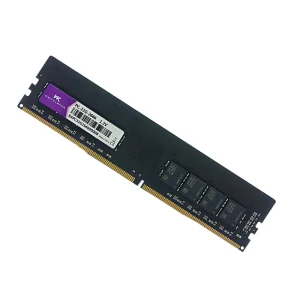
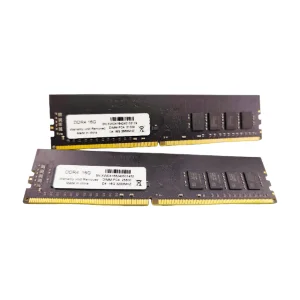
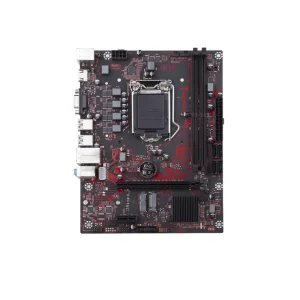
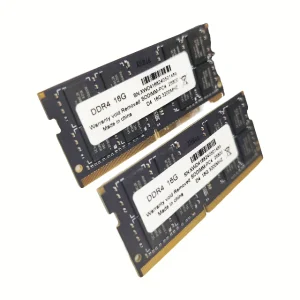
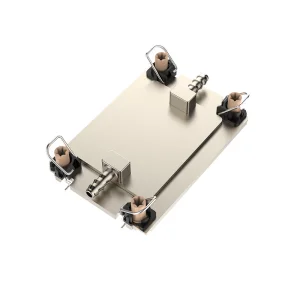
High-speed DDR4/DDR5 system memory modules, compatibility-matched motherboards, and advanced thermal management cooling blocks for gaming systems and industrial servers.
The consumer computing landscape is undergoing a significant transition, driven by data-intensive software and modern game engines. For system builders and hardware brands, understanding this shift is essential. The demand for custom OEM gaming RAM is no longer defined solely by aesthetic heat-sinks. Modern memory design requires deep electrical engineering integration to support the higher bus speeds and architectural shifts introduced by newer processor generations.
The transition from DDR4 to DDR5 is a major change in hardware architecture. While DDR4 operated with a single 64-bit channel per module, DDR5 introduces dual 32-bit subchannels, improving access efficiency. This design reduces data access bottlenecks, allowing modern multi-core processors to receive data with less latency. To support this, factories must implement precise SMT techniques to maintain signal integrity across tighter tolerances.
Additionally, DDR5 moves power management from the motherboard directly to the memory module using an on-board Power Management Integrated Circuit (PMIC). This allows for cleaner, more reliable power delivery but requires advanced thermal dissipation. As an experienced gaming RAM factory, our manufacturing processes have evolved to include high-thermal conductive gap pads, multi-layer PCBs (up to 10 layers), and targeted PMIC cooling. These measures help prevent thermal throttling and ensure stable voltage delivery under overclocking loads.
Global hardware brands, cloud hosts, and high-performance system integrators require strict performance standards from their manufacturing partners. Standard, unbinned memory modules are often insufficient for modern gaming builds, esports systems, and heavy rendering workloads. Procuring custom memory requires a reliable supply chain, consistent component selection, and verified performance tolerances.
One of the primary concerns for purchasing managers is DRAM integrated circuit (IC) traceability. System failures often stem from variations in silicon quality across production lots. To maintain product consistency, system integrators look for custom OEM memory factories that partner directly with major semiconductor manufacturers (such as SK Hynix, Samsung, and Micron). This direct relationship ensures access to high-grade ICs (like Hynix A-die or Samsung B-die), providing consistent overclocking headroom and timing profiles.
| Performance Metrics | DDR4 Specifications | DDR5 Specifications | OEM Customization Options |
|---|---|---|---|
| Data Transfer Rates | 1600MT/s to 3200MT/s | 4800MT/s to 8000+ MT/s | Custom XMP 3.0 / EXPO profiles up to 8200MT/s |
| Standard Voltage | 1.2V - 1.35V | 1.1V - 1.45V | PMIC voltage tuning & unlock configurations |
| On-Die ECC (ODECC) | Not Available | Standard Integrated | Bit-error rate logging and custom firmware |
| Channel Configuration | Single 64-bit Channel | Dual 32-bit Subchannels | Configurable SPD layouts and subchannel optimization |
Additionally, branding customization has expanded beyond simple pad-printing. Today's hardware vendors require specialized visual options, including dual-tone anodized aluminum heat spreaders, custom light guide diffusers, and addressable RGB (ARGB) profiles. These profiles must be compatible with mainstream motherboard software utility standards, including ASUS Aura Sync, MSI Mystic Light, and Gigabyte RGB Fusion. Achieving this compatibility requires close cooperation between the factory's firmware engineers and motherboard development partners.
Founded in 2017, Memvora Electronics Technology Co., Ltd. is a professional manufacturer specializing in high-performance DDR5 memory modules. We provide memory solutions for consumer, industrial, enterprise, and embedded applications worldwide. Our manufacturing facility covers 386㎡, combining advanced production equipment, quality management, and engineering expertise to provide stable, high-speed memory products for global OEM and ODM partners.
Since entering the international market, Memvora has accumulated 7 years of export experience, serving customers across North America, Europe, Southeast Asia, the Middle East, and South America. Our annual export revenue exceeds US$18.6 million, supported by a global supply chain and partnerships with more than 1,280 component suppliers and business partners.
With 14 years of industry experience, our team continuously invests in technology innovation and product development. Our R&D department consists of 126 professional engineers who focus on developing next-generation DDR5 memory solutions with higher speed, lower latency, and enhanced reliability. Last year, we launched 86 new memory products to meet the evolving needs of gaming, AI computing, industrial automation, and enterprise servers.
Quality is the foundation of our production. Every product undergoes 100% functional testing, burn-in testing, compatibility testing, signal integrity testing, and aging tests before shipment. Our dedicated quality control team of 42 inspectors helps ensure every memory module meets rigorous international quality standards and delivers reliable, long-term performance.
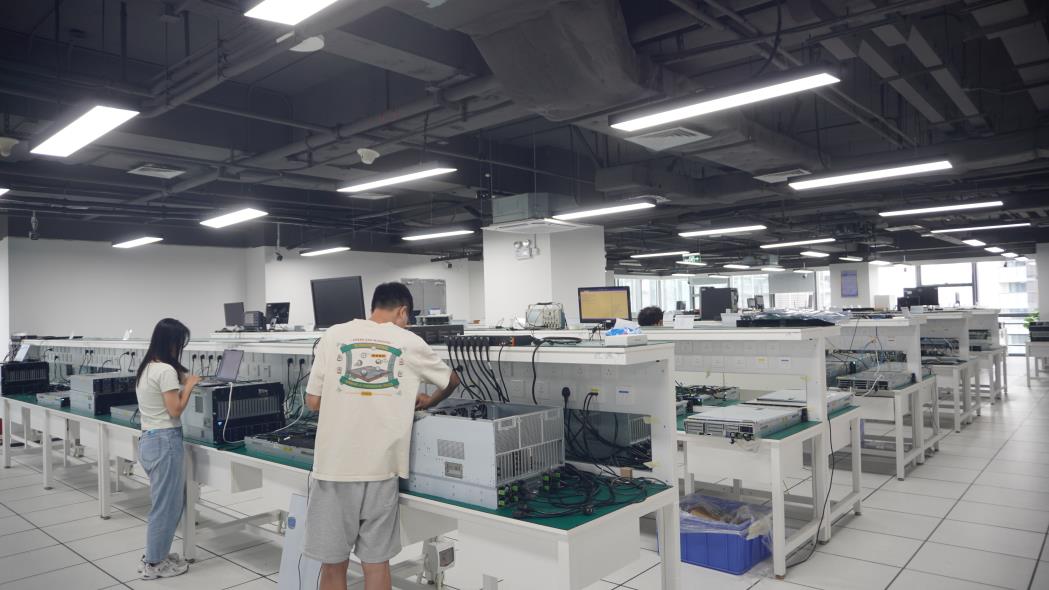
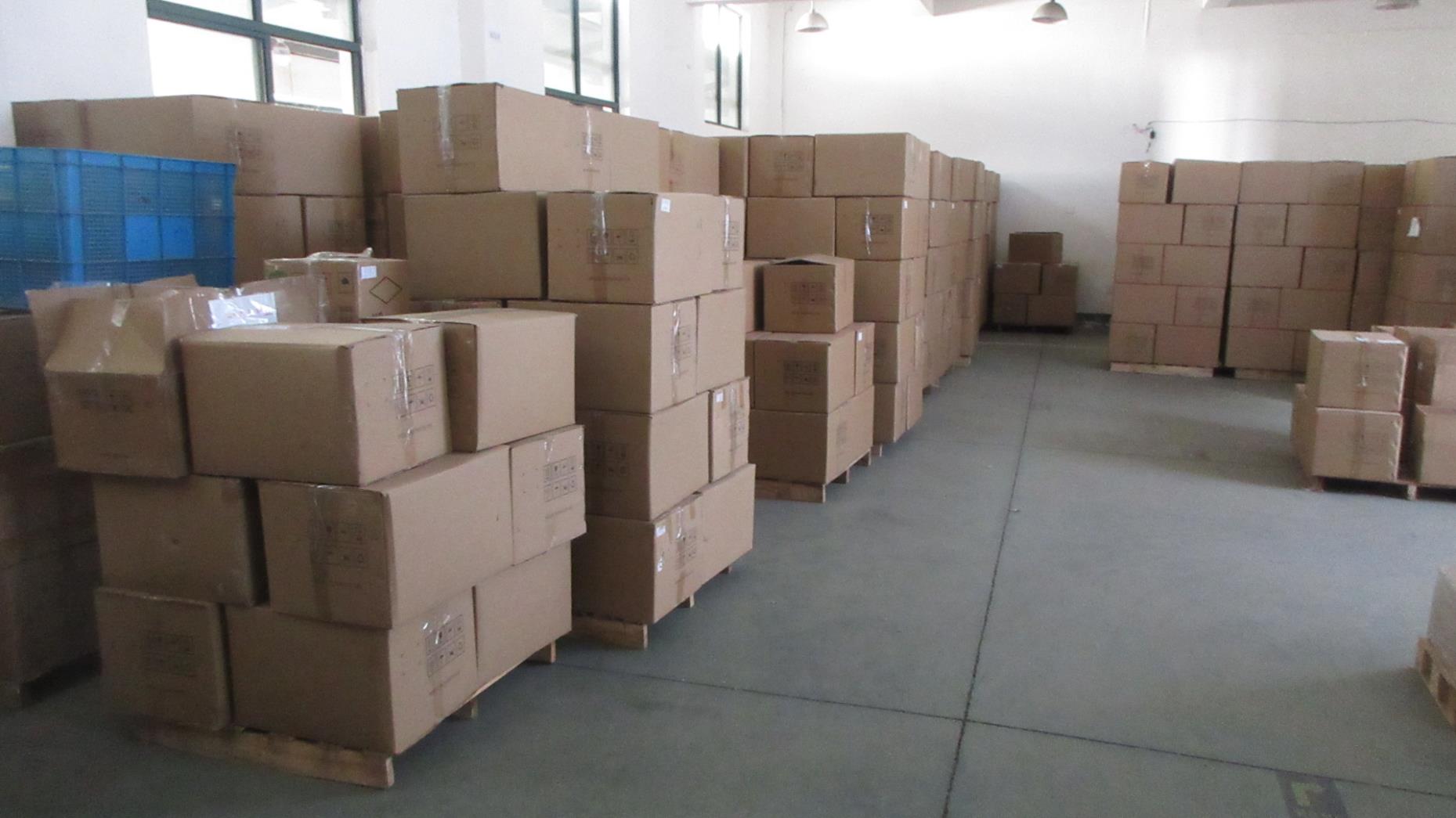
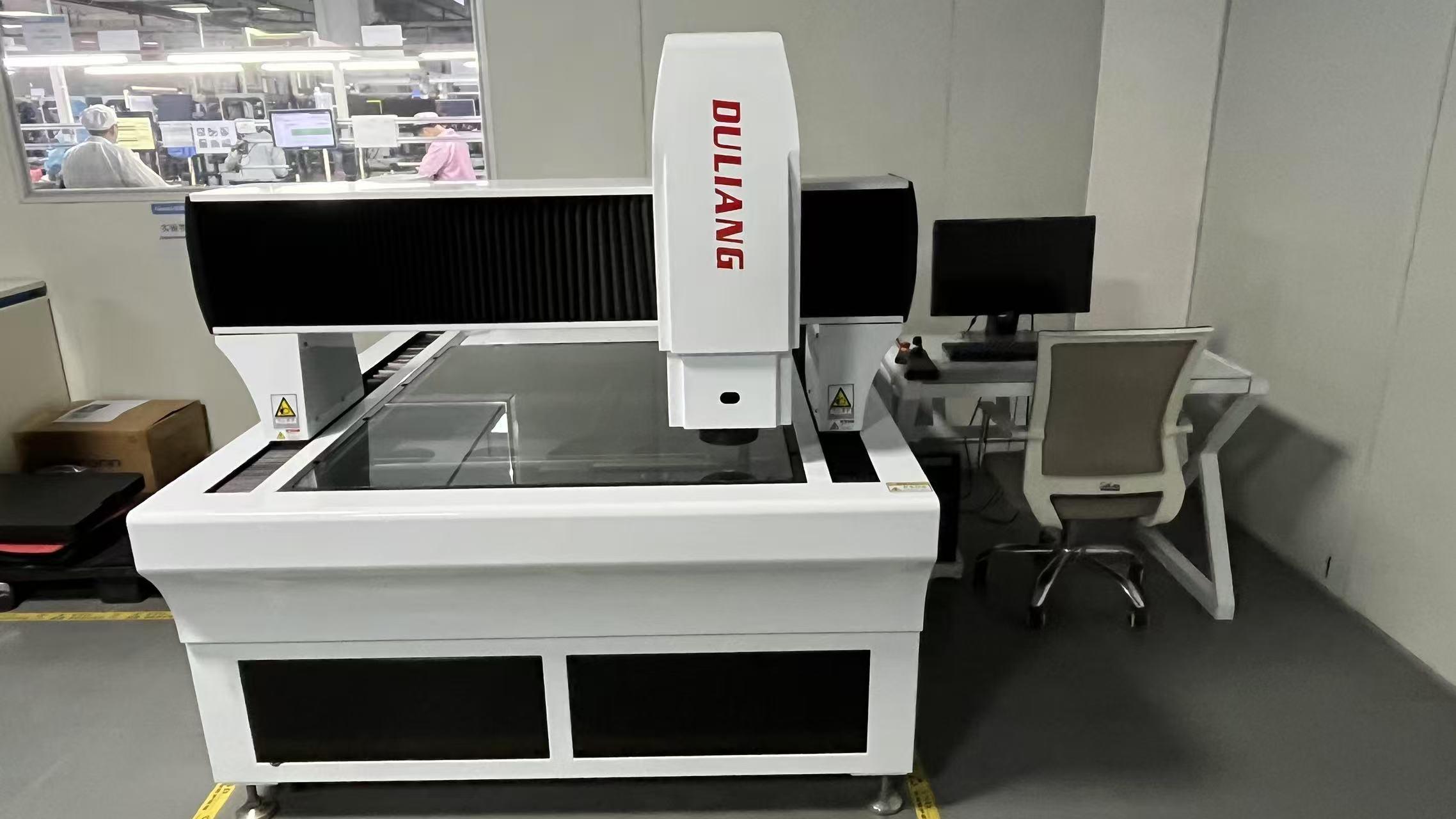
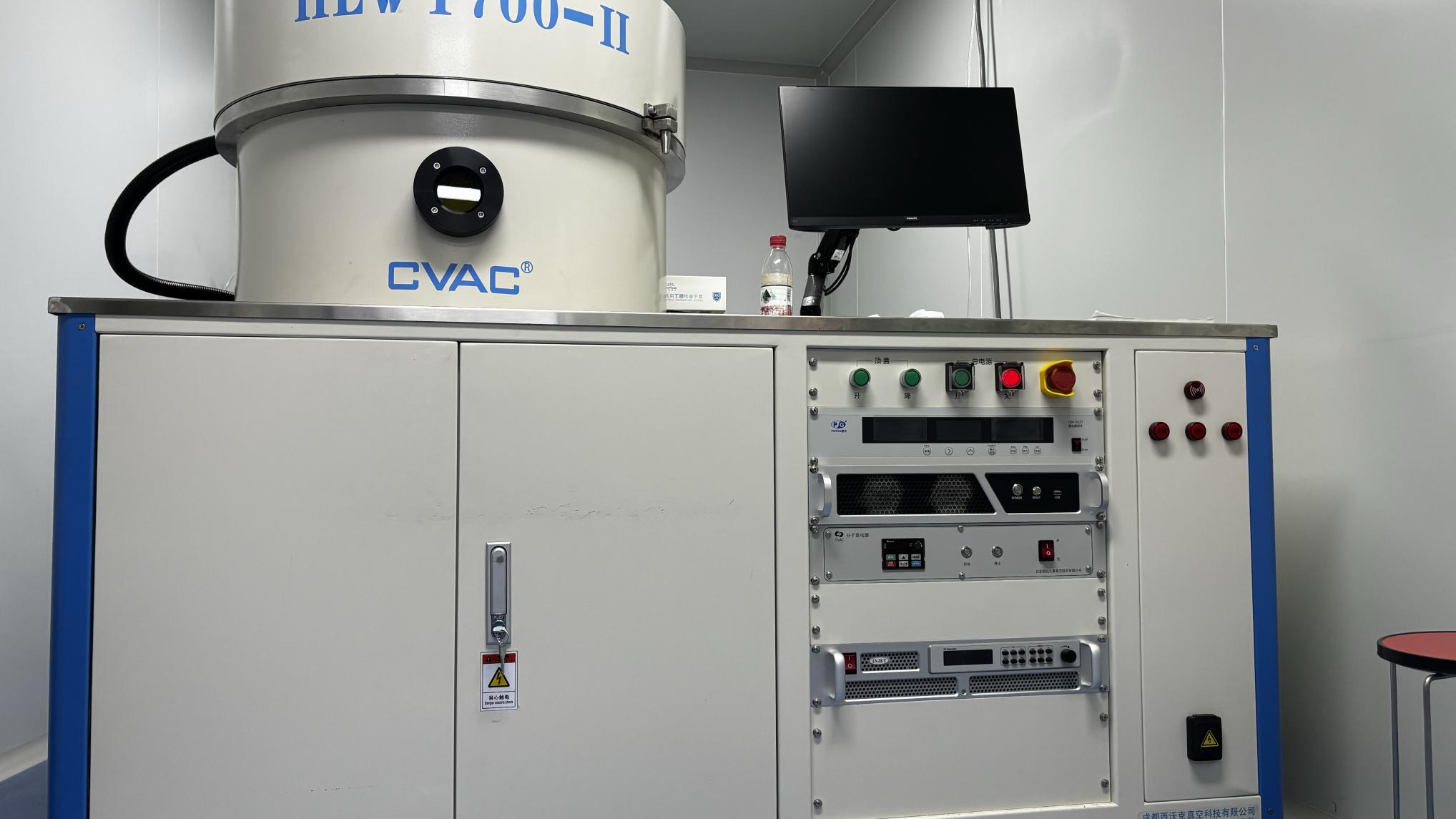
Memvora provides flexible OEM, ODM, private label, custom capacity, PCB color, heat spreader design, firmware optimization, and packaging customization services. Backed by a responsive engineering team and efficient production management, we help customers shorten development cycles and accelerate product launches. Today, we serve a diverse customer base, including memory brands, computer manufacturers, industrial equipment suppliers, system integrators, distributors, wholesalers, and e-commerce retailers.
Global hardware supply chains must remain resilient. Our production lines combine automated assembly with localized supply chains to ensure high efficiency, quality, and adaptability to market shifts.
Through integrated production systems, we monitor every step of the assembly process. This starts with automated solder paste printing, followed by high-speed SMT placement of passive components and DRAM ICs, and concludes with multi-zone reflow ovens. Automated Optical Inspection (AOI) systems analyze the alignment and solder quality of each component, identifying potential defects before the modules proceed to physical testing.
Our location in China's hardware manufacturing hubs provides access to a complete supply chain ecosystem. High-speed, multi-layer PCBs, custom PMICs, temperature sensors, and extruded aluminum heat spreaders are sourced locally from certified suppliers. This concentration of components helps reduce lead times, simplifies quality control, and allows us to offer flexible production runs for custom OEM gaming memory modules.
Custom RAM configurations are deployed across several specialized markets:
High-Performance Gaming and Esports Systems: These builds require low CAS latencies, high frequencies, and reliable thermal dissipation. Custom cooling profiles and pre-programmed Intel XMP and AMD EXPO settings allow users to safely overclock their systems. This ensures stable frame rates and smooth gameplay under heavy processor loads.
Enterprise Systems and Edge Computing Nodes: For server and workstation systems, stability is critical. We build DDR4 and DDR5 ECC (Error-Correcting Code) modules designed to run continuously. These modules undergo temperature-stressed burn-in cycles to minimize the risk of data corruption or hardware failures.
Industrial Automation and Embedded Computing: Embedded computers must operate reliably in demanding, high-vibration, and dust-prone environments. Our industrial memory solutions feature thicker PCB trace gold plating (up to 30u"), anti-sulfurization treatments, and conformal coatings to protect the circuitry from environmental wear.
Find detailed answers to common inquiries regarding memory customization, quality standards, and procurement processes.
Explore our full line of memory modules, server cooling solutions, and related hardware designed for system builders.
 Memvora