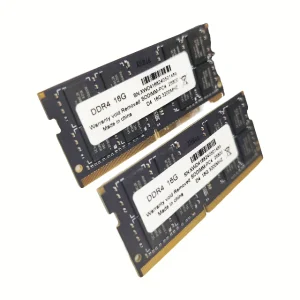
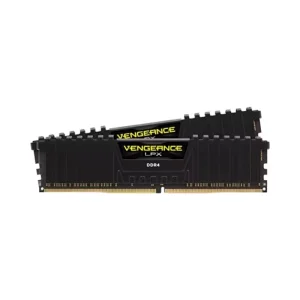
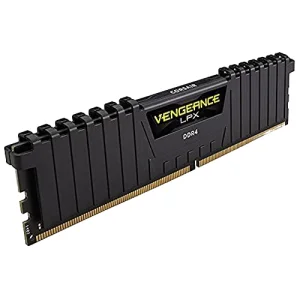
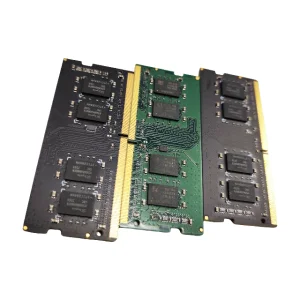
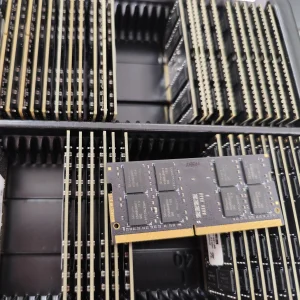
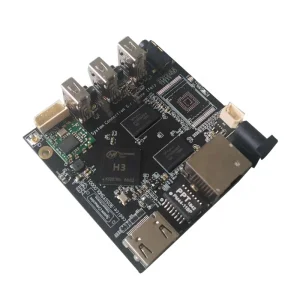
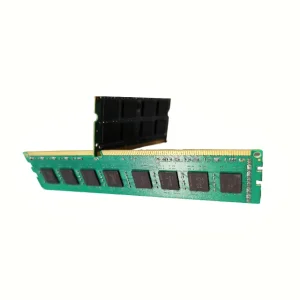
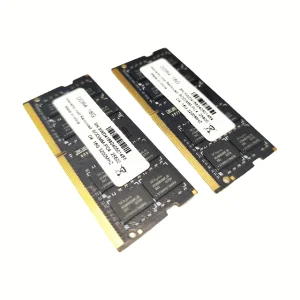
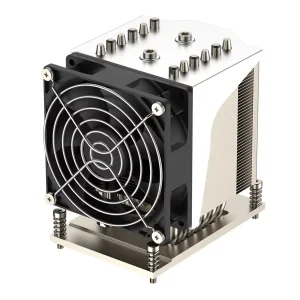
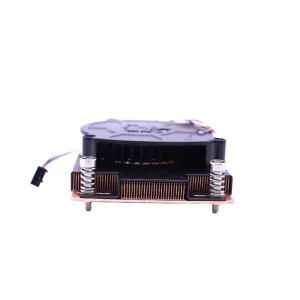
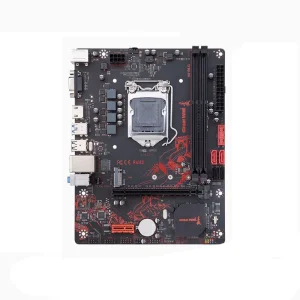
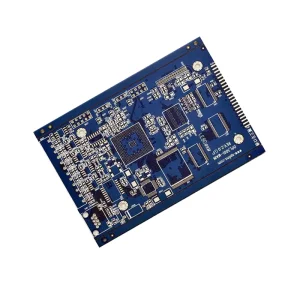
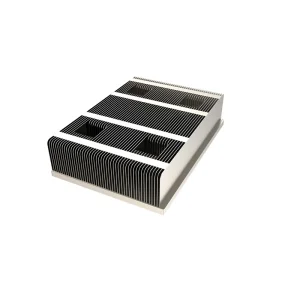
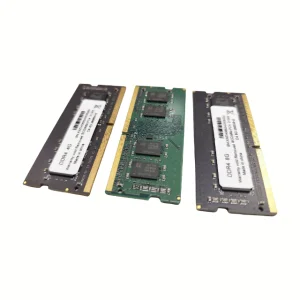
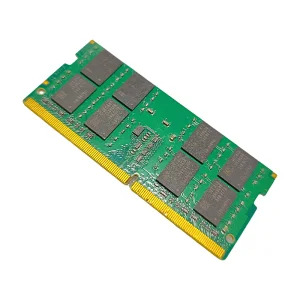
Explore our core manufacturing line, ranging from precision high-speed memory modules to heavy-duty thermal substrates and motherboard systems.
The global electronics supply chain is undergoing a critical transition. Modern devices require increasingly dense power pathways, making advanced thermal management a top-tier design imperative. Metal Core Printed Circuit Boards (MCPCBs), particularly those constructed on an aluminum substrate, have become the standard solution for heat dissipation challenges. Unlike traditional FR4 boards, Aluminum Circuit Boards combine a dedicated metal baseplate, a highly conductive dielectric layer, and a copper circuit foil to actively conduct heat away from critical semiconductors.
Aluminum PCBs are widely deployed across high-power environments including LED street lighting, automotive power trains, solid-state relays, and industrial power conversion. Sourcing from optimized manufacturers in China enables enterprises to tap into mature raw material supplies, leading-edge surface finish capabilities (such as Electroless Nickel Immersion Gold - ENIG, OSP, and Lead-Free HASL), and advanced CNC routing technology designed specifically for rigid metal backings.
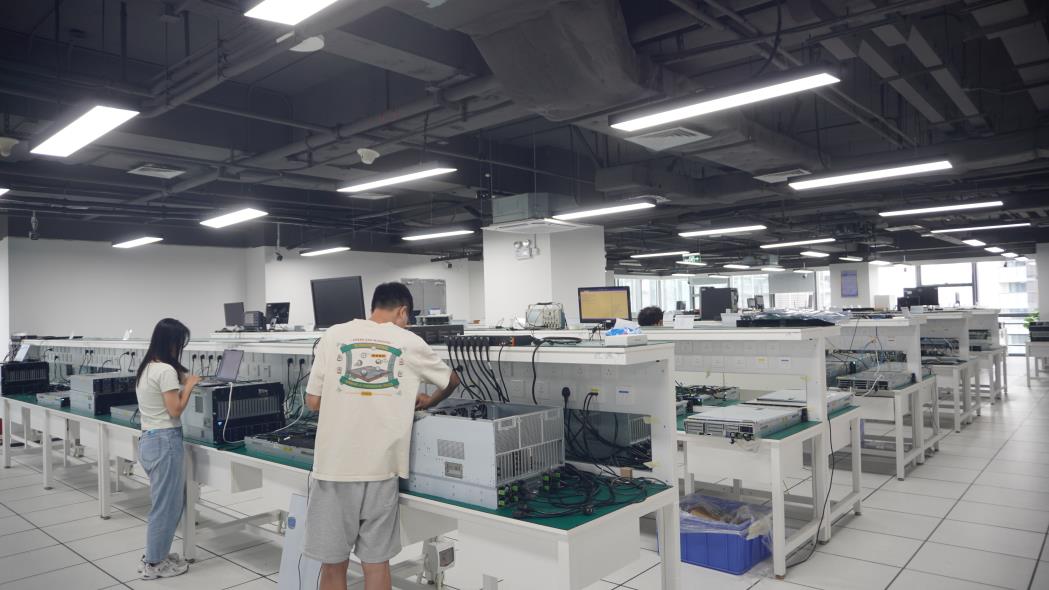
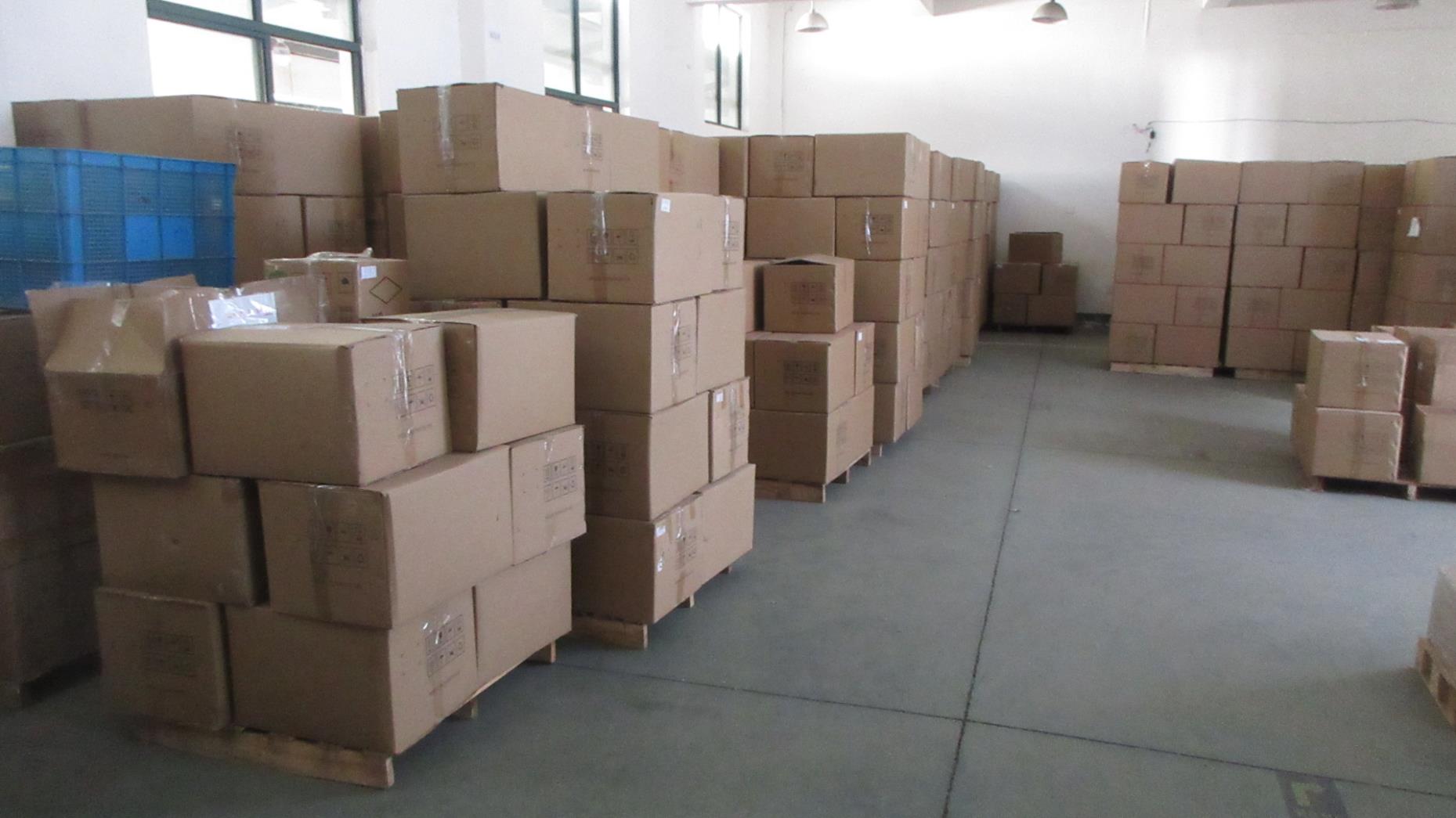
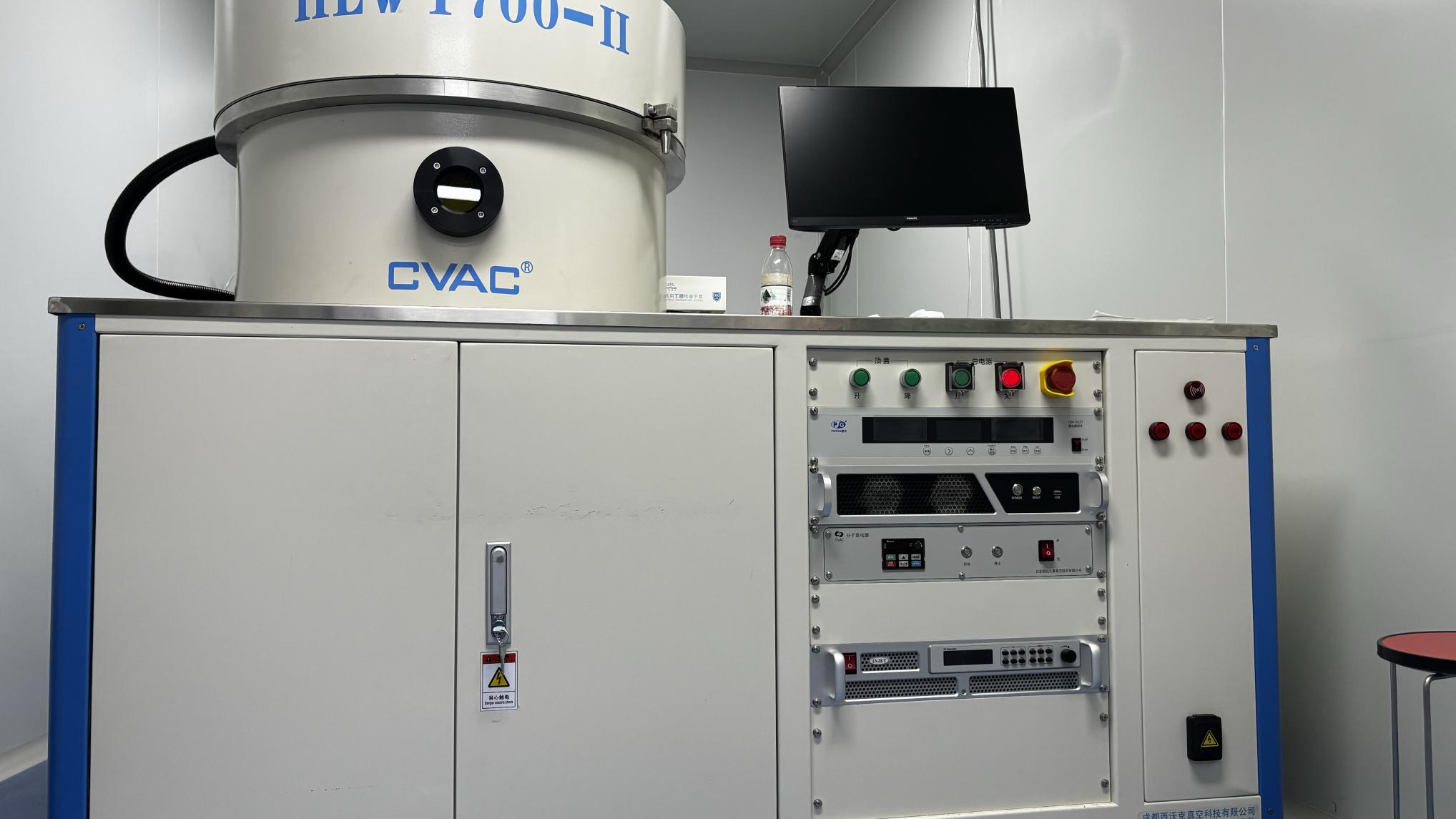
Founded in 2017, Memvora Electronics Technology Co., Ltd. is a professional manufacturer specializing in high-performance DDR5 memory modules, dedicated to delivering reliable memory solutions for consumer, industrial, enterprise, and embedded applications worldwide. With a modern manufacturing facility covering 386㎡, we combine advanced production equipment, strict quality management, and experienced engineering expertise to provide stable, high-speed memory products for global OEM and ODM partners.
Since entering the international market, Memvora has accumulated 7 years of export experience, serving customers across North America, Europe, Southeast Asia, the Middle East, and South America. Our annual export revenue exceeds US$18.6 million, supported by a strong global supply chain and long-term partnerships with more than 1,280 component suppliers and business partners.
With 14 years of industry experience, our team continuously invests in technology innovation and product development. Our R&D department consists of 126 professional engineers who focus on developing next-generation DDR5 memory solutions with higher speed, lower latency, and enhanced reliability. Last year alone, we successfully launched 86 new memory products to meet the evolving needs of gaming, AI computing, industrial automation, and enterprise servers.
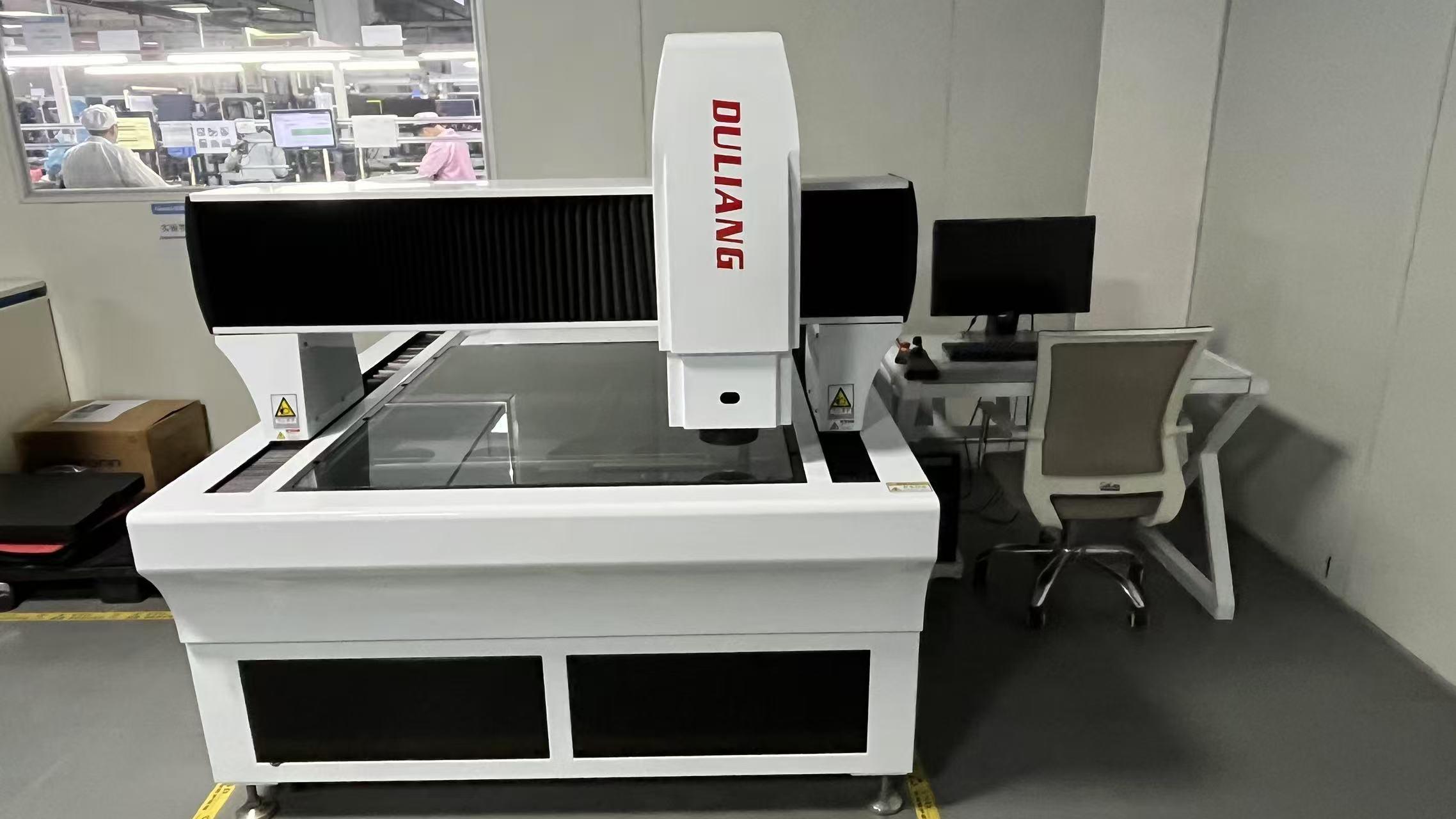
Quality is the foundation of everything we do. Every product undergoes 100% functional testing, burn-in testing, compatibility testing, signal integrity testing, and aging tests before shipment. Our dedicated quality control team of 42 inspectors ensures every memory module meets rigorous international quality standards and delivers long-term stable performance.
Memvora provides flexible OEM, ODM, private label, custom capacity, PCB color, heat spreader design, firmware optimization, and packaging customization services to meet different market requirements. Backed by a responsive engineering team and efficient production management, we help customers shorten development cycles and accelerate product launches.
Today, Memvora serves a diverse customer base including memory brands, computer manufacturers, industrial equipment suppliers, system integrators, distributors, wholesalers, and e-commerce retailers. Through continuous innovation, reliable quality, and customer-focused service, we are committed to becoming a trusted global partner for advanced DDR5 memory manufacturing and customized DRAM solutions.
Established
Professional R&D Engineers
Component & Supply Chain Partners
Annual Export Value
Tested for Reliability
Integrating advanced substrate manufacturing with end-user hardware demands across critical commercial sectors.
In electric vehicles, powertrain components like motor controllers, main converters, and onboard chargers generate severe thermal spikes. High-thermal conductivity aluminum PCBs stabilize operating temperatures, minimizing thermal-induced component failure and matching CTE (Coefficient of Thermal Expansion) constraints across silicon-carbide (SiC) switches.
With DDR5 memory modules and multi-core processors running at extreme gigahertz rates, cooling is vital. Utilizing advanced PCBA and specialized thermal substrates allows enterprise servers to maintain peak read/write IOPS without throttling. This ties directly with server CPU heatsinks and active cooling solutions to maximize compute density.
High-brightness LED applications require consistent operation. Heat trapped inside the junction leads to color shifting and swift degradation. Aluminum-backed substrates dissipate heat horizontally and vertically, assuring stable lumens-per-watt metrics over the 50,000+ hour lifespans of commercial streetlamps and industrial bay lights.
Providing clear, engineer-grade specifications. Verify our standard and custom production tolerances below.
| Parameter | Standard Capacity | High-Performance Option | Testing Methodology |
|---|---|---|---|
| Thermal Conductivity | 1.0 - 2.0 W/m-K | 3.0 - 8.0 W/m-K | ASTM D5470 |
| Base Aluminum Alloys | Al 1100, Al 3003 | Al 5052, Al 6061 | Mechanical Stress Testing |
| Dielectric Thickness | 75μm (3 mil), 100μm (4 mil) | 50μm (2 mil), 150μm (6 mil) | Micrometer Calibrated |
| Dielectric Breakdown Voltage | ≥ 3000 V AC | ≥ 6000 V AC (High Isolation) | Hi-Pot Testing |
| Base Copper Thickness | 35μm (1 oz), 70μm (2 oz) | 105μm (3 oz) - 175μm (5 oz) | Cross-section Analysis |
| Surface Finish Options | Lead-Free HASL, OSP | ENIG (Immersion Gold), ENEPIG | X-Ray Fluorescence (XRF) |
| Minimum Trace / Spacing | 0.15 mm (6 mil) | 0.10 mm (4 mil) | AOI (Automated Optical Inspection) |
The roadmap for metal-core PCB fabrication points toward extreme integration. As devices scale down in size, standard single-sided aluminum boards are evolving into multi-layer configurations and Double-Sided Aluminum Circuit Boards. Creating these complex arrays requires advanced drilling techniques, filled vias, and extremely thin yet rigid dielectric layers that prevent shorts across the aluminum core.
Furthermore, green manufacturing initiatives are driving the metal core industry to adopt cleaner chemical etching and zero-lead operations. Manufacturers in China are leading the migration toward fully automated, AI-driven optical verification lines, ensuring trace tolerances remain tight even under heavy-duty copper weights. As the industry welcomes wide-bandgap materials like Gallium Nitride (GaN) and Silicon Carbide (SiC) into mainstream systems, the demand for MCPCBs that can survive continuous exposure to thermal loads above 150°C is set to grow exponentially.
Understanding the international compliance frameworks required to ship globally without customs or quality friction.
All raw materials, solder pastes, surface finishes, and base copper-clad laminates strictly comply with European Union directives. We maintain updated laboratory verification files for rapid customs clearance.
Our insulated metal substrates (IMS) carry official UL certification, guaranteeing self-extinguishing behavior under extreme thermal stress, essential for consumer safety and industrial electrical panels.
Fabrication output is matched against stringent IPC guidelines. Class III execution is available for mission-critical hardware, ensuring uninterrupted operation under thermal stress.
Discover additional components in our manufacturing portfolio designed to optimize computational speeds and industrial performance.
Essential insights for engineers, quality control specialists, and global purchasing agents sourcing Aluminum PCBs.
 Memvora