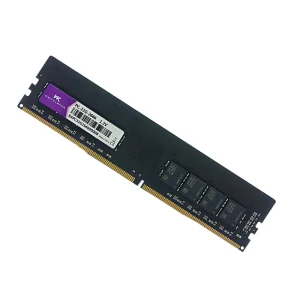
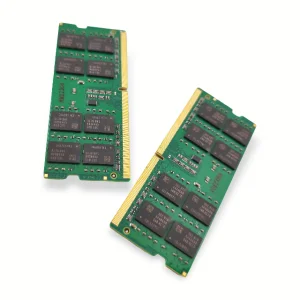
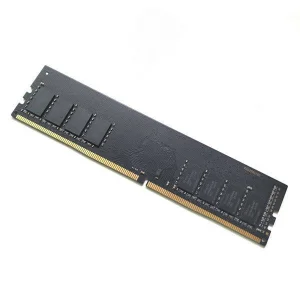
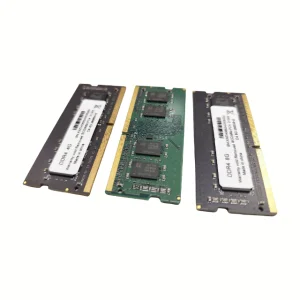
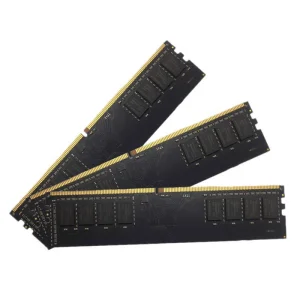
Explore our elite inventory of industrial-grade memory modules and computing system components engineered for critical operations.
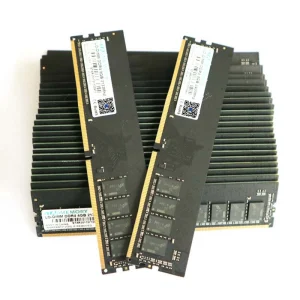
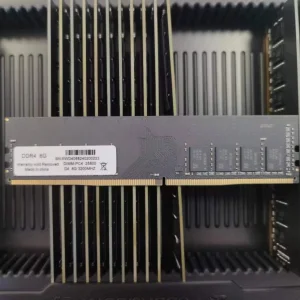
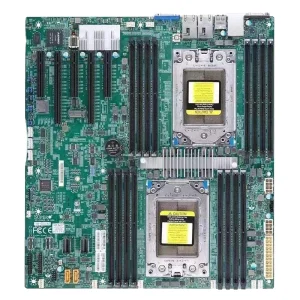
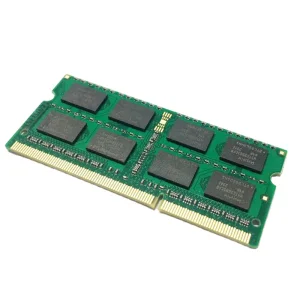
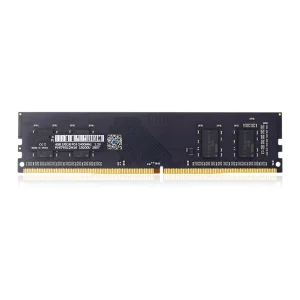
Understanding the transition from legacy 802.11 standards to high-bandwidth, ultra-low latency Wi-Fi 6, 6E, and Wi-Fi 7 networks.
The global market for wireless RF modules is undergoing a monumental paradigm shift. As industries aggressively adopt the Industrial Internet of Things (IIoT), smart grids, autonomous logistics, and medical telematics, the demand for stable, high-throughput wireless modules has skyrocketed. China has established itself as the epicenter of Wi-Fi module development and manufacturing, leveraging advanced supply chain clusters in Shenzhen, Dongguan, and Yangtze River Delta.
This macro-industrial growth is not merely about raw bandwidth; it centers around coexistence, RF efficiency, and integrated Edge Computing. Modern wireless modules no longer operate in isolation. They require rapid temporary storage capabilities (specifically high-performance DRAM memory) to process local data packets, execute edge-based security protocols, and manage multiple network streams without overloading host controllers.
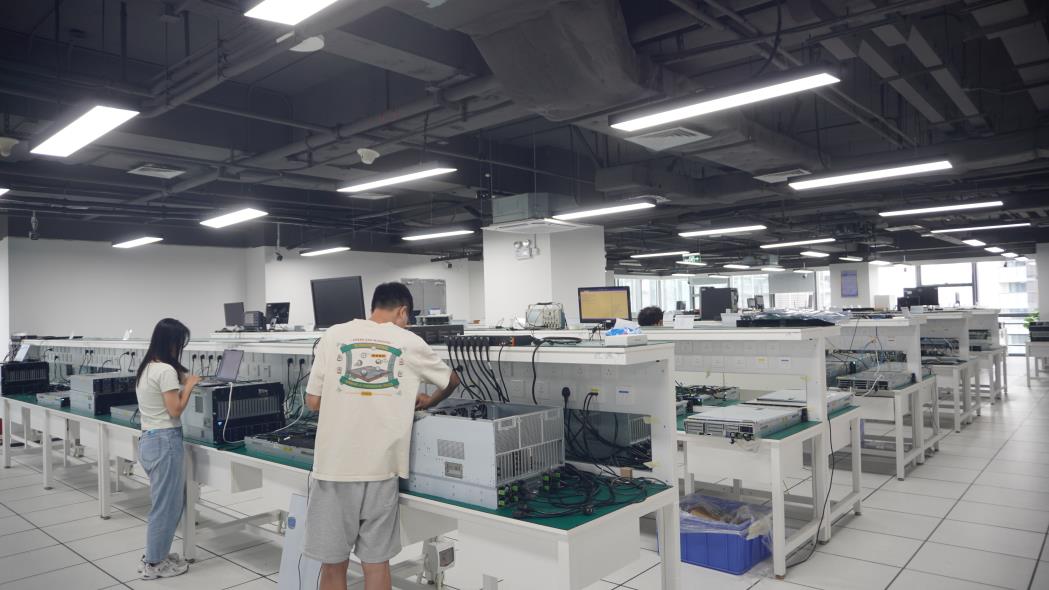
An engineering deep-dive into standard communication buses, RF front-ends, and the memory requirements of wireless chipsets.
High-speed Wi-Fi modules rely on PCIe interfaces for maximum throughput (such as in gateway routers), while SDIO is preferred for low-power mobile or consumer hardware designs. Serial UART is deployed for lightweight IoT control lines.
Operating concurrently on 2.4GHz (for penetration and range) and 5GHz/6GHz (for high-speed throughput) channels. Integrated Bluetooth (BLE 5.2/5.3) coexistence algorithms prevent signal collisions on the shared 2.4GHz spectrum.
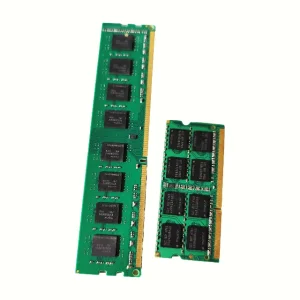
As processing speed increases, local memory capacity becomes critical. High-performance modules run on embedded DDR3/DDR4 or integrated SRAM to manage network stacks (TCP/IP), encryption libraries (WPA3), and data caching locally.
Backed by systematic engineering, verified compliance, and international shipping protocols.
How we ensure our wireless and memory products pass strict regional certifications and fit seamlessly into localized network standards.
Exporting high-frequency RF equipment demands rigorous adherence to international telecommunication standards. Our modules comply with FCC (United States), CE (European Union), Telec (Japan), KCC (South Korea), and SRRC (China) regulations. We provide our global partners with complete certification packages, antenna schemes, and test report documents to eliminate clearance bottlenecks.
RF layouts depend heavily on the final product casing and materials. We provide expert engineering support for antenna optimization, including PCB trace antenna matching, IPEX connector layout guidelines, and external dipole antenna tuning. This ensures optimal transmission gain and minimum VSWR (Voltage Standing Wave Ratio) values.
We tailor firmware configurations to fit local regional channel limits and transmit power constraints. For instance, configuring channels 12 and 13 to disable passive scanning dynamically in restricted jurisdictions, ensuring that systems deploy natively without violating regional RF laws.
From smart factories to mission-critical data processing, see how hardware components work together to optimize bandwidth.
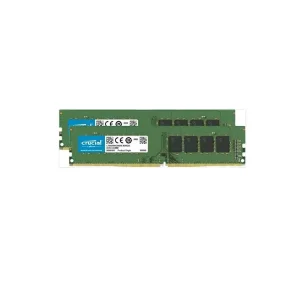
In actual deployment scenarios, wireless connectivity and system memory are the two pillars of hardware reliability. In IIoT gateways, data is continuously acquired via a Wi-Fi module, cached in a high-density DDR4 RAM module, processed by the local processor, and subsequently transmitted to the cloud database. If either the DRAM memory or the Wi-Fi transceiver fails, data loss or system downtime occurs.
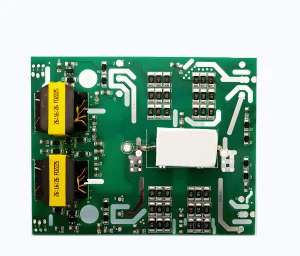
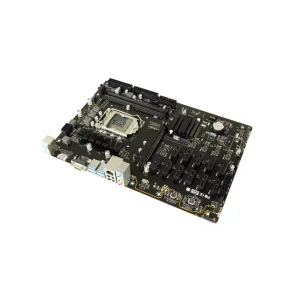
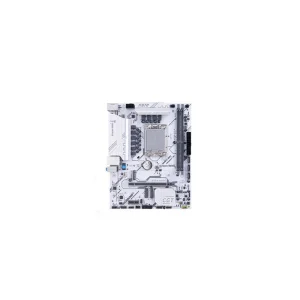
By purchasing motherboards, memory modules, and specialized driver boards from a single verified supplier, device integrators can ensure total system compatibility, optimized electrical paths, and unified technical support.
A premier global manufacturer of advanced memory architectures and high-precision electronic equipment.
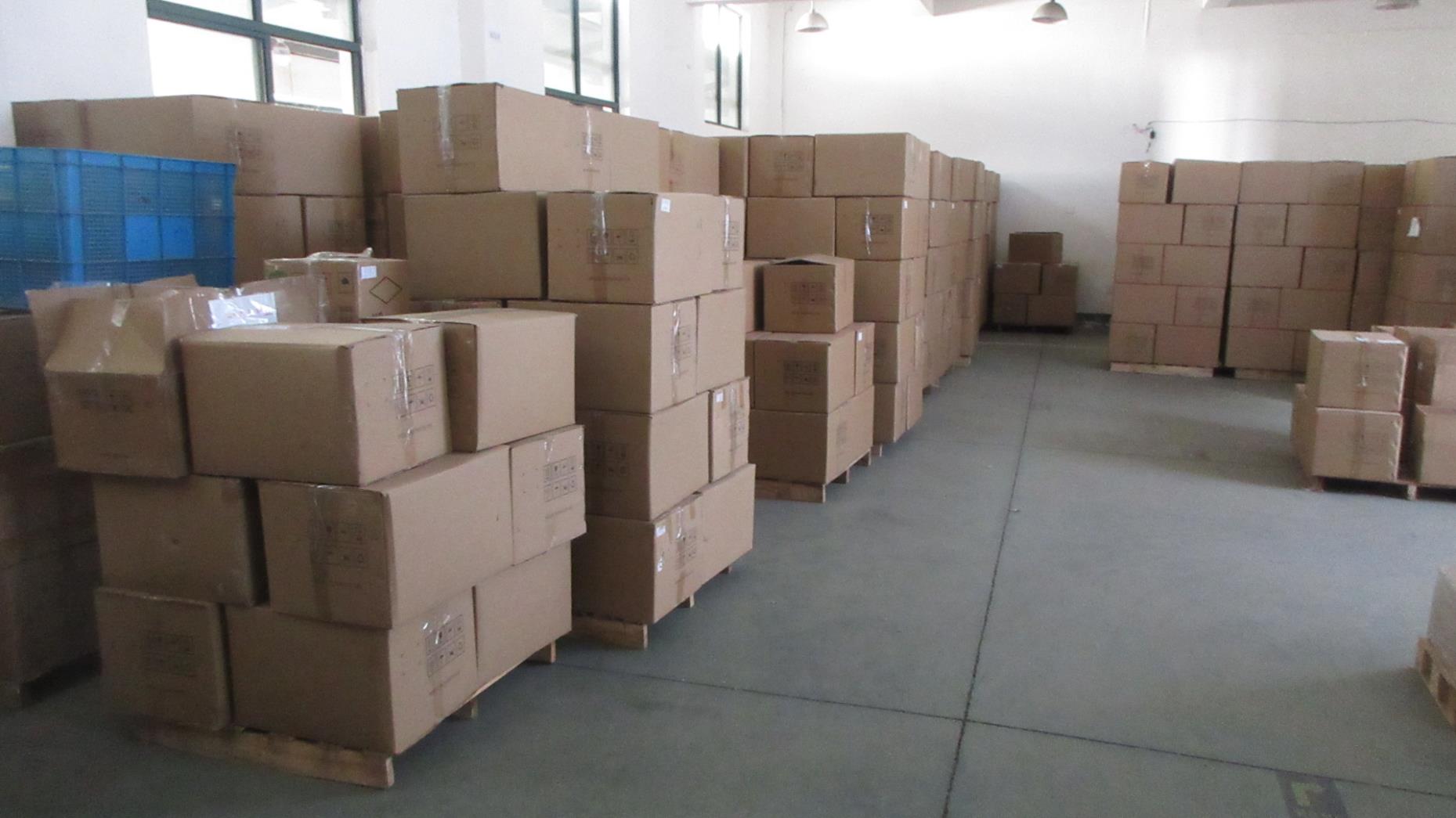
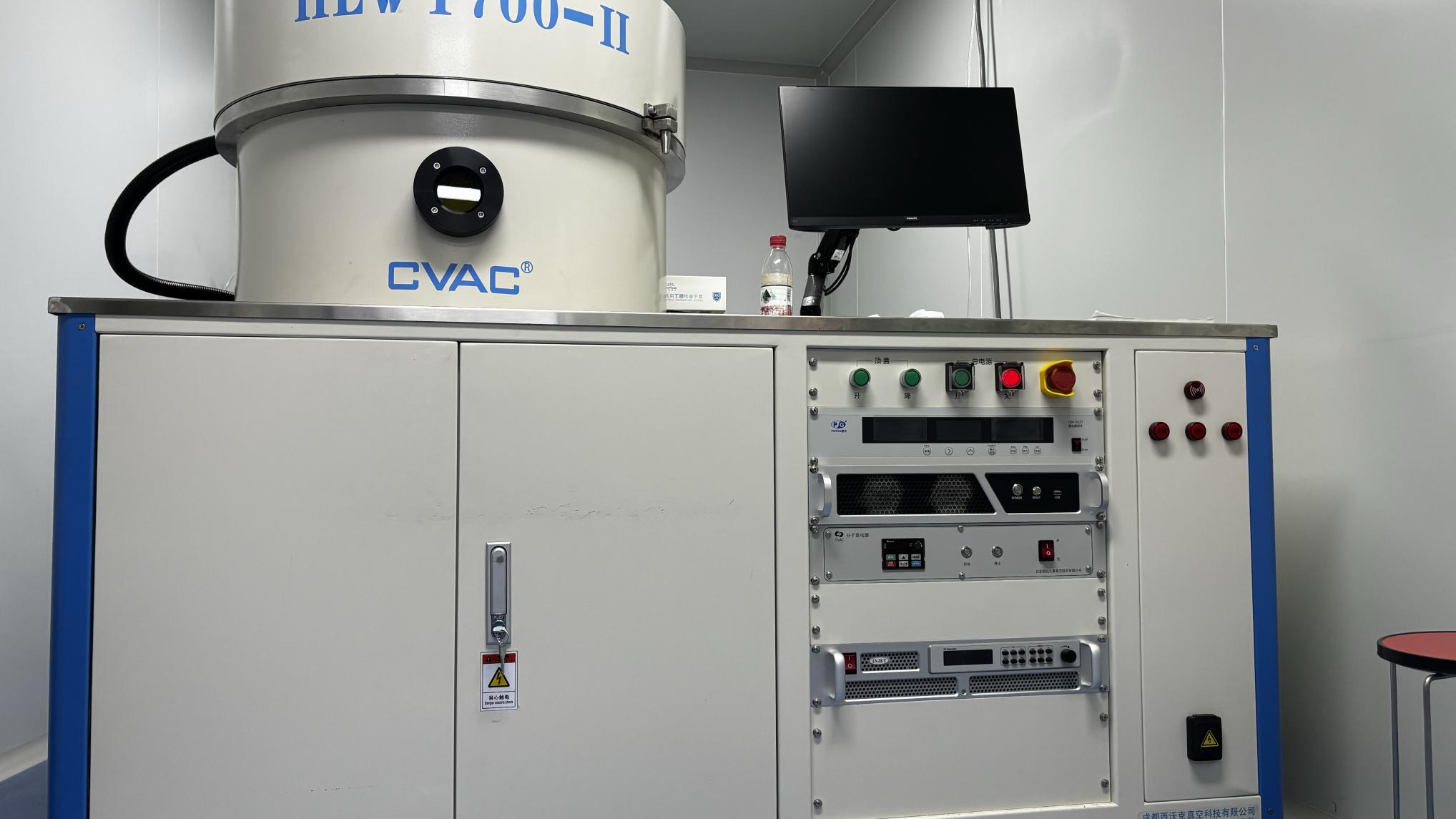
Founded in 2017, Memvora Electronics Technology Co., Ltd. is a professional manufacturer specializing in high-performance DDR5 memory modules, dedicated to delivering reliable memory solutions for consumer, industrial, enterprise, and embedded applications worldwide. With a modern manufacturing facility covering 386㎡, we combine advanced production equipment, strict quality management, and experienced engineering expertise to provide stable, high-speed memory products for global OEM and ODM partners.
Since entering the international market, Memvora has accumulated 7 years of export experience, serving customers across North America, Europe, Southeast Asia, the Middle East, and South America. Our annual export revenue exceeds US$18.6 million, supported by a strong global supply chain and long-term partnerships with more than 1,280 component suppliers and business partners.
With 14 years of industry experience, our team continuously invests in technology innovation and product development. Our R&D department consists of 126 professional engineers who focus on developing next-generation DDR5 memory solutions with higher speed, lower latency, and enhanced reliability. Last year alone, we successfully launched 86 new memory products to meet the evolving needs of gaming, AI computing, industrial automation, and enterprise servers.
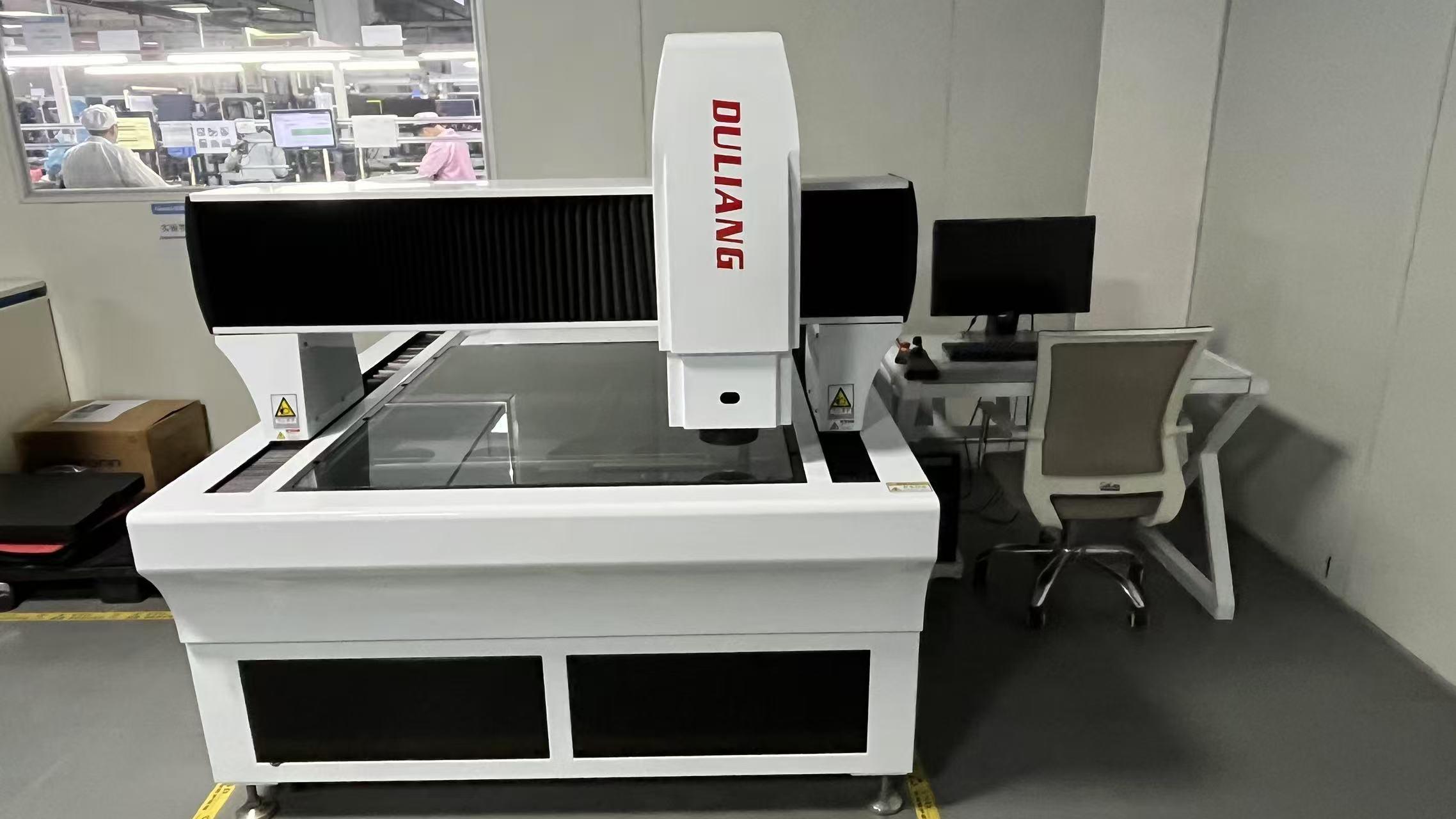
Quality is the foundation of everything we do. Every product undergoes 100% functional testing, burn-in testing, compatibility testing, signal integrity testing, and aging tests before shipment. Our dedicated quality control team of 42 inspectors ensures every memory module meets rigorous international quality standards and delivers long-term stable performance.
Memvora provides flexible OEM, ODM, private label, custom capacity, PCB color, heat spreader design, firmware optimization, and packaging customization services to meet different market requirements. Backed by a responsive engineering team and efficient production management, we help customers shorten development cycles and accelerate product launches.
Today, Memvora serves a diverse customer base including memory brands, computer manufacturers, industrial equipment suppliers, system integrators, distributors, wholesalers, and e-commerce retailers. Through continuous innovation, reliable quality, and customer-focused service, we are committed to becoming a trusted global partner for advanced DDR5 memory manufacturing and customized DRAM solutions.
Answers to common engineering and logistics questions from professional procurement and R&D teams.
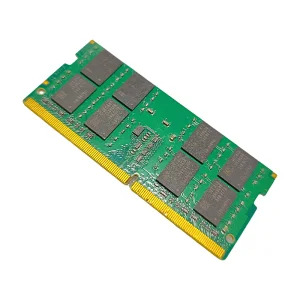
Select from our certified motherboard models, industrial driver boards, and memory upgrades.
 Memvora