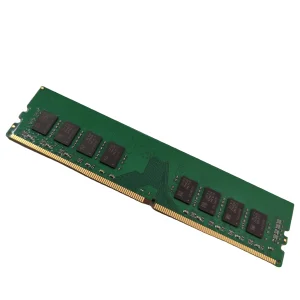
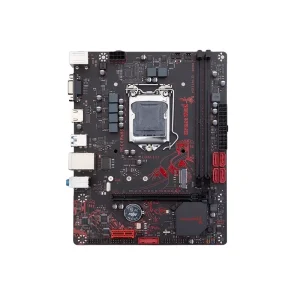
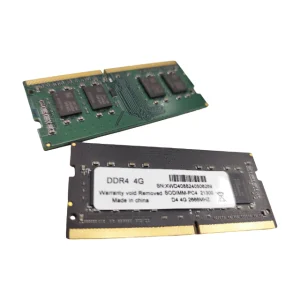
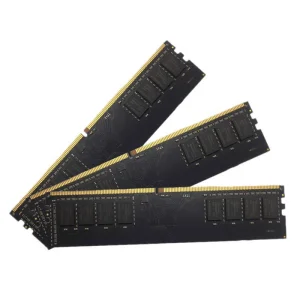
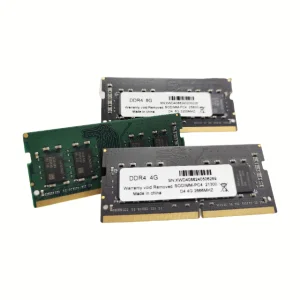
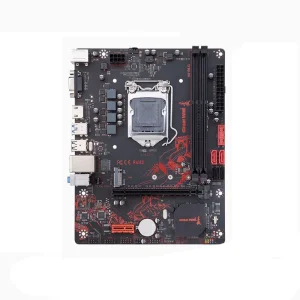
Browse our top-tier selection of high-performance system motherboards, active/passive cooling setups, and memory modules engineered for mission-critical hardware deployments.
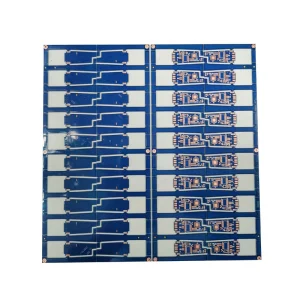
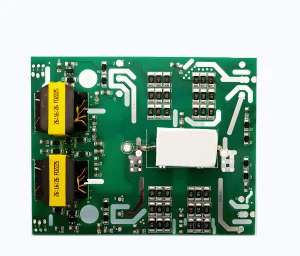
Despite the rapid development of multilayer board technology, the global electronics industry continues to rely on single-sided circuit boards as the foundational architecture for high-volume, cost-effective consumer devices, power electronics, and LED lighting applications. In today's competitive landscape, single-sided PCBs represent a significant portion of the total worldwide volume output, driven by simple wiring requirements and high thermal resilience when paired with specialized core substrates.
From automotive sensor configurations to advanced LED driver setups, design engineers prioritize single-sided layouts because they minimize cross-talk, streamline trace routing, and dramatically reduce assembly failures. When manufactured using high-grade base materials like FR-4 (flame retardant 4), CEM-1 (composite epoxy material), or aluminum clad laminates, these boards deliver excellent mechanical rigidity and electrical insulation. Globally, sourcing departments look for suppliers who can guarantee consistent material purity, strict impedance control, and reliable copper foil adhesion to withstand thermal expansion cycles.
High mechanical strength and electrical insulation performance under variable atmospheric conditions, meeting UL94V-0 safety requirements.
Metal core substrates (MCPCB) offer high thermal conductivity up to 3.0 W/m.K, ideal for solid-state lighting and power converters.
Accelerated tooling setup, minimal layer-to-layer registration defects, and high yields that reduce total manufacturing lead times.
Market Insight: According to recent market analysis, single-sided PCBs continue to account for over 22% of total worldwide board volume production. This demand is sustained by the consumer electronics boom, the rapid shift toward smart energy grid metering systems, and localized supply chain integration within manufacturing hubs like Guangdong and Zhejiang in China.
Leveraging state-of-the-art facility processes to supply industrial-grade computing memory modules and PCB sub-assemblies globally.
China's dominance in the single-sided PCB manufacturing space is not simply a matter of lower labor costs. Instead, it is built on a highly integrated supply chain ecosystem. At its core, China hosts the world's most concentrated cluster of copper-clad laminate (CCL) manufacturers, chemical agents suppliers, and CNC drilling equipment developers. This geographic consolidation enables factories to secure raw materials within hours, drastically reducing freight delays and material handling costs.
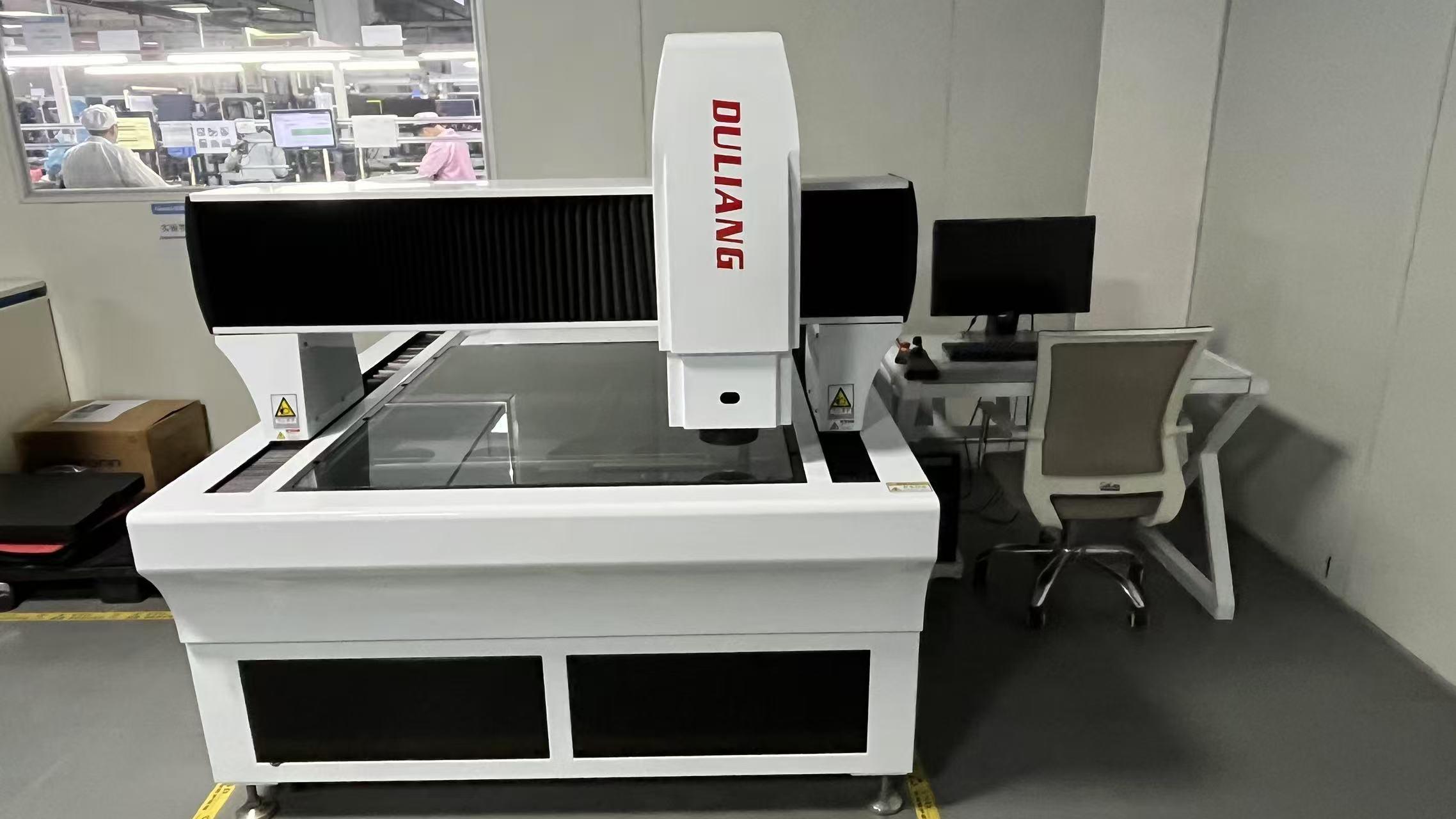
Furthermore, Chinese factories have transitioned to highly automated production models. Precision etching machines, automated optical inspection (AOI) technologies, and computerized v-scoring devices ensure that even single-sided printed circuit boards meet high-precision specifications. Traces can be etched as narrow as 4 mil (0.1 mm) with matching spacing, facilitating compact trace designs that were once considered impossible on single-layer boards. This allows international buyers to consolidate complex layout ideas onto space-saving, low-cost single-sided configurations.
To ensure high durability and corrosion resistance, leading Chinese suppliers offer a variety of surface finishes tailored to specific storage and solder environments. Standard finishes include Hot Air Solder Leveling (HASL), lead-free HASL, Organic Solderability Preservatives (OSP), Electroless Nickel Immersion Gold (ENIG), and Immersion Silver. Applying these custom coatings prevents oxidation and guarantees high-performance electrical contact over decades of operation.
For high-density component mounting, ENIG is highly recommended due to its flat surface, which makes placing fine-pitch surface mount devices (SMD) easy. In contrast, OSP is a cost-effective, environmentally friendly alternative commonly used in domestic appliances. By selecting the correct finish based on environmental and structural needs, design engineers can optimize single-sided circuit boards for both reliability and budget constraints.
In practice, single-sided PCBs serve as the mechanical skeleton and electrical network for a wide range of devices. Understanding these localized application scenarios helps engineers choose the right substrate thickness, copper weight, and thermal profile:
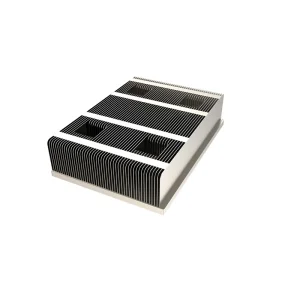
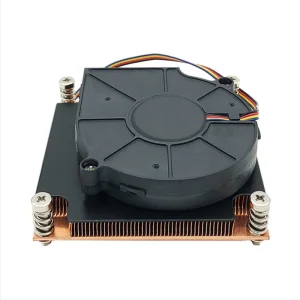
Through careful selection of physical parameters, engineers can achieve the mechanical stiffness and thermal dissipation necessary to support power modules and computing heat sinks, ensuring high reliability under continuous operation.
Founded in 2017, we deliver advanced DRAM, computing components, and customized electronic solutions to international OEMs.
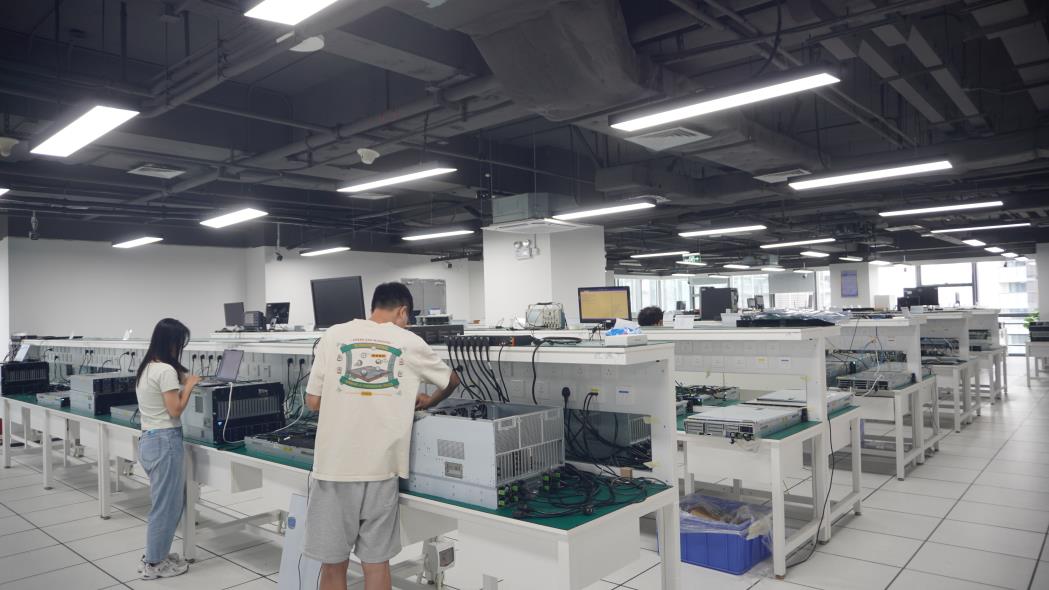
Founded in 2017, Memvora Electronics Technology Co., Ltd. is a professional manufacturer specializing in high-performance DDR5 memory modules, dedicated to delivering reliable memory solutions for consumer, industrial, enterprise, and embedded applications worldwide. With a modern manufacturing facility covering 386㎡, we combine advanced production equipment, strict quality management, and experienced engineering expertise to provide stable, high-speed memory products for global OEM and ODM partners.
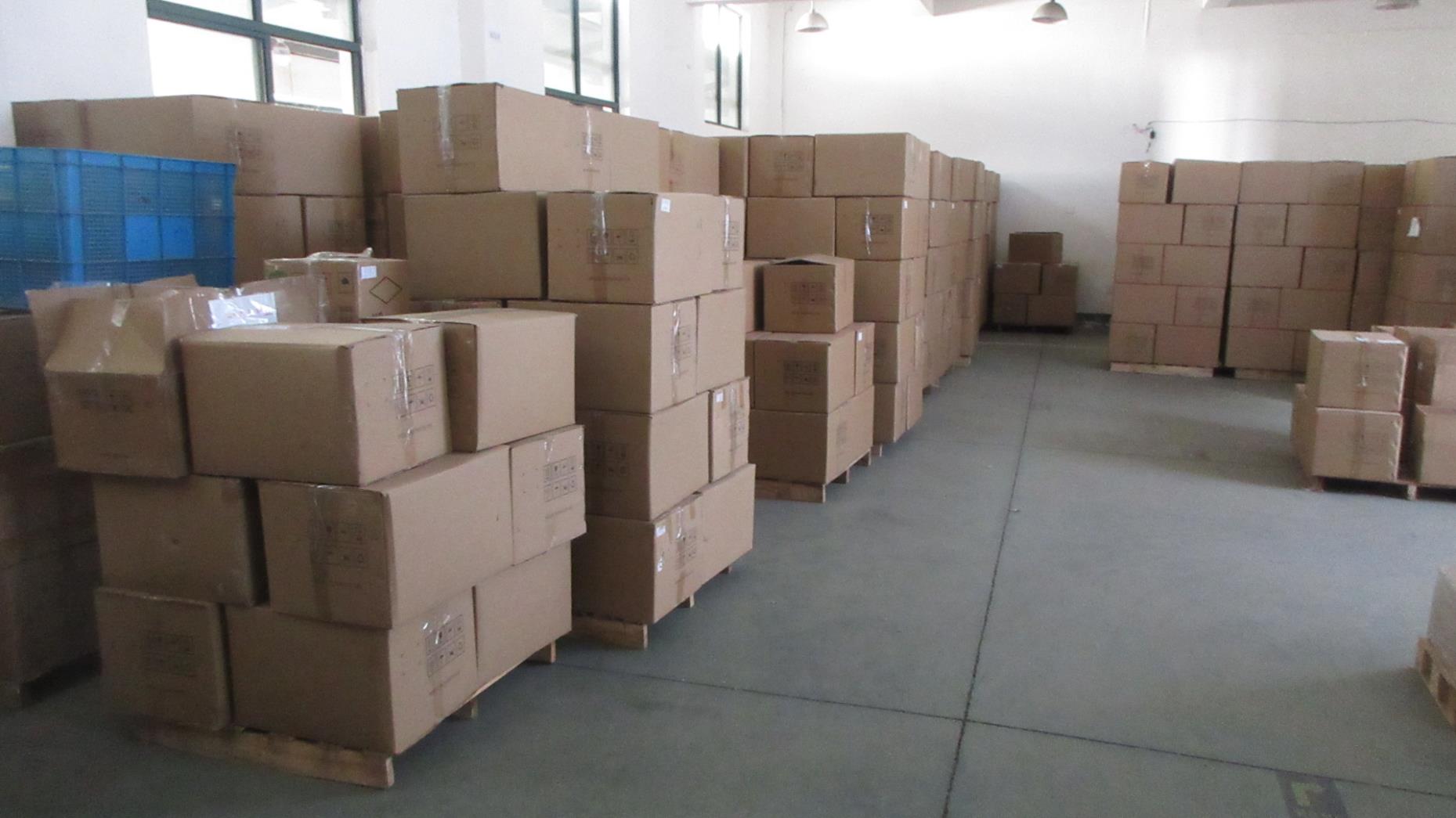
Since entering the international market, Memvora has accumulated 7 years of export experience, serving customers across North America, Europe, Southeast Asia, the Middle East, and South America. Our annual export revenue exceeds US$18.6 million, supported by a strong global supply chain and long-term partnerships with more than 1,280 component suppliers and business partners.
With 14 years of industry experience, our team continuously invests in technology innovation and product development. Our R&D department consists of 126 professional engineers who focus on developing next-generation DDR5 memory solutions with higher speed, lower latency, and enhanced reliability. Last year alone, we successfully launched 86 new memory products to meet the evolving needs of gaming, AI computing, industrial automation, and enterprise servers.
Quality is the foundation of everything we do. Every product undergoes 100% functional testing, burn-in testing, compatibility testing, signal integrity testing, and aging tests before shipment. Our dedicated quality control team of 42 inspectors ensures every memory module meets rigorous international quality standards and delivers long-term stable performance.
Memvora provides flexible OEM, ODM, private label, custom capacity, PCB color, heat spreader design, firmware optimization, and packaging customization services to meet different market requirements. Backed by a responsive engineering team and efficient production management, we help customers shorten development cycles and accelerate product launches.
Today, Memvora serves a diverse customer base including memory brands, computer manufacturers, industrial equipment suppliers, system integrators, distributors, wholesalers, and e-commerce retailers. Through continuous innovation, reliable quality, and customer-focused service, we are committed to becoming a trusted global partner for advanced DDR5 memory manufacturing and customized DRAM solutions.
When selecting a single-sided PCB supplier in China, purchasing managers must match application requirements with the physical characteristics of the board. The choice of base material has a significant impact on thermal performance, mechanical rigidity, and cost:
Using higher-grade materials like FR-4 and Metal Core options provides additional safety margin in high-temperature applications. It also reduces warp and twist during wave soldering, ensuring reliable, long-term operation.
Find answers to common questions about manufacturing parameters, material selection, and quality assurance processes.
For standard production runs, we maintain a minimum trace width and space of 4 mils (0.1 mm). For high-power circuits, we recommend wider traces (e.g., 10 mils to 40 mils) to support higher current loads and reduce heat generation.
FR-4 is composed of woven fiberglass sheets bound with flame-retardant epoxy resin, offering higher mechanical strength and flexural rigidity. CEM-1 uses a paper-core interior combined with fiberglass outer layers, making it a cost-effective choice for simple, single-sided layouts.
Electroless Nickel Immersion Gold (ENIG) offers a flat surface finish, excellent oxidation resistance, and long storage shelf-life. Lead-Free HASL is a cost-effective alternative for through-hole assembly processes.
We perform 100% electrical continuity testing, automated optical inspection (AOI), peel strength verification, solderability testing, and thermal stress tests to prevent trace delamination under high temperatures.
Thicker substrates (e.g., 1.6mm or 2.0mm) offer better resistance to mechanical stress and structural resonance. This helps prevent solder joint fatigue and micro-cracks in traces on the board surface.
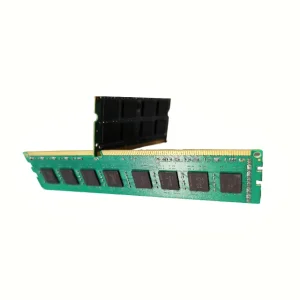
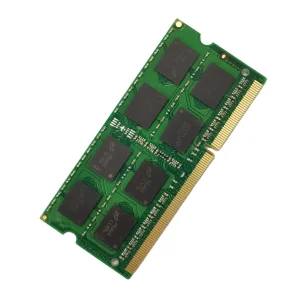
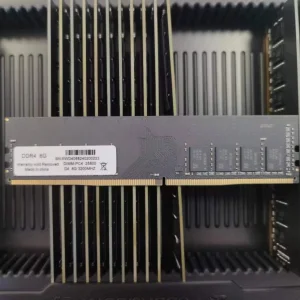
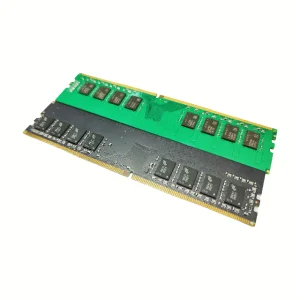
Select from our heavy-duty inverter power boards, custom laptop and desktop memory modules, and specialized computing components.
 Memvora