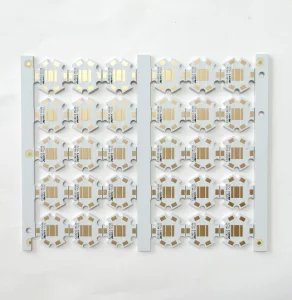
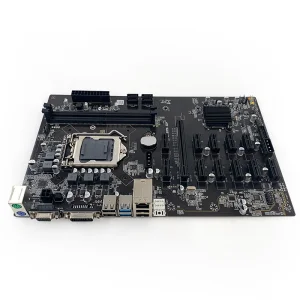
Explore our core infrastructure components engineered to deliver high bandwidth and ultra-low latency profiles for commercial enterprise server configurations.
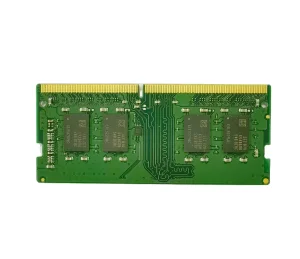
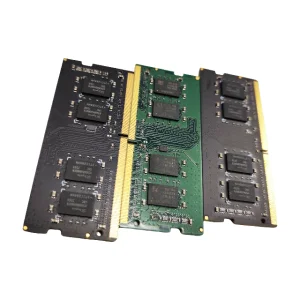
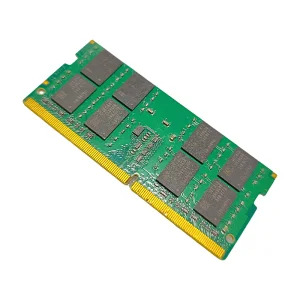
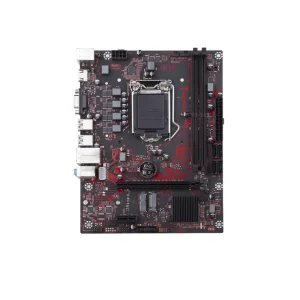
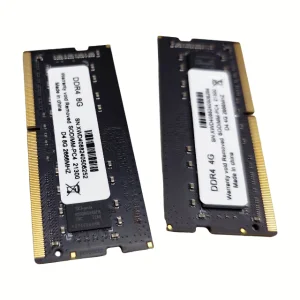
High-Performance Computing (HPC) has evolved from an academic curiosity to the absolute backbone of the modern global digital economy. As data storage and deep learning models expand exponentially, the demand for fast raw processing infrastructure has forced a paradigm shift. HPC environments are no longer confined to supercomputing centers; they have proliferated into private enterprise clouds, edge processing setups, and hyperscale environments handling artificial intelligence, financial simulations, genomic mapping, and complex climate systems.
A major bottleneck within this hardware paradigm is the "Memory Wall"—the speed discrepancy between high-speed logic processors and the density-optimized external DRAM systems. China, being the world's premier manufacturing center for high-frequency electronics, plays an indispensable role. Factories specializing in advanced PCBA (Printed Circuit Board Assembly), high-density motherboards, and high-frequency memory modules have built local vertical integration. By co-locating silicon engineering research with surface-mount technology (SMT) lines, Chinese factories optimize production costs, secure critical semiconductor margins, and guarantee robust component supply lines to meet worldwide computational demands.
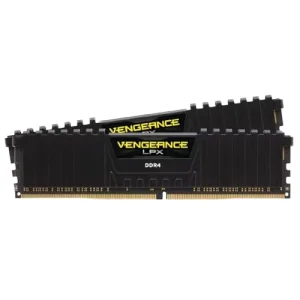
1. Double Data Rate Transition: The migration from DDR4 to DDR5 architecture has redefined performance standards. Operating with dual 32-bit subchannels, DDR5 modules double the overall memory burst length and include On-Die ECC (Error Correction Code) to protect memory arrays against single-bit faults directly on the silicon wafer.
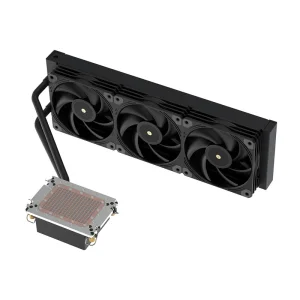
2. High-Efficiency Thermal Engineering: Multi-phase cooling designs, copper-aluminum composite structures, and advanced integrated water blocks (like 4U LGA4677 systems) have become vital to support high Thermal Design Power (TDP) without triggering thermal throttling in continuous computing environments.
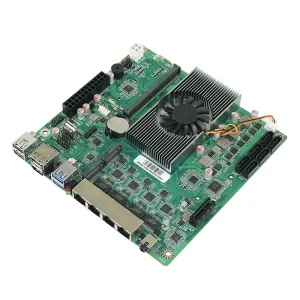
3. Structural System Optimization: System integrators now utilize mini-ITX architectures, low TDP quad-core SOC solutions (such as Intel N100 structures), and custom high-density server configurations to distribute and control computational workflows across distributed clusters.
Delivering peak efficiency requires a strict, modular technical blueprint across all stages of semiconductor selection, signal layout, and structural thermal protection.
For high-frequency memory operations at 3200MHz up to DDR5 speeds, high-density PCBs require complex differential routing to prevent electromagnetic interference (EMI). Impedance matching (typically 40 or 50 ohms) and precise trace length matching are utilized to maintain signal integrity across parallel DRAM lanes.
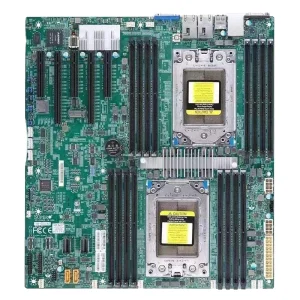
Managing heat in server platforms, such as LGA4677 or dual-socket AMD/Intel configurations, requires specialized materials. We utilize copper-aluminum composite bases paired with multi-heatpipe arrays or water blocks to ensure stable operation and extend the service life of internal components.
To operate reliably in critical environments, system memory must feature Error Correction Code (ECC) mechanisms. Enterprise-grade ECC DRAM runs real-time single-bit error correction and multi-bit detection (SEC-DED), preventing data corruption and reducing system downtime.
Founded in 2017, Memvora Electronics Technology Co., Ltd. is a professional manufacturer specializing in high-performance DDR5 memory modules, dedicated to delivering reliable memory solutions for consumer, industrial, enterprise, and embedded applications worldwide. With a modern manufacturing facility covering 386㎡, we combine advanced production equipment, strict quality management, and experienced engineering expertise to provide stable, high-speed memory products for global OEM and ODM partners.
Since entering the international market, Memvora has accumulated 7 years of export experience, serving customers across North America, Europe, Southeast Asia, the Middle East, and South America. Our annual export revenue exceeds US$18.6 million, supported by a strong global supply chain and long-term partnerships with more than 1,280 component suppliers and business partners.
With 14 years of industry experience, our team continuously invests in technology innovation and product development. Our R&D department consists of 126 professional engineers who focus on developing next-generation DDR5 memory solutions with higher speed, lower latency, and enhanced reliability. Last year alone, we successfully launched 86 new memory products to meet the evolving needs of gaming, AI computing, industrial automation, and enterprise servers.
Quality is the foundation of everything we do. Every product undergoes 100% functional testing, burn-in testing, compatibility testing, signal integrity testing, and aging tests before shipment. Our dedicated quality control team of 42 inspectors ensures every memory module meets rigorous international quality standards and delivers long-term stable performance.
Memvora provides flexible OEM, ODM, private label, custom capacity, PCB color, heat spreader design, firmware optimization, and packaging customization services to meet different market requirements. Backed by a responsive engineering team and efficient production management, we help customers shorten development cycles and accelerate product launches.
Today, Memvora serves a diverse customer base including memory brands, computer manufacturers, industrial equipment suppliers, system integrators, distributors, wholesalers, and e-commerce retailers. Through continuous innovation, reliable quality, and customer-focused service, we are committed to becoming a trusted global partner for advanced DDR5 memory manufacturing and customized DRAM solutions.
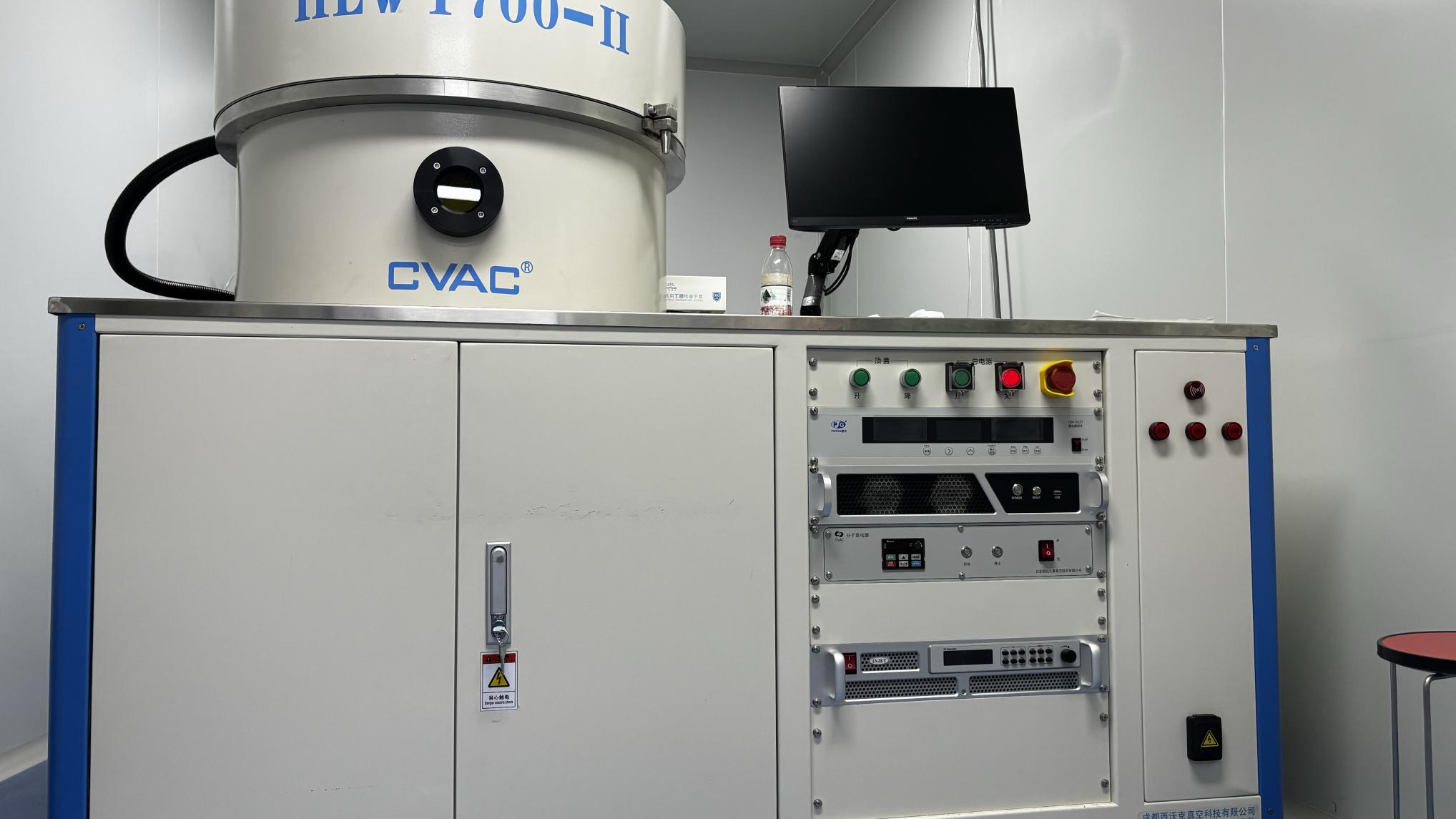
Custom-engineered hardware architectures optimized to meet the strict computational workloads of diverse industrial applications.
Modern machine learning models require high memory bandwidth and processing density. By pairing multi-channel server motherboards with high-capacity ECC DDR4/DDR5 modules, we help minimize data bottlenecks, ensuring stable performance during large-scale model training and inference.
For factory automation, IoT hubs, and smart city devices, low power draw and consistent uptime are essential. Deploying low-power motherboards (such as Intel N100 setups) inside compact, sealed enclosures ensures long-term operational reliability in demanding environment conditions.
Running multiple virtual machines on a single physical host demands massive memory allocation. High-capacity, multi-channel RAM arrays enable smooth multitasking, while ECC functionality actively prevents system crashes to protect critical corporate database records.
We implement strict quality assurance steps at every stage of production—from checking raw silicon wafers to verifying finalized modules—to ensure our hardware remains stable and reliable under continuous loads.
We source top-tier DRAM chips and components from leading global wafer manufacturers, verifying electrical parameters before starting production.
Advanced SMT equipment mounts components onto multi-layer PCBs, utilizing high-precision thermal profiles to ensure durable solder joints.
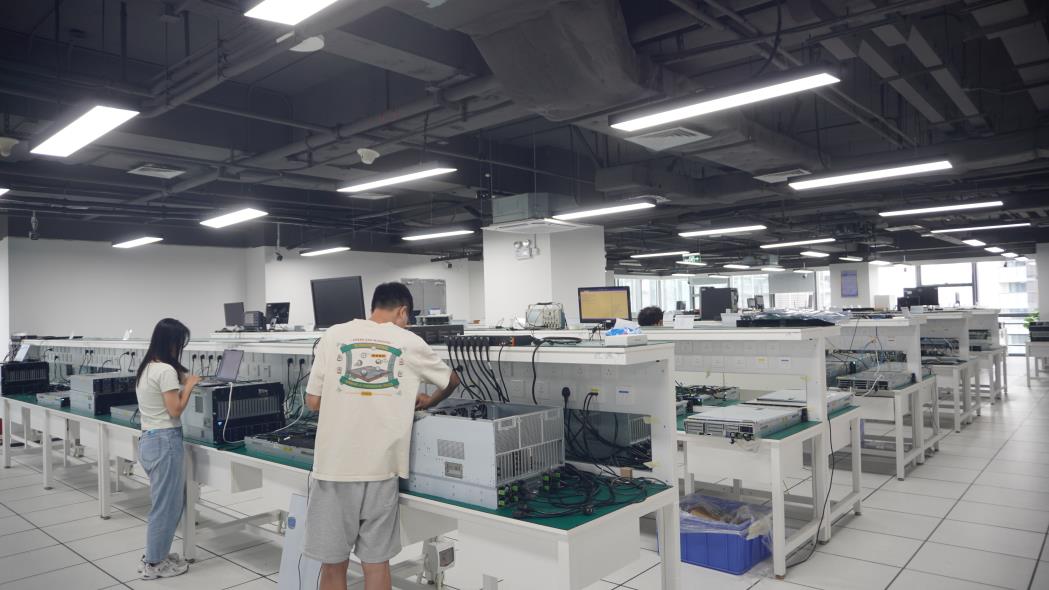
Every module undergoes temperature-stress burn-in and multi-channel system tests to confirm signal integrity and long-term stability.
We provide full customization options to help you build system architectures that meet your specific operational requirements:
Our engineering team works closely with you to design, prototype, and manufacture hardware that meets your exact performance goals.
Technical answers to common questions about memory architectures, motherboard design, and server thermal management.
On-die ECC in DDR5 corrects errors within the DRAM chip itself before sending data to the system, improving reliability at higher densities. Standard side-band ECC in DDR4, however, requires additional DRAM chips to support the correction process through the CPU's memory controller.
Copper-aluminum composites offer the high thermal conductivity of copper along with the lightweight and cost-effective heat dissipation of aluminum, helping prevent hot spots near CPU sockets and VRMs on high-TDP server boards.
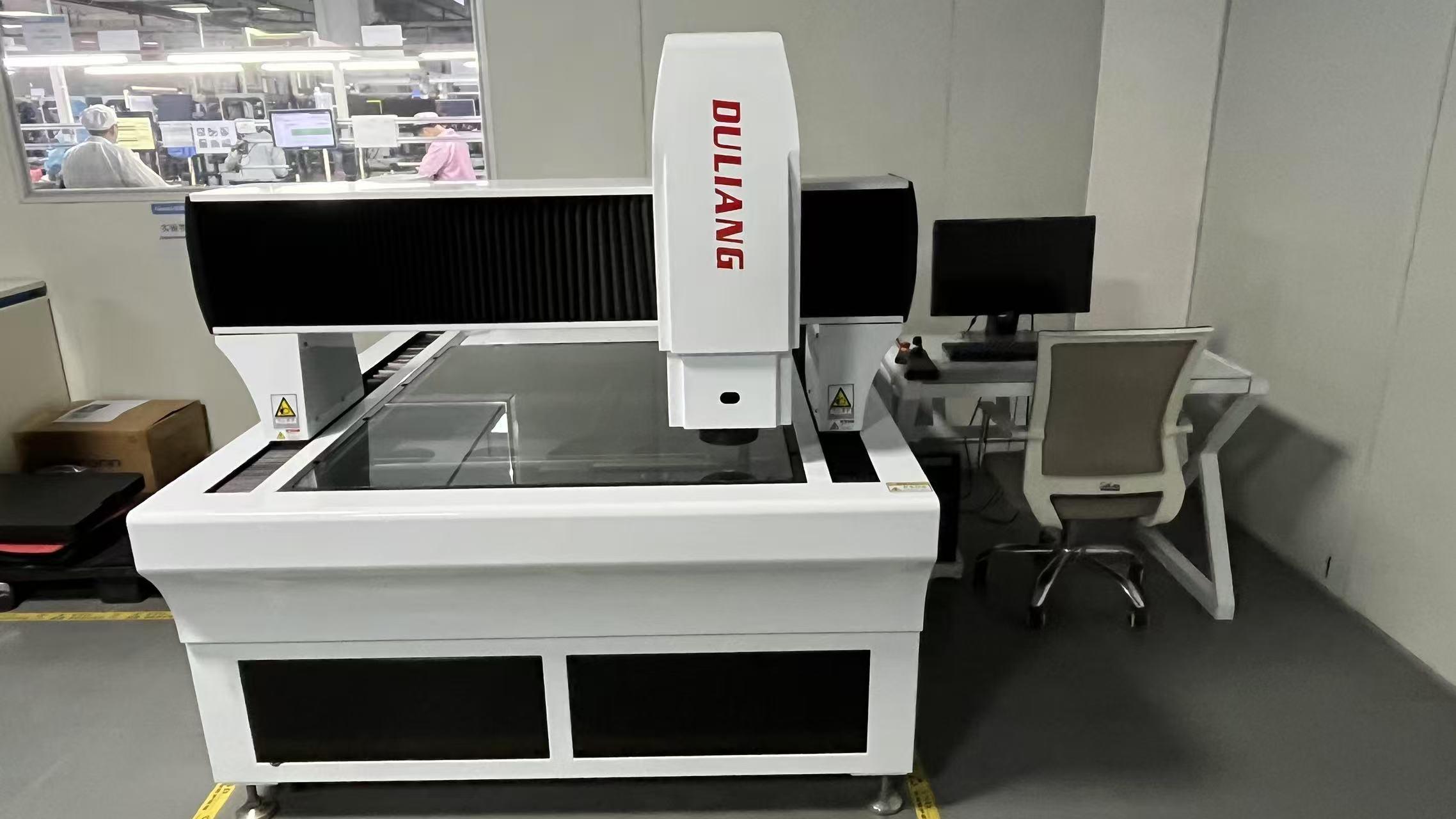
Automated Optical Inspection (AOI) and X-ray checks are utilized immediately after reflow soldering to find and resolve issues like alignment errors, bridges, or weak solder joints before products proceed to functional testing.
Yes, motherboards built with high-quality solid capacitors, electrostatic discharge (ESD) protection, and fanless passive cooling systems are designed to operate reliably 24/7 in demanding industrial edge environments.
We offer comprehensive customization, including custom capacity configurations, customized SPD parameters, specialized heat spreader designs, and tailored retail or bulk packaging options to match your brand requirements.
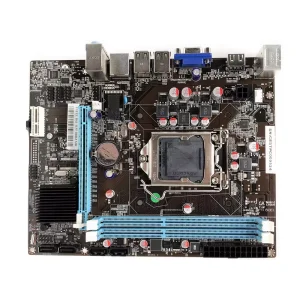
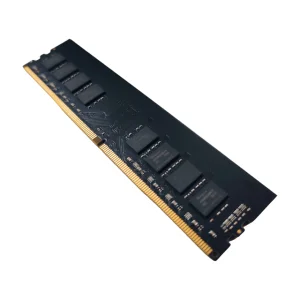
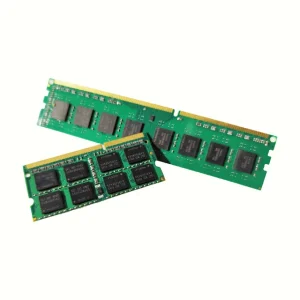
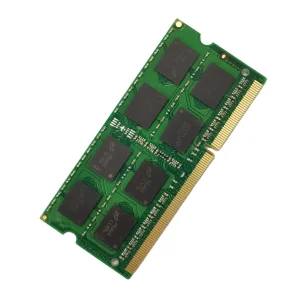
Explore our second selection of components, including multi-socket motherboards, low-power Mini-ITX systems, and advanced cooling designs.
 Memvora