In modern enterprise infrastructure, the role of portable flash storage has evolved from simple data transfer peripherals to vital components of IoT systems, software deployment kits, system recovery drives, and secure industrial interfaces. As flash technology consolidates around high-density 3D NAND configurations, the global enterprise market demands strict regulatory compliance, particularly the Conformité Européenne (CE) marking.
The international supply chain is highly vulnerable to substandard memory controllers and "downgraded" flash wafers that degrade rapidly within months. By specifying CE Certified USB Flash Drives, corporations secure compatibility with strict safety, health, and environmental standards. These protocols guarantee that the storage drives emit no radio-frequency noise that disrupts other electronics and remain resilient against external static discharges up to 8kV.
Ensuring the drive operates smoothly in proximity to industrial machinery and server grids without interference.
Elimination of toxic lead, cadmium, and mercury, ensuring safe recycling and green procurement standards.
Leveraging high-quality controller logic with error correction codes (ECC) for sustained read/write cycles.
China produces over 85% of the world's flash storage components, leveraging a centralized industrial ecosystem. The electronics hubs in Shenzhen and Guangdong offer an unmatched concentration of raw silicon supply, SMT (Surface Mount Technology) tooling speed, and multi-stage optoelectronic testing machines. This structural efficiency translates to faster delivery times, tighter component control, and competitive unit economics that other manufacturing centers cannot match.
Our enterprise, Memvora Electronics Technology Co., Ltd., operates at the core of this electronic cluster. Since our foundation in 2017, we have built a reputation for high-performance memory configurations. Our production capabilities span advanced DRAM integration, high-density DDR5 memory modules, and multi-protocol flash drives designed for high-stress applications.
Since entering the international market, Memvora has accumulated 7 years of export experience, serving customers across North America, Europe, Southeast Asia, the Middle East, and South America. Our annual export revenue exceeds US$18.6 million, supported by a strong global supply chain and long-term partnerships with more than 1,280 component suppliers and business partners.
With 14 years of industry experience, our team continuously invests in technology innovation and product development. Our R&D department consists of 126 professional engineers who focus on developing next-generation DDR5 memory solutions with higher speed, lower latency, and enhanced reliability. Last year alone, we successfully launched 86 new memory products to meet the evolving needs of gaming, AI computing, industrial automation, and enterprise servers.
Quality is the foundation of everything we do. Every product undergoes 100% functional testing, burn-in testing, compatibility testing, signal integrity testing, and aging tests before shipment. Our dedicated quality control team of 42 inspectors ensures every memory module meets rigorous international quality standards and delivers long-term stable performance.
Memvora provides flexible OEM, ODM, private label, custom capacity, PCB color, heat spreader design, firmware optimization, and packaging customization services to meet different market requirements. Backed by a responsive engineering team and efficient production management, we help customers shorten development cycles and accelerate product launches.
Today, Memvora serves a diverse customer base including memory brands, computer manufacturers, industrial equipment suppliers, system integrators, distributors, wholesalers, and e-commerce retailers. Through continuous innovation, reliable quality, and customer-focused service, we are committed to becoming a trusted global partner for advanced DDR5 memory manufacturing and customized DRAM solutions.
To understand the longevity of a USB flash drive, technical procurement teams must look past external aesthetics. The true reliability lies in the choice of controller, firmware options, packaging methods, and interface standards. Our manufacturing lines implement advanced packaging protocols to meet distinct industrial and marketing demands:
COB design directly mounts the NAND Flash die and controller onto the PCB, followed by precision wire bonding and protective resin encapsulation. This makes COB drives waterproof, dust-resistant, and physically resilient. It is the primary structure used for micro-sized flash drives and high-density customized keys.
UDP combines all structural components (flash memory, controller, oscillator, passive parts) into a single solid-state package. This all-in-one component makes the finished device highly shockproof and highly durable against high pressure or extreme thermal cycles. It represents the pinnacle of compact industrial flash drives.
| Interface Standard | Theoretical Speed | Max Real-World Read Rate | Typical Applications | Compliance Requirement |
|---|---|---|---|---|
| USB 2.0 High-Speed | 480 Mbps | 35 MB/s | Corporate Gifting, OS Installers, Firmware Delivery | CE, FCC, RoHS |
| USB 3.0 / USB 3.1 Gen 1 | 5.0 Gbps | 150 MB/s | Enterprise Backups, System Recovery, High-Def Media | CE, FCC, RoHS, WEEE |
| USB 3.2 Gen 2 | 10.0 Gbps | 450 MB/s | Edge Computing, Direct OS Booting, Photography Assets | CE, FCC, RoHS, REACH |
| USB Type-C Dual Interface | 5.0 - 10.0 Gbps | Up to 400 MB/s | Cross-Platform Mobile/PC Data Access, Field Operations | CE, FCC, RoHS |
A single USB flash drive blueprint cannot serve all verticals. True SEO growth stems from satisfying precise user intent by mapping technological variations to practical environments. We supply tailored configurations for specific global business needs:
Used as reliable boot drives for CNC machines, PLC interfaces, and diagnostic systems. Requires wide-temperature tolerances (-40°C to 85°C) and write-protection switches to prevent accidental system modifications.
For banks, research labs, and government offices that enforce "air-gapped" data networks. Custom flash drives with hardware partition locks and unique VID/PID codes ensure unauthorized drives are blocked by firewalls.
Mass duplication of educational curriculum, proprietary software suites, or legal documents. Requires custom branding, laser etching, and custom read-only partitions to block accidental formatting by users.
As the digital landscape evolves, flash drives are undergoing three concurrent transformations:
1. Universal USB Type-C Standard: With laptops, smartphones, and industrial tablets eliminating legacy USB-A ports, demand for dual-connector flash drives (USB-A & Type-C) is climbing. This allows seamless cross-platform functionality without adapters.
2. Secure Cryptographic Storage: Security regulations like GDPR are pushing companies to replace basic storage drives with hardware-encrypted (AES-256) options. These drives feature automatic data erasure after a set number of incorrect PIN entry attempts.
3. Smart Flash Controllers for Edge AI: Future controllers will use AI-driven Wear-Leveling algorithms. These monitor block performance in real-time, anticipate sector failures, and optimize storage configurations to maximize the flash drive's lifespan.
These detailed answers address key purchasing concerns, legal issues, and technical specs for bulk memory procurement.
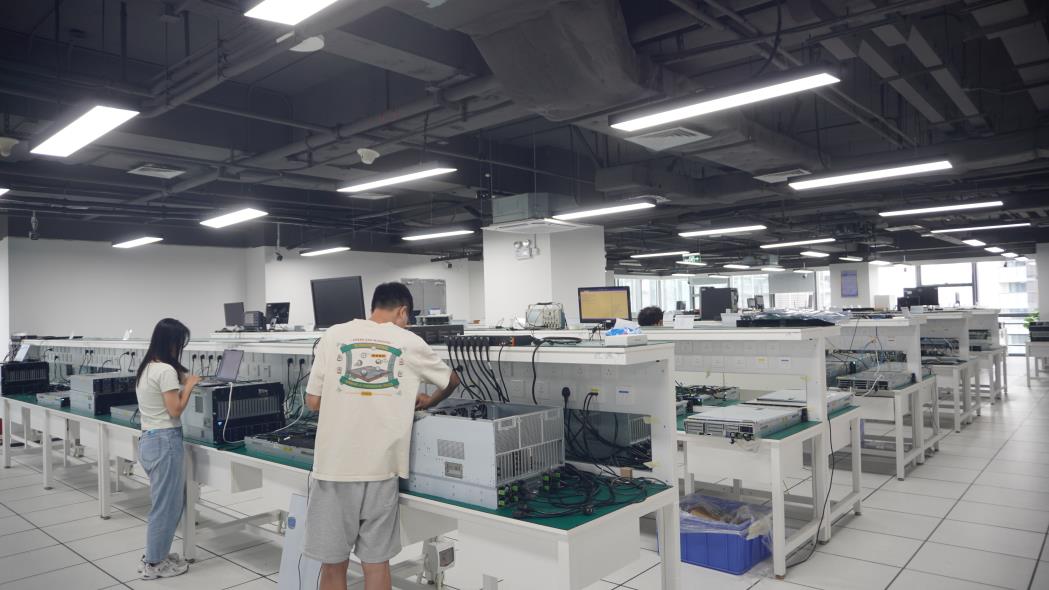
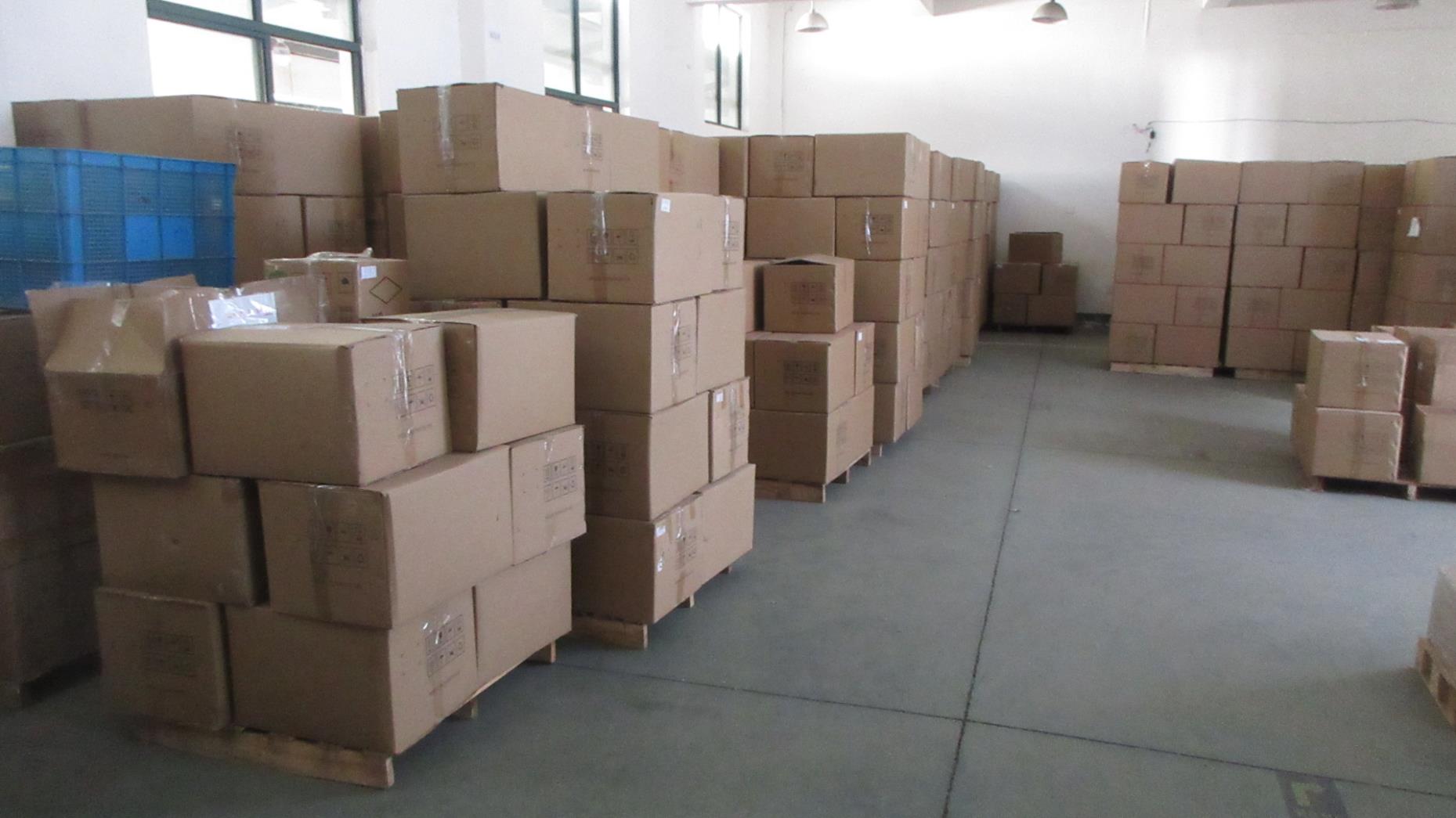
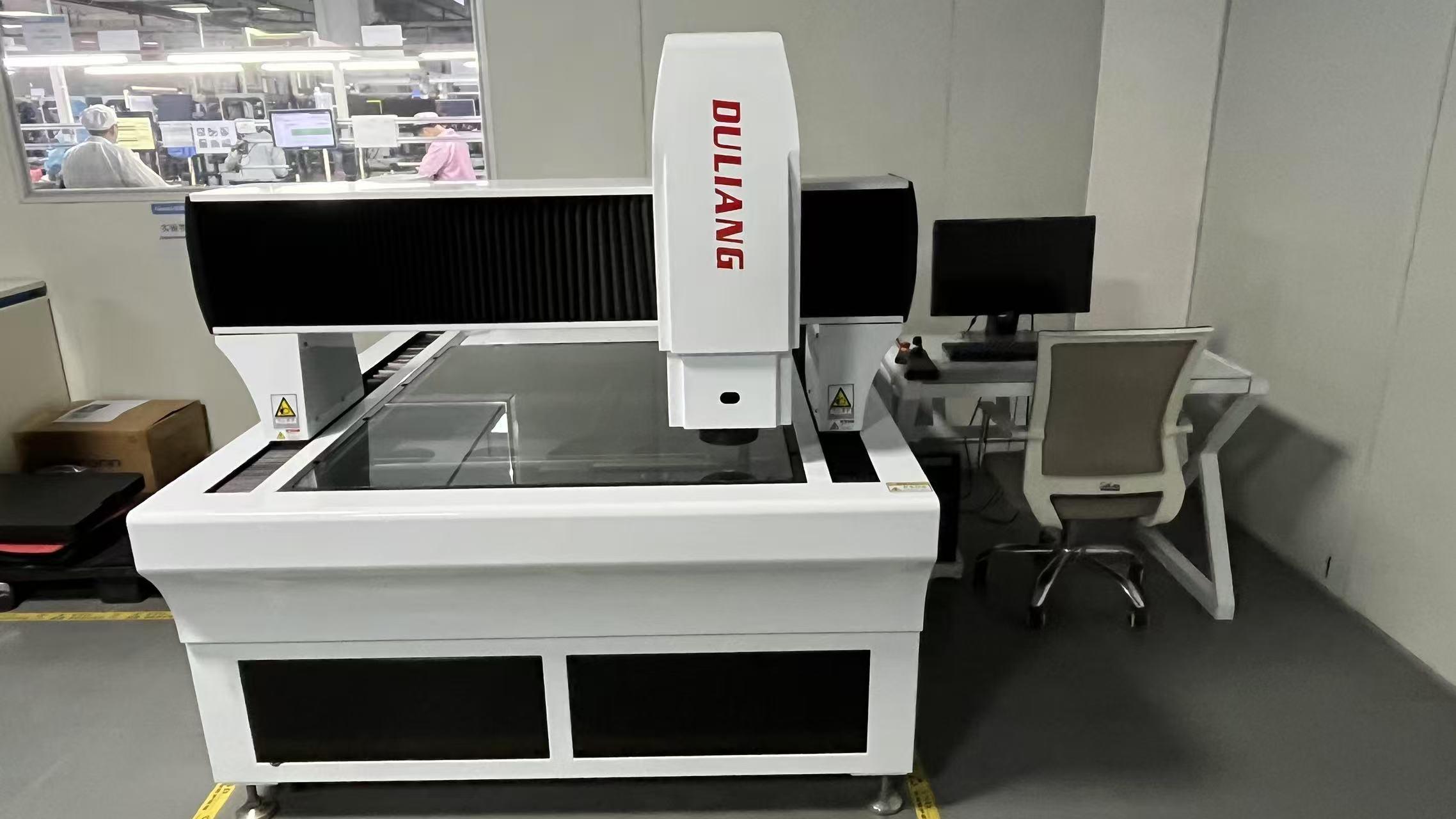
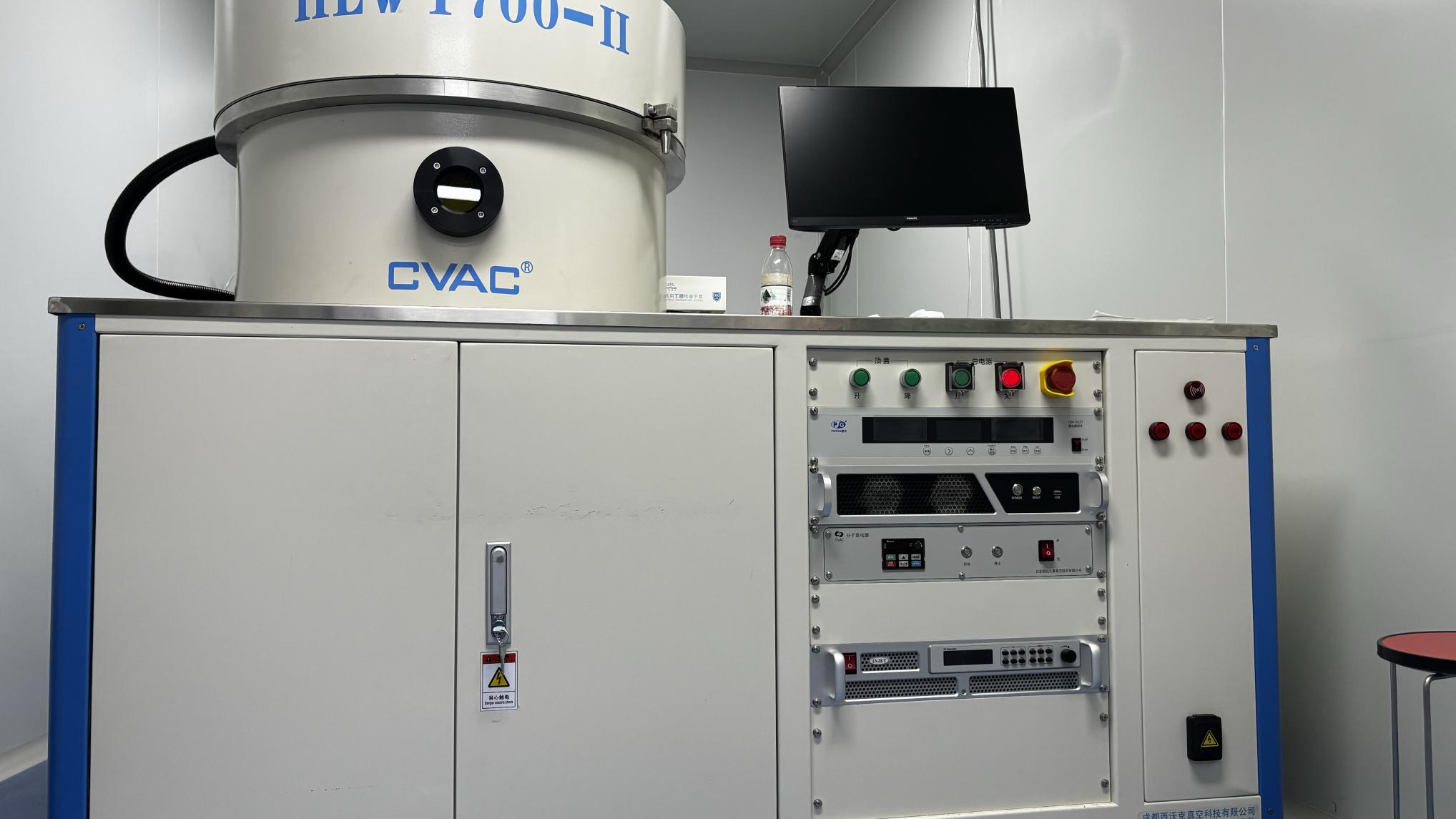
Our state-of-the-art facilities combine modern engineering machinery, precise SMT placement systems, and comprehensive quality control processes.
 Memvora