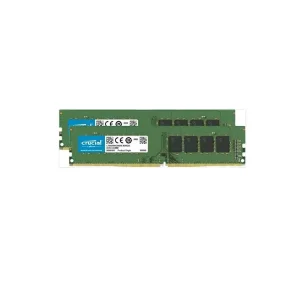
In the modern landscape of high-performance computing (HPC), enterprise virtualization, and real-time artificial intelligence processing, systemic performance boundaries are increasingly dictated by volatile memory capacity and latency profiles. Historically, processor computational capacities (measured in IPC throughput) outpaced data transport cycles from local system storage. Today, as enterprise workflows migrate to hybrid cloud structures, the demand for CE certified memory upgrades is rising. Secure, compliant, and highly stable DRAM configurations are critical to minimizing system bottlenecks and maintaining platform integrity.
Memvora Electronics Technology Co., Ltd. addresses this technological demand by designing and manufacturing advanced, enterprise-grade memory upgrade solutions. With a product portfolio ranging from high-frequency, low-latency DDR5 consumer modules to registered ECC DDR4 modules for mission-critical server environments, we serve the procurement requirements of global technology clients. Through direct compliance tracking, complete wafer-level inspection, and signal optimization, we deliver memory solutions that combine raw performance with long-term reliability.
Founded in 2017, Memvora Electronics Technology Co., Ltd. is a professional manufacturer specializing in high-performance DDR5 memory modules, dedicated to delivering reliable memory solutions for consumer, industrial, enterprise, and embedded applications worldwide. With a modern manufacturing facility covering 386㎡, we combine advanced production equipment, strict quality management, and experienced engineering expertise to provide stable, high-speed memory products for global OEM and ODM partners.
Since entering the international market, Memvora has accumulated 7 years of export experience, serving customers across North America, Europe, Southeast Asia, the Middle East, and South America. Our annual export revenue exceeds US$18.6 million, supported by a strong global supply chain and long-term partnerships with more than 1,280 component suppliers and business partners.
With 14 years of industry experience, our team continuously invests in technology innovation and product development. Our R&D department consists of 126 professional engineers who focus on developing next-generation DDR5 memory solutions with higher speed, lower latency, and enhanced reliability. Last year alone, we successfully launched 86 new memory products to meet the evolving needs of gaming, AI computing, industrial automation, and enterprise servers.
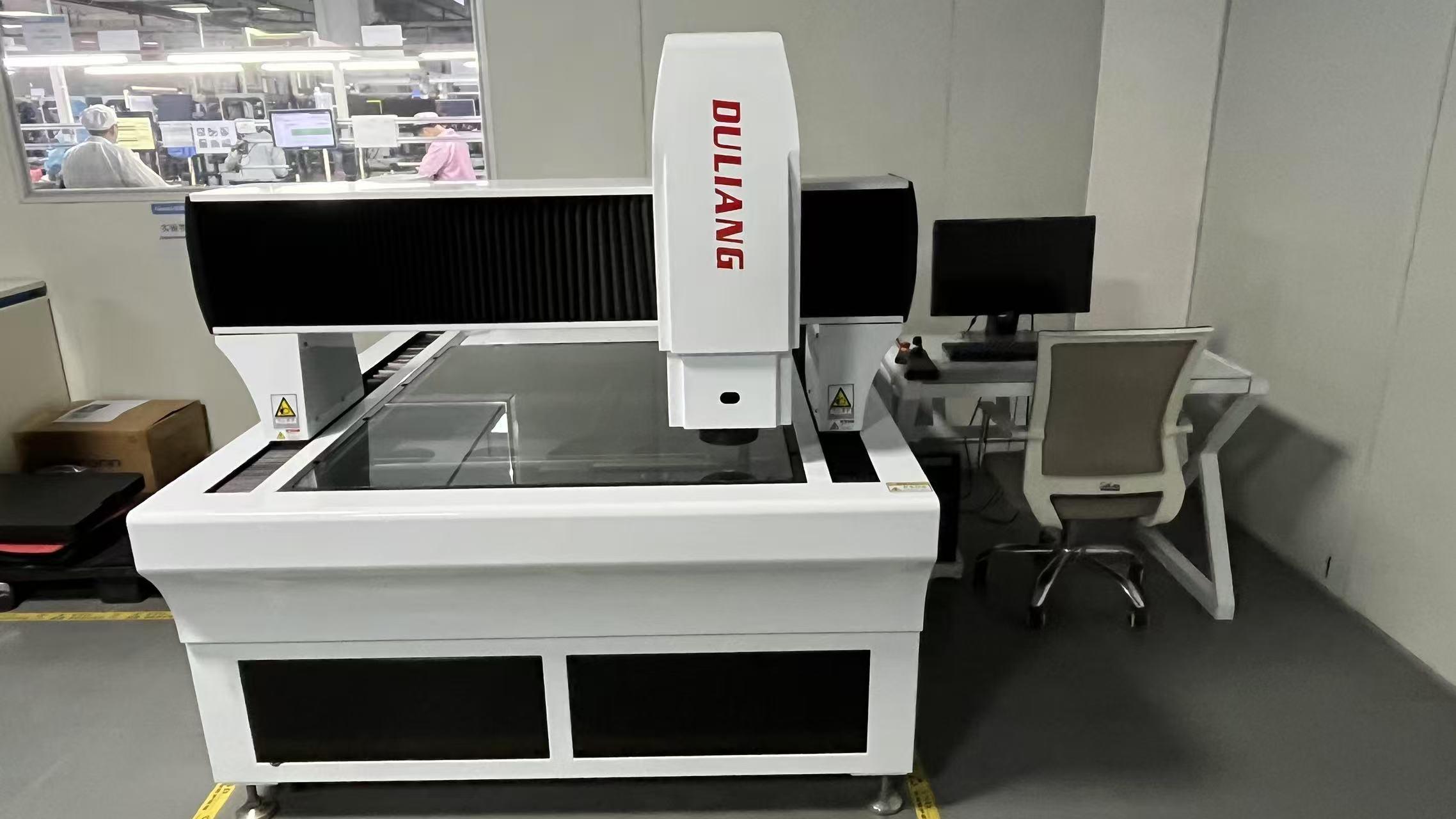
Quality is the foundation of everything we do. Every product undergoes 100% functional testing, burn-in testing, compatibility testing, signal integrity testing, and aging tests before shipment. Our dedicated quality control team of 42 inspectors ensures every memory module meets rigorous international quality standards and delivers long-term stable performance.
Memvora provides flexible OEM, ODM, private label, custom capacity, PCB color, heat spreader design, firmware optimization, and packaging customization services to meet different market requirements. Backed by a responsive engineering team and efficient production management, we help customers shorten development cycles and accelerate product launches.
Today, Memvora serves a diverse customer base including memory brands, computer manufacturers, industrial equipment suppliers, system integrators, distributors, wholesalers, and e-commerce retailers. Through continuous innovation, reliable quality, and customer-focused service, we are committed to becoming a trusted global partner for advanced DDR5 memory manufacturing and customized DRAM solutions.
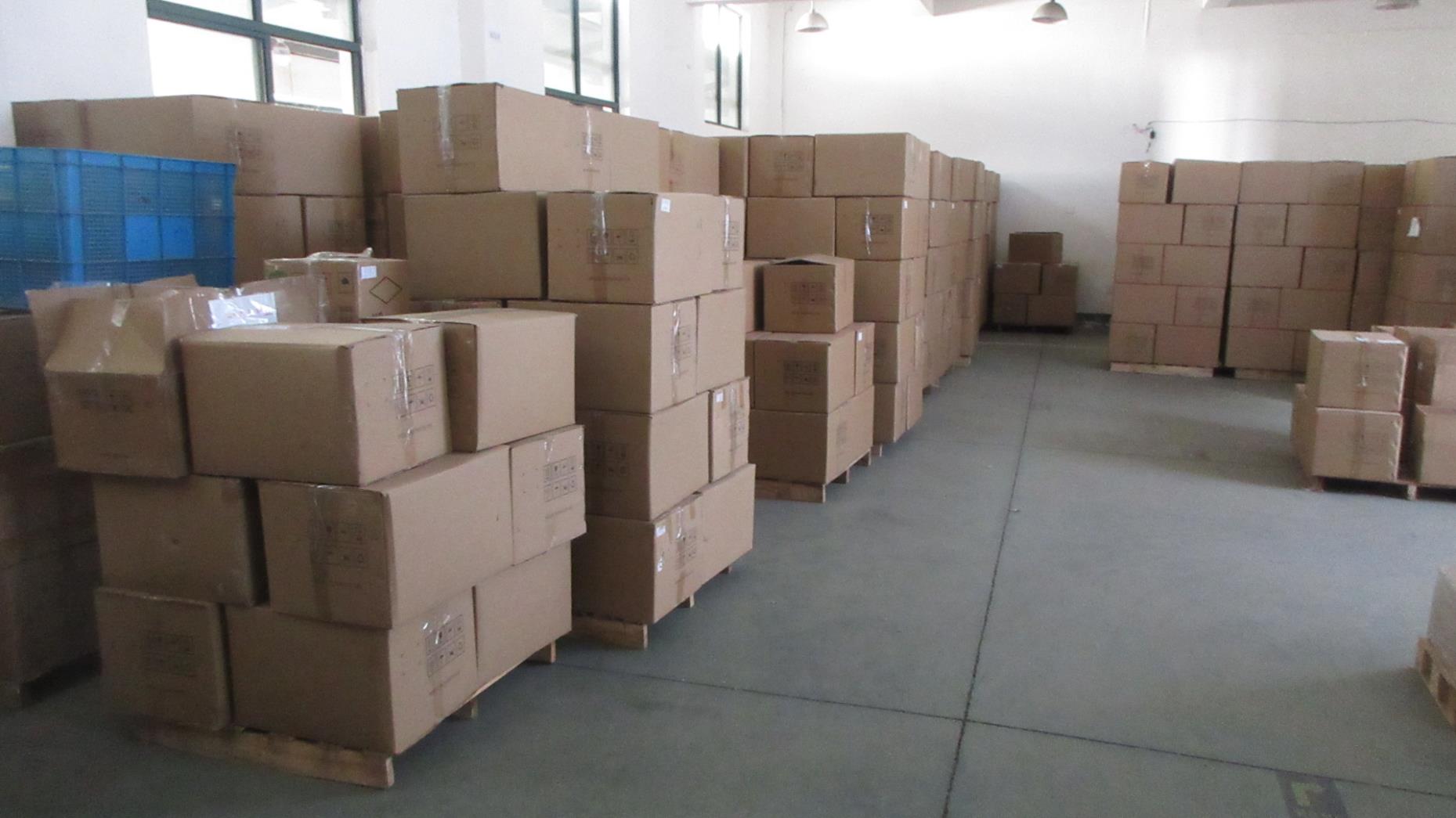
Enterprise-level IT procurement managers face complex choices when scaling memory capacity. In cloud and colocation data centers, memory upgrades represent a significant capital expense (CapEx). However, upgrading existing infrastructure is often more cost-effective than replacing entire processor nodes. Overcoming memory capacity limits allows organizations to extend the lifecycle of legacy servers while supporting high-density workloads.
Key procurement requirements for global enterprise customers include:
High-capacity registered ECC modules designed to eliminate single-bit errors in multi-tenant environments. Provides low latency and high bandwidth for processing cloud services.
Designed for wide temperature ranges (-40°C to 85°C) and resistance to physical shock. Ideal for manufacturing plants, smart cities, and edge computing nodes.
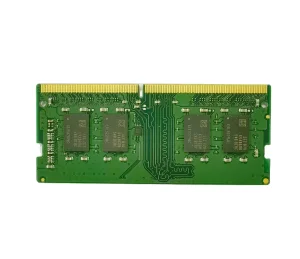
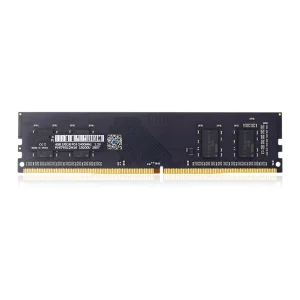
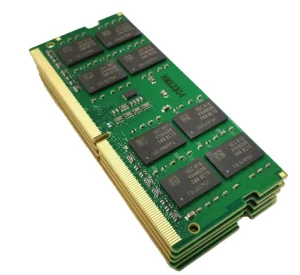
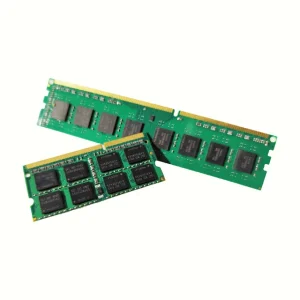
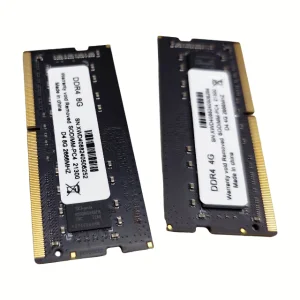
Offers legacy DDR3 and standard DDR4 products (including SODIMMs) to extend the service life of existing systems, helping reduce e-waste and lower capital costs.
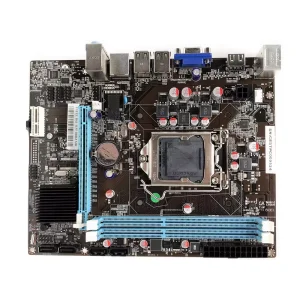
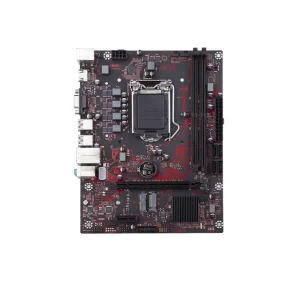
By optimizing memory density per slot, enterprises can postpone expensive CPU and system board upgrades. Memvora works closely with system integrators to align memory speeds, Latency (CL) settings, and voltage requirements. This ensures compatibility across platforms, including legacy Intel H61 chipsets, LGA1156 sockets, and modern Intel B760M or H510M platforms.
The computing industry is undergoing a transition from DDR4 to DDR5, with DDR6 development currently underway. DDR5 introduces key improvements, including a dual-channel architecture per module, On-die ECC (Error Correction Code), and PMIC (Power Management Integrated Circuit) integration.
Memvora’s engineers focus on these technological advances:
To serve international markets, Memvora ensures compliance with global trade regulations. All export-grade memory modules carry the CE Mark, confirming compliance with European safety, health, and environmental protection standards.
Our global compliance framework includes:
Q1: Why is CE certification critical for importing memory modules into European markets?
CE certification shows that Memvora memory modules meet EU safety and electromagnetic compatibility (EMC) standards. Without this mark, products can face customs delays and fines. Our compliance protects distributors and system integrators from regulatory risks.
Q2: How does Memvora ensure memory compatibility with legacy and modern chipsets?
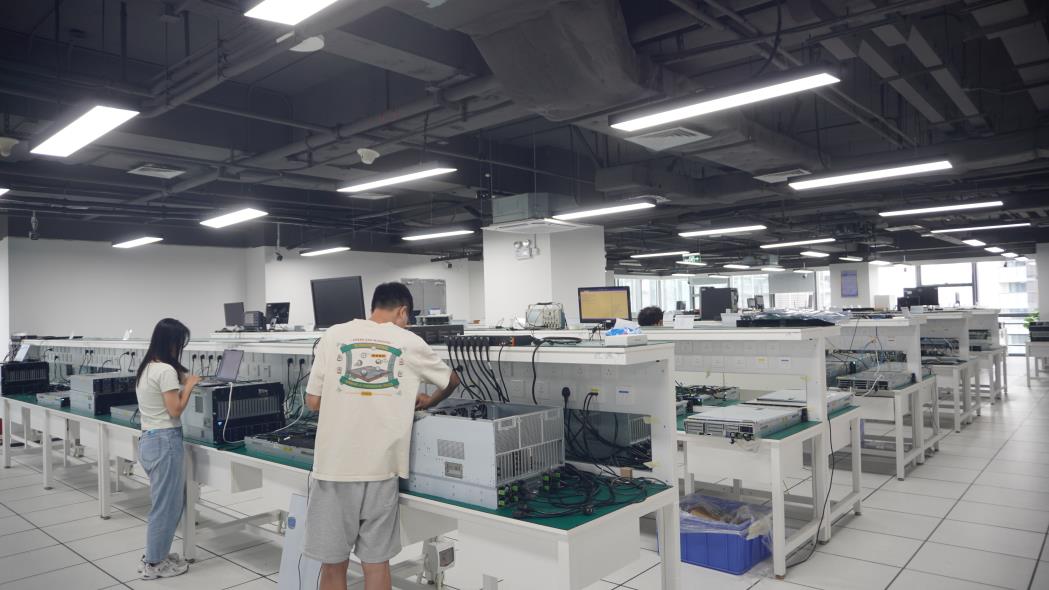
We maintain a laboratory with over 100 motherboard platforms, ranging from older Intel H61 chipsets to modern B760M and H510M platforms. Each design phase includes electrical load testing to ensure compatibility and system stability.
Q3: What are the functional differences between On-die ECC and Side-band ECC in DDR5?
On-die ECC corrects errors inside the DRAM chip to manage cell density issues. Side-band ECC uses additional data lines (72-bit width instead of 64-bit) to correct errors during data transmission to the CPU, which is vital for enterprise servers.
Q4: What testing protocols are applied to Memvora's memory modules prior to export?
Every module undergoes physical and electrical testing, including automatic tester checks, high-temperature thermal cycling, compatibility tests, and signal integrity testing using advanced oscilloscopes. This process helps ensure reliable performance in the field.
Q5: Can Memvora customize modules for industrial applications?
Yes. We offer customization options including industrial operating temperature ranges (-40°C to 85°C), conformal coatings to protect against moisture and dust, custom PCB layouts, and customized SPD programming for specific systems.
Q6: What is the typical lead time for custom OEM or ODM memory modules?
Standard configurations can ship in 7 to 14 days, depending on inventory. Custom OEM/ODM designs, including custom thermal spreaders or custom PCBs, usually take 4 to 6 weeks, which covers prototyping and compatibility testing.
 Memvora