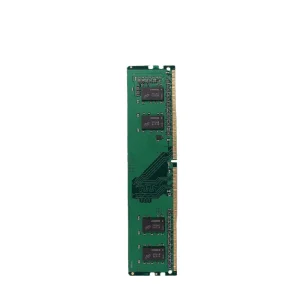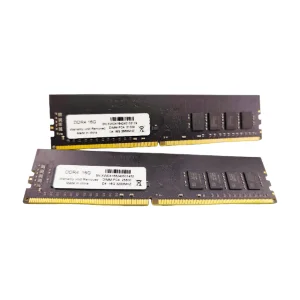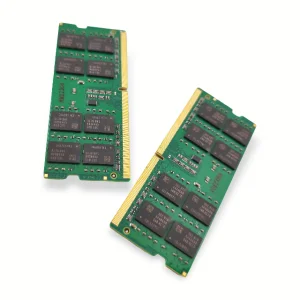
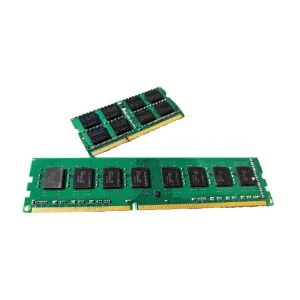
In the contemporary digital economy, high-performance computing hardware serves as the bedrock of enterprise efficiency, data security, and systemic scalability. Specifically, Laptop RAM (Random Access Memory) modules act as the processing buffer for mobile computing fleets, industrial terminals, and edge computing nodes. Sourcing CE-certified, high-reliability DRAM modules is no longer merely a procurement task; it is a critical strategy to minimize IT downtime, preserve data integrity, and guarantee operational continuity.
This whitepaper details the manufacturing landscape of laptop DRAM, highlighting the competitive manufacturing advantages of Chinese factories, global compliance benchmarks (focusing on the CE marking framework), localized vertical integration applications, and how Memvora Electronics Technology Co., Ltd. satisfies these strict engineering requirements.
Analyzing search intents shows B2B buyers search for technical specifications (CL latencies, IC source grading, PCB layer composition) rather than generic product terms.
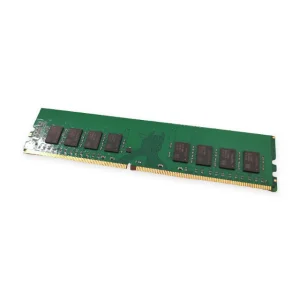
Proper PCB routing prevents cross-talk and impedance mismatches. In high-frequency DDR4 and DDR5 memory modules, this architecture ensures error-free computing.
CE Certification ensures conformity with the European EMC Directive 2014/30/EU, shielding laptop components from electromagnetic interference (EMI).
Founded in 2017, Memvora Electronics Technology Co., Ltd. is a professional manufacturer specializing in high-performance DDR5 memory modules, dedicated to delivering reliable memory solutions for consumer, industrial, enterprise, and embedded applications worldwide. With a modern manufacturing facility covering 386㎡, we combine advanced production equipment, strict quality management, and experienced engineering expertise to provide stable, high-speed memory products for global OEM and ODM partners.
Since entering the international market, Memvora has accumulated 7 years of export experience, serving customers across North America, Europe, Southeast Asia, the Middle East, and South America. Our annual export revenue exceeds US$18.6 million, supported by a strong global supply chain and long-term partnerships with more than 1,280 component suppliers and business partners.
With 14 years of industry experience, our team continuously invests in technology innovation and product development. Our R&D department consists of 126 professional engineers who focus on developing next-generation DDR5 memory solutions with higher speed, lower latency, and enhanced reliability. Last year alone, we successfully launched 86 new memory products to meet the evolving needs of gaming, AI computing, industrial automation, and enterprise servers.
Quality is the foundation of everything we do. Every product undergoes 100% functional testing, burn-in testing, compatibility testing, signal integrity testing, and aging tests before shipment. Our dedicated quality control team of 42 inspectors ensures every memory module meets rigorous international quality standards and delivers long-term stable performance.
Memvora provides flexible OEM, ODM, private label, custom capacity, PCB color, heat spreader design, firmware optimization, and packaging customization services to meet different market requirements. Backed by a responsive engineering team and efficient production management, we help customers shorten development cycles and accelerate product launches.
Today, Memvora serves a diverse customer base including memory brands, computer manufacturers, industrial equipment suppliers, system integrators, distributors, wholesalers, and e-commerce retailers. Through continuous innovation, reliable quality, and customer-focused service, we are committed to becoming a trusted global partner for advanced DDR5 memory manufacturing and customized DRAM solutions.
Take a virtual tour through our ISO-certified facilities, showcasing our automated high-speed SMT assembly, multi-stage AOI testing, and environmental aging chambers.
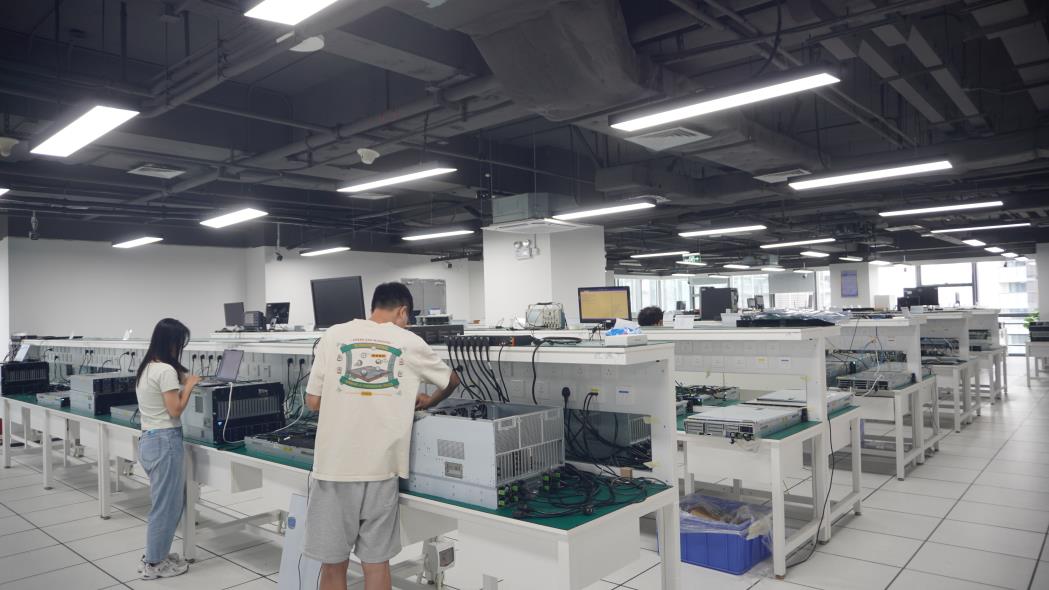
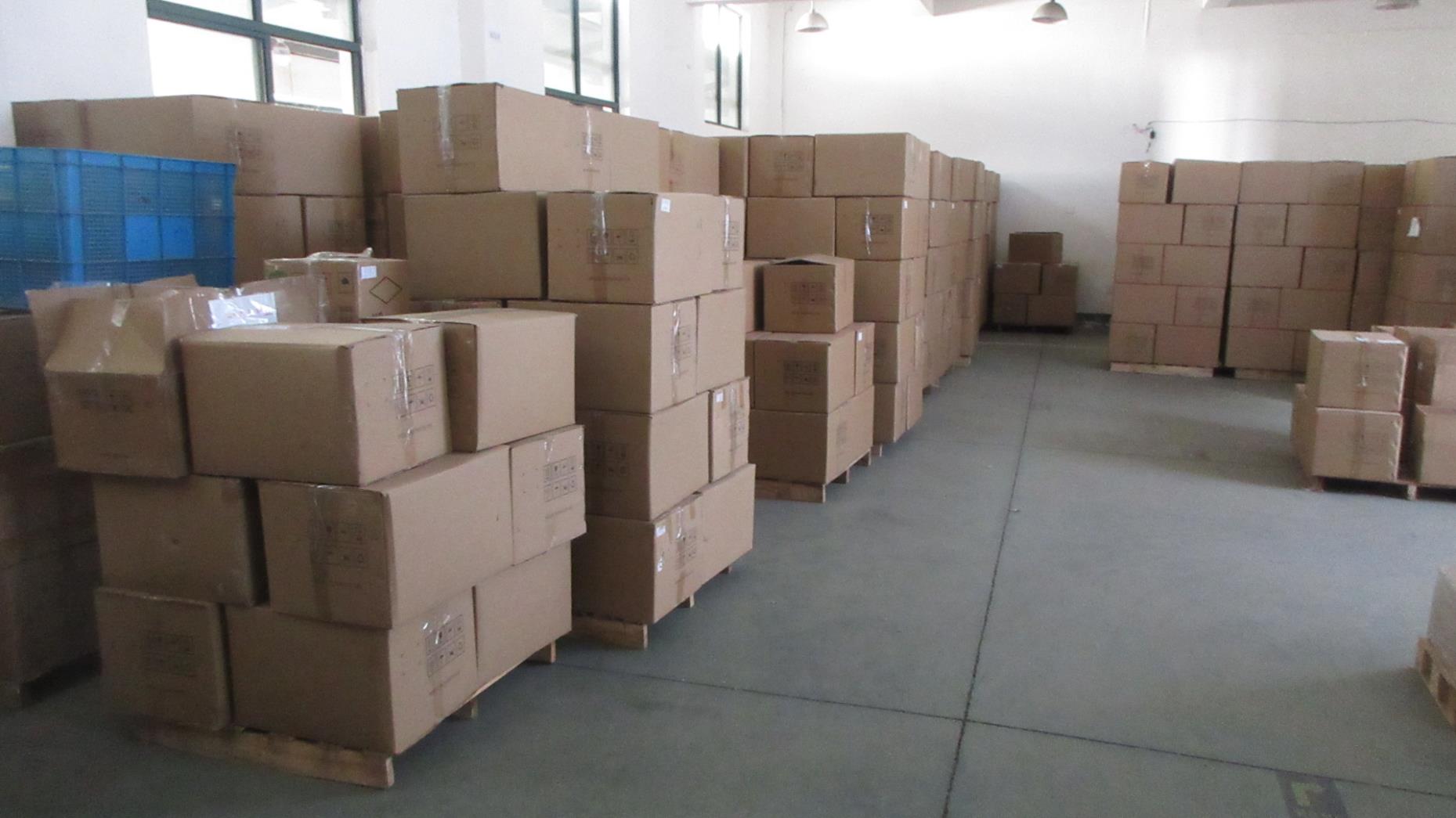
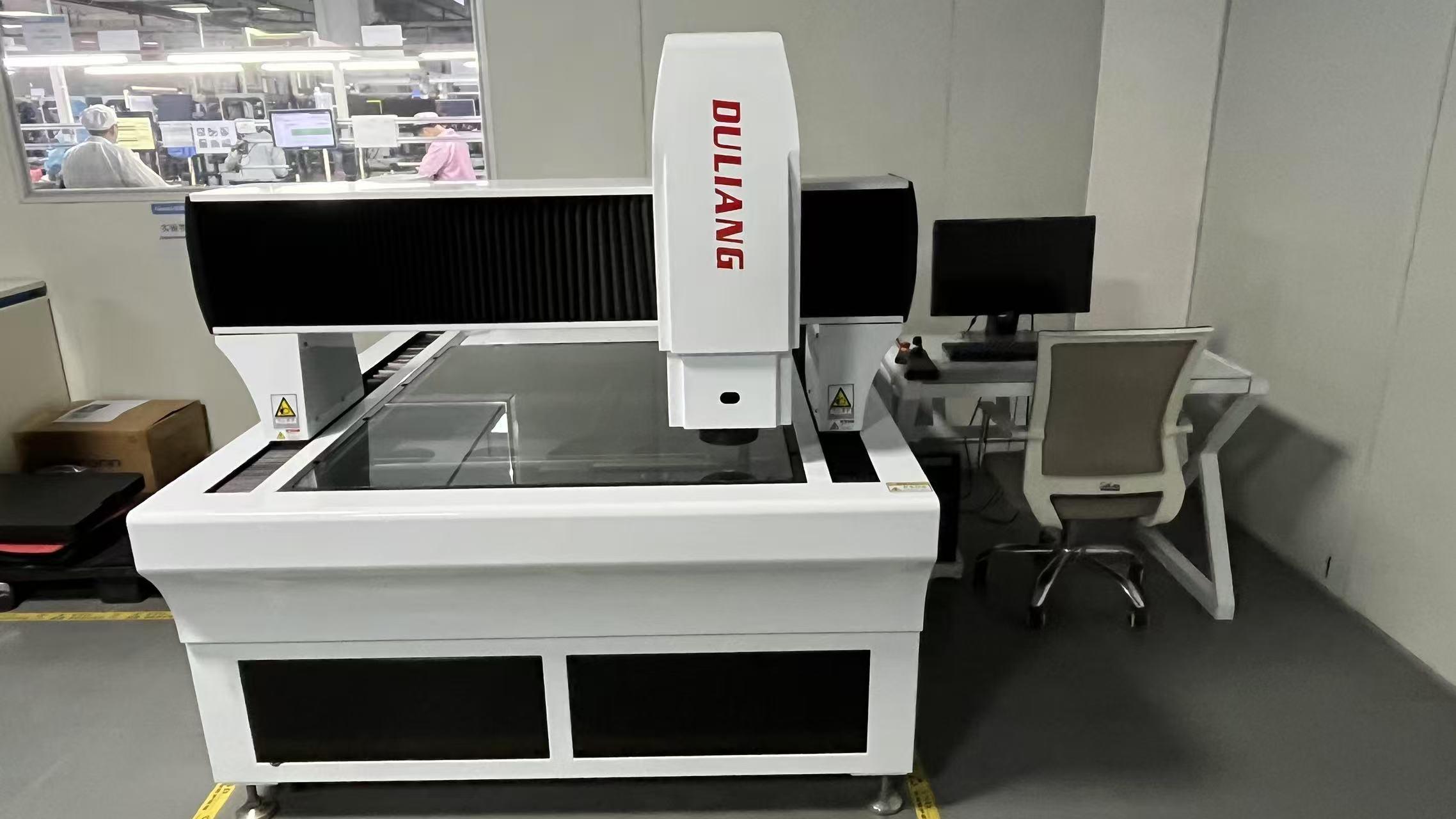
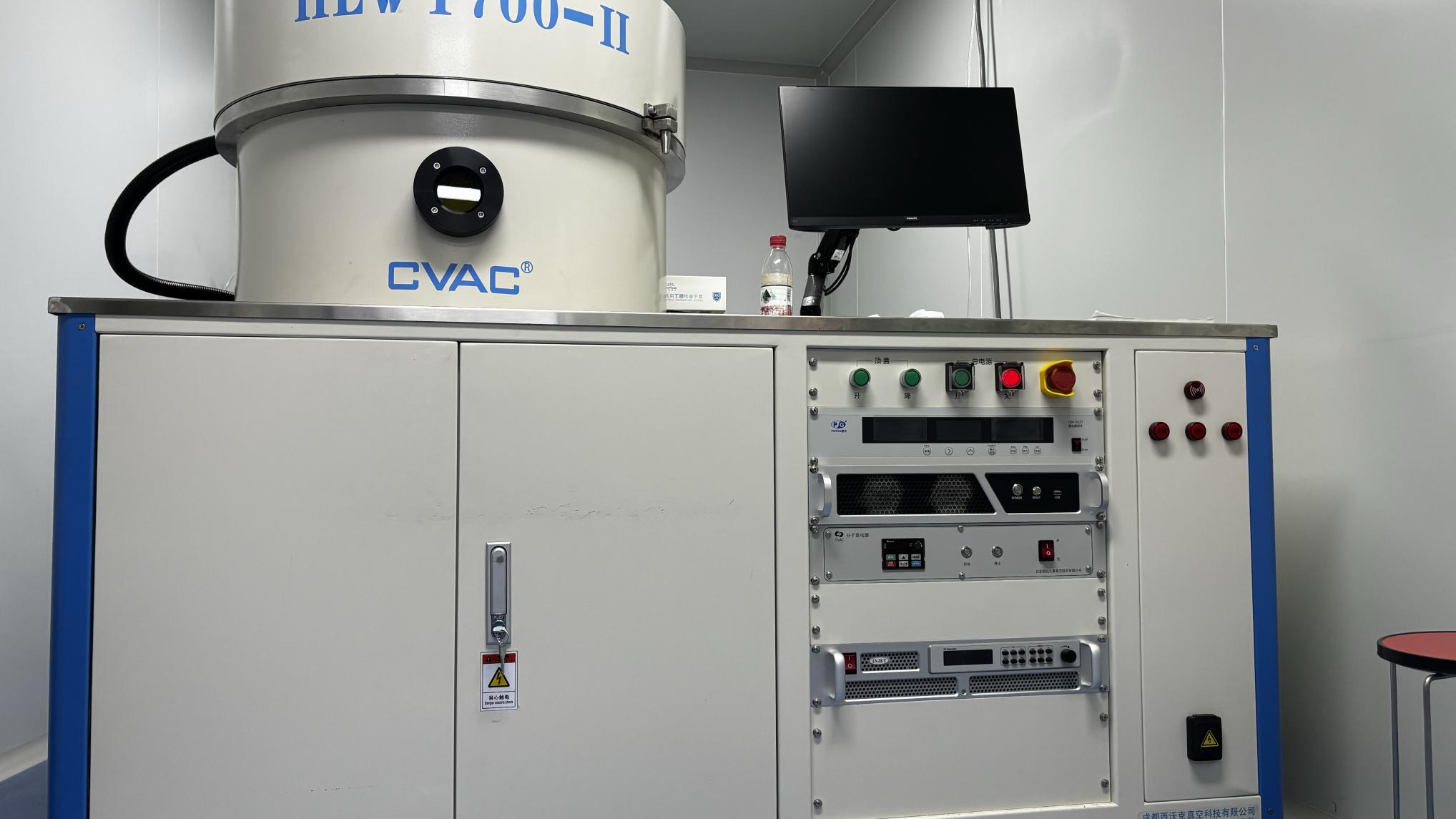
The global semiconductor supply chain relies heavily on key manufacturing clusters. Chinese DRAM factories, particularly in Shenzhen and the greater Guangdong-Hong Kong-Macao Greater Bay Area, provide unmatched advantages for global enterprise procurers:
From prompt wafer packaging to PCB manufacturing, testing houses, and custom heat-shield stamping facilities, all components are located within a 50km radius. This shortens lead times and helps us fulfill bulk orders efficiently.
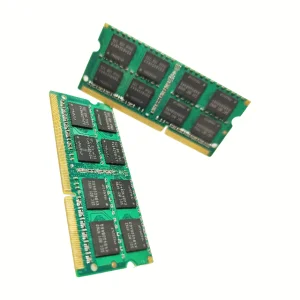
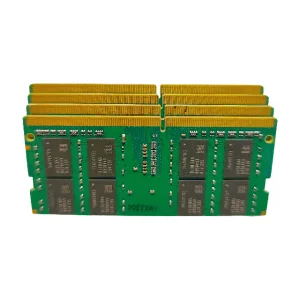
By leveraging advanced surface mount technology (SMT) equipment from brands like Fuji and Yamaha, Chinese factories can deliver high solder joint reliability on small SO-DIMM form factors.
Advanced engineering, lean manufacturing, and close proximity to major IC packaging hubs (such as JCET and TFME) allow us to reduce operational costs without sacrificing quality standards.
The laptop RAM market is undergoing a significant transition. While DDR4 remains a cost-effective standard for everyday applications, DDR5 is rapidly becoming the benchmark for new laptop releases, particularly with the rise of AI PCs and high-performance computing (HPC) environments.
Unlike DDR4, which relies on a single 64-bit channel, DDR5 SO-DIMMs utilize a dual-channel architecture (two independent 32-bit subchannels per module). This optimization improves data transfer efficiency. Furthermore, DDR5 features an on-module Power Management IC (PMIC), transferring power regulation from the motherboard to the RAM module itself, reducing power consumption from 1.2V (DDR4) to 1.1V (DDR5) and ensuring cleaner power delivery.
Additionally, DDR5 incorporates On-Die ECC (Error Correction Code). This technology detects and corrects single-bit errors within the DRAM chip before data is transmitted to the CPU, reducing system crashes and enhancing reliability under demanding enterprise workloads.
As applications like real-time data processing, localized LLMs (Large Language Models), and high-resolution CAD renderings migrate to mobile workstations, the demand for high-bandwidth RAM is growing. High-frequency memory modules, operating at 4800MHz, 5600MHz, and up to 6400MHz, are essential for modern CPUs to prevent bottlenecks and maximize processing performance.
Laptop DRAM modules must perform reliably across diverse environments, from quiet corporate offices to dust-prone, high-vibration manufacturing floors. Memvora designs and optimizes memory modules to excel in these specific vertical scenarios:
Minimize system crashes and enhance productivity during multi-tab web browsing and large spreadsheet calculations. Our modules undergo strict compatibility testing with leading corporate laptop brands like Dell, Lenovo, and HP.
For smart factories and embedded IoT gateways, we offer SO-DIMM modules with wide-temperature range support (-40°C to 85°C), conformal coatings to resist moisture/dust, and anti-sulfurization protection.
We provide ultra-low latency profiles (CL38, CL40) and support Intel XMP 3.0 / AMD EXPO overclocking profiles to maximize frame rates and smooth out rendering pipelines for content creators.
For international importers, CE compliance is essential. The CE mark signifies that our memory modules conform to European safety, health, and environmental standards, specifically matching the following directives:
This directive ensures that the RAM module does not emit excessive electromagnetic noise that could interfere with other wireless devices, and maintains sufficient immunity to external electromagnetic fields.
This standard restricts the use of ten hazardous substances (including lead, cadmium, and mercury) in electrical and electronic equipment, protecting the environment and end-users alike.
When selecting a laptop RAM manufacturer in China, procurement teams should evaluate the following criteria:
Ensure your supplier uses brand-new, original DRAM ICs. Avoid third-party refurbished chips, which can lead to high return rates and system instability.
OEM/ODM partners should offer custom Serial Presence Detect (SPD) programming. This ensures the RAM auto-negotiates the correct JEDEC speeds, timings, and voltages with host motherboards.
Choose manufacturers that offer long-term warranties (up to lifetime warranty for standard DRAM modules) and reliable RMA replacement processes.
Here are answers to the most common questions from global procurement officers and hardware distributors:
 Memvora