When choosing between RDIMM and LRDIMM, understanding the RDIMM vs LRDIMM difference is crucial for making an informed decision. Both memory types serve essential roles in server environments, yet they cater to different needs. RDIMM, or Registered DIMM, offers stability and reliability. This makes it ideal for tasks requiring high performance and consistent data integrity. LRDIMM, or Load-Reduced DIMM, is designed for scalability and efficiency. Its architecture reduces the electrical load on the memory controller, allowing for higher capacity.
In the competitive landscape of server memory, users must weigh each option's benefits carefully. RDIMM may provide robust performance but at a higher cost. Conversely, LRDIMM can support larger amounts of RAM, which may lead to cost savings in expansive systems. Buyers often face challenges when digging into specifications. The overwhelming array of technical details can complicate the decision-making process. This guide will explore key differences and offer practical tips for making the right choice. Understanding these distinctions can lead to better system performance and investment.
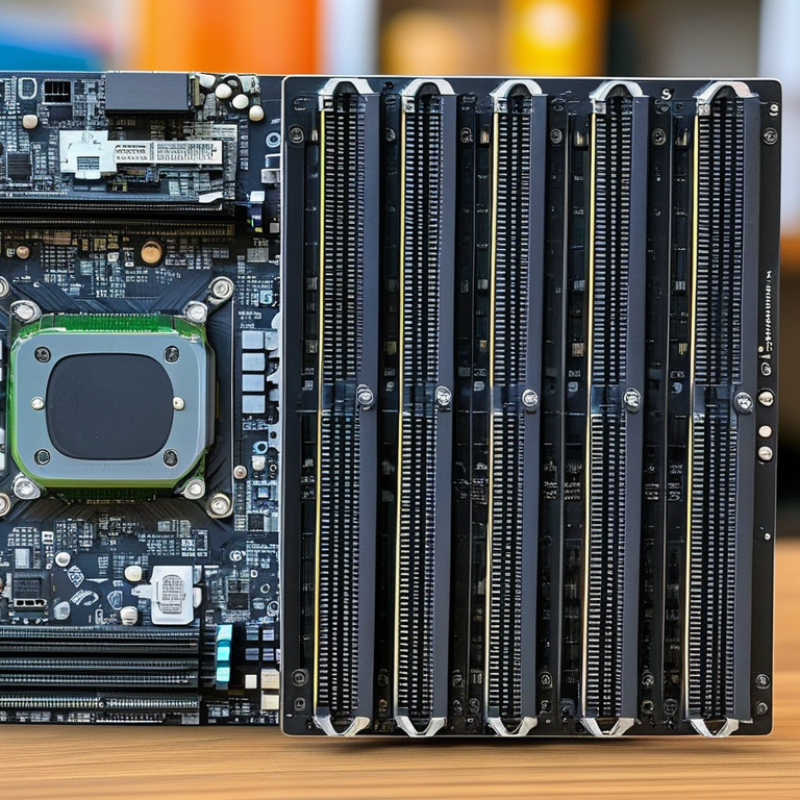
Understanding RDIMM and LRDIMM: An Overview
Understanding RDIMM and LRDIMM: An Overview
RDIMM (Registered DIMM) and LRDIMM (Load-Reduced DIMM) are crucial memory technologies in servers. They both serve to enhance performance in a multi-processor environment. RDIMMs rely on a register to reduce the electrical load on the memory controller. In contrast, LRDIMMs utilize a buffer that allows for even greater memory capacity and efficiency. This distinction makes LRDIMMs ideal for applications demanding high memory bandwidth.
When considering these memory types, factor in your system needs. RDIMMs suit standard workloads, providing reliable performance. If your application requires heavy multitasking and data processing, LRDIMMs may be more beneficial. They offer higher capacity and lower power consumption. This ensures better energy efficiency in server operations.
One common oversight is underestimating the importance of compatibility. Before making a choice, check your motherboard specifications to confirm support for either memory type. Another consideration involves budget. LRDIMMs tend to be pricier. Evaluate the trade-offs regarding performance versus cost. Sometimes, it’s okay to choose a less expensive option if it meets your requirements. This reflection on balance is crucial.
RDIMM vs LRDIMM Differences: 5 Essential Tips for Buyers
| Feature |
RDIMM |
LRDIMM |
| Architecture |
Registered DIMM |
Load Reduced DIMM |
| Memory Capacity |
Up to 64GB per module |
Up to 128GB per module |
| Signal Integrity |
Standard signal integrity |
Enhanced signal integrity with improved design |
| Power Consumption |
Higher power consumption |
Lower power consumption due to reduced load |
| Performance |
Good performance for most applications |
Better performance for high-density memory needs |
Key Technical Differences Between RDIMM and LRDIMM
When considering memory modules for servers, the differences between RDIMM and LRDIMM are crucial. RDIMMs, or Registered DIMMs, have a register between the DRAM modules and the memory controller. This design helps reduce electrical load, allowing for more modules to be installed. According to industry reports, RDIMMs can support a maximum capacity of 128GB per module, making them quite efficient for moderate applications.
On the other hand, LRDIMMs, or Load-Reduced DIMMs, utilize a buffer chip that alleviates the load on the memory bus. This enables higher memory capacity and speeds. A recent study indicated that LRDIMMs can support up to 256GB per module, effectively doubling the capacity available compared to RDIMMs. However, the complexity of LRDIMM technology can introduce latency issues.
Buyers must weigh these factors carefully. While LRDIMMs offer higher density, RDIMMs may be more reliable in less demanding environments. A balance between performance and complexity is essential for optimal server configurations. Understanding these key technical differences empowers buyers to make informed decisions. Every server setup has unique requirements. It's vital to reflect on these aspects when selecting the right memory type.
Advantages and Disadvantages of RDIMM
When considering RDIMM (Registered DIMM) memory modules, understanding their advantages and disadvantages is crucial for buyers. RDIMMs feature increased stability, making them suitable for servers and workstations. They employ a register that helps buffer the signals, thus enhancing reliability during high-load operations. According to industry reports, systems utilizing RDIMMs can support up to 64GB per module, allowing for larger memory configurations. This capacity is essential for demanding applications, including databases and virtualization.
However, RDIMMs come with some drawbacks. The added register adds latency, which can hamper performance in certain applications. This may not be suitable for systems where speed is a top priority. Cost is another factor to consider. RDIMMs are typically more expensive than unbuffered DIMMs. For buyers on a budget, this might lead to difficult choices. It's vital to weigh these factors carefully against the specific needs of your system.
In a world increasingly dominated by data-intensive tasks, the role of memory is more critical than ever. Organizations must reflect on their needs before making a purchase. Determining whether the increased stability of RDIMMs is worth the cost and potential downsides requires careful consideration.
RDIMM vs LRDIMM: Advantages and Disadvantages
This chart compares the advantages and disadvantages of RDIMM and LRDIMM memory types based on various parameters that are essential for buyers.
Advantages and Disadvantages of LRDIMM
When comparing LRDIMM to RDIMM, it’s important to consider their advantages and disadvantages.
LRDIMM, or Load-Reduced DIMM, is designed for higher memory capacities. Reports indicate that LRDIMMs can support up to 64 GB per module, while RDIMMs typically max out around 16 GB. This capacity is crucial for servers running memory-intensive applications. However, LRDIMMs are more complex and may introduce latency issues, potentially impacting performance in some configurations.
One significant advantage of LRDIMM is its ability to improve power efficiency. Research shows that LRDIMMs can reduce power consumption by up to 20% compared to traditional RDIMMs under certain workloads. This is vital for data centers aiming to lower operational costs. Yet, users must be cautious. The complexity of LRDIMMs can lead to compatibility issues with certain motherboards. Buyers should verify the specifications of their server hardware before making a purchase.
Moreover, LRDIMMs come at a higher price point, which can be a crucial downside for budget-conscious buyers. While the benefits may seem enticing, organizations must weigh the cost against potential performance trade-offs. Some users may find that RDIMMs meet their needs just as effectively for less investment. Understanding the operational requirements of your applications is essential before deciding on the right memory type.
Considerations for Buyers When Choosing Between RDIMM and LRDIMM
When deciding between RDIMM and LRDIMM, buyers face a crucial choice. Both types of memory modules cater to different needs. RDIMM, or Registered DIMM, improves system stability and supports larger memory configurations. It uses a register to buffer signals, which minimizes load on the memory controller. This feature makes RDIMM ideal for servers that require reliability in data-intensive environments.
On the other hand, LRDIMM or Load-Reduced DIMM is designed for higher capacity and performance. It reduces the electrical load on data lines, allowing more modules to be installed. This can significantly boost memory capacity in systems. However, LRDIMMs may come with a trade-off in terms of latency. Buyers need to evaluate their actual use cases carefully. They should ask themselves: Is maximum capacity a priority? Or is stability more crucial for my applications?
The choice between RDIMM and LRDIMM ultimately hinges on specific needs. Understanding memory requirements is essential. Look into how applications utilize memory. Regularly reassessing your infrastructure can reveal insights. This approach ensures that your decision aligns with your evolving needs.
FAQS
: RDIMMs are Registered DIMMs with a register that reduces electrical load, allowing for more modules.
RDIMMs can support a maximum capacity of 128GB per module.
LRDIMMs use a buffer chip to reduce load and enable higher capacities and speeds.
LRDIMMs can support up to 256GB per module, doubling the capacity of RDIMMs.
Yes, LRDIMMs may introduce latency issues due to their complexity, affecting performance.
LRDIMMs can reduce power consumption by up to 20% compared to traditional RDIMMs.
Compatibility issues with motherboards and higher price points must be carefully evaluated.
For less demanding applications, RDIMMs may meet needs effectively at a lower cost.
Knowing specific application needs helps in selecting the right memory type for server configurations.
A balance between performance benefits and complexity is essential for optimal server setups.
Conclusion
In the comparison of RDIMM vs LRDIMM difference, it is essential to understand the foundational aspects of both memory types. RDIMM (Registered DIMM) utilizes a register to maintain signal integrity and support higher memory capacities, making it ideal for servers requiring stability and performance. On the other hand, LRDIMM (Load-Reduced DIMM) features a buffer that significantly reduces the electrical load on the memory controller, allowing for even higher capacities and better performance in memory-intensive applications.
Each type has its advantages and disadvantages; RDIMMs are typically easier to implement but can face limitations in scalability, while LRDIMMs excel in high-density environments but may come with increased complexity and cost. Buyers should weigh these factors carefully alongside their operational requirements, ensuring they choose the right memory type for their specific applications.

 Memvora