DDR5 memory represents the next generation of RAM technology, poised to revolutionize computing performance. According to a recent report by Jon Peddie Research, the global memory market is expected to reach $135 billion by 2025, driven largely by increased demand for DDR5 memory. This new standard offers double the bandwidth and increased data rates compared to its predecessor, DDR4. Those upgrading from older systems will notice significant improvements in speed and efficiency.
In today's fast-paced digital landscape, applications require more RAM to function effectively. Gaming, AI, and data analysis tools benefit significantly from this speed. A familiar example can be found in gaming: PC gamers using DDR5 experience faster load times. With this new technology, users can run multiple applications seamlessly.
While DDR5 technology promises outstanding performance, it's also crucial to recognize that not all systems are compatible. Understanding the specifications can be complex. This DDR5 memory guide will help you navigate its benefits and limitations, ensuring informed decisions. Embracing DDR5 today can future-proof your system for upcoming advancements.
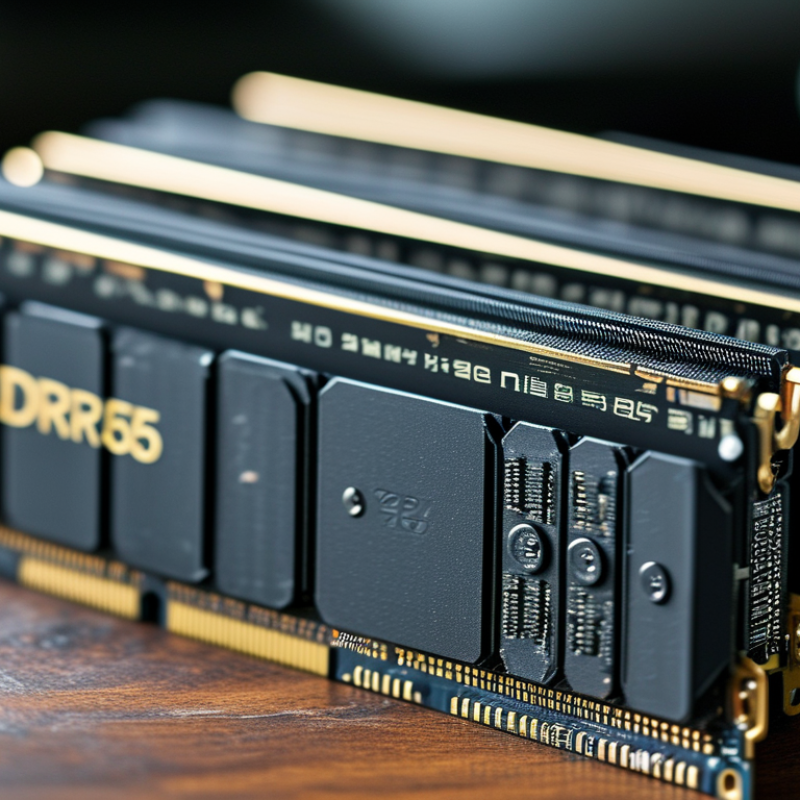
DDR5 Memory represents a significant leap in data performance. It offers faster speeds and improved efficiency compared to its predecessor, DDR4. Industry reports indicate that DDR5 can achieve data rates starting at 4800 MT/s, with potential for speeds exceeding 8400 MT/s as the technology matures. This progress can lead to a noticeable enhancement in computing tasks such as gaming and content creation, where every millisecond counts.
One of the key features of DDR5 is its increased bandwidth. It allows multiple channels to operate simultaneously, doubling the effective data transfer rate. This dual-channel architecture means that applications can access memory faster when processing large datasets. Moreover, DDR5 supports a higher capacity per module, with some reported to reach 64 GB per stick. As certain sectors, like AI and machine learning, continue to grow, the need for more extensive memory solutions becomes paramount.
While DDR5 is beneficial, it's essential to consider its integration into existing systems. Current motherboards may require upgrades for compatibility. Some users might find the transition costs steep. Checking the return on investment is crucial. As DDR5 continues to evolve, staying informed on its capabilities and limitations is vital for making intelligent technology choices.
: DDR memory technology refers to a type of RAM that has evolved through various generations, improving speed and efficiency.
DDR5 offers speeds up to 8400 Mbps, doubling DDR4's capacity and allowing for better performance in demanding applications.
Upgrading to DDR5 enhances multitasking, speeds up data processing, and supports larger capacities for high-end applications.
Yes, compatibility with older systems and the need for new motherboards or CPUs may pose challenges and unexpected costs.
DDR5 reduces lag, ensures smoother performance during intense tasks, and supports advanced applications like 3D rendering.
Future technologies may focus on further increasing bandwidth, improving energy efficiency, and ensuring stability in high-performance scenarios.
DDR5 supports modules up to 64GB, essential for demanding applications like simulations and high-resolution content creation.
Higher speeds raise questions about overheating and data integrity, emphasizing the need for rigorous testing and quality control.
While some users may experience performance boosts over 30%, real-world results can vary based on system compatibility and workload.
Understanding the latest trends, evaluating compatibility, and considering practical needs can guide users in selecting the right memory solutions.
In this DDR5 memory guide, we explore the cutting-edge DDR5 memory technology and its key features that set it apart from its predecessors. With advancements from DDR1 to DDR5, memory technology has evolved significantly, enhancing speed, bandwidth, and efficiency. Upgrading to DDR5 memory today offers numerous benefits for gamers, content creators, and professionals, including improved multitasking capabilities and reduced latency.
However, potential users should consider compatibility with existing systems, as DDR5 may require specific motherboards and chipsets. Looking ahead, the future trends in DDR memory technology suggest continued advancements that will further optimize performance and meet the growing demands of applications. Adopting DDR5 memory now positions users to take full advantage of these innovations and ensures a more robust computing experience.

 Memvora